
La Thuile Skiing Guide: Pistes, Passes and Lessons
Plan a La Thuile ski trip: 156 km of Espace San Bernardo pistes linked to La Rosière, the Franco Berthod black, beginner zones, passes, lessons and hire.
On this page
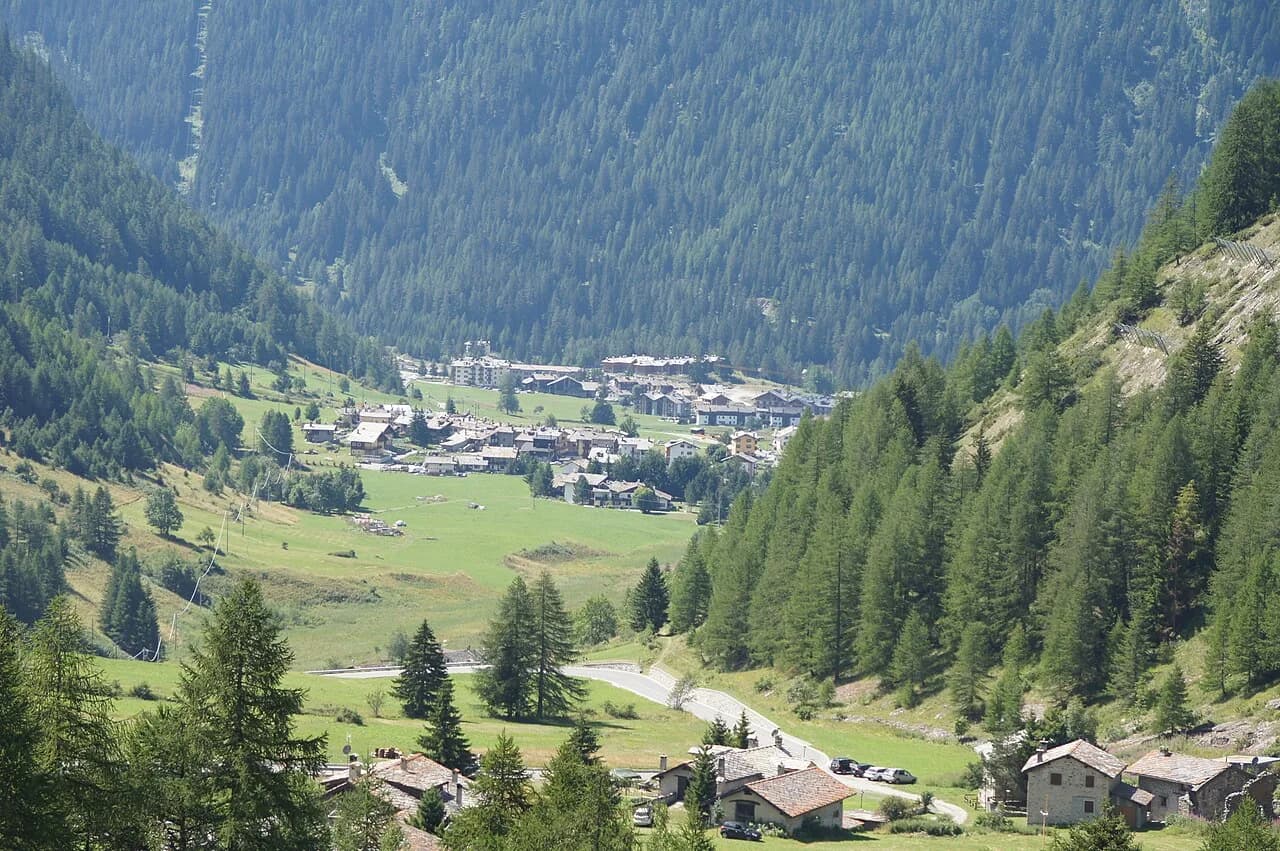
La Thuile is an Italian resort in the Aosta Valley that shares a ski area with La Rosière in Savoie, and the whole thing runs on one international lift pass. That matters for planning: you can base in Italy, ski a French sector in the afternoon and be back for dinner without rethinking your ticket. This guide deals with the practical decisions — where each sector is, which pass to buy, when to book lessons and how to organise hire.
The resort works at two levels. The village sits low and the main access gondola climbs quickly to the mid-mountain hub at Les Suches, so most ski days begin with a lift ride rather than a hunt for a distant lift. Build your plan around that hub and the layering above it, and the mountain becomes easy to read.
What La Thuile skiing actually is: an Italian base in a French-Italian ski area
The ski area is called Espace San Bernardo, and it has linked La Thuile with La Rosière since the mid-1980s across the border between the Aosta Valley and Savoie. La Thuile is the Italian side: a functional valley village, a big car park at the gondola base, and slopes stacked above it. La Rosière is the French side, south-facing and spread across the village and Les Eucherts. One pass covers both, and the two are joined by lifts at the ridge near Piccolo San Bernardo.
This cross-border layout shapes everything from passes to lunch. The Italian side is generally the quieter base and puts you closer to the long, rolling upper runs; the French side is sunnier and more village-based. If your group wants to ski both countries, staying on either side works — the transition is a short lift link, not a day trip.
The ski area in numbers: 156 km, 83 pistes, 37 lifts and Mont Valaisan
The official figures for Espace San Bernardo are 156 km of piste, 83 individual runs and 37 lifts, all covered by a single international pass. The difficulty split is unusually generous to improving skiers: 33 easy runs, 36 medium and only 14 difficult. There are 2 cable cars and 19 chairlifts among the uplift, plus 11 surface lifts and five moving carpets for beginners.
The high point on the linked map is Mont Valaisan at 2,800 m, reached from the upper Chaz Dura and Belvedere sectors. It is worth the climb for the view even if you ski back down the same way. The vertical range runs from a village base low enough for tree-lined skiing to a high ridge that holds snow late into spring.
The piste map carries no operating status, so treat it as a planning tool rather than a conditions report. Read the La Thuile piste map guide for how the labels, sectors and lift types relate to each other before you plan routes.
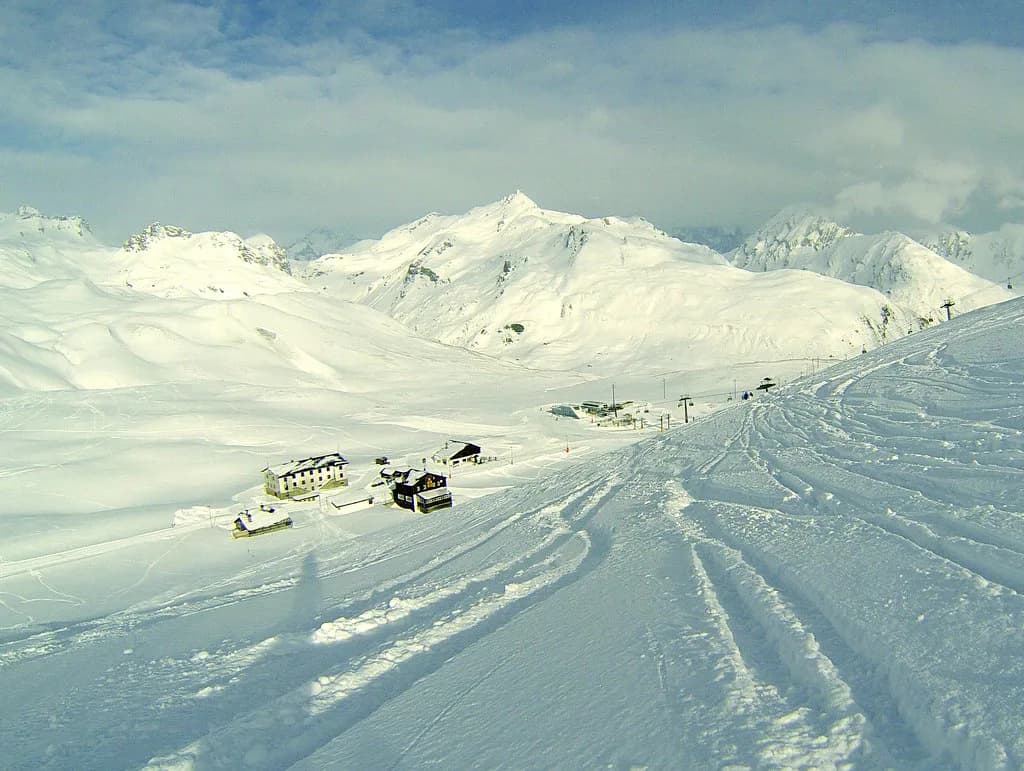
How the mountain is laid out: village, Les Suches, Chaz Dura, Belvedere and Piccolo San Bernardo
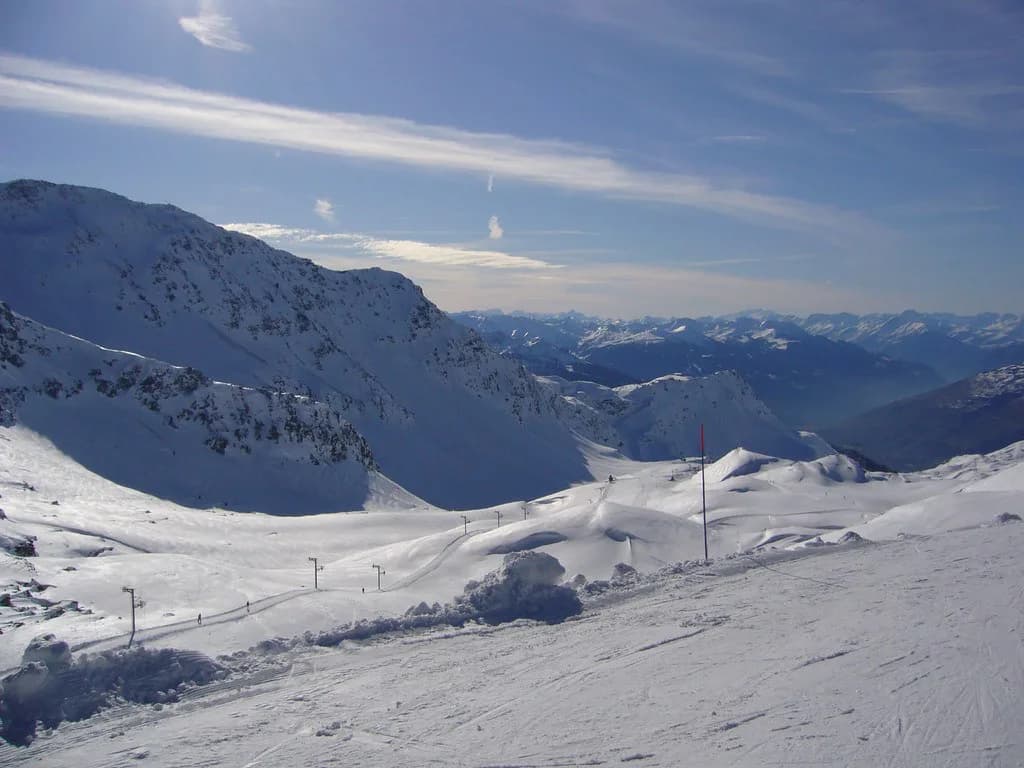
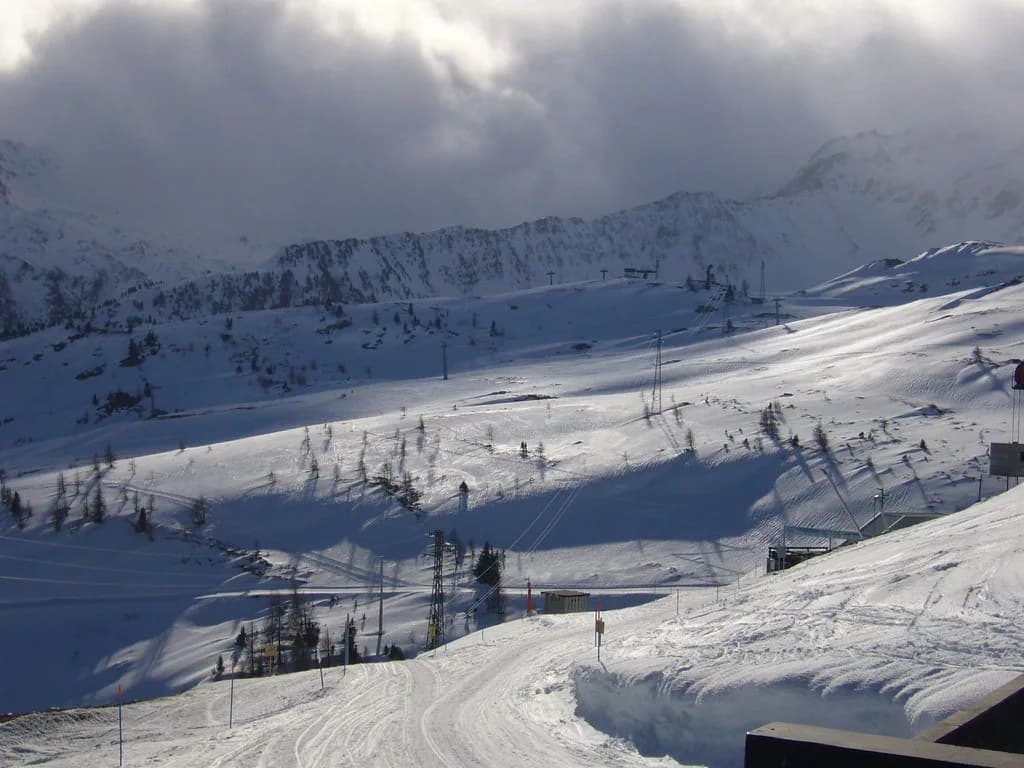
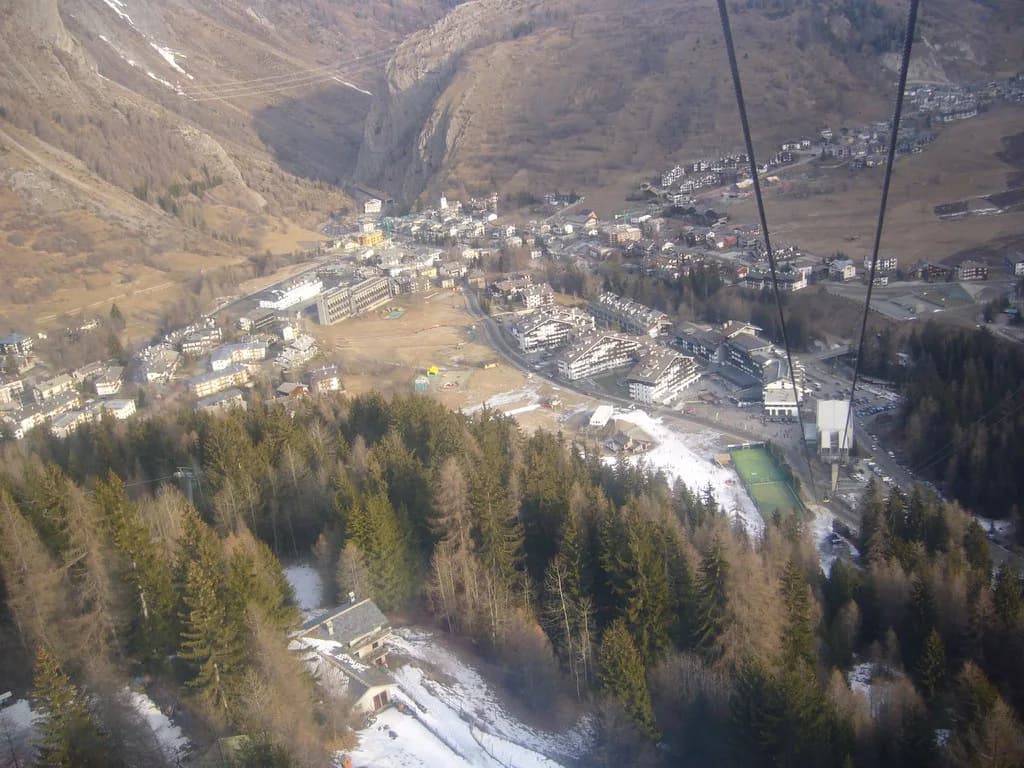
La Thuile village sits at 1,441 m. From there, a cable car and a chairlift lift you to Les Suches at about 2,200 m in a few minutes, with a combined capacity of more than 5,000 people an hour, which keeps the base queues short. That mid-mountain hub is where most of the mountain opens up: Chaz Dura above it, Belvedere to the east, and the Piccolo San Bernardo ridge on the far side where the link to France sits.
The sector names you will see signed are Les Suches, Chaz Dura, Belvedere, Piccolo San Bernardo and Argillien-Arnouvaz. Each has a distinct character: Les Suches is the transit hub and beginner zone, Chaz Dura is higher and colder with steeper terrain, Belvedere is the spring snow and long-run sector, and the Piccolo San Bernardo side is the border crossing toward La Rosière.
The lift network is arranged so you rarely have to return to the village mid-day. Instead, you climb once in the morning, work through the upper sectors, and drop back down at the end. That pattern suits any level, but it is especially useful for intermediates who can cover ground without wasting time on inefficient transitions.
The piste map shows how the sector labels line up with lift names, which is useful when a mountain has this many separate hubs.
Which sectors suit which ability, from beginner carpets to steep upper runs
Beginners are well served at village and Les Suches level, with moving carpets and easy blue runs feeding the lower lifts. The official count lists five moving carpets across the area plus plentiful easy runs, so first-timers can progress through several short lifts without needing to ride a long chairlift up to the steeper sectors. A moving carpet at the village base by the Edelweiss nursery area and the learners' zone opposite Only Ski Express at the Bosco Express chairlift both give first-timers an easy start.
Intermediates have the run of the mountain. The 36 medium-difficulty pistes are what makes La Thuile such a good destination for capable parallel skiers: the long blue and red runs off Chaz Dura and Belvedere let you ski sustained vertical again and again without dropping back to the village. Belvedere is the better choice on colder days, because it faces more of the sun; the Chaz Dura side suits windier days less well since it is more exposed.
Experts gravitate toward the higher runs and the Franco Berthod, which sits in the sector above Les Suches. The steeper pitches and off-piste options are concentrated in that upper zone. La Thuile also has secured freeride areas, a snow park, a boarder cross and a snowkite zone, so advanced skiers have more than just the famous black to work with.
Where you base your day matters more than where you sleep. Treat Les Suches as the hub for beginners and early warm-ups; climb higher as your legs warm; finish with a long run down whichever side suits the snow. That single pattern frees you from long traverses.
The Franco Berthod (piste 3): what the 76% maximum gradient means for your day
Piste 3 is La Thuile's defining run: 76% maximum gradient and one of the steepest marked pistes in Italy. Only about 14 runs in the entire area are classified difficult, and this one is the headline. It has hosted women's World Cup downhill and telemark races, which tells you how sustained the pitch is rather than how uniform it is — expect a rolling, fast upper section before the steepest face.
A 76% gradient is not a beginner's steep — it is roughly ten degrees beyond a typical black. If you are unsure, ski it late in the morning when the surface has softened, not first thing when it is icy, and not in poor light. It is run number 3 above Les Suches, but the direct entry is from the Les Suches side with the approach from above, so plan how you drop in.
It pays to have a backup route for when the face is churned or closed. The surrounding terrain includes plenty of blue in the same sector and the Belvedere side offers a long run down. Treat the Franco Berthod as one option within a varied day, not the price of admission for the entire holiday.
The cross-border link to La Rosière: how it works and how to plan a two-country ski day
The international connection is not always open. La Thuile publishes a window within which the lift between the two sides is scheduled to operate, weather permitting: the link is scheduled from 12 December 2026 to 11 April 2027 for the season shown. That window is shorter than the full La Thuile season, so plan any two-country day inside it, and expect it to close when wind or cloud builds.
The crossing itself is a lift ride up to the ridge near Piccolo San Bernardo. From the French side, La Rosière spreads out over a network of runs above the village and Les Eucherts; the resort advertises a south-facing layout with an open view down the Tarentaise. Skiing back to La Thuile depends on the link being open and on your return timing — do not leave a crossing to the last lift.
A sensible pattern for a two-country day: start early on the La Thuile side, climb to the ridge, ski in France through the middle of the day, then cross back in the early afternoon. Treat the link as an activity rather than a commuting route. If the crossing is closed, La Thuile has more than enough terrain to fill the day without it.
Season dates and daily lift hours: what the opening and closing pattern means
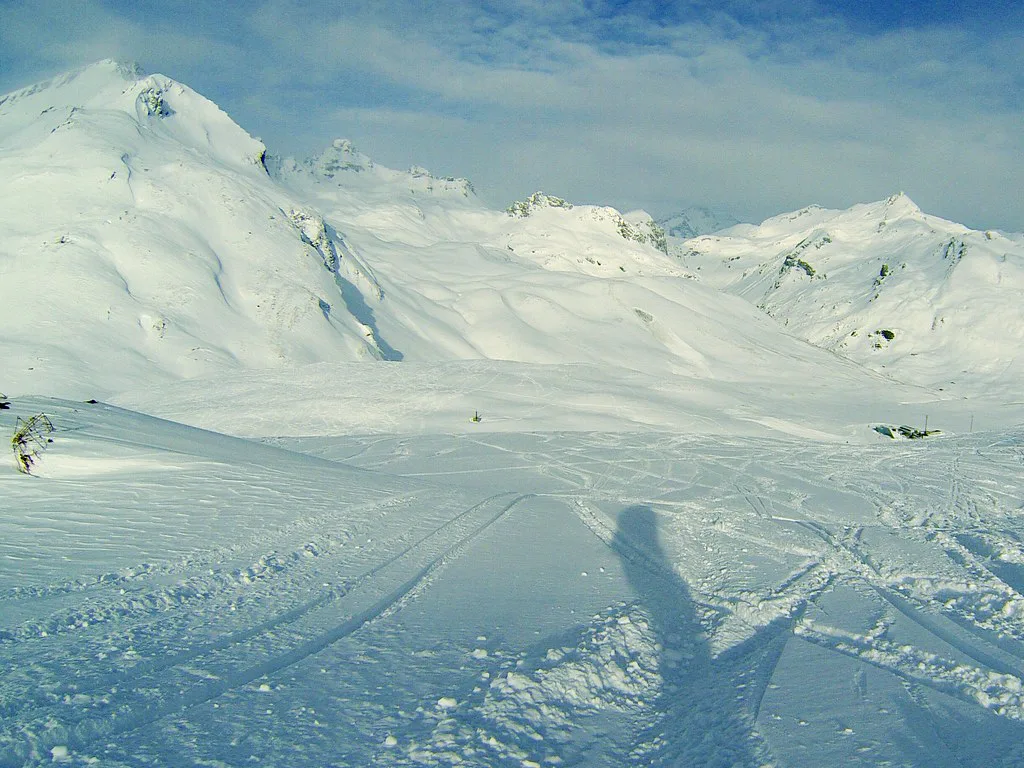
La Thuile's season is scheduled to open on 28 November 2026 and close on 11 April 2027. The skiing day runs 08:45 to 16:45, and the ticket office at the base is open 08:00 to 17:00. La Rosière's season sits slightly later at both ends, opening 12 December 2026 and closing 17 April 2027. Both sets of dates are published by the resorts themselves, so use them as the starting point for planning, but check whether low-altitude lifts are running if you plan to ski around the very edges of the season.
Early-season trips should plan around the mid-mountain, not the village. Late-season trips are the reverse: the snow that survives into April is at higher altitude, so the value shifts to the Chaz Dura and Belvedere sectors. Either way, the lift-by-lift status is a live figure — check the resort's own status feed before committing to a long traverse.
If you are staying for several days, plan your hardest days mid-trip. Opening-day snow often means thinner cover on the lower runs, and end-of-season conditions can be slushy on the sunny side. Putting the long off-piste or steep days in the middle of a week gives you the best chance of a well-covered surface.
Lift passes: day and multi-day products, beginners and non-skiers
La Thuile publishes daily, consecutive multi-day, non-consecutive multi-day, afternoon and family-week products, and says it is the second-cheapest ski area in Italy per kilometre of piste. Day and multi-day tariffs change by period and by ticket length, so the price page is the only reliable source — the resort presents it as a set of selectable options rather than a single headline number.
Two products matter most for trip planning. The beginner special covers skiers who stick to the easiest slopes and is worth comparing against a full-area pass for anyone in their first few days. The pedestrian ticket covers the two cable cars for non-skiers who want to ride up and eat lunch on the mountain.
Buy online for discounted rates; the resort's booking shop shows the season sample tariffs, including the season and annual Espace San Bernardo passes, which are the long-stay options rather than the day tickets. Your chip card is reusable on other Aosta Valley web shops, so do not discard it between trips.
The La Thuile ski Pass guide breaks down card orders and programme conditions if you are comparing products across a multi-resort trip or travelling with a group.
Discounts worth knowing: children, youth and families
Children under 8 ski free when an adult, senior or young pass-holder buys a concurrent ticket. Families with a child under 3 can share a single pass between two parents, used alternately. Under-16s get 30% off, under-24s 20% and over-65s 12%, all on the resort's published discount structure.
The family week product (two adults plus two under-24s) is the product to compare against individual tickets if your group matches. For long stays, the season pass for the whole Espace San Bernardo starts at a much higher price than a weekly product, so it only pays back if you plan multiple trips. The ski Pass guide covers how these programmes stack up when you are booking for a mixed group.
Group rates exist for parties of 20 or more adults, but they require an email request in advance, a single person collecting at the ticket desk and details of the group — worth arranging well before departure if your club or school trip qualifies.
Ski school and lessons: two bases, two booking decisions
Scuola Sci La Thuile has two bases: one in the village opposite the bottom of the gondola, and a second at Les Suches by the top station. Private lessons start at 09:00 and run 55 minutes. Group lessons generally gather from 10:00 under coloured flags at the village base, with the lesson card or email confirming which base you start at. Book group lessons at least a day ahead in school holidays.
Lesson prices depend on the format and season. Private lessons start from €53 for 55 minutes, group ski courses from €290, and group snowboard courses from €260. High-season dates cost more, and additional people in a private lesson add to the total.
The two-base arrangement is practical rather than confusing: village-base lessons suit first-timers who want a short walk from the gondola, while the Les Suches base suits skiers who are already comfortable on the upper slopes. Decide where your lesson starts before you buy a pass, because a private lesson on the upper mountain changes your lift use.
For a full breakdown of the named programmes, formats and booking windows, the La Thuile Ski Lessons guide covers the school's structure and how to match it to your ability.
Ski and snowboard hire: slopeside shops and lockers
There are two strong options at the base. Berthod Sport sits in the gondola station itself, with a ski deposit at the lift base and lockers available for daily, weekly or seasonal hire, which is convenient for anyone staying on the slopeside. Only Ski Express is opposite the Bosco Express chairlift and the learners' area, two minutes' walk from the ticket office and the gondola, with heated lockers and clothing rental.
Book online before you travel: shops see heavy demand in school holidays, and reserving your skis in advance lets you pick up rather than queue. If you are travelling with a group, use the lockers for the days you are not skiing, so the kit is dry and secure overnight. The La Thuile Ski hire guide covers stores, collection and storage.
Getting there and getting around La Thuile
La Thuile is reached by road up the Aosta Valley from the motorway, and most visitors travel with a car, which makes staying in the village straightforward. The lift network is centred on the gondola base, so daily life on skis rarely needs a car once you have parked. Transfer times and airport options vary by operator, so consult your booking provider for the specific itinerary.
On foot, the village base, ticket office and both hire shops sit close together, so you can walk from accommodation to the lifts without the ski-bus complexity of some larger resorts. If you are staying at the upper village or in self-catering further out, allow extra walking time in ski boots. Snow chains or winter tyres are essential for the last stretch in a cold-snap.
If you are combining La Thuile with a second Italian resort, the Canazei ski guide is a useful benchmark on Dolomites terrain and access, and Cervinia skiing gives a contrast for high-altitude skiing in the Aosta Valley.
Where to base yourself: village or Les Suches side
La Thuile is a valley village, and most accommodation sits in or near the village centre. Staying there puts you a short gondola ride from the main snow. Staying in a higher self-catering apartment above the village reduces the morning walk but can mean less convenient access to the ticket office and lesson meeting points. Neither choice is wrong — just match the accommodation's location to whether you intend to take lessons or rent equipment at the base.
If you plan a two-country day, base yourself on the La Thuile side rather than trying to split your stay across both. The crossing at Piccolo San Bernardo is a lift link, so you will be back on the Italian side by late afternoon regardless. A second resort can be visited by arrangement with your transfer provider, but it is not a day trip to plan around every morning.
Snow parks, freeride terrain and non-skiing options
The area includes two snow parks, a boarder cross run and two fun-cross courses, which makes it a good bet for families with mixed abilities. The secured freeride area is the place to head with appropriate gear, and the snowkite zone near Piccolo San Bernardo is accessible from the lifts, with a special ticket rate for that area.
For mixed groups, non-skiing options are limited to the mountain experience: the pedestrian ticket covers the cable cars up to the restaurant and view, so non-skiers can join the ski day on foot rather than staying in the village. If you want to add a full afternoon off the snow, plan that around a shared mountain lunch rather than a separate excursion.
A sample three-day plan for a first La Thuile trip
Day one: start at the village base, collect hire at the slopeside shop, and warm up with a morning lesson or a short loop on the easy runs around Les Suches. Use the afternoon to explore the blue runs off Les Suches and Chaz Dura so you understand the lift network. Buy a multi-day pass on arrival rather than a series of single days; the resort's staged tariffs usually make that the simpler and cheaper option.
Day two: head higher. Climb to Chaz Dura and ski the long intermediate runs, then drop to Belvedere in the afternoon for softer snow. If you are an advanced skier, add the Franco Berthod in the morning — where it is likely to be firmer and the surface less churned. Book your lesson for day three at the Les Suches base if you want to use the upper slopes rather than the village.
Day three: if the cross-border link is scheduled to run, plan a morning crossing to La Rosière and return by early afternoon; if it is closed, use the day for a longer loop through the Chaz Dura and Belvedere sectors and finish with a mountain lunch. Use the final afternoon for any shopping or a warm-down on the village side, and return hire on the way to the shuttle.
Common planning mistakes to avoid
The most common mistake is buying a full-area pass for a beginner who will spend the trip on the nursery slopes. Buy the beginner ticket for that person and a full pass for everyone else. On the other hand, skiers planning a two-country day need the full international pass from day one, not an Italian-only pass later upgraded.
Second, treat all season dates as published intentions rather than guarantees: the opening and closing dates mark the scheduled window, and actual lift operations depend on snow and wind. Third, do not plan around an afternoon crossing to France on a day when the link is not open; check the resort's live status page in the morning before you commit your party to that route.
Finally, book lessons and hire early, and collect at the base rather than the upper station. If your school of choice starts at Les Suches, that changes your lift-pass use and may affect what pass makes sense. The ski Pass guide covers how ticketing and programme conditions interact when you make that decision.
Plan Your Visit
La Thuile's appeal is disproportionate to its size: the Espace San Bernardo gives you a huge playground with a single ticket, a strong beginner and intermediate base, and one of the steepest named runs in Italy. The trade-off is a slightly more workmanlike village and a cross-border link that is weather-dependent. Decide early whether your pass needs to include France, and choose your base accordingly.
Book lessons and hire in advance, check the link's status on the morning, and confirm the season dates and pass prices on the resort's official pages as your trip approaches. The La Thuile piste map guide is the best starting point for routing once you have booked.
Explore more La Thuile guides
Frequently Asked Questions
How many kilometres of piste does La Thuile have?
La Thuile is part of the Espace San Bernardo, which publishes 156 km of piste and 83 runs across the linked Italian and French sides.
Is La Thuile linked to La Rosière?
Yes. A single international pass connects the two, and the link is scheduled for a specific winter window. The crossing is a lift ride near Piccolo San Bernardo and is weather-dependent, so check the live status before committing to a border-crossing day.
Is La Thuile good for beginners?
Yes. The area has 33 easy runs, five moving carpets and beginner zones at the base and at Les Suches. Beginners typically progress on the lower lifts before using the mid-mountain network.
How difficult is the Franco Berthod piste?
It is a challenging black with a maximum gradient of about 76%, roughly ten degrees steeper than a typical black. It has hosted World Cup races, so treat it as a serious run and ski it in good light and with a soft surface if possible.
When does the La Thuile ski season start and end?
The resort schedules a season from late November to mid-April, with the cross-border link open for a shorter window within that. Actual closures depend on snow and weather, so check the resort's published dates for your year before booking.
How much is a La Thuile lift pass?
Day and multi-day tariffs vary by period and ticket length. The resort publishes the prices on its own skipass pages, along with the season and annual passes; compare the beginner special and the kids' discounts there.
Do children ski free in La Thuile?
Children under 8 ski free when linked to an adult, senior or young pass purchase. Under-16s receive a discount and under-24s a smaller one on their own tickets, so check the family products before buying individually.
Where can I hire skis in La Thuile?
Two slopesideshops are at the base: Berthod Sport in the gondola station and Only Ski Express opposite the Bosco Express chairlift. Both offer online booking, and both run lockers at the base, which makes collection and storage straightforward.
Sources
- Espace international San Bernardo | La Thuile
- Home | La Rosière ski area - Espace San Bernardo
- Slopes and ski lifts in la Thuile - Aosta Valley
- La Thuile-La Rosière: Slopes and Lifts - Skilife
- Prezzi skipass | La Thuile
- https://lathuile.skiperformance.com/it/inverno/support/prices
- Home ‣ Scuola Sci La Thuile
- Tariffe ‣ Scuola Sci La Thuile
- Ski rental shop - Only Ski
- Deposito – Berthod Sport
Useful notes for your next ski trip
Optional updates to our Alpine resort guides.
You might also like
Continue reading
More guides you'll find useful
.jpg)