
Tignes Skiing Guide: Ski Area, Villages, Passes & Lessons
Plan a Tignes ski trip with real detail on the linked ski area, the five villages, lift-pass prices, beginner zones, ski schools and where to hire kit.
On this page
Tignes has built its reputation on altitude and early snow, with the resort villages sitting between 1550 and 2150 metres and slopes reaching the Grande Motte glacier. Skiing continues from November into May, and the domain is shared with neighbouring Val d'Isère, so the area you can reach is genuinely big. This guide sets out how each village works, which pass to buy, where beginners learn, and what to book before you travel.
The key planning decision in Tignes is not whether to go but where to base yourself. The five villages give you very different day-to-day access, from the riverside calm of Brévières to the glacial front row in Val Claret. Read the village and pass sections first, then use the later sections on lessons, hire and timing to finish your plan.
Tignes at a Glance
Tignes is a Savoie resort set in the Tarentaise valley, at the edge of the Vanoise National Park. The five main villages are Tignes les Brévières at 1550m, Tignes 1800 or Les Boisses, Tignes le Lavachet at 2050m, Tignes le Lac at 2100m and Tignes Val Claret at 2150m. That altitude spread matters more than the labels suggest, because each village has a different relationship to the lifts.
The linked Tignes–Val d'Isère ski area is usually quoted at more than 300 kilometres of marked pistes running from 1550m up to around 3456m at the top of the Grande Motte. The lower figure is the village level; the upper figure is the glacier, so the vertical range you can actually access with a full-area pass is close to 1900 metres. For a sense of where the runs sit and which lifts connect them, the official Tignes Piste Map is the useful reference before you travel.
One caution if you compare sources: some third-party listings show slightly different peak altitudes and lift counts. Those differences are usually about whether the glacier drag lifts are counted, not about the skiable area. For planning, work from the official resort figures and treat any other number as indicative.
The Tignes–Val d'Isère Ski Area
The shared area was long marketed under the name Espace Killy. Today it is branded as Tignes–Val d'Isère, but the old name is still useful when you are searching for maps or comparing old guides. The practical point is that a full-area pass takes you well beyond the Tignes lifts, including the runs above Val d'Isère and the linked traverses between the two valleys.
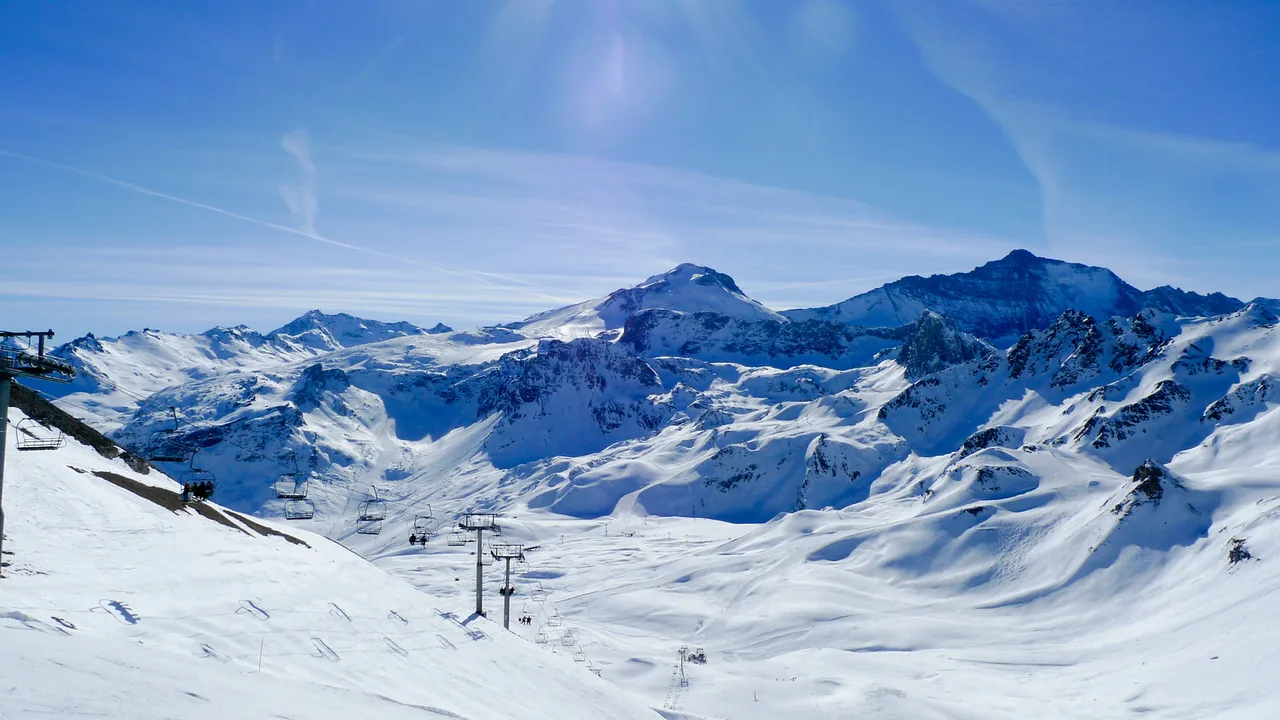
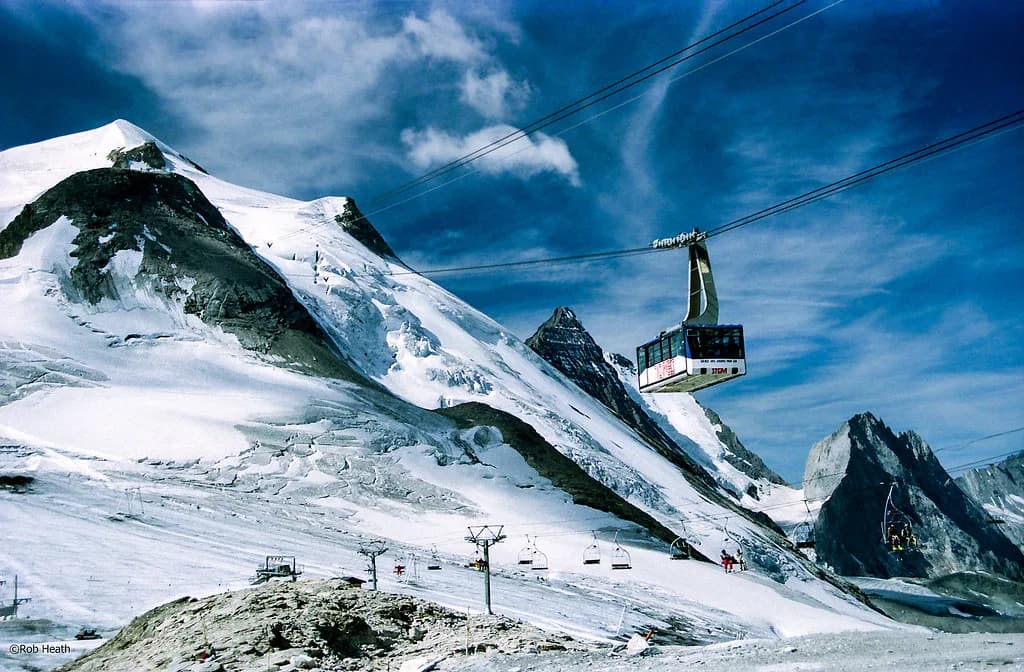
The highest and most distinctive sector is the Grande Motte, reached by the Perce-Neige funicular from Val Claret. At the top, the glacier sits at around 3456m and the terrain above Val Claret gives you long, high, snow-sure runs late into the spring. This is where confident intermediates and experts should head early on a clear day, before the sun softens the snow.
Each village opens onto a different part of the lift system. Val Claret is the most direct base for the glacier and the Col de Fresse side, while Le Lac and Lavachet give you easy access to the Tovière link toward Val d'Isère. Brévières and Les Boisses are lower, more wooded and quieter, and they suit a family or a beginner group who want short transfer-free days rather than glacier ambitions.
The right pass depends on how much you plan to move. A Tignes-only pass is perfectly adequate if your group wants to stay local, learn and stay close to the village. If you want Val d'Isère, the full-area pass is the better choice, and a four-hour Tignes-only product exists for short days. Full details on each option sit in the guide to the Tignes ski Pass.
Piste and lift status change daily, especially on the glacier and on the link traverses. Check live openings the evening before, as wind, visibility and snow conditions affect the upper lifts more than the village runs. The resort publishes a live interactive map through the season.
The piste map also shows the fun zones, pedestrian routes and viewpoint areas that not every skier uses. If you are travelling with non-skiers, plan a meeting point around one of these areas rather than at the bottom station, where the afternoon rush can be heavy.
Season Dates and Opening Phases
For winter 2026-2027, Tignes opens progressively from 21 November 2026 and runs to 2 May 2027, subject to favourable snow conditions. The link with Val d'Isère follows on 28 November. That phased opening is worth knowing if you are considering a late-November trip, because a November pass buys you a smaller area than the full-domain price list might suggest. The full published dates are set out in the resort's opening calendar.
The glacier starts later in the season than the village runs but remains skiable into the closing weeks. In practice, plan late-November and early-December trips around Tignes valley runs, and keep the link with Val d'Isère as a bonus rather than the main event. The spring weeks, by contrast, often offer the widest access plus softer snow and longer days.
Val d'Isère publishes its own ski-lift season, and its dates can sit a few days either side of Tignes. If your trip straddles the changeover, check both calendars before you buy a full-area pass. The key dates are also useful for booking accommodation, because the resort is busiest during the French school holidays and the New Year week.
Choosing Your Village
Tignes Val Claret at 2150m is the obvious choice for keen skiers who want to be at the front of the lift queue and close to the glacier. The trade-off is energy: the resort is busy, the accommodation is high-density, and the après scene is more animated than restful. It suits groups who ski hard, want quick lift access and do not mind a bit of noise.
Tignes le Lac at 2100m and Le Lavachet at 2050m sit close together and offer the best compromise for mixed groups. Le Lac has the main snow front, the tourist office and easy access to the Tovière link toward Val d'Isère. Lavachet is quieter and slightly lower, with a short walk to the lifts. Both are good bases if you want village amenities within a few minutes of the slopes.
Tignes 1800, also called Les Boisses, and Tignes les Brévières at 1550m appeal to families and anyone wanting a calmer trip. They are lower, so snow conditions can be thinner at the start and end of the season, and you may need to take a lift or shuttle to reach the higher terrain. In return you get more space, a village feel and often easier parking.
If you are undecided between Tignes and Val d'Isère, the practical difference is atmosphere. Tignes is more spread out and generally more functional; Val d'Isère is more compact and has a concentrated, polished village centre. Both give you the same linked area with a full pass, so the choice really is about your daily walk, your budget and how much you value a traditional village look.
Lift Passes: Tignes-Only vs Full Area
Tignes sells two main winter products: a Tignes-only pass and the full Tignes–Val d'Isère pass. The Tignes-only product is cheaper and works well for beginners, short breaks and anyone who prefers to master one area rather than chase kilometres. The full-area pass is the better buy if you want the glacier, the Val d'Isère runs and the long traverses in a single day. Both are sold online and at ticket offices throughout the resort.
The 4-hour product is restricted to the Tignes area only, so do not buy it expecting to reach Val d'Isère. The half-day afternoon pass starts at 12:45, which makes it useful for arrival days or for a late start after a long drive. These restrictions are confirmed in the pass conditions.
Children under 8 and skiers aged 75 and over receive a free pass, while the child rate applies from 8 to 18 and the senior rate from 65 to 74. Proof of age is required. A six-day pass from the standard range also includes free access to the Le Lagon swimming pool, which is a useful detail if you are travelling with children or planning a rest afternoon.
Families and groups can also benefit from a combined purchase offer when buying four or more passes of the same duration, with at least two adults and two children included. The discount applies to a specific duration range and has to be bought in one transaction. Read the conditions before you rely on it, and plan the group's pass durations to match.
Season pass holders and frequent visitors should look at the Season 2/7 product, which gives two skiing days per week on the Tignes area, with an option to extend to the full area on chosen days. That structure suits people who are in resort for several weeks and want a semi-flexible arrangement. The detail is on the official pass pages.
What a Pass Costs
For winter 2026-2027, the main-season full Tignes–Val d'Isère adult day pass is priced at 78 euros, with the child and senior rate at 63 euros. A six-day pass is priced as seven days at 468 euros adult and 378 euros child or senior. The Tignes-only day pass costs 70 euros adult and 57 euros child or senior, and the Tignes four-hour product is also 63 euros adult and 51 euros child or senior. The full official rate sheet sets out every duration.
Prices vary by period. In the early opening week, the Tignes single-day pass is reduced to a flat 50 euros, and during the avant-première period from 28 November to 11 December the full-area day pass is 67 euros adult and 54 euros child or senior. For the closing week, from 24 April to 2 May, the full-area day pass is also 67 euros adult and 54 euros child or senior. These are published winter 2026-27 figures and can change.
Pedestrian passes are sold separately if you have non-skiers in the group. A single return trip on the Tignes lifts is priced at 18 euros adult and 15 euros child or senior, and a full pedestrian day is 25 euros adult and 20 euros child or senior. A six-day consecutive pedestrian pass for Tignes–Val d'Isère costs 90 euros adult and 74 euros child or senior. Those are useful for meeting skiers on the mountain for lunch. Prices are on the same official rate sheet.
When you compare prices, match the duration and the area. A Tignes-only day and a full-area day are not like for like, and a half-day or four-hour ticket restricts your timing or terrain. For the pass structure, sales points and comparisons in more depth, see the ski Pass guide. Check the official resort site for live prices before you book.
Beginner Zones and Learning Terrain
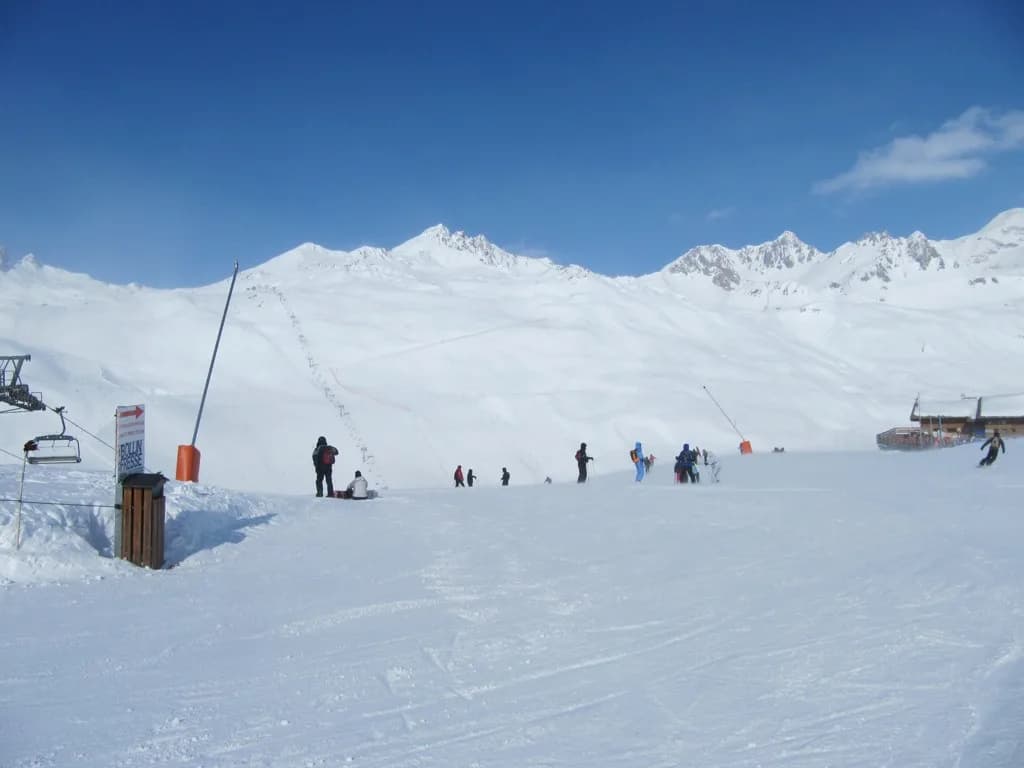
Tignes has designed free beginner zones in each village, and they are served by dedicated low-speed lifts. There are four magic-carpet lifts at Claret, Centre and Boisses, two teleskis at Lavachet and Grande Pareï, and three chairlifts at Bollin, Almes and Rosset. That spread means a beginner can learn close to their accommodation rather than travelling across the resort for a first lesson.
Once you can link turns, the next step is to move onto the wider Tignes area with a beginner-friendly pass. The key decision is timing: book a couple of lessons first, then buy a pass that covers the terrain your instructor recommends. Buying a full-area pass on day one is usually unnecessary for a complete beginner.
Le Lac and Val Claret are the most convenient bases for adult beginners because the snow fronts are close to the lifts and the schools meet there. Brévières and Les Boisses are quieter, but the beginner lifts are still local. Families with very young children often prefer the lower villages for the gentler pace and easier walk to the snow.
The fun zones and Easy Park add a progression route for older children and confident beginners. The Easy Park sits along the Grattalu piste and is free with a valid ski pass. It is a good place to introduce small jumps and boxes without committing to the main snowpark lines.
Ski School: Group Lessons, Private Lessons and Timing
ESF Tignes runs group lessons for adults and children from its base at Tignes le Lac, with morning and afternoon sessions typically lasting two and a half hours. Group lessons for the 2026-2027 season start from Sunday 13 December 2026, and before that date only private lessons are offered. That timing is worth checking if you are considering a late-November or early-December trip.
Group lessons are priced from 236 euros for the beginner and intermediate formats, with a full-day option from 384 euros. Children's snowboard group lessons start at the same price, from age 8, and include a medal. Beginners do not need a lift pass for their first lessons, though the instructor may ask for one later in the week. The Tignes Ski lessons guide explains the formats in more detail.
Private lessons are the better choice before the group programme starts, and they also suit anyone who wants a tailored route through the area. ESF offers one-to-one and small-group sessions, and Oxyski offers private lessons from 159 euros per session, with options from one hour to a full day and up to five people. Oxyski's meeting point is on the snow front at Tignes Le Lac, in front of the Hôtel Le Levanna.
Book school places early for the Christmas, New Year and February half-term weeks. Group lessons at ESF run Sunday to Friday or Monday to Friday, so a Sunday arrival fits best. If you are travelling with a mixed-ability group, consider morning lessons so everyone can ski together in the afternoon.
Children's snowboard lessons are also available from ESF for ages 8 to 12, and they run in the morning outside French school holidays and in the afternoon during them. Lessons meet at Tignes le Lac, Brévières and Les Boisses. Check the specific meeting point when you book, because it varies by village.
Freestyle, Freeride and Off-Piste
Tignes has a long freestyle heritage and a snowpark with green and blue lines for newer riders and red and black lines for experts. The beginner and intermediate zone is reached from the top of the Grattalu chairlift, while the expert lines are accessed from the Palet lift. There is also a boardercross course and a chill zone with picnic tables and wifi.
The snowpark modules are free to use with a valid ski pass. The Easy Park is a separate area for those who want a lower-pressure introduction. If you are travelling with teenagers who want to progress, a freestyle-specific lesson can be booked through the ski schools.
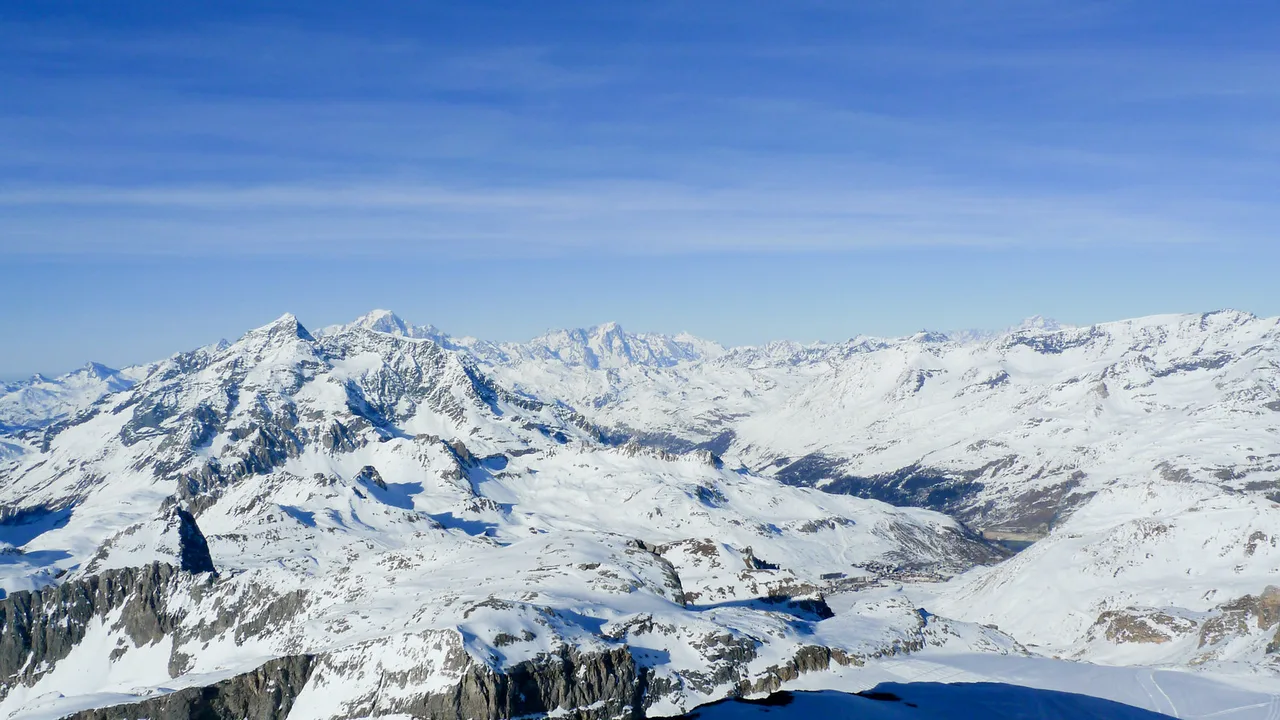
Off-piste terrain around the Grande Motte and the valley sides is extensive, but it is serious mountain country. Go with a qualified guide, carry the right equipment and check the avalanche bulletin daily. Tignes has a dedicated freeride area but the usual caveats about snow stability and visibility apply. The resort's freestyle and off-piste pages set out the zones.
Ski Hire and Boot Fitting
Hire shops are spread across all five villages, from Brévières up to Val Claret. Skiset alone lists ten stores in the resort, including base-of-slopes locations in Val Claret and le Lac. Several offer boot fitting, 3D foot scanning and workshop repairs, which is useful if you have awkward feet or want to ski on freshly tuned skis. The Tignes ski hire guide covers the village-by-village options.
Book hire online before you travel, especially for peak weeks, and collect your kit the afternoon before your first ski day. That gives you time to swap boots if the fit is wrong. Shops at the base of the slopes are convenient but busy first thing in the morning, so a village-centre store can be quicker.
If you are hiring for children, ask about exchange policies. Children's feet and skills change quickly, and a shop that allows a mid-week swap is worth the small premium. Many stores also offer free storage or lockers, which saves carrying skis between the shop and your accommodation.
Getting There and Getting Around
Tignes is reached by road from the Tarentaise valley, with the final approach climbing from Bourg-Saint-Maurice. In winter, carry chains or snow socks and check the road conditions before you set out. The drive from the valley floor to the villages takes around half an hour, and parking is available in each village, though it fills during school holidays and New Year.
Within the resort, a local shuttle network links the villages and the main lift bases. The lower villages, Brévières and Les Boisses, are connected to the higher resort by road and shuttle, so staying low does not cut you off from the glacier. Timetables are published locally and are usually free with a valid pass or guest card.
If you arrive by train, the nearest main station is Bourg-Saint-Maurice, with onward buses or taxis to Tignes. Book transfers in advance for peak weeks, and allow extra time in bad weather. The tourist office can confirm the current shuttle routes and any local travel cards.
Trip Timing: Early Season, Holidays and Spring
Late November is for keen skiers who value quiet slopes over full-area access. The resort opens from 21 November 2026, but the Val d'Isère link does not open until 28 November, so early trips are best treated as a Tignes-only experience. Snow can be excellent on the glacier, but lower runs may be limited.
Christmas, New Year and February half-term are the busiest and most expensive weeks. Book accommodation, ski school and hire well in advance, and expect queues at the main lifts. If you can, choose the week before or after the French school holidays to get better value and quieter slopes.
Spring is Tignes at its best for many skiers. The days are longer, the snow is softer and the whole area is usually open. Easter falls late in April in some years, so check the closing date and the final week's lift schedule before booking. The season runs to 2 May 2027.
If you want a different French resort for comparison, the Alpe d'Huez Skiing Guide covers a lower, more southerly alternative, while the Flaine Skiing Guide looks at a purpose-built resort with a different layout.
Plan Your Visit
Tignes rewards planning. Pick your village first, then decide whether a Tignes-only or full-area pass matches your ambitions. Book ski school and hire early for peak weeks, and check live lift and piste status the day before you travel. The resort's official site is the place to confirm dates and prices for your specific week. With that done, the altitude, the glacier and the shared Val d'Isère terrain give you one of the most reliable ski trips in the French Alps.
Explore more Tignes guides
Frequently Asked Questions
When does the Tignes ski season start and finish?
Tignes opens progressively from 21 November 2026 and runs to 2 May 2027, snow permitting. The link with Val d'Isère opens from 28 November 2026, so early-season trips cover a smaller area.
Is December too early to go skiing in Tignes?
Early December can be excellent on the glacier and upper runs, but the village-level snow cover may be thinner. The link with Val d'Isère opens on 28 November, so a December trip normally gives you the full area. If you want the widest terrain and the best value, aim for mid-December onwards.
How big is the Tignes–Val d'Isère ski area?
The linked area has more than 300 kilometres of marked pistes, with altitudes running from around 1550 metres at village level to 3456 metres on the Grande Motte glacier. That vertical range gives you long runs and reliable snow late into the season.
Should I stay in Tignes or Val d'Isère?
Tignes is more spread out across five villages and generally more functional, while Val d'Isère has a compact, polished village centre. Both share the same ski area with a full pass. Choose Tignes if you want choice of village atmosphere and easy glacier access; choose Val d'Isère if you prefer a traditional central village.
Is a Tignes-only lift pass enough?
It is enough for beginners, short breaks and anyone happy to stay local. If you want the glacier, the Val d'Isère runs and the long traverses, buy the full-area pass. Note that the four-hour product is valid on the Tignes area only.
Which Tignes village is best for beginners?
Le Lac and Val Claret have the most convenient snow fronts and easy access to the ESF meeting points. Brévières and Les Boisses are quieter and lower, with free beginner lifts and a gentler pace. Every village has a free beginner zone with dedicated low-speed lifts.
How much are Tignes lift passes?
Prices vary by period and pass type. The resort publishes a full winter rate sheet with day, six-day, half-day and four-hour options, plus child and senior rates. Check the official site for the current season's prices before you book.
Do children ski free in Tignes?
Children under 8 receive a free ski pass, and the child rate applies from 8 to 18. Skiers aged 75 and over also ski free. Proof of age is required, and passes must be collected at the ticket office.
Sources
- French Alps ski resort - France skiing - Tignes ski holidays, Alps
- Tignes – Val d’Isère: Ski Area in a Major French Ski Resort
- When does ski season start in France - Tignes : Ski season and French ski resorts opening
- Ski Pass : Enjoy Reduced rates for Seniors & Children in Tignes resort
- Winter 2026–2027 Public Rates
- Winter 2026–2027 Conditions
- Free lifts to start to skiing - Ski holidays - Tignes
- Ski lessons Intermediate & confirmed - esf Tignes le Lac
- Discovering the ski I've never skied - esf Tignes le Lac
- Private ski lessons in Tignes | Oxyski
- Freestyle slopes in Tignes - Freeride area in the French Alps
- Snowboard courses From age 8 - esf Tignes le Lac
- Ski Rental Tignes France - SKISET
- Alps ski resorts map: Tignes & Val d'Isère - High mountain skiing: ski map Tignes
Useful notes for your next ski trip
Optional updates to our Alpine resort guides.
You might also like
Continue reading
More guides you'll find useful
.jpg)