Zermatt Skiing: Resort Guide to Sectors, Passes and Lessons
Plan Zermatt skiing around three Swiss sectors, the Cervinia link, beginner provision, lessons and hire, with altitude trade-offs explained.
On this page
Zermatt rewards a trip that is planned sector by sector. The village sits in Valais below the Matterhorn, and the skiing spreads across separate areas that are reached by different lifts and railways, so your day depends on which sector you commit to rather than on the resort name alone. Decide first what kind of skier is travelling and how far you are willing to travel to reach snow.
This guide treats the resort as one umbrella ski area with distinct parts, then separates the decisions that actually constrain a booking: pass scope, lesson availability, hire pickup and the timing of a cross-border day. Anything that changes week to week, such as which lifts, links and pistes are running, is something to confirm against the live information published by the resort's lift company rather than assume from a plan made months earlier.
The most common planning mistake is buying the biggest pass and booking the highest sector before checking whether the group's ability, budget and patience for lift journeys match it. Work through the sector sections first, then return to the pass and booking sequence at the end.
The Zermatt Skiing Decision: What Kind of Trip the Resort Rewards
Zermatt suits skiers who want variety across a large connected area and are willing to move between sectors during a stay. It is less obviously suited to a group that wants everything within a short walk of one lift base, because the areas are spread out and access often involves a railway or a long cable-car ride. Match the resort to the group's tolerance for transit time before you match it to ability. If you are weighing this against a more compact alternative, our Andermatt ski guide covers a resort with a very different layout.
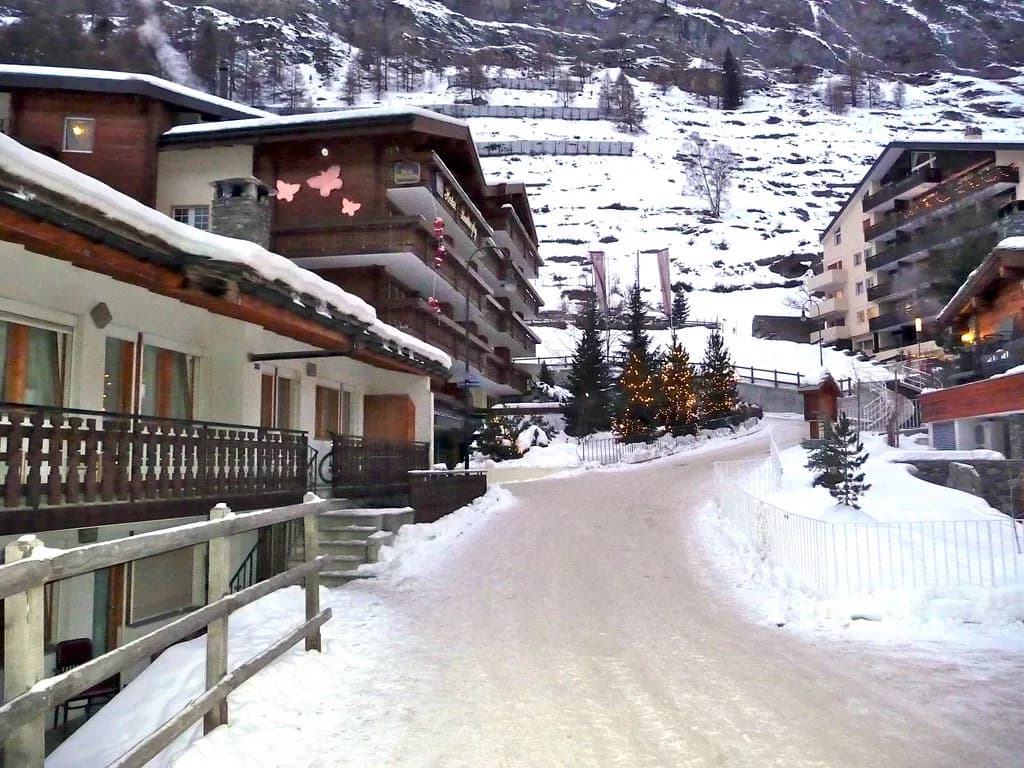
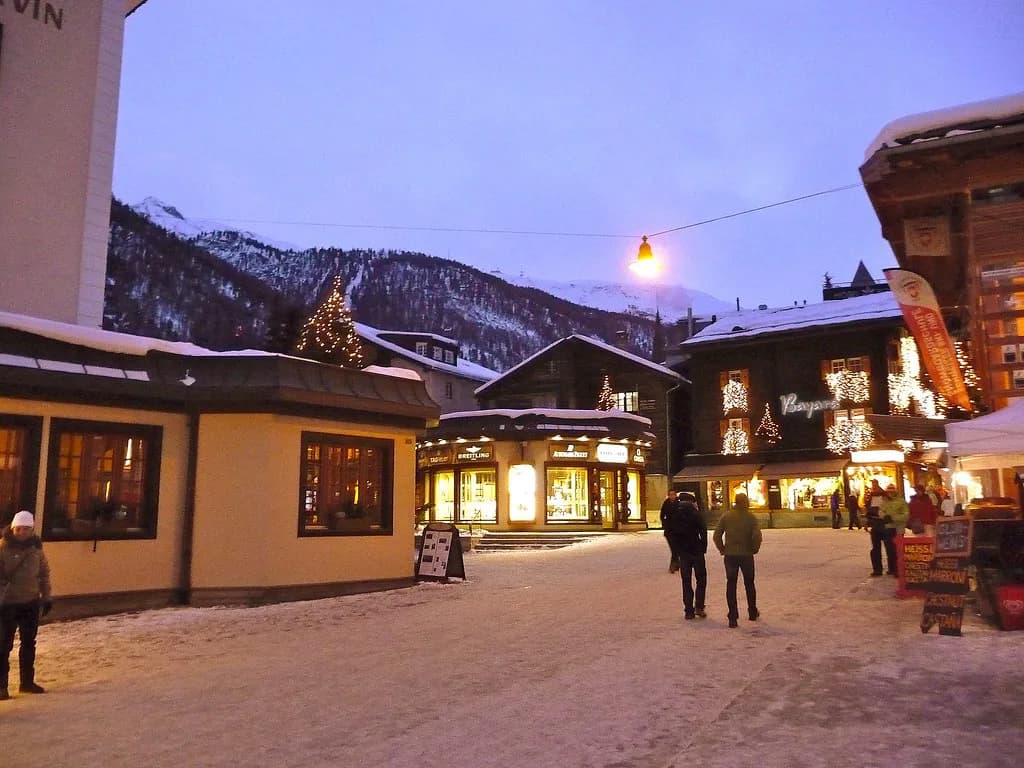
The village is car-free, which shapes how you move and how you pack for a ski day. Arrival is typically via Täsch, the parking and rail gateway on the valley floor, where cars are left before the final leg into Zermatt. Treat that transfer as part of the trip rather than an afterthought when you set the first and last day's schedule.
A workable week usually mixes two or three sector days with one day that stays low and close to the village, plus a rest day that does not depend on the weather window. That structure gives you something to fall back on when high terrain is affected by wind or cloud, which is a normal feature of alpine planning rather than a sign of a bad trip.
Where Zermatt Sits and Why Altitude Drives the Whole Plan
Zermatt lies in the canton of Valais in southern Switzerland, at the foot of the Matterhorn, with the village around 1,620 metres and the highest lifted terrain far above it. That vertical range is the single biggest factor in planning, because it determines how cold the day feels, how long the lift journeys are and which parts of the resort stay in condition late in the season.
Altitude is a trade-off, not a free upgrade. The high terrain gives you options when lower slopes are marginal, but it also means longer ascents, more time in cold and wind, and reduced oxygen that some visitors notice on their first day. Plan an easier first day and build up to the highest sectors rather than starting there.
Published figures for the top station vary between sources, and the official tourism page does not give a single authoritative number. Rather than quote one as fact, look up the current figure on the Zermatt Bergbahnen lift and piste information before you use altitude to justify a decision.
Matterhorn Ski Paradise Explained: One Umbrella Area, Several Sectors
Matterhorn Ski Paradise is the name used for the wider ski area that spans the Zermatt sectors and the connection toward Italy. It is an umbrella term, not one continuous bowl, so a piste map matters more here than at a compact resort. The practical consequence is that you choose a sector for the day and plan your return route before you set off.
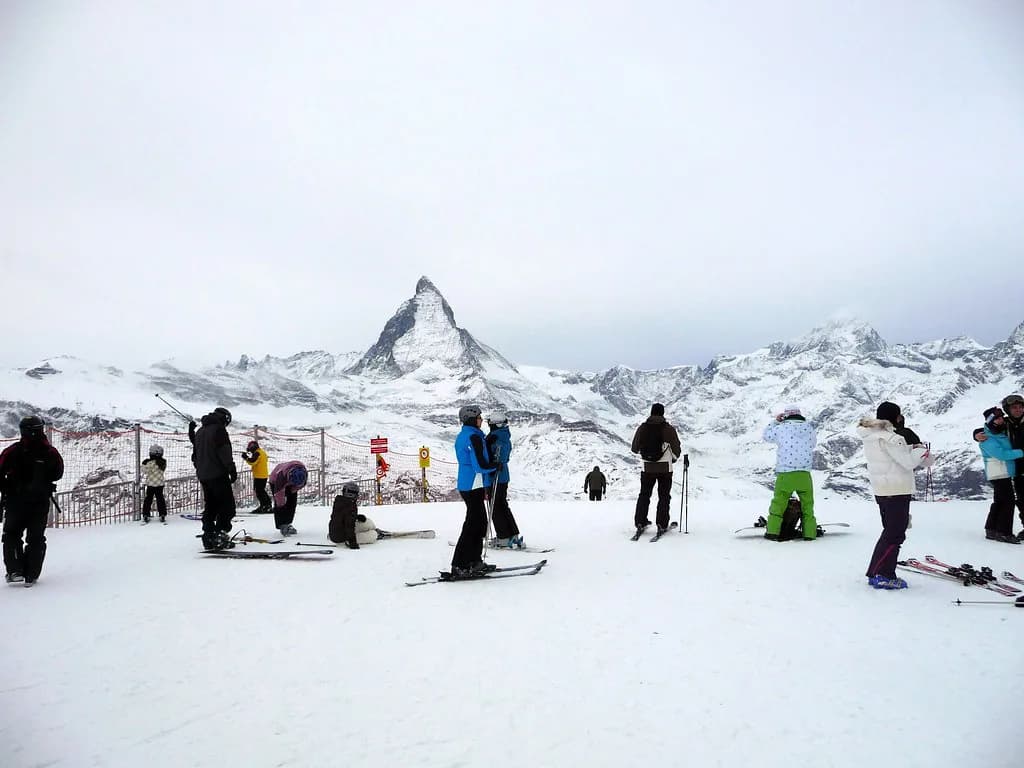
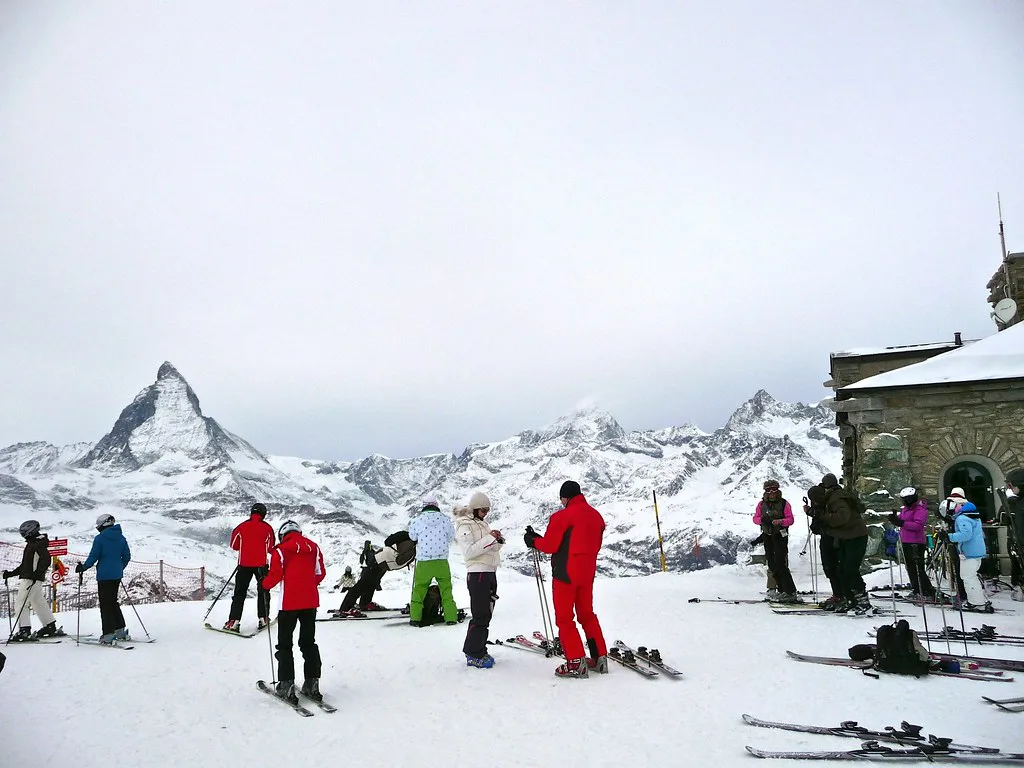
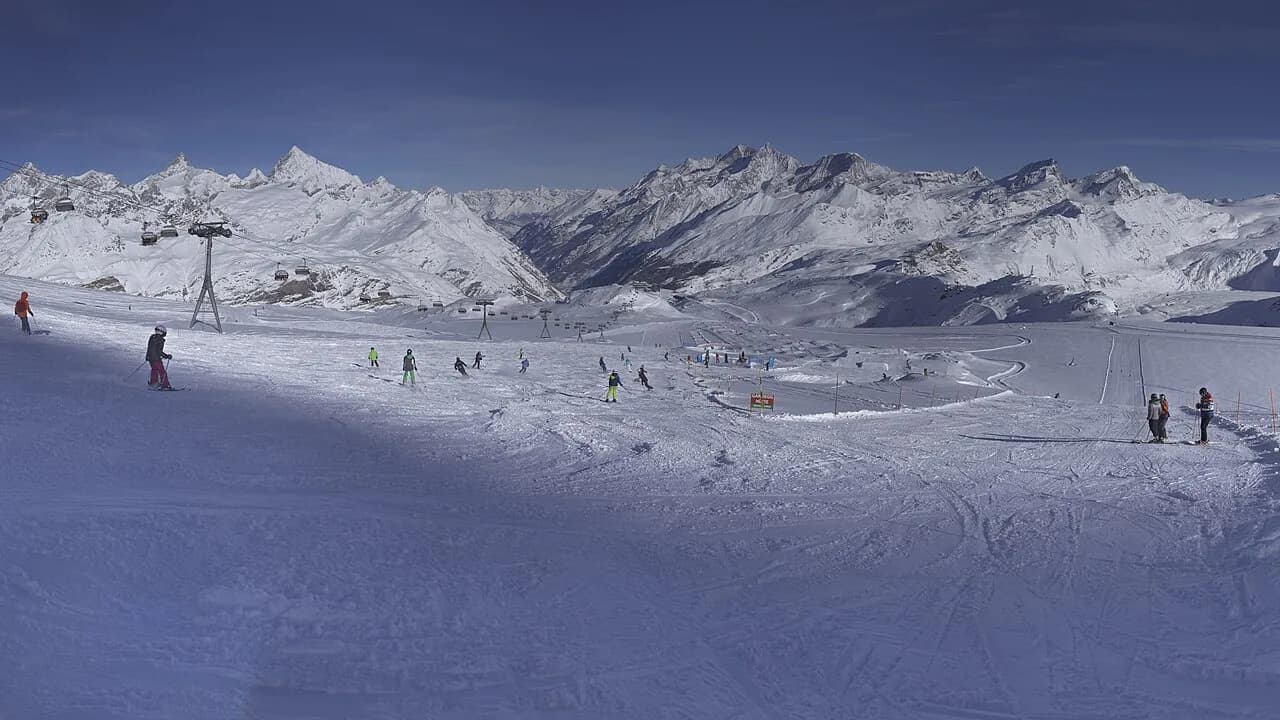
The three Swiss sectors behave differently enough that they deserve separate days: Rothorn-Sunnegga on the sunny side, Gornergrat reached by its own railway, and the high Matterhorn Glacier Paradise and Schwarzsee terrain. Getting the layout clear in advance is half the battle, and a zermatt ski map that shows the lift bases and the connections between sectors is worth studying before you pick accommodation.
The official destination pages publish slope and panorama maps alongside a snow report and live webcams, which are the right tools for choosing a sector on the morning itself. Use them to confirm what is actually open rather than relying on a route you sketched weeks earlier.
Rothorn-Sunnegga: The Lower Sector and What It Suits
Rothorn-Sunnegga is the most accessible of the three Swiss sectors from the village and has a reputation for sunshine and views back toward the Matterhorn. It ranges from roughly 1,600 metres at Sunnegga up to around 3,103 metres at Rothorn, which gives the sector a genuine spread of terrain rather than a single character.
The Sunnegga end is the friendlier half, with gentler slopes that suit nervous skiers and anyone rebuilding confidence, while the Rothorn end offers longer and steeper runs for stronger members of the group. That split makes the sector a sensible choice for mixed-ability days, where the group can separate and regroup without crossing the whole resort.
Beyond skiing, this side supports winter walking, snowshoeing and sledging, which matters if part of the party does not ski every day. Confirm what is running on the day, since these activities depend on conditions and operating decisions outside your control.
Gornergrat: The Middle Sector Reached by Rail
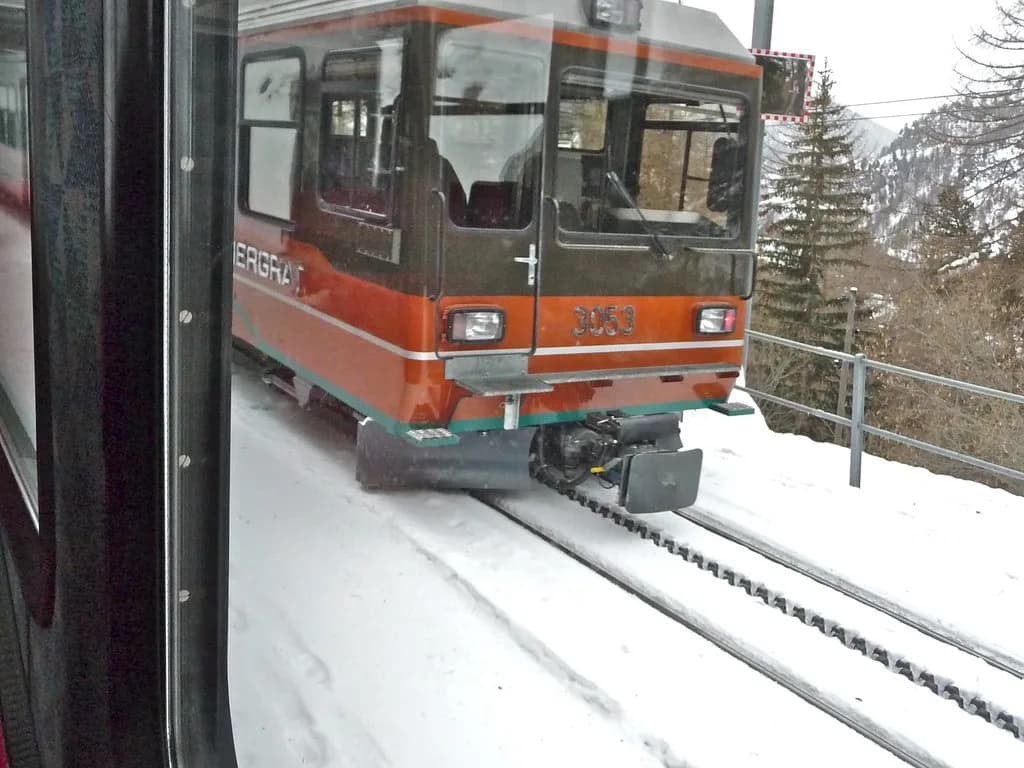
Gornergrat reaches about 3,089 metres and is reached by the Gornergrat Railway, a scenic mountain railway rather than a conventional gondola. The journey is part of the experience, but it also means you plan around a timetable, so check departure times and the last descent before committing to a late lunch on the mountain.
The terrain here is often described as varied, with wide, gentle slopes alongside more demanding runs, which makes it a reasonable middle day in a week. It sits between the low Sunnegga side and the high glacier terrain in terms of effort and exposure, so it works well as a bridge day while the group acclimatises.
Because access is by rail, a day here needs less tolerance for long cable-car queues but more attention to timing. Build in slack for the return journey if you have a lesson, a hire return or a dinner booking later in the day.
Matterhorn Glacier Paradise and Schwarzsee: The High Sector and Its Trade-offs
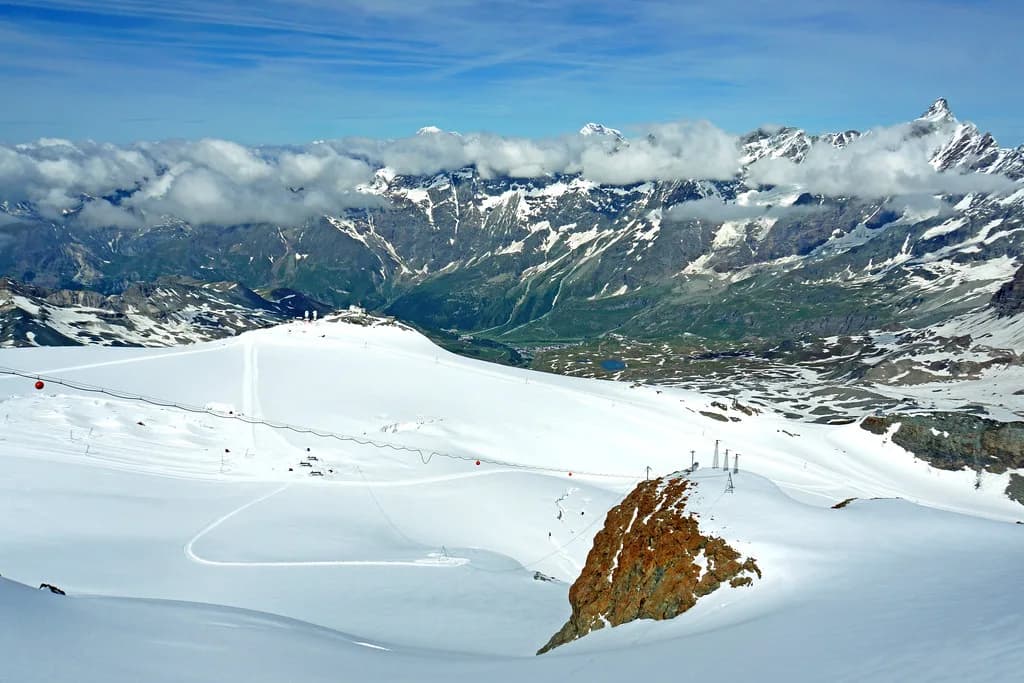
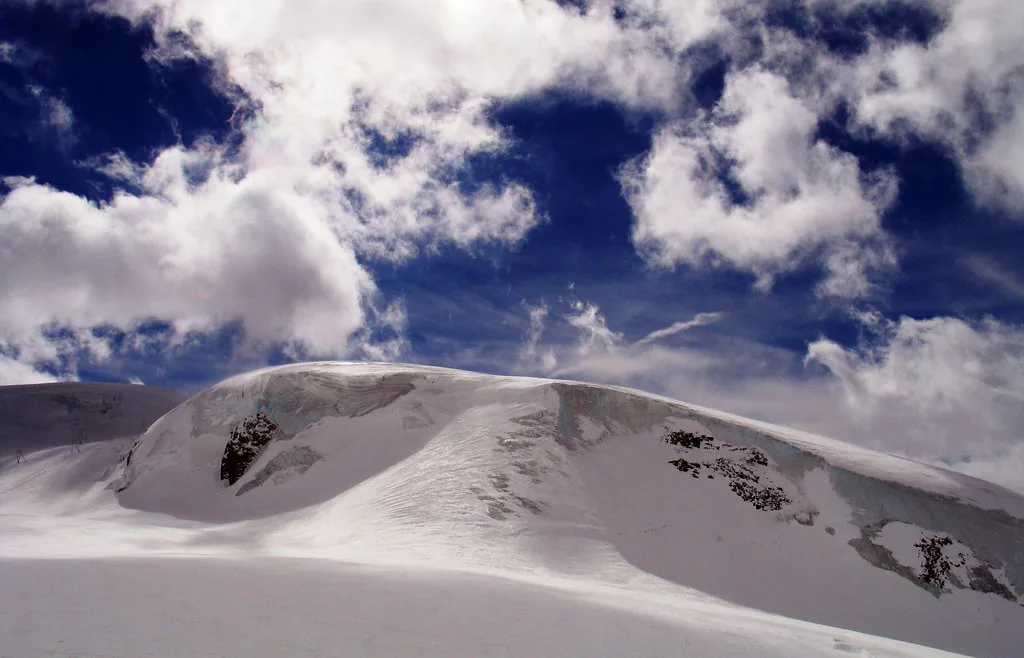
The Matterhorn Glacier Paradise area, based around Klein Matterhorn above Schwarzsee, is the highest terrain in the resort and the reason Zermatt can offer snow sports outside the core winter months. Schwarzsee adds a mix of scenic runs and harder descents below the glacier, so the sector covers a wide range of ability within one area.
The trade-offs are real: this is where you feel the altitude, where weather can close upper lifts with little notice, and where a day can involve substantial time in transit. If your group includes beginners or anyone who struggles with cold, treat the high sector as an optional highlight rather than the default base for the week.
The destination's own winter pages list skiing and snowboarding, ski touring, cross-country skiing and summer skiing as separate offerings, which is a useful reminder that not every activity happens in the same zone. Check the current snow report and webcams before travelling up, because upper-mountain conditions change faster than valley ones.
Skiing Across to Cervinia: How the Italy Link Changes a Zermatt Trip
The ski area extends across the border toward Breuil-Cervinia in Italy, which turns a Zermatt trip into a two-country plan for confident skiers. The link is a genuine attraction, and it is also the part of the trip most likely to be affected by wind, visibility and lift status on the day you attempt it.
A cross-border day is a decision, not a footnote. Take your passport or identity card, start early, and accept that the return leg depends on the upper lifts running as expected; if they close while you are on the Italian side, your route home changes. Verify with the lift company what your ticket includes for Italy before you rely on a border crossing.
Do not assume your pass automatically covers the Italian side just because the areas are marketed together. Inclusion rules, supplements and any conditions are commercial terms that must be confirmed for your dates, and they can differ from what a third-party summary says.
Pass Choices: What to Compare Before You Buy
Pass products for Zermatt are sold in several configurations, and the differences that matter are scope rather than branding: how many days, which sectors, and whether the Italian side is included. Because products and terms change, this guide does not quote prices; check the current tariff on the lift company's own ticketing pages for your exact dates.
Working out which product fits your week is the single biggest lever on cost, and it is worth reading a zermatt ski pass breakdown before you commit to the widest option. A nervous beginner may only need the lower sectors, while a strong skier chasing the glacier and the border link needs the widest scope, and buying one product for everyone usually means someone pays for terrain they never use.
Single-day and multi-day options, family arrangements and any local discounts are all worth checking before purchase, since the cheapest per-day rate is rarely the cheapest for a mixed group. Ask the ticket office directly about refunds, transferability and what happens if a link closes, because those terms decide whether a wider pass is worth it.
Beginner Provision: Gentle Terrain, Nursery Zones and Named Beginner Areas
Beginners have a reasonable home in Zermatt if they stay in the right place. The Sunnegga side is described as welcoming for beginners and families, with gentle nursery slopes, and a beginner park at Leisee is named in third-party guides as a safe learning environment for young children and new skiers.
That named provision is not confirmed by the official destination page, so keep it as something to ask about rather than a fixed feature of your trip. Ask ZERMATTERS and Zermatt Bergbahnen whether the beginner area you have in mind will be operating during your dates, and where it is accessed from.
The biggest beginner risk in Zermatt is geography rather than terrain. If you book accommodation or lessons based on the high sector, a new skier can spend much of the day in transit instead of on snow, so keep the first days low and only move up once confidence and acclimatisation allow.
Lessons and Guiding: What to Establish with Providers Before Booking
Zermatt has established ski school and mountain guide operations, including ZERMATTERS, which has run in the resort since 1888 and offers lessons and guided activities across the seasons. Booking through a professional provider is the sensible route for anyone who wants instruction or a guided mountain day.
Before you book, establish group size, language, the meeting point for your level and what happens if the lesson cannot run. Those four points cause most of the confusion on a first morning, and none of them can be inferred from a school's name or reputation.
If you are considering guided mountain days rather than ski lessons, treat them as a separate product with their own fitness, equipment and experience requirements. The guide office publishes its range of activities and can confirm what is suitable for you, which is far more reliable than assuming a route is appropriate.
Equipment Hire: How to Match a Shop to Your Sector and Lift Base
Hire is straightforward in Zermatt, with numerous shops offering ski and snowboard equipment, and the destination's own pages point visitors toward rental as a way to travel without extra luggage. The practical question is not which shop is best but which shop is convenient for the lifts you will actually use.
If your week is based on the Sunnegga side, a pickup near that access point saves carrying equipment across the village each morning; if you plan high-sector days, check whether the shop can arrange storage or an early opening that fits your start. None of this can be assumed from a shop's location alone, so ask directly.
Book hire once your pass scope and lesson times are fixed, because those two decisions determine which base you leave from and when you need the equipment. Reserving in advance is particularly worthwhile for peak weeks, when popular sizes and types move quickly, though availability and terms are the shop's to confirm.
Summer and Glacier Skiing: When High-Altitude Terrain Stays Skiable
Zermatt's high terrain supports summer skiing on the glacier, and the destination lists it as a distinct winter and summer activity alongside cross-country skiing, sledging and ski touring. This is the clearest example of altitude changing what is possible, because the glacier operates on a different calendar from the rest of the resort.
Summer skiing is a limited, weather-dependent product. Which lifts and runs are open, the daily operating window and whether the terrain suits your ability are all things to ask Zermatt Bergbahnen shortly before travelling, since they change with conditions through the season.
For a winter trip, the glacier mainly matters as a late-season fallback when lower slopes thin out. Do not build a whole holiday around one high sector being open; use it as an option within a plan that has alternatives at lower altitude.
Snow Reliability and Historic Snow Statistics: How to Read Them Honestly
Zermatt's altitude and glacier terrain give it one of the longer operating windows in the Alps, and third-party guides put the core season roughly from late November into early May, with December to March the busiest period. Those windows are indicative rather than guaranteed, and specific opening and closing dates vary by year.
Historic snow statistics describe what has happened in past seasons, not what will happen during yours. They are useful for choosing a month with a better chance of good cover and for understanding why the high sector exists, but they are not a forecast and should never be treated as a promise about any particular week.
The honest planning approach is to book flexible or cancellable elements where you can, choose dates that balance crowd levels against likely cover, and accept that a scheduled winter season is conditional. Lifts, links and pistes can be affected by wind, snow and maintenance, and the lift company's live status page is the only current source.
Booking Sequence: A Practical Order for Pass, Lessons, Hire and Days
Start with the pass, because its scope determines everything else. Decide whether the group needs the widest area including the Italian link or a narrower product, confirm the current terms with the lift company, then use that answer to choose which lift base you will use most days.
Next fix lessons and guiding, since school places and guide availability are limited in busy periods and the meeting point constrains your morning logistics. Only then reserve hire, timed so that collection fits your first lesson and so that returns are possible at the end of the trip.
Finally sketch the ski days themselves, mixing a low sector day, a middle day and a high or cross-border day, with at least one flexible day held back. This order prevents the common situation where a non-refundable pass is bought before anyone has checked whether the beginner area or the border link will suit the group.
Who Zermatt Skiing Suits, and Who Should Choose Elsewhere
Zermatt suits confident intermediates and above who want a large, varied area with high terrain, a genuine cross-border option and a car-free village base. It also works for mixed groups that include non-skiers, because walking, snowshoeing and sledging are offered alongside the skiing on the lower, sunnier side.
It suits less well if your priority is a compact beginner-friendly resort where everything is walkable and cheap, or if you want a short transfer from a major airport. The scale that makes Zermatt interesting also makes it slower to navigate, and the altitude is an extra variable that some visitors find tiring.
If your group is mostly first-time skiers, or you have only two or three days on snow, a smaller resort with lower terrain usually delivers more time skiing and less time in transit. Zermatt rewards a longer stay that lets you use several sectors properly.
Open Questions to Confirm with Operators Before Booking
Several things a reader will want to know cannot be answered from published material alone. Which lifts and links are scheduled during your exact dates, what your pass includes on the Italian side, whether beginner provision at a named area is running, and what lesson meeting points and hire opening times are, all require confirmation with the lift company, ski school or shop.
The resort's own winter pages, snow report and webcams are the best starting point for current operating information, and the ski school and guide office is the right contact for instruction. Use those sources for the facts and keep your own judgement for the trade-offs between sectors, cost and travel time.
Plan Your Visit
Plan Zermatt skiing around sectors, not slogans. Choose the pass scope first, then lessons, then hire, then the days themselves, and keep one flexible day in reserve for the weather.
Treat altitude as the organising fact of the trip: it extends the season and opens the glacier, and it also adds travel time, cold and thinner air. Keep beginners low and move higher as the week progresses.
Finally, check the volatile details before you pay. Lift status, link access, pass inclusions, lesson places and hire terms change with the season, and the resort's own pages and ZERMATTERS are the sources that speak for themselves.
Explore more Zermatt guides
Frequently Asked Questions
What ski resort is in Zermatt, Switzerland?
Zermatt's skiing is marketed as Matterhorn Ski Paradise, an umbrella area that covers several Swiss sectors plus a connection toward Breuil-Cervinia in Italy. The Swiss sectors are Rothorn-Sunnegga, Gornergrat, and the high Matterhorn Glacier Paradise and Schwarzsee terrain. Because the areas are separate rather than one continuous bowl, plan your day by sector and check the current map and lift status before setting out.
Are the lifts in Zermatt open today?
Lift status is operational information that changes daily with weather, wind and maintenance, so no article can tell you what is running on your date. Check the resort's own snow report, piste map and live webcams on the morning itself, and confirm any specific link or upper lift with the lift company if your day depends on it. Scheduled operation is conditional rather than guaranteed.
Can I ski in Zermatt during the summer?
Zermatt's high glacier terrain supports summer skiing, and the destination lists it as a separate offering from the main winter season. Availability, the daily operating window and which runs are open depend on conditions and are confirmed by the lift company nearer the time. Treat it as a limited, weather-dependent option rather than a fixed part of the summer programme.
How do the Zermatt ski sectors differ?
Rothorn-Sunnegga is the lower, sunnier side with gentle slopes near Sunnegga and longer, steeper runs toward Rothorn. Gornergrat, reached by its own mountain railway, sits in the middle and mixes wide, easy slopes with more demanding terrain. Matterhorn Glacier Paradise and Schwarzsee form the high sector, offering the most altitude and the widest seasonal window but also longer journeys and more exposure to weather.
Do I need a different pass to ski into Italy from Zermatt?
Cross-border access toward Cervinia is a commercial term rather than an automatic right, so check what your ticket includes for the Italian side with the lift company before you plan a border day. Take identification, start early, and accept that the return route depends on upper lifts running as expected. Inclusion rules and any supplements can change.
Is Zermatt skiing suitable for beginners?
Zermatt can work for beginners if they stay in the lower, gentler parts of the resort while they build confidence. Third-party guides describe nursery slopes and a beginner park at Leisee on the Sunnegga side, but the official destination page does not confirm that specific provision, so check current details with the ski school and lift company. Avoid basing new skiers in the high sector, where much of the day goes on travelling.
How many days do you need for Zermatt skiing?
Five to seven days gives enough time to use each Swiss sector properly and still allow for a rest day or a weather-affected day. A shorter trip of two or three days usually means choosing one or two sectors and accepting that you will not see the rest. If a cross-border day matters to you, add a flexible day so a closure does not derail the plan.
Sources
Useful notes for your next ski trip
Optional updates to our Alpine resort guides.
You might also like
Continue reading
More guides you'll find useful