Andermatt Skiing Guide: Pistes, Sectors & Lift Passes
Plan an Andermatt ski trip with 180 km of pistes, the Gemsstock steeps, linked Sedrun and Disentis sectors, lift-pass prices, ski schools and rental options.
On this page
Andermatt has a reputation that runs ahead of its size: a Gotthard village of around 1,444 m that skiers associate with steep, high, snow-sure terrain. The Andermatt+Sedrun+Disentis area spreads that reputation over 180 km of pistes and 33 lifts, with the highest ground close to 3,000 m. Decide which of its four propositions you are actually coming for before you book, because they ski very differently — the Gemsstock's steep, high freeride terrain, wide pistes around the Oberalp Pass, the varied slopes at Disentis, and the beginner-focused areas in Andermatt and Sedrun.
The Gemsstock is the expert's mountain, the Nätschen and Oberalppass slopes are the forgiving side above the village, Sedrun offers wide family terrain across the pass, and Disentis is the quiet western end reached by gondola and train. One lift pass covers all of it, and the practical job is matching your group's ability to the right sector on each day. The sectors, passes and booking decisions below are drawn from what the lift company and ski schools publish.
Ski area at a glance: 180 km of pistes, 33 lifts, terrain to nearly 3,000 m
Andermatt+Sedrun+Disentis describes itself as the largest ski area in the heart of Switzerland: 180 km of pistes, 33 lifts and mountain peaks reaching up to 3,000 m. The three resorts have operated under one brand since the Cuolm da Vi gondola created a direct link between the Andermatt-Sedrun and Disentis ski areas in 2019, and Andermatt Sedrun Disentis Marketing AG has promoted cross-regional offers since the merger. That single branding matters to skiers, because it means one ticket and one terrain map rather than three separate purchases.
The corporate structure behind the lifts is worth knowing if you follow resort developments. Andermatt-Sedrun Sport AG runs the Gemsstock and Andermatt-Sedrun ski areas, and Vail Resorts has held a 55% majority stake since August 2022, with Andermatt Swiss Alps AG holding just under 40%. Bergbahnen Disentis AG, founded in 1969, separately operates the Disentis ski area and its mountain restaurants. In practice you are buying access to two lift companies that market themselves jointly, so a question about a specific lift is best aimed at the right operator.
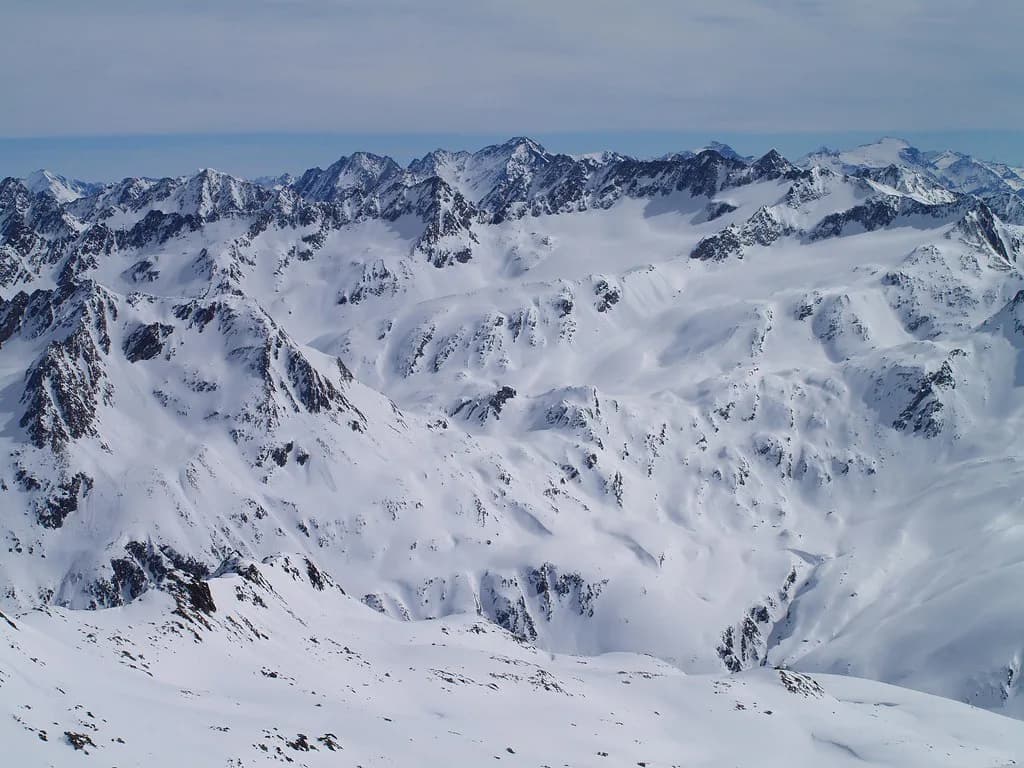
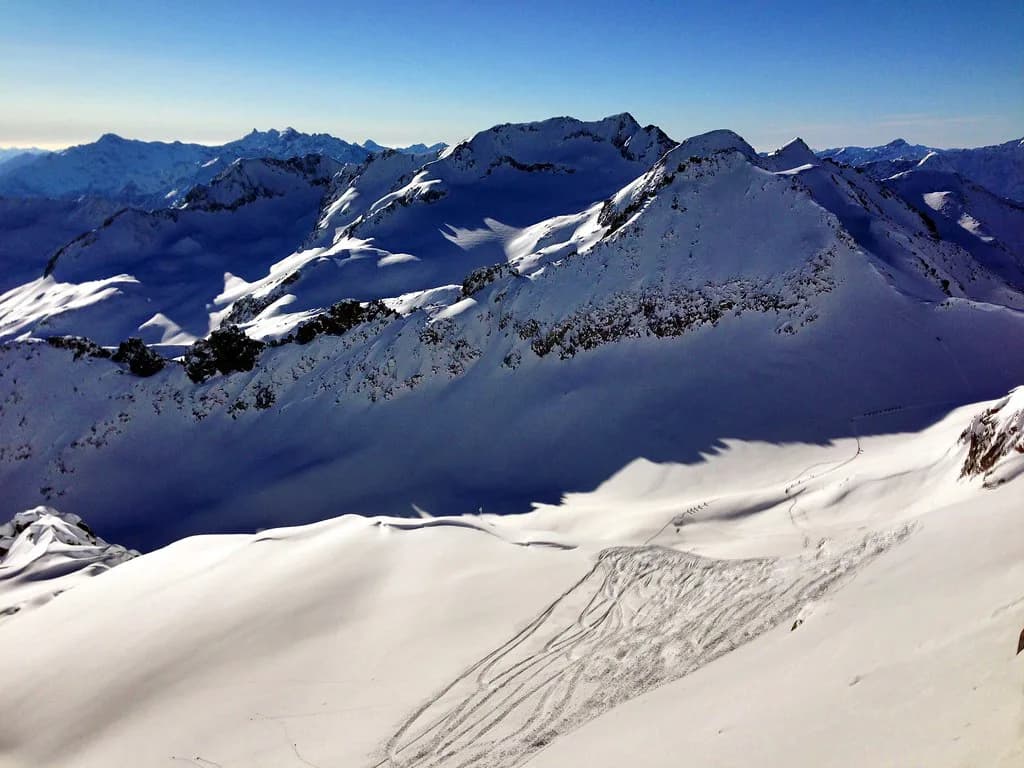
Altitude is the reason Andermatt punches above its village height. The Disentis sector reaches up to around 3,000 m, and the Gemsstock summit is described as close to 3,000 m as well, which is what gives the area its snow reliability through a long winter. Expect colder, windier conditions up top than in the village, and dress for a summit day rather than a valley day when you head to the higher sectors.
Andermatt-Gemsstock: steep, high and freeride-led, with a 1,500 m vertical
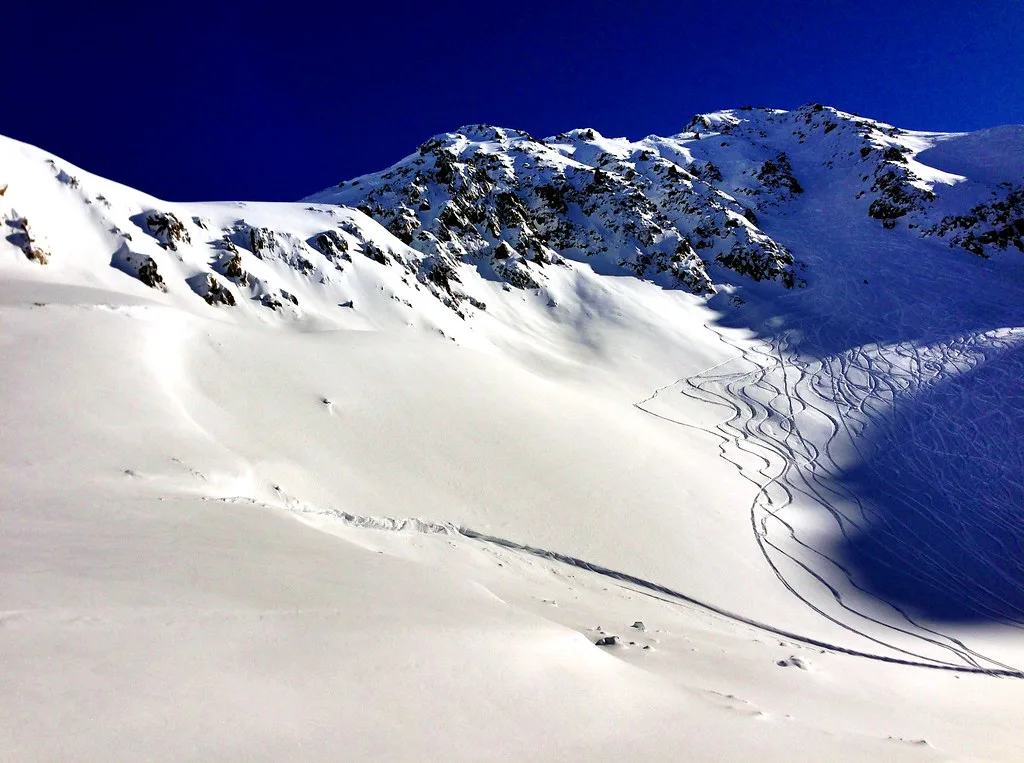
The Gemsstock is the sector that built Andermatt's reputation among strong skiers. Andermatt-Sedrun Sport AG, which runs the Gemsstock and Andermatt-Sedrun ski areas, describes it as the place for deep-powder experts, with challenging steep slopes and descents carrying a vertical drop of 1,500 m. The Bernhard Russi Run and a glacier descent give confident skiers named objectives, and the mountain is a genuine step up from anything else on the pass.
Gemsstock also runs a longer season than the rest of the area. Andermatt-Sedrun Sport AG gives November to May as the freeride window here, which is its own description of that sector's deep-snow season rather than a promise that the whole 180 km network is open from November. If you are planning an early or late trip, treat Gemsstock as the reason to come and check what else is spinning before you commit.
Freeriders should note the safety infrastructure. An Avalanche Training Center on the mountain offers courses for people heading off-piste, which is a sensible first-day investment if you have not skied this terrain before. The Gemsstock is not a sector to learn on, and groups of mixed ability are usually better splitting up for the morning than trying to hold a beginner on terrain designed for experts.
Nätschen and Oberalppass: the wide, forgiving side of the Andermatt sector
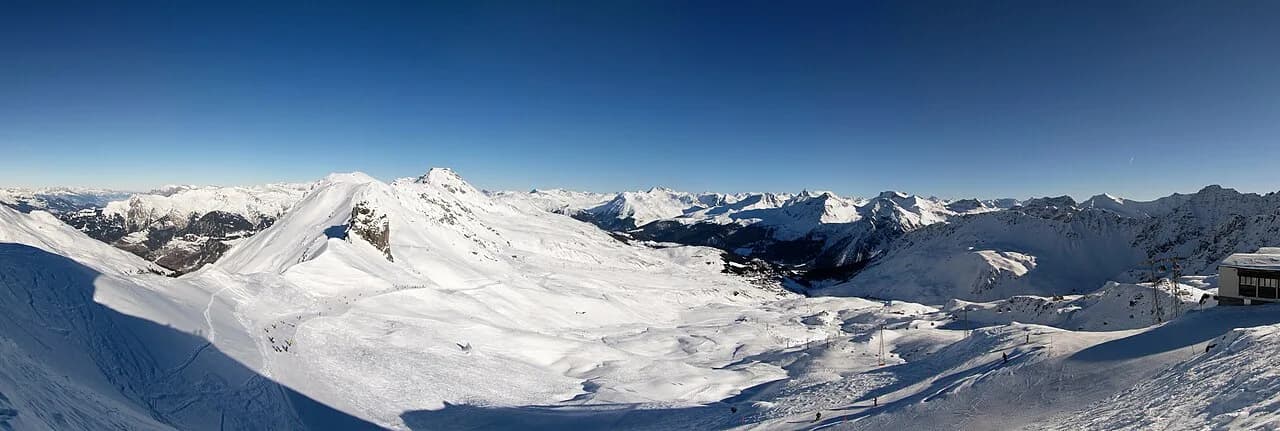
Above the village on the other side, the Nätschen and Oberalppass slopes are where most holiday skiers spend their time. The Andermatt+Sedrun+Disentis ski area calls the Oberalp Pass the place to start with a few runs on wide pistes before taking in the mountain panorama from a restaurant terrace. That is the honest description of the sector: cruising terrain, sun terraces and forgiving gradients rather than steep challenges.
For a family or a group of intermediates, this is the natural base. The lifts from the Andermatt side give access to the Oberalppass terrain without needing to drive, and the layout keeps you close to the village when the weather turns. The trade-off is that the terrain is less demanding, so expert skiers in the group will want to cross to the Gemsstock or head west for variety. A good day for mixed groups puts the cruisers on this side and the steep skiers on the other.
The dashboard published by Andermatt-Sedrun Sport AG is the practical check before you commit to a sector, because it lists open cable cars and operating hours for Gemsstock, Gütsch, Schneehüenerstock, Valtgeva and Dieni among others. Wind holds and early-season conditions hit the higher lifts first, and the dashboard reflects that live picture rather than a printed timetable.
Sedrun: family and intermediate terrain across the Oberalp Pass
Sedrun sits on the other side of the Oberalppass and is described by the Andermatt+Sedrun+Disentis ski area as featuring wide slopes suitable for families and beginner and intermediate skiers. It is part of the same Andermatt-Sedrun lift network, so your pass carries over without a separate purchase. For anyone based in Sedrun or staying near the Oberalppass, this is the everyday sector.
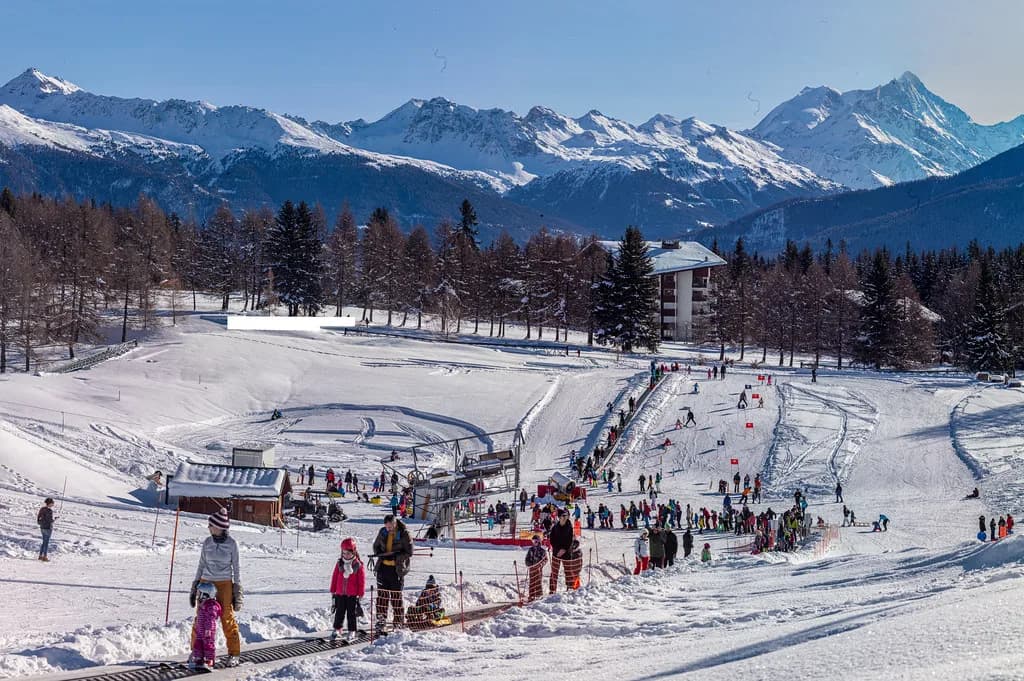
The village has its own children's provision: the colourful KidsArena in Sedrun, complete with mascots, is one of three dedicated children's areas alongside Andermatt and Disentis. Andermatt-Sedrun and Bergbahnen Disentis also point to family restaurants with play corners and children's menus, which matters more than it sounds when you are managing a first ski week. If your plan is teaching young children to ski, Sedrun's gentler slopes make it a sensible base.
From Sedrun the western end of the network is within reach via the Cuolm da Vi gondola and the Dieni connection. The link is described as a gondola and train combination rather than a continuous ski route, so plan the crossing as part of the day rather than as a lap of the home sector. Andermatt-Sedrun Sport AG's live dashboard publishes the connecting train times and directions.
Disentis: the quiet western end, linked by gondola and Sport Train
Disentis is the western outpost, reached from the Andermatt-Sedrun side by the Cuolm da Vi gondola and the Sport Train. Andermatt+Sedrun+Disentis states the trip from Dieni railway station in the Andermatt-Sedrun area to Sedrun railway station on the Disentis side takes just five minutes, which makes the crossing a realistic half-day excursion rather than a project. The ski areas have been directly connected by the gondola since 2019.
Terrain-wise, Disentis is characterised by deeper snow and quieter slopes, with lifts serving the Caischavedra, Gendusas, Lai Alv and Saxwiese areas. Bergbahnen Disentis AG describes it as suited to alpine skiing and a range of other winter sports, including touring, snowshoeing and fatbiking. It is the sector to pick when you want space and a different view rather than the toughest skiing of the trip.
If you are staying in Andermatt, Disentis is the day out that makes the 180 km figure feel real, but it also has its own lift company and its own ticketing. Short stays in Disentis alone are sold separately as 1- and 2-day tickets, which is useful if you are only there for an extended weekend.
Piste breakdown by colour, including the unpatrolled yellow deep-snow runs
Andermatt+Sedrun+Disentis publishes a colour breakdown worth internalising before you pick a sector. Of the 180 km, 47.5 km are blue, 84 km red, 37 km black and 16.5 km yellow. The blues are described as particularly suited to beginners: less steep, with unhurried descents. Reds run up to an incline of 40 degrees and sit at intermediate difficulty, while blacks are steep and demand excellent technical skills.
The yellow runs deserve a separate decision. The 16.5 km of yellow pistes are deep-powder trails that are protected against avalanches but are not groomed and not patrolled. That last point is the important one: they are not managed runs in the ordinary sense, and the ski area advises that only experienced skiers with the right equipment should be on them. If you are booking a first freeride trip, plan to take a course or a guide rather than treating yellow as an easier alternative to black.
Combining those figures gives a rough picture of the area's balance: roughly a quarter of the groomed terrain is beginner-friendly blue, the majority is red cruising, and a fifth is expert black. For a mixed group, that supports the sector logic already outlined, with the Gemsstock reserved for the strongest skiers and most of the red mileage spread across the rest of the network.
Which sector suits which ability, from first-timers to steep-ski fans
First-timers and nervous skiers should look at the blue terrain and the three dedicated children's areas: in Andermatt and Sedrun with mascot-led KidsArenas, and in Disentis with its own children's zone. The Oberalppass side above Andermatt gives you wide, forgiving slopes and terrace restaurants within reach of the village. Book a base near that lift rather than near the Gemsstock cable car if you have beginners in the group.
Intermediates have the widest choice because 84 km of red covers Sedrun, Disentis and the Nätschen side. A sensible week mixes a cruising day in Sedrun, a day out in Disentis and a couple of days around the Oberalppass, saving the Gemsstock for a decent-weather day when you can see the line. Strong skiers can then spend their whole trip on the Gemsstock and the yellow routes without repeating themselves.
The one group that needs a decision is confident skiers in a family group. Travel with a buddy or book a guide if you intend to ski the deep-snow routes, and keep the family day on the cruising side.
Season timing: Gemsstock's long November-to-May window and what that means for booking
Andermatt's selling point is a long winter window, but the seasons are not uniform across the area. The Gemsstock freeride season is described as November to May, which is a longer span than most holiday skiers assume. That long high-altitude season is why Andermatt attracts spring trips and early-season training groups when other Swiss resorts are still waiting for snow.
For planning purposes, treat early-season and late-season trips as Gemsstock-led trips and check which lifts are open before booking accommodation. The dashboard shows current openings and operating hours by lift, which is how you distinguish a full-network week from a two-lift surprise. Pre-Christmas and January dates fall outside the premium days and often give cheaper tickets on quieter pistes.
Day and multi-day lift passes: the three fixed prices and how to buy
Andermatt day passes use a fixed three-tier model rather than dynamic pricing, which makes budgeting straightforward. For the season published, the rates are CHF 92 for adults (CHF 46 for children) when bought online by 11:59 pm the day before the ski day; CHF 96 adult (CHF 48 child) when bought on the day online or at the ticket window; and CHF 99 adult (CHF 50 child) on premium ski days. Andermatt+Sedrun+Disentis lists the premium ski days as 19 December 2026 to 3 January 2027 and 1 February to 7 March 2027.
The practical lesson is that buying the pass the evening before saves money on any normal day, and the saving is small but real. On premium days, buying ahead does not change the rate, so you lose nothing by waiting for a weather check. The pass can be loaded on a SwissPass or a Skidata keycard; Andermatt+Sedrun+Disentis warns that older SwissPasses can cause problems and that the card must be physically carried, because turnstiles cannot read a pass held in an app wallet.
Age bands are simple: children are 6 to 15, juniors 16 to 20, adults 21 to 64 and seniors from 65. Children under 5 ski free and do not need a pass, which the ski schools also confirm for lessons. For the full set of products, see this breakdown of the Andermatt ski pass and how access is loaded onto cards.
Half-price pass, family discount and Epic Pass access explained
A half-price pass cuts 50% off one-day ski passes and is priced at CHF 69 for adults and CHF 35 for children; it pays for itself after just two ski days by the Andermatt+Sedrun+Disentis arithmetic. Almost everything of consequence is excluded: 1- and 2-day Disentis tickets, half-day tickets from noon, multi-day tickets, single lift rides, sledging, round trips and Matterhorn Gotthard Railway trips. The card is personal and non-transferable, and the adult rate applies from 16.
The family discount is a ticket-office-only benefit, so you cannot get it by booking online. It requires at least three paying people, including one or two adult guardians and at least one child aged 15 or under, and other accompanying adults fall outside the discount. If you are travelling as a family group, budget the queue on arrival rather than expecting an online basket to apply it automatically.
Epic Pass holders get unlimited access to the whole area, and pass types with five days are also offered. Importantly, the mobile pass cannot be used at the lift gates here: you present proof of a valid pass and photo ID at a ticket window and receive an Andermatt-Sedrun-Disentis access card, refundable against a deposit on return. Train access on the Matterhorn Gotthard Bahn is sold as an upgrade at the window, quoted at CHF 50 for up to seven consecutive days or CHF 150 unlimited for the 2026/27 season.
Ski schools: group courses, private lessons and where they meet
The Swiss Snowsports School Andermatt runs full-day children's group courses for ages 4 to 16, grouping by Swiss Snow League level. Children meet at 9:45 at the Gütsch-Express valley station, ski from 10:00 to 12:00 and 1:00 to 3:00 including a supervised lunch with hot food and drinks, and finish with Friday races and medals. Groups are four to ten children, up to twelve in high season, and courses start on Mondays or Tuesdays, with weekend courses on Saturdays or Sundays. Book at least three days ahead.
Ski passes are not included in course prices, and children up to five years ski free and need no pass. Private lessons with the Andermatt school run in one-hour, two-and-a-half-hour and five-hour formats, with flexible meeting points and the ski pass excluded. The five-hour day includes a lunch break and is the sensible format if you want to be shown around the wider area rather than just drilling technique.
Altitude Ski & Snowboard School is the English-language alternative, offering private lessons for one to six people across seven levels. Published rates include CHF 230 for a two-hour morning and CHF 480 for a six-hour day at off-peak times, with a small premium on peak three-hour and six-hour lessons. That pricing structures the day around private rather than group lessons, which suits families who want their own instructor or skiers chasing off-piste guidance; our guide to Andermatt Ski lessons covers what to ask before booking.
Ski and snowboard hire: station, village and valley-station options
Gleis 0, the sports shop under Andermatt's station, is the most convenient hire for anyone arriving by train. Daily rates for the season published start at CHF 55 for adult skis or a board and go to CHF 85 for superior skis, with boots at CHF 25, a helmet at CHF 16 and poles at CHF 9; junior packages start at CHF 32 and children's at CHF 13. Lockers are also available for storing kit at the station.
Reserve gear before you travel so you spend the first morning skiing rather than queuing. The Andermatt+Sedrun+Disentis rental page explains that you show your booking confirmation at collection and that duplicate bookings are cancelled free of charge, which makes it safe to reserve early and adjust later.
Imholz Sport runs three Andermatt shops, with long-stay lockers, free pick-up from 15:00 the evening before and free swaps within the same category. Its daily prices start at CHF 45 for a day's carving or freeride ski, rising to CHF 199 for seven days, plus CHF 19 to CHF 90 for boots depending on duration. INTERSPORT Alpina Sport in the village centre opens until 18:00 on weekdays and offers a CHF 5 cancellation option that lets you cancel by noon the day before. See the Andermatt ski hire guide for the full store comparison.
Getting there and getting around: train links between the sectors
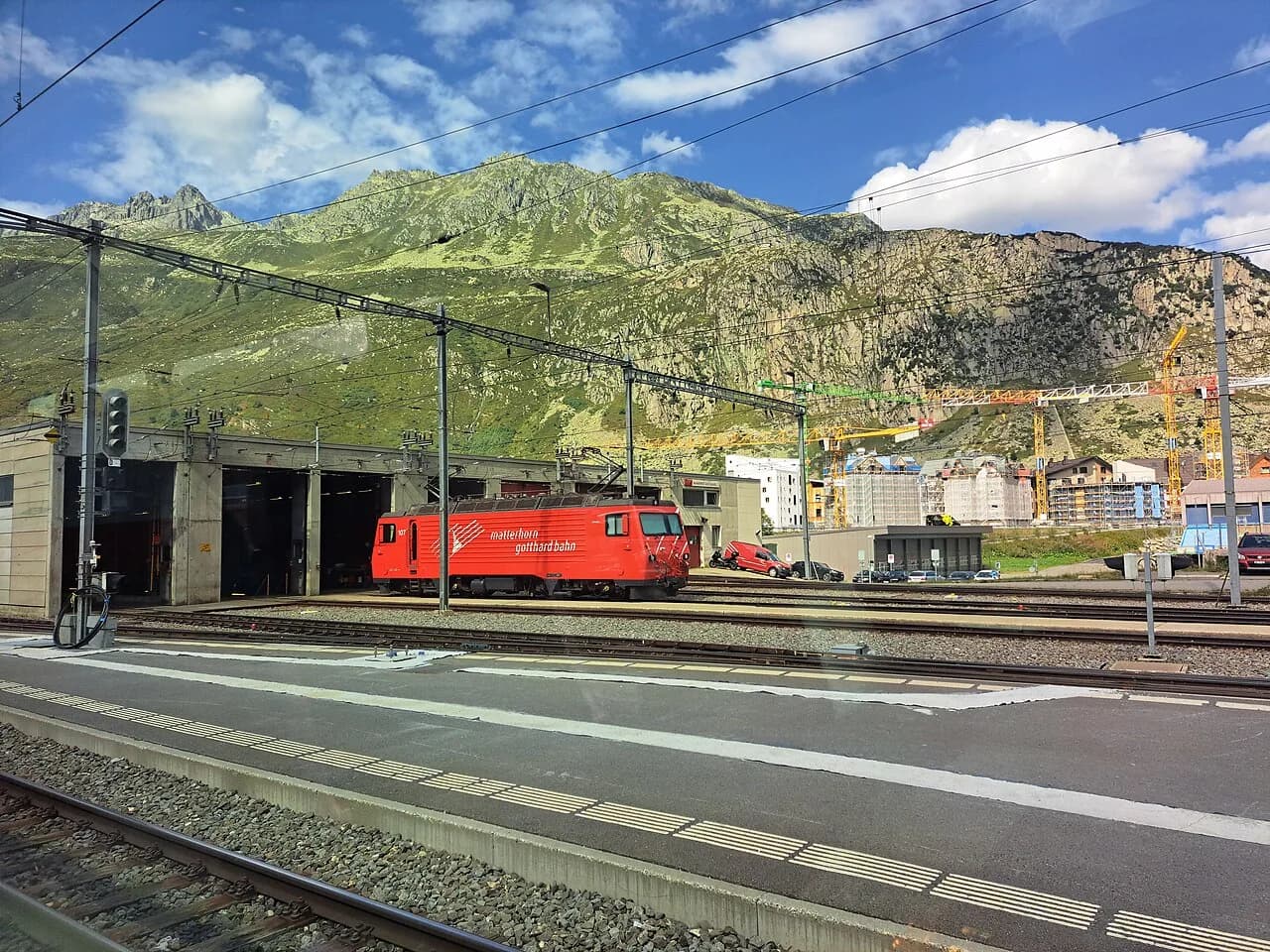
Andermatt is reached by rail on the Matterhorn Gotthard Bahn, which continues through the Oberalppass to Sedrun and Disentis. The Andermatt-Sedrun Sport AG live dashboard publishes the connecting departures: trains from Andermatt and Nätschen run towards Disentis from around 07:38 and 07:49, with returns to Andermatt from Dieni and Sedrun in the early morning. The Sport Train between Dieni and Sedrun is the link skiers use to cross between the Andermatt-Sedrun and Disentis areas in a few minutes.
For anyone travelling from Zurich, Andermatt is around 60 miles away by road, and the train route via Göschenen puts you in the village without a car. Having a car helps if you are splitting a stay between villages, but if you are based in one place the train and the gondola network make it unnecessary. The Andermatt piste Map guide covers the lift connections and where the sector boundaries fall.
Where to base yourself and what to book early
The right base depends on which sector you plan to ski most. Andermatt village gives quick access to the Gemsstock cable car and the lifts to Nätschen, with the station shop on the doorstep; Sedrun and the Oberalppass area suit families who want gentler slopes on the doorstep; Disentis makes sense if you plan several days on the western side or want a quieter week. Staying in one village and taking the Sport Train for day trips works well for a week-long trip.
Book lessons and rental gear ahead for peak weeks and weekends, because group sizes are capped and instructors sell out. Children's group courses close to booking three days before the start, and private instructors are limited on peak dates. Accommodation across Andermatt is a mix of hotels and apartments, but choose on proximity to your main lift rather than on star rating, since a 10-minute walk in ski boots changes your day more than a spa does.
Verdict: who should choose Andermatt, and who should look elsewhere
Choose Andermatt if you want steep, high, snow-sure terrain with a long season and a proper lift network behind it. The Gemsstock alone justifies the trip for expert skiers, and the linked Sedrun and Disentis sectors give cruising and family days within the same pass. The fixed day-pass pricing, the Epic Pass access and the train connection from Zurich make it an easy resort to plan around.
Look elsewhere if you want one large, continuous intermediate mountain. The three sectors are linked by lifts, gondolas and trains rather than by continuous piste, so the layout rewards planning and punishes assumptions. Families with absolute beginners will be happiest basing themselves close to the Nätschen or Sedrun slopes rather than in the middle of Andermatt's expert reputation. If a single connected cruising mountain is what you are after, our Arosa ski guide covers a resort built around exactly that kind of terrain. Before booking, check current prices and operating dates on the official Andermatt+Sedrun+Disentis site.
Explore more Andermatt guides
Frequently Asked Questions
Is Andermatt good for skiing?
Yes, if your group is comfortable splitting up. The Gemsstock delivers steep, high, freeride-led terrain with a 1,500 m vertical, while the Nätschen and Oberalppass slopes above the village offer wide, forgiving cruising. Sedrun and Disentis add family terrain and quieter runs on the same network, so the resort suits mixed groups who plan each day by sector rather than trying to keep everyone together.
How many kilometres of pistes does Andermatt have?
The Andermatt+Sedrun+Disentis area publishes 180 km of pistes served by 33 lifts, with terrain reaching close to 3,000 m. The colour split is 47.5 km blue, 84 km red, 37 km black and 16.5 km yellow deep-snow routes. The yellow runs are not groomed or patrolled, so treat them as off-piste terrain rather than as ordinary pistes.
Is Andermatt suitable for beginners?
Beginners are best based around the blue terrain and the dedicated children's areas in Andermatt, Sedrun and Disentis. The Oberalppass side above Andermatt gives wide, gentle slopes close to the village, and Sedrun across the pass is explicitly suited to families and first-timers. Keep the Gemsstock for the stronger skiers in the group, since its steeps are not learning terrain.
How much is a day ski pass in Andermatt?
Andermatt uses three fixed day-pass rates: an advance online rate, a standard rate for buying on the day, and a premium rate on set peak dates, with children paying half. The exact figures and the premium-day calendar are published on the ticket page for your dates.
Is Andermatt part of the Epic Pass?
Yes. Epic Pass holders get unlimited access to Andermatt+Sedrun+Disentis, and some other pass types include a set number of days. The mobile pass is not accepted at the lift gates here: you show proof of a valid pass and photo ID at a ticket window, collect an access card against a small refundable deposit, and can buy a Matterhorn Gotthard Bahn train upgrade at the same window.
Can you ski from Andermatt to Disentis?
The two areas are linked by the Cuolm da Vi gondola and the Sport Train, not by a single continuous piste. The train hop between Dieni and Sedrun takes about five minutes, so the crossing works well as a half-day excursion. Check the connecting train times on the live dashboard before you set out.
When does the Andermatt ski season start and end?
The Gemsstock freeride sector runs from November to May, longer than most holiday skiers assume. The rest of the network opens and closes on its own schedule, so plan early and late trips around Gemsstock and check live lift status before booking accommodation. Operating hours and open lifts appear on the resort dashboard.
Is Andermatt expensive compared with other Swiss resorts?
Andermatt prices sit in the normal upper range for Swiss lift passes, and the fixed day-pass structure makes costs predictable rather than surge-priced. A half-price pass pays off after a couple of ski days, and family discounts are available at the ticket office. Hire costs vary by shop and duration, so compare the station shop, the Gemsstock valley station and the village centre before reserving gear.
Sources
- Skiing in Andermatt+Sedrun+Disentis
- Company | ASD
- Dashboard | Andermatt-Sedrun Sport AG
- ASD day and multi-day ticket FAQ
- ASD half-price pass FAQ
- Andermatt-Sedrun-Disentis, Switzerland | Epic Season Pass
- Full day group courses children | Swiss Ski School Andermatt
- Private lessons ski & telemark | Swiss Ski School Andermatt
- Private Ski Lessons - Altitude Ski & Snowboard School - Andermatt
- Gleis 0 sports shop and rental services
- Gleis 0 equipment reservation and collection
- Winter rental Andermatt: Ski, Snowboard, Fatbike | Imholz Sport
- Ski rental at INTERSPORT Alpina Sport in Andermatt
Useful notes for your next ski trip
Optional updates to our Alpine resort guides.
You might also like
Continue reading
More guides you'll find useful