Andermatt Ski Map: Sectors, Links and How to Read It
Read the Andermatt ski map as three linked sectors: Gemsstock steeps, Oberalp Pass cruisers and Disentis, joined by the Sport Train and Cuolm da Vi.
On this page
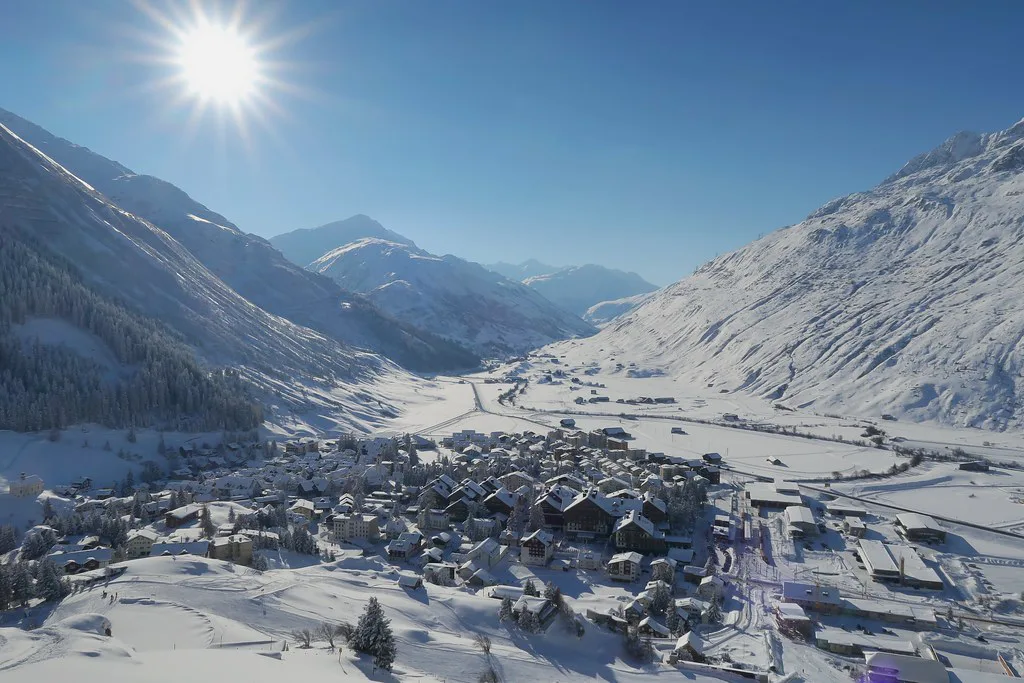
Andermatt's piste map is not a single village network you can walk between at lunchtime. It is a spread of three sectors, Andermatt-Gemsstock, the Oberalp Pass and Sedrun spine, and Disentis, held together by lifts and a five-minute rail link. Read it that way and the resort suddenly makes sense as a day-planning tool rather than a poster.
This guide walks through the published layout: the headline numbers, each sector's character, the connection points that decide your return leg, and how the difficulty split lines up with your group. It also points you to the live tools that show which lifts and runs are actually open on the day you ski.
The map at a glance: 180km of piste and 33 lifts
The official ski area site describes Andermatt+Sedrun+Disentis as 180 kilometres of slopes served by 33 lifts, with peaks reaching up to 3,000 metres. That scale is why the map matters more here than in a compact resort: 180km is roughly four to five days of skiing for a confident intermediate, but only if you use the links rather than looping one sector.
A third-party resort guide gives the altitude band as 1,445 to 2,965 metres and notes the area was enlarged when lifts tied Andermatt to Sedrun and Disentis. Treat those figures as guidebook context rather than operator data, but they are a useful sanity check when you compare the map against other Swiss areas.
The area is run by two companies: Andermatt-Sedrun Sport AG oversees Gemsstock and the Andermatt-Sedrun slopes, while Bergbahnen Disentis AG runs the Disentis side. That split explains small differences in signage, mountain restaurants and rental shops from one end of the map to the other, so plan services in the sector where you will spend the day.
Andermatt-Gemsstock: the steep pod on the western edge
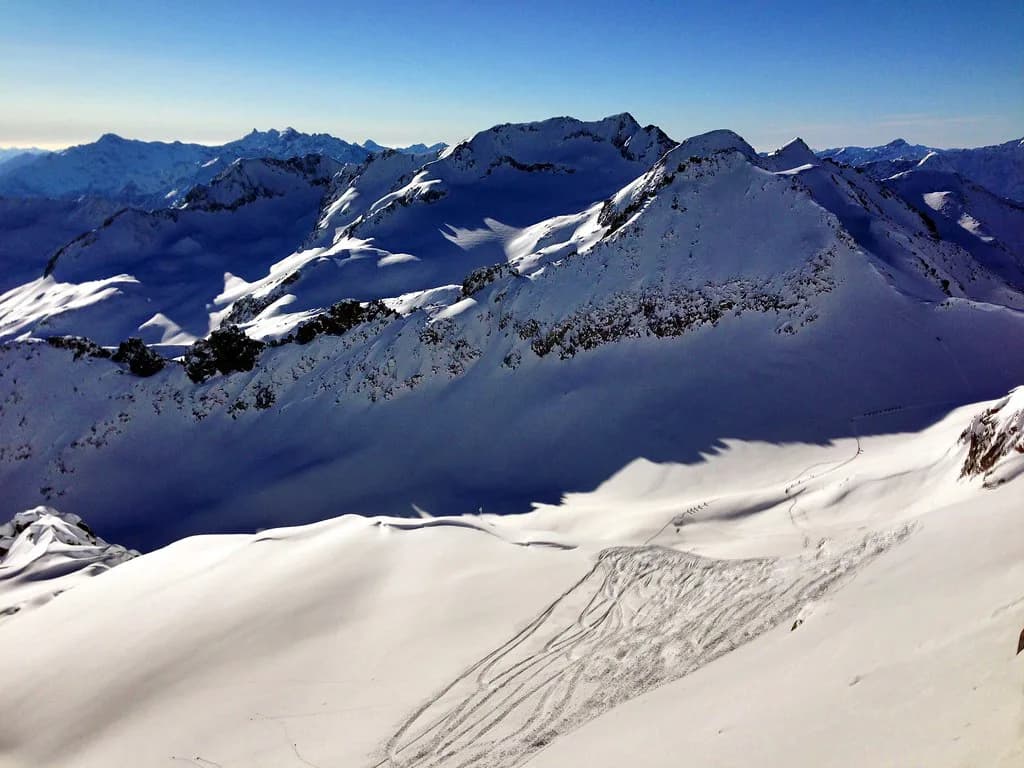
On the map, Gemsstock reads as a single cable-car pod rising to nearly 3,000 metres, with north-facing terrain that Andermatt-Sedrun Sport AG markets squarely at freeriders and strong skiers. Expect a vertical drop of around 1,500 metres on the descents, which is why one run here can eat a chunk of your morning.
For piste skiers, the named draw is the Bernhard Russi run, a long descent laid out in the tracks of the Olympic champion. If your group mixes abilities, treat Gemsstock as a half-day excursion for the confident half rather than the default meeting point, because the terrain is unforgiving for anyone still building confidence.
Oberalp Pass and Sedrun: the cruising spine
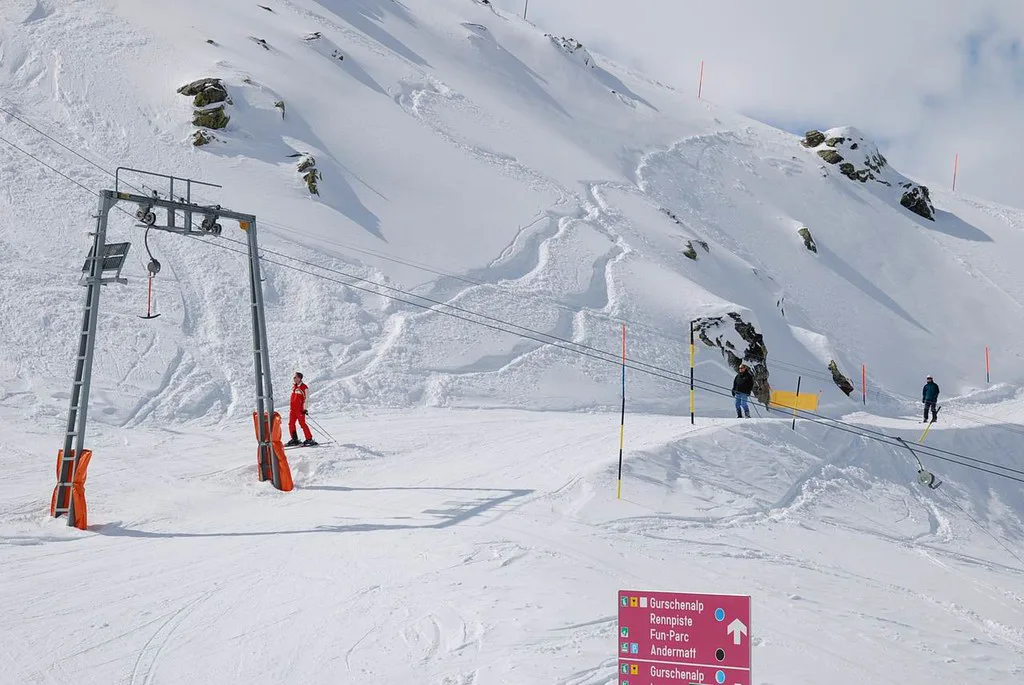
The middle of the map is the friendly part. Around the Oberalp Pass Andermatt+Sedrun+Disentis describes wide pistes and generous restaurant terraces, and this is where intermediates will spend most of their mileage. The resort's own description pitches the pass as the place to start with a few runs before settling into the sun, which matches how the terrain reads on paper.
Sedrun sits further along this spine and anchors the eastern end of the Andermatt-Sedrun slopes. The lift names to look for on the map are Gütsch, Schneehüenerstock and Nätschen on the Andermatt side, with the Cuolm sector above Sedrun feeding the link onward. Getting your head around those labels is the single best way to avoid a long, wrong-way traverse late in the day.
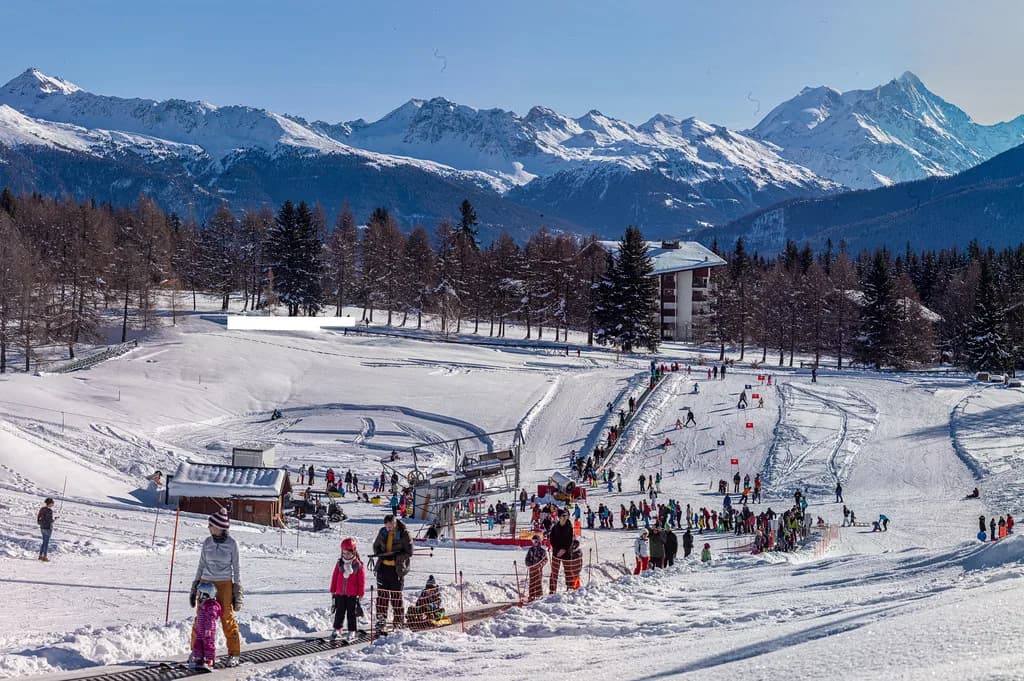
This side of the map is also where families and newer skiers get the most value, because the gentle gradient lets you stack several runs without repeating the same lift. Dedicated children's areas exist at both Andermatt and Sedrun, so if you are skiing with young children, base your day where the kids' zone sits rather than chasing distance.
Disentis: the eastern sector and the gondola link
Disentis is the third piece, reached by the Cuolm da Vi gondola and the Sport Train. The upper lifts carry the names you will see on the map, Caischavedra, Gendusas, Lai Alv and the Tujetsch side, and Bergbahnen Disentis AG frames the sector around quieter slopes and open mountain scenery rather than big-mileage cruising.
Bergbahnen Disentis AG runs not only the slopes but the mountain restaurants, the Catrina hotel and lodge cluster and its own Catrina Sportshops. In practice that means Disentis works well as a self-contained base: you can sleep, eat, rent and ski without moving the car, which is a different proposition from a day-trip loop out of Andermatt.
If you are sorting equipment before the trip, our Andermatt ski hire guide covers rental options across the area, while the Disentis shops are the obvious choice if you are staying at that end. Either way, sort boots before you commit to a multi-sector day.
How the sectors connect, and why the train hop matters
The official site is explicit that Andermatt-Sedrun and Disentis are joined by the Sport Train and the Cuolm da Vi gondola, with the trip between Dieni station and Sedrun station taking just five minutes. That short rail leg is the practical planning point on the whole map: miss the timing and you lose more than five minutes to waiting.
For a multi-sector day, work backwards from your return leg. Decide whether you will come back over the gondola or on the train, check the last connections on the day, and leave a buffer if you are ending in Disentis with a car parked in Andermatt. The live dashboard publishes lift operating times and running notes, which is the honest place to confirm them rather than trusting a planning guess.
Piste difficulty split: what 180km actually contains
The headline number hides a useful distribution. Andermatt+Sedrun+Disentis lists 47.5km of blue pistes, 84km of red, 37km of black and 16.5km of yellow routes, so the clear bulk of the map is intermediate terrain. If your group is mostly red-run skiers, the area is generous; if it is mostly beginners, the blue network is workable but spread out.
The yellow routes deserve their own paragraph. The ski area describes them as deep-snow trails, protected against avalanches but neither groomed nor patrolled, intended for experienced skiers with the right equipment. On the map, read yellow as backcountry terrain that happens to be inside the area boundary, not as a piste in the ordinary sense.
Matching the map to your group
Beginners should look at the base areas first. Andermatt-Sedrun Sport AG and Bergbahnen Disentis AG run three dedicated children's areas across Andermatt, Sedrun and Disentis, with KidsArenas in Andermatt and Sedrun and simpler children's zones in Disentis. Pick the base that matches where you are sleeping, and book lessons early if you want a specific programme; our Andermatt ski lessons guide sets out the meeting and booking questions worth settling first.
Intermediates should treat the Oberalp Pass and Sedrun as home base and treat Disentis as a day out. The cruising spine lets you build mileage without repeating lifts, and the short train link makes a one-way traverse across the map genuinely achievable. A third-party guide rates the linked area at 180km as enough for four to five days, which is a fair benchmark for a one-week trip with a rest day.
Experts will spend their time on Gemsstock, and the ski area's own framing of the sector as freeride terrain is the honest signal. Off-piste equipment and a guide or course are sensible if you intend to use the steeper terrain seriously, and the Avalanche Training Center exists for exactly that reason. Keep the group plan simple: agree a meeting lift and time, then ski to your own level.
Lift and pass logic before you buy
The official site sells day and multi-day tickets plus half-price pass options and other offers, so the pass decision is not a single product. Compare a day ticket against a multi-day rate only once you know your actual ski days, because a rest day in the middle changes the maths. Our Andermatt ski pass guide walks through the product families so you arrive knowing what to ask for.
Buy where it is easiest to change your mind: the official online shop before you travel, or a ticket window at the base you are starting from. Prices and seasonal products change, and Andermatt+Sedrun+Disentis publishes the current tariff rather than a fixed figure, so look up the price list on the official site when you book.
Ski school and hire on the ground
On the Andermatt side, Andermatt-Sedrun Sport AG operates the Swiss Snowsports School Andermatt and the Gleis0 sports shop, so lessons and rental can be arranged through one operator. On the Disentis side, Bergbahnen Disentis AG runs the Catrina Sportshops alongside its hotels and apartments, giving that end of the map its own self-contained services.
Book rental and lessons for the first morning rather than the arrival evening, because collection queues bite hardest at opening time. If you are staying in Sedrun, ask which side of the link your school meeting point falls on before you commit, since a meeting point across the valley changes your start time considerably.
Getting to the lifts
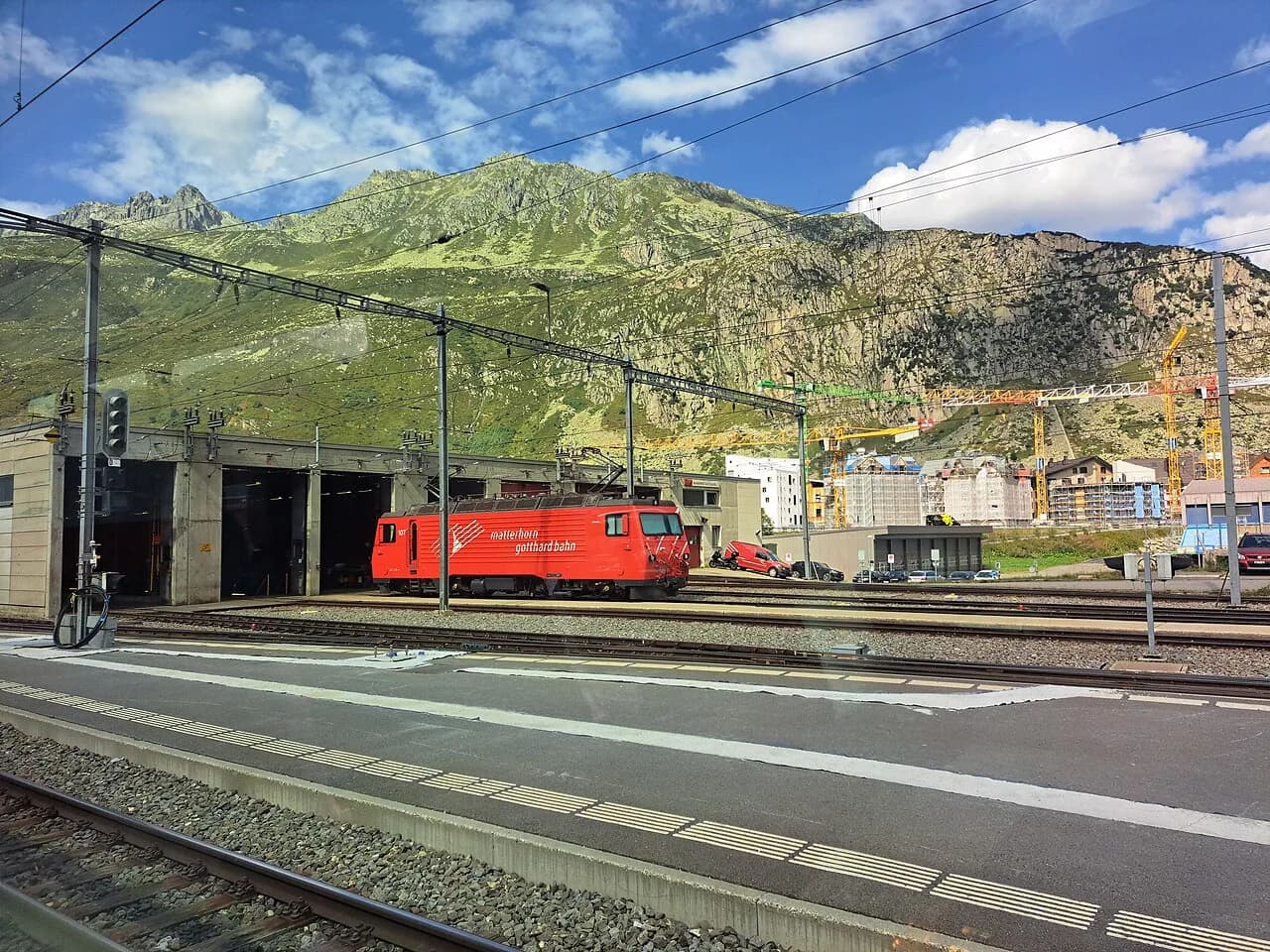
The valley train is the quiet advantage of this map. The Matterhorn Gotthard Bahn line runs through Andermatt, Nätschen, Dieni and Sedrun, and the dashboard publishes connections linking those points, which makes a car-free multi-base trip realistic. If you are driving, the dashboard also lists parking areas including Andermatt, Göschenen, Gemsstock and Rossstall, so you can pick the side of the resort you want to start from.
From Zurich, AlpineAnswers puts the train at roughly two and a half hours, which makes Andermatt viable for a long weekend. Treat that as a planning estimate, and look up current rail connections before you fix your arrival time.
Reading the map before you travel
The live dashboard is the page to bookmark. It shows which lifts are running, the first and last ride times for each sector, snow depths at points like Caischavedra, and the current avalanche danger level. Use it the evening before you ski so your plan is built on what is open, not what the map promises.
Season opening and closing dates follow the Andermatt+Sedrun+Disentis season calendar rather than being fixed here, and the Gemsstock side historically runs a longer winter window than the lower terrain. Check the official site for the current season calendar before you book accommodation, particularly for early-December or late-April trips.
If you compare map styles across Swiss resorts, our Davos piste Map Guide and Arosa piste map guide show a similar approach: sectors, a legend and a live status layer. Reading those alongside the Andermatt plan makes it easier to judge which resort layout suits the way your group actually skis.
Plan Your Visit
Treat the Andermatt map as three sectors and one connecting corridor. Decide which sector is your base, which is your day out, and how you will get back across the Sport Train or Cuolm da Vi link, and the 180km stops feeling abstract.
Then settle the practical end: pass product, lesson meeting point, rental collection and parking side. Start with the Andermatt Skiing overview if you want the wider trip context, and use the live dashboard on the morning you ski to confirm what is actually running.
Frequently Asked Questions
Does Andermatt have good skiing?
Yes, with a caveat about who it suits. The linked area offers 180km of piste and 33 lifts, with the clear majority graded red, so confident intermediates get the most from it. Experts gravitate to the Gemsstock side for steep north-facing terrain, while beginners are better served by the base areas and children's zones at Andermatt, Sedrun and Disentis.
How many kilometres of piste are in the Andermatt ski area?
The area publishes 180km across Andermatt, Sedrun and Disentis, split into 47.5km blue, 84km red, 37km black and 16.5km of yellow deep-snow routes. The yellow routes are ungroomed and unpatrolled, so count them separately from ordinary piste mileage rather than including them in a group's total.
How do Andermatt, Sedrun and Disentis connect on the ski map?
Andermatt-Sedrun and Disentis are joined by the Sport Train and the Cuolm da Vi gondola. The rail hop between Dieni and Sedrun takes about five minutes, which makes a one-way traverse across the area a realistic day plan. Check live connections before committing to a return leg.
Where are the beginner slopes in Andermatt?
Beginners should head for the base areas, which have dedicated children's zones at Andermatt, Sedrun and Disentis, including KidsArenas at Andermatt and Sedrun. The Oberalp Pass side offers wide, gentle pistes that suit newer skiers building confidence. Choose the base that matches your accommodation.
Which sector of Andermatt suits expert skiers?
Gemsstock is the expert sector. It is freeride terrain with a vertical drop of roughly 1,500 metres and north-facing slopes, and the Bernhard Russi run suits strong piste skiers. For serious use of the steeper off-piste, bring the right equipment and consider a course or guide.
How do I get to Andermatt from Zurich?
A third-party resort guide estimates a drive of about two hours from Zurich and a train journey of roughly two and a half hours, which makes Andermatt workable for a long weekend. The valley rail line also runs through Andermatt, Nätschen, Dieni and Sedrun, so you can move between bases without a car.
Sources
Useful notes for your next ski trip
Optional updates to our Alpine resort guides.
You might also like
Continue reading
More guides you'll find useful