Davos Ski Map: Reading the Six Sectors Before You Ride
Use the Davos ski map to plan across Parsenn, Jakobshorn, Madrisa, Pischa, Rinerhorn and Schatzalp/Strela, and see which sectors really connect.
On this page
Davos Klosters spreads its skiing across six mapped sectors on opposite sides of the valley, so the piste map works more like a network diagram than a single resort plan. Knowing which sector sits above which village, and which ones genuinely join up, saves you from wasting a morning on buses. This guide walks through the layout sector by sector and shows how to use the official maps and live status pages before you commit.
What the Davos Ski Map Actually Covers
The destination publishes piste plans for six areas: Parsenn/Gotschna, Jakobshorn, Madrisa, Pischa, Rinerhorn and Schatzalp/Strela, grouped on panoramic maps for the northern and southern sides of the valley. That six-part structure is the single most important thing to understand before booking anything, because it shapes where you stay and how you buy lift passes.
An interactive 2D map layers in lifts, mountain restaurants, hotels and marked routes, with status indicators updated through the season. Use it as a planning tool at home to see how the sectors relate geographically, then switch to the Davos Klosters Mountains live pages on the morning itself. Treat any printed or downloaded map as a shape guide rather than a schedule.
The Valley Layout in Brief
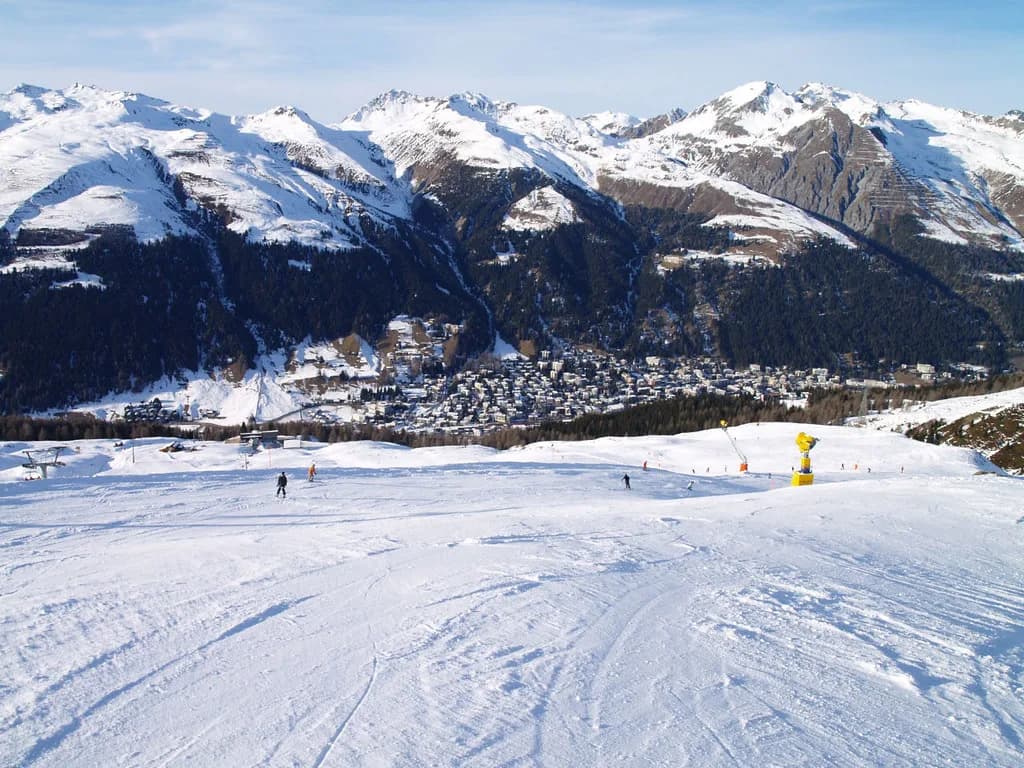
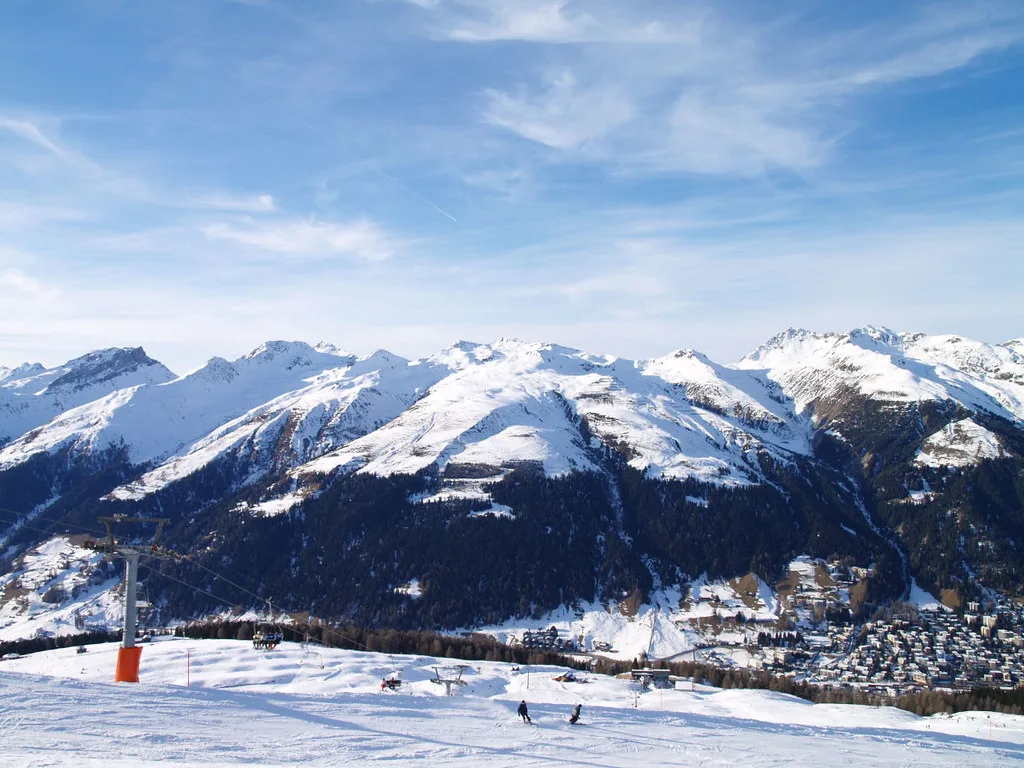
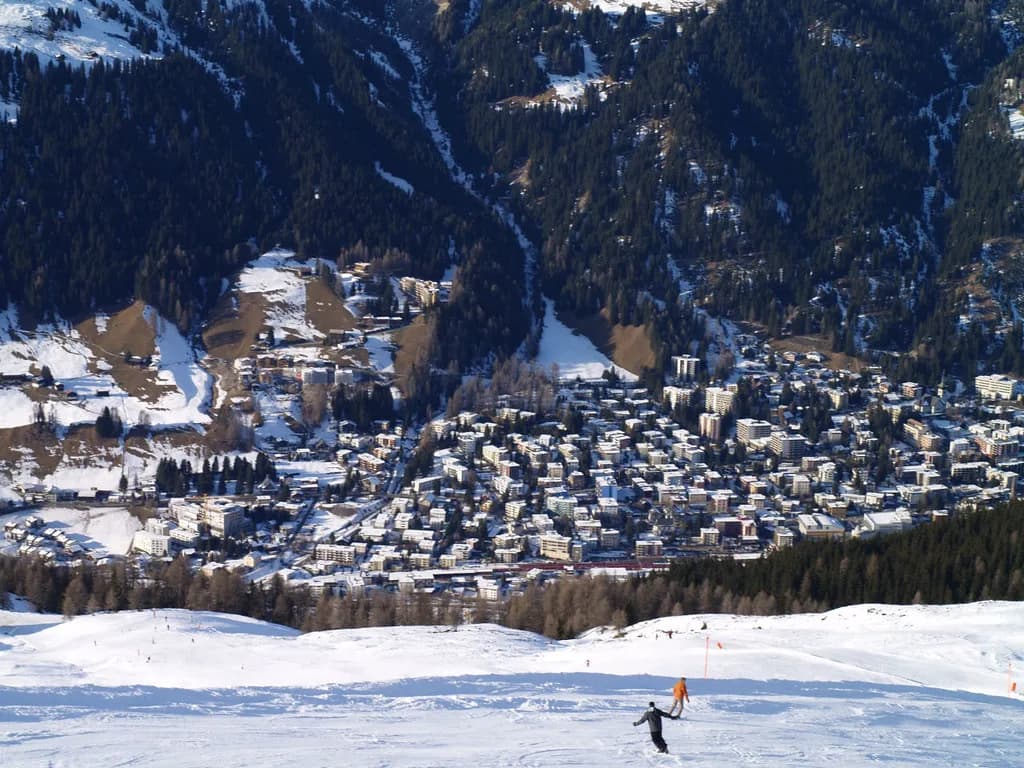
Davos runs along one valley floor with two main resort centres, Davos Dorf and Davos Platz, while Klosters sits further down the same valley to the north-east. The ski sectors hang off both flanks: Parsenn and Gotschna on the north side, Jakobshorn on the south above Davos Platz, and Madrisa above Klosters. Pischa and Rinerhorn sit on the quieter southern and eastern edges, and Schatzalp/Strela rises directly behind Davos Platz.
Where you sleep decides your default sector. Staying in Davos Dorf puts the Parsennbahn within walking distance; Davos Platz gives quicker access to Jakobshorn and the Schatzalp funicular; Klosters suits anyone who wants Gotschna and Madrisa as their home turf. Pick the base for the skiing you will do most, not for the hotel deal alone.
Parsenn and Gotschna: The Big Linked Sector
Parsenn and Gotschna form the one genuinely large linked sector, reached from Davos Dorf by the Parsennbahn and from Klosters by the Gotschnabahn. Because the two access lifts feed the same broad mountain, you can start in one village and finish in the other without repeating a run. That makes it the anchor for most ski days and the sector to study most closely on the map.
The trade-off is crowds at the main access lifts in peak weeks. If you are staying in Klosters, riding Gotschna first and working across to the Davos side gives you a longer day out; if you are in Davos Dorf, the reverse works equally well. Check the Davos Klosters Mountains live lift report before choosing your entry point, since the two valley stations open and close on separate schedules.
Jakobshorn: The South-Side Sector Above Davos Platz
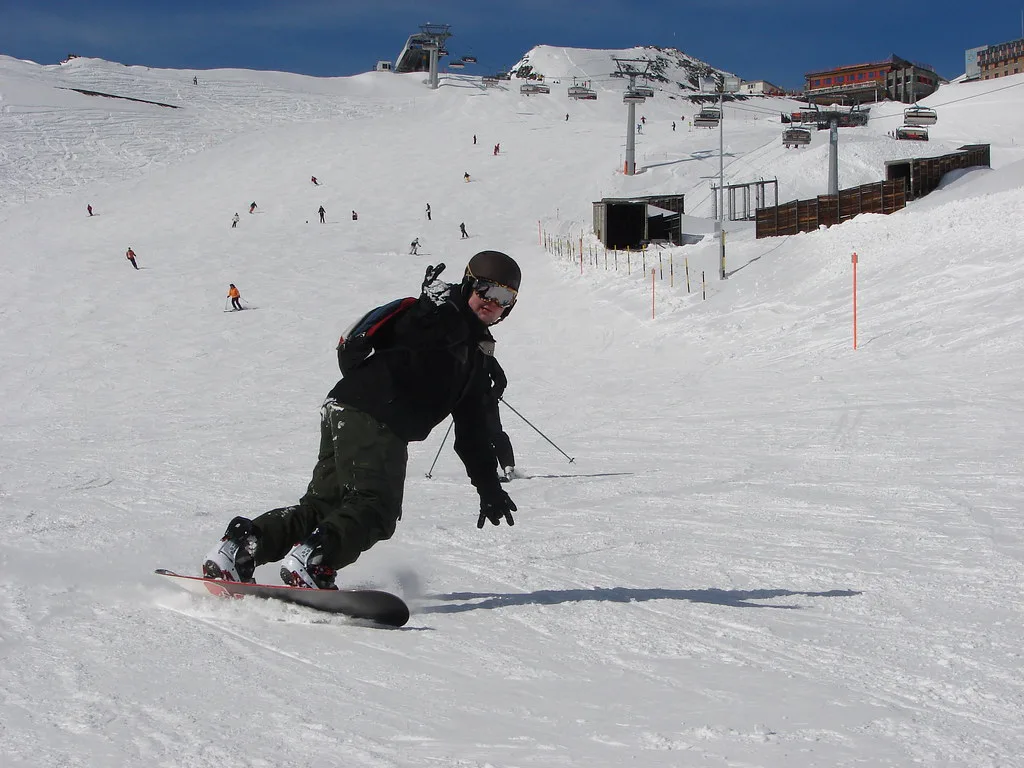
Jakobshorn rises directly above Davos Platz and is the most convenient sector if you are based in the town centre. Its terrain is varied enough to keep strong intermediate skiers busy for a full day, with a freestyle park that draws snowboarders and a cluster of mountain restaurants at mid-mountain. It is not a sector you cross into from elsewhere; you ski it as a self-contained day.
The base station is a short walk or bus hop from most Davos Platz accommodation, which makes it a good choice on arrival day or when the weather is closing in on the higher lifts. Plan Jakobshorn as your flexible day rather than a fixed fixture, and check the live slope report that morning.
Madrisa and Klosters: The Family Sector
Madrisa sits above Klosters on the sunny side of the valley and is the sector most clearly pitched at families, with gentle lower slopes and a dedicated children's area near the top station. If your group includes first-timers or young children, this is where the map pays off: the beginner terrain is concentrated rather than scattered, so you can supervise without skiing the whole mountain.
Madrisa does not link by lift to the Parsenn/Gotschna sector, so a day here is a day here. That is a feature rather than a flaw, because it keeps the pace calm and the lift queues modest. Base yourself in Klosters if Madrisa will be your main area, and keep Gotschna for your stronger skiers.
Pischa and Rinerhorn: The Quieter Sectors
Pischa and Rinerhorn are the smaller, lower-key sectors, each reached by its own access lift rather than through the main network. Pischa is known for freeride terrain and a relaxed, uncrowded feel, while Rinerhorn has a reputation as a local family favourite with a manageable scale. Neither belongs on a map-reading plan for a first-time visitor unless you have a specific reason to go.
Give one of them a slot later in the week, once you know how the snow is lying and how much energy the group has left. They reward skiers who want space over mileage, and they are the sectors where a single-sector pass decision makes most sense. Check whether the access lift is running that day before you build a plan around it.
PeakVisor's resort listings put Davos at 70 lifts and around 83 miles of piste, with the slope split weighted toward easy and intermediate terrain, which gives a rough sense of the network's scale even if you should treat third-party counts with caution. Lift numbers and piste kilometres change as areas upgrade, so the official piste plans are the reliable source for what is on the map this season.
Schatzalp/Strela: The Separate Lower Sector
Schatzalp/Strela rises behind Davos Platz and is reached by its own funicular, with a separate character from the big mountain sectors. The terrain is lower, largely tree-lined and quieter, which makes it a sensible choice on poor-visibility days when the upper slopes are in cloud. It is not integrated with Jakobshorn or Parsenn, so plan it as a half-day or an alternative rather than a link in a longer circuit.
Because it sits apart from the main pass logic, work out whether your ticket covers it before you ride up. The map shows the sector clearly, but the valley floor between Schatzalp and the Jakobshorn base is not skiable, so you will use the town bus or walk. That is worth knowing if you are planning to mix the two in one day.
Reading the Map for Ability
Beginners should head to Madrisa for concentrated nursery terrain, or to the lower runs above Davos Dorf once they can link turns. Intermediates have the widest choice: Parsenn and Gotschna for long cruising, Jakobshorn for a compact full day, Rinerhorn for a gentler pace. Advanced skiers will find the steeper pitches and freeride options on Pischa and the upper Parsenn terrain, though you should match any off-piste plan to the day's avalanche report rather than the map alone.
On the piste plan, look at how runs funnel back to each lift: sectors with a single main return line get congested late in the afternoon, while those with several parallel descents spread the load. That single reading habit tells you more about whether a sector suits your group than any colour coding. Apply it to each sector before you commit a day.
Connecting Sectors on the Ground
Only Parsenn and Gotschna connect by lift and piste, which is why that pairing dominates most itineraries. Every other sector is a separate excursion, and the valley floor between them is served by the local bus and the Rhätische Bahn line that links Davos Dorf, Davos Platz and Klosters. Allow real transfer time between sectors rather than expecting a quick hop.
A practical week mixes one or two days on the linked Parsenn/Gotschna circuit with single days on Jakobshorn, Madrisa and one quieter sector. If you are set on riding several areas, study the valley transport timetable alongside the piste map so your day does not collapse into bus rides. A rough plan beats a rigid one when snow conditions shift.
Live Status and the Interactive Map
Davos Klosters Mountains publishes a live information page with lift status, open slopes, operating hours and webcams, and that page rather than the printed map should decide your morning. Storms close upper lifts first, so a sector with lower tree-lined terrain becomes the better bet when the top stations are on hold. Check it before you leave your accommodation.
The interactive 2D map on the destination site is useful for judging how lifts, restaurants and hotels relate to each other, but it is updated on a different rhythm from the Davos Klosters Mountains operational report. Use both: the destination map for orientation, the Davos Klosters Mountains page for what is actually turning. That division saves you from trusting a stale status icon.
Lift-Pass Logic Across Six Sectors
The pass question in Davos is whether an all-area product or a sector-specific day makes more sense for your plans. The all-area version wins if you intend to ski Parsenn and Gotschna on several days, since the linked sector alone justifies the flexibility. A single-sector day can work for a group that only wants Madrisa's beginner slopes or one quiet day on Rinerhorn. Compare the structures in our Davos Ski pass guide before you buy.
Prices and product names change from season to season, so check the current ticket page on the official site before you commit. Buy online ahead of peak weeks if you can, because the valley station ticket windows are slowest on Saturday mornings and powder days. If you are new to the resort, our Davos ski guide sets the passes in the context of the whole trip.
Getting There and Moving Around
Most skiers arrive by train: the Rhätische Bahn runs through the valley connecting Davos Dorf, Davos Platz and Klosters, with connections onward to Zurich and Chur. The train is the simplest way between base points if you are staying in one village and skiing from another, and it saves hunting for parking at the valley stations. If you drive, check the current parking situation before you set out, as spaces at the main access lifts fill early.
Local buses link the town centres with the valley stations, and a car is more hindrance than help once you are in resort. Build your accommodation choice around walkable access to one main lift rather than around parking. That single decision removes most daily logistics from your trip.
Passes, Schools and Hire Before You Travel
Book ski school and equipment hire before you arrive in peak weeks, especially for beginner groups where instructors are in short supply. Our guide to Davos ski lessons covers the school formats, and Davos ski hire explains collection and fitting checks so you are not queuing on your first morning. Sort boots and skis the evening before your first ski day.
If you are travelling in the shoulder weeks around the start or end of the season, check which sectors have opened before you book, because the lower areas such as Schatzalp/Strela and Madrisa can be limited early on. Our Davos ski season dates page explains how the opening pattern typically works. That check is worth more than any discount on a non-refundable hotel rate.
If you are extending a Swiss trip beyond the Davos valley, the Andermatt piste Map guide shows how a single-resort plan reads in contrast to this multi-sector layout. The comparison makes the Davos map's structure clearer once you have skied here.
Season Shape and How It Varies by Sector
Davos Klosters Mountains describes its winter season as running from mid-November to mid-April, with exact dates and operating hours published on the official site each year. Early and late in that window the higher, snow-sure sectors carry the skiing while lower areas wait for cover. Do not assume every sector is open because the resort is.
For a full week of skiing, aim for the core of the season when most of the network is running and the linked Parsenn/Gotschna circuit is at full extent. A mid-winter booking gives you the widest choice of sectors and the best odds on the quieter areas being open. Check the operating hours page close to your travel date for the current picture.
Plan Your Visit
Treat the Davos ski map as a six-sector planning tool: base yourself near the sector you will ski most, expect only Parsenn and Gotschna to link by lift, and use valley transport for everything else. Decide between an all-area and single-sector pass on the skiing you actually intend to do, then check prices on the Davos Klosters Mountains ticket page before booking.
On the day, let the Davos Klosters Mountains live status page choose your sector rather than the printed plan, though it is worth checking current prices and dates directly with them before you commit. That habit, plus a base that puts one main lift within walking distance, is what keeps a multi-sector valley simple.
Frequently Asked Questions
How many ski sectors are on the Davos ski map?
Six are mapped: Parsenn/Gotschna, Jakobshorn, Madrisa, Pischa, Rinerhorn and Schatzalp/Strela. The destination publishes panoramic plans for the northern and southern sides of the valley, plus an interactive map showing lifts, restaurants and hotels.
Do all the Davos ski areas connect by lift?
No. Parsenn and Gotschna form the one large sector linked by lift and piste, reachable from Davos Dorf and Klosters. Jakobshorn, Madrisa, Pischa, Rinerhorn and Schatzalp/Strela are separate areas you reach by their own access lifts, with valley transport between them.
Which part of Davos is best for beginners?
Madrisa above Klosters has the most concentrated beginner terrain, with gentle lower slopes and a dedicated children's area. The lower runs above Davos Dorf are a reasonable next step once a beginner can link turns.
Where do you pick up a piste map in Davos?
Download the plans from the destination site before you travel and use the interactive map for orientation. At the valley stations you can usually collect a printed version, and the live page covers current lift and slope status.
Is Davos good for a week's skiing?
Yes, if you plan around the sector structure. A week can combine several days on the linked Parsenn/Gotschna circuit with single days on Jakobshorn, Madrisa and one quieter sector, using the train or bus for transfers between base points.
Sources
Useful notes for your next ski trip
Optional updates to our Alpine resort guides.
You might also like
Continue reading
More guides you'll find useful