Davos Ski Hire: Rental Shops, Booking and What to Know
Renting skis in Davos Klosters: how the five ski areas shape your kit choice, when to reserve online, what shops hire out and how to plan collection points.
On this page
Davos Klosters spreads across five separate ski areas, so the kit you hire should follow the terrain you plan to ski rather than a generic ability label. A family basing itself on Madrisa needs different equipment from a freerider heading to Pischa. This guide explains what shops in the valley hire out, how online reservation works, where to collect your gear and which extras are worth arranging before you travel.
The resort summary from the rental sector puts the area at 253 kilometres of pistes and 81 secured runs, split between Parsenn, Jakobshorn, Rinerhorn, Pischa and Madrisa. For a wider look at how those areas fit together across a week, the Davos ski guide covers terrain, passes and trip planning in more detail.
The Resort in Brief: Why Five Ski Areas Change Your Kit Choice
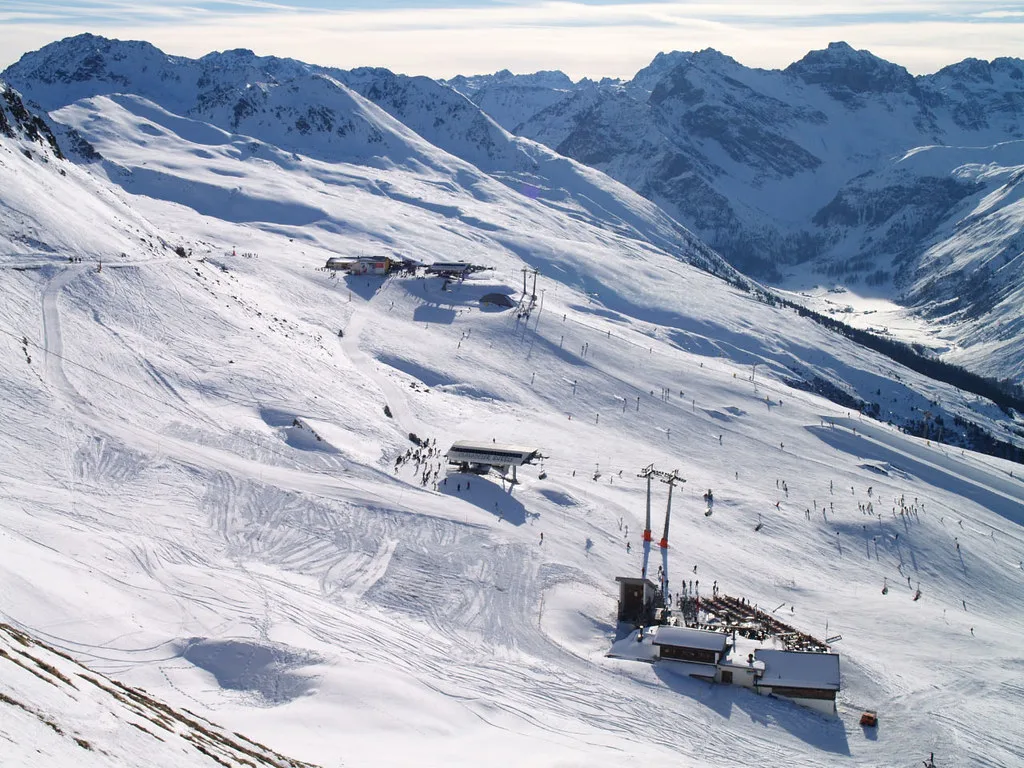
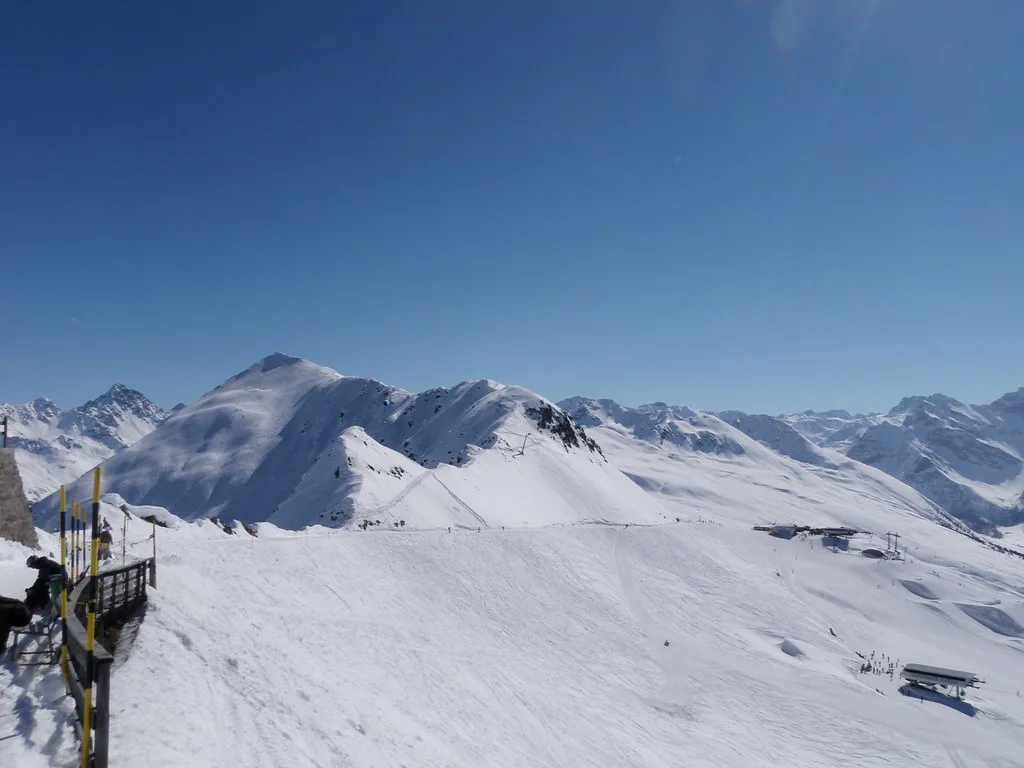
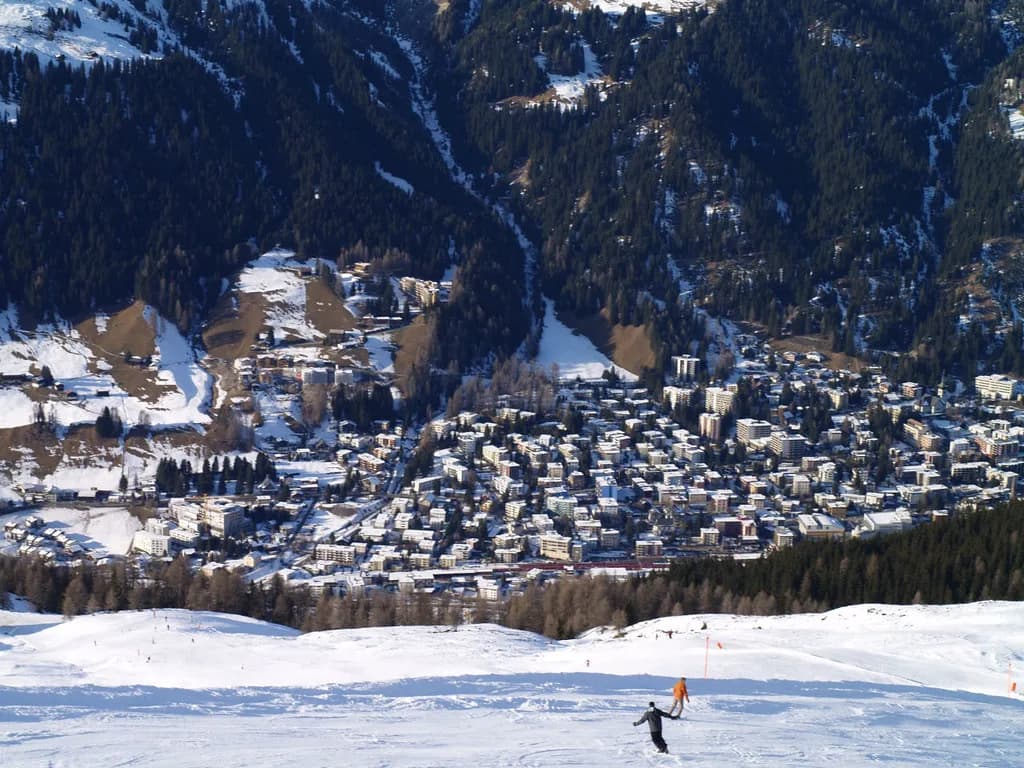
Davos Klosters is not one mountain but five distinct areas, each with its own character and snowline. Parsenn is the largest and links Davos with Klosters, Jakobshorn sits above Davos Platz, and Rinerhorn, Pischa and Madrisa each serve different styles of skiing. That spread means your rental choice should start with a simple question: which of the five will you ski most?
The Davos Klosters resort summary lists 253 kilometres of pistes, 81 secured runs and five ski areas, and describes Pischa as offering secured but ungroomed options for freeriders. It also flags the Madrisa round tour and other routes as ski-touring classics and names the JatzPark and the halfpipe at Bolgen Plaza as freestyle hotspots. If any of those are on your list, tell the shop when you book so they can set you up with the right category.
On piste, most visitors will spend their time on groomed runs, and a standard all-mountain ski or snowboard covers that well. The split matters more at the edges: Pischa's ungroomed terrain and the touring routes call for lighter or more specialised gear, while beginners are better served by softer flexing skis that make learning to turn easier. A map helps you see how the sectors connect before you commit to a base; the Davos piste Map Guide explains the layout and the status tools that show what is open.
Where You Collect Your Kit: Dorf, Platz, Klosters or the Valley Stations
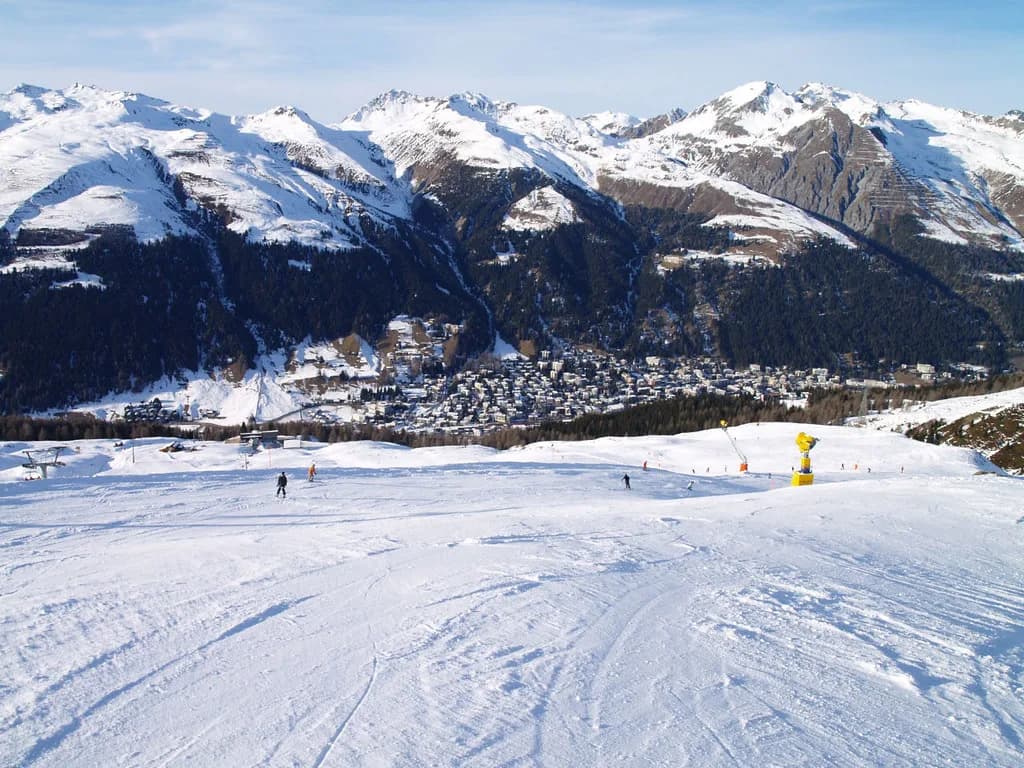
Collection point is the most underrated decision in Davos ski hire. The region runs from Davos Dorf through Davos Platz to Klosters, and the valley stations for the different areas sit in different places. If you are staying in Klosters and skiing Parsenn, picking up gear at the Klosters end saves carrying it across the valley each morning. Families heading for Madrisa will usually find the Klosters side more convenient.
The official Davos Klosters tourism site confirms that sports shops across the destination offer rental and that equipment can be reserved online in advance. It does not publish a single list of addresses tied to each lift base, so match your accommodation to the valley station you will use most and choose a shop near that base. A short walk in ski boots at the start and end of the day is worth more than saving a few minutes on collection.
If you are splitting your stay between Davos and Klosters, think about whether you want one shop for the whole trip or two. One shop makes servicing and storage simpler; two shops can mean less carrying on transfer days. Both are workable, but decide in advance, because changing collection point mid-trip usually means a new reservation.
What You Can Hire: Skis, Boots, Helmets, Clothing and Sledges
Shops in Davos Klosters hire far more than skis. The official tourism site lists skis, ski boots, poles and helmets as standard rental items, and notes that sports shops also stock the accessories you need for a winter holiday. That means you can travel light and fill gaps on arrival rather than buying gear you will use for one week.
INTERSPORT Rent goes further, describing a large selection of winter sports clothing along with helmets and protectors, plus snowboards and sledges across its Davos Klosters locations. If you are planning a rest day on the Rinerhorn toboggan run or the long descent from Madrisa to Saas, hiring a sledge on the spot saves hauling one from home.
Boots are the item most worth hiring rather than borrowing. Rental boots come in a range of lasts and flexes, and a shop that lets you try several pairs before committing will get you closer to a comfortable fit. Bring your own socks and allow time for the fitting rather than rushing it on the morning of your first ski day.
Matching Equipment to Ability and Terrain
Beginner terrain in Davos Klosters is spread across the areas rather than concentrated in one nursery slope. The Davos Klosters resort summary recommends the Bolgenhang at Jakobshorn as a practice run suitable for smaller children, which makes it a sensible target for first-day rentals. Soft, shorter skis and well-fitted boots matter more here than top-end models.
Intermediate skiers will get the most from an all-mountain category that handles groomed runs across Parsenn and Jakobshorn without feeling heavy. Advanced skiers with freeride plans on Pischa or the touring routes should ask specifically for that equipment, because a standard piste setup will not suit ungroomed terrain. Sledges, snowboards and clothing can all be added to the same reservation in most shops.
If lessons are part of the plan, book them alongside your rental so the school knows what you are skiing on. The Davos ski lessons page sets out the named school formats and what to confirm before booking, which helps you align a lesson package with the days you have gear reserved.
Booking Online Before You Travel
Reserving online is the default for most Davos Klosters rental shops. The tourism site advises booking winter sports equipment in advance through its holiday shop or partner portals, and INTERSPORT Rent describes a simple flow: choose your dates, select a category, enter your details and collect from the shop. Doing this before you travel means the handover on arrival is quicker and you spend less of your first morning in a queue.
Booking online also locks in the category you want. Popular sizes and higher-performance skis run short during busy weeks, so reserving early is less about price and more about getting the right fit. Have your height, weight, boot size and rough ability level to hand when you fill in the form, and add any requests such as a freeride setup or a child's boot size in the notes.
You can also book through individual operator sites, which may offer their own categories and extras. Compare what is included in each reservation, such as whether boots and helmet are part of the package or added separately, before you confirm. The Davos Ski Pass Guide covers the lift ticket side of the trip, which is a separate booking from your equipment.
Cancellation Options and Change-of-Plan Flexibility
Weather and travel plans can shift, so it is worth checking whether your reservation includes a cancellation option. INTERSPORT Rent offers one for CHF 5 per person that allows cancellation by noon the day before, with the booking amount refunded minus the cancellation fee. Treat that as this operator's product rather than a standard across every shop in the valley.
For a short trip, the add-on is cheap insurance against a lost day; for a longer stay booked well in advance it matters less. Other shops set their own terms, so read the conditions on the booking page before you pay. If you are unsure whether your dates are firm, ask about the cancellation policy when you reserve rather than after.
Ski Depot and Storage: Skip the Nightly Boot Drying
Carrying skis back to your hotel each evening and drying boots on a radiator gets old quickly. The tourism site notes that numerous sports shops in Davos Klosters offer a storage service, and advises asking at the shop about current arrangements. A depot place means your gear is warm, dry and ready at the valley station each morning, which suits multi-area trips where you move between bases.
Depot space is limited in peak weeks and is usually tied to the shop where you hired, so arrange it when you reserve rather than on arrival. If you are staying in a ski hotel with a boot room, the calculation changes: you may not need a depot at all, and the money is better spent on a better ski category or an extra day of lessons.
Servicing, Waxing and Sharpening at the Rental Shop
The tourism site confirms that sports shops in Davos Klosters offer ski servicing, so you can ski on freshly waxed and sharpened equipment. That is useful on a longer trip when edges dull after a few days on hard snow, or if you bring your own skis and want them prepared for the conditions.
Drop skis off at the end of a ski day rather than the morning you need them, and ask when the work will be ready. If you are on a short break, a service may not be worth the turnaround time; on a two-week trip it is a straightforward way to keep rented or own kit performing. Pair it with a boot check if you have been struggling with fit.
Costs: What Drives the Price and How to Confirm It
Hire prices in Davos Klosters are not published as a single rate card, and the evidence here does not include figures. What drives the cost is predictable: the equipment category, the number of days, the season and whether you add boots, helmet, clothing or a sledge. A multi-day reservation usually works out better value per day than a series of single-day hires, and booking online lets you see the total before you commit. If you want to see how lift costs compare with equipment costs, the Davos Ski pass page covers ticket options.
To get an actual figure, price your dates on the shop's own booking page, since rates change with season and availability. Compare like for like: check whether boots and helmet are included, whether the cancellation option is extra, and whether a depot place carries a separate charge. That comparison tells you more than chasing the lowest headline rate.
Getting There and Moving Between Valley Stations With Gear
Davos and Klosters sit in the Graubünden valley and are linked by train, which makes moving between bases with gear easier than driving. The valley stations for the different ski areas are spread along the line, so a base near a station reduces the amount of walking you do in boots. If you are arriving by car, check parking at the station you plan to use before booking accommodation.
For a multi-area trip, plan your days around the collection point you have chosen. Skiing Parsenn from Klosters and Jakobshorn from Davos Platz on consecutive days is straightforward by train, but carrying your own skis adds friction. A depot near the busiest station for your itinerary, or two separate short reservations, can solve that.
If you are weighing Davos against another Swiss resort, the Andermatt ski hire guide shows how rental logistics work elsewhere in the country and helps you compare the two before booking. Within Davos itself, the Davos Ski Map and Piste Plans page is the quickest way to see which sectors connect and which base suits your plans.
Common Mistakes to Avoid
The most common error is booking late and taking whatever category is left. In peak weeks, performance skis and children's boots go first, so reserve as soon as your dates are fixed. The second is choosing equipment for the wrong terrain: if Pischa's ungroomed options or the touring routes are the reason you are coming, a standard piste package will disappoint.
The third is over-renting for a short trip. A three-day break rarely justifies premium categories unless you are specifically chasing off-piste terrain, and a good fitting on a mid-range ski beats a poor fit on a top model. Finally, check your ski season dates before reserving anything, since the resort's published window is broad and individual lifts and areas open at different times.
Plan Your Visit
For a first trip, reserve a standard all-mountain package online, choose a collection point near your accommodation and add boots and helmet to the same booking. Families should look at softer equipment and the Bolgenhang for early practice, while advanced skiers heading to Pischa or the touring routes should request freeride or touring kit specifically. Confirm current prices and dates on the shop's own site before paying.
For a longer stay, add a depot place if you are moving between bases and book a service halfway through. If you want lessons, book them with your rental so the school knows what you are skiing on. The Davos Skiing Guide is the place to start for the wider trip plan, including passes and areas.
Frequently Asked Questions
Where can I rent skis in Davos Klosters?
Numerous sports shops across Davos Dorf, Davos Platz and Klosters offer ski and snowboard rental, and the official tourism site confirms shops stock skis, boots, poles and helmets. Choose a shop near the valley station you will use most, since the five ski areas are spread along the valley and carrying gear adds time to each morning.
Can I book ski rental online before arriving in Davos?
Yes. The tourism site advises reserving winter sports equipment online in advance through its holiday shop or partner portals, and INTERSPORT Rent describes a booking flow where you choose dates and a category, enter your details and collect in the shop. Booking ahead means a quicker handover on arrival and a better chance of getting the category you want in busy weeks.
How much does ski hire cost in Davos?
Rates depend on the equipment category, the number of days, the season and whether boots, helmet, clothing or a sledge are added. There is no single published rate card, so price your own dates on the shop's booking page and compare like for like, checking whether extras and the cancellation option are included.
Which ski area should I choose for my ability?
Beginners are well served by the Bolgenhang practice run at Jakobshorn and softer equipment, while intermediates will enjoy the groomed terrain across Parsenn and Jakobshorn. Advanced skiers heading to Pischa's secured but ungroomed options or the touring routes should ask for freeride or touring kit rather than a standard piste package.
Is there ski storage or a ski depot in Davos?
Yes. The tourism site notes that numerous sports shops in Davos Klosters offer a storage service, and suggests asking at the shop about current arrangements. A depot place keeps your gear dry and ready at the valley station each morning, which is particularly useful if you are skiing several areas from different bases.
Do rental shops hire helmets and clothing?
Yes. Helmets are listed among standard rental items, and INTERSPORT Rent describes a large selection of winter sports clothing and protectors alongside skis, snowboards and sledges. Adding these to your reservation means you can travel with less luggage and still have the right layers for the conditions.
Should I hire in Davos or Klosters?
It depends on where you are staying and which ski areas you plan to ski most. Klosters suits trips built around Parsenn and Madrisa, while Davos Dorf and Davos Platz put you closer to Jakobshorn and other sectors. A depot place can bridge the gap if you are splitting your stay between the two.
When should I reserve my ski hire?
Reserve as soon as your dates are fixed, particularly for peak weeks when popular categories and children's sizes run short. Booking early also lets you lock in a collection point and add extras like a depot place or the cancellation option before you travel.
Sources
Useful notes for your next ski trip
Optional updates to our Alpine resort guides.
You might also like
Continue reading
More guides you'll find useful