Davos Ski Pass Guide: Which Ticket Fits Your Trip?
Compare Davos Klosters ski passes, from single-mountain day tickets to regional and flexible multi-day options, and work out which one suits your trip.
On this page
Davos Klosters is not one ski hill with one price. The Davos Klosters Mountains ticket structure splits into Parsenn with Jakobshorn, Rinerhorn, Pischa and Madrisa, and you can buy a pass for a single area or one regional pass that opens all of them. Coverage, then duration, is the order in which the decision makes sense, and the wider Davos ski guide sets out how the sectors fit around the town.
The prices below come from the Davos Klosters Mountains published ticket page, in Swiss francs and including 8.1% VAT. Treat them as the shape of the pricing rather than a quote for your dates: the resort publishes separate low-season and high-season lists, and states that prices can change.
What the Davos Klosters lift network covers
Four ride areas make up the Davos Klosters Mountains: Parsenn, which is sold together with Jakobshorn as one product; Rinerhorn; Pischa; and Madrisa. The regional pass is valid across all of these winter sports areas, so a skier who wants to move between valleys during a week only needs one ticket.
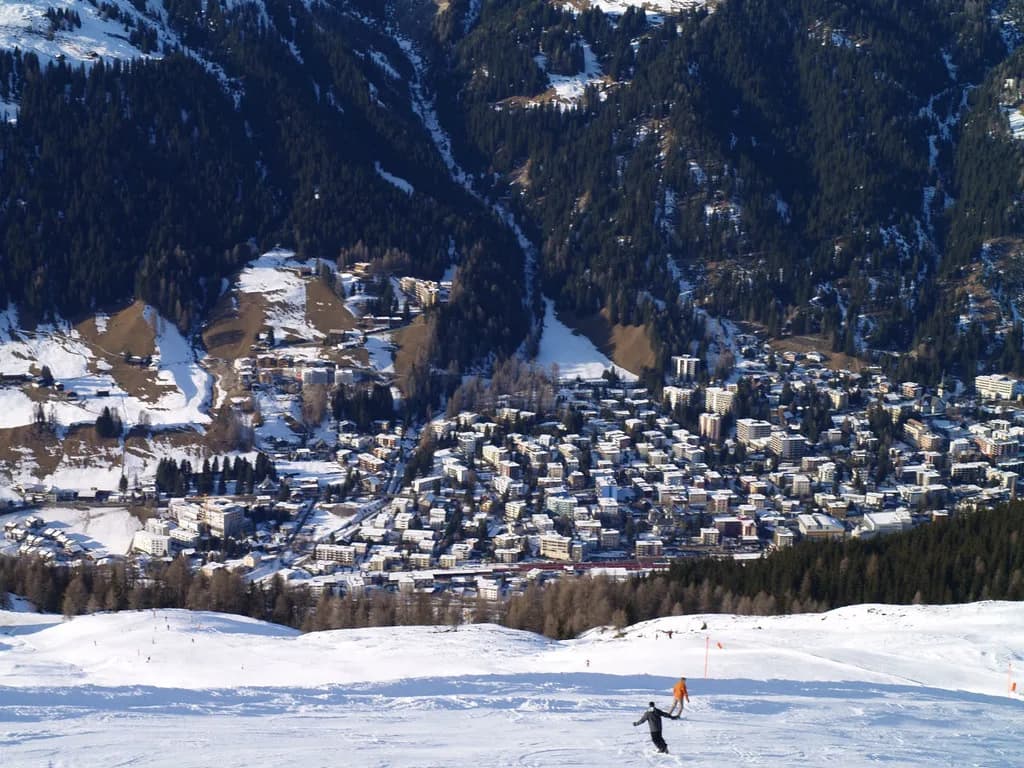
Understand the geography before you choose coverage. Parsenn and Jakobshorn sit above Davos itself, Rinerhorn and Pischa are side valleys reached from the town, and Madrisa is the Klosters-side area with its own beginner zone at Madrisa-Land. Sketches of how the sectors link together are worth a look before you commit to a single-mountain pass, which is where the Davos Ski Map and Piste Plans page helps.
Regional pass versus single-mountain day pass
The pricing logic is simple: a one-day adult regional pass costs CHF 94, while a Parsenn and Jakobshorn day pass costs CHF 87, Rinerhorn CHF 69, Madrisa CHF 73 and Pischa CHF 54. The regional premium over the biggest single area is therefore small, and it buys the freedom to ski elsewhere the next morning.
The single-mountain products only make sense when you have a reason to stay put. Pischa, for example, is the obvious pick if you want a quiet, short day or a ride-based session rather than a full lift circuit, and Madrisa suits a family basing itself at Madrisa-Land. Otherwise, pay the modest difference and keep the whole network open.
Parsenn and Jakobshorn day and two-day tickets
Parsenn and Jakobshorn are now sold on one ticket covering both mountains. An adult day pass is CHF 87, youth aged 13 to 17 pay CHF 61 and children aged 6 to 12 pay CHF 35; the two-day version is CHF 161, CHF 113 and CHF 64 respectively. That two-day price is the first place the multi-day saving shows up.
Morning and afternoon versions of the same product cost less and carry time conditions. The morning ticket must be returned to the cashier desk where it was bought before 13:00 to qualify for the refund stated in the price list, and the afternoon ticket is sold from 12:15. Read those conditions before buying if you like a slow start.
Rinerhorn and Pischa day tickets
Rinerhorn is the cheaper full-area day out: CHF 69 for adults, CHF 48 for youth and CHF 28 for children, or CHF 128, CHF 90 and CHF 51 for two days on that mountain alone. Its morning and afternoon tickets follow the same 13:00 refund and 12:15 sale pattern as the rest of the network.
Pischa prices by ride as well as by day, which suits short sessions and non-skiers joining for a lift or two. An adult day pass is CHF 54, a single ride CHF 23, and ten rides CHF 101, with youth and child rates roughly scaled down from there. If your group skis at different speeds, ride tickets are a fairer way to pay than a day pass for everyone.
Madrisa and the Madrisa-Land beginner pricing
Madrisa publishes two sets of numbers: standard tickets and a cheaper Madrisa-Land version aimed at the beginner zone. A standard adult day pass is CHF 73 against CHF 65 for Madrisa-Land, and a two-day adult pass is CHF 136 against CHF 124. Families with small children should price the Madrisa-Land variant first.
The saving is real but not enormous, so it only pays if you genuinely plan to stay in the beginner area. A skier who expects to cross to the main Madrisa runs after lunch is better off with the standard day pass. Check which product your group actually needs before ordering online, because the two are priced separately.
Regional pass prices from one to seven days
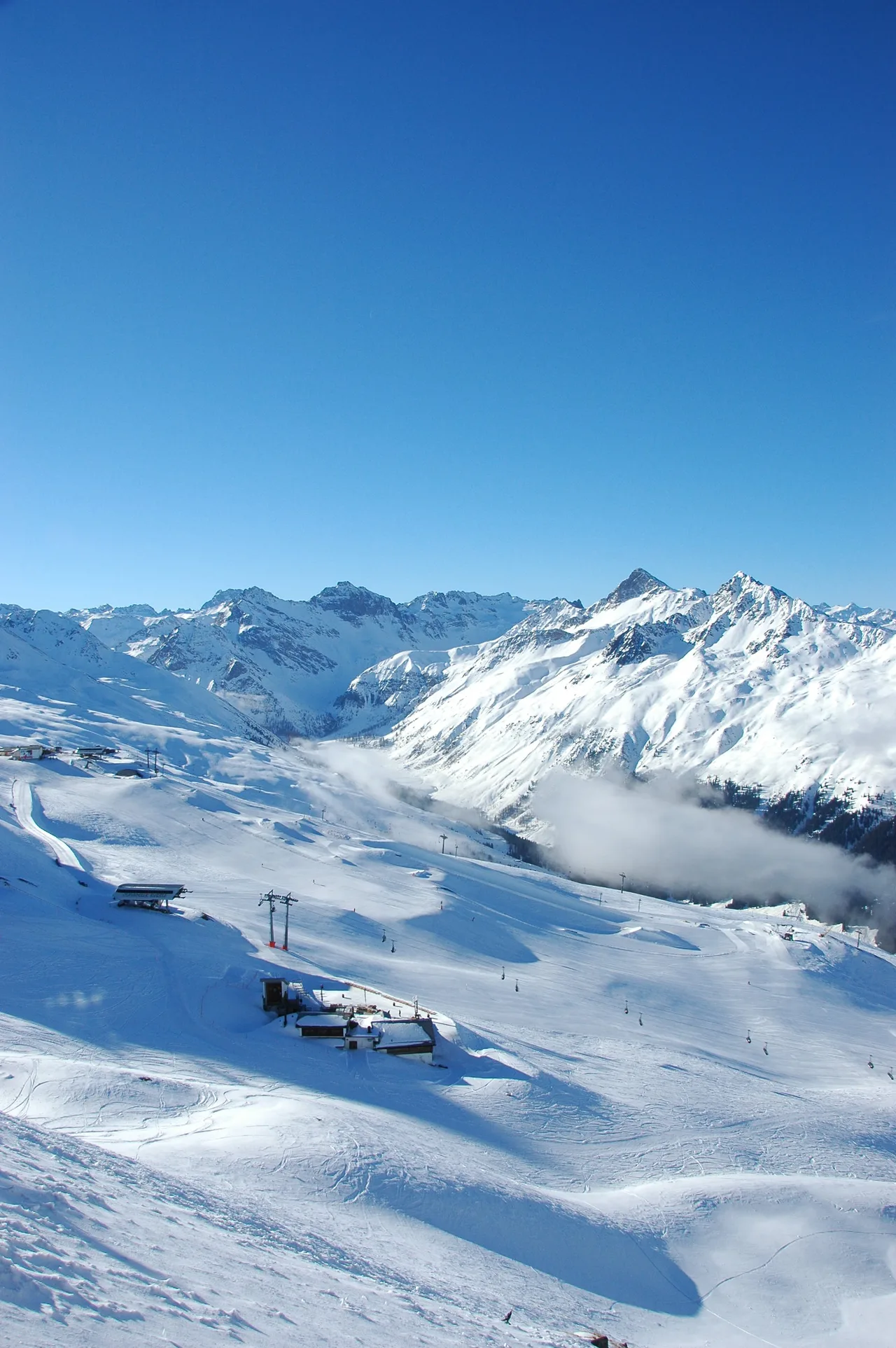
Regional pricing rewards commitment. After the CHF 94 one-day adult rate, two days cost CHF 171, three CHF 230, four CHF 286, five CHF 342, six CHF 390 and seven CHF 427, with youth and child prices following the same curve. Past six days you can add further days at CHF 60 for adults, CHF 42 for youth and CHF 24 for children.
Run the arithmetic against your actual ski days rather than your nights in resort. A five-day adult regional pass at CHF 342 works out cheaper than five separate day passes, but a five-night trip with two travel days and one flat-light rest day may only need three days of skiing. Passes for more than three days are issued as regional passes automatically.
Flexible and out-of-consecutive-day products
Three products cover skiers who do not want to lock in consecutive days. The season-flexible multi-day tickets are used on any days you choose across the winter, the 3-out-of-5 or 5-out-of-7 special tickets let you pick which days, and both carry a photo requirement. The flexible six-day adult regional ticket is CHF 480, and the 5-out-of-7 adult special ticket is CHF 374.
Compare the flexi premium honestly: CHF 480 for six flexible days is more than CHF 390 for six consecutive days on the same regional coverage. You are paying roughly CHF 90 for the right to skip a bad-weather day, which is worth it on a week with a mixed forecast and poor value on a short, settled trip.
Morning, afternoon and refund terms
Every area sells a morning and an afternoon ticket alongside the day pass, and both come with conditions rather than just a lower price. The morning ticket refund depends on returning it to the cashier desk where you bought it before 13:00, and the afternoon ticket only becomes valid from 12:15. Late arrivals and early departures can therefore save meaningfully.
Buy these in person rather than online if you intend to use the refund route, since the ticket has to go back to the desk that sold it. A skier who buys a morning ticket, finds the upper mountain closed by wind and wants to switch to the afternoon should do so before the cutoff, not after.
Seniors, young children and where discounts apply
Two sourced reductions change the effective family and older-skier cost. Seniors, meaning men aged 65 and over and women aged 64 and over, get 10% off regional passes of three to 21 days, and 10% off one- and two-day passes from Monday to Friday on the last day of validity. Children up to their sixth birthday ride free on the Davos Klosters Mountains lifts when accompanied by a parent or ski instructor.
The free child rule excludes the valley and practice lifts, which is exactly where beginners spend their first hours, so do not assume a five-year-old is covered at Bünda or Bolgen. Price the beginner-area ticket separately, or take a first-ski package that bundles the beginner-area pass.
Buying, collecting and the photo requirement
Tickets can be bought through the Davos Klosters Mountains sales channels, and the Davos Klosters Mountains price tables are the reference point for what each product includes. Long-duration passes carry a photo obligation: from eight days on the regional list, and on flexible multi-day and special tickets, so you need a photo attached to the pass.
Sort the photo and the purchase before you travel rather than at a busy ticket window on the first morning. If you are renting equipment, arrange it the day before so the first lift queue is the only one you face; our notes on Davos ski hire cover what to confirm at collection.
Beginner tickets, Bolgen and Bünda
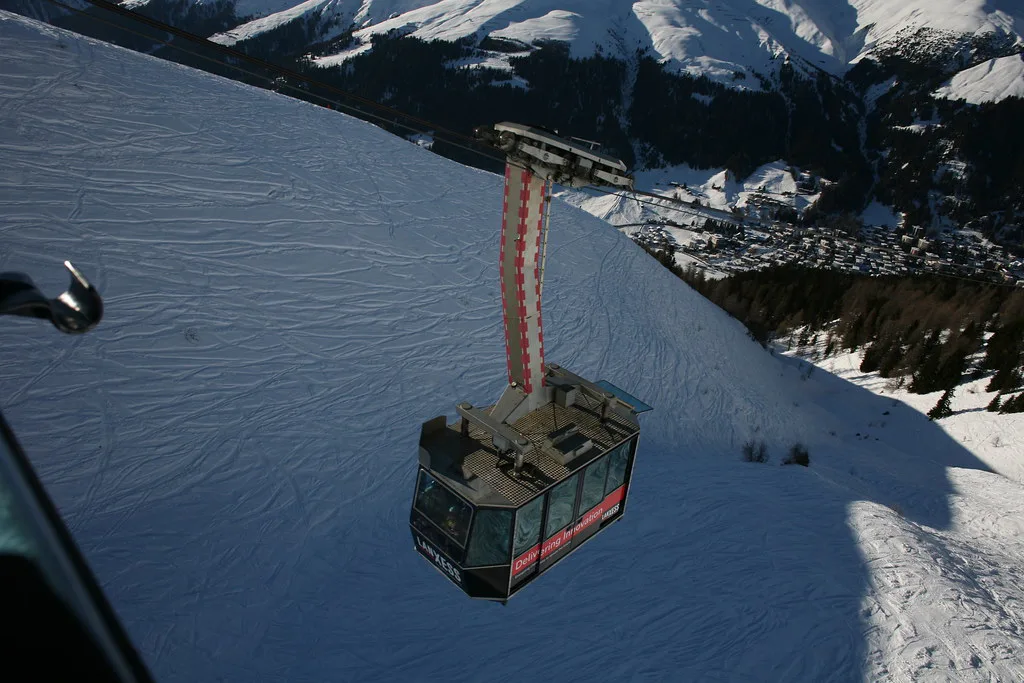
Davos keeps its first-timer zones inside the town. Bolgen sits in Davos Platz beside the Jakobshorn valley station, and Bünda is in Davos Dorf near the railway station, both reachable by bus with rental shops next door and restaurants for lunch. That layout means beginners do not need a mountain pass at all on day one.
The town's first-ski package bundles two to three hours of instruction at Bolgen or Bünda with an English-speaking instructor, full equipment except gloves and goggles, and lift passes for the beginner area. Gloves and goggles are excluded for hygiene and can be bought at the rental shops, so pack your own to avoid the extra stop.
Booking runs through Schweizer Schneesportschule Davos, which takes enquiries by phone and email from its base on Promenade in Davos Dorf. If you want structured lessons further up the mountain after the first days, our Davos ski lessons page sets out how the schools organise groups and private formats.
Matching a pass to your trip
For a two-day weekend, buy single-day regional passes unless you are certain you will stay on Parsenn: the two-day regional ticket at CHF 171 is only a saving if you use both days, and the single-mountain two-day rate is cheaper still. For a full week, a six- or seven-day regional pass wins on price per day, with the flexible version the hedge against poor weather.
Mixed groups need mixed tickets: ride passes on Pischa for the occasional skier, a Madrisa-Land pass for the beginner, and regional passes for everyone else. If your dates are still open, the Davos Ski Season page helps you align a pass purchase with when the lifts actually run, before you commit to multi-day coverage.
Skiers comparing Swiss resorts often weigh a Davos regional pass against single-area products elsewhere; our Andermatt ski pass breakdown is a useful benchmark for what a comparable network card includes.
What the pass does not cover
The regional pass is broad but not universal. The Davos Klosters Mountains states that passes are not valid on Schatzalp, and they are not valid for evening events such as night sledging or night skiing, so a torchlit descent or evening toboggan run needs a separate ticket.
Beyond Davos Klosters, the Topcard annual pass extends to Arosa Lenzerheide and Laax, which matters if your winter plans stretch beyond one region. For a single trip based in Davos, the regional pass is the simpler and usually cheaper answer.
Plan Your Visit
Decide coverage first, then days: a regional pass for anyone who wants Parsenn, Jakobshorn, Rinerhorn, Pischa and Madrisa on one card, a single-mountain ticket only when you have a reason to stay put, and a flexible or special ticket when the weather forecast is uncertain. Add the photo and buy before the first morning queue.
Confirm the current low-season or high-season price list and your pass dates on the Davos Klosters Mountains site before you pay, and book first-ski lessons and equipment ahead if you are travelling in a peak week. That is the whole decision: coverage, duration, then the terms attached to the cheaper versions.
Frequently Asked Questions
How much is a Davos ski pass?
The Davos Klosters Mountains price list puts an adult regional day pass at CHF 94, while a Parsenn and Jakobshorn day pass is CHF 87, Rinerhorn CHF 69, Madrisa CHF 73 and Pischa CHF 54. Youth aged 13 to 17 and children aged 6 to 12 pay less on every product, and children under six ride free when accompanied. The resort publishes separate low-season and high-season lists; check current prices before you buy.
Is a day pass or a regional pass better value in Davos?
For most skiers the regional pass is the better buy, because the premium over the largest single area is small and it opens Parsenn, Jakobshorn, Rinerhorn, Pischa and Madrisa on one ticket. Single-mountain passes make sense when you have a reason to stay put, such as a family based at Madrisa-Land or a short session on Pischa ride tickets. Weigh the cost against your actual ski days rather than your nights in resort.
Are there flexible ski passes for Davos Klosters?
Yes. The resort sells season-flexible multi-day tickets usable on any days you choose across the winter, plus 3-out-of-5 and 5-out-of-7 special tickets that let you pick which days you ski. Flexible products cost more than the equivalent consecutive-day regional pass, so they pay off when the forecast is mixed or you plan rest days. Longer flexible and special tickets carry a photo requirement.
Do seniors and children get ski pass discounts in Davos?
Seniors (men aged 65 and over, women aged 64 and over) get 10% off regional passes of three to 21 days, and 10% off one- and two-day passes from Monday to Friday on the last day of validity. Children up to their sixth birthday ride free on the Davos Klosters Mountains lifts when accompanied by a parent or ski instructor, but that free rule excludes the valley and practice lifts at Bünda and Bolgen.
Where can I buy a ski pass in Davos, and do I need a photo?
Passes are sold through the Davos Klosters Mountains sales channels, and longer products carry a photo obligation: regional passes from eight days, plus the flexible multi-day and special tickets. Sort the photo and the purchase before you travel rather than at a busy ticket window on your first morning. Morning tickets that qualify for a refund must be returned to the cashier desk where they were bought before 13:00.
Are there beginner lift tickets in Davos for first-timers?
Beginners can start inside the town at Bolgen in Davos Platz, beside the Jakobshorn valley station, and at Bünda in Davos Dorf near the railway station, both reachable by bus with rental shops nearby. The first-ski package bundles two to three hours of instruction, equipment except gloves and goggles, and lift passes for the beginner area. Booking runs through Schweizer Schneesportschule Davos.
Sources
Useful notes for your next ski trip
Optional updates to our Alpine resort guides.
You might also like
Continue reading
More guides you'll find useful