Davos Skiing for Beginners: Where to Learn and What to Book
Plan your first ski trip to Davos: learn in the Bolgen and Bünda beginner areas, book lessons and hire together, and pick the right lift pass for your week.
On this page
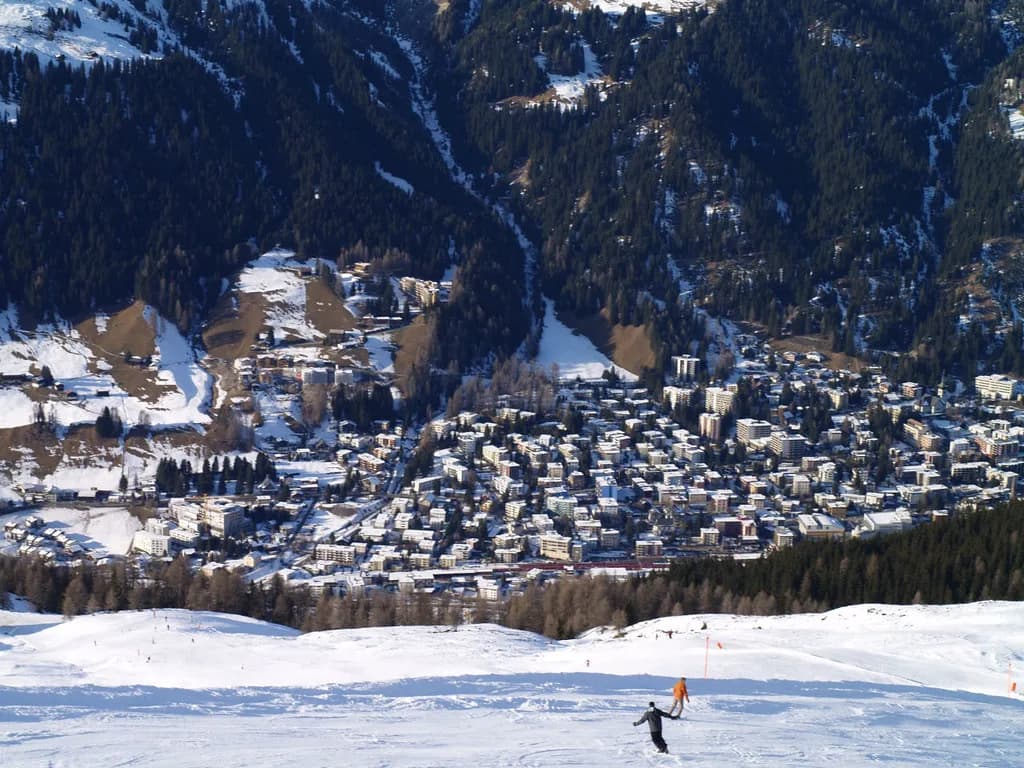
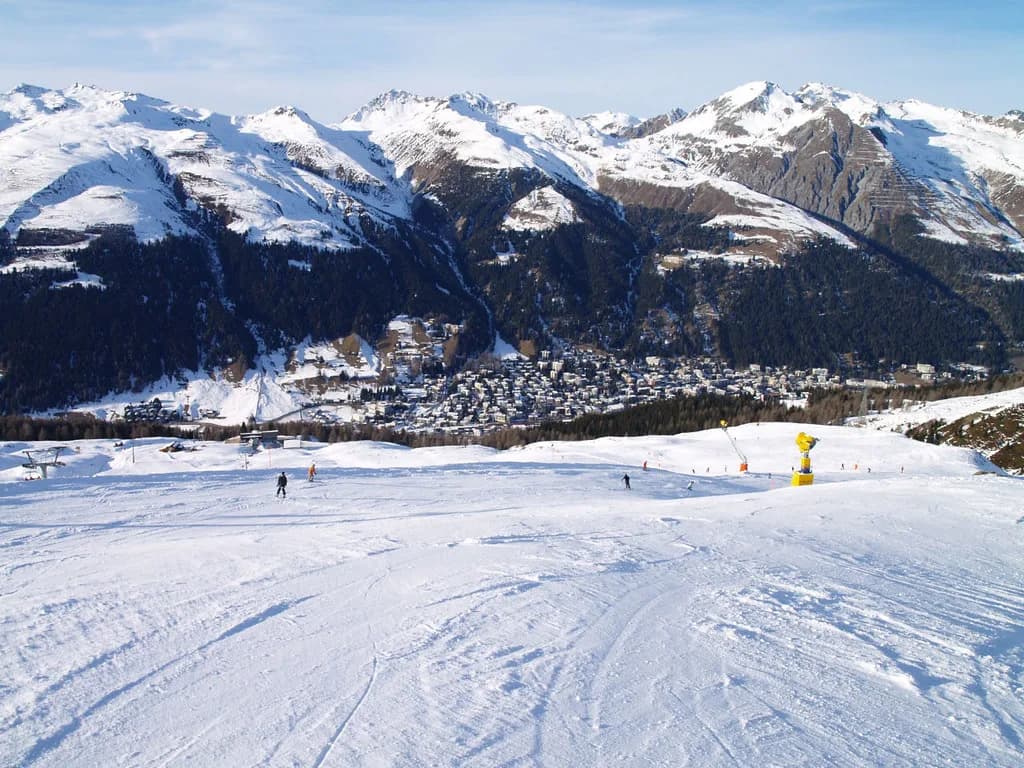
Davos is an oddity among Alpine resorts in a way that suits first-timers: its nursery slopes sit at valley level, in town, rather than at the top of a gondola. That means your first morning involves a bus stop or a short walk, not a cable-car queue and a cold descent before you have learned to stop. The two designated learning zones are Bolgen in Davos Platz and Bünda in Davos Dorf, both with rental shops and restaurants alongside.
The wider Davos Klosters area is large, and the temptation is to buy access to all of it on day one. Resist that. For the first two or three days you can ignore most of the map, learn on the valley slopes, and only then think about which mountain sector to graduate to. This guide covers where to learn, how lessons and hire fit together, which pass to buy when, and how to shape a short first trip. If you want the full resort picture first, the Davos ski guide covers the areas and passes in more depth.
How the Davos Klosters Ski Areas Fit Together
Davos Klosters spreads its skiing across several separate sectors rather than one connected circuit. Jakobshorn rises directly from Davos Platz and carries the resort's freestyle and freeride reputation; Madrisa is the family mountain above Klosters; and other sectors such as Parsenn serve the wider area. For a beginner, the practical point is that your learning happens in the valley, below all of this, and the sectors are things you choose between later.
That layout gives you a natural progression rather than a single intimidating mountain. You start on the valley nursery slopes, move onto easy runs in a sector that suits your progress, and only then consider a full-area ticket. It also means the decision about where to sleep, Platz or Dorf, matters more in week one than any piste statistic. Keep a Davos Ski Map and Piste Plans to hand so you can see how the sectors relate before you commit to a ticket.
Bolgen in Davos Platz: The Main Learning Hub
Bolgen sits at the foot of the Jakobshorn, in Davos Platz, and is the obvious base for a first ski trip. The ski school's easy slopes are here, along with the Kids Slope called Home of Winter at the Carjöler chairlift, which threads bumps, slalom gates and friendly animal figures into a short run so children practise turning without noticing they are learning. The area is central, parking is right beside it, and non-skiing parents or grandparents can watch from the valley.
Above you, the Jakobshorn sector offers 55 kilometres of blue-to-black slopes, plus the JatzPark terrain park with three lines of kickers, rails and boxes, and signposted freeride routes toward the Dischma and Sertig valleys. None of that belongs in your first two days, but it is useful to know what you are growing towards. Treat it as a menu for later in the week, once your turns are reliable.
Bolgen also carries the resort's social side: Bolgen Plaza and Chalet Bello in the valley are the weekend après-ski spots. That is a genuine trade-off if you want quiet evenings, because the area is lively later in the day. Staying a few streets away gives you the convenience of the learning slopes without the noise directly outside your window.
Bünda in Davos Dorf: The Quieter Learning Zone
Bünda is the second valley-level beginner area, in Davos Dorf near the railway station. It is the same kind of terrain as Bolgen, groomed and gentle, with rental shops and restaurants close by, but it sits at the other end of town. For anyone arriving by train, or staying in Dorf, this is the logical place to take a first lesson.
Both areas are reached by public transport, which removes the need for a car on a learn-to-ski trip. Davos is compact enough that the bus becomes your lift to the nursery slope. If you are weighing up Grindelwald skiing for beginners as an alternative, note that Davos has the advantage of two town-level learning areas rather than a single base.
Choosing Between Bolgen and Bünda
Decide on accommodation location, not snow conditions. If you are staying in Davos Platz, learn at Bolgen; if you are in Davos Dorf or arriving by train, learn at Bünda. The slopes serve the same purpose, and crossing town for one over the other adds a bus ride to every morning of your trip. Pick the one on your doorstep and spend the saved time skiing.
There is a small practical difference in atmosphere. Bolgen is the busier, more social hub with the après-ski crowd and the biggest choice of nearby shops and lunch spots. Bünda is calmer and better suited to families who want a straightforward routine of lesson, lunch and early return. Neither is better skiing; they are different kinds of day.
The First Ski Experience Package
Davos packages the entry point neatly: a first ski experience of two to three hours at Bolgen or Bünda that includes an instructor who speaks English and/or Chinese, full equipment hire and a lift pass for the beginner area. Gloves and goggles are excluded for hygiene reasons but can be bought at the rental shops. Booking runs through Schweizer Schneesportschule Davos.
What the package does not include is worth planning for: warm gloves, goggles and any clothing layers beyond the hired kit. Arrive with those in your bag, or budget a few minutes at the rental shop before your session. It also does not include anything above the beginner area, which is exactly right for a first day, because you will not be riding those lifts yet.
Prices for the package, for stand-alone lessons and for hire are not published in a form worth quoting here because they change by season and by group size. Check the current figures on the official Davos Klosters Mountains site when you book rather than relying on last year's number.
Ski Schools, Hire and What to Sort Before Arrival
Hire and instruction cluster around the two beginner areas, so you do not need to transport equipment across town. Book your lesson slot before you travel, especially in peak holiday weeks, and reserve hire at the same time if the shop offers it. That way your first morning starts with fitting boots rather than queueing for them.
For kit, the practical checks are boot fit and whether the shop lets you swap equipment during the week if something rubs or feels wrong. Beginner packages usually include skis, boots and helmet; goggles and gloves are the two items most people forget. Read the Davos ski hire notes before you book so you know what is typically bundled and what you bring yourself.
A Progression Plan for Your First Week
Spend day one entirely on the valley slopes with an instructor. Day two, repeat the same area without a lesson and consolidate what you learned: stopping, turning both ways, riding the beginner lift. Only on day three should you move up into a sector, and by then you will know whether you want width and easy cruising or something livelier.
When you do go up, Jakobshorn's blue runs are the natural next step, with the terrain park and freeride routes left for a future trip. The sector is described officially as 55 kilometres of slopes from blue to black, so there is plenty of room to progress without changing mountains. Do not buy a full-area pass until you are actually riding those lifts.
Madrisa: The Family Alternative Above Klosters
Madrisa is Klosters' family mountain and a serious option for beginners, not a footnote. It has four practice lifts for children, 31 kilometres of slopes and a children's area called Madrisa Land where the youngest practise first turns on fun riders. There are fun runs, a race track and a children's cross, which give a five-year-old something to aim at beyond another lap of the nursery slope.
It is also one of the more accessible mountains in the region. The cable car and mountain restaurant are wheelchair accessible, and the Schaffürggli chairlift takes skiers on monoskis, with an automatic safety bar and height adjustment for getting on and off. If your group includes a skier with reduced mobility, Madrisa deserves a proper look before you settle on Jakobshorn as your base.
The catch is location: Madrisa sits above Klosters, so choosing it means committing to that side of the valley for the day. Families staying in Klosters will find it the obvious first mountain. Families in Davos can still visit, but it is a day out rather than a stroll to the nursery slope.
Lift Passes for Beginners
Beginner-area lift tickets are the sensible purchase for your first days, and they are what the first-ski package includes. A full-area pass only pays once you are actually riding the mountain lifts, which is unlikely in the first half of a short trip. The moment to upgrade is when you spend more of the day above the valley than in it.
Keep an eye on how the pass products are structured before you commit: some resorts bundle beginner access into the general ticket, others sell a separate valley rate. Current prices and the exact products available this season are on the official site, and worth checking in the week before you travel rather than months ahead.
Season Timing and Snow
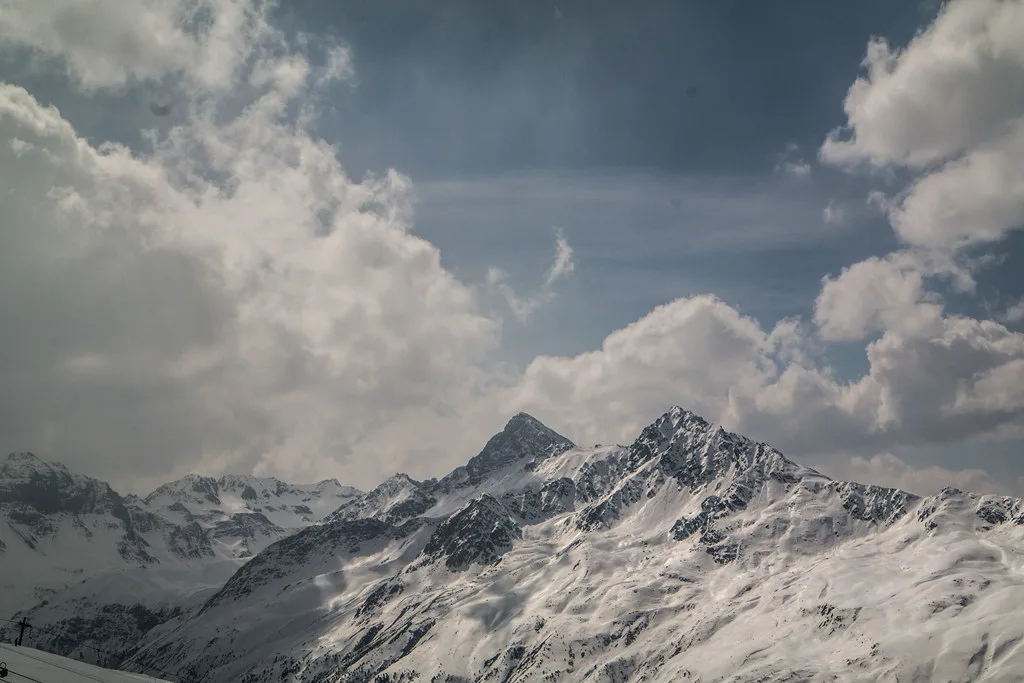
Jakobshorn markets itself on slopes with guaranteed snow, and the resort runs a full winter season, but opening and closing dates vary by year and by sector. There is no fixed date worth quoting in advance. Build your trip around a mid-season window rather than the very start or end of the season, and confirm the exact dates on the official site before booking travel.
Valley-level learning areas are more exposed to mild spells than high-altitude slopes, which is the one real argument for a very early or very late trip going elsewhere. In a normal midwinter week this is not a concern. If your only available dates are at the edges of the season, ask the ski school directly whether the Bolgen and Bünda areas are operating.
Getting Around and Practical Logistics
Buses connect the town and both beginner areas, so a car is optional. If you do drive, parking beside the Bolgen area is straightforward, which makes it easy for non-skiing family to drop in and watch. Gear-wise, bring gloves, goggles and warm layers; everything else can be hired at the base of the slopes.
For lunches, both learning areas have restaurants within a short walk, so you do not need to ride a lift to eat. Bolgen has the livelier choice, with Bolgen Plaza and Chalet Bello for later in the day. Plan a proper sit-down lunch on your first day, because tired beginners ski worse after a rushed sandwich.
A Three-Day Shape for a First Visit
Day one: the packaged first-ski session in the morning, an unhurried lunch, then an afternoon practising on the same slope without an instructor. Day two: a morning lesson to build on what stuck overnight, and an afternoon repeating it until turning feels automatic. Day three: move up into Jakobshorn for gentle blue runs if your instructor agrees you are ready, or spend another valley day if you are not.
That shape leaves the freeride routes, the JatzPark and the Madrisa sectors for a return trip, which is realistic for a first week. Trying to see everything in three days produces tired beginners and unhappy memories. One mountain, learned properly, beats five seen from a lift.
Where to Base Yourself and What to Book First
Stay in Davos Platz if you want the liveliest base and the shortest hop to Bolgen; stay in Davos Dorf or near the station if Bünda suits you better. Book the first-ski session and hire before you travel, pack gloves and goggles, and buy the beginner-area pass rather than the full-area ticket.
Then let the week unfold: valley slopes first, Jakobshorn blue runs when you are ready, Madrisa if you have children or accessibility needs in the group. For the wider picture on sectors and tickets, keep the Davos Skiing Guide open alongside this one as you plan.
Frequently Asked Questions
Where are the beginner slopes in Davos?
There are two valley-level learning areas: Bolgen in Davos Platz, beside the Jakobshorn valley station, and Bünda in Davos Dorf, near the railway station. Both have easy slopes, nearby rental shops and restaurants. Pick the one closest to where you are staying rather than travelling across town each morning.
Can you learn to ski in Davos without a car?
Yes. Both beginner areas are served by public transport, and the town is compact. Arriving by train into Davos Dorf puts you close to Bünda. A car is useful for convenience but not necessary for a learn-to-ski week.
Is a beginner lift pass cheaper than the full-area pass?
Beginner-area tickets cover only the valley learning slopes and cost less than a full-area pass. Exact prices change by season, so check the official Davos Klosters Mountains site. Upgrade once you are actually riding the mountain lifts rather than buying full access on day one.
How many days do you need to learn to ski in Davos?
Three days gives most adults a solid base: a first packaged session, a consolidation day, then a move onto easy blue runs if your instructor agrees. Children often progress faster on the Kids Slope at Bolgen. A full week lets you add a sector properly.
Is Madrisa better than Jakobshorn for beginners?
Madrisa above Klosters is more family-focused, with four practice lifts, a children's area and accessible infrastructure including a chairlift that takes monoskis. Jakobshorn has the valley learning area at Bolgen plus 55 kilometres of slopes to grow into. Choose Madrisa for young families and accessibility needs.
Do you need to book Davos ski lessons in advance?
Book before you travel, especially in peak holiday weeks. The first-ski package includes an instructor, equipment and a beginner-area pass, and runs through Schweizer Schneesportschule Davos. Reserving hire at the same time means your first morning starts with fitting boots rather than queueing.
Sources
Useful notes for your next ski trip
Optional updates to our Alpine resort guides.
You might also like
Continue reading
More guides you'll find useful