Canazei Ski Pass: Val di Fassa/Carezza vs Dolomiti Superski
Choose the right Canazei ski pass: compare Val di Fassa/Carezza and Dolomiti Superski coverage, 2026-27 prices, season bands and online savings.
On this page
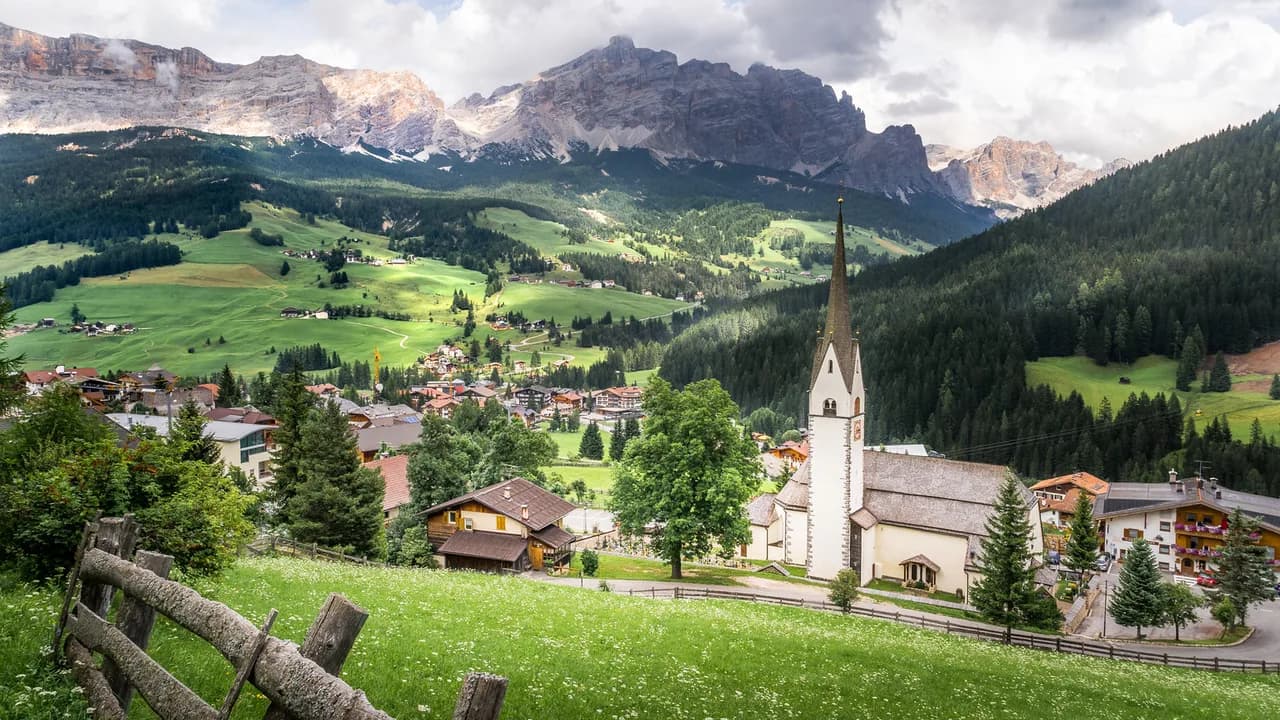
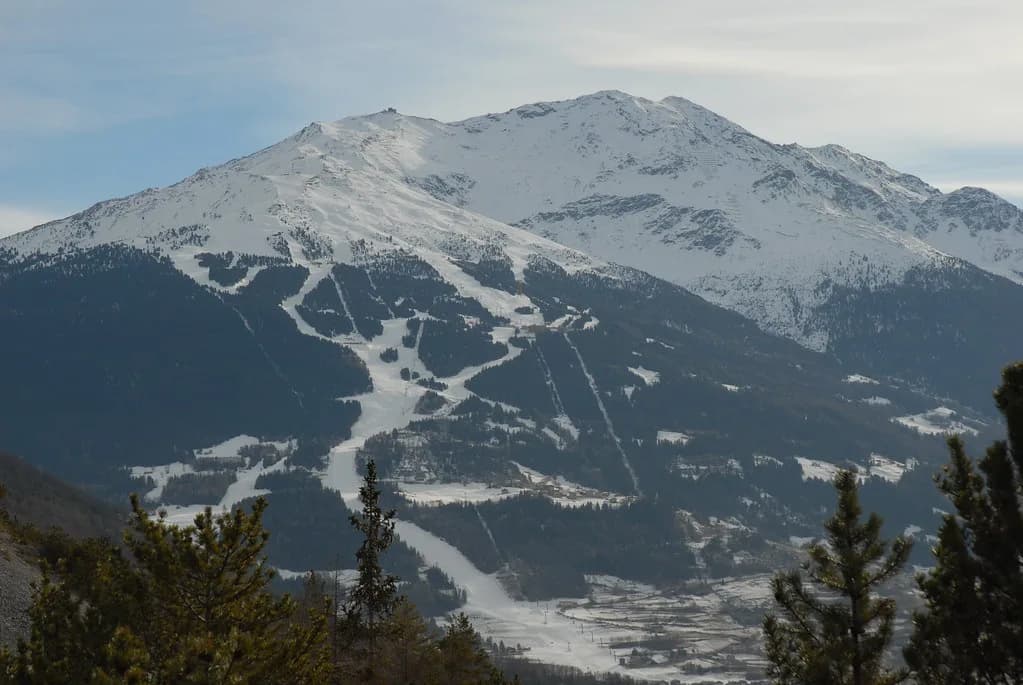
Canazei sits at the head of Val di Fassa beneath the Sella group, with lifts leaving the village itself, plus Alba di Canazei and Campitello di Fassa a short bus ride away. Those lifts feed the Belvedere and Col Rodella sectors, which connect at altitude and drop you straight onto the Sellaronda. The pass you buy decides how far that network extends, so the choice is really about whether you plan to leave the valley at all. The wider resort layout, lift bases and booking order are set out in the Canazei ski guide.
The passes sold from a Canazei base
Val di Fassa sells four lift-pass products, and their differences are geographic rather than cosmetic. Val di Fassa/Carezza covers the local ski areas from Carezza across to Canazei; Alpe Lusia/San Pellegrino links Moena with Falcade; Valle Silver spreads across Trentino and South Tyrol; and Dolomiti Superski opens the whole 12-area circuit.
From a Canazei base, two of those four do nearly all the work. Val di Fassa/Carezza is the natural default for a short break or a mixed-ability group, while Dolomiti Superski is the one to weigh up if the Sellaronda loop and neighbouring valleys are the point of the trip. Alpe Lusia/San Pellegrino and Valle Silver serve skiers staying elsewhere in the valley, or those with a specific reason to travel towards Moena and Falcade.
What the Val di Fassa/Carezza pass covers
This pass reaches Belvedere–Col Rodella, Ciampac–Buffaure, Catinaccio and Carezza, so a Canazei skier gets the home sectors plus two genuinely different day-out options. It also covers the smaller local areas above Alba and Pozza di Fassa, which gives improvers somewhere quieter to build confidence away from the main circuit. For a three- or four-day trip, that spread is usually enough.
The terrain inside the pass explains why it suits most groups. Belvedere and Col Rodella are joined by lifts at altitude, so intermediates can move between Canazei and Campitello without dropping into the valley, and the majority of runs are red. The black Diego at Belvedere and the long 3-Tre from Col Rodella down to Pian de Frataces give stronger skiers something to repeat, while beginners stay in the school zones below.
When Dolomiti Superski earns its premium
Dolomiti Superski covers 12 ski areas and 460 lifts, so it turns Canazei into a base for day loops rather than a single valley. The Sellaronda passes through Belvedere and Col Rodella in both directions, and once you hold the full pass you can ski on into Arabba, Val Gardena and Alta Badia instead of turning back. That is the case for buying up, and it only holds if you actually intend to ride the circuit.
A week of skiing from Canazei rarely stays inside one valley. Two Sellaronda days, one run across to Arabba and a day towards Val Gardena already put you outside the local product, and the price gap between the two passes is modest relative to a whole holiday. If you are skiing three days or fewer and staying close to the village, the local pass keeps costs down without costing you much terrain. If you are weighing a base on the other side of the loop, the Corvara ski pass shows how Alta Badia's own products compare.
2026-27 prices side by side
In the 2026-27 season, the Val di Fassa/Carezza adult one-day pass costs €83 in high season and €71 in shoulder season. Adult six-day passes are €421 and €357 respectively, and a seven-day ticket runs to €446 high season and €379 shoulder. These are published season figures, so re-check them against the tariff for your own dates.
The Dolomiti Superski equivalent steps up to €89 for an adult day in high season and €80 in shoulder season. Six days cost €453 high season and €407 shoulder, with seven days at €480 and €432. The day-ticket premium is small in absolute terms, but it multiplies across a family.
The Val di Fassa tourist board sets out the same four products with their coverage and seasonal offers, which is the clearest place to confirm which pass includes which ski area before you commit. Match the product name exactly, because the valley pass and the full Superski pass are sold side by side at similar-looking prices. For the lifts and runs each ticket unlocks, the Canazei Ski Map is the quickest cross-check.
Season bands and pass validity
The Belvedere–Col Rodella ski area is listed as open from 4 December 2026 to 4 April 2027, which is the window your pass needs to cover. Individual lifts keep their own timetables within it, and the Sellaronda depends on links in other valleys being open too, so early-December and early-April trips should be checked against the lift status page before booking.
High season for pass pricing runs from 21 December 2026 to 9 January 2027 and again from 20 March 2027, with the shoulder band covering the early-December opening, mid-January and the closing weeks into April. The difference on a six-day adult ticket is real money. Shifting a trip by a week at either end of January is the simplest saving available.
Duration maths for a six-day ski week
Most Canazei holidays involve five or six skiing days, and the ticket grid rewards buying the block up front rather than topping up daily. A six-day adult Val di Fassa/Carezza pass costs €421 high season, while a three-day pass costs €239; two three-day blocks would cost €478, so the six-day product wins by a clear margin. The same logic applies on the Superski side, where six days cost €453 against €257 for three.
Seven-day passes are worth considering even for a six-day ski week, because the seventh day costs very little more than the six-day ticket and covers a rest-day shuffle. A four-day pass at €306 high season suits a shorter break where one day is deliberately spent off the snow. Check whether your pass starts on the first day of skiing or can be activated later before you commit to a fixed block.
Child, kid and senior categories
Both passes use the same four-tier structure: adults, seniors, children and kids, with the cut-offs set by birth year. For the 2026-27 season the child band covers birth years 2009 to 2018 and the kid band 2019 to 2023, while the senior rate applies to those born in 1961 or earlier. Bring proof of age for anyone near a boundary, since ticket desks check it.
The price steps are steep at the bottom. On a high-season six-day Val di Fassa/Carezza pass, adults pay €421, children €294 and kids €210; the Dolomiti Superski equivalents are €453, €317 and €226. Children ski free in some resorts, but not here, so build the child rate into the holiday budget.
Buying online versus at the ticket window
Buying online at least two days ahead cuts 5% from both Val di Fassa/Carezza and Dolomiti Superski prices. That is a flat, published reduction rather than a promotional code, and it applies to the whole tariff, so a family of four on six-day passes saves a meaningful sum for a small amount of forward planning.
The trade-off is commitment. An online purchase ties you to dates before you have seen the weather, and a warm spell in January can change which sectors are worth skiing. The lift network runs from the Canazei–Pecol gondola and the Alba–Col dei Rossi cable car on the village side, and from the Campitello–Col Rodella 3S cable car across the valley, so wherever you are staying there is a base station within reach.
Ski school and beginner ticket decisions
Beginners spend their first days on the nursery slopes at Canazei and Campitello, which sit inside the local pass area. There is no reason to buy Dolomiti Superski for a first-week learner who will not leave the school zone, and the local product keeps the spend sensible while lessons do the real work. Group formats and booking timings for the valley's schools are worth sorting before you travel, and the Canazei ski lessons comparison covers the options.
Hire is the other decision that pairs with the ticket. Collecting skis in the village the afternoon before your first ski day saves a morning queue, and boots fitted properly matter more than the ski model for anyone starting out. Compare shops on collection point and storage before price, using the Canazei Ski hire comparison.
Alpe Lusia/San Pellegrino, Valle Silver and when to skip them
Alpe Lusia/San Pellegrino is a two-area pass linking Moena to Falcade, a reasonable add-on for a day trip from the valley floor but not the natural choice from Canazei, where the Belvedere and Col Rodella lifts are on the doorstep. Valle Silver spreads over 380 km of slopes across Trentino and South Tyrol and appeals to skiers touring the wider region rather than basing themselves in one village. Most Canazei visitors can ignore both.
Lift & Walk and non-skiers
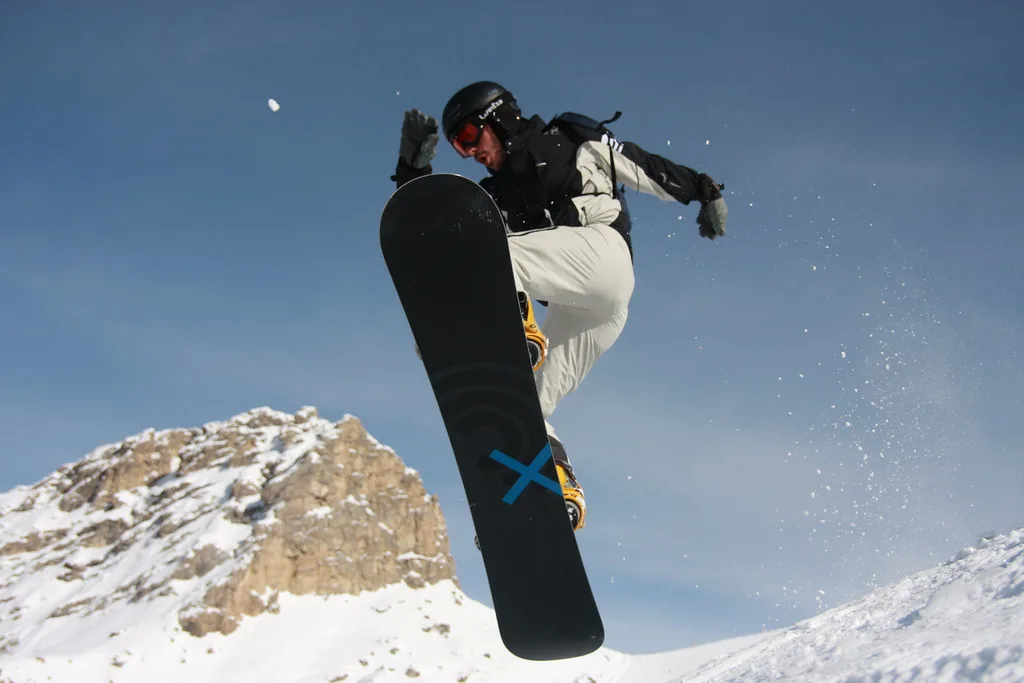
Non-skiers are not left at the bottom. The Lift & Walk ticket covers lifts 101, 103, 102 and 130 — the Canazei–Pecol gondola, the Passo Pordoi–Sass Pordoi cable car, the Pecol–Col dei Rossi cable car and the Alba–Col dei Rossi cable car — at €55 for adults and €30 for children born after 1 January 2008. It also includes the transfer service from Pecol to Passo Pordoi, which you must reserve by 10:30.
Sass Pordoi, the Terrace of the Dolomites at 2,950 m, is the headline stop, and the cable car is listed as also running for non-skiers. Published timetables on the ski area page put the main gondolas and cable cars in the 08:30 to 17:00 window, with some lifts closing earlier in the afternoon, so check the day before if you are planning a late lunch on the mountain.
Getting the pass in hand
Lift passes in the Dolomites are loaded onto reusable skipass cards, which you either buy once or reuse from a previous trip. Ordering ahead online means collecting at a ticket desk or pick-up point rather than queueing on your first morning, and Canazei, Alba and Campitello each have base stations with cash desks. Keep the card somewhere it will not be demagnetised by a phone.
A booking sequence that works
Decide the pass first, because duration drives everything else. A weekend means a two- or three-day Val di Fassa/Carezza pass; a week with Sellaronda ambitions means six or seven days of Dolomiti Superski. Only then choose accommodation, since a village-centre apartment near the Canazei–Pecol gondola saves daily travel, while Campitello puts you under the 3S cable car and closer to the 3-Tre.
School and hire slots come next, booked around the chosen ski days, and any non-skier in the group gets a Lift & Walk ticket for the clearest mountain day. Sorting these in that order avoids paying for Superski days you do not use or discovering your preferred lesson slot is full. Reading the piste map guide before you book also helps you judge which sectors you will realistically ski.
Which Canazei Pass to Buy
For a long weekend or a mixed-ability group staying close to the village, buy Val di Fassa/Carezza and put the saving towards lessons or a better-located apartment. It covers the two connected home sectors, the nursery slopes and the quieter local areas above Alba.
If the Sellaronda loop and days across to Arabba or Val Gardena are on the plan, take Dolomiti Superski for the full week — the jump from the local rate is smaller than most people expect. In every case, confirm the current tariff on the official Dolomiti Superski site before buying, and book online at least two days ahead to take the 5% reduction.
Frequently Asked Questions
How much is a ski pass in Canazei for 2026-27?
Canazei has two main products: Val di Fassa/Carezza for the valley's own ski areas and Dolomiti Superski for the full 12-area circuit. Each is priced by season band and duration, with separate adult, senior, child and kid rates, so a one-day ticket and a six-day ticket sit in different parts of the tariff. The official Val di Fassa price pages set out the current figures for your dates.
Is the Val di Fassa pass the same as Dolomiti Superski?
No. Val di Fassa/Carezza covers the valley's own ski areas, from Carezza across to Canazei, including Belvedere–Col Rodella, Ciampac–Buffaure and Catinaccio. Dolomiti Superski is the larger product covering 12 ski areas and 460 lifts, so it adds Arabba, Val Gardena, Alta Badia and the rest of the circuit. The two are sold side by side, so check the product name on the ticket.
Is Dolomiti Superski worth it in Canazei?
It is worth it if you plan to ski the Sellaronda loop, cross to Arabba or Val Gardena, or use Canazei as a base for day tours around the Dolomites. For a short trip of three days or fewer, or a group staying on the village slopes, the local Val di Fassa/Carezza pass covers plenty of terrain for less.
When is high season for ski passes in Val di Fassa?
The published high-season band runs from 21 December 2026 to 9 January 2027 and again from 31 January to 20 March 2027. Shoulder pricing applies in early December, mid-January and the closing weeks into April, so a trip shifted by a week at either end of January sits in the cheaper band.
Can beginners ski in Canazei on a local pass?
Yes. The nursery slopes at Canazei and Campitello sit inside the Val di Fassa/Carezza area, so a learner never needs the full Superski product. Buy the local pass for the learning days and only upgrade if the group progresses enough to want the Sellaronda circuit later in the week.
How long is the Canazei ski season?
The Belvedere–Col Rodella ski area is listed as open from 4 December 2026 to 4 April 2027. Individual lifts keep their own timetables within that window, and the Sellaronda depends on links in neighbouring valleys, so check lift status before booking an early-December or early-April trip.
What does the Lift & Walk ticket include at Passo Pordoi?
It covers four lifts: the Canazei–Pecol gondola, the Passo Pordoi–Sass Pordoi cable car, the Pecol–Col dei Rossi cable car and the Alba–Col dei Rossi cable car, with adult and reduced child rates published on the ski area page. It also includes the transfer from Pecol to Passo Pordoi, which needs reserving by 10:30. It is the practical option for non-skiers who still want to reach the high viewpoints.
Sources
Useful notes for your next ski trip
Optional updates to our Alpine resort guides.
You might also like
Continue reading
More guides you'll find useful