Alta Badia Skiing Guide: Sectors, Passes and Terrain
Alta Badia skiing explained: how Corvara, Colfosco, La Villa, Badia and San Cassiano fit together, what each lift pass covers, and how to plan your days.
On this page
Alta Badia is a valley of five villages in the Italian Dolomites, each with its own lift base and its own slopes. The local ski area has 54 lifts and 130 piste kilometres, with a direct connection to the Sellaronda circuit and the wider Dolomiti Superski network. That dual identity is what makes the resort worth a dedicated guide: you can ski a compact local area for a week, or use it as a base for day trips across the Dolomites.
The decision that shapes an Alta Badia ski trip is which lift pass to buy. The local Alta Badia pass covers the slopes above Corvara, Colfosco, La Villa, Badia and San Cassiano, including the Pralongià plateau and the Lagazuoi access. The Dolomiti Superski pass adds the Sellaronda, Arabba, Val Gardena, Cortina d'Ampezzo and other linked areas, with 1,200 piste kilometres and 450 lifts across the network. Your choice depends on whether you plan to stay local or explore.
This guide walks through the villages as separate sectors, the terrain each one holds, the pass boundaries in practice, beginner provision, and the season window. The scheduled operating dates for the upcoming winter are 4 December 2026 to 4 April 2027. Those dates describe the headline season from the tourism authority; individual lifts and pass offices may open or close on slightly different dates, so confirm the specific facilities you need.
Why Choose Alta Badia: What the Resort Is and Who It Suits
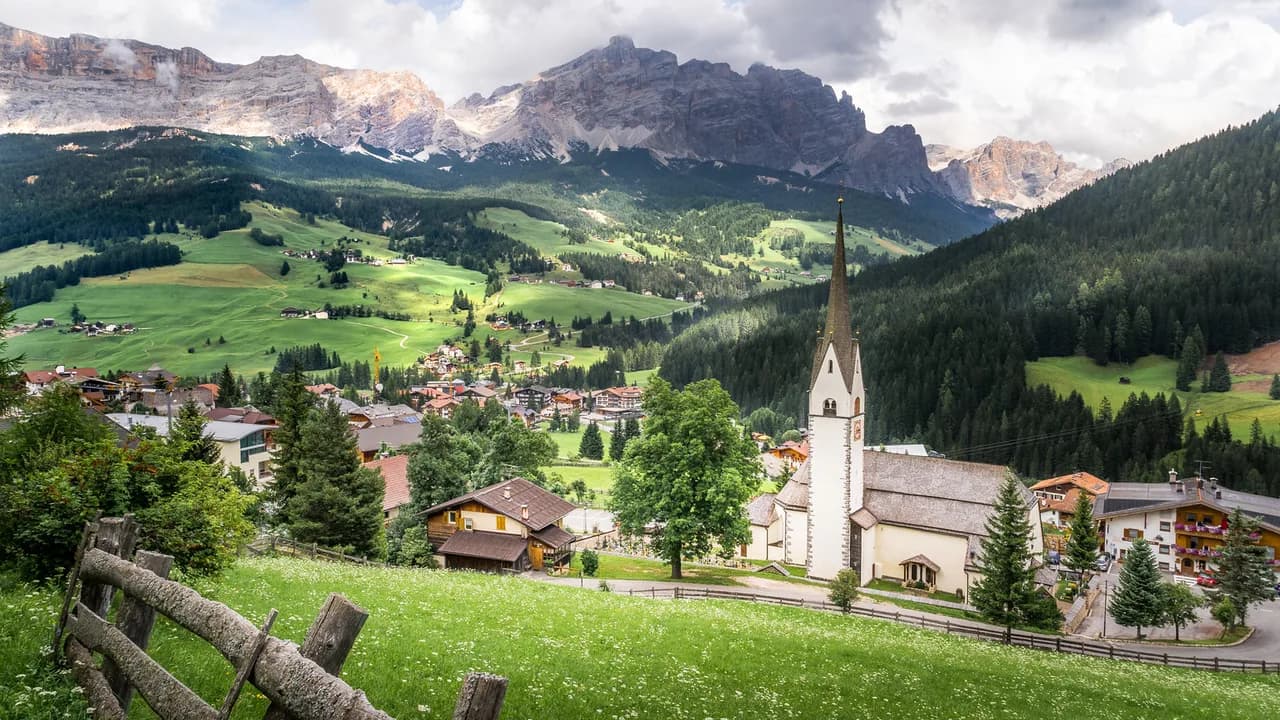
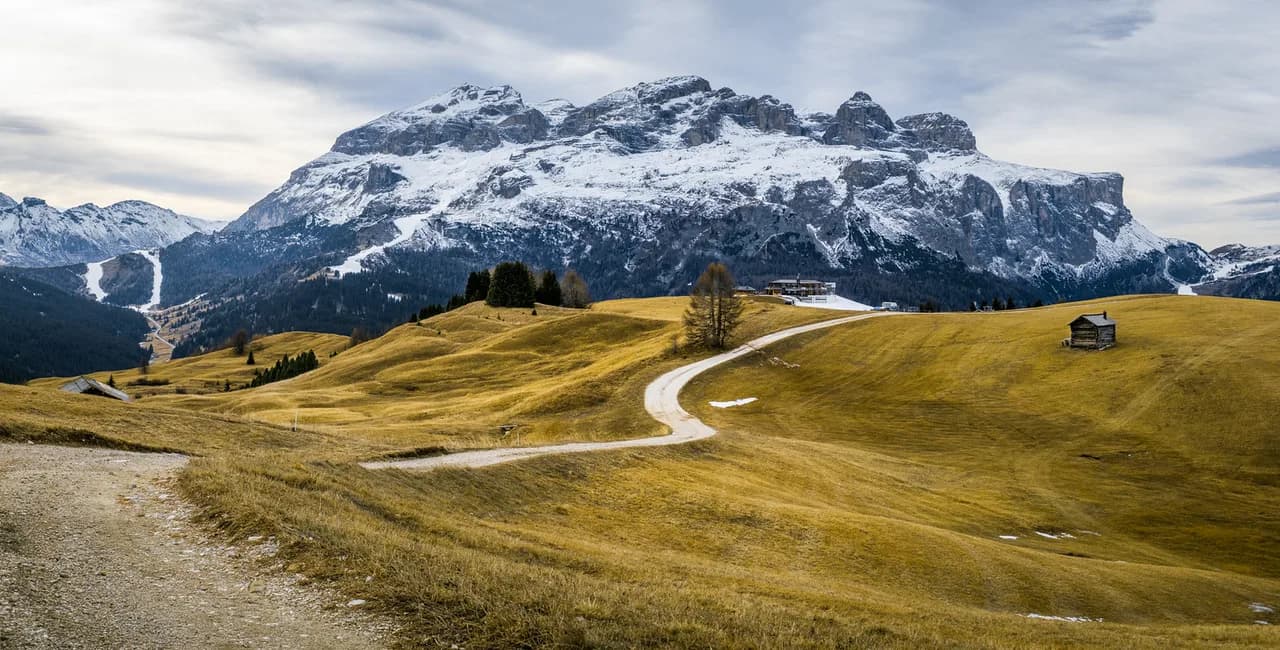
Alta Badia sits in the Val Badia in South Tyrol, northern Italy, inside the Dolomites UNESCO World Heritage property. The local ski area spreads from around 1,300 metres up to 2,800 metres, with slopes above the villages of Corvara, Colfosco, La Villa, Badia and San Cassiano. The terrain mix is tilted towards easy skiing: 74 km of the 130 km local piste is graded blue, 47 km red and 9 km black. That profile suits groups who want long, relaxed cruising days more than steep, technical challenges.
For confident skiers, the local black runs are few but notable. The Gran Risa above La Villa is a World Cup downhill track and one of the steepest blacks in the Dolomites, while the Vallon-Boé combination above Corvara gives a long descent with roughly 1,000 metres of vertical drop. The Lagazuoi descent from the Passo Falzarego cable car is a classic red run that returns to Armentarola. These runs give stronger skiers a reason to stay local rather than treating Alta Badia only as a Sellaronda stopover.
The resort also suits travellers who want a car-free valley. Regular ski buses connect the villages to lift bases, and the South Tyrol Guest Pass gives access to the regional public transport network if your accommodation provides it. A bus from Badia also connects to the Plan de Corones (Kronplatz) ski area via the Piculin base station, so you can add another resort day without driving. Check whether your accommodation includes the guest pass, because that changes the cost of getting around.
Where Alta Badia Is: Val Badia, South Tyrol, Inside the Dolomiti Superski Network
Alta Badia occupies the upper Val Badia in the province of South Tyrol, in Italy's northeastern Dolomites. The valley runs roughly east-west between the Sella massif to the south and the Sas dla Crusc / Santa Croce group to the north, with the Gardena Pass at the western end and the Campolongo Pass at the eastern end. The five main villages are Corvara, Colfosco, La Villa, Badia and San Cassiano; Armentarola is a small hamlet just outside San Cassiano with its own nursery slope and lift access towards the Lagazuoi sector.
The local ski area is part of the Dolomiti Superski network, which spans 1,200 piste kilometres and 450 lifts across the Dolomites. Alta Badia itself has 54 lifts and 130 piste kilometres. The Sellaronda circuit, a roughly 40 km loop around the Sella massif, passes through Corvara and Colfosco, linking Alta Badia with Arabba, Val Gardena and Val di Fassa. That geography is why the resort functions both as a self-contained ski destination and as a hub for wider Dolomites exploration.
Access to the valley is by road via the A22 Brenner motorway, with exits at Bressanone / Brixen or Brunico, followed by the SS244 and SP244 through the Badia valley. The nearest airports are Bolzano, Innsbruck, Verona and Venice, but this guide does not cover airport transfers. If you are driving, winter tyres or chains are a legal requirement on South Tyrol roads in winter conditions; check current regulations before you travel rather than assuming your rental car meets them.
The Five Villages and How the Local Ski Area Fits Together
Alta Badia's villages each have their own lift base and their own cluster of slopes, connected by a mix of lifts and pistes rather than a single continuous resort. Corvara and Colfosco sit on the Sellaronda rim on the eastern side of the valley. La Villa and Badia are further west, with La Villa connecting to the Piz La Ila sector and Badia's smaller sector linking via the Pradüc chairlift to Gardenaccia. San Cassiano and Armentarola sit at the eastern end, below Piz Sorega and Bioch.
The key practical point is that your choice of village changes your default day. Staying in Corvara or Colfosco puts you directly on the Sellaronda, so you can start the circuit without a shuttle. Staying in La Villa, San Cassiano or Badia means using lifts or buses to reach the circuit before 10:00 if you want to complete it comfortably. The local area is skiable from any village, but the Sellaronda is not equally accessible from all of them.
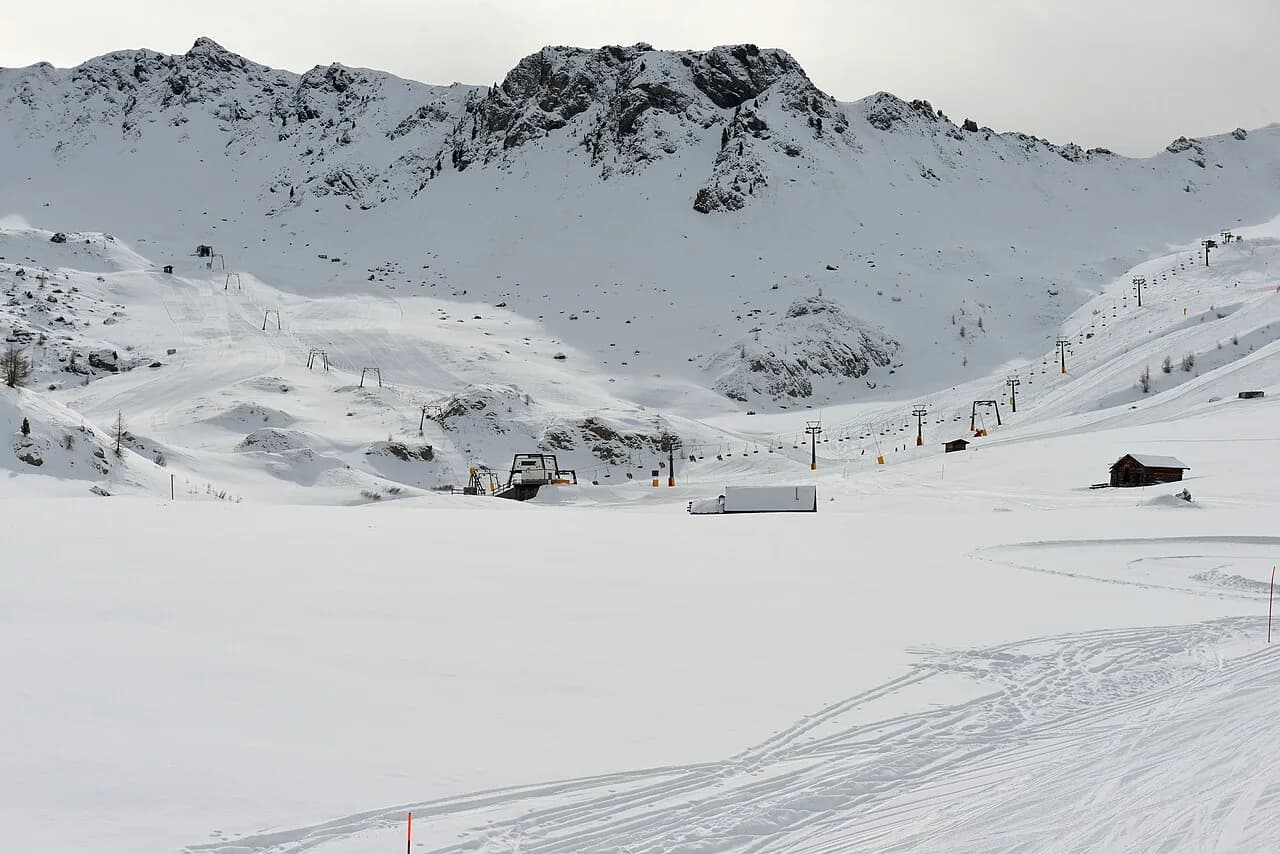
A high plateau stretches between Corvara, La Villa and San Cassiano, reached by interconnected lifts around Pralongià. This is the gentlest part of the local area, with wide blue runs and long, easy descents. It is where many beginners and early intermediates spend their first days. The plateau also provides the main link between the western and eastern sectors, so it functions as a crossroads as well as a beginner zone. For groups weighing up another Dolomites base with a similar mix of easy cruising, our Canazei ski guide covers the Belvedere and Col Rodella sectors.
Corvara and Colfosco: Gateway Sectors on the Sellaronda Rim
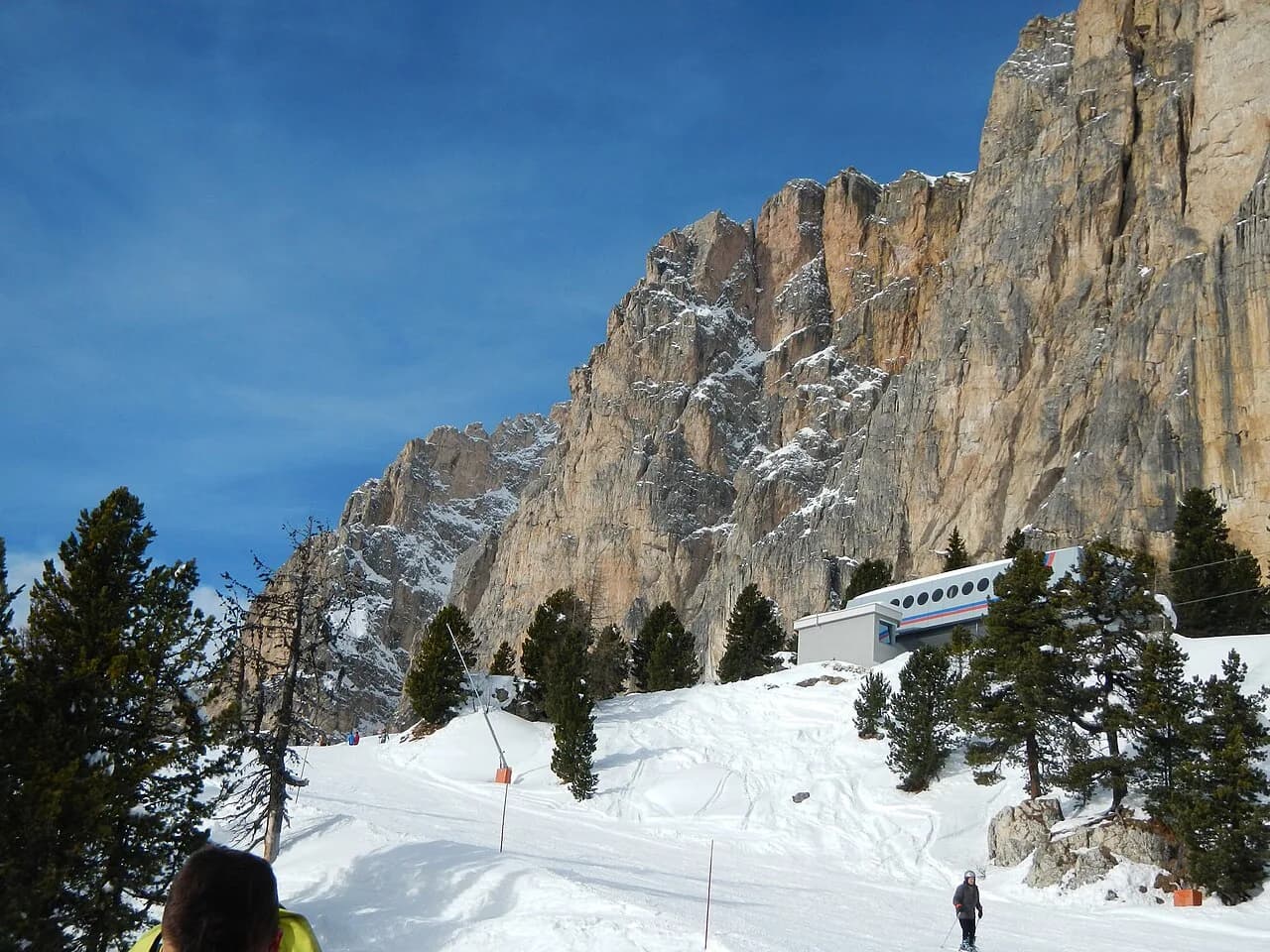
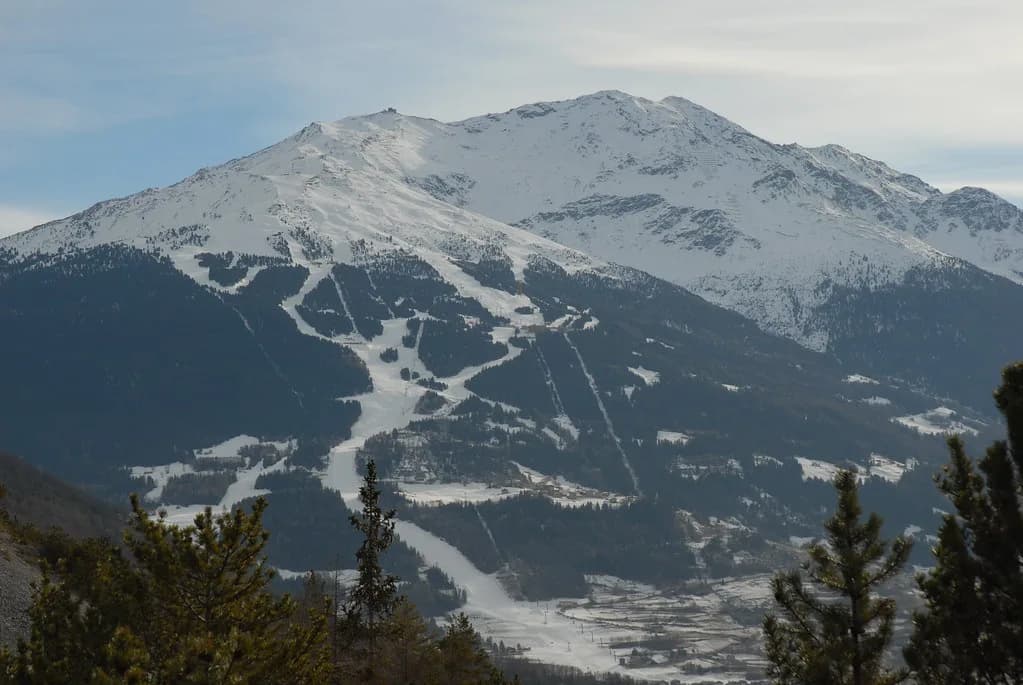
Corvara, at 1,568 metres, has skiing on both sides of the valley. To the west, the Vallon lift reaches 2,550 metres, the highest lift in the local Alta Badia area. From the top there is a single black descent, narrow and twisty rather than steep, which joins the red Boé run for a long continuous drop back to the valley. To the east, a series of gently sloping mountains around Pralongià provide around 25 easy blue runs, making this one of the most beginner-friendly sectors in the Alps.
Colfosco, at 1,645 metres, is the highest village in Alta Badia and sits on the Sellaronda. Its two sectors are dominated by blue runs. The Stella Alpina sector, north of the village below the Sassongher, is a crucifix-shaped area of mostly blue pistes with a couple of reds and a short black on the arms of the cross. It faces south, so it can soften in warm weather. The western sector, above the valley road towards Passo Gardena, has long, gently sloping runs served by the Plans gondola, with the lower runs graded blue and the higher ones red.
For Sellaronda logistics, Corvara and Colfosco are the two best bases in the valley. The circuit runs in two directions: the green anti-clockwise route and the orange clockwise route, both roughly 40 km with about 25 km of piste. The green route is slightly easier but has more lifts. Most skiers take three to three and a half hours without stopping, but with breaks and queues it becomes a full day. Starting before 10:00 is the standard advice, which is straightforward from either village.
La Villa, Badia and San Cassiano: The Other Local Sectors and Their Terrain
La Villa, at 1,433 metres, has two main sectors: Piz La Ila to the south and Gardenacia to the north-west. Piz La Ila connects La Villa to Corvara and the Sellaronda, but it is also home to the Gran Risa, a north-facing black run used for Alpine World Cup races and one of the steepest in the Dolomites. The nearby red run Altin is also a strong intermediate option. Gardenacia leads towards Badia via the Sponata red run, another good north-facing slope.
Badia, at 1,324 metres, is the lowest village and has the smallest local sector, but it connects to the rest of the area via the two-way Pradüc chairlift to Gardenaccia. Above Badia, two gondolas climb towards the La Crusc / Santa Croce church. From the top, a continuous blue run descends, with an optional red variant and a nursery slope at the bottom. The church itself is a short uphill walk from the lift top and offers wide views across the valley, though the walk is not suitable for ski boots in all conditions.
San Cassiano, at 1,537 metres, and the hamlet of Armentarola at 1,621 metres form the eastern end of the local area. Above them, Piz Sorega (2,003 m) and Bioch (2,079 m) give access to a mix of blue and red runs. From these high points you can ski back to San Cassiano or Armentarola, cross to Corvara, or join the Sellaronda on blue runs. Armentarola has its own nursery slope and a drag lift, making it a reasonable base for beginners, though the nursery area is some distance from much of San Cassiano's accommodation.
Armentarola is also the gateway to the Lagazuoi sector. From the Hotel Armentarola car park, a taxi runs to Passo Falzarego, where a cable car climbs to Lagazuoi at 2,778 metres. Alta Badia ski passes cover the Lagazuoi lift, but the taxi is extra; the price is regulated and the queue is usually long enough that filling a taxi is not difficult. From Lagazuoi, you can ski back down to the cable car base or take the long red run back towards Armentarola. Near the end, the run flattens and you either call a taxi or pay to be towed by horse.
The Pass Decision: Alta Badia Local Pass Versus Dolomiti Superski
The local Alta Badia ski pass covers the slopes and lifts above Corvara, Colfosco, La Villa, Badia and San Cassiano, including the Campolongo, Falzarego and Gardena pass areas. It gives access to the 130 km local piste and the 54 local lifts, including the Lagazuoi cable car despite that lift being run by Cortina. If your plan is to ski the local sectors and maybe one Sellaronda lap, this pass is sufficient and cheaper than the full network product.
The Dolomiti Superski pass adds the full network: 1,200 piste kilometres and 450 lifts, including the Sellaronda, Arabba, Val Gardena, Val di Fassa, Cortina d'Ampezzo and Ski Civetta. It also covers Kronplatz, reached by bus from Badia to the Piculin base station. If you want to ski Arabba's Porta Vescovo blacks, Val Gardena's long reds, or the First World War ski tour, you need the network pass. The choice is not about terrain difficulty alone but about how many days you plan to leave the local area.
No current primary source confirms final 2026/27 lift pass prices, so this guide does not state them. Alta Badia publishes a price calculator on its ski pass page, and third-party sellers may quote prices for a different season. Use the official calculator with your exact dates and the number of days you plan to ski to get a current figure. If you are travelling as a group, compare the cost of the local pass plus a few day upgrades against the full network pass for your whole stay; that calculation often decides the purchase.
Buying online can save time and money. Alta Badia offers a discount for one-day or multi-day passes bought online at least two days before use, and you can load the pass onto a reusable My Dolomiti Card or use SmartPass on your phone. Ski pass offices in Corvara, Colfosco, La Villa, San Cassiano and Badia are open daily from December, so you can also buy in person. If you already hold a My Dolomiti Card, you can recharge it from home and go straight to the lifts.
Using Alta Badia as a Base for the Wider Dolomiti Superski Network
With a Dolomiti Superski pass, Alta Badia becomes a base for day trips across the Dolomites. The Sellaronda connects you directly to Arabba, Val Gardena and Val di Fassa. From Corvara or Colfosco you can be on the circuit within minutes, which makes day trips to Arabba's steeper terrain or Val Gardena's long red runs realistic without early starts. The Sellaronda itself is the simplest introduction to the wider network, and most intermediates can complete it in a day.
The First World War ski tour, also called the Grande Guerra circuit, is a longer option that links Alta Badia with Cortina d'Ampezzo and Ski Civetta. It runs in both directions, roughly 80 to 82.5 km, and takes a full day. The circuit includes bus transfers between ski areas; these are not covered by the lift pass and run approximately every 30 minutes. You can also visit Cortina's Cinque Torri sector directly from Passo Falzarego without committing to the full loop.
For a change of scene without a long ski circuit, the ski bus from Badia to Piculin connects to the Plan de Corones (Kronplatz) lifts. That service runs frequently and lets you reach a different Dolomiti Superski area without using a car. Check the connection timetables before you go, because the bus schedule changes through the season and the last return bus is the one that matters.
Beginner and Early-Intermediate Provision
Alta Badia's terrain is weighted towards beginners and early intermediates, with 74 km of blue piste locally. Corvara and Colfosco are the strongest bases for learning: both have nursery slopes near the village and easy blue runs to progress onto. The area east of Corvara towards San Cassiano via Piz Arlara, Bioch and Pralongià is particularly good for novices, as is the blue run under the Plans gondola down to Colfosco. La Villa and Badia also have beginner facilities, but the choice of easy runs is smaller.
For children aged 3 to 5, Alta Badia offers an all-inclusive package that includes five half-day ski lessons, rental equipment, a lift pass and accommodation for the child in the same lodging as the accompanying adult. The package is designed for first-time skiers, with age-appropriate activities and dedicated beginner areas. Details and booking conditions are on the official Alta Badia site. If your child is outside that age range, ask the local ski schools directly about their lesson formats rather than assuming the same package applies.
Ski schools in Alta Badia cover skiing, snowboarding and cross-country skiing. The official pages describe instructors who know the local area, including some former athletes and national team coaches, but this guide does not infer specific lesson formats, meeting points or group sizes. Those details vary by school and by booking. Contact the school directly with your ability level and preferred dates to confirm what is available.
Terrain for Confident Skiers: Local Blacks and Reds, and the Sellaronda
Alta Badia's local steep terrain is concentrated in a few runs. The Gran Risa above La Villa is the standout: a north-facing World Cup black that is one of the steepest in the Dolomites. Above Corvara, the Vallon black is narrow and twisty rather than steep, but combined with the Boé red below it gives a long descent with about 1,000 metres of vertical drop. Above Colfosco, the short black from Col Pradat in the Stella Alpina sector is steep enough to demand attention, especially in the morning when it can be icy.
Intermediate skiers who want more than the local blues and reds should buy the Dolomiti Superski pass. That gives access to the Sellaronda lifts and day trips to Arabba, Val Gardena and beyond. In Arabba, the Porta Vescovo blacks and the Marmolada descent offer steeper, longer runs. In Val Gardena, the Saslong and other blacks are within easy reach of Corvara and Colfosco. The local red highlights, such as Boé, Lagazuoi, Piz Sorega and Altin, are good but limited in number.
The Sellaronda is not a beginner circuit. Both directions include some mandatory red runs, so nervous skiers or first-timers should treat it as a goal for later in the week rather than a day-one plan. The green anti-clockwise route is slightly easier than the orange clockwise route, but it has more lifts. Most skiers complete the loop in under three and a half hours without stopping; with breaks and queues it takes a full day. Starting before 10:00 gives you margin.
Season Window, Snow Framing and What to Verify
The official Alta Badia tourism pages give the winter season as 4 December 2026 to 4 April 2027. That is a scheduled operating window, not a promise that every lift, link or piste will open on those dates. Some individual lifts and ski pass offices may open earlier or close later, and local conditions can affect which runs are available. Treat the window as the planning frame and confirm the specific facilities you need closer to your travel date.
Alta Badia's slopes are groomed nightly and supported by snowmaking, which the Alta Badia tourist office states helps maintain conditions when natural snowfall is scarce. That is an operational fact, not a forecast or a guarantee of snow quality on your dates. Historic snow statistics and snowmaking coverage do not predict future conditions. If snow reliability is a deciding factor for your trip, look at the resort's own snow report and piste status pages in the weeks before you travel.
Helmets are mandatory on all Alta Badia slopes regardless of age, according to the official tourism site. That rule applies to everyone, so include a helmet in your plans whether you rent or bring your own. Check the resort's safety pages for any updates to local rules before you ski. This guide does not give safety advice; it repeats what Alta Badia publishes.
Getting Around the Valley Without a Car
Alta Badia is well served by public transport and ski buses. Regular buses run from the villages to the lift base stations, and the South Tyrol Guest Pass gives access to the entire South Tyrol public transport network if your accommodation provides it. Without the guest pass, you can buy tickets online or on the bus. Leaving the car at your accommodation and using the ski bus is a practical option, especially on busy mornings when parking near the lifts fills up.
Connections between ski areas are also covered by bus. From Alta Badia, a ski bus runs to the Piculin base station for Plan de Corones (Kronplatz). That service runs frequently and lets you reach another Dolomiti Superski area without driving. Check the connection timetables before you rely on it, because schedules vary through the season and the return journey needs planning if you want a full day at the other end.
If you are staying in La Villa, San Cassiano, Armentarola or Badia and want to ski the Sellaronda, plan your morning. You will need to use lifts or a bus to reach Corvara or Colfosco before starting the circuit. The general advice is to be on the circuit before 10:00 to finish comfortably. From Corvara and Colfosco, that is simply a matter of walking to the nearest lift.
Practical Planning: Pass Offices, Buying Ahead and Daily Logistics
Ski pass offices are located in every village: Corvara, Colfosco, La Villa, San Cassiano and Badia. They are open daily from December, though individual offices may open on slightly different dates. You can buy passes in person or online. Buying online at least two days in advance typically earns a discount and lets you collect a My Dolomiti Card from a pick-up box or load your existing card. The card is rechargeable and reusable across seasons.
If you plan to ski more than a few days, compare the local pass and the Dolomiti Superski pass using the official price calculator. Factor in how many days you realistically want to leave the local area. A group with mixed abilities might find that the local pass suits most days, with one or two network days added. A group of confident skiers aiming for Arabba, Val Gardena and the Sellaronda may find the network pass better value from day one.
For daily logistics, know which sector you are heading to before you leave your accommodation. The local area is large enough that crossing from Badia to San Cassiano takes time, and lift closures or weather can change the best route. The Alta Badia ski map is downloadable from the official site and shows the lift and piste layout, and our ski map alta badia page breaks down the sectors and connections. A paper map from a pass office is still useful when phone batteries fade in the cold.
Where Alta Badia Fits: Matching the Resort to Your Group and Trip
Alta Badia suits groups who want a high proportion of easy and intermediate cruising, reliable lift infrastructure and a valley where you can move between villages without a car. It is less suited to skiers whose main goal is steep, technical terrain or extensive off-piste, because the local blacks are few and the area is not marketed for freeriding. If your group is mixed, Alta Badia works well: strong skiers can use the Sellaronda and the wider network while less confident skiers stay on the Pralongià plateau and the blue runs above Corvara.
Compared with other Dolomites bases, Alta Badia's distinctive advantage is its position on the Sellaronda combined with a local area that is genuinely good for beginners. The valley also has a strong food culture in its mountain huts, which matters if long lunches are part of your ski day. This guide does not rank huts or recommend specific ones, but the official tourism site lists mountain restaurants and their locations if you want to plan around them.
If you are considering Alta Badia as part of a wider Dolomites trip, the Dolomiti Superski pass makes it easy to combine with other resorts. Day trips to Arabba, Val Gardena, Cortina or Kronplatz are all possible without a car, using lifts or buses. That flexibility is the main reason to choose the network pass over the local one. Decide how many days you want to stay local before you commit to a pass, because that is the decision that shapes both cost and itinerary.
Plan Your Alta Badia Ski Trip
Start your planning with two decisions: where to base yourself and which pass to buy. Corvara or Colfosco put you on the Sellaronda from the doorstep; La Villa, Badia and San Cassiano give you quieter local sectors and often easier access to the beginner plateau. Match the pass to how many days you want to leave the local area, and use the official price calculator for current figures rather than relying on old prices.
Then layer in the practical details: check the season window from the official tourism site, confirm which lifts and pass offices are open on your dates, and decide whether you need a car or can rely on ski buses and the South Tyrol Guest Pass. If you are travelling with beginners or young children, look at the documented kids' package and contact ski schools directly about lesson availability. The resort publishes the information you need; the planning work is in matching it to your group.
Alta Badia's strength is that it works at several scales: a compact local area for a relaxed week, a Sellaronda base for intermediate groups, or a hub for the Dolomiti Superski network. The trade-offs are real, especially around pass cost and Sellaronda logistics from the western villages. Decide what matters most to your group before you book, and the rest of the planning falls into place.
Explore more Alta Badia guides
Frequently Asked Questions
Is Alta Badia part of the Dolomiti Superski area?
Yes. Alta Badia is one of the resorts within the Dolomiti Superski network, which spans 1,200 piste kilometres and 450 lifts across the Dolomites. The local Alta Badia ski pass covers the slopes above Corvara, Colfosco, La Villa, Badia and San Cassiano, while the Dolomiti Superski pass adds the Sellaronda, Arabba, Val Gardena, Cortina d'Ampezzo and other linked areas. Your choice of pass determines how much of the network you can access.
How many kilometres of piste and lifts does Alta Badia have?
The official Alta Badia tourism pages state that the local ski area has 130 piste kilometres and 54 lifts. That total is split into 74 km of blue runs, 47 km of red runs and 9 km of black runs. The wider Dolomiti Superski network, which the local area connects to, has 1,200 piste kilometres and 450 lifts. Different sources may quote slightly different lift counts, but the official figure is the one to use for planning.
Which Alta Badia village is best placed for the Sellaronda?
Corvara and Colfosco are the best placed, because both sit directly on the Sellaronda circuit. From either village you can reach the circuit without needing a bus or a connecting lift, which makes it easier to start before 10:00 if you want to complete the loop comfortably. If you stay in La Villa, San Cassiano, Armentarola or Badia, you will need to use lifts or a bus to reach Corvara or Colfosco before starting the circuit.
Do I need the Dolomiti Superski pass or is the local Alta Badia pass enough?
It depends on how much you plan to leave the local area. The local Alta Badia pass covers the 130 km of local piste and the Lagazuoi lift, which is enough if you intend to ski mostly in the valley. If you want to ski the Sellaronda, Arabba, Val Gardena, Cortina or Kronplatz, you need the Dolomiti Superski pass. Compare the cost using the official price calculator and factor in how many days you realistically want to explore beyond Alta Badia.
Is Alta Badia suitable for beginners?
Yes. The local area is weighted towards easier terrain, with 74 km of blue piste out of 130 km. Corvara and Colfosco have nursery slopes close to the villages and easy blue runs to progress onto, and the Pralongià plateau above Corvara offers a large area of gentle cruising. The Sellaronda is not a beginner circuit, because both directions include mandatory red runs. Alta Badia also publishes an all-inclusive kids' package for children aged 3 to 5, covering lessons, equipment and a lift pass.
When does the Alta Badia ski season usually run?
The official tourism pages give the scheduled winter season as 4 December 2026 to 4 April 2027. That is an operating window, not a guarantee that every lift, link or piste will be open on those dates. Individual lifts and ski pass offices may open or close on slightly different dates. Check the official site for the specific facilities you plan to use and for current piste status closer to your travel date.
Can you reach other Dolomites ski areas from Alta Badia without a car?
Yes. The Sellaronda circuit connects Alta Badia directly to Arabba, Val Gardena and Val di Fassa by lift and piste. A ski bus from Badia also runs to the Piculin base station for Plan de Corones, and public buses connect the villages to the lift bases. The South Tyrol Guest Pass, if provided by your accommodation, gives access to the regional public transport network. Check the connection timetables for the season before you rely on a specific service.
Sources
Useful notes for your next ski trip
Optional updates to our Alpine resort guides.
You might also like
Continue reading
More guides you'll find useful