
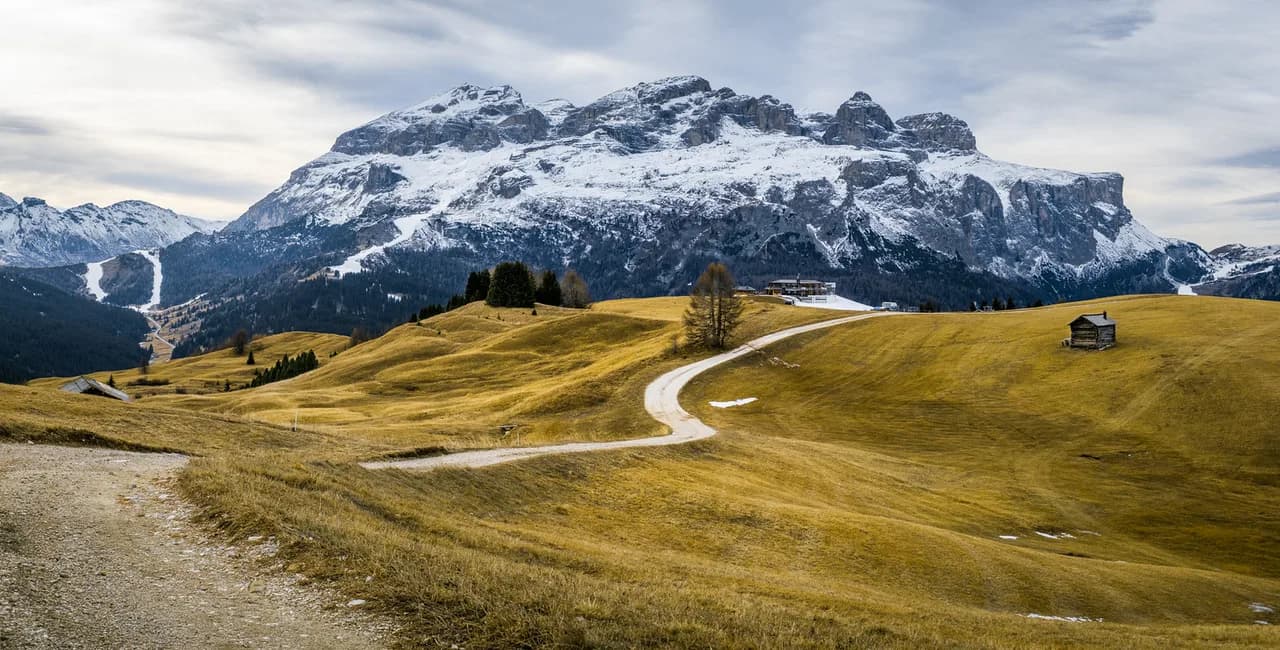
Alta Badia Ski Season: Dates, Snow and When to Go
Alta Badia's ski season runs from early December to early April. Plan around opening dates, Sellaronda access, snow conditions and quiet versus busy weeks.
On this page
Alta Badia's ski season is published as running from early December to early April, but the resort's 130 piste kilometres and 54 lifts are not all equally reliable at the edges. December skiing is largely snowmaking-dependent, February offers the deepest base, and April brings slushy lower runs but sunny terraces. This guide explains the season's structure, which weeks to target, and how to match village and pass choices to your dates.
Quick answer: when the Alta Badia ski season starts and ends
Alta Badia's published season window is early December to early April. The Dolomiti Superski live page lists Alta Badia as running from 4 December 2026 to 4 April 2027 for the 2026/27 season, with the previous 2025/26 window of 4 December 2025 to 7 April 2026 shown alongside it. Treat those as planning dates, not guarantees: opening and closing depend on snow conditions and lift company decisions, and the same page shows the resort's open slope count at zero outside the season.
For a second opinion, OnTheSnow's projected opening list puts Alta Badia at 4 December for the coming season, labelled as projected rather than official. Use it as a cross-check when comparing resorts across Dolomiti Superski, but for your own trip the published lift company dates and the live open-slopes page are the ones that matter. Neither source tells you which individual lifts will run on day one.
Where Alta Badia sits and what the ski pass covers
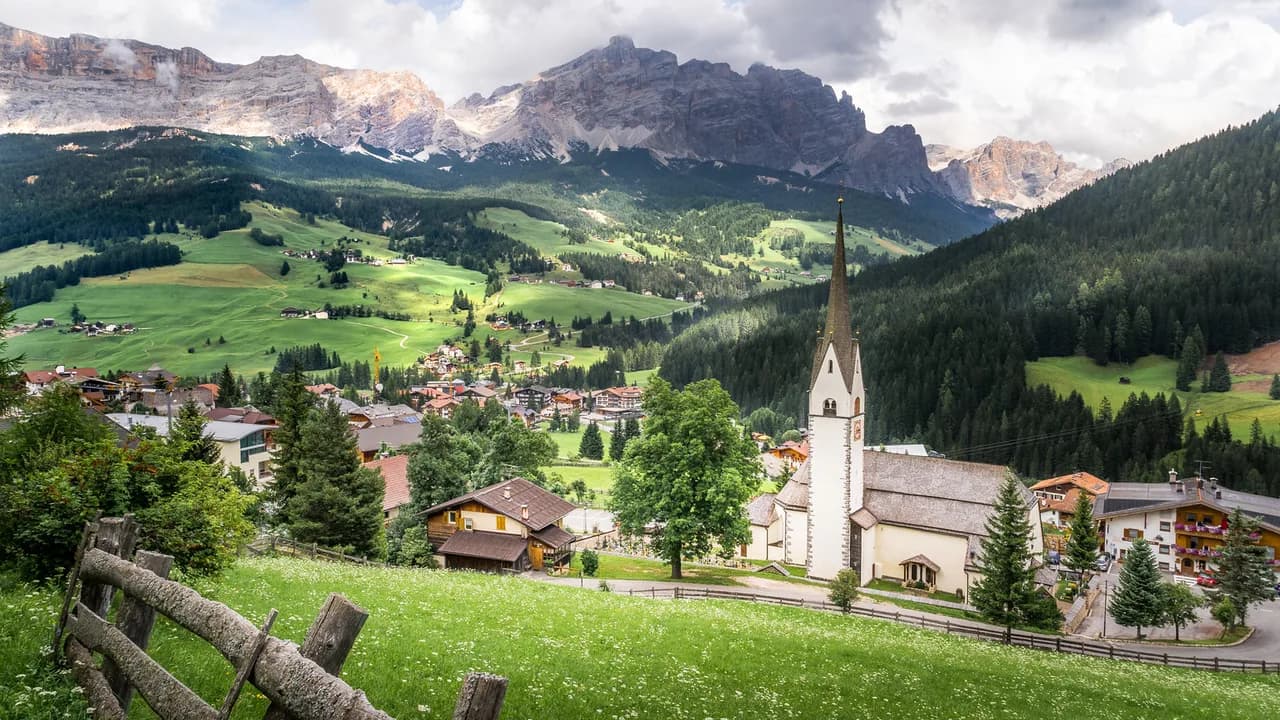
Alta Badia sits in the South Tyrolean Dolomites, centred on five villages: Corvara, Colfosco, La Villa, San Cassiano and Badia. The official Alta Badia page describes a ski pass covering 130 piste kilometres and 54 interconnected lifts, stretching from those villages to the Campolongo, Falzarego and Gardena passes. That layout matters for season planning: the lower village runs and the high pass runs do not all come online or close on the same day, so early- and late-season trips often mean a smaller usable area than the headline figure suggests.
The same page names the key sectors you will be targeting: the Sella Group, Piz Boé, Sassongher, Sas dla Crusc and the Gran Risa race slope. In practice, the Sella Group and the passes are the high, snow-sure ground; the village return runs and lower pistes are where you notice a thin base first. If you are choosing between weeks, prioritise the high sectors early and late in the season and use the Alta Badia ski map to see how the sectors connect before you commit.
Opening and closing dates: how much to trust them
Published season dates are the lift company's plan, not a contract. Dolomiti Superski's live page shows the Alta Badia window and a slope count that moves through the winter, which is the clearest signal of what is actually running. If you are booking a December trip, the published opening date tells you when the resort intends to start, not which lifts will spin that week; check the live page close to departure rather than relying on the date alone.
Closing dates are similarly conditional. A warm spring can end lower-altitude skiing before the published date, while a cold late season can keep high runs open to the wire. The practical approach is to book April trips for the high sectors and treat village-level runs as a bonus, and to avoid non-refundable accommodation for the first week of December unless you are comfortable skiing a partial area.
Snow record through the season
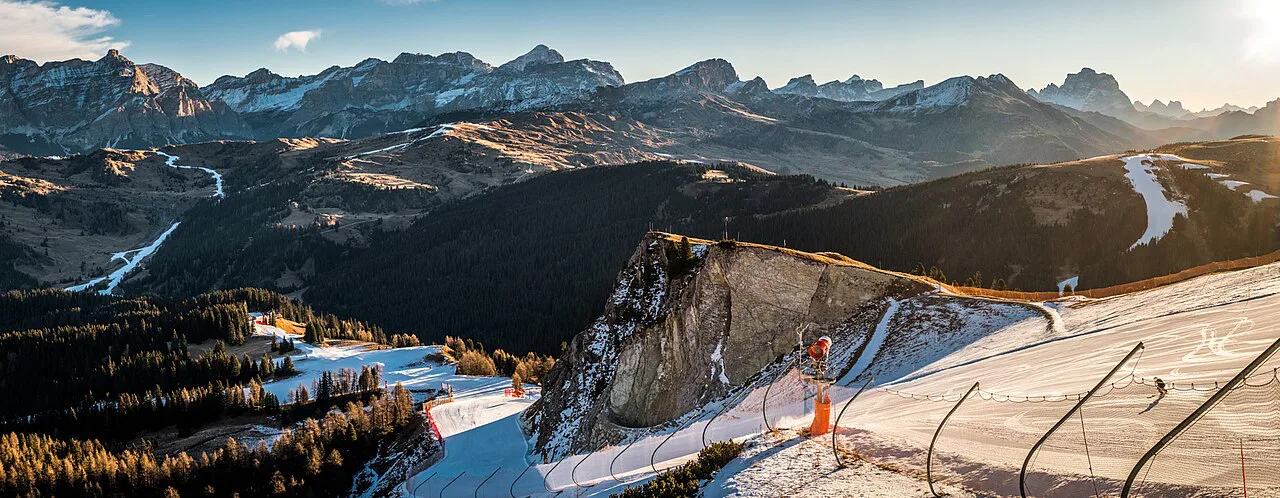
December in Alta Badia is a snowmaking season first and a natural-snow season second. The official page notes state-of-the-art snowmaking systems that ensure conditions even when snowfall is scarce, which is why the resort can open on schedule in a dry start. The trade-off is that early-season skiing concentrates on the made-snow corridors, and off-piste or lower natural runs may not be ready; book December for piste mileage, not powder.
February is the most reliable month for base depth and full-area access, with the Sella Group, the passes and the village runs all typically in play. January sits just behind it, colder and quieter but with shorter days. April is the reverse trade: sun, terraces and soft snow lower down, but the slush line rises through the day, so you ski high in the morning and finish early. None of this is a forecast for a given week; the live slope count is the check.
Month-by-month: crowds and price trade-offs
Christmas, New Year and the February half-term weeks are the peak: full villages, busy lift queues at the main access gondolas, and the highest accommodation rates. If you want those dates, book accommodation and ski school early, and expect to pay a premium for both. The weeks immediately after New Year and the first week of February are the quietest of the core season, with better availability and shorter queues.
March is the sweet spot for many skiers: longer days, a deep base and fewer families than February, though the Sella Ronda and Dolomiti Superski circuit draws day visitors. Easter falls late in some years and can land after the published closing date, so check the calendar before building a trip around it. Off-peak weeks also mean more choice of instructors and rental gear, which matters if you are travelling with beginners.
The Sellaronda and Dolomiti Superski: what opens up when
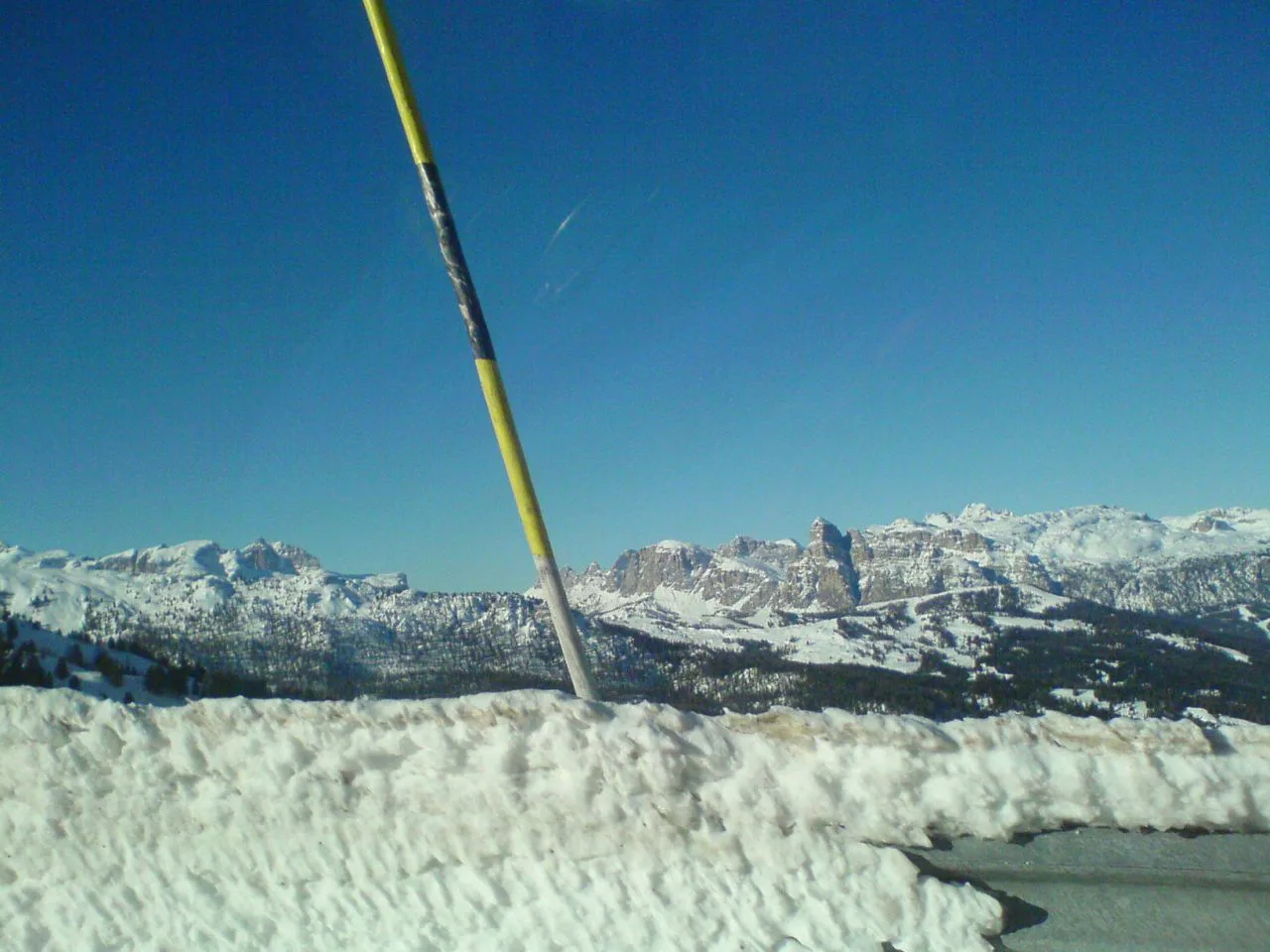
Alta Badia is part of Dolomiti Superski, the largest ski carousel in the Dolomites, and the Sellaronda circuit runs through the resort via the Campolongo and Gardena passes. The circuit is only as good as its weakest link: if one pass or connecting lift on the loop is closed, the full tour is off even when Alta Badia itself is skiing well. That is the key late-season and early-season check: look at the neighbouring resorts' open status, not just Alta Badia's.
The official Alta Badia page notes that the Ikon Pass includes up to seven days' access across more than 40 international destinations including Dolomiti Superski, which is worth checking if you already hold one. For most skiers, the decision is simpler: a local Alta Badia pass covers the 130 piste kilometres and 54 lifts, while a Dolomiti Superski pass adds the wider carousel. If your dates are shoulder-season, the local pass often matches what is actually open.
Spring skiing and the closing-week call
April skiing in Alta Badia is about altitude discipline: start high on the Sella Group and Sas dla Crusc sectors, ski the north-facing runs before the sun softens them, and save the village return legs for the end of the day. The reward is quiet slopes, long lunches on sunny terraces and softer snow. The cost is that lower runs turn slushy by early afternoon and some may close before the published season end.
The closing-week decision comes down to what you want from the trip. If you want full-area access and the Sellaronda, aim for March rather than the final week. If you want sun, short queues and a relaxed pace, the last week can be excellent, but check the live page for which lifts are still running and accept that the ski area may be smaller than the map suggests.
Which village to base yourself in for your dates
Corvara and Colfosco sit closest to the Sella Group and the Campolongo pass, which makes them the best bases for early- and late-season trips where you want to reach the high, snow-sure ground quickly. La Villa and San Cassiano are better placed for the Piz La Ila and Piz Sorega access and the Sas dla Crusc sector, with La Villa also handy for the Gran Risa. Badia is the quieter, lower-key option, with the Santa Croce gondola and a short transfer to the rest of the area.
For a December trip, pick a village where the main access lift is likely to open first and where you can walk to a ski school meeting point; for April, prioritise proximity to the high sectors over village charm. La Val is a small hamlet within the Alta Badia area, better for a quiet stay than for quick slope access. The Alta Badia skiing overview is a good place to compare how the villages connect before you book.
Ski schools, hire and what to book early
Peak weeks are when ski school groups and rental fleets fill first, so book lessons and gear as soon as your dates are fixed for Christmas, New Year and February half-term. The official Alta Badia site has a ski schools and lessons section that lists the local schools; use it to compare group sizes and meeting points rather than arriving and hoping for a space. For beginners, a village with a nursery slope near the meeting point saves a lot of walking in boots.
Rental shops cluster near the main gondolas in each village, which is convenient but also the first to run out of popular sizes in peak weeks. Booking online ahead of arrival usually gets you a better fit and avoids queueing on the first morning. If you are snowboarding, check which shops stock boards and boots; not every ski hire desk carries snowboard gear, so ask before you arrive. The Alta Badia snowboarding guide covers the park and lift side of that planning.
Lift pass products and where to buy
Alta Badia sells one-day and multi-day passes, with ski pass offices in Corvara, Colfosco, La Villa, San Cassiano and Badia open daily from December, according to the official page. Buying online at least two days before use earns a 5% discount and a QR code for collecting a My Dolomiti Card at the pick-up boxes; if you already hold the rechargeable card, you can load the pass from home and go straight to the lifts. Prices are not listed in a fixed table on the page, so use the official price calculator for your dates rather than relying on last season's figures.
The My Dolomiti Card is personal and rechargeable, and the same page notes it stores your tracks and skiing performance as well as your pass. That makes it worth keeping across seasons if you return. For a first trip, the simplest route is to buy online before arrival, collect the card at the office or pick-up box, and avoid the morning cash-desk queue.
Getting there and around in winter
Alta Badia's villages sit in South Tyrol, with Badia and the other villages carrying BZ addresses on the official site. The area is served by road passes at Campolongo, Gardena and Falzarego, which are also the ski connections, so winter driving means checking pass conditions before setting out. Buses link the villages and the surrounding valleys, and using them avoids finding parking at the main gondolas in peak weeks.
If you are driving, book accommodation with parking and plan to arrive before the Saturday changeover rush. If you are flying, the nearest practical gateways are in the wider Dolomites region; check transfer options with your accommodation rather than assuming a shuttle runs from every airport. Once in resort, the ski buses and the lift network do most of the work, so a car is optional for a village-based trip.
What can change close to your trip
The two things most likely to move are the open slope count and the lift schedule, both driven by snow and wind. Dolomiti Superski's live page is the fastest check for which resorts and slopes are running, and it shows the published season windows for comparison. Wind can close upper lifts even on a bluebird day, so build flexibility into your plan rather than treating any single day as fixed.
Prices and pass products can also change between seasons, so confirm the current rates on the official Alta Badia calculator before you commit to a multi-day product. If you are comparing resorts, the Cortina ski season and Cervinia ski season guides follow the same published-plan logic. Book the accommodation you can live with if the snow is thin, and the trip stays manageable.
Plan Your Alta Badia Ski Trip
Alta Badia's season is long enough to suit very different trips: December for snowmaking-reliable piste skiing, February for the deepest base and full-area access, March for the best balance of snow and quiet, and April for sun and high-altitude laps. Match your village to your dates, book ski school and hire early for peak weeks, and buy your pass online ahead of arrival to use the discount and skip the queue.
Frequently Asked Questions
When does the Alta Badia ski season start?
The published plan starts in early December, with Dolomiti Superski listing 4 December for the coming seasons. Opening depends on snow and lift company decisions, so check the live open-slopes page close to your trip rather than treating the date as fixed.
When does Alta Badia close for the ski season?
The published closing date is early April, with Dolomiti Superski showing 7 April for 2025/26 and 4 April for 2026/27. Warm weather can end lower runs earlier, while high sectors may hold on, so confirm which lifts are still running before booking a late trip.
Is Alta Badia in the Dolomites?
Yes. Alta Badia is in the South Tyrolean Dolomites, centred on Corvara, Colfosco, La Villa, San Cassiano and Badia, and it forms part of the Dolomiti Superski carousel.
Which month is best for skiing in Alta Badia?
February and March give the most reliable snow and full-area access. December is good for piste skiing on made snow, and April suits skiers who want sun and high-altitude runs over full-area mileage.
Can you ski the Sellaronda from Alta Badia?
Yes. The circuit runs through the resort via the Campolongo and Gardena passes, but it depends on every connecting lift and pass being open, so check the wider Dolomiti Superski status as well as Alta Badia's own.
What is the quietest week to ski Alta Badia?
The weeks after New Year and the first week of February are usually the quietest of the core season, with better availability and shorter queues than Christmas or half-term.
Sources
Useful notes for your next ski trip
Optional updates to our Alpine resort guides.
You might also like
Continue reading
More guides you'll find useful

.jpeg)