Engelberg Skiing Guide: Which Pistes and Passes to Choose
Engelberg skiing explained: how the Titlis and Brunni sectors differ, what the lift pass covers, where beginners start and how to plan days on the slopes.
On this page
Engelberg rewards a particular kind of ski trip. The central Swiss resort spreads its terrain across both sides of a valley, with the high, north-facing Titlis side carrying the glacier and the longer vertical drops, and the smaller Brunni side offering a calmer, sunnier alternative reached by its own cable car. That split matters more here than in a resort where everything links into one circuit.
The decision for most visitors is where to spend their days, not simply whether to visit. Independent guides tend to describe the resort as steep, snow-reliable and expert-leaning, while Engelberg Titlis frames the beginner zones favourably. Both views are useful, and holding them side by side helps you judge whether Engelberg matches your ability and appetite.
This guide covers the layout, the Titlis sectors, Brunni, the piste-length discrepancy, lift pass boundaries, beginner provision, cross-country skiing, the season window and the order in which to book. It stays with documented resort facts and flags clearly where a decision is editorial judgement rather than an operator promise.
Why Engelberg Suits Some Ski Trips Better Than Others
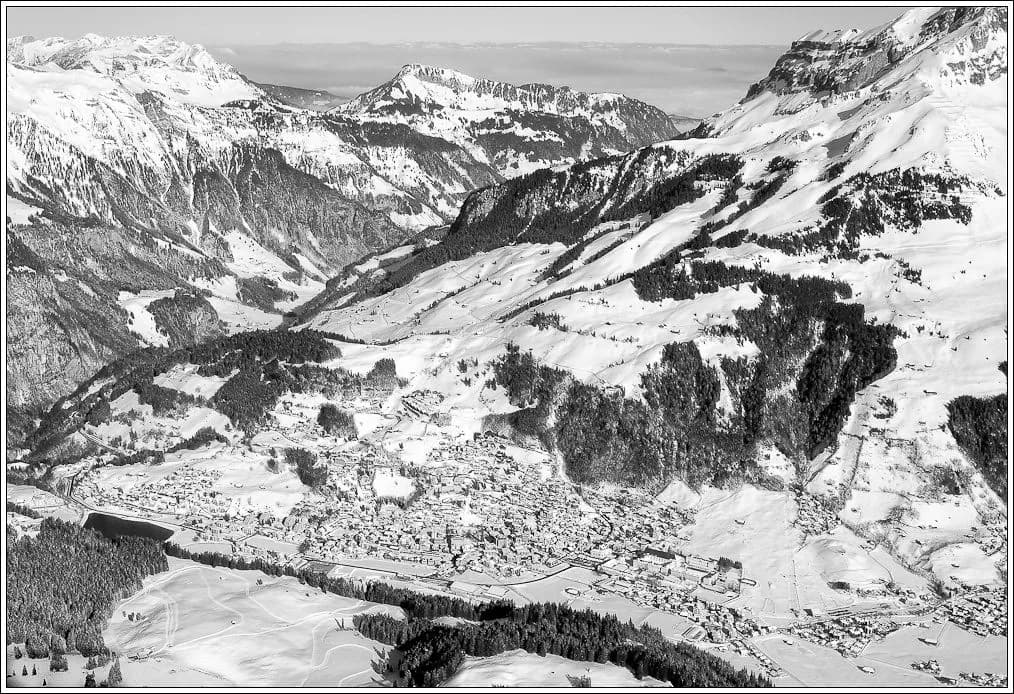
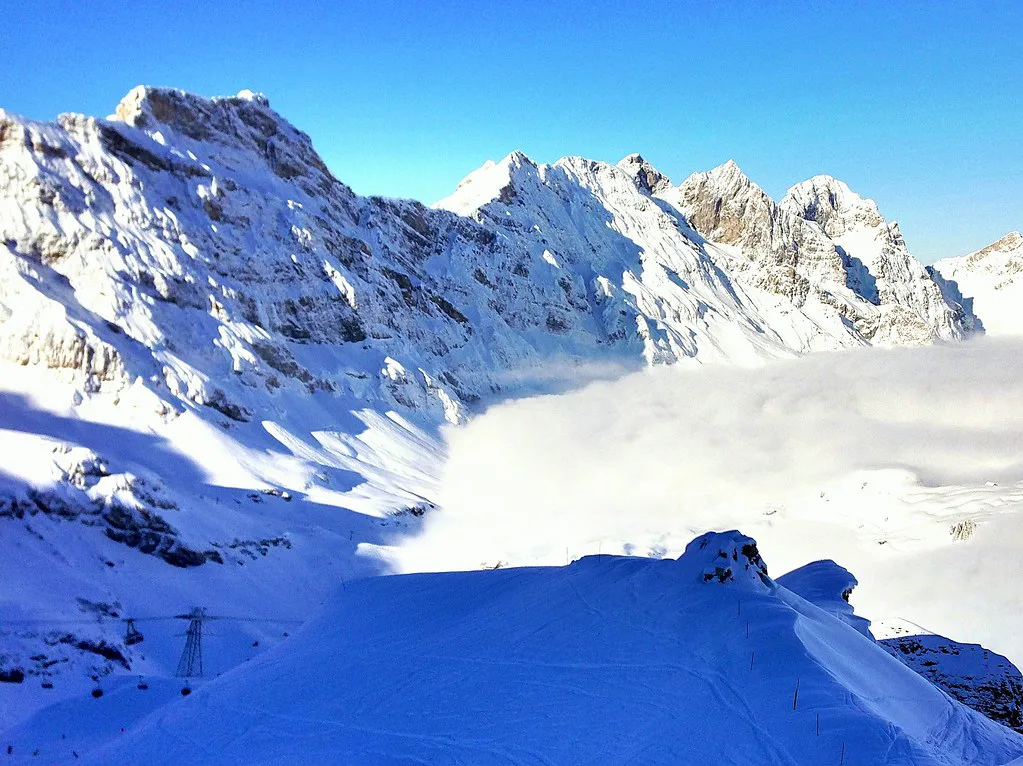
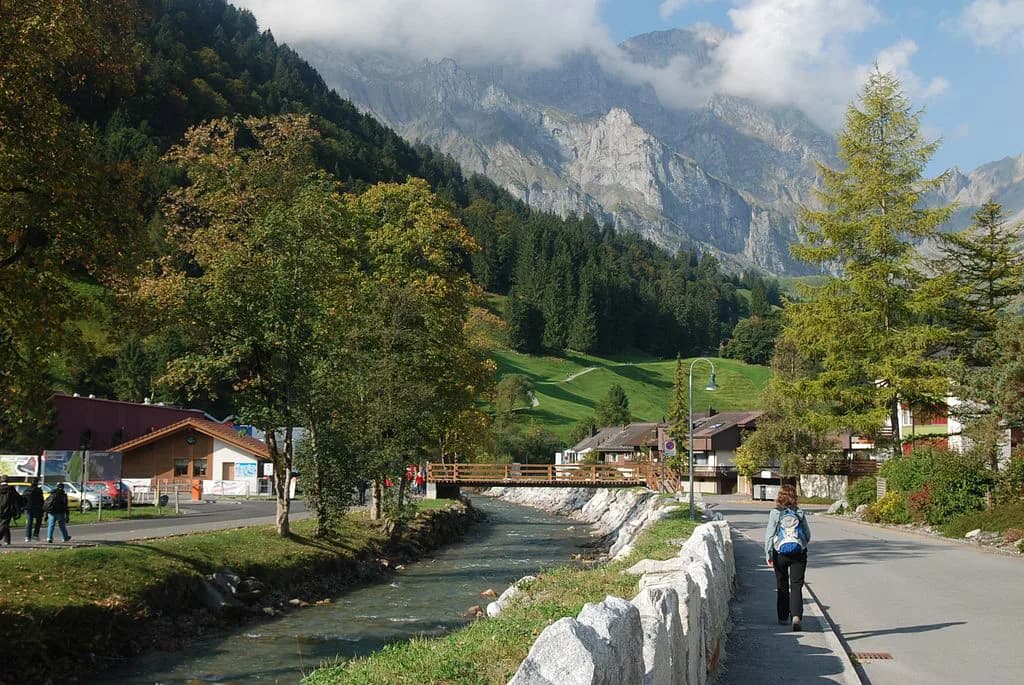
Engelberg is best understood as two mountains flanking one valley rather than a single linked domain. On the Titlis side you find high, largely treeless upper slopes, a small glacier reaching above 3000 metres and long descents back to the village. On the Brunni side the terrain is lower, sunnier and mostly tree-lined, with its own access cable car from near town.
That shape makes the resort a strong choice for confident skiers who value vertical, snow reliability and a compact town, and a weaker choice for anyone whose priority is gentle cruising across a wide, interconnected area. Independent assessments rate the snow record highly while noting that easy cruising is limited and that beginner progression beyond the nursery zones is constrained.
The practical question is which side of the valley your group will actually use. If everyone skis reds comfortably, the Titlis side justifies the trip on its own. If the group includes first-timers or cautious skiers, plan around Brunni and the valley nursery areas, and treat the higher mountain as an excursion rather than the base.
As a rough editorial judgement rather than a resort fact, Engelberg also rewards visitors who avoid weekends. Local sources describe a lively weekend atmosphere and the resort sits close to Zurich, so midweek days tend to be calmer on the slopes.
The Resort Layout at a Glance
The village sits at roughly 1050 metres in a valley south of Lake Lucerne, with skiing on both sides. The Titlis side rises to approximately 3020 metres, and at least one source cites a ceiling of about 3030 metres, so treat the top figure as approximately 3020 metres. A small glacier sits at the upper end of that terrain.
Lifts leave from just outside the village on both sides. The Titlis side is the larger and the one carrying the bulk of the challenging terrain, while Brunni is served by a cable car and offers mostly shorter, gentler runs. Because the two sides are not linked by lift, moving between them means returning to the valley floor.
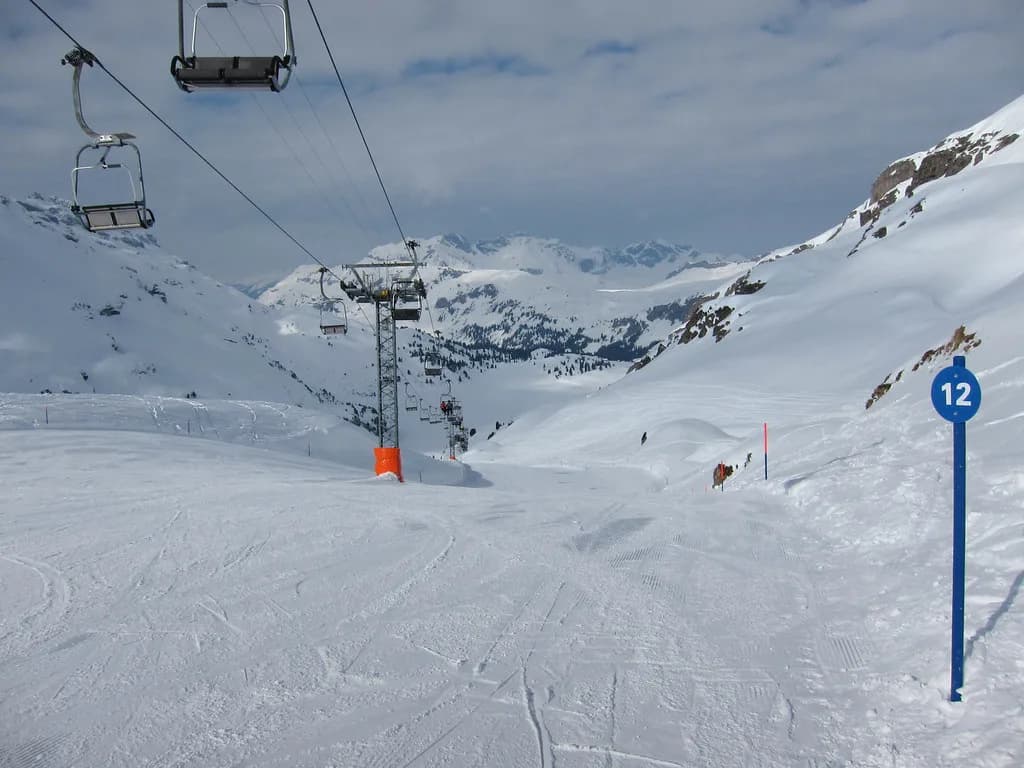
The resort publishes an overall figure of 19 lifts and 82 kilometres of piste, with a terrain mix of roughly 29 kilometres of blue, 37 kilometres of red and 16 kilometres of black. Those numbers describe the whole resort rather than any single sector, so read them as a summary of everything on both sides of the valley.
The village altitude is moderate, but the upper mountain holds snow well because the high terrain faces north and sits near the northern edge of the Alps. Lower valley snow can be patchier, which is why the higher sectors usually carry the better conditions through the season.
Sector 1: Trübsee, Stand and Titlis
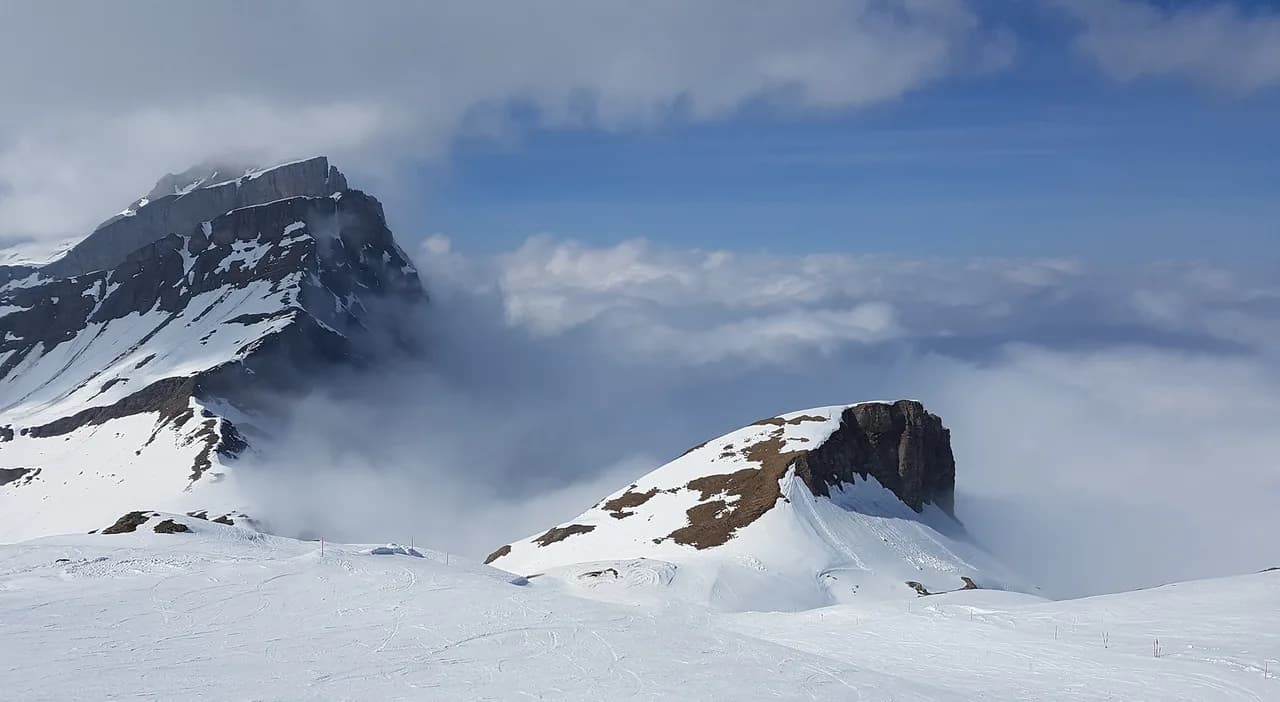
This is the core of the Titlis side and the part most visitors picture first. It contains the glacier, much of the steepest terrain and a vertical drop approaching 2000 metres from the top down to the village. The upper half is high, north-facing and generally the most reliable part of the resort for snow.
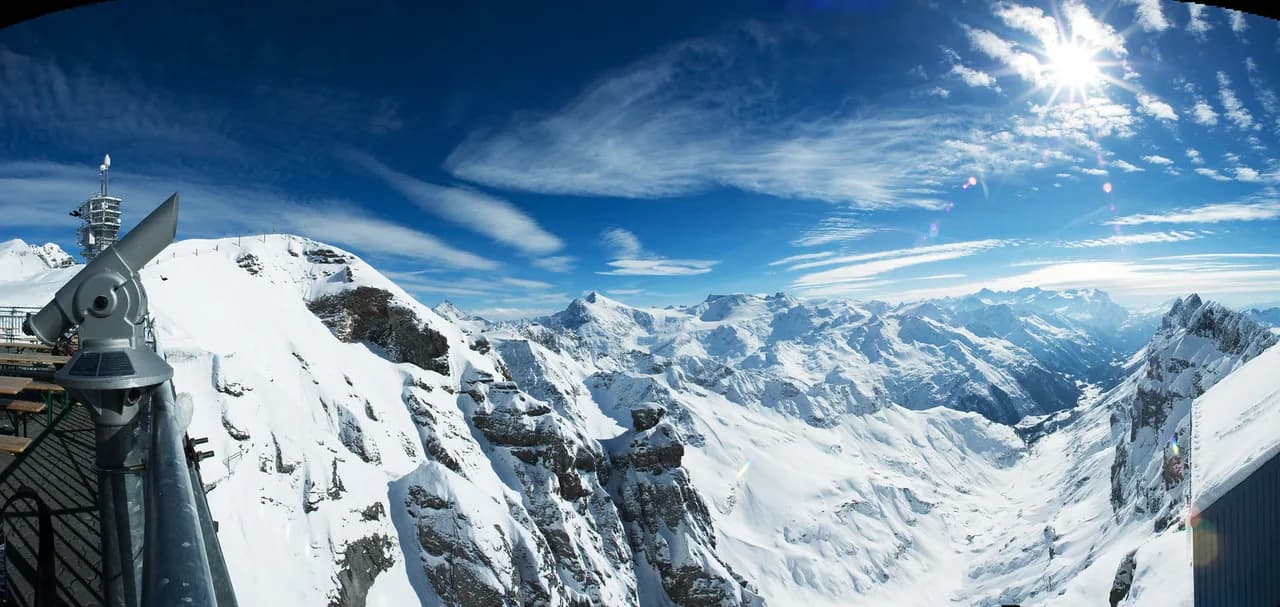
The revolving cable car, the Titlis Rotair, carries passengers from the Stand intermediate station to the summit station at 3020 metres in about five minutes. Engelberg Titlis states that unlimited use of the Titlis Rotair, the glacier cave and the cliff walk is included in the ski ticket, which makes the sightseeing infrastructure part of the lift product rather than a separate add-on.
In practice, a ski day here usually means riding high early, working the upper mountain while it is fresh, then committing to the long descent to the valley once. Because the valley run is a genuine descent rather than a quick return, check the last lift times before starting down, and be prepared to finish the day at village level rather than climbing back up.
The ski area's documented terrain split shows a substantial share of red and blue runs, yet independent guides consistently describe this sector as steep and better suited to adventurous intermediates than to relaxed cruisers. Both descriptions can be true at once, and the sensible reading is that the mileage exists but the character leans harder than the percentages suggest.
Sector 2: Jochpass
Jochpass is the second sector on the Titlis side and the one visitors most often overlook. It is smaller than the Trübsee-Stand-Titlis block, and trade sources note it tends to be less crowded, with a mix of blue and red runs, some of them long enough to carry you down towards the valley station.
The difference in character is the point. Where the upper Titlis terrain is exposed and high, Jochpass offers a calmer alternative with its own appeal for both on-piste and off-piste skiers. If the main mountain is busy or the weather is marginal, this is the sector to test before writing off the day.
Spending a full morning here is a reasonable plan for skiers who want repetition on moderate gradients without queuing on the headline lifts. It also pairs naturally with an afternoon higher up, because both sectors sit on the same side of the valley and are reached from the same base area.
Sector 3: Brunni, the Other Side of the Valley
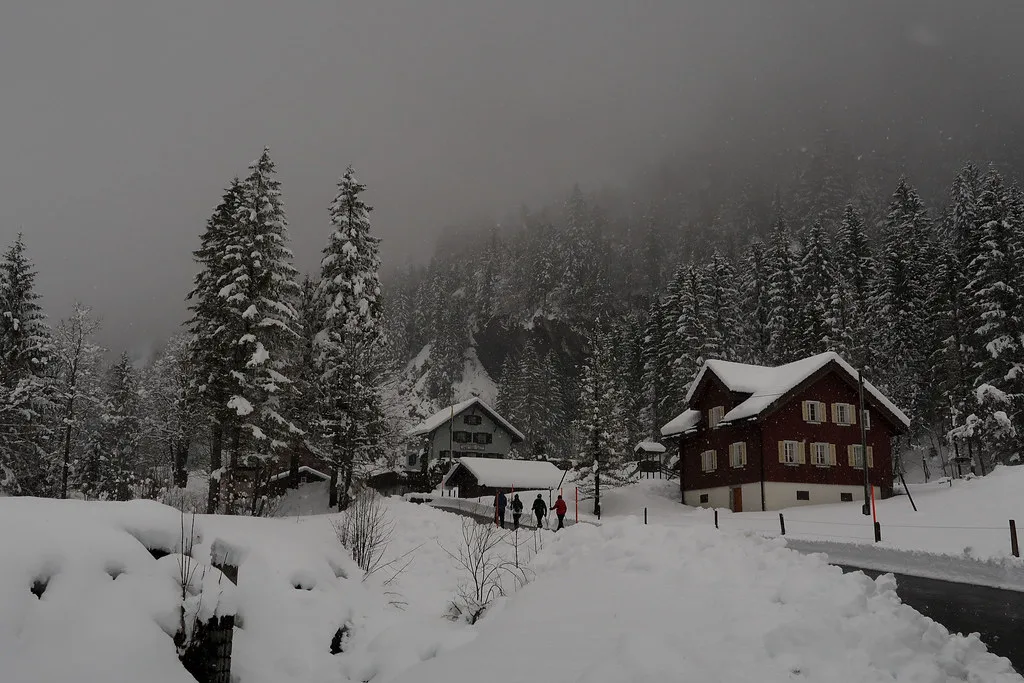
Brunni is reached by its own cable car from just outside town and sits on the sunnier side of the valley. The terrain is mostly short and tree-lined, pitched at intermediates and beginners, and Engelberg Titlis highlights it as the relaxed side of the resort with the Klostermatte beginner area at its base.
The trade-off is scale and connection. Brunni is smaller and separate from the Titlis lifts, so you cannot ski across from one side to the other and must return to the valley to switch. In exchange you get lower crowds and a more sheltered feel, which is valuable when the upper mountain is wind-affected or cloud-covered.
Wooded runs also make Brunni the more sensible choice in poor visibility, because the Titlis side is largely treeless except at the very bottom. If you are travelling with a mixed-ability group, this side is often where the less confident members will spend most of their time while the stronger skiers head for the high terrain.
One thing to sort out before committing days here is how the pass is structured, because a whole-area ticket and a single-mountain ticket are different products. Engelberg Titlis publishes separate information for its Titlis and Brunni lift operations, and the pass boundaries are worth checking on the official Engelberg Titlis pages before you buy.
How the Ski Area Numbers Compare and Conflict
Engelberg's headline size is quoted differently depending on who you ask. Engelberg Titlis and destination sources give 82 kilometres of piste, while the snow-wise guide describes 82 kilometres of slopes on the Titlis side alone, so the two figures are describing slightly different things rather than contradicting each other outright. Neither figure is a precise, survey-grade measurement of skiable ground.
Part of the explanation is definitional. Resorts count pistes in different ways, and a total that includes itinerary routes, connections or repeated sectors will read larger than one that counts only marked, groomed runs. When two credible sources disagree this much, the honest approach is to present both and plan around the terrain rather than the number.
The more useful comparison is the shape of the area rather than its length. Engelberg's 82 kilometres sit on two separate mountains with a village between them, whereas a French domain of similar length may be fully lift-linked and skiable in a continuous loop. That structural difference changes how much ground you can realistically cover in a day.
There is also a mismatch between the published terrain split and the resort's reputation. The percentages suggest a broad intermediate base, but independent guides repeatedly describe the skiing as steep-red and expert-leaning. Use the split to see whether mileage exists at your level, and the reputation to anticipate the character of that mileage.
Lift Passes and Mountain Boundaries
The central pass decision in Engelberg is whether you want a whole-area product or a ticket limited to one mountain. The resort sells tickets through its own webshops for Titlis and for Brunni, and references further pass options beyond those. That structure suggests day tickets for individual mountains sit alongside broader passes, so confirm exactly what each product covers before buying.
Dynamic pricing is the mechanism worth understanding. Engelberg Titlis advises finding out about ticket prices for your ski area and booking online in advance to avoid waiting times, which is the pattern used by many resorts where the price varies with demand and lead time. It means the figure you see on one day is not the figure you will pay on another.
Before buying, settle three questions. Does your pass cover both sides of the valley or only one, does it include the Titlis Rotair and summit attractions, and does it work for the number of days you are actually skiing rather than the number of nights you are staying. Buy only once you know which sectors you will use.
Ignore any historic price you find in older guides or cached pages. Lift pass pricing for the coming winter should not be taken from secondary sources; the Engelberg Titlis ticketing pages list current products, inclusions and terms.
Beginner Provision in Detail
Beginner terrain in Engelberg is split across several small zones rather than concentrated in one large learning area. Engelberg Titlis names the easy runs at Klostermatte, Gerschnialp and Ristis, and trade sources add dedicated beginner areas at Gerschnialp along with smaller zones at Trübsee and Untertrübsee. Klostermatte sits on the Brunni side, which is where many first-timers will spend their early days.
Engelberg Titlis describes the beginner setup positively, highlighting easy runs, ski kindergartens and a range of ski schools. That framing is worth reading alongside independent assessments, which rate beginner provision moderately and note that the number of easy slopes to progress onto is relatively limited once you leave the nursery zones.
For a complete beginner, the practical implication is that week one may feel comfortable while week two could feel constrained. If you are booking for a family or a group of novices, decide in advance whether the nursery zones are enough for the trip length, and consider whether a resort with more intermediate progression would serve a returning beginner better. The dedicated guide to Engelberg skiing for beginners sets out the nursery zones in more depth.
If you are organising lessons, the resort's own pages point to its ski and snowboard schools as the route to booking, but specific meeting points, group sizes and lesson formats are not something to assume from a school's name. Check the details directly with the school you choose, and see the dedicated guide to Engelberg ski lessons for what is documented on provision and booking.
Intermediates and Advanced Skiers
Engelberg's reputation among independent guides is built on its steeper terrain and its snow record rather than on easy cruising. The upper part of the mountain holds the tougher runs, with gentler blue terrain lower down and across the valley at Brunni. For strong intermediates and advanced skiers, the appeal is the combination of long descents and reliable upper-mountain snow.
The resort is also known at a general level for steep and ungroomed terrain, and trade sources describe it as a destination with strong freeriding appeal and long runs. This guide does not cover route selection, conditions assessment or technique, which belong with qualified local guidance and current avalanche information rather than a planning article.
For self-assessment, the honest reading is that Engelberg will feel generous to a confident red-run skier and demanding to someone who prefers wide, groomed blues. The terrain mix suggests plenty of intermediate mileage, but the character of that mileage is on the steeper side, so calibrate your expectations against the steeper end rather than the average.
If your group includes snowboarders, the mix of long descents, tree-lined lower runs and a separate quieter side is relevant to how you plan a day. The dedicated guide to Engelberg snowboarding covers the operational questions that boarding raises without repeating the terrain overview here.
Cross-Country Skiing and the Wider Valley
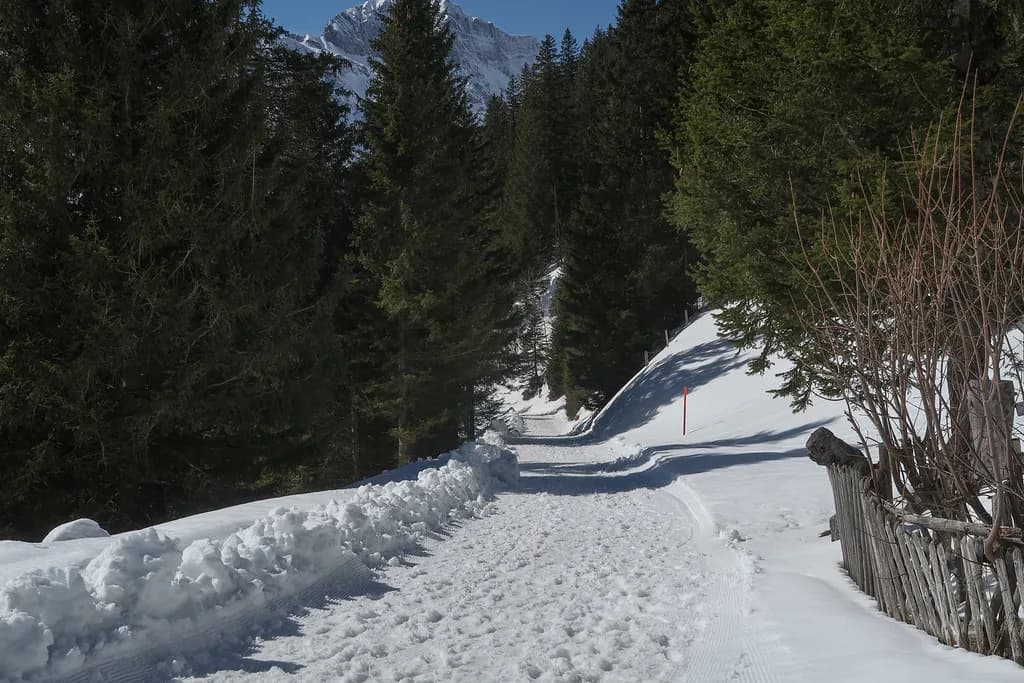
Engelberg has a marked cross-country network in the valley alongside its alpine terrain. Sources give figures of roughly 34 to 35 kilometres of trails, with the longer routes running through the valley and shorter loops available at Gerschnialp and Trübsee when snow in the valley is thin.
That structure matters in a season with patchy low-level snow. Because the higher loops sit at altitude, the cross-country offering can survive when the valley floor is bare, though trail grooming and opening depend on conditions that change week to week. Always check current trail status locally rather than assuming a route is prepared.
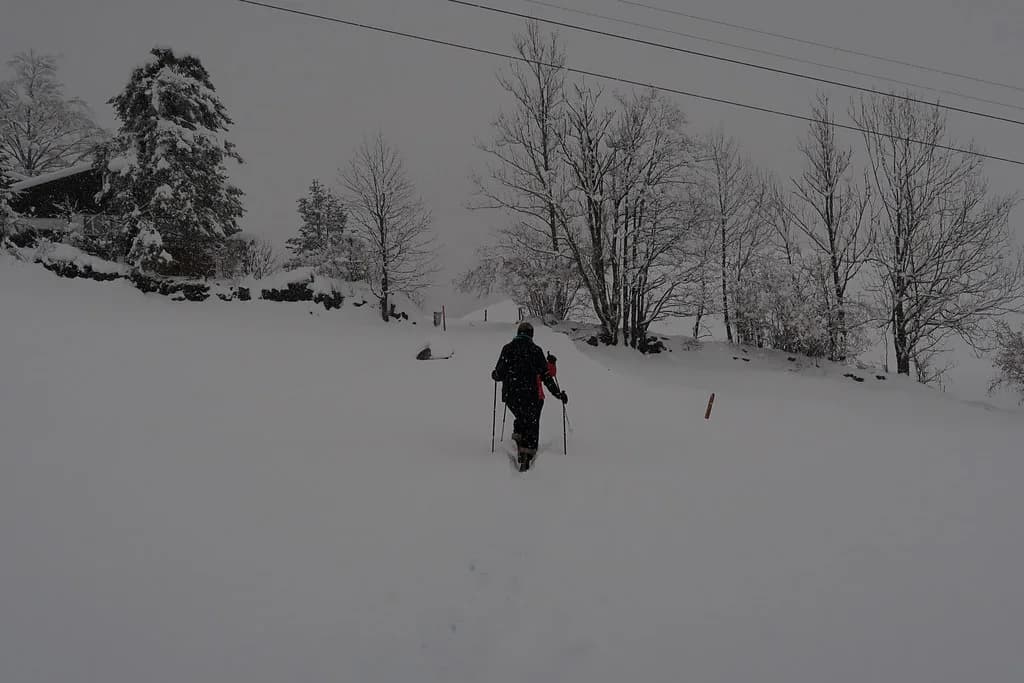
The resort also lists other winter activities, including winter walking, sledging and snowshoe routes, and the smaller Bannalp area operates its own cable car with two family-oriented ski lifts. Those options are useful for mixed groups where not everyone skis every day, and they sit outside the main Titlis and Brunni lift systems.
Season Window and What October to May Actually Describes
Engelberg's high terrain and small glacier support a long operating window, and sources describe skiing typically running from around October into May. That is a description of the normal pattern at the top of the mountain, not a confirmed calendar for any coming winter.
The operator's own marketing goes further, referring to a long season and a snow guarantee with a refund promise. Treat those as promotional claims rather than operational commitments, and do not plan a trip on the assumption that any specific week is covered. Confirmed open and close dates for the coming winter are the only reliable basis for booking.
Read any historic figure about snowfall or season length as a record of what has happened before, not a forecast. Snowfall varies year to year, the glacier's condition changes, and a scheduled season is conditional: individual lifts, connections and pistes may open later, close earlier or stay shut depending on weather and maintenance.
The practical approach is to check the resort's official lift status and season information close to your travel dates rather than months ahead. That applies equally to early-season trips aiming at the glacier and to late-season trips hoping for spring conditions on the upper mountain.
Lessons and Equipment Hire
Engelberg has ski and snowboard schools and rental provision, and the resort's own pages direct visitors to its ski schools and to rental centres in the village. That confirms the services exist without confirming how they operate in detail. Group sizes, lesson durations, language options and meeting points are all specifics to raise directly with the individual ski school.
Equipment hire prices and shop-level quality tiers are the kind of detail that changes often and cannot be carried reliably from older sources. Rather than budgeting from an out-of-date table, ask the shop you intend to use for current rates, what is included, and whether reserving ahead is advisable for your dates.
Book lessons and hire only after you have settled your sector priority and your pass. If your group splits between the Titlis side and Brunni, lesson locations and equipment collection points need to work for both groups, and that is much easier to arrange once the daily plan is fixed.
A Practical Planning Sequence
Start with sector priority rather than accommodation or travel. Decide whether your group will mainly use the high Titlis terrain, the quieter Jochpass sector, the sunnier Brunni side, or a genuine mix. That single decision determines which lifts matter, which pass you need and how you should split your days.
Then choose the pass that matches that plan. Compare the whole-area product with single-mountain tickets, confirm whether the Titlis summit attractions and the revolving cable car are included, and check the terms for the number of days you will actually ski. Dynamic pricing means buying late usually costs more, so book online once the plan is fixed.
Only after those two decisions should you book lessons or reserve equipment. Fixing the terrain first prevents the common problem of paying for a beginner-area lesson while the rest of the group is committed to the upper mountain, or hiring from a shop on the wrong side of the valley.
Finally, build the days around the terrain you came for. Use the upper Titlis sectors when conditions favour them, keep Jochpass and Brunni in reserve for busy or cloudy periods, and read official lift status each morning before setting out for the slopes.
Common Planning Mistakes
The most frequent error is assuming the two sides of the valley are linked. Brunni and Titlis are separate mountains with separate access, and switching between them means returning to the valley floor. Plan your days in blocks rather than expecting to drift from one to the other.
The second is treating the 82-kilometre headline as directly comparable to a fully linked French domain of similar size. Engelberg's terrain is split across two mountains, so the usable ground in a single day is shaped by lift structure and descent length, not just total kilometres.
The third is booking a beginner trip on reputation alone. The nursery zones are real and the schools exist, but independent assessments note limited progression mileage beyond them. If your group will want to move on from the beginner areas during the trip, weigh that constraint before committing.
The fourth is planning around historic snow statistics. Past snowfall and season length are records, not predictions, and the resort's own promotional language about snow reliability should not be read as a guarantee for your specific week.
The fifth is arriving without a clear picture of how the sectors connect. Engelberg's terrain reads much more sensibly once you have paired the piste plan with the layout, so use our guide to the Engelberg ski map to see how the Titlis sectors and Brunni sit relative to the village before you fix your days.
If Engelberg's balance of steep terrain and limited easy cruising does not fit, Davos is worth comparing before you commit, since it offers a different terrain profile and pass structure across a larger linked area.
Plan Your Engelberg Ski Trip
Engelberg works best when you treat it as two distinct mountains. The Titlis side delivers altitude, north-facing snow and long descents, while Brunni offers a quieter, sunnier alternative with the gentlest terrain. Deciding which of those you actually want is the first and most useful planning step.
From there, match your pass to your sectors, confirm what the ticket includes, and only then book lessons or hire. Check current lift status and season information close to departure, and read any historic snow figures as background rather than forecast.
Approached that way, Engelberg rewards the kind of skier it suits best: someone who wants real vertical and reliable upper-mountain conditions, and who is comfortable with a resort where the two sides of the valley each need their own plan.
Explore more Engelberg guides
Frequently Asked Questions
Is Engelberg good for skiing?
Engelberg has a strong snow record, high north-facing terrain and a small glacier, which suits confident skiers well. Independent guides rate it highly for advanced and expert skiers, while noting that easy cruising is limited and beginner progression beyond the nursery zones is constrained. Whether it is good for you depends mainly on your ability and whether you want long descents rather than a wide linked circuit.
Is Engelberg beginner friendly?
There are several beginner zones, including Klostermatte on the Brunni side, Gerschnialp, and smaller areas at Trübsee and Untertrübsee, with ski schools and kindergartens in the village. The resort presents this provision positively, but independent assessments note a relatively limited number of easy slopes to progress onto once you leave the nursery areas. Beginners should weigh that against how long they are staying.
What is the difference between the Titlis and Brunni ski areas in Engelberg?
Titlis is the larger side, carrying the glacier, the highest terrain and the bulk of the steeper runs, with access to the revolving cable car and the summit station. Brunni is smaller and sunnier, reached by its own cable car, with mostly short, tree-lined runs and the Klostermatte beginner area. The two sides are not linked by lift, so you return to the valley to switch between them.
How many kilometres of piste does Engelberg have?
Sources differ: the operator and destination sources give 82 kilometres, while an independent guide states 66 kilometres. The difference likely reflects how each source counts terrain, and neither figure is an exact measurement. Plan around the layout and type of runs, not the headline number alone.
When does the ski season normally start and end in Engelberg?
The high terrain and glacier normally support skiing from around October into May. That describes the typical operating pattern rather than a confirmed calendar, and no official open and close dates for the coming winter should be assumed. A scheduled season is conditional, so check the resort's official season and lift status information close to your travel dates.
Do you need a separate lift pass for Brunni?
Engelberg sells tickets through separate webshops for Titlis and for Brunni, and also references broader pass options, which indicates that single-mountain tickets and wider products both exist. What each pass covers in a given season is a detail to confirm on the official ticketing pages before you buy, rather than inferring inclusions from the mountain's name.
Is Engelberg ski area good for intermediate skiers?
The published terrain split suggests a large intermediate share, with roughly 37 kilometres of red runs in the overall figure. However, independent guides describe the terrain as steep-red and better suited to adventurous intermediates than to relaxed cruisers. The two views are not contradictory: mileage exists at intermediate level, but its character leans harder than the percentages imply.
Sources
Useful notes for your next ski trip
Optional updates to our Alpine resort guides.
You might also like
Continue reading
More guides you'll find useful