Engelberg Ski Season: Dates, Snow and What Opens
Plan your Engelberg ski season around the Titlis glacier, the Jochpass and Brunni, with sector-by-sector advice on terrain, ability and what to book.
On this page
Engelberg sits in the Obwalden valley about an hour from Zurich, with the village at roughly 1,000m and the ski terrain climbing to the Titlis glacier at 3,020m. That vertical spread is the single most useful thing to understand before booking, because the top and the bottom of the resort do not come into condition at the same time. The season is best read as layers rather than as a single start date.
The ski area is split between the Titlis side, reached from the village centre, and the smaller Brunni side on the opposite flank of the valley, with 82km of piste across 28 runs graded 20% blue, 40% red and 40% black. This guide works through each layer, from the glacier down to the valley runs, so you can pick a travel window and a sector that suits your skiing.
How the Engelberg season is structured
Think of Engelberg as four layers. The top layer is the Titlis glacier and the high runs beneath it, which carry the longest season and the most reliable snow. The second is the mid-mountain terrain around Jochpass and Jochstock, which unlocks a large block of red and black piste once snow settles. The third is the Brunni side, a lower, family-facing area with its own lift base. The fourth is the valley run back to the village, the last piece to come in and the first to go.
This layering matters because a resort can be officially open while half its advertised terrain is not. A trip in the first weeks of the season is really a glacier trip with limited options at the bottom; a trip in February is the full mountain; a trip in April is a return to the high zones with spring snow lower down. Decide which of those you are buying before you compare prices.
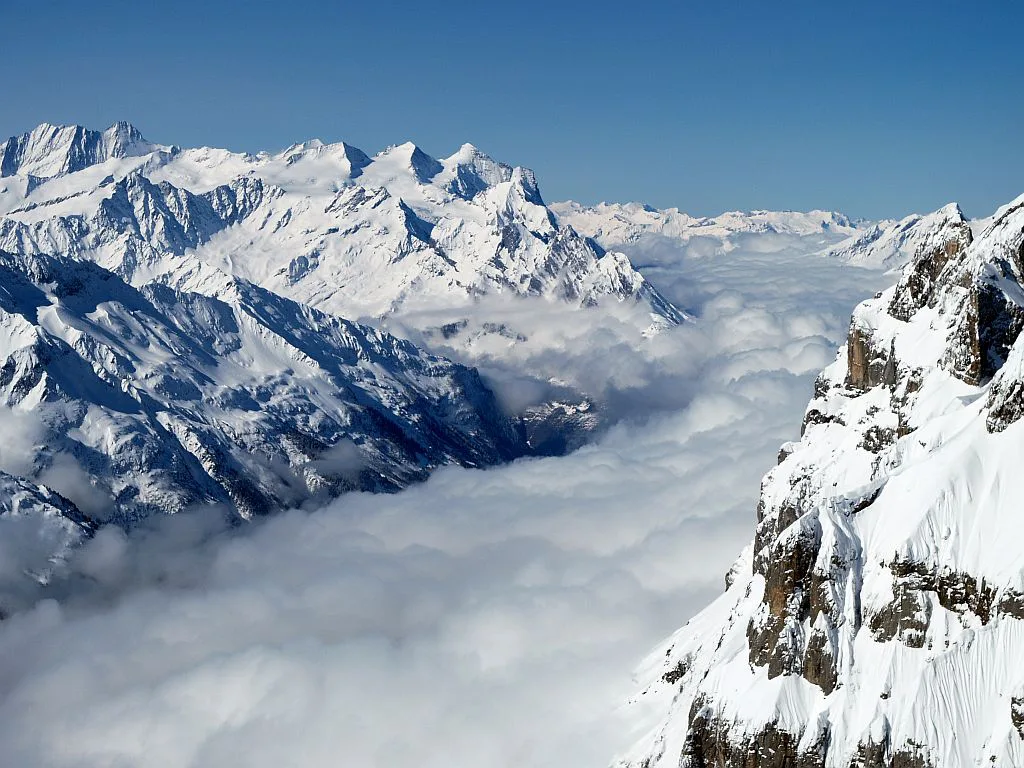
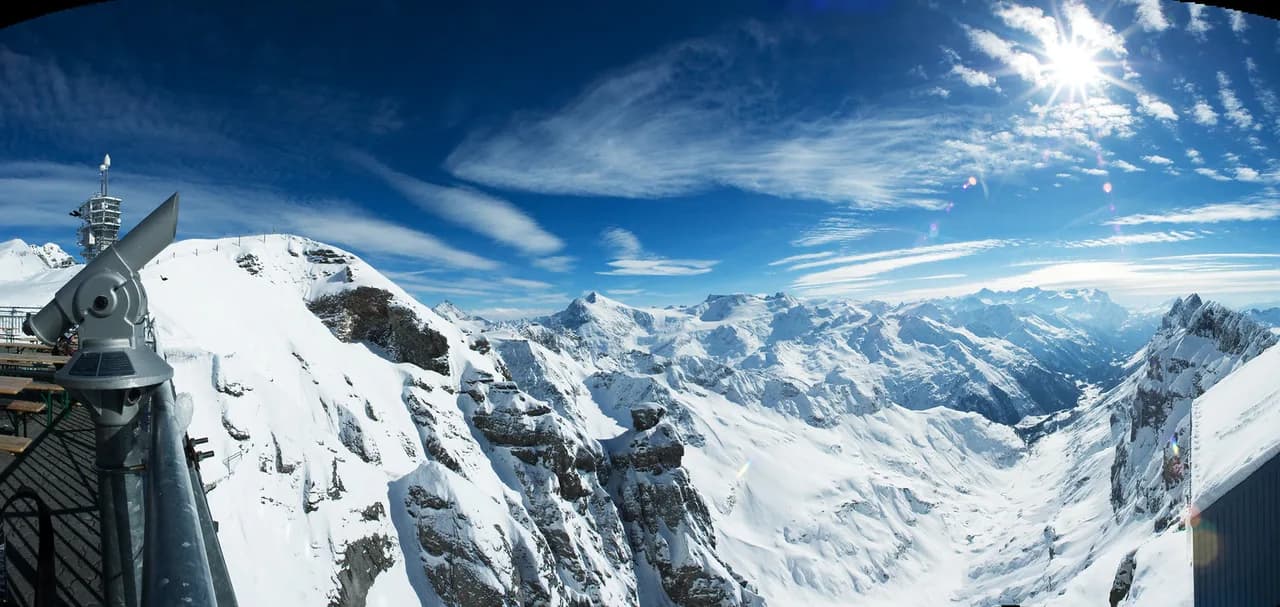
The high-altitude advantage is genuine. The Titlis glacier has supported skiing up to 3,020m, which is why Engelberg's season stretches beyond what a mid-altitude Swiss resort can offer, but glacier operations are their own thing and the cableway is shared with sightseers. Check whether the glacier runs and the Titlis Rotair are running for your dates; the top is not always open.
Where Engelberg sits and what the terrain covers
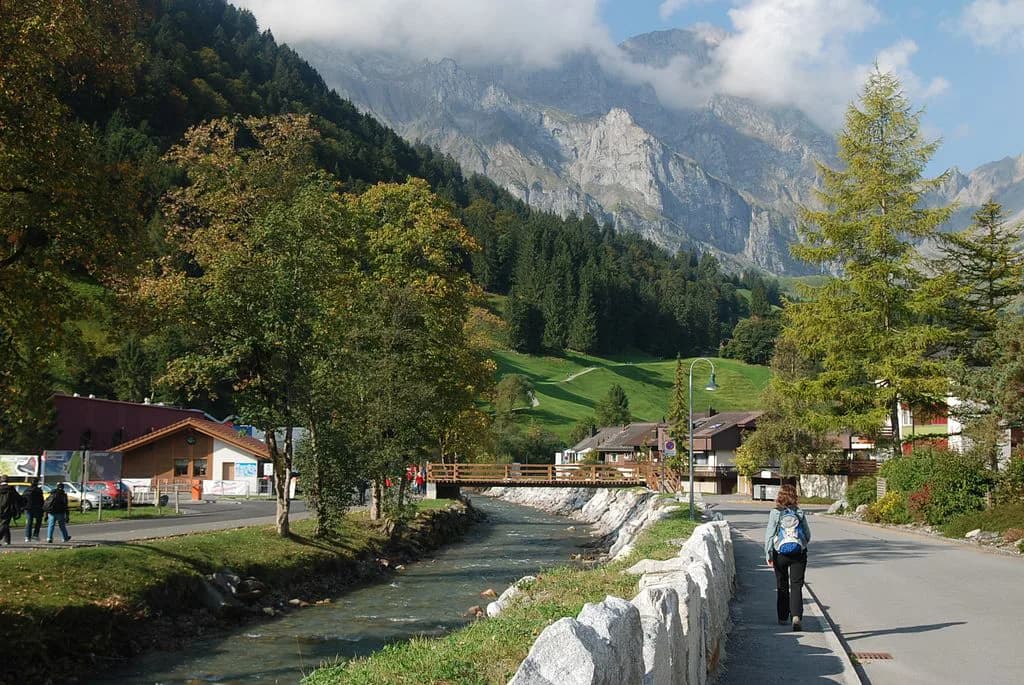
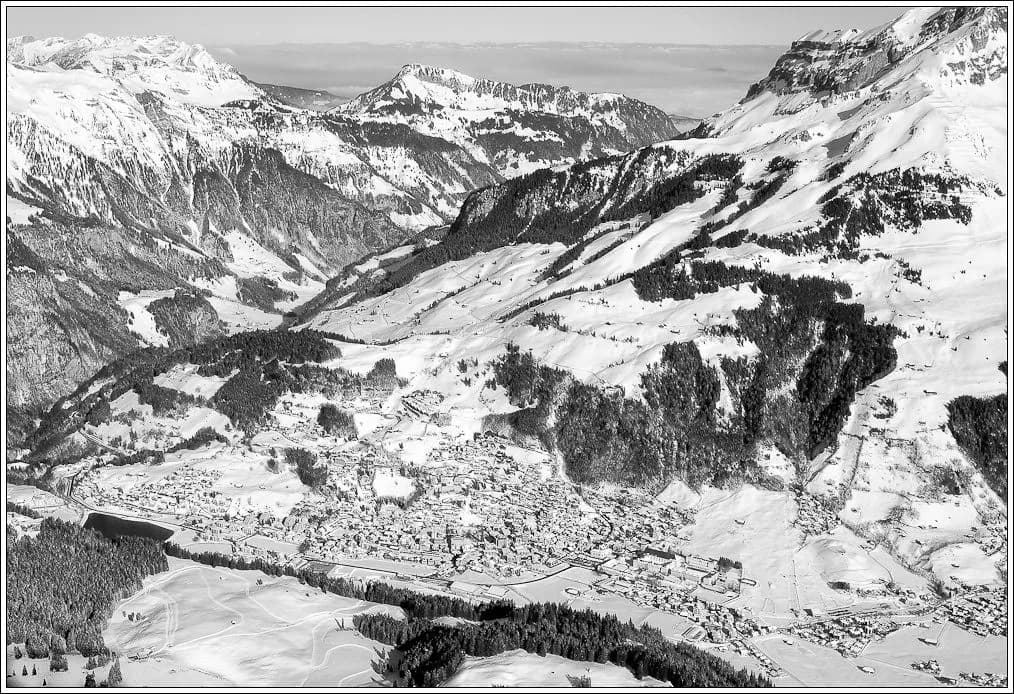
The village sits at around 1,000m, a proper Swiss town with a monastery, a rail terminus and a walkable centre rather than a purpose-built station. The lifts rise directly from town, so you can stay in the village and reach the Titlis cable car base on foot or by the local bus. The Brunni lift leaves from the other end of the valley, which is why the two sides feel like separate resorts sharing one address.
The headline statistics are useful for comparing Engelberg with other Swiss areas: 82km of piste, 28 named runs, and a grading split of 20% blue, 40% red and 40% black. That is a smaller piste count than the big interconnected French domains, but the terrain is steeper and the off-piste is the real draw. If you are choosing between Engelberg and a larger linked area, be honest about whether you want mileage or vertical.
Season shape month by month
Early season is a high-altitude game. Expect the glacier and the upper Titlis runs to be the core of what is skiable, with the mid-mountain sectors coming online as snow accumulates. The old Ski Lodge Engelberg weekly report gives a useful illustration of how this works in practice: in that past season the top of Titlis and the glacier were in good condition while the zone between roughly 1,800m and 2,428m had less snow, and Jochpass was being prepared for an opening in early December. Treat that as an example of sequencing, not a date to plan around.
Mid-winter is the full mountain. By the main January and February window the mid-mountain sectors, the long descents and the valley run are typically in play, and this is when the resort justifies its reputation. Book this period first if you want the complete Engelberg experience, and expect the busiest weekends around Swiss and German school holidays.
Late season rewards the high zones. Spring skiing here means following the sun: hard, fast snow on the upper mountain in the morning and softer snow lower down as the day warms, with the glacier holding condition longest. The village run and the Brunni side close earlier than the top, so a March or April trip is a different proposition from a February one even though both are 'in season'.
The Titlis glacier zone
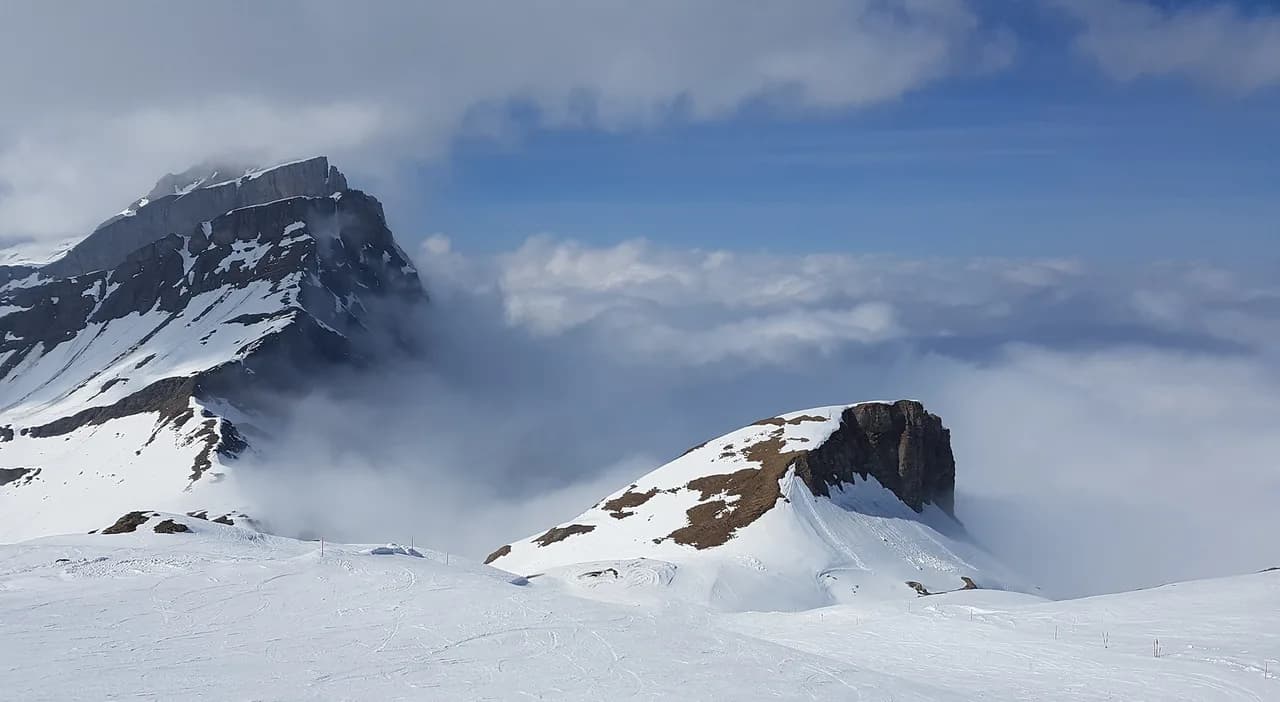
The glacier is the reason Engelberg's season runs longer than its village altitude suggests. Up at 3,020m the terrain is high, open and exposed, with the kind of snow that survives thaws that close lower runs. Confident skiers get the most from it: the pitches are sustained and the visibility can change fast, so this is not the place to discover your first turns.
Beginners should be aware of the caveat. Reaching the glacier usually means riding the rotating cable car and skiing from the top station, which is a serious mountain environment with cold, wind and limited easy terrain. The nursery slopes are in the village and at the top of the Brunni lift, so treat the glacier as a later-week excursion once you have your feet under you, not the first morning.
Jochpass, Jochstock and the mid-mountain sectors
The mid-mountain is where Engelberg's red and black mileage lives. Jochpass and Jochstock open the long traverses and the runs that link the Titlis side together, and they typically come into condition after the glacier and before the valley. In that past-season report Jochpass was on the cusp of opening in early December while the glacier was already running, which is the pattern to expect.
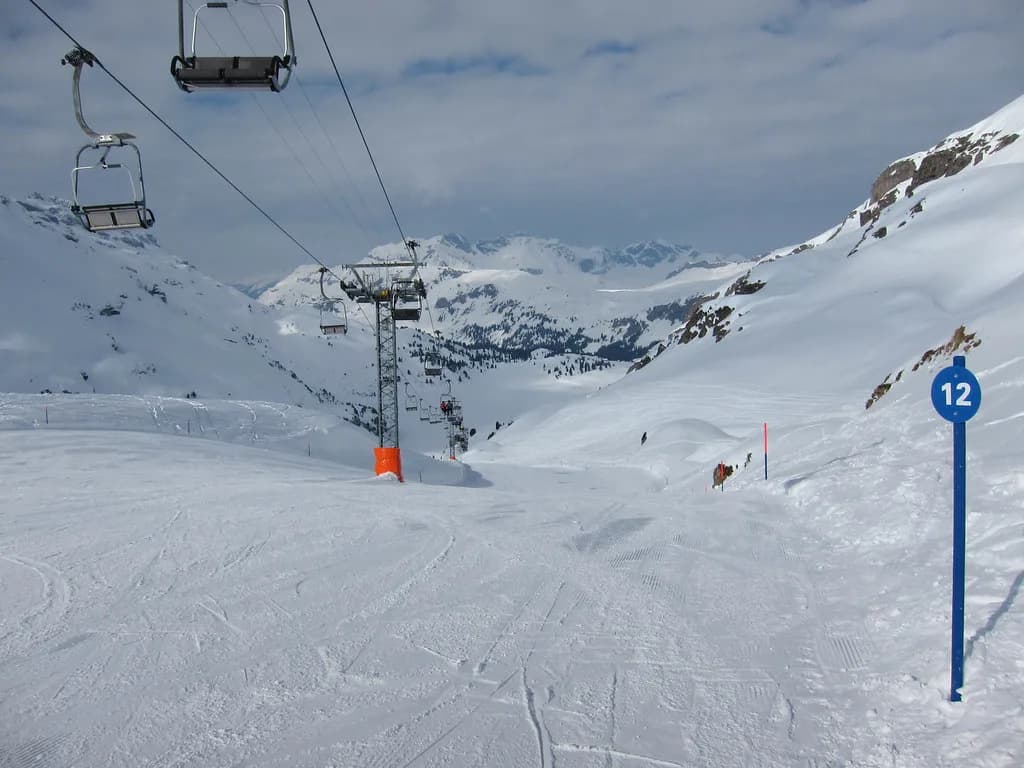
This sector is also where the lift system earns its keep, moving you between the high bowl and the descents without long flat traverses. Use the piste map to plan a loop that starts high and works down through the mid-mountain rather than yo-yoing on one lift. A little route planning here saves a lot of queueing.
Brunni: the separate, family-facing side
Brunni deserves its own paragraph because it is not simply a lower part of the Titlis area. It is a distinct, smaller ski hill on the sunny side of the valley, reached from a different lift base, with gentler terrain and a nursery slope at the top of the lift. Families and newer skiers often spend most of a trip here while more ambitious members of the group head across to Titlis.
The Brunni reds, including the sweeping Ristis runs, are the natural next step once you are off the nursery slope, and they are wide enough to build confidence. Because Brunni is lower, its season is shorter than the glacier's, so an early or late trip may find it closed while the top is still running. Check the sector's status before you commit a day to it.
Valley runs back to Engelberg
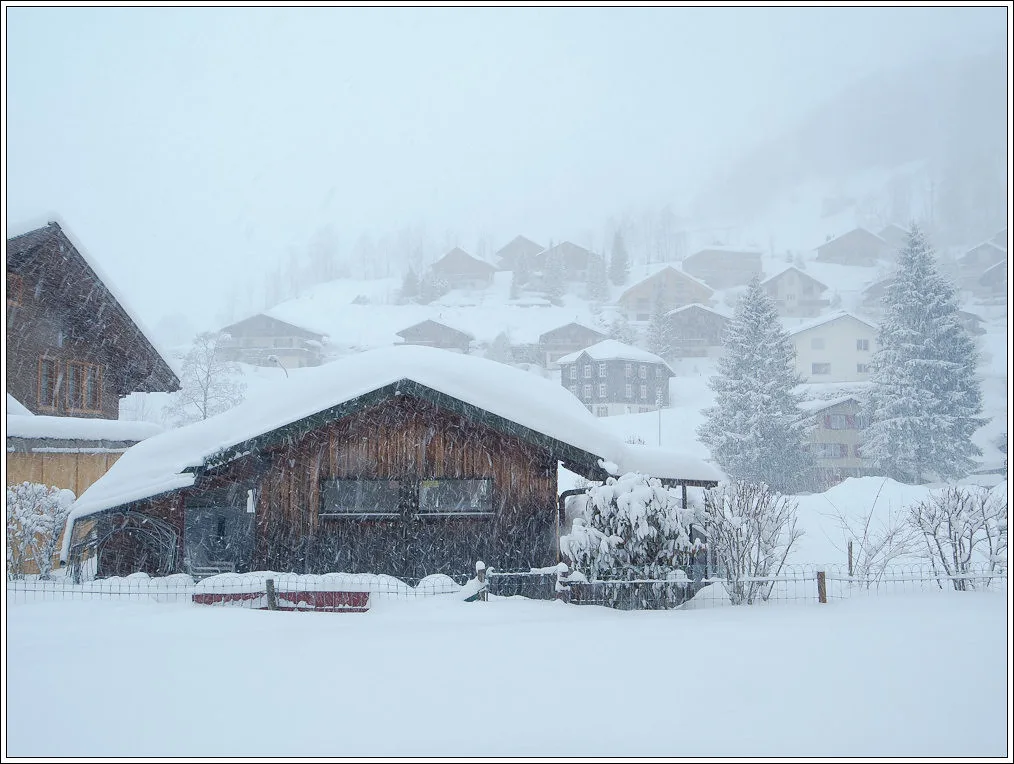
The descent back to the village is the most conditional part of the mountain. It needs good cover at low altitude, which means it is usually the last run to open and the first to close, and in marginal weeks it may not be skiable at all. When it is on, it turns a day on Titlis into a proper top-to-bottom run of well over a thousand metres of vertical.
If you are still building confidence, take the lift down instead of forcing the valley run. The lower slopes can be icy, narrow and busy at the end of the day, and riding the cable car back to town is a perfectly sensible choice. There is no prize for skiing a run that is beyond your level in tired legs.
Ability split: why the grading runs harder here
Engelberg's grading is stiffer than the Swiss norm, and that changes what 'open' means for a cautious skier. A red here can feel like a hard red or a soft black elsewhere, and the black runs, which make up 40% of the piste, are genuinely steep. If you normally ski reds comfortably at a mid-level French resort, budget a day to recalibrate before heading for the famous descents.
Match sectors to level rather than trying to cover the whole resort. Beginners belong in the village nursery area and on the Brunni side, progressing to blues such as Gerschni and the Yeti Park. Intermediate skiers should base themselves around the Brunni reds and the Titlis mid-mountain, while advanced skiers can head straight for the Big 5 and the off-piste.
A practical split for a mixed group: book a base in the village so everyone can choose a side each morning, and agree a lunch spot so the Titlis and Brunni contingents can meet. That flexibility is one of Engelberg's real advantages over a single-lift resort, and it costs nothing to plan.
Off-piste season: Laub, Galtiberg and the Big 5
The Big 5, Laub, Steinberg, Steintäli, Sulz and Galtiberg, are the runs that put Engelberg on the map for expert skiers. Galtiberg is a 12km descent with around 2,000m of vertical, and Laub offers roughly 1,200m of steep skiing. These are big mountain lines, not piste runs, and their condition changes week to week with the snowpack.
Timing matters more here than anywhere else in the resort. The off-piste comes into its own once the snowpack has built through mid-winter, and spring brings a different set of hazards as the surface transforms through the day. A local guide is not a formality on these lines: it is how you get the descent you came for without misjudging the snow.
If off-piste is the point of your trip, build your dates around the snowpack rather than a fixed booking, and keep a piste day in reserve for when conditions turn. Powderhounds describes Engelberg as a full-on, big mountain skiing adventure, and that is a fair warning as much as a recommendation.
Lift passes: what to choose
Pass products generally fall into single-day, multi-day and sector or experience-specific tickets, with the Titlis glacier access being the key variable. A pass that covers the whole Titlis side is not the same as one limited to Brunni, and the glacier cableway is priced and operated separately in some products. Read the inclusions carefully before you buy, because the difference is significant.
Prices are not published in a stable, citable form here, so check the current tariff before you commit. As a rule of thumb, buy multi-day passes for stays of three days or more, and single days if you plan to mix ski days with a day in Lucerne or Zurich. If you are skiing only Brunni, check whether a local ticket is cheaper than the full-area pass before you pay for terrain you will not use.
Ski school and hire
Lessons split into two useful categories in Engelberg: group lessons for progression and private instructors for off-piste guiding and terrain choice. If your goal is the Big 5, book a guide rather than a standard lesson, since the skills and the terrain are different. If you are working on technique, a block of morning group lessons is the efficient use of a week.
Hire is straightforward in the village, with shops clustered near the lift bases and around the centre. Book online before you travel in peak weeks, especially for performance skis and boots, and collect the evening before your first ski day so you are not queuing at opening time. Keep your own boots if you have them; boot fit is the one thing worth travelling with.
Getting there and getting around
The standard approach is by train from Zurich, changing at Lucerne onto the Engelberg line, which brings you into the village centre with the lifts within walking distance. Driving from Zurich is also straightforward, though winter tyres and snow chains are worth having if you are arriving in a storm. Once in the village, a local bus links the Titlis and Brunni lift bases.
Because the village is compact, you do not need a car once you are there. Choose accommodation by which lift base you will use most: near the Titlis cable car station for the high mountain, or towards the Brunni end for a quieter family week. The trade-off is between convenience for the Titlis side and a calmer base for beginners.
What to book early and the trade-offs
Book the peak weeks early: Christmas, New Year, February half-term and the Easter fortnight fill the village's limited hotel stock quickly. If you want the full mountain, target mid-January to mid-March, when the mid-mountain and valley runs are most likely to be in condition. If you want quieter slopes and cheaper accommodation, look at the shoulder weeks and accept a narrower choice of terrain.
Staying in the village gives you restaurants, a choice of lifts and a real town to come back to; staying near the Titlis base saves a morning walk but puts you further from Brunni. For a family group with beginners, the Brunni end is the better base; for a group chasing the Big 5, be closer to the Titlis cable car. Neither is wrong, but decide which suits your group before booking.
Season-opening and closing conditions
Early and late season differ from peak weeks in more than snow depth. Lifts run reduced schedules, some mountain restaurants close, and the ski school may offer fewer groups. The resort season and daily lift operating hours are separate things, so a date on a season calendar does not guarantee every lift is turning that day.
Before you travel, check lift status and snow depth rather than relying on a season calendar. The resort publishes live information, and the Swiss snow and avalanche service publishes conditions, which matter if you are heading off-piste. If you are booking early or late, confirm that the specific sector you want is running.
Plan Your Visit
Engelberg's season is really four seasons in one resort: the glacier that stretches the year at the top, the mid-mountain that fills in through winter, the Brunni side that suits families, and the valley run that comes and goes. Pick your travel window by which of those layers you need, and you will get a better trip than by chasing a single opening date.
If you are weighing Engelberg against another Swiss area, the Arosa Ski season dates guide shows how a different resort structures its published phases and operating checks, which is a useful comparison for reading any Swiss season calendar. Then confirm the current pass prices and lift status with Engelberg-Titlis before you book.
Frequently Asked Questions
When does the Engelberg ski season start and finish?
Engelberg's season runs from late autumn into spring, with the Titlis glacier carrying the longest window at the top and the village-level runs opening later and closing earlier. Exact opening and closing dates are set by the resort each year, so confirm them with the lift company before booking rather than relying on a calendar from a previous season.
Can you ski year round in Engelberg?
The Titlis glacier has supported skiing up to 3,020m and is the reason Engelberg's season stretches beyond a typical mid-altitude Swiss resort. That is not the same as guaranteed year-round piste skiing: glacier operations, the cableway and the connecting runs all depend on the day, so check glacier status before planning a summer or autumn trip.
Is Engelberg good for beginners?
Yes, but with a caveat. The village nursery slope and the Brunni side, with its nursery slope at the top of the lift and wide reds such as Ristis, are good for learning. The glacier and the resort's steeper runs are not beginner terrain, so plan to spend your first days low and build up.
How many kilometres of piste does Engelberg have?
The ski area covers 82km across 28 runs, graded roughly 20% blue, 40% red and 40% black. That is smaller than the big linked French domains, but the vertical and off-piste are the real draw. Use the piste map to plan sectors rather than trying to cover the whole area in a day.
What are the Big 5 runs in Engelberg?
The Big 5 are Laub, Steinberg, Steintäli, Sulz and Galtiberg, a collection of long, steep descents that include Galtiberg at 12km with around 2,000m of vertical. They are big mountain lines rather than ordinary piste runs and should be skied with a guide unless you know the terrain and the snowpack well.
Do you need a guide for off-piste skiing in Engelberg?
For the Laub, Galtiberg and the other Big 5 lines, a local guide is strongly advised. The terrain is serious, the snowpack changes through the season, and route-finding from the top stations is not obvious. Book a guide as part of your trip planning, not as an afterthought on the morning.
How much does an Engelberg ski pass cost?
Pass prices change by season and by product, and the glacier access and sector tickets are priced differently. Check the current tariff on the lift company's site before you buy, and compare a multi-day pass with single days if you plan to mix skiing with days in Lucerne or Zurich.
How do you get to Engelberg from Zurich?
The simplest route is the train from Zurich to Lucerne and then the Engelberg line, which arrives in the village centre within walking distance of the lifts. Driving is also practical, but carry winter tyres and chains in storm conditions. Once there, a local bus links the Titlis and Brunni lift bases.
Sources
Useful notes for your next ski trip
Optional updates to our Alpine resort guides.
You might also like
Continue reading
More guides you'll find useful