Villars Skiing Guide: Resort Tips & Decision Help
A complete guide to Villars skiing, covering Alpes Vaudoises sectors, Villars-Gryon-Les Diablerets, pass boundaries, beginner areas and planning steps.
On this page
Villars-sur-Ollon is a village-based resort in the Vaud Alps, set above the Rhône Valley with a long-established ski area that forms one part of the wider Alpes Vaudoises. The key planning decision is not simply whether to ski here, but which sectors you intend to use and which pass covers them. Because Villars-Gryon-Les Diablerets, Leysin-Les Mosses-La Lécherette and Glacier 3000 are separate ski areas, a single piste total for the whole region would be misleading. Decide your sectors first, then match the pass and base to them.
This guide treats published layout, pass boundaries and village access as facts, and separates those from editorial judgement about who should choose which sector. It does not quote prices, season dates, lift counts or snow guarantees, because the available sources do not agree on current figures and winter operation is conditional. Use it to plan your trip structure, then check live details with the lift companies and the regional tourism office before you commit.
Why Villars: the resort decision at a glance
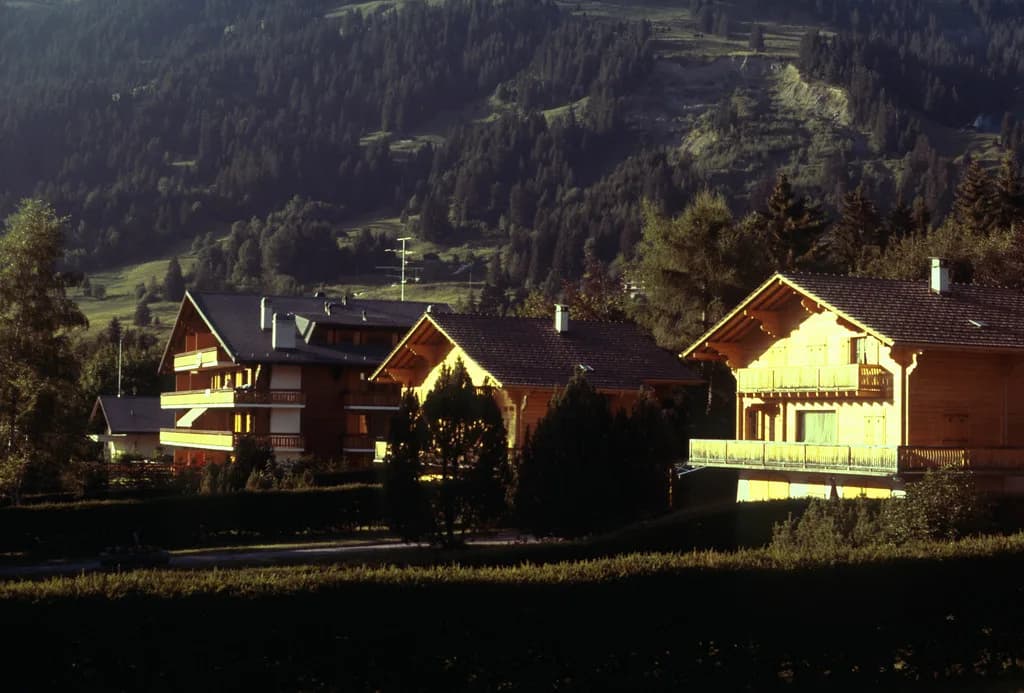
Villars suits skiers who want a proper mountain village with lift access from the valley floor and a choice of connected sectors rather than a single compact hill. The village has its own character and a year-round community, which shapes the pace of a stay. That makes it a strong option if you value a walkable base and are willing to use a train or gondola to reach the snow. If your priority is maximum vertical from the doorstep, compare this layout with higher, more lift-dense resorts before deciding.
Editorially, the resort works best for mixed-ability groups who can split across sectors and regroup later. Beginners have dedicated lower terrain around Bretaye and the village sectors, while stronger skiers can head towards steeper terrain on the higher ridges or use the pass to reach the separate Glacier 3000 area. If every member of your group wants the same pitch and pace all day, a smaller single-sector resort may be simpler. If you like variety and are happy to plan around sector connections, Villars gives you more to work with.
Where Villars sits in the Alpes Vaudoises
The Alpes Vaudoises grouping contains three named ski areas: Villars-Gryon-Les Diablerets, Leysin-Les Mosses-La Lécherette and Glacier 3000. The regional tourism source describes them as separate ski areas with their own lift companies and pass pages. That matters because you cannot treat the whole region as one continuous piste network. Villars sits within the Villars-Gryon-Les Diablerets area, while Leysin and the Les Mosses-La Lécherette sectors are a separate destination to the east.
For trip planning, the practical consequence is that you should choose a base and a pass that match the sectors you actually intend to ski. Staying in Villars gives you direct access to the Villars-Gryon-Les Diablerets lifts, but reaching Leysin or Les Mosses normally means a road or rail transfer rather than skiing across. If you want to sample multiple Alpes Vaudoises sectors in one trip, build transfer time into your itinerary instead of assuming a single connected circuit. Published piste totals for the region vary by source and by definition, so treat any single figure as approximate and attributed rather than definitive.
Villars-Gryon-Les Diablerets: the three sectors and how they connect
The Villars-Gryon-Les Diablerets area is described by the regional source as comprising three linked villages and sectors, with more than 130 kilometres of slopes across the group. The BVB train, gondolas and chairlifts connect the villages with the higher terrain, so village-to-slope movement is part of the daily routine. Gryon and Les Diablerets are distinct bases within the same broader area rather than separate resorts you must drive between. Check the current sector operating status before relying on any specific link, because scheduled connections are conditional.
The practical question is whether you plan to ski across sectors on a single day or stay within one. A cross-sector day usually needs an earlier start and a return route that does not depend on the last lift of the day, given that weather and operational decisions can close links. If you prefer a relaxed pace, basing yourself in one sector and exploring it thoroughly is the lower-risk plan. Either way, use the lift company's live information page rather than a static map to confirm what is running.
Glacier 3000 as a separate sector within the pass
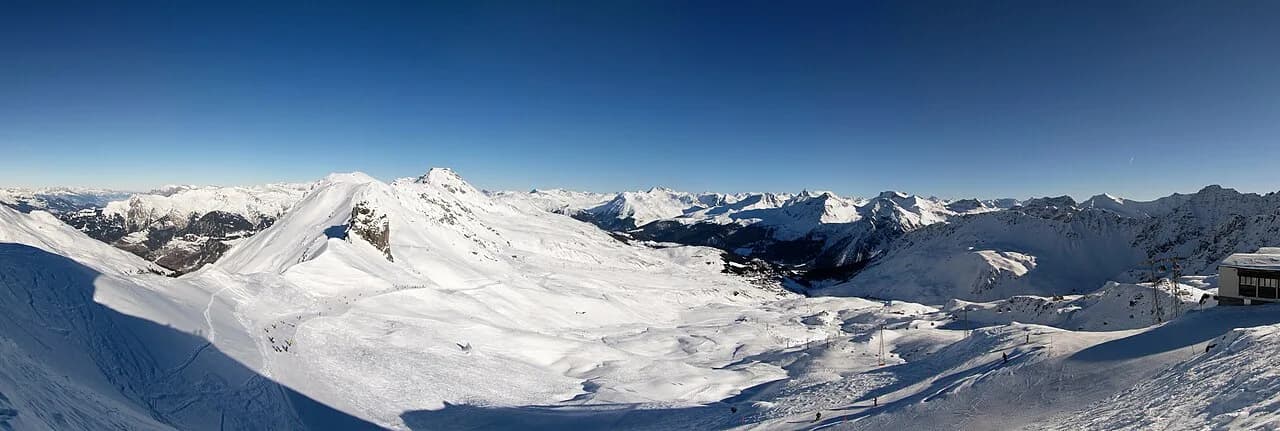
Glacier 3000 is described as a high-altitude ski area at the top of the Alpes Vaudoises, distinct from the Villars-Gryon-Les Diablerets piste network and accessed as its own sector. It is reached by cable car from the Col du Pillon side near Les Diablerets, not by skiing continuously from the Villars village lifts. The regional source presents it as a separate ski area with its own lift company and pass page, and the Peak Walk by Tissot is noted as accessible year round. Do not fold its terrain into Villars-Gryon totals or assume a continuous on-snow connection.
If a Glacier 3000 day is a priority, plan it as an excursion with its own access and check whether your chosen pass includes it separately from the Villars-Gryon-Les Diablerets pass. The regional source notes that Magic Pass details for the area appear in an older booking context, so treat any inclusion as something to check for your travel dates rather than a current entitlement. Build a weather-flex day into your itinerary for this sector, since high-altitude access can be affected by wind and visibility. Keep a lower-altitude backup plan in the same trip.
What the Alpes Vaudoises pass covers and where its boundaries are
Pass structure in the Alpes Vaudoises is not a single uniform product across every lift. The regional source lists separate pass pages for Villars-Gryon-Les Diablerets, Leysin-Les Mosses-La Lécherette and Glacier 3000, which indicates that each area sells access on its own terms. Multi-area or regional products may exist, but you should confirm exactly which lifts and sectors a given product includes before buying. The safe planning assumption is that your pass covers the sectors named on its own terms and conditions, not the whole Vaud Alps by default.
A second boundary question is transport. The regional source notes that Magic Pass benefits have included BVB train access to Bretaye in Villars and spa options in the area, but those details sit in an earlier booking context. Treat transport inclusion as a question to ask the lift company for your dates: does the pass cover the village-to-slope train and local ski bus, and does it cover the cable car to Glacier 3000? If you plan to ski across more than one Alpes Vaudoises area, compare the cost of a regional product against two separate passes before deciding. Live prices and inclusions are published by each lift company.
Beginner provision: snow gardens, Bretaye and the progression question
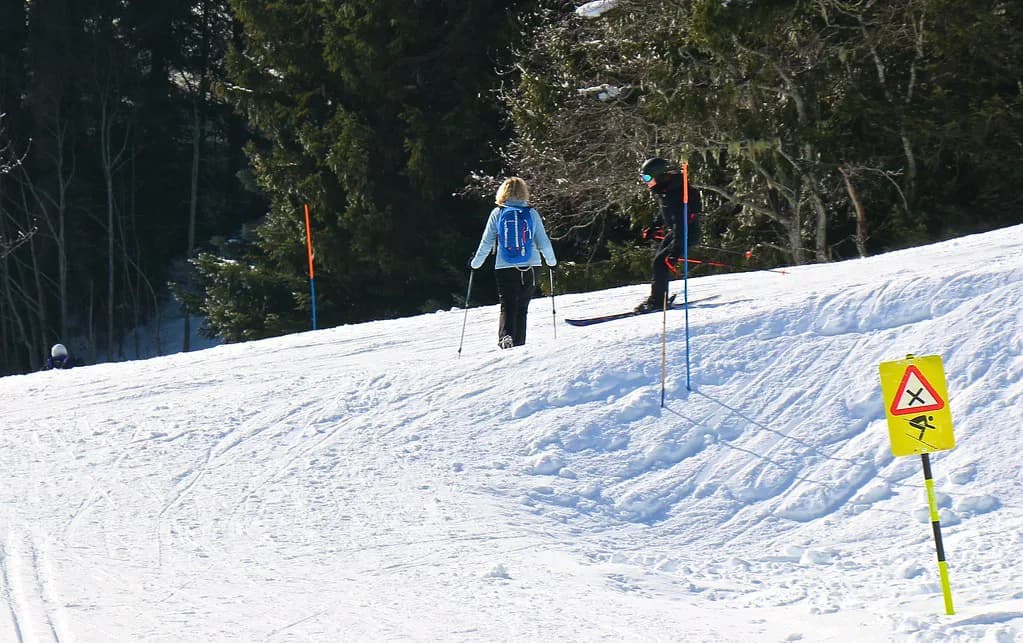
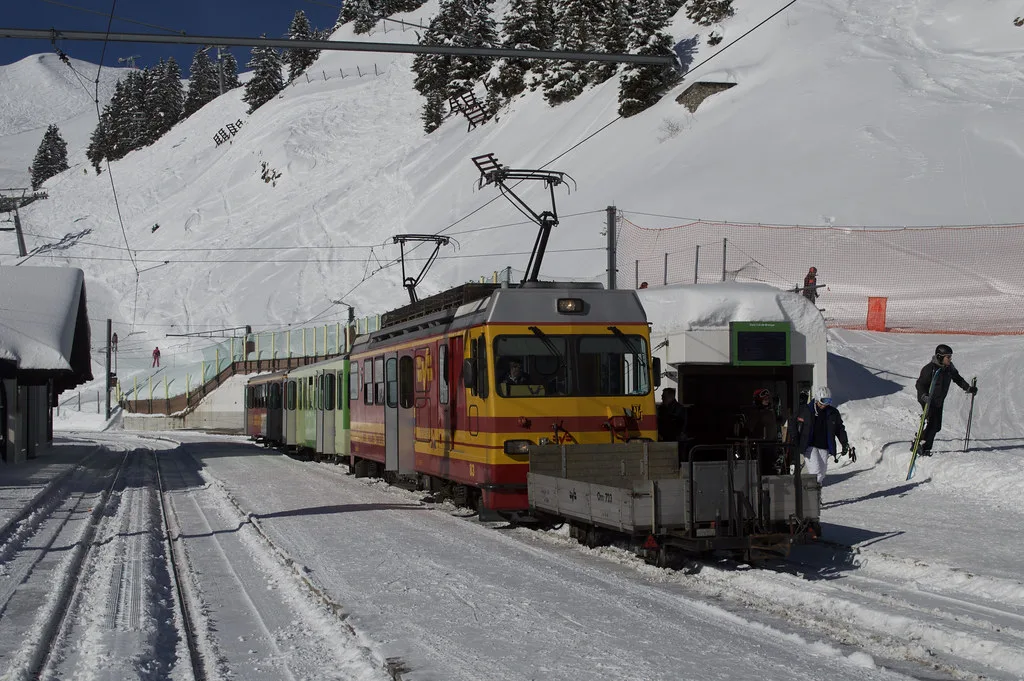
Beginner provision in the Villars area is concentrated around dedicated snow gardens and the gentler terrain near Bretaye, according to the regional source. The WeSki guide describes nursery slopes at Bretaye as wide and set in a sunny bowl, with progression onto green and easy blue runs. That combination, a contained learning zone plus accessible longer runs, is what makes the area work for first-week skiers. It does not guarantee a particular lesson format or school, so teaching arrangements are best sorted directly with the Villars and Bretaye ski schools themselves.
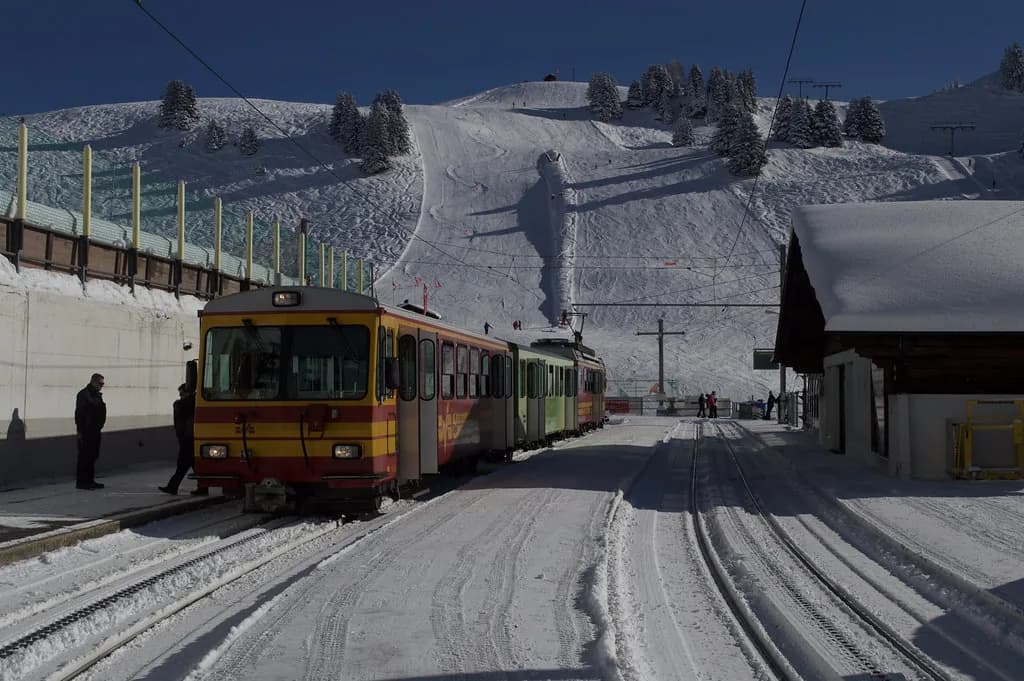
The practical decision for beginners is where to base yourself relative to the learning terrain and how you will reach it each morning. If you are staying in Villars village, the BVB train to Bretaye is the documented access route, which means your day starts with a train ride rather than a doorstep ski. That is a manageable routine but worth knowing before booking accommodation on the assumption of ski-in access. Ask the BVB lift company and any ski school you contact how beginners are expected to reach their lesson meeting area on day one.
Which ski area suits which type of skier
Within Villars-Gryon-Les Diablerets, the sources describe a balanced spread of terrain: cruising runs through forest, steeper pitches towards the higher ridges, and long descents that reward confident intermediates. The WeSki guide notes steeper blacks in the area and long slopes including the Willy Favre run, while the regional source highlights snow gardens and long runs across the group. If you are an intermediate who likes to cover distance, the sector offers enough variety for a full week. If you are an expert seeking sustained steep terrain, compare the scale here with larger French or Austrian resorts before committing.
For groups of mixed ability, the useful move is to agree on a sector per day rather than trying to keep everyone on the same lift. Beginners can stay in the lower learning zones while stronger skiers use the upper terrain, then meet at a village or mid-mountain point. The separate Glacier 3000 sector can serve as a shared excursion day for those comfortable with the access and altitude. Avoid committing to cross-area ski days until you have confirmed that the relevant links are operating on your dates.
Getting to the slopes from the village: BVB train and gondolas
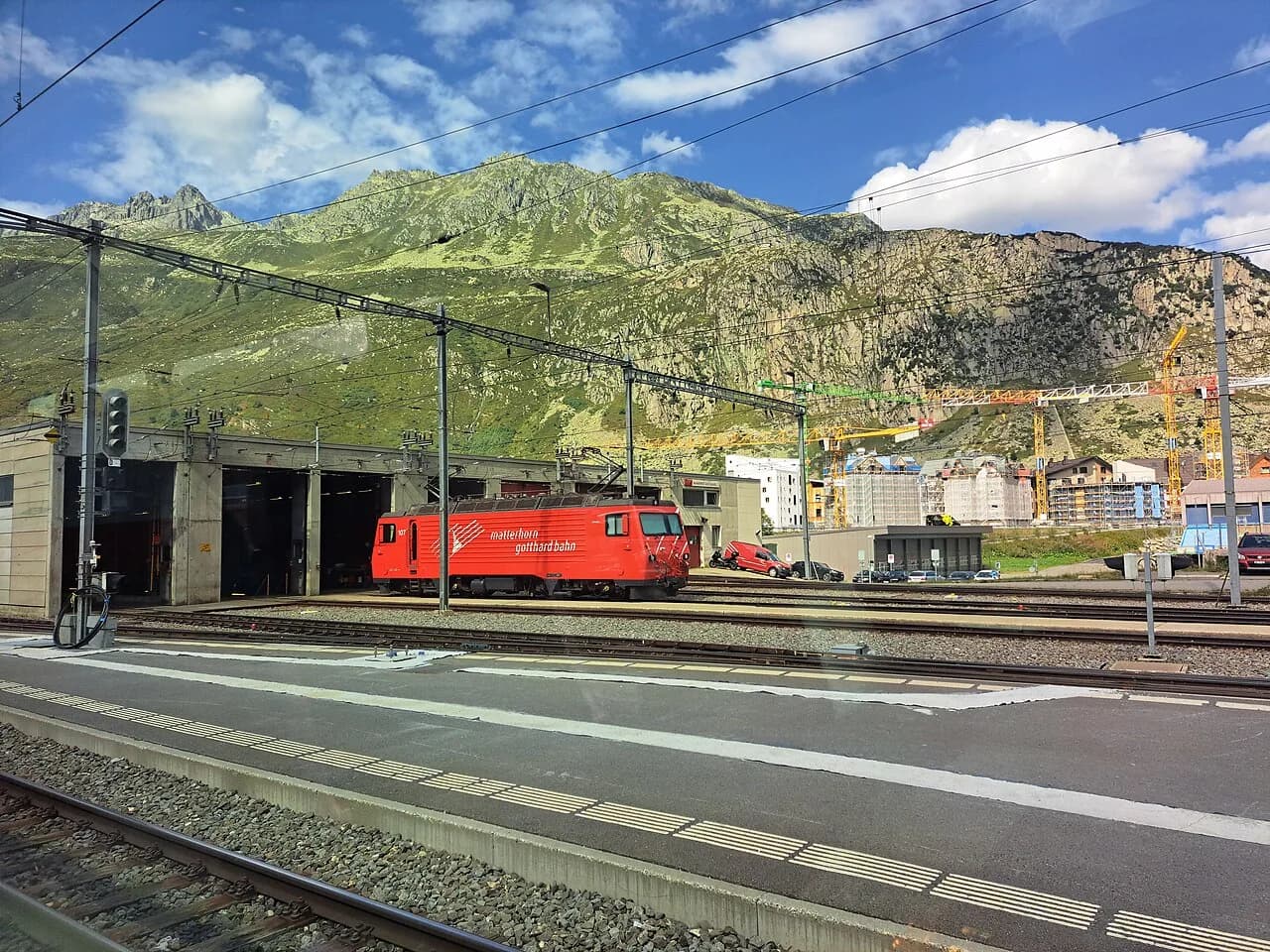
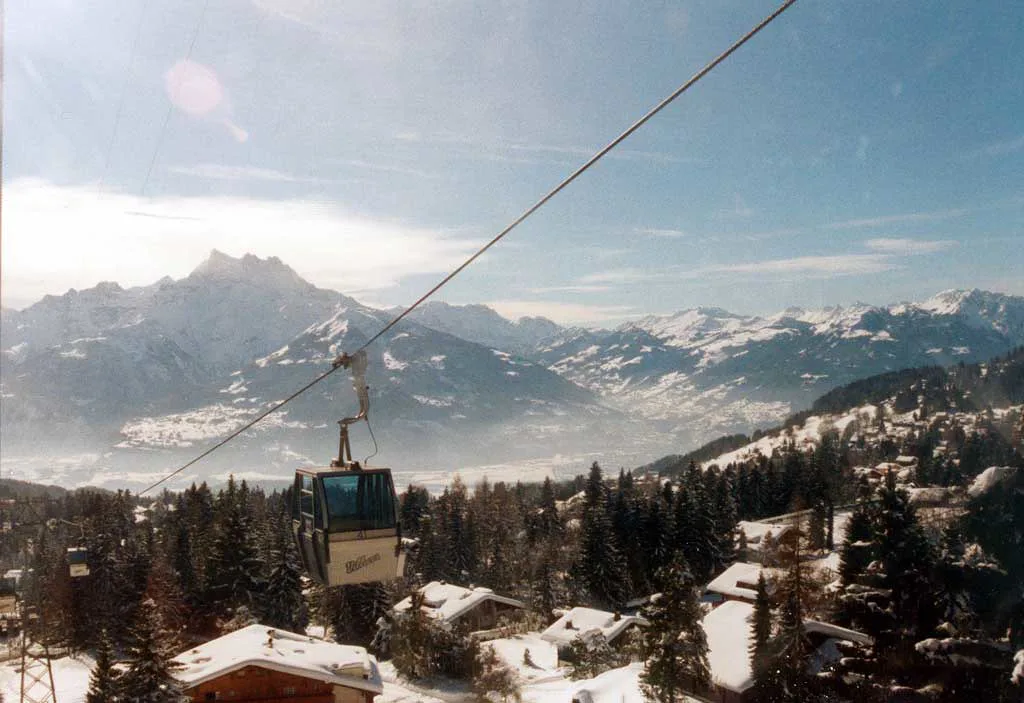
Villars is a village-based resort, so getting to the snow is part of the morning routine rather than an afterthought. The regional source documents the BVB train and gondolas as the connections between the villages and the higher terrain, with the train giving access to Bretaye from Villars. The WeSki guide also notes a cogwheel train from the village to Bretaye and a ski bus linking accommodation areas to lift access points. Which specific lift or train you use depends on your accommodation location and your intended sector for the day.
A useful planning step is to identify the nearest uplift point to your accommodation and the time of the first connection you can realistically make. If your pass or ticket is expected to cover the train and bus, confirm that before you buy, because transport inclusion is a pass-specific condition rather than a universal rule in the region. On days when you plan to ski a different sector, check whether you can reach it without moving your car. Keep your ski map handy for this, and use the villars ski map to identify sector boundaries and uplift points.
Lessons, hire and booking terms to confirm before you commit
Lesson formats, meeting points and school names are not confirmed by the primary regional source, so treat any specific provider detail you see elsewhere as something to check directly. The WeSki guide refers to several ski schools and to group and private lessons, but that is a secondary description and does not establish current operating terms. Before booking, ask the school or lift company where the beginner meeting area is, how you reach it, and what happens if your chosen sector is not operating that day. Confirm the cancellation and rebooking terms in writing rather than relying on a general policy statement.
Equipment hire is similarly a locally arranged detail rather than something the regional source standardises. The WeSki guide mentions hire shops in the village and near lift stations, but names, stock and fitting arrangements should be confirmed with the shop you intend to use. Book in advance for peak weeks if you need a specific size or a particular setup, and ask whether collection is possible the evening before your first ski day. If you are travelling with your own equipment, check storage and transport arrangements on the train and bus before you arrive.
How Villars compares with nearby Vaud Alps options
The closest comparison within the Alpes Vaudoises is Leysin-Les Mosses-La Lécherette, which the regional source describes as a separate ski area with more than 100 kilometres of slopes and a mix of terrain. Leysin is noted for its south-facing exposure and the Kuklos revolving restaurant, while Les Mosses and La Lécherette are described as offering open, easily accessible slopes and snow gardens. If your group is beginner-heavy and wants gentler, more contained terrain, that area may be worth comparing directly. If you want the larger linked Villars-Gryon-Les Diablerets network and village-based access, Villars is the more natural base.
Beyond the Vaud Alps, the wider Swiss comparison set includes resorts such as andermatt skiing and arosa skiing, which sit in different regions and offer different terrain characters and access patterns. Those are not substitutes for a Vaud Alps trip, but they are useful reference points if you are deciding between a village-based multi-sector stay and a different kind of Swiss ski holiday. The right choice depends on your group's ability mix, how much you value a walkable village base and whether you want the option of high-altitude excursions. Compare the planning structure of each before you commit to dates.
A practical planning sequence for a Villars ski trip
Start by choosing your sectors and then your pass, in that order. Decide whether you are skiing only within Villars-Gryon-Les Diablerets, or whether a Glacier 3000 day and possibly other Alpes Vaudoises areas are part of the plan. That answer determines which pass product you need and whether you should budget for transfers between areas. Confirm the inclusions and exclusions on the lift company's own page for your travel dates before you buy, because pass terms change between seasons and the regional page may not reflect current entitlements.
Next, map your days to the terrain and access you will actually use. Assign at least one weather-flex day, decide how you will reach Bretaye or your chosen sector each morning and confirm whether your accommodation is within reach of the relevant bus or train. Book lessons and hire once you know your sector plan, and ask each provider about meeting points and conditions. Finally, check live lift and piste status close to arrival and again each morning, and keep a lower-altitude or non-skiing backup for days when high sectors are affected by weather.
Plan Your Visit
Villars skiing is best understood as one part of a multi-area Vaud Alps region rather than a single self-contained hill. Choose your sectors, then your pass, then your base and daily access, and treat every scheduled lift, link and piste as conditional rather than guaranteed. Check current prices, dates, inclusions and operating status with the lift companies and the regional tourism office before you book.
Explore more Villars guides
Frequently Asked Questions
Is Villars part of the same ski area as Glacier 3000?
No. Glacier 3000 is described as a separate high-altitude ski area within the Alpes Vaudoises, with its own lift company and pass page, while Villars sits inside the Villars-Gryon-Les Diablerets area. You reach Glacier 3000 as a distinct excursion rather than by skiing continuously from the Villars village lifts. Check the current operating status and pass inclusions for your dates before planning a day there.
Is Villars good for beginners?
The area has documented beginner provision, including snow gardens and gentler terrain around Bretaye, which the available guides describe as wide and suitable for progression. The main practical question is how you reach that learning terrain each morning, since the village connects to Bretaye by train rather than doorstep skiing. Confirm lesson arrangements, meeting points and current beginner-area operation with the lift company and any school you contact.
What does a Villars ski pass cover?
Pass structure in the Alpes Vaudoises is not uniform. The regional tourism source lists separate pass pages for Villars-Gryon-Les Diablerets, Leysin-Les Mosses-La Lécherette and Glacier 3000, so a pass covers the sectors named in its own terms rather than the whole region by default. Check the relevant lift company page for your travel dates to confirm which lifts, sectors and transport links are included.
Why choose Villars over Leysin or Les Mosses?
Villars is the more natural base if you want the larger linked Villars-Gryon-Les Diablerets network and a village setting with train and gondola access to the slopes. Leysin-Les Mosses-La Lécherette is a separate Alpes Vaudoises area with its own terrain character and beginner provision, which may suit groups wanting gentler, more contained slopes. Compare the sector layout and access pattern of each against your group's ability mix before deciding.
Sources
Useful notes for your next ski trip
Optional updates to our Alpine resort guides.
You might also like
Continue reading
More guides you'll find useful