Villars Ski Hire: Where to Rent Skis, Boots and Boards
Plan ski and snowboard hire in Villars-sur-Ollon: where rental shops sit, what to reserve before you travel, and how fitting and collection work.
On this page
Villars ski hire is really three hire decisions in one: which village you sleep in, which lift sector you will ski most, and how much of the week you are willing to lose to a boot that does not fit. Villars-sur-Ollon, Gryon and Les Diablerets all sit within the same lift network, yet their rental shops serve different access points. Choose the shop that matches your morning lift, not the one with the glossiest window.
This guide covers the practical side of renting skis, boots, boards and helmets around Villars, from the Sport's House sports shop in the village to independent outfits with tiered equipment. It also explains when to pre-book, how to trial boots before leaving the shop, and how clothing hire works separately from hardware.
What Villars Ski Hire Covers
Rental in the Villars area covers the full hardware set: skis, snowboards, boots, poles and helmets, with shops offering both hire and retail sales alongside accessories. The Sport's House listing in Villars describes a sports shop operating in summer and winter with ski and snowboard hire, boot hire, and sales of sportswear and accessories. That combination matters if you arrive with a broken buckle or a child who has outgrown a jacket.
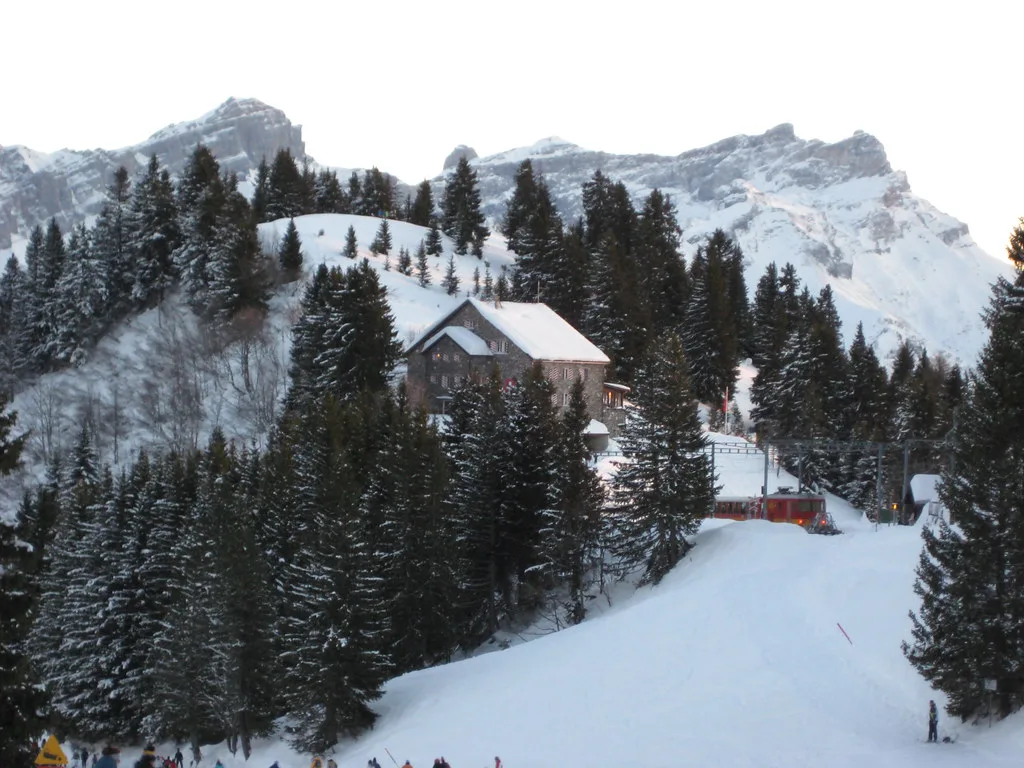
The resort spreads across several villages rather than one resort centre, which is why hire logistics follow the geography. Villars-sur-Ollon, Les Diablerets, Gryon, Bretaye, Alpe des Chaux and La Barbouleuse all sit within the ski resort's villages, with Bex further down the valley at roughly 13 km from the slopes. Pick a shop in the village where you are staying and you avoid carrying boots on a bus before you have even clipped in.
Helmets are normally part of the hire fleet rather than a separate errand, and most shops will fit one alongside boots. Ask for a helmet that sits level on the head with the front edge just above the eyebrows, since a helmet that tips back offers little protection on the long Bretaye return runs. Children's helmets should be tried on with goggles in place, as the two fit together or not at all.
How the Resort Layout Decides Your Hire Base
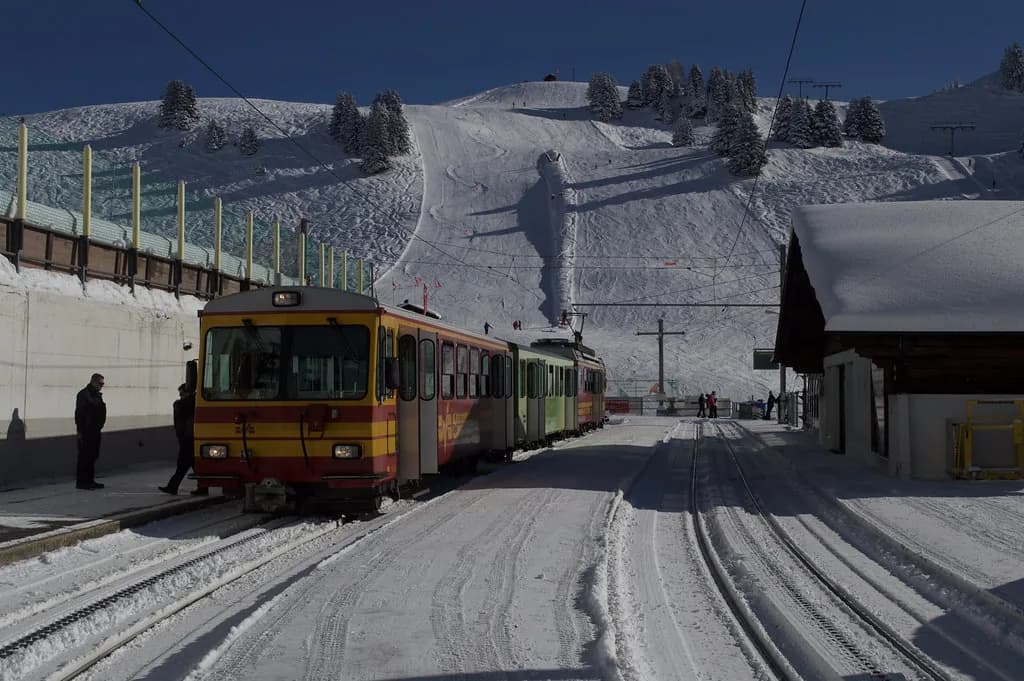
Villars-Gryon-Les Diablerets is not a single base with one lift queue. From Villars-sur-Ollon you access the Roc d'Orsay sector and the Villars-Bretaye (BVB) lift; from Gryon the Barboleuse-Les Chaux and Fracherets lifts serve the same snow; from Les Diablerets the Diablerets Express and Pony-Diablerets lifts climb towards the glacier side. Each access point has its own cluster of hire shops, so your accommodation choice effectively chooses your rental shop.
If you are staying in Villars and skiing the Bretaye bowls, hire in Villars and walk to the BVB lift. If your apartment is in Gryon, a shop near Barboleuse saves a valley drive each morning and lets you drop skis at lunchtime. Les Diablerets suits anyone planning to spend the week on the higher, snow-sure side, where the Diablerets Express gives the quickest climb from village level.
The trade-off is real: a shop in a bigger village may carry more stock and more performance tiers, while a small village shop puts you on the snow minutes after breakfast. For a one-week trip with children, proximity usually wins. For a group of strong skiers wanting wide carvers or powder skis, a larger shop with a deeper fleet is worth the short drive.
Shop Options in and Around Villars
The clearest confirmed option in the resort is Sport's House in Villars, which handles ski, snowboard and boot hire alongside sales of sportswear and accessories. That makes it a sensible single stop if you need to rent a board for one member of the group and buy gloves or goggles for another. It also means you can collect hardware and top up on accessories without a second trip into town.
Independent shops fill the value end of the market. One Villars rental outfit, Gem Ski Rental, is described as charging a small daily supplement for higher-quality skis, framed in a review summary at about five dollars per day extra. Treat that as an indicative supplement rather than a price list: fleets, seasons and daily rates change, and the shop's own site is the place to confirm what a specific ski or board will cost for your dates.
Ask each shop two questions before committing: what is included in the quoted rate, and what happens if the equipment is wrong for you after the first morning. Good shops will swap skis or boots mid-week without argument, which matters more than a few francs of difference in the headline price. A shop that will not exchange a boot after a day of pain is not saving you money.
Value Tiers: Standard Versus Performance Kit
Most Villars shops run at least two equipment tiers. The standard fleet is built for recreational skiers on groomed runs: mid-width skis, forgiving boots and boards suited to improvers. The performance tier brings stiffer or wider skis, better bindings and boots with a more precise fit, and shops typically charge a supplement for it rather than a separate product.
The Gem Ski Rental example shows how that supplement works in practice: higher-quality skis cost a modest amount more per day than the base fleet. That structure rewards honesty about your ability. If you ski a handful of weeks a year on piste, the standard tier will not hold you back in the Villars bowls. If you plan to work the steeper terrain towards Les Diablerets or chase fresh snow, the step up buys real control.
Boards follow the same logic. A softer all-mountain board suits a rider finding their edge on the Bretaye blues, while a stiffer freeride board is wasted if you spend the week on groomers. Tell the shop where you intend to ride, not just your level, because the terrain you name helps them choose the right shape.
Boot Fitting Comes Before Ski Choice
Boots decide your week more than skis do. A poor-fitting boot hurts most on the long, rolling return runs towards Bretaye, where you cannot simply stop and rest without blocking the line. Spend the fitting time in the shop: wear the socks you will ski in, shell-fit to check length, then flex the boot forward and back to feel where pressure lands.
Rental boots vary in shell shape between brands, so try more than one model if the first pinches across the instep or lets your heel lift. A heel that moves will rub within an hour, and no amount of buckling fixes it. If you have narrow feet or a high arch, ask whether the shop stocks that shape in your size rather than accepting a boot that is merely available.
Walk around the shop for several minutes, stand in a skiing stance, and flex hard. If anything is painful now, it will be unbearable by day three. Shops can often heat-mould a liner or adjust a buckle, but they cannot change a shell that is the wrong shape, so be prepared to ask for a different model before you leave.
Matching Skis or a Board to Your Level
Beginner and improver skiers should aim for shorter, softer skis that turn easily at low speed. The nursery slopes around Bretaye and the gentler pitches above Villars reward a ski you can pivot rather than one that demands speed to come alive. Tell the shop you want a beginner or intermediate ski and let them set the length, which usually falls somewhere between chin and nose height for a recreational skier.
Strong skiers heading for the steeper terrain on the Les Diablerets side, or planning to use the full lift network, should ask for the performance fleet. Wider waists help in softer snow, while a stiffer ski holds an edge on the hard-pack mornings that alpine resorts get after a clear night. Be honest about how much of the week you will spend off piste; a wide ski becomes tiring on groomed runs if you never leave them.
Snowboarders should match the board to the same terrain logic and ask about binding setup on the day. Stance width and angles are personal, and a shop that takes ten minutes to adjust them properly saves you a morning of knee pain. If you are renting for a group, note each person's height, weight and boot size before you arrive so the fitting session stays short.
Beginner and Children's Equipment
Children's hire is its own negotiation. Young skiers need soft boots, short skis and a helmet that fits now, not one they will grow into by February. Shops typically stock smaller shell sizes and junior skis, but holiday weeks can empty the smallest sizes quickly, so reserve children's kit before you travel if you are visiting during school holidays.
Ask about swap arrangements at the point of hire. Children progress mid-week, and a shop that will exchange shorter skis for longer ones, or soft boots for stiffer ones, turns a growth spurt into a minor errand rather than a new purchase. Confirm whether any exchange carries a charge, and get the answer before you sign.
For beginners of any age, the practical test is comfort rather than performance. A soft boot you can flex and a ski you can steer at walking pace will teach you more in three days than a stiff setup you fight. The Bretaye nursery areas and the easier runs back towards Villars are where most first weeks happen, so ask for kit suited to gentle groomed terrain.
Pre-Booking Versus Walk-In
Pre-booking secures the size and tier you want, which matters most for boots and for children's equipment. Walk-in hire gives you the freedom to look at the fleet and change your mind, and it can work well outside peak holiday weeks when shops have stock on the racks. During Christmas, New Year, February half-term and Easter, the calculus shifts firmly towards reserving ahead.
Booking online usually means filling in height, weight, boot size and ability for each skier. Take five minutes to get these right: a mistyped boot size leads to a fitting session that starts with an apology, and a wrong ability level can put a beginner on skis they cannot turn. Keep a note of each person's measurements in your phone before you sit down to book.
The trade-off on pre-booking is flexibility. Some shops allow free changes to dates or equipment, others do not, so read the terms before paying. If your travel plans are still moving, a flexible walk-in in a quieter week may suit you better than a locked-in reservation you cannot use.
Collection, Fitting and Return Logistics
Plan collection for the afternoon before your first ski day if you can. Fitting takes longer than most people expect, especially for a family of four, and doing it after a travel day is miserable. Collecting the evening before also lets you spot a problem with a buckle or binding while the shop is still open and quiet.
Check the shop's opening pattern on the day you arrive, since many alpine rental shops keep shorter hours outside peak periods and close over lunch. Build the fitting around those hours rather than expecting a late-evening service. The same applies to return: know whether the shop wants equipment back by a set time on your final day, or whether you can drop it the following morning.
On the last day, return skis and boots clean and dry where possible, and keep the receipt or hire docket to hand. If you hired through a hotel or apartment concierge, confirm who is responsible for the return. Leaving kit outside a closed shop is rarely acceptable and may cost you a late fee, so confirm the drop-off arrangement when you collect.
Hire, Buy or Seasonal Rental
For a one-week trip, hire is almost always the right answer. It saves you luggage weight, avoids servicing costs and lets you change equipment if the snow or your plans shift. The exception is boots: if you have difficult feet, buying a well-fitted pair and hiring skis around them is the single best investment a regular skier can make.
Seasonal rental makes sense for anyone skiing several weeks in the same resort. You keep the same skis or board across the winter, often with servicing included, and you skip the queue each visit. The break-even point depends on how many days you ski and what the shop charges, which is why the arithmetic is worth doing with a specific quote rather than a general rule.
Buying new equipment in resort is the most expensive route and the least flexible on the day, but it can work if you have researched the model and the shop has your size in stock. Ask about end-of-season sales if you are visiting in spring, when retailers clear the current fleet before the next winter's stock arrives.
Ski Clothing and Helmet Hire as a Separate Decision
Clothing hire is a different purchase from hardware hire. Online services rent ski jackets, trousers, midlayers, goggles and gloves for the Villars, Gryon and Les Diablerets area, with delivery across Switzerland to a hotel or another address you choose. That suits travellers flying in with cabin bags, or families whose children grow out of outerwear between trips.
Goggles and gloves are worth renting alongside the jacket if you are travelling light, since both are bulky and easy to forget. Size these carefully: a loose glove is cold and a tight goggle frame leaks. Order early enough that delivery lands before your first ski morning, and confirm the return procedure so you are not posting kit home from the airport.
Helmets, by contrast, are usually part of the hardware hire fleet rather than the clothing service. If you plan to rent one, ask at the shop when you book rather than expecting a helmet in your size to be waiting on arrival, particularly for children during holiday weeks.
What to Check Before You Travel
Before you book, confirm three things with the shop: the equipment tier you are getting, the exchange policy if the fit is wrong, and the collection and return hours for your dates. Those three answers separate a smooth week from a frustrating one far more than a small difference in the daily rate. Get them in writing if you are booking online.
For lift planning around your hire days, the Villars Ski Pass Guide covers the products that get you onto the Roc d'Orsay, Bretaye and Les Diablerets lifts, so you can line up your equipment collection with your first day on snow. If you want to compare how other Swiss resorts handle rental logistics, the Andermatt ski hire guide and the Davos ski hire guide show the same trade-offs in different settings.
Plan Your Visit
Villars ski hire rewards a bit of planning before you travel. Match your shop to your lift base, reserve boots and children's kit for holiday weeks, and treat the fitting session as the most important hour of your first day. The rest of the week follows from a boot that fits and skis that suit the terrain you actually intend to ski.
Use the official resort and shop listings to confirm current rates and opening hours for your dates, since fleets and terms change from season to season. Then focus on the things that do not change: honest ability levels, correct boot sizes, and a collection slot booked before the slopes open.
Frequently Asked Questions
Where can I hire skis in Villars-sur-Ollon?
Sport's House in Villars handles ski, snowboard and boot hire alongside sales of sportswear and accessories, and independent shops in the village offer tiered equipment ranging from standard recreational kit to performance skis and boards. If you are staying in Gryon or Les Diablerets, look for a shop near your own lift base rather than travelling into Villars each morning.
Is it cheaper to pre-book ski hire in Villars?
Pre-booking mainly buys certainty rather than a guaranteed discount: it secures your boot size and equipment tier before holiday weeks empty the racks. Walk-in hire can work well in quieter periods when shops have stock available, but read the shop's cancellation terms before paying, since some bookings are flexible and others are not.
Can I hire ski clothing in Villars?
Yes. Online rental services supply ski jackets, trousers, midlayers, goggles and gloves for the Villars, Gryon and Les Diablerets area, with delivery across Switzerland to a hotel or another address you choose. This is a separate booking from hardware hire, so arrange it early enough that the kit arrives before your first ski morning.
Is Villars good for beginner skiers hiring equipment?
The nursery areas around Bretaye and the gentler runs back towards Villars suit beginners, and shops stock shorter, softer skis plus junior sizes for children. Ask for soft boots you can flex and skis you can steer at walking pace, and confirm the shop will swap sizes mid-week if a child progresses quickly.
Should I hire skis or a snowboard in Villars?
Match the equipment to the terrain you plan to ride rather than to fashion. Groomed runs across the Villars and Bretaye sectors suit an all-mountain ski or board, while stiffer or wider kit pays off on the steeper Les Diablerets side and in softer snow. Tell the shop where you intend to ride so they can shape the recommendation.
How much does ski hire cost in Villars?
Rates change by season, equipment tier and rental length, and shops publish their own price lists rather than a single resort-wide tariff. One Villars rental outfit is described as charging a modest daily supplement for higher-quality skis, which shows the tier structure but not a full price list. Prices vary by shop, so check current details with the shop you choose.
Sources
Useful notes for your next ski trip
Optional updates to our Alpine resort guides.
You might also like
Continue reading
More guides you'll find useful