Laax Skiing: Flims Laax Falera Trip-Planning Guide
Laax skiing explained: how Flims, Laax and Falera connect, which sectors suit which skier, how the shared ticket works, and what to settle before booking.
On this page
Laax skiing is one lift-linked area reached from three villages, so the first real decision is not which run to ski but which access sector you build your day from. Flims, Laax and Falera sit at different heights and feed the shared mountain from different directions, which changes your first lift, your queue and your end-of-day descent. This guide treats published piste kilometres, park counts and lift totals as approximate, because Flims Laax Falera and third-party guides disagree.
A second theme runs through the planning: the same mountain feels very different depending on your ability and your tolerance for sun-affected lower slopes. Intermediates and freestyle riders tend to find the most obvious value, while beginners depend on specific learning zones rather than the area as a whole. Read the sector descriptions before you pick a base, because a base choice shapes far more of the week than the headline terrain figures do.
Anything conditional should be confirmed at the time of booking rather than assumed from a guide. This winter season is scheduled, not guaranteed: specific lifts, village links and pistes can close for weather, maintenance or snow conditions, so treat an opening calendar as a plan rather than a promise. Where the sources cannot settle a question, this guide says so and points you to the operator instead of guessing.
The Core Decision: Is This the Right Ski Area for Your Week?
The area works best for skiers who want a large, high, connected mountain rather than a traditional village-to-piste Alpine setting. Its strongest fit is the confident intermediate who enjoys long, varied descents and a modern lift system, plus riders drawn by the freestyle reputation. The weakest fit is the beginner who expects to learn on gentle slopes at the base all week, because the lowest slopes sit at modest altitude and can deteriorate.
Judge the resort on structure rather than reputation. Three villages share one mountain and one link network, so you are choosing an access pattern, not a single resort centre. If you want first lifts without a long commute and a straightforward return at the end of the day, the base sector matters more than the village name.
Published figures differ noticeably between Flims Laax Falera and third-party guides, with piste kilometres, park totals and lift counts all framed differently. The resort's own pages describe a network of roughly 216 kilometres of slopes served by around 30 lifts, while other guides publish different totals. Treat any single number as approximate and use it only for comparing scale, not for planning a specific day.
A useful test is to write down what you want from a day: long top-to-bottom runs, a learning zone with reliable surface, or park laps. If two of those three hold, the area is likely to suit you, and the next step is picking the sector that delivers them.
How the Area Fits Together: Three Villages, Shared Mountain
Flims, Laax and Falera are separate settlements that share one interconnected ski area rather than three independent resorts. Each has its own base access and its own character, but the uphill network links them, so a single area ticket covers the shared terrain. That structure is the key to planning, because your village choice determines which chunk of the mountain you reach first each morning.
The two main climbing routes are broadly a Flims-side access through Foppa and Startgels toward Nagens, and a Laax-side access through Murschetg and Laax Dorf toward Crap Sogn Gion and the upper mountain. Falera adds a third, quieter entry via Curnius that suits a calmer start. None of these is simply a variant of another: each gives a different first-run timing and a different return at the close of day.
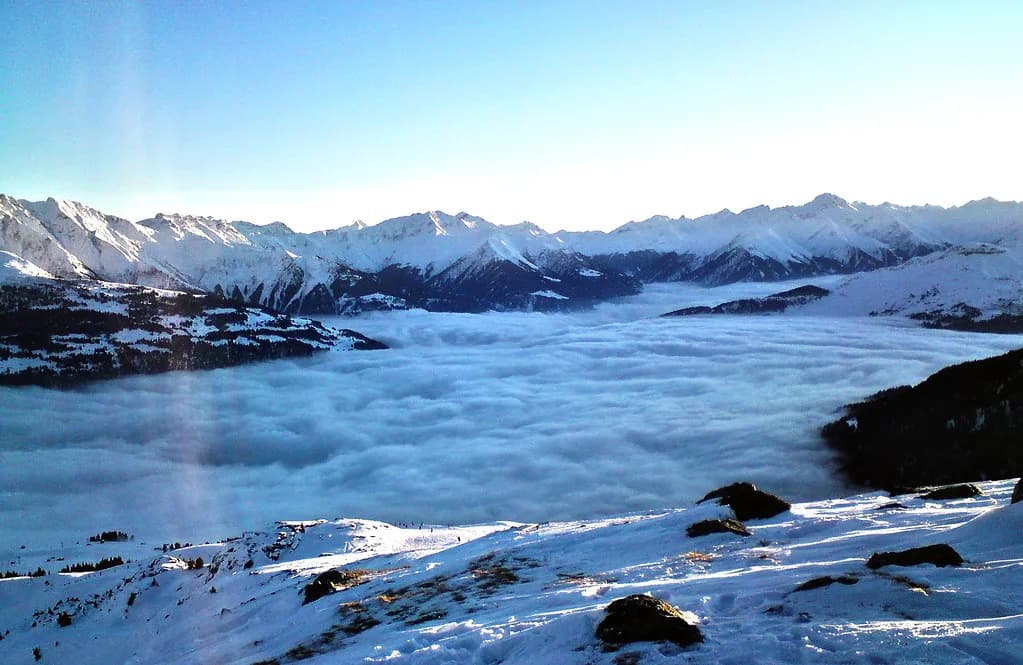
Villages sit low relative to the upper mountain, which is why end-of-day decisions vary by sector. Third-party guides put the villages at roughly 1,000 to 1,200 metres, with the network topping out near 3,000 metres, so most skiers finish high and ride down. On warm afternoons the lowest runs can soften first, so build in the option of a lift descent rather than assuming you can ski back to the village.
Because the villages are lift-linked rather than interchangeable, a base change is not cosmetic: it changes your morning queue, your lunch options at mid-mountain, and how tired you are when the last lifts run. Decide the sector first and let accommodation availability follow, rather than the other way round.
The Flims Side: Foppa, Startgels, Nagens and the Terrain Above
Approaching from Flims means climbing via Foppa and Startgels toward the Nagens area, a route that opens up long, sustained descents back toward the valley. This side suits skiers who want to cover ground on groomed runs and who value a wide spread of intermediate terrain. It is also the natural base if you want a straightforward pattern of riding up and working across the mountain.
The upper terrain above Nagens links across toward the rest of the area, so you are not confined to the Flims side once you are up. Expect to spend the first part of the morning climbing and the middle of the day traversing toward the higher lifts. That rhythm rewards skiers who like to keep moving rather than repeat one run.
Flims also provides one of the documented learning locations, with a beginner zone on the Spalegna side used for first turns on easy slopes. Practically, this means families based on the Flims side do not have to cross the whole mountain to start a beginner day. LAAX School handles learning-area access, so ask it about current arrangements and any ticket conditions when booking lessons.
The trade-off on this side is the return. Because Flims sits low, the final descent can be the least reliable part of the day in mild weather, and a lift descent may be the sensible finish. Plan your last run so that you are not committing to a long, soft lower slope late in the afternoon.
The Laax Side: Murschetg, Crap Sogn Gion and the Upper Mountain
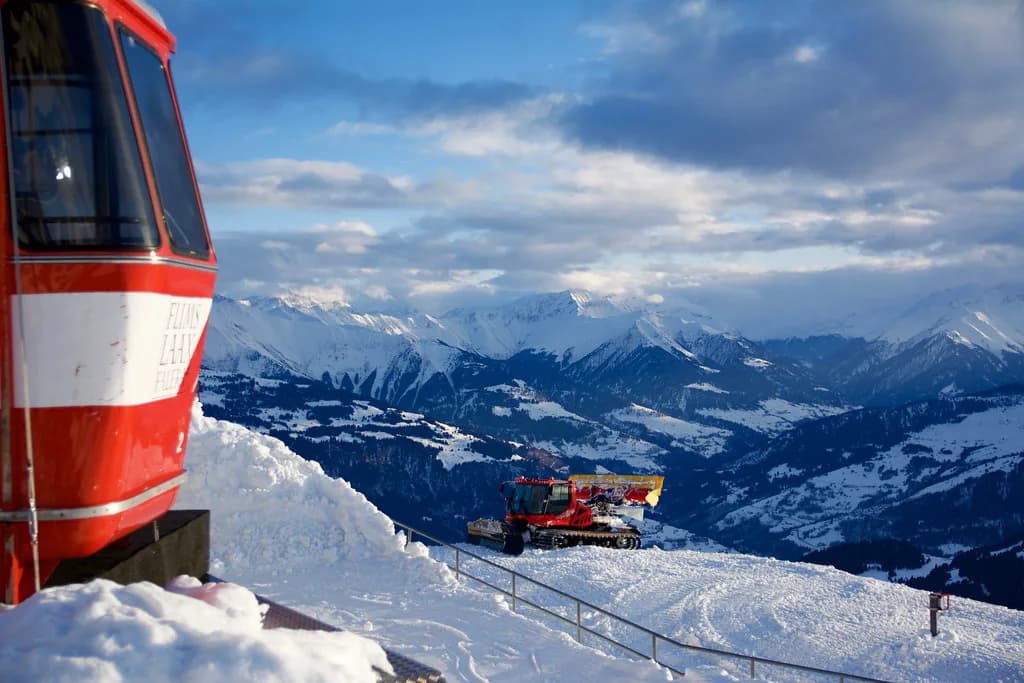
From the Laax side, access runs through Laax Murschetg and Laax Dorf toward Crap Sogn Gion, which acts as a mid-mountain hub for the upper area. This is the side most associated with the area's freestyle identity, and it puts you closest to the higher lifts and the terrain above. If your priority is time on the upper mountain rather than commuting, this access pattern saves climbing.
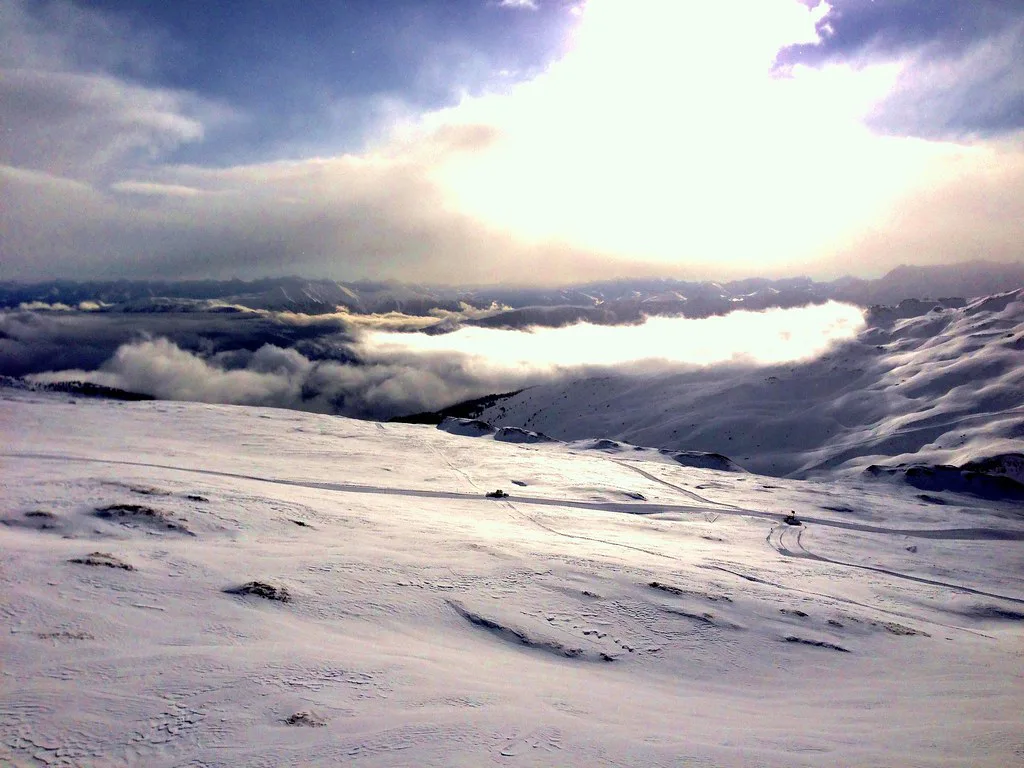
The highest terrain reaches toward the Vorab glacier at the top of the network, which gives the area its high-altitude character and its longest sustained descents. Flims Laax Falera cites the drop from La Siala toward Flims as a run of around 13 kilometres with roughly 1,700 metres of descent. Treat such descriptions as examples of scale rather than as routes you must attempt.
Crap Sogn Gion is also where the freestyle provision concentrates, with park terrain and pipe features built around the hub. That shapes the feel of the mountain: on busy days you will share lifts with a lot of riders heading for the parks rather than for groomed mileage. Non-freestylers should read that as context, not as a problem, since the groomed network is extensive.
The Laax-side base is the more modern, lift-proximate end of the resort, which makes the morning start efficient but the village feel less traditional. If you want to walk to a lift quickly, this pattern is the stronger choice; if you want a classic village centre, weigh that against the extra movement at each end of the day.
Falera and Curnius: The Quieter Third Access
Falera offers a third way onto the mountain, reaching the network via Curnius, and it is the least busy of the access points. That makes it attractive on peak weekends and school-holiday dates, when the main bases carry the longest queues. The trade-off is reduced choice of local facilities at the base compared with the other two villages.
Falera also hosts one of the documented learning locations, at the observatory side of the village, which supports a beginner day without crossing the area. If your group mixes beginners and stronger skiers, Falera can work as a compromise base: easy terrain locally and a connection into the wider network. Verify current learning-area arrangements with the ski school before committing.
Because Curnius sits on the way up, a Falera start tends to mean a shorter but more focused first climb than a Flims start. That suits skiers who want to be high early and are content to return the same way. It suits less well anyone who wants to end the day on the far side of the mountain.
A practical note: sources disagree on how many lifts and kilometres the area contains, so do not build a day plan around a specific lift count or a specific total distance. Use the network structure instead, and confirm which connections are running on the day you travel.
Terrain by Ability: What Each Group Should Expect
Beginner provision is concentrated rather than spread across the whole mountain, with dedicated learning areas documented at the Laax base, at Foppa on the Flims side and at Falera. Flims Laax Falera also describes a beginner ticket that takes skiers from Flims to Foppa or Nagens and from Laax or Falera to Crap Sogn Gion, rather than covering the entire network. Read the current ticket description carefully, because the boundary of that product determines where a beginner can actually ride.
Intermediates get the broadest offering, with extensive groomed terrain across the linked sectors and long descents that reward covering ground. Documented highlights include the sunny slopes around Nagens and Mutta Rodunda for more athletic skiers. For a week-long trip, this is the group most likely to be satisfied without repeating runs.
Strong skiers find a smaller but real set of challenges, including steeper groomed sections and the demanding upper terrain near the glacier. Flims Laax Falera points advanced skiers toward the former FIS run and the back of the Vorab glacier, but these are terrain that changes with conditions and should be approached with appropriate judgement and, where relevant, a qualified guide. This guide deliberately does not describe off-piste lines.
Skill-distribution statistics published by third parties conflict, so treat percentages of beginner, intermediate and advanced terrain as indicative only. The useful planning question is simpler: does the area hold enough terrain at your level for the number of days you are buying? For most intermediates at three to five days, it does.
Freestyle Terrain and the Snowboard Identity
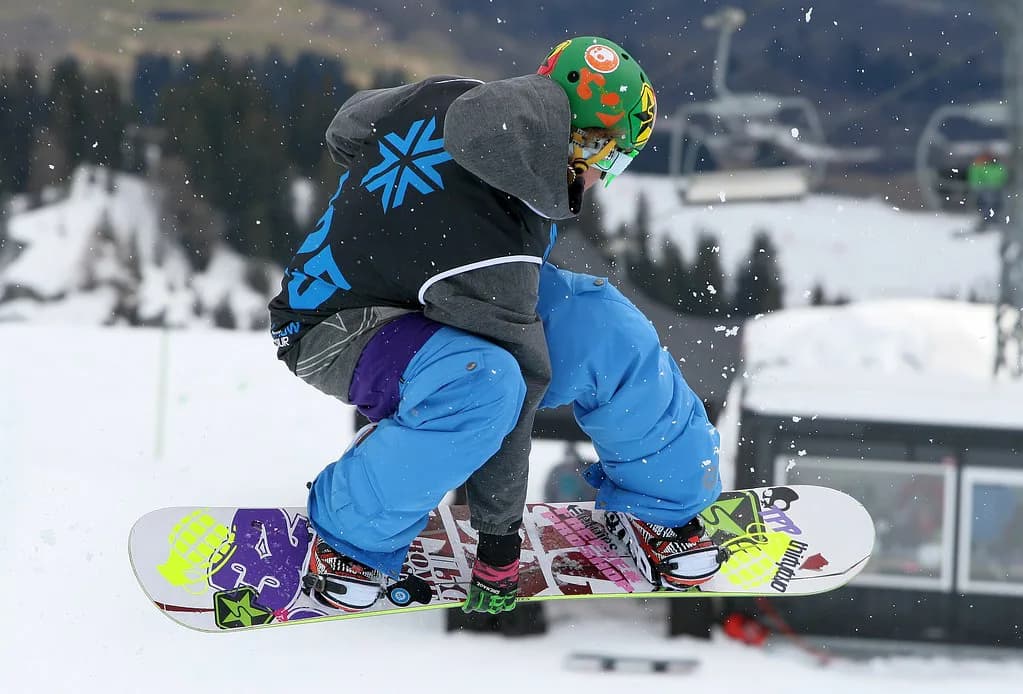
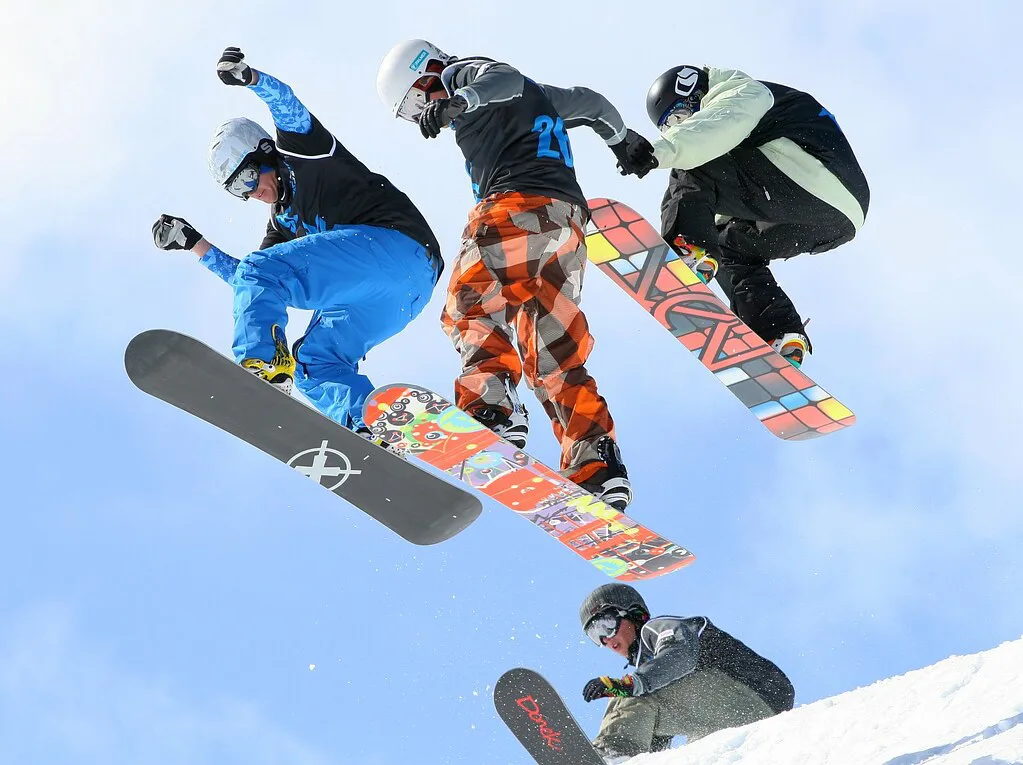
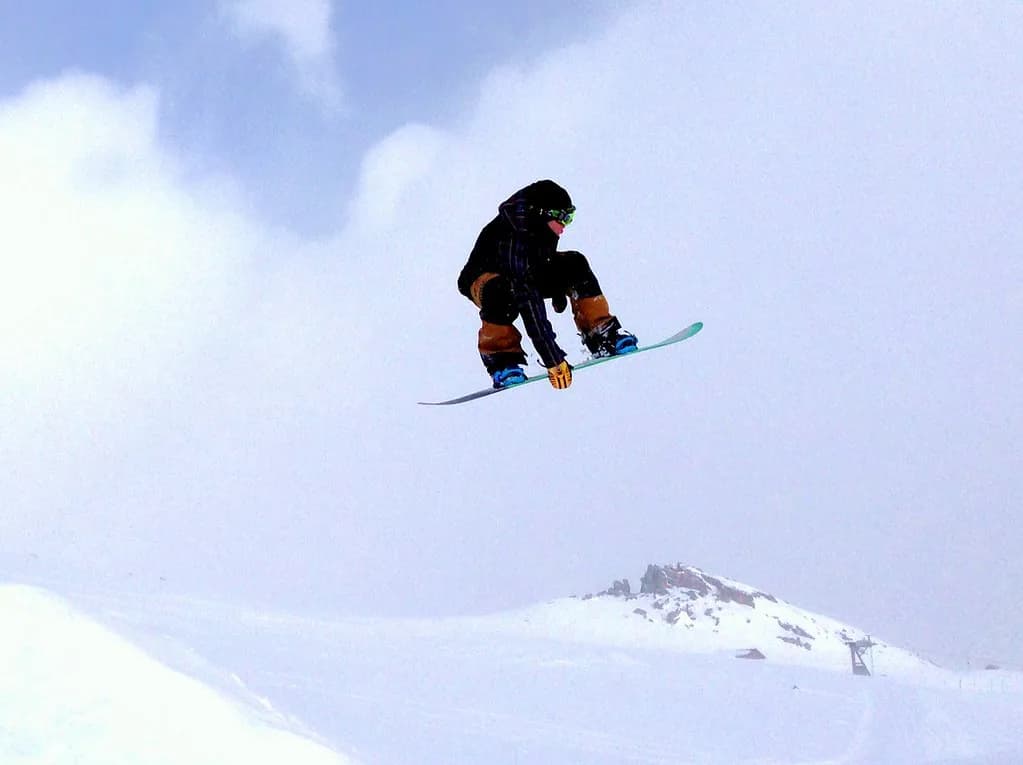
The area's identity is closely tied to freestyle riding, with park terrain and pipe features built around the Crap Sogn Gion hub and a long-standing snowboard culture on the mountain. That shapes everyday traffic: you will share lifts with riders heading for the parks, and groomed pistes often run alongside park areas. If you are not a freestyler, this mostly affects which lifts feel busiest and where beginners may encounter faster traffic.
Published park counts vary between sources, with Flims Laax Falera listing five snow parks and third-party guides listing four. Rather than planning around a specific number, work on the principle that park terrain sits in defined areas rather than spread across the whole mountain, so it is easy to avoid or to seek out. Beginners should check entry arrangements at any park before rolling in, since features vary in size and difficulty.
If freestyle is central to your trip, treat park availability as conditional: builds depend on snow, weather and maintenance schedules and can change during the season. Check the resort's current status information close to your travel dates rather than assuming a particular feature will be open. For the wider riding context around this side of the mountain, our laax snowboarding guide covers the operational questions specific to boarders.
Non-freestylers should not read the snowboard reputation as a reason to avoid the area. The lift network and groomed terrain are extensive enough that a skier focused on piste mileage can plan a full day without ever entering park terrain, provided the base sector is chosen sensibly.
The Ticket Explained: One Area, Several Products
The area is marketed with a shared ticket structure rather than separate per-village passes, and Flims Laax Falera describes a beginner product alongside the full-area option. That distinction matters: a beginner ticket documented as covering the lower learning sectors is not the same as a full network pass, and buying the wrong one limits where you can ride. Always read the current product description rather than inferring coverage from the name.
Our Laax Ski Pass Guide sets out which products exist and how they differ. This guide does not quote prices or seasonal products, because those change and must come from Flims Laax Falera at the time you buy. Before paying, confirm which lifts your chosen product covers, whether it is valid across all three villages, and how many days it includes; if a multi-day product is offered, check whether days must be consecutive.
Also confirm how the ticket is issued and carried, and whether there is any difference between a card, an app-based product and a printed voucher on your dates. These details affect your first morning more than they affect the price comparison, because a ticket that is not ready at the lift is a slow start. Sort it out before arrival rather than queueing on day one.
If your group has mixed abilities, do not automatically buy the same product for everyone. Beginners on a restricted product and strong skiers on a full-area product can still meet at mid-mountain, which is often the most economical split. Write down the boundary of each person's ticket so nobody discovers a limit at the lift line.
Lessons and Learning Provision: What to Confirm
Beginner instruction is tied to specific locations rather than offered uniformly across the mountain, with learning areas documented at the Laax base, at Foppa and at Falera. Flims Laax Falera notes that the Snow Wonderland areas are open to its own ski school customers only, which is a concrete access condition rather than a general invitation. If you plan to use those zones, book through the relevant school and confirm the arrangement.
Do not assume a lesson meeting point from a name or a village. Ask the school directly where the group meets, what time it starts, and which ticket the lesson requires, because a lesson on the wrong ticket can mean an unusable day. Confirm the language of instruction and the maximum group size in writing if those matter to you.
For children, the documented provision is organised around age and ability bands, but this guide does not assess instruction quality or staff ratios. Ask the school what supervision, group size and progression structure apply to your child's age, and check whether a specific ticket must be purchased alongside the lesson. Those answers come from the school, not from a resort description.
If your group includes both first-timers and experienced skiers, plan lessons as a half-day commitment for the beginners and use the rest of the day on the shared network. That keeps the group on one mountain without forcing strong skiers into beginner terrain all week. Build the meeting point around a mid-mountain hub rather than a valley base.
Snow, Altitude and Sun Exposure: Reading the Mountain
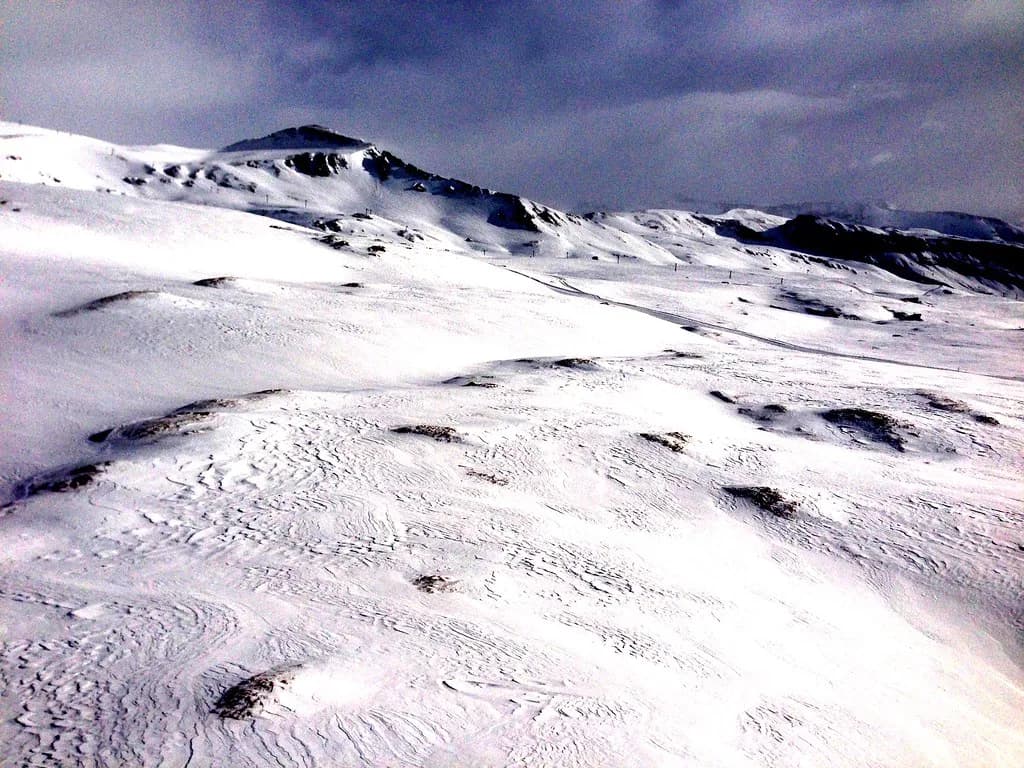
Altitude is the area's main structural advantage, with Flims Laax Falera stating that around 70 per cent of the slopes sit between 2,000 and 3,000 metres. That gives a long vertical range and a genuine high-mountain feel on the upper lifts. It is context for planning, not a forecast: no altitude figure guarantees good conditions on your dates.
The lower slopes are the weaker link. Sources describe the villages sitting at modest altitude and differ on exactly how the area faces, with some terrain sun-exposed and other parts described as north-facing. The practical implication is the same either way: expect the lowest runs to be the first to change, and do not plan a trip that depends on skiing back to the village every afternoon.
Because the orientation descriptions conflict, ignore any claim that the whole resort is uniformly sun-baked or uniformly protected. Instead, plan by sector: work the high terrain in the middle of the day and use lower, shadier options when the surface on exposed slopes deteriorates. Ask locally on the day which side is holding up best.
Season timing published by third parties is indicative scheduling, not a commitment that lifts and links will be running on a given date. One guide describes a window from late November to mid-April, but winter operations depend on snow, weather and maintenance, and individual connections can be closed even mid-season. Check current status information shortly before you travel instead of relying on a guide's season window.
Practical Planning Sequence for a Laax Ski Trip
Start by choosing an access sector, not a hotel. Decide whether you want the Flims-side climb through Foppa and Startgels, the Laax-side approach via Murschetg toward Crap Sogn Gion, or the quieter Falera and Curnius route. That single choice sets your morning start, your lunch stop and your end-of-day options. Everything else in the trip follows from it.
Next, match the ticket to each person's actual ability and the terrain you intend to ski. Buy the full-area product only if you will use the whole network; a beginner on a restricted product should not be paying for terrain they cannot reach. Confirm the coverage of each product with the lift company before purchase, since inclusions can change between seasons.
Then lock in lessons and hire, in that order, because lesson times constrain the rest of the day. Ask the school where the group meets, which ticket is required and whether equipment can be collected before the first session. If you want a cost framework for the trip, our laax ski resort prices guide sets out what to budget for rather than quoting figures.
Finally, plan around the return, not just the descent. Decide in advance which lift you will take down if the lower slopes are soft, and set a meeting time at a mid-mountain hub so a mixed group can split and rejoin without losing an hour. Sketch the sectors on a laax ski map before you travel so the group agrees on meeting points in advance.
Where to Go Next in the Planning
Sector, ticket, lessons and hire are the four planning decisions that matter most, and each deserves its own detail rather than a paragraph here. If freestyle is central to your trip, the operational questions differ enough to warrant a separate read. Riders should start with our laax snowboarding guide for park access, lift patterns and how to structure a board-focused day.
Budget planning is the other area where guesswork causes problems, particularly when a group is buying several different products. Rather than quoting figures that change, work through what needs to be costed and where to check each item. Our laax ski resort prices guide is organised around those decisions.
If you are still comparing Swiss areas before committing, two useful reference points are the larger, spread-out terrain of crans montana skiing and the multi-sector layout of davos skiing. Both help calibrate scale and sector structure against what this area offers. Use them to test whether a three-village, one-mountain network is the pattern you actually want.
Whichever you choose, write down the four decisions and settle each one with the lift company before paying: which sector you are basing from, what your ticket covers, where lessons meet, and which lift you will take down at the end of the day. That short list resolves most of the uncertainty on a mountain of this size.
Plan Your Visit
Laax skiing comes down to one structural choice before any other: which of the three villages and which access sector you build your day from. The area is shared and lift-linked, but the access points are not equivalent, and that difference shapes your queues, your first run and your return. Settle the sector first, then match tickets, lessons and hire to the people actually travelling.
Treat every published figure as approximate and every season date as conditional, then check the practical details with the lift company before you pay. Check current lift and connection status close to your travel dates, and confirm ticket coverage and lesson arrangements in writing. That approach removes the guesswork without pretending the mountain offers guarantees it cannot.
Explore more Laax guides
Frequently Asked Questions
Is it better to stay in Laax or Flims for a ski trip?
It depends on which access sector suits your group rather than on one village being better. The Laax side reaches Crap Sogn Gion and the upper mountain with less climbing, while the Flims side climbs through Foppa and Startgels toward Nagens. Falera, via Curnius, is the quieter third option. Choose by the terrain you intend to ski most and by how you want to finish the day.
Is one lift pass valid across Flims, Laax and Falera?
The three villages share one interconnected ski area, with a shared ticket structure plus a separate beginner product. Coverage depends on which product you buy, not only on the area you are visiting. Check the inclusions and validity of the specific product on the operator's pages at the time of purchase, since products and inclusions can change between seasons.
Where do beginners ski in the Flims Laax Falera area?
Learning provision is concentrated at specific locations rather than spread across the whole mountain: the Laax base, Foppa on the Flims side and the Falera observatory area. The Snow Wonderland zones are open to the operator's own ski school customers only, so access depends on booking through the relevant school. Ask the school directly about meeting points, required tickets and group arrangements.
How much of the area sits above two thousand metres?
The operator describes around 70 per cent of the slopes as sitting between two thousand and three thousand metres, and the highest terrain reaches toward the Vorab glacier. That gives a long vertical range, but it is context for planning rather than a forecast. Treat published altitude and distance figures as approximate, since operator and third-party totals differ, and check conditions close to your travel dates.
When does the ski season usually start and end?
Third-party sources describe a season running from late November to mid-April, but that is indicative scheduling rather than a commitment. Winter operations depend on snow, weather and maintenance, and individual lifts, links and pistes can be closed even in mid-season. Check the current season window and operating status on the operator's own information shortly before you travel.
Do I need a car to ski the three villages?
The villages are lift-linked on the mountain, so you do not need a car to move between ski sectors once you are up. Ground-level movement between the villages is a separate question, and this guide does not cover transport arrangements. Check local connections and lift operating hours with the operator or the local tourist information before you decide where to base yourself.
How do I choose between the full-area ticket and a beginner ticket?
Match the product to the terrain each person will actually use. A beginner product covering the lower learning sectors is not the same as a full network pass, and buying the larger product for a beginner means paying for terrain they cannot reach. Confirm every product's inclusions, validity across villages and day structure at purchase, because inclusions can change between seasons.
Where can I check whether specific lifts are running?
Lift status is an operational snapshot rather than forward planning information, so use it for confirmation close to your travel dates and during your trip. Status feeds show what is running at a given moment and can change within the day for weather or maintenance reasons. For advance planning, confirm scheduled operating periods and connections directly with the operator.
Sources
Useful notes for your next ski trip
Optional updates to our Alpine resort guides.
You might also like
Continue reading
More guides you'll find useful