Laax Ski Season: Dates, Altitude and When to Book
Plan your Laax ski season around the resort's altitude range, early and late snow, quiet weeks and what to book ahead for Flims, Laax and Falera.
On this page
The Laax ski season is not one date but a sliding scale. The base villages sit around 1,100 metres while the Vorab glacier tops out at 3,018 metres, so the upper mountain holds snow long after the valley runs soften. Plan around the altitude band you actually want to ski and the trip becomes far easier to time.
This guide treats the linked Flims Laax Falera area as a whole, because that is how your lift pass works. It covers what typically opens when, which sectors deserve your days, how the villages differ as bases and what to sort out before you leave the UK.
What the Laax Ski Season Covers
The ski area joins three villages under one lift network: Laax, Flims and Falera. Laax is the youngest and liveliest base, Flims draws families and spa-focused stays, and Falera is the quiet third option on the sunny plateau above the Rhine gorge. Whichever you sleep in, you ski the same connected terrain.
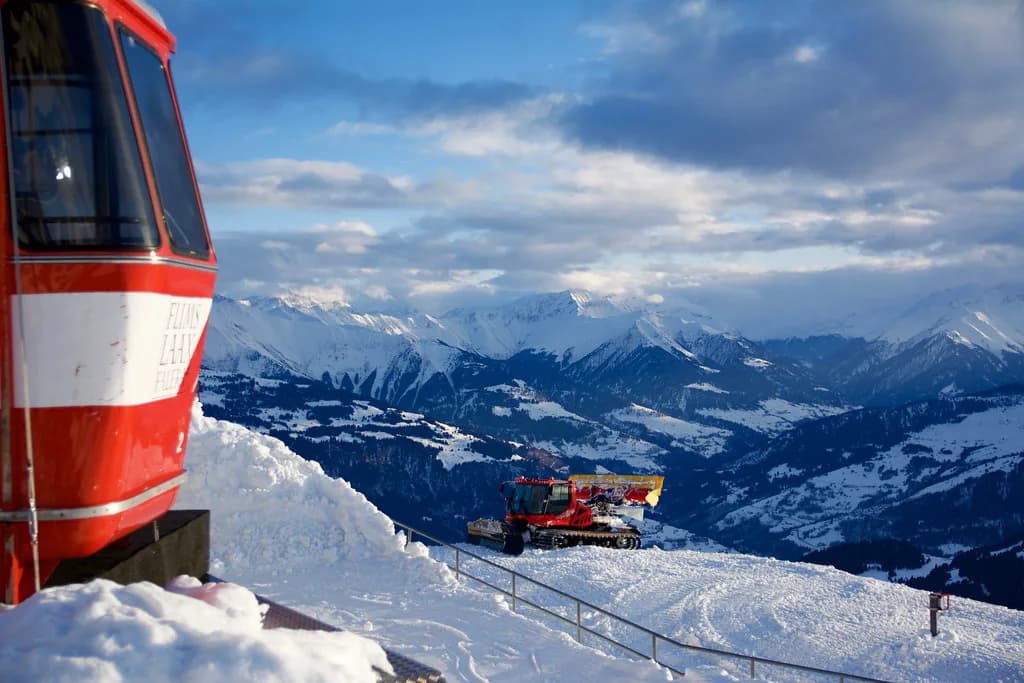
The main access point for most skiers is the Laax base at Murschetg, about two kilometres from the village centre, where the main gondola climbs towards Crap Sogn Gion. Flims has its own lift base, so the two villages feed different sides of the mountain. Check the current piste map before choosing accommodation, because your morning routine depends on which lift you can walk to.
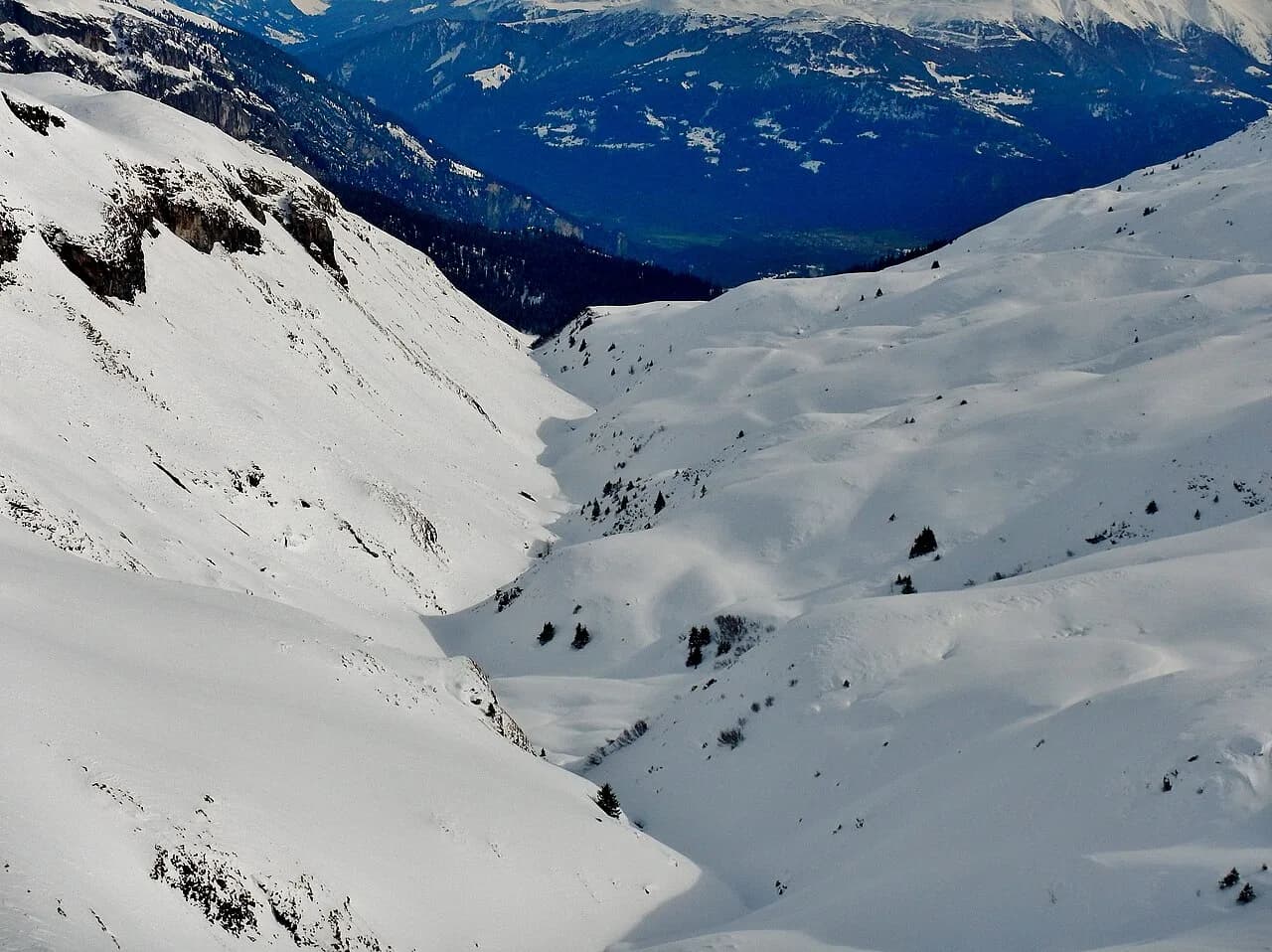
Lift-linked terrain spans roughly 1,100 to 3,018 metres, with around 176 kilometres of piste counted across the area. The vertical range is the key fact for season planning: lower runs can be slushy or closed while the glacier sector is still running.
Season Shape: Opening, Closing and the Glacier End
Laax does not publish a fixed season that applies every winter. Opening and closing days shift with snow, temperatures and the resort's operating plan, so treat any date you see elsewhere as indicative rather than a booking guarantee. The official resort site is the place to confirm the current winter's published start and end. The same logic applies if you are comparing resorts, so check the Arosa Ski season dates alongside Laax's before you lock in a week.
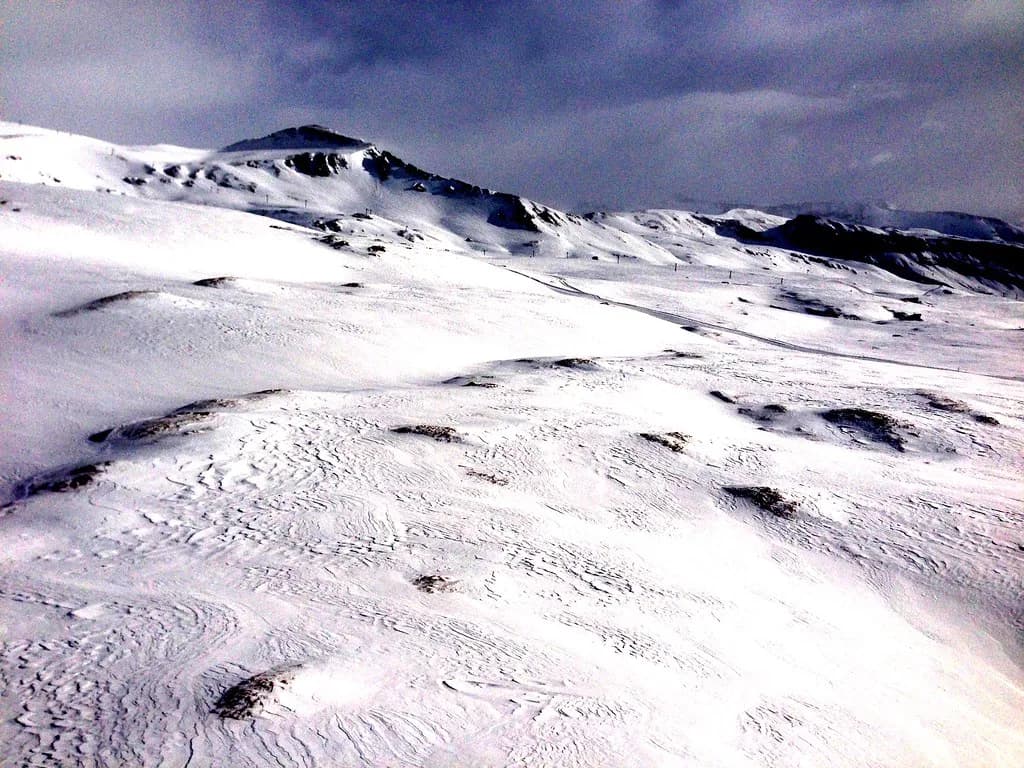
What stays consistent is the pattern. The high sectors above 2,000 metres carry most of the area and hold snow through the core season, while the runs back down to the villages are the first to thin out. The Vorab glacier is the highest point and the last part of the mountain to lose reliable cover.
For trip planning, that means early and late season trips should be built around the upper mountain. If you are travelling at the edges of winter, choose accommodation with quick access to a main gondola rather than a village bed far from the lifts. The old-fashioned drag lifts are largely confined to the glacier, so most of your riding uses modern cable cars, gondolas and chairlifts.
Altitude and Snow Reliability
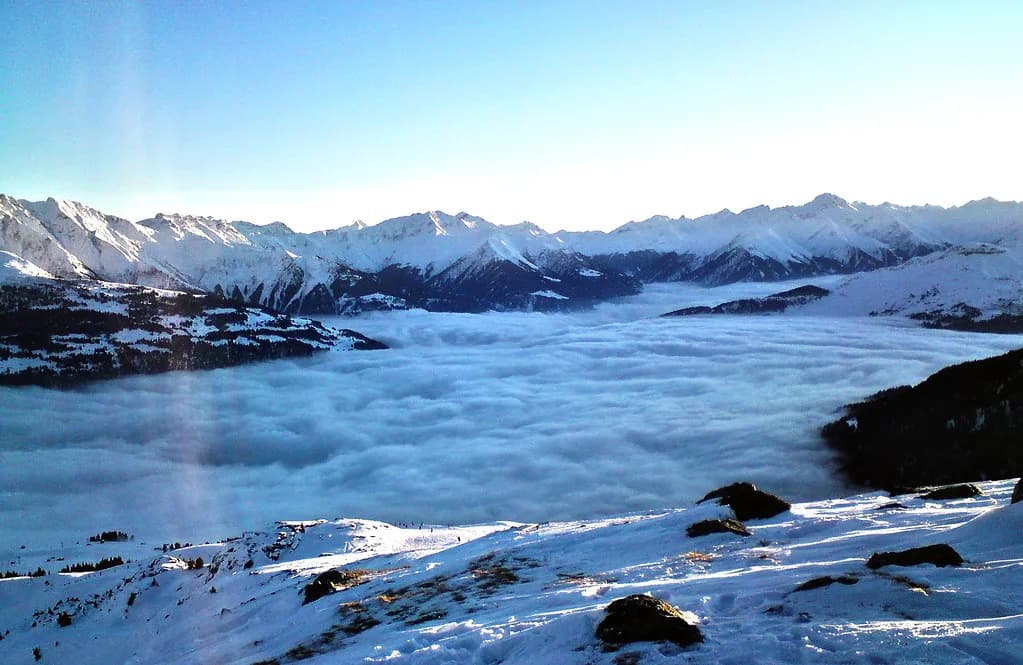
The 1,100-metre base and 3,018-metre summit give Laax one of the wider altitude spreads in Graubünden. German-language resort data puts the valley station at 1,100 metres and the top station at 3,018 metres, with the main ski area sitting close to 1,918 metres on average.
Most of the slopes sit above 2,000 metres, which is why the core season generally holds up well even in a modest snow year. Roughly a third of the ski area is described as snow-sure, concentrated on the higher ground. Village-level runs are a bonus, not the foundation of the season.
Practical translation: book a January or February trip with confidence in the upper mountain, and accept that the run home may be marginal at either end of winter. If snow is your priority over village charm, a base with a fast gondola connection beats a prettier address further from the lifts.
Piste Kilometres and the Ability Split
Piste counts vary between sources because of how connected runs are measured. One summary lists around 176 kilometres with 85 kilometres of blue, 76 of red and 15 of black terrain across 29 lifts; another counts 188 kilometres with 88 blue, 81 red and 19 black. Treat the figures as a shape rather than a precise total, and check the current piste map for the detail.
The shape is clear: Laax is overwhelmingly blue and red terrain. Cruising intermediates will find plenty of long, forgiving groomers, and the vast plateau of blue runs between the Laax and Flims sectors doubles as a gentle introduction to off-piste. Strong carvers should temper expectations, because overall gradients are moderate.
Advanced skiers get their value from a handful of steeper pitches rather than a whole mountain of them. La Siala, Mutta Rodunda, Grauberg and the southern side of the Vorab are the names worth knowing. Plan your advanced days around those sectors and spend the rest of the week cruising.
Named Sectors Worth Planning Around
Crap Sogn Gion is the hub of the mountain and the gateway to the Galaaxy, the resort's freestyle zone. Most skiers pass through here at some point, and it makes a sensible meeting point if your group splits by ability. From the top you can drop into the park area or head out across the linked sectors.
Above the hub, the Vorab glacier serves freeriders on unprepared but secured terrain, including the Vorab Pign area. Lower down, La Siala and Mutta Rodunda offer the steeper groomed runs that advanced skiers come for. Grauberg and the southern Vorab face give you sun and softer snow later in the day.
The layout rewards a little planning. Start high in the morning when the upper lifts are quiet, work the sunny south-facing runs around midday and finish on the lower blues if your legs are done. That routine holds from December through April, whatever the snow depth.
Early Season: What Opens First
Early season in Laax means upper-mountain skiing with a limited choice of routes down. The glacier and the highest groomed sectors are the first to come online, and the connecting runs to the villages tend to follow once temperatures stay low. Expect a reduced lift network and a smaller open piste count than you would see in February.
Beginners should not base an early trip on the valley learning areas. The plateau of gentle blue runs between the Laax and Flims sectors is the best beginner ground once the whole area is open, but it may not be fully accessible in the first weeks. If you are learning, aim for mid-season and book lessons at the same time as your accommodation.
A realistic early-season plan is a short break built around the high lifts, with flexible expectations and travel insurance that covers piste closures. Check the official resort site for the published opening date and the live lift list before you commit.
Mid-Season: Peak Weeks and How to Structure Your Day
The middle of the season is when the whole linked area should be running and every ability has somewhere to go. It is also when the busiest weeks fall, particularly around Christmas, New Year and the February half-term period. Those weeks are about managing crowds as much as snow.
Arrive at the gondola early and head straight up rather than loitering at the base. Crap Sogn Gion gets busy as a crossroads, so use it to pass through and pick a quieter sector for your morning laps. The shuttle buses between Laax, Flims and Falera run roughly every 30 minutes and were reported free for pass holders, which makes splitting a group across villages workable if that arrangement still applies.
Book mid-season accommodation and ski school well ahead if your dates are fixed to school holidays. The same applies to ski hire in Laax, where a mid-week fitting slot beats queuing on the first morning. Pre-booking equipment pays off most in the peak weeks.
Late Season and Spring Skiing
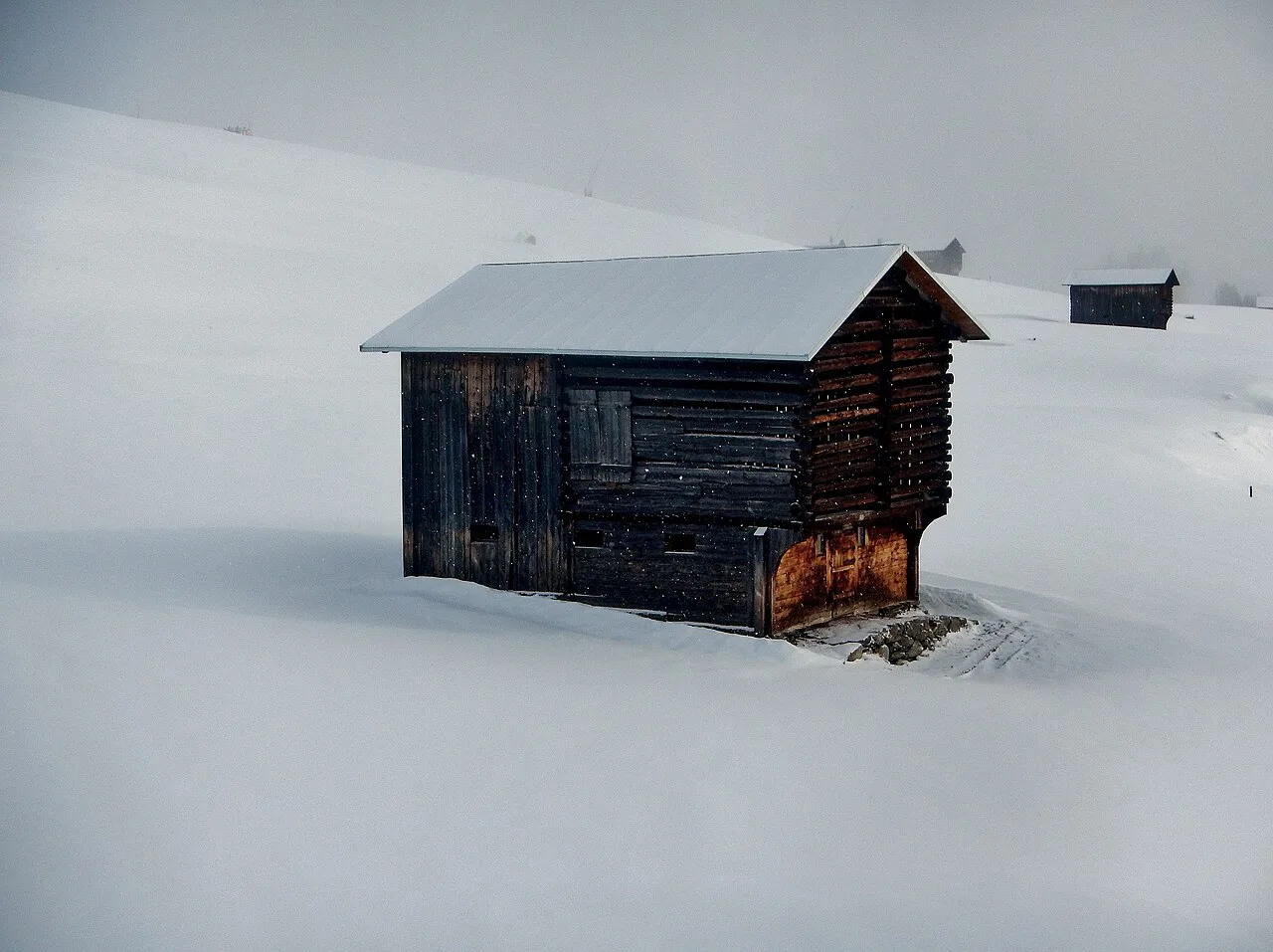
Spring in Laax is a different sport. The south-facing slopes above the Rhine gorge catch the sun and soften early, while the high glacier keeps firm snow longer. Timing your descent to follow the sun from east to west is the difference between a glorious run and a slushy one.
The Vorab end of the area is your insurance policy late in the season, because altitude and aspect both work in its favour. Village-level runs may thin out first, so a base near a main lift matters more in April than in January. The sunny plateau setting that makes Flims attractive in midwinter also means its lower slopes warm up quickly.
Late season still brings excellent days, but plan around the upper mountain and start early. Check the current closing date on the official Laax site, since lift closing dates are set season by season.
Beginners: When and Where to Learn
Laax suits beginners well, provided you come when the full area is open. The plateau of blue runs between the Laax and Flims sectors is the standout learning ground, mixing groomed pistes with easy off-piste stretches for a first taste of powder. Families rate it highly for exactly that reason.
The resort runs two childcare facilities, and the ski school takes children from age four. That makes Laax workable for a family with a mix of ages, as long as you confirm the current lesson products and group sizes when you book. Book lessons for the first morning of your trip, not the middle, so you can adjust the rest of the week around what you learn.
Choose your base with the school meeting point in mind. Flims is the calmer, family-oriented option, while Laax suits families who want livelier evenings. Either way, the beginner terrain is shared, so the decision is really about the village rather than the slopes.
Freestyle and Freeride Timing
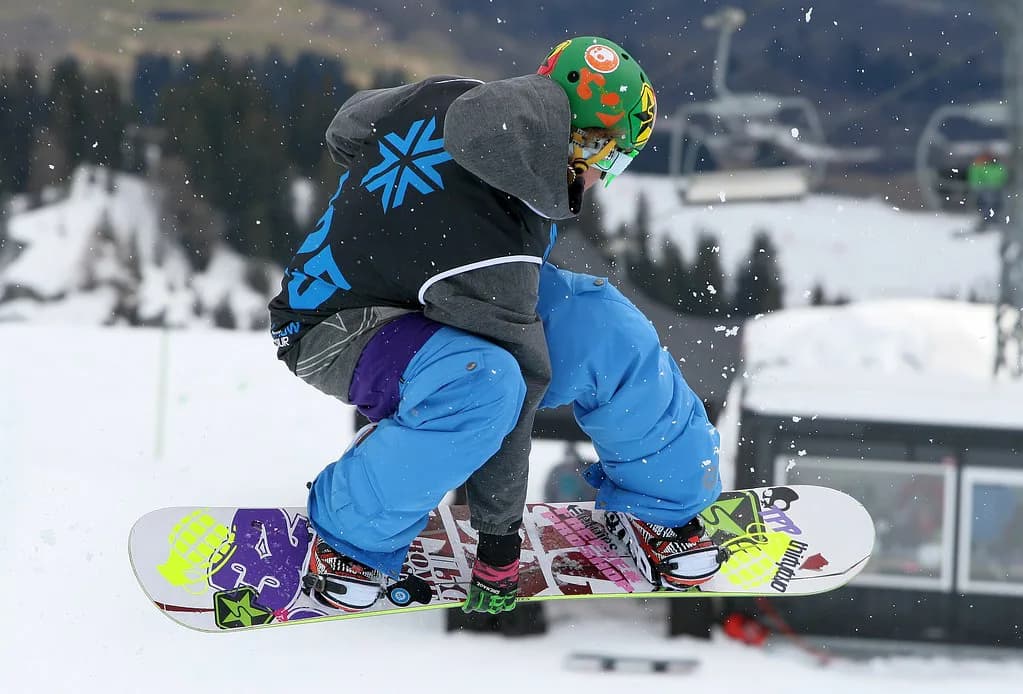
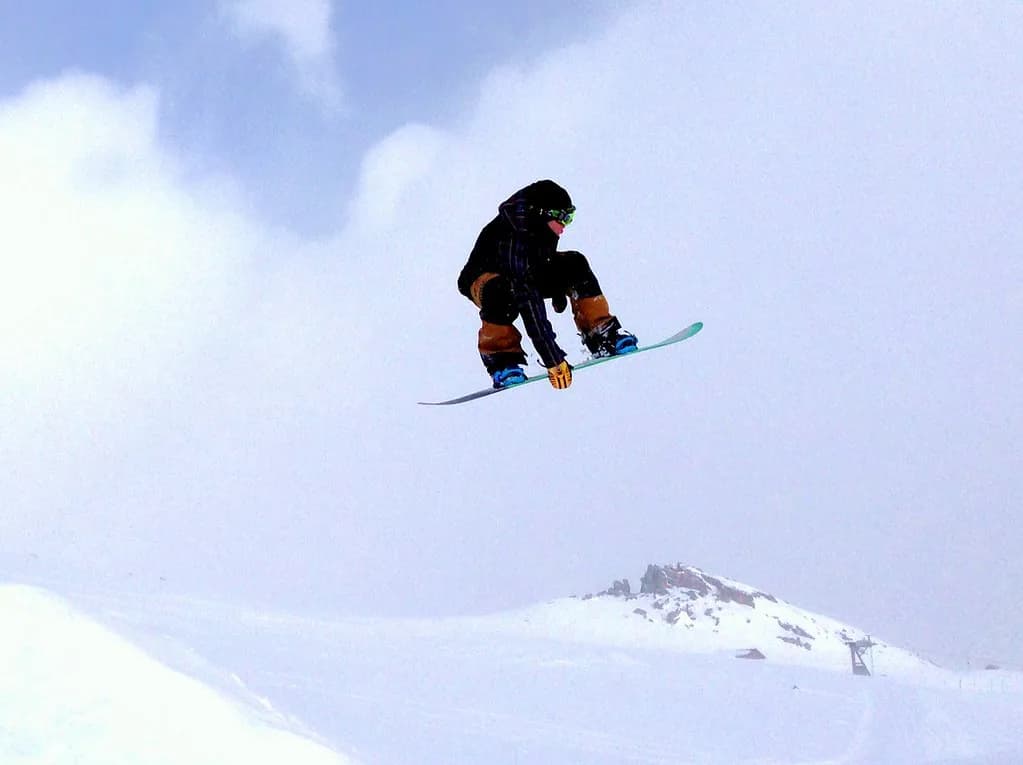
Laax is Europe's freestyle hub, and the Galaaxy area at Crap Sogn Gion is its centre. The park network includes four snow parks and a half-pipe that is among the largest in Europe. International competitions bring the pros to town, and the infrastructure keeps progressing through the winter.
Freeriders should aim for the deep midwinter weeks, when the secured but unprepared slopes off the Vorab and the Vorab Pign area hold the best cover. Early and late season freeriding is possible on the glacier but limited lower down. The park setup means you can pair a freeride morning with an afternoon of jumps without crossing the whole resort.
If freestyle is the main reason for your trip, base yourself in Laax rather than Flims. The evening scene and the shortest journey to the park both point to the livelier village, and the shuttle network covers the rest of the area.
Lift Passes: How the Day Pass Works and Where to Buy
One pass covers the whole Flims Laax Falera network, including the high glacier sectors and the linked villages. Multi-day passes are the sensible default for a ski week, because the area is large enough to justify several days of exploring. Prices change each winter, so check the current tariff and product range on the official site before you budget.
Buying online before you travel is the simplest route and often gives access to earlier pricing tiers. Work out whether everyone in your group needs a full-area pass, since beginners staying on the lower plateau may not use the glacier lifts. A little honesty about your group's plans saves money.
Ski Hire and Ski School Booking
Ski hire in Laax is concentrated around the main lift bases, with Murschetg the most convenient for skiers staying in Laax. Book online before you travel, especially for peak weeks, so your fitting is quick and your boots are reserved in your size. Shops can be busy on the first morning of a holiday week.
Ski school places are worth reserving at the same time as your accommodation, particularly if you need children's lessons. Group lessons start at age four and adult lessons run throughout the winter. If you are travelling as a mixed-ability family, book morning lessons so the afternoons stay free for skiing together.
Getting There: Car, Train or Zurich Airport
By car, Laax sits around 25 minutes from Chur, with the motorway exit at Reichenau and signposts following Flims or Laax. It is roughly 1 hour 30 minutes from Zurich Airport and about 2 hours 45 minutes from Berne. Both Flims and Laax have covered car parks, while outdoor spaces are limited and go early.
By train, take the InterCity to Chur and pick up the yellow postbus 81 to Flims or Laax, getting off at the Bergbahnen stops for the lifts. The bus takes about 30 minutes to Flims and 45 minutes to Laax. A total journey from Zurich Airport of roughly 2 hours 15 minutes is realistic.
From Zurich Airport, a seasonal shuttle to Laax has been offered in high season with pre-booking required, but it runs only on some days and once daily. For most travellers the train-and-postbus route is more flexible and needs no booking beyond a ticket on the day.
Getting Around the Three Villages
Laax, Flims and Falera are connected by a local shuttle network that also links the villages to the ski lifts. Buses have been reported to run roughly every 30 minutes and to be free for ski pass holders, which makes staying outside the main base practical. Confirm the current arrangement locally, as transport terms can change between winters.
For many visitors the shuttle removes the need for a car entirely. If you are staying in Falera and skiing the Laax side, build your day around the bus timings; a taxi is not a quick fallback. Flims and Laax both have lift access of their own, so the shuttle matters most for evening trips and mixed groups.
Where to Stay by Season and Ability
Laax is the village for freestylers, younger skiers and anyone who wants a night out after a day on the mountain. Flims attracts families and wellness-focused visitors, with quieter streets and spa hotels. Falera, the third village, suits those who want the plateau setting without the bustle.
Season shifts the balance. In peak weeks, Laax positions you closest to the main gondola and the evening scene, while Flims gives a calmer home base with its own lift access. In late season, prioritise whichever base keeps you nearest a high lift, because the upper mountain is where the snow stays best.
For a full picture of lift passes, hire and on-mountain facilities, work through the wider Laax skiing guide and use it to match your group's priorities to a village before you book.
A Week-by-Week View
December suits confident skiers who want the high mountain and can handle a partial lift network. The Christmas and New Year weeks are busy and best booked early. January brings quieter slopes and reliable upper-mountain cover, making it the strong all-rounder for mixed-ability groups.
February centres on peak holiday dates, so plan your days around the lifts rather than the crowds. March offers longer days and warmer afternoons, ideal for intermediates. April rewards early starts and high-altitude laps, with the glacier end holding firm as the valley softens.
Season Checklist Before You Book
Confirm the current winter's opening and closing dates on the official site, alongside the live lift and piste status closer to your trip. Decide early whether your group needs the full area or a smaller pass, and pre-book hire and lessons to lock in sizes and slots. Finally, check the shuttle arrangement between Laax, Flims and Falera if you plan to stay outside the main base.
Plan Your Laax Season Trip
Laax rewards altitude-aware planning more than it rewards lucky timing. Build your trip around the upper mountain in early and late winter, aim for mid-season weeks if you want the full network and beginner terrain, and choose between Laax and Flims based on evenings and family needs rather than slope access.
Book accommodation, hire and lessons early for peak dates, and leave the volatile details to the official resort site, which publishes season dates, prices and conditions each winter. With the village match sorted and your days planned around the right sectors, the season becomes a choice rather than a gamble.
Frequently Asked Questions
When does the Laax ski season start and end?
Laax does not fix the same dates every winter. The resort publishes its winter start and end each year, and those dates shift with snow, temperatures and the operating plan. The official resort site lists the current season window, so look there before booking flights or accommodation; any other date you see is indicative.
Is Laax good for beginners?
Yes, as long as you come once the full area is open. The plateau of gentle blue runs between the Laax and Flims sectors gives beginners a lot of room, and the resort runs two childcare facilities with ski lessons from age four. Mid-season is the better choice for a first trip than the opening weeks.
Is it better to stay in Laax or Flims?
Laax suits skiers who want evening life, the freestyle scene and a short hop to the main gondola at Murschetg. Flims is calmer, family-oriented and known for wellness stays, with its own lift access. Falera is the quiet third option, and the local shuttle network connects all three.
How high is the Laax ski area?
The linked area runs from about 1,100 metres at the valley stations to 3,018 metres at the Vorab summit. Most slopes sit above 2,000 metres, which gives the core season good snow reliability compared with lower resorts in the region.
How many kilometres of piste does Laax have?
Published figures vary with how connected runs are counted, but the linked Flims Laax Falera area is generally described as having around 180 kilometres of piste, dominated by blue and red terrain with a smaller share of black runs. Check the current piste map for the exact layout.
How do you get to Laax from Zurich?
The most flexible route is a train to Chur, then the yellow postbus 81 to Flims or Laax, getting off at the Bergbahnen stops for the lifts. The total journey from Zurich Airport takes roughly two hours and 15 minutes. A seasonal airport shuttle has also operated in high season but runs only on some days and needs pre-booking.
Do you need a car in Laax?
Not necessarily. The villages and lifts are linked by a local shuttle network that has been reported to run every 30 minutes, and driving distances within the resort are short. A car helps for arriving with heavy gear or reaching other Graubünden resorts, but you can ski a full week without one.
When is the best time to ski in Laax?
January and March suit mixed-ability groups, with quieter slopes and dependable upper-mountain cover in January and longer, warmer days in March. December and April reward confident skiers who plan around the high glacier sectors. Avoid fixing your trip to peak holiday weeks if you want shorter lift queues.
Sources
Useful notes for your next ski trip
Optional updates to our Alpine resort guides.
You might also like
Continue reading
More guides you'll find useful