Arosa Ski Pass: Coverage, Rules and How to Buy
A practical guide to the Arosa Lenzerheide ski pass: full-area versus restricted tickets, multi-day rules, age bands and online pickup.
On this page
Arosa's lift pass is not a single product but a family of tickets sharing one ski area. The standard pass covers both Arosa and Lenzerheide, two resort bases on opposite sides of a ridge joined by the Urdenbahn cable car. Deciding what to buy starts with where you plan to ski and how long you are staying, not with the price list.
This guide walks through what each ticket covers, how multi-day entitlements behave, which age bands apply and how booking online translates into a card at the turnstile. Rates and season dates change, so treat the structure here as the planning framework and confirm the numbers before you pay.
What the Arosa Ski Pass Actually Covers
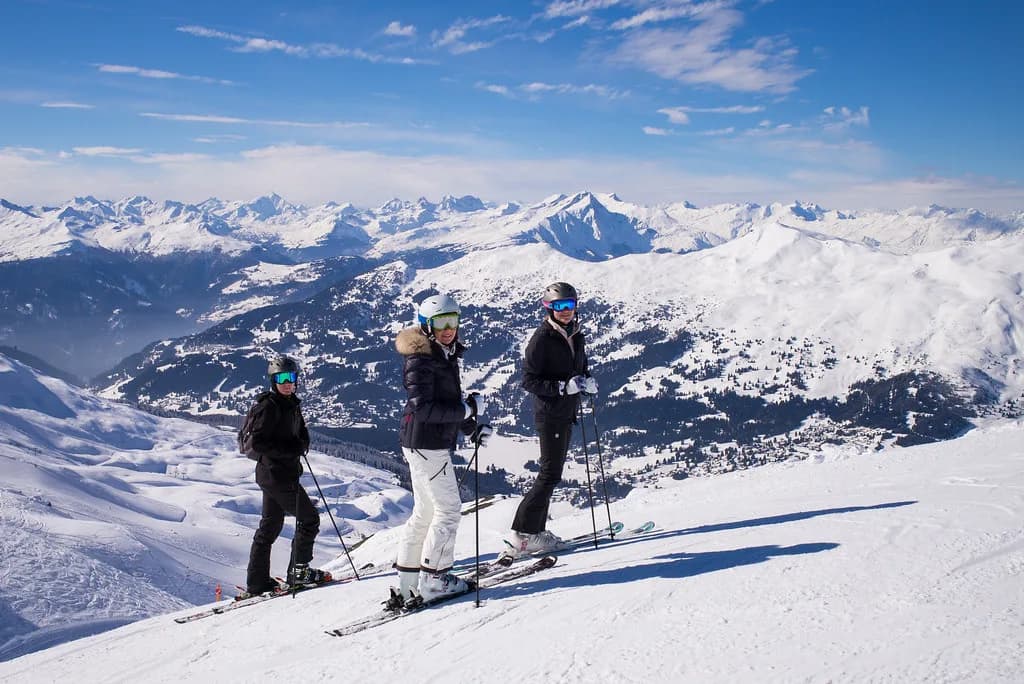
A standard Arosa Lenzerheide ticket is valid across the entire linked ski area, not just the Arosa side. That means the lifts above Arosa village, the slopes above Lenzerheide and the Urdenbahn connection between them all sit on the same pass. For anyone staying a week, this is the default purchase.
The official shop describes the day ticket as valid for skiing and snowboarding across the whole area, and also for winter hiking and tobogganing where transport is permitted. If part of your group does not ski, the same ticket can still get them up the mountain. That makes a mixed-ability group easier to organise than buying separate pedestrian and skier tickets.
For the wider resort picture, including terrain by sector and how the two bases relate, the Arosa ski guide covers the layout in more depth. Read it alongside this page if you are still deciding which village to base yourself in.
Arosa Lenzerheide in Numbers
The combined area is usually quoted at around 225km of pistes served by 43 lifts, with Arosa contributing 14 lifts and Lenzerheide 29. Those figures come from Ultimate Ski rather than the lift company itself, so treat them as a good planning estimate rather than an official audit. Either way, the scale explains why a full-area pass is worth considering over a local one.
Lift capacity across the two systems is roughly 65,000 riders per hour according to the same source, which keeps queues modest outside peak weeks and weekends. The practical upshot is that you rarely lose skiing time waiting, so duration decisions matter more than crowd avoidance when you choose a pass.
Why the Pass Choice Starts With Where You Ski
Arosa and Lenzerheide sit on either side of a ridge, and the Urdenbahn links them. Skiers based in Arosa who never cross lose access to the larger Lenzerheide sector, which holds the majority of the lifts. Skiers based in Lenzerheide face the reverse trade-off: the Arosa side is smaller but includes the high Weisshorn terrain.
If you plan to stay on one side for a short break, a local or restricted ticket may cover your needs. If you want the full circuit, the standard pass is the only sensible option because it is the product that unlocks both sides and the connecting cable car. Plot your intended sectors on the Arosa piste map guide before committing, since the map makes the geography obvious in a way descriptions do not.
Full-Area Day and Multi-Day Tickets
The standard pass is sold by day and by multi-day block, with rates published in Swiss francs and including VAT. The official rates page sets out the current winter's individual, group and school rates as downloadable PDFs, which is the reliable place to get figures because short-term price changes are possible. Buy the number of days you will actually ski rather than padding the booking.
A multi-day ticket covers consecutive days from your chosen start date, and the official shop states plainly that tickets cannot be refunded, transferred or rebooked for another day outside the general terms. That makes the start date a real decision: align it with your arrival day only if you genuinely ski that afternoon.
There is one useful wrinkle for trip planners. The lift company allows a 4-in-7 day dial as an exception to the consecutive-day rule, so a seven-day holiday with a rest day in the middle does not force you to buy seven straight days. Ask for that product specifically if your itinerary includes a gap.
The Restricted Tschuggen Pass for Beginners
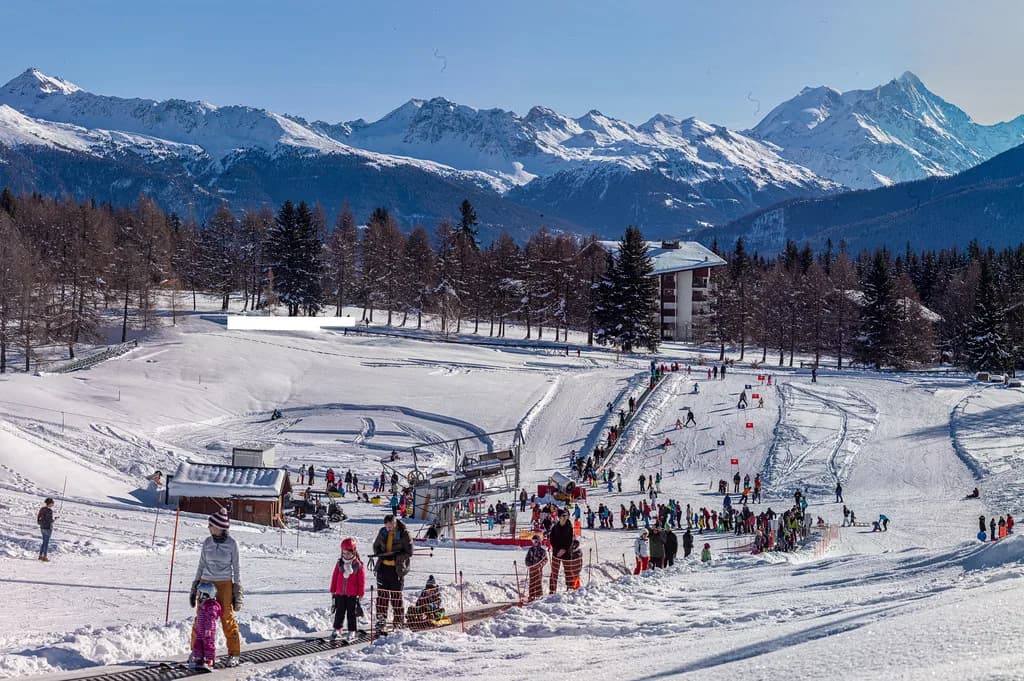
Arosa offers a restricted lift pass covering just the Tschuggen area, priced at roughly two-thirds of the standard pass according to Ultimate Ski. For a complete novice spending the first few days on the nursery slopes above the village, that is a meaningful saving and the terrain is genuinely adequate. Confirm the current price and exact validity at a sales point before relying on the ratio.
The trap is progression. Once a beginner can link turns and wants to ride the longer runs, the restricted ticket stops being useful and you end up buying the full pass on top. If anyone in your group is likely to move beyond the nursery area within two or three days, the full-area pass is the better value from day one.
Age Bands and Who Skis Free
The lift company uses five age categories, with the birthday as the reference date. Adults are 27 and over, young adults are 18 to 26, youths are 13 to 17, children are 6 to 12, and infants up to 5 ski free. The young-adult band is worth noting because it catches students and younger professionals who might otherwise assume adult rates.
Every guest must carry a valid ticket matching their age group and be able to produce official identification on request, and online bookings require the booking confirmation to be brought along. Misuse carries a fine, so it pays to book each person in the correct band rather than guessing at the boundary years.
Family Mechanics and How to Book Them
Families with very young children have a specific product: a ticket for two adults plus children under four. On stays longer than four days, the lift company suggests buying a multi-day ticket that the two adults use alternately so one can ski while the other looks after the toddler. Book it as the adult group with both parents named, then collect with the child's ID at a sales point.
Larger families should know about the family bonus: the fourth and each additional child pays a token daily rate for the same duration as the family's multi-day ticket, from four days onwards. The catch is procedural. You book the adults and the three oldest children online, then obtain the bonus for the extra children when collecting at a sales point, so allow time for that stop.
Multi-Day Rules That Catch People Out
Beyond the consecutive-day rule and the 4-in-7 exception, two details affect how you organise the week. From four days onwards the card is issued with a photo, which means visiting a sales point in person or bringing a photo with you. Multi-day tickets can also be extended by extra days from a four-day ticket upwards, useful if snow or schedule changes keep you on the hill longer.
There is a small bonus for organised arrivals: buy a multi-day ticket of four days or more and you can ski free on the previous afternoon from 1pm by taking the booking to a sales point. If your train gets in at lunchtime, that is a genuine extra half-day rather than a marketing line.
Booking Early Online and How Pricing Works
The lift company sells through its own online ticket shop and states that buying in advance gives a lower price, with the price improving the earlier you buy. No fixed percentage is published, so the only way to know your saving is to compare the shop price against the counter rate for your dates. Booking a few weeks out is generally the safer side of that curve than waiting until arrival.
Online sales are issued personally in the buyer's name and cannot be exchanged, so book the correct dates and correct people first time. If your group size or dates are still fluid, buying at a sales point on arrival costs more but keeps you flexible. That trade-off is the real decision behind advance purchase.
Collection, Cards and the Turnstile
During booking you can add a Skidata Keycard or a physical SwissPass card, in which case the authorisation loads onto the card and the turnstile reads it directly. If you add neither, you collect a ticket at a lift company sales point or machine using the QR code in your confirmation. Regular Swiss skiers usually already hold one of these cards and skip the queue entirely.
Carry the booking confirmation and photo ID regardless of how you load the pass, because ticket checks happen on the mountain and the confirmation is the proof behind an online purchase. A phone screenshot is convenient, but a printed copy avoids any argument if the signal drops at the lift.
What the Pass Includes Beyond the Lifts
A pass bought for the Arosa Lenzerheide lifts also covers public transport on two specific routes: the RhB line between Arosa and Chur in second class, and the PostBus between Chur, Lenzerheide and Tiefencastel. Present the booking confirmation with official photo ID at inspection. For car-free arrivals this materially changes the cost of getting around.
The inclusion is route-specific rather than a general Swiss travel card, so do not assume it covers onward trains or buses beyond those corridors. If you are arriving by rail from Zurich, the Arosa leg is the part your pass can absorb, which is worth factoring into how you book your journey.
Riders planning to spend time in the terrain parks should check the Arosa snowboarding guide for park locations and how they sit relative to the lift network before choosing a restricted ticket.
Season Timing and the Daily Rhythm
The official rates page is published for the winter 2026/27 season, but opening and closing dates vary with snow and are confirmed closer to the season. Do not lock in travel dates on the assumption of a fixed calendar week; check the published season phases before booking accommodation. The Arosa Ski season dates page sets out how the resort structures its published phases.
Daily lift hours are approximately 9am to 4pm or 4.30pm depending on the time of year, with later closing times from late January, according to Ultimate Ski. Last piste patrol is posted at the bottom of each lift, so read it before dropping into a final run on the far side of the mountain.
Ski School and Hire Around Your Pass
Book lessons and equipment hire around the pass duration rather than the other way round. A beginner on a restricted Tschuggen ticket should book school lessons that meet in that area, because a lesson group heading for the far side of the valley will need a full pass. Ask the school where its meeting point sits before you buy.
Hire shops in both Arosa village and Lenzerheide fit boots and skis in a single visit, so arrange collection the afternoon before your first ski day if you are arriving late. That also gives you time to sort the photo and card collection without cutting into lift hours.
Getting There and Moving Between the Two Bases
Arosa is reached by the RhB from Chur, a scenic climb that ends in the village, and the pass covers that route in second class during your ski days. Lenzerheide is served by PostBus from Chur, which the pass also covers under the same terms. If you are driving, both villages are accessible by road, though winter equipment is essential.
Moving between the two resort bases on skis means using the Urdenbahn, which keeps you on the mountain rather than on a bus. Check the piste map for the connection points before planning a two-base day, because the return leg matters as much as the outward one.
Deciding Your Pass in Five Minutes
Beginners staying in Arosa for a short break should start with the restricted Tschuggen ticket and upgrade only when they outgrow the nursery slopes. Everyone else, and anyone intending to cross to Lenzerheide or ride the Weisshorn, should buy the full-area pass for the exact number of days they will ski.
Families with under-fours should book the shared two-adult ticket and plan to collect the fourth-child bonus at a sales point. If you are comparing Swiss resorts, the Andermatt ski pass and Davos ski pass guides show how differently other areas structure their products.
Where to Check Current Rates and Dates
Use the link below to confirm your numbers before booking. That page publishes individual, group and school rates as PDFs for the current winter and sets out the terms behind multi-day tickets. Check the season dates alongside it, since opening and closing weeks vary with snow.
Once you have the dates, buy through the ticket shop with a Skidata or SwissPass card if you hold one, or plan a stop at a sales point for photo and family bonuses. Booking the right days and the right age bands is most of the work; the rest is showing up for first lift.
Frequently Asked Questions
What does the Arosa ski pass include?
The standard ticket covers skiing and snowboarding across the whole linked Arosa Lenzerheide area, including the Urdenbahn connection between the two sides. It also covers winter hiking and tobogganing where transport is permitted, plus second-class travel on the RhB Arosa to Chur line and the PostBus between Chur, Lenzerheide and Tiefencastel on ski days.
Is it cheaper to buy the Arosa ski pass in advance?
The lift company sells through its own online shop and says the earlier you buy, the better the price, but it does not publish a fixed discount percentage. Compare the shop price for your dates against the counter rate instead of assuming a set saving. Online tickets are issued in the buyer's name and cannot be exchanged, so book definite dates.
Can I ski Arosa and Lenzerheide on the same pass?
Yes. The standard full-area pass covers both sides of the ridge and the Urdenbahn cable car that links them, which is why the choice of pass matters more than the choice of resort base. Only the restricted Tschuggen ticket limits you to a single beginner zone on the Arosa side.
Do children ski free in Arosa?
Infants up to five years old ski free, with the birthday used as the reference date. Children aged 6 to 12 pay the child rate, and families with a fourth or further child can claim a reduced daily rate for that child on multi-day tickets of four days or more, arranged when collecting at a sales point.
Is there a cheaper lift pass for beginners in Arosa?
Yes. A restricted pass covers just the Tschuggen area and is priced well below the full-area ticket, which suits complete beginners staying close to the nursery slopes. Once you can link turns and want longer runs, the restricted ticket stops paying off and you need the full pass.
Does the Arosa ski pass include public transport?
It covers second-class travel on the RhB route between Arosa and Chur and the PostBus route between Chur, Lenzerheide and Tiefencastel while you are using the resort lifts. Show the booking confirmation with official photo ID at inspection, and do not expect it to cover trains or buses beyond those corridors.
Sources
Useful notes for your next ski trip
Optional updates to our Alpine resort guides.
You might also like
Continue reading
More guides you'll find useful