Zermatt Skiing for Beginners: Best Areas & Lessons
Plan a first ski trip to Zermatt with this practical guide to beginner zones, ski schools, equipment hire, lift passes and how to get around.
On this page
Zermatt is a big, high and genuinely alpine resort, and that scale is exactly what makes it daunting for a first-timer. The good news is that a beginner trip here is mostly a planning exercise: choose a learning zone close to your accommodation, book instruction before anything else, and keep sightseeing separate from ski days. Get those three decisions right and the resort's size stops being a problem. If you are still deciding between resorts, our Davos skiing for beginners guide covers a smaller-scale alternative.
This guide covers where to take first turns, which sectors to graduate into, how lessons and hire fit together, which pass product makes sense and how the car-free layout changes your arrival day. It is written for skiers and snowboarders planning a first visit, not for experts chasing steep terrain. For the wider resort picture, start with our zermatt skiing overview.
Why Zermatt works for beginners — and what to accept before booking
Zermatt's ski area, marketed as Matterhorn Ski Paradise, spans a huge range of altitude and links several sectors above the village. That range is the advantage: you can learn low in sheltered areas and, as confidence grows, ride higher without changing resorts. The trade-off is that the mountain is genuinely spread out, so a first-timer should pick a base sector and stay loyal to it for the first two days rather than trying to tour the whole area.
Accept two things before booking. First, Zermatt is not a budget resort, so budget for lessons, hire and passes together rather than treating the pass as the only cost. Second, the village is car-free, which simplifies getting around on foot but means arrival day needs a little more planning. Neither point should put you off; they just shape how you book.
How Zermatt is laid out: village, lift bases and the Matterhorn Ski Paradise
The village sits in a valley, with lift bases at either end and a network of electric buses and small vehicles connecting them. Beginners should think in terms of three things: which lift base is closest to their accommodation, which sector that base serves, and how long the transfer takes in boots. A ten-minute walk in ski boots with rented gear is a different proposition from a ten-minute walk in trainers, so check the map before you commit to a stay area.
The official ski slope map gives a complete overview of open slopes, lifts and connections across the area, and it is the single most useful planning document before you travel. Our zermatt ski map guide walks through how to read it, including which connections matter for a beginner and which are better left until later in the week. Study it once at home and you will waste far less time at the lift base.
Beginner zones: where to take your first turns
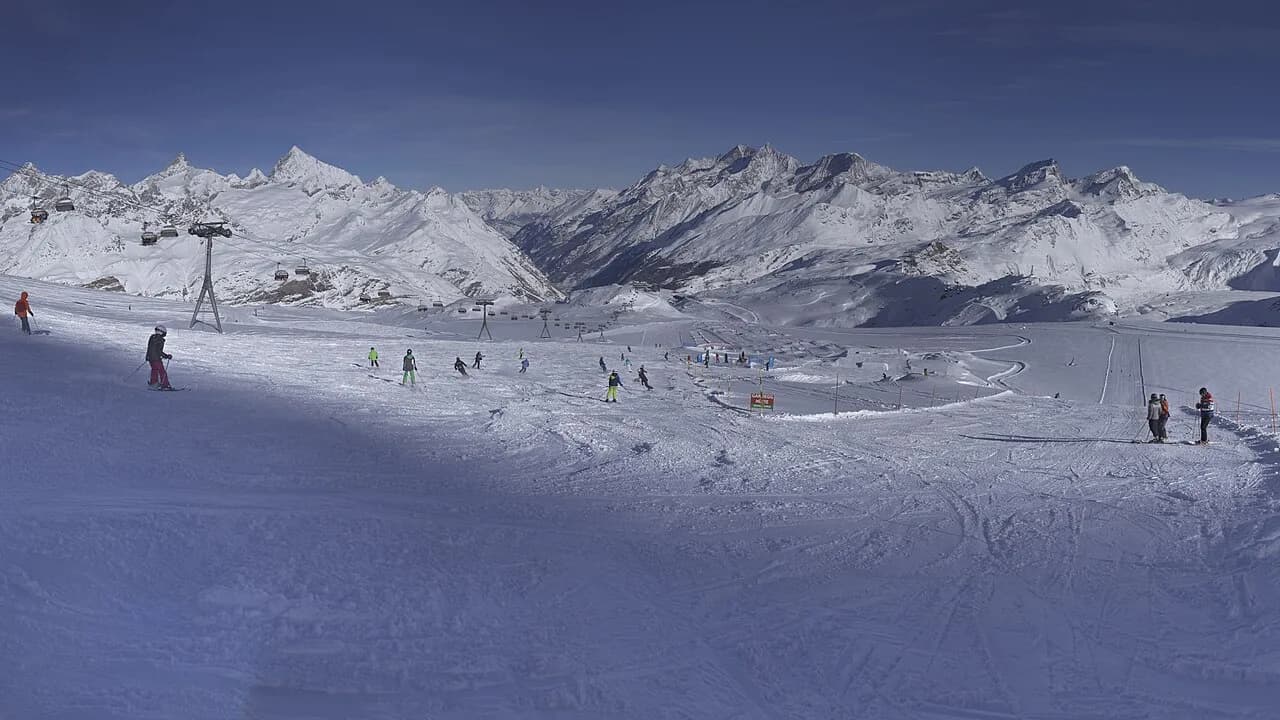
Zermatt's nursery slopes and easy runs sit in the lower sectors near the village and in a few dedicated learning areas higher up. The lower areas are the sensible starting point: shorter runs, gentler gradients and quick access back to the village if the weather turns. Your ski school will confirm which area it uses for first-day lessons, and that choice should drive where you stay and which lift base you use each morning.
Do not treat the first day as a mountain tour. A productive beginner day is two or three hours of instruction, a break, and a short practice session on the same terrain in the afternoon. Staying on the same slope lets you repeat movements until they stick, which is worth more than ticking off a second sector. Save the exploring instinct for day three or later, once turning is automatic.
Moving up: which sectors suit progressing beginners
Once you can link turns and control speed on the nursery slope, the next step is a longer easy run rather than a steeper one. Zermatt's mid-mountain sectors offer blue-grade runs that let you build endurance and rhythm, and the ski school can point you to the ones best suited to your current level on the day. Ask your instructor at the end of a lesson which specific run to practise next; that recommendation beats any generic list.
Progressing beginners should also start paying attention to how sectors connect, because Zermatt's layout means a wrong turn can leave you on terrain above your level or far from your base. Before riding a new lift, check the map for the easiest way down and confirm the run is open that day. Open lifts and slopes are listed live by the resort, so check in the morning rather than relying on yesterday's plan.
The Matterhorn Glacier Paradise and Gornergrat: sightseeing rather than first turns
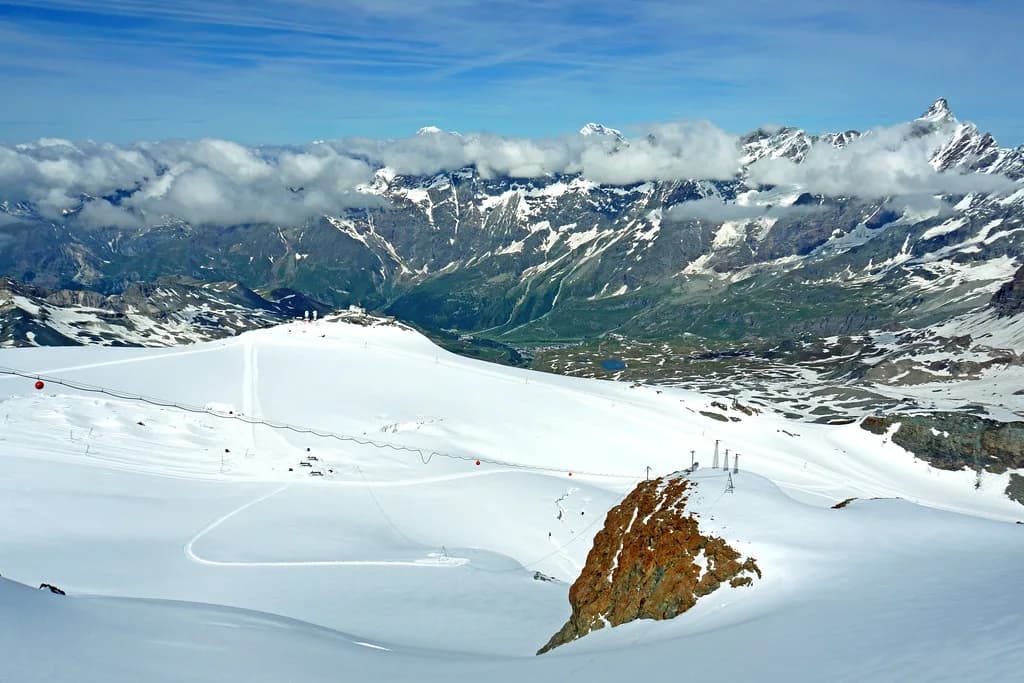
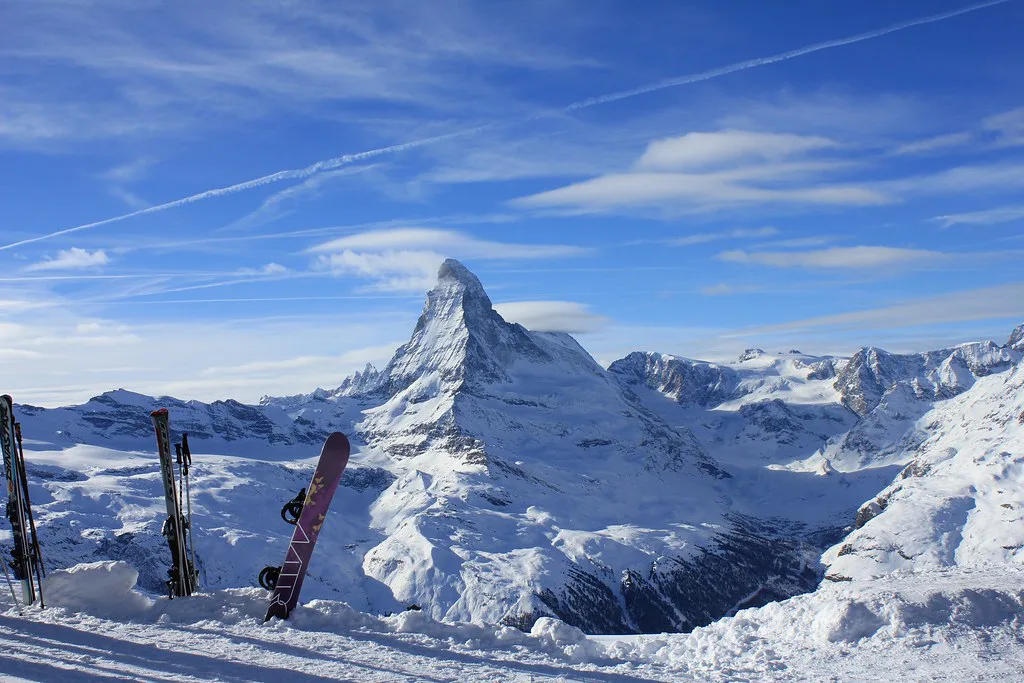
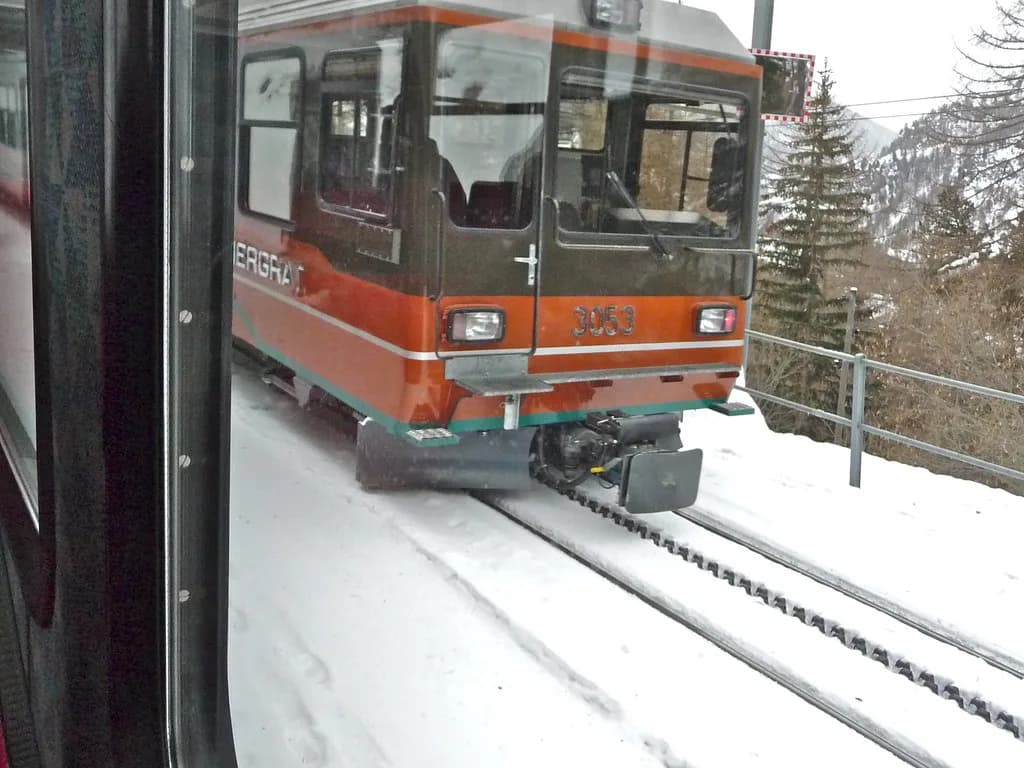
Two of Zermatt's most famous mountain excursions are not beginner ski days. Matterhorn Glacier Paradise is a high-altitude sightseeing destination reached by cable car, and Gornergrat is a mountain railway with panoramic views. Both are worth a day, but treat them as sightseeing: you ride up, look, eat, and ride down. Trying to combine them with a learning session splits your attention and burns energy you need for skiing.
The practical approach is to book a rest day or a bad-weather day for one of these trips. Single and return tickets for Matterhorn Glacier Paradise and Gornergrat are sold through the official mountain railway pages, and it is worth checking what is running in your week before you commit. Keep the excursion separate from your ski pass decision so you are not buying mountain access you will not use.
Ski schools: group versus private lessons and what to book early
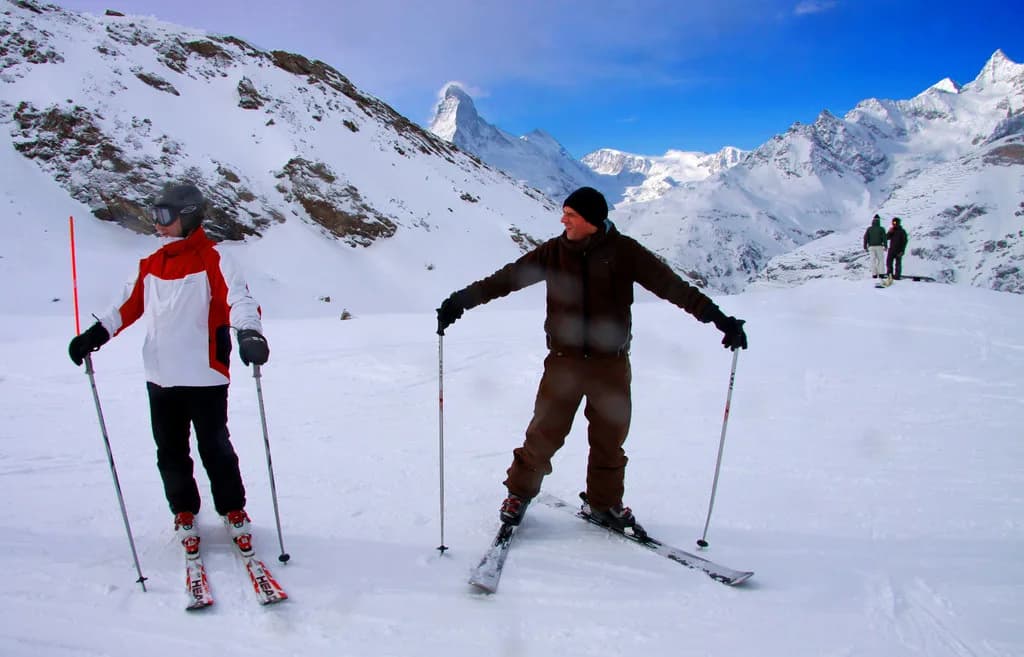
Group lessons are the default for first-timers: cheaper per hour, sociable, and paced for people at the same stage. Private lessons cost more but compress learning, which suits anyone with only a few days on snow or a nervous beginner who wants undivided attention. Zermatt has several ski schools operating in the resort, and the right choice depends on language, group size and which sector they teach from, so compare formats before booking rather than picking the first result.
Lessons are the item to book first, before hire and before the pass, because school capacity in peak weeks fills earlier than equipment. Book a morning slot if you can: snow is usually firmer, groups are fresher, and you still have the afternoon free for practice. Our guide to Zermatt Ski lessons compares group, private and kids formats in more detail.
Equipment hire: what to reserve and what to collect in the village
Renting in Zermatt is straightforward, with hire shops in the village offering skis, snowboards, boots and helmets. Reserve online before you travel, especially for peak weeks and for boots in common sizes, then collect in the village the afternoon before your first ski day. Collecting early lets you check fit properly and swap anything uncomfortable while the shop is quiet, rather than losing a morning of lesson time.
Beginners should rent rather than buy, and should ask for softer, shorter skis suited to learning. Boots matter more than skis: a poor fit will end your day early, so spend time on the fitting and do not accept pressure points. If you are also considering snowboarding, our Zermatt snowboarding guide covers terrain and lift access for a first board trip.
Lift passes for beginners: which product to buy and where
A beginner rarely uses the full extent of a Zermatt pass on day one, but the resort does not sell a separate nursery-slope ticket for every learning area, so the sensible approach is to buy the pass that covers the area you will actually ski and let your instructor confirm what that is. The Ski Pass Zermatt gives unlimited use of the facilities in the Zermatt ski area according to the timetable, including the local bus, but excludes the Italian ski area and the descent with the Matterhorn Glacier Ride II to Testa Grigia.
Where you buy matters less than how you carry it. The Matterhorn App now includes a Smartphone Ticket that turns your phone into the ski pass: buy online or at the counter, activate it in the app, and the gate opens via Bluetooth, even offline. If you prefer a card, KeyCard and SwissPass remain options, and existing key cards can be exchanged for a Smartphone Ticket free of charge. Our Zermatt Ski Pass Guide compares the products in more depth.
Budget for add-ons when you buy. A cashback guarantee costing CHF 10.00 per booking lets you cancel yourself up to 48 hours before the start of validity, PassProtect at CHF 3.00 per day covers reimbursement of your ski pass, hire and lessons if you cannot ski, and SkiCare at CHF 5.00 per day provides temporary assistance insurance for visitors from abroad covering rescue, transport and treatment after an accident. For a first-timer, PassProtect is usually the more relevant of the two.
When to go: season timing and quieter weeks
Zermatt's winter packages for the coming season run from early November into late April, with early-season offers such as the Winter Opening Weeks and a Skitest period before the main season. Early-season skiing gives quiet slopes and good value, but not every lift or run is open, so a beginner should check what is actually operating before booking. Late season brings longer days and softer snow, which many learners find more forgiving.
Avoid the busiest holiday weeks if you can, because lesson groups and hire queues grow with the crowds. Mid-January and the weeks after Easter are usually calmer than the Christmas and February holidays, though snow conditions vary year to year. If your dates are fixed to a school holiday, book lessons and hire as early as possible and accept that the nursery slopes will be busy.
Costs to budget for beyond the pass
Build your budget around four lines: accommodation, lift pass, lessons and hire, then add food and any sightseeing trips. Packages can bundle some of this; one official example is the Skipass Special, which starts from CHF 499.00 for a minimum four-night stay in a ZAV holiday flat with a 20% discount on the Zermatt ski pass, and children up to 8.99 years travel free of charge. Offers like this are limited in number, so check availability against your dates on the Zermatt Tourism site before relying on the headline.
Smaller costs add up: the deposit for a physical ticket if you do not carry a smartphone, insurance add-ons, and mountain railway excursions. Prices for passes, lessons and hire are published on the Zermatt Bergbahnen and Zermatt Tourism pages, and they change by season and by product.
Getting there and getting around without a car
Zermatt is car-free, and the standard approach is to travel by train to Täsch and continue by shuttle train or taxi into the village. That makes rail the simplest arrival method: you avoid parking in Täsch, and you arrive in the middle of the village rather than at its edge. The official Zermatt tourism site sets out the train and shuttle options for getting here and around.
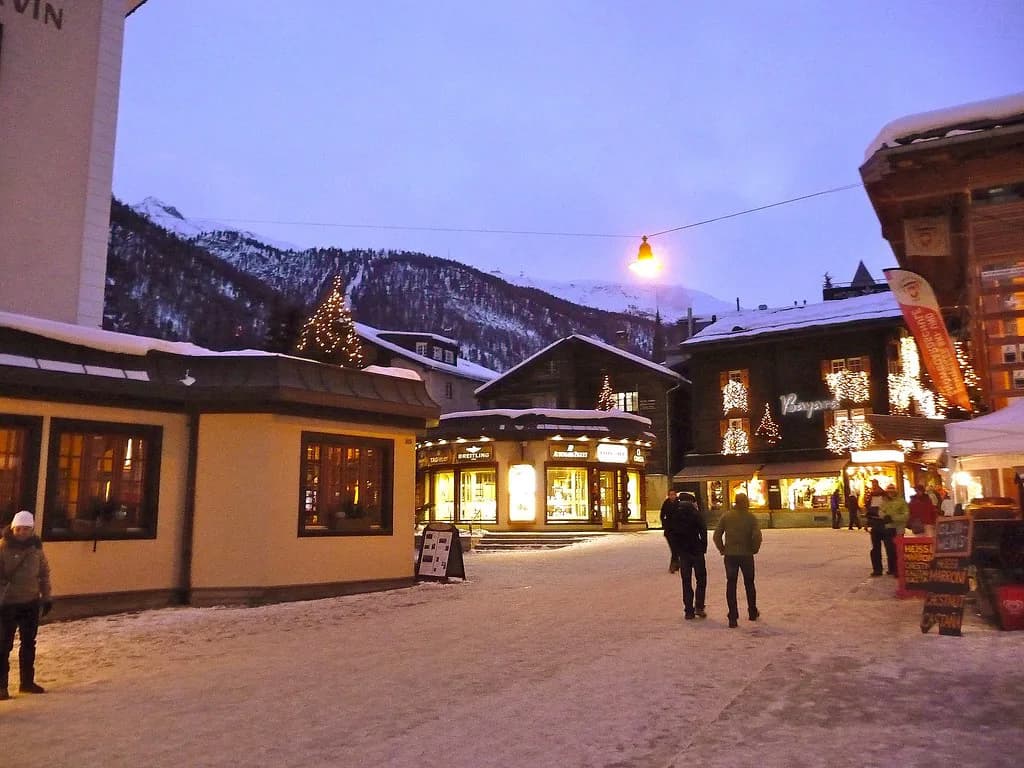
Once in the village, electric buses and short walks connect the lift bases and the main streets. A beginner should choose accommodation within easy reach of the lift base they will use each morning, or on a bus route that serves it, because carrying skis and boots across the village twice a day gets old quickly. Quieter outlying areas can be better value, but add transfer time to every ski day.
Sample first-ski-day plan
Start with an early breakfast, collect anything you did not pick up the day before, and be at the meeting point for a morning group lesson. Ski the same learning area all morning, eat lunch nearby rather than riding across the mountain, then practise the lesson's focus for an hour or two in the afternoon. Finish early, return your gear if you rented daily, and check the snow report and lift status for the next day over dinner.
Keep the evening simple: hydrate, stretch, and decide whether day two repeats the same area or steps up to a longer easy run. If your legs are sore, a rest day with a Gornergrat or Glacier Paradise excursion is a better use of a tired body than a third consecutive lesson. If you are weighing other Swiss resorts for a future trip, our Davos skiing for beginners guide offers a comparison point.
Common beginner mistakes in Zermatt
The most common error is over-buying on day one: a full-area pass, a full-day private lesson and a sightseeing ticket for the same day. Buy only what you will use, and add products once your plans firm up. The second error is staying too far from the lift base you actually need, which turns every morning into a logistics exercise.
The third is skipping lessons to save money, then spending the week on the nursery slope without progressing. A few group sessions early usually pay for themselves in confidence and in the terrain you can access by day three. The fourth is ignoring the live information: lifts, runs and weather change, and checking the resort's live updates each morning is the habit that keeps a beginner trip on track.
Plan Your Visit
A first ski trip to Zermatt works best when you treat it as a learning week with one or two excursions, not a tour of the whole mountain. Book lessons first, reserve hire next, choose the pass that matches where you will actually ski, and stay close to the lift base you will use each morning.
Use the official Matterhorn App for live lift and run status, the ski slope map for planning, and the Zermatt Tourism and Zermatt Bergbahnen pages for current prices before you book. Get those four things right and the resort's scale becomes an asset rather than an obstacle.
Frequently Asked Questions
Where do beginners ski in Zermatt?
Beginners start on the nursery slopes and easy runs in the lower sectors near the village, plus dedicated learning areas used by the ski schools. Your school will confirm which area it teaches from on your first day, and that should guide where you stay and which lift base you use each morning. Check the official ski slope map before booking accommodation.
Do you need ski lessons to ski in Zermatt as a beginner?
Lessons are not compulsory, but they are the fastest way to progress and to learn which terrain suits your level. Group lessons suit most first-timers, while private lessons compress learning for anyone with only a few days on snow. Book lessons before hire and before the pass, because school capacity fills earlier in peak weeks.
Which lift pass should a beginner buy in Zermatt?
Buy the pass that covers the area you will actually ski rather than the largest product available. The Ski Pass Zermatt gives unlimited use of the Zermatt ski area facilities according to the timetable, including the local bus, but excludes the Italian ski area and the Matterhorn Glacier Ride II descent to Testa Grigia. Ask your instructor which area you will use before buying.
How do you get through the lift gates in Zermatt?
The Matterhorn App includes a Smartphone Ticket: buy online or at the counter, activate it in the app, and the gate opens automatically via Bluetooth, even offline. Alternatively, load your ticket onto a KeyCard or SwissPass. Existing key cards can be exchanged for a Smartphone Ticket free of charge, and a deposit applies if you need a physical ticket without a smartphone.
Do you need a car to get to Zermatt?
No. Zermatt is car-free, so most visitors take the train to Täsch and continue by shuttle train or taxi into the village. Once there, electric buses and short walks connect the lift bases and main streets. Choosing accommodation near your lift base, or on a bus route serving it, saves time every morning.
When is the best time for a beginner ski trip to Zermatt?
Mid-January and the weeks after Easter are usually calmer than the Christmas and February holidays, which means smaller lesson groups and shorter hire queues. Early-season packages offer quieter slopes but not every lift and run is open, so check what is operating before booking. Late season brings longer, softer days that many learners find forgiving.
How much should a beginner budget for a Zermatt ski trip?
Budget for accommodation, lift pass, lessons and hire as four separate lines, then add food and any sightseeing trips. Packages can bundle some of it: the Skipass Special starts from CHF 499.00 for a minimum four-night stay with a 20% discount on the Zermatt ski pass, and children up to 8.99 years travel free. Check current prices on the official pages.
Are Gornergrat and Matterhorn Glacier Paradise good for beginners?
They are sightseeing trips rather than beginner ski days. Matterhorn Glacier Paradise is a high-altitude destination reached by cable car, and Gornergrat is a mountain railway with panoramic views. Treat either as a rest-day excursion and buy a single or return ticket, keeping it separate from your ski pass decision so you do not pay for mountain access you will not use.
Sources
Useful notes for your next ski trip
Optional updates to our Alpine resort guides.
You might also like
Continue reading
More guides you'll find useful