Bormio Ski Pass: Choosing, Buying and Using Your Lift Ticket
Work out which Bormio ski pass fits your trip: what the two linked ski sectors cover, how SnowitPass works, and where to buy before you travel.
On this page
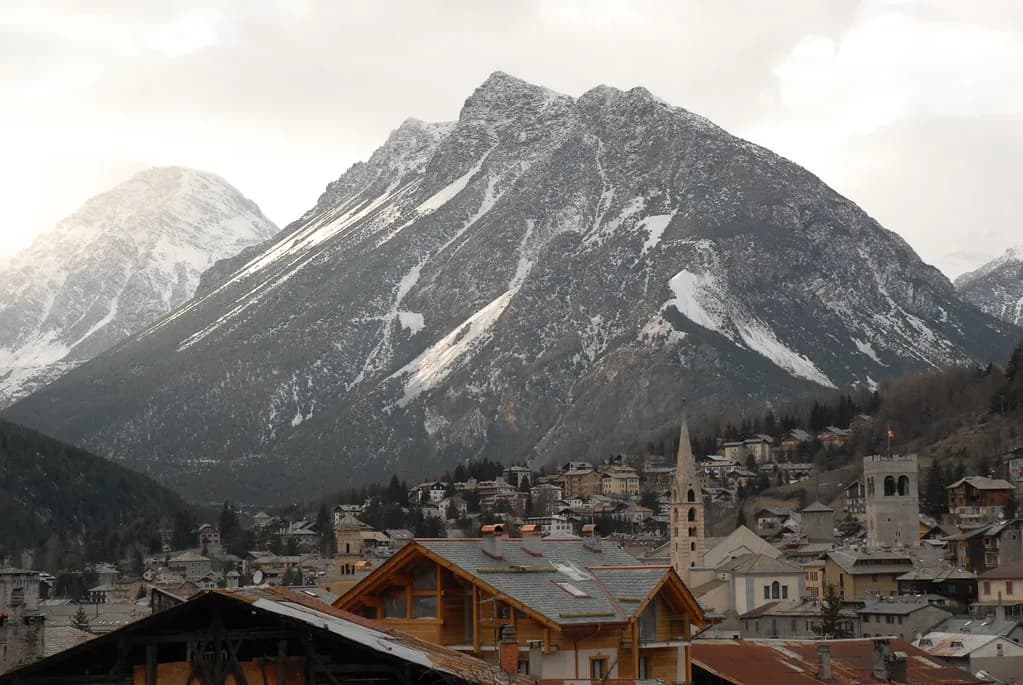
Bormio sells itself on one very large number: 1,817 metres of vertical drop, from the village lifts up to the Cima Bianca summit station at 3,017 metres. That figure shapes every pass decision here, because a skier who laps the long summit-to-base run uses the lift system quite differently from a family based in the nursery areas.
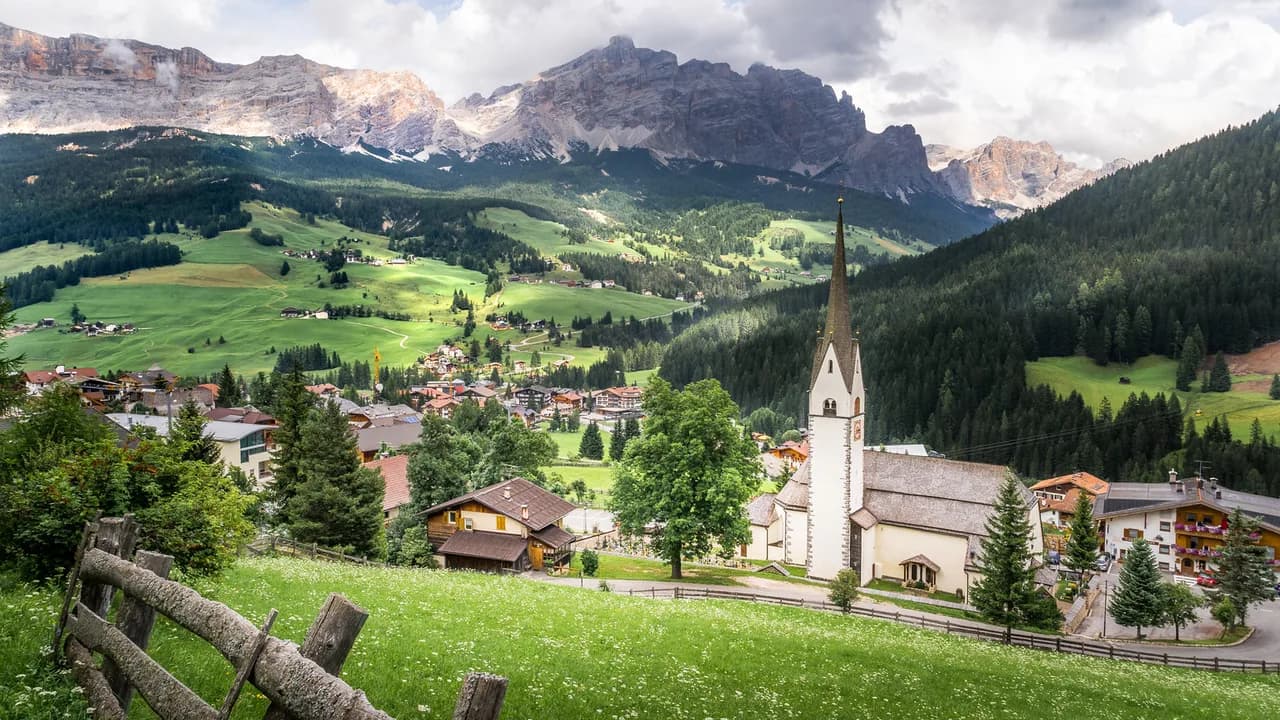
The lift network also reaches across two distinct sectors, Bormio itself and the Cima Piazzi-San Colombano area above Isolaccia, so the first question is whether you will realistically ski both. The answer determines whether you want full-area cover or a simpler local product, and it is worth settling before you compare durations or buy anything. If you are weighing how that choice plays out elsewhere in the Dolomites, a Corvara ski pass comparison shows the same full-area-versus-local logic in practice.
The Ski Area in Numbers
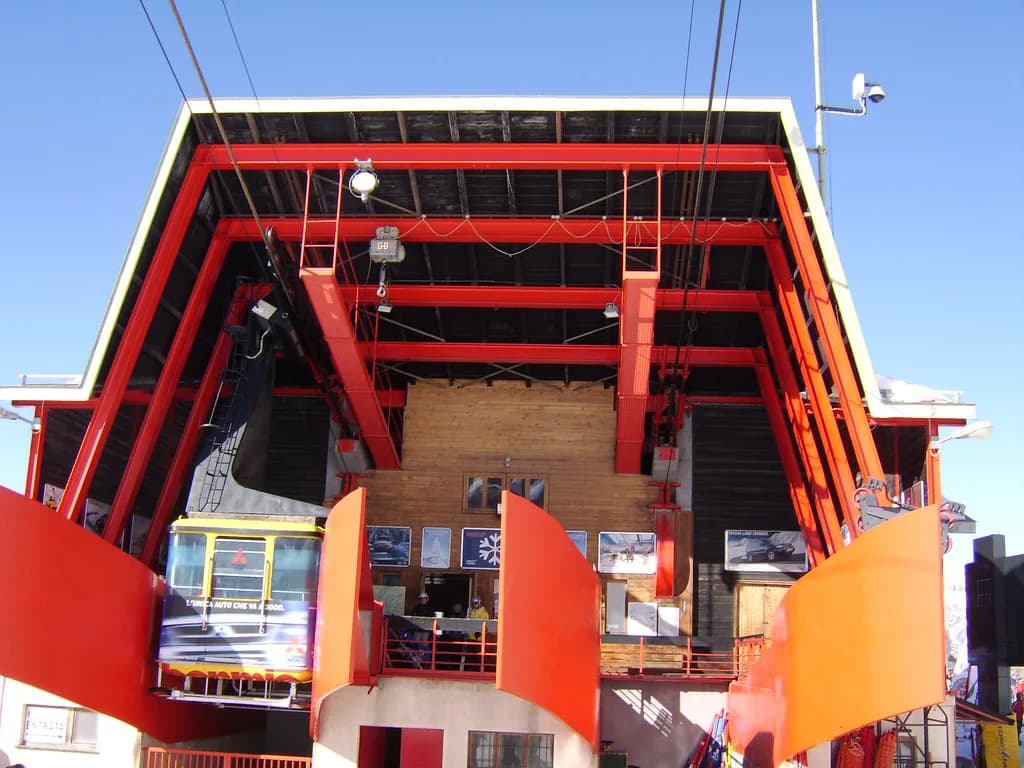
Bormio Ski publishes 50 kilometres of pistes served by 12 lifts, with the gondola from town climbing to Bormio 2000 and a cable car continuing to the Cima Bianca ridge at 3,017 metres. The piste count is 30 runs split into 10 blue, 13 red and 7 black, plus 22 connecting skiwegs that stitch the network together.
The headline descent runs 8.5 kilometres and drops the full 1,817 metres, linking the Valbella-3000 chairlift with the Cimino sector, the S. Ambrogio piste and the Stelvio before finishing back at the base station. For pass planning, that single run explains why most keen skiers want a full Bormio product rather than a limited area ticket, since the route crosses nearly every altitude band on the mountain.
Lift opening times sit in a tight daytime window, with the town gondola running from 08:30 to 17:00, the Bormio 2000 to Cima Bianca cable car from 08:45 to 16:30 and the Valbella-3000 chair from 09:00 to 16:00. Plan your last run of the day around the highest lifts closing first, because getting caught above 3,000 metres after the cable car stops is a long, awkward walk down.
Bormio vs Cima Piazzi-San Colombano
The Bormio sector carries the altitude and the drama: the cable car to Cima Bianca, the Valbella-3000 chair, the World Cup Stelvio and the freeride terrain around the Cimino and Praimont runs. This is where confident skiers spend their days, and where a lift pass gets used hardest on powder mornings and long vertical laps.
The Cima Piazzi-San Colombano side sits above Isolaccia, with the Isolaccia to Pian dela Mota gondola rising from 1,342 to 1,995 metres and chairlifts such as Le Motte, Forte Tade and La Rossa spreading across gentler, lower slopes. Its summit lifts top out around 2,360 metres, so it is a quieter, more sheltered option when the high mountain is wind-hit or the light is flat.
The practical trade-off is travel time. San Colombano is a separate valley reached by road from Bormio rather than ski-linked on piste, so a full-area pass pays off only if you commit at least one full day there. If your group plans to stay on the Stelvio and Bormio 2000 side, adding the second valley to your ticket buys flexibility you may never use.
Who Each Pass Suits
Strong skiers chasing the summit-to-base run should buy the broadest Bormio coverage they can justify and go straight for the cable car each morning. The payoff is repetition: the top-to-bottom route mixes the Heaven 3000 reds, the black Muro and Betulle runs and the Stelvio, so a multi-day pass rewards you far more than a single day ticket.
Intermediates get the best value from Bormio 2000, where blue runs such as the Panoramica and La Rocca and the long Praimont reds let you build confidence without committing to the steepest pitches. Families with young children tend to split their day between the upper nursery zones and the lower slopes, which suits a standard area pass more than a premium full-mountain product.
If the group is mixed, price up tickets by ability rather than buying everyone the same thing. A first-week skier who never leaves the beginner lifts does not need the same cover as a companion skiing the Stelvio, and buying separately often costs less than upgrading everyone.
The Beginner Zones
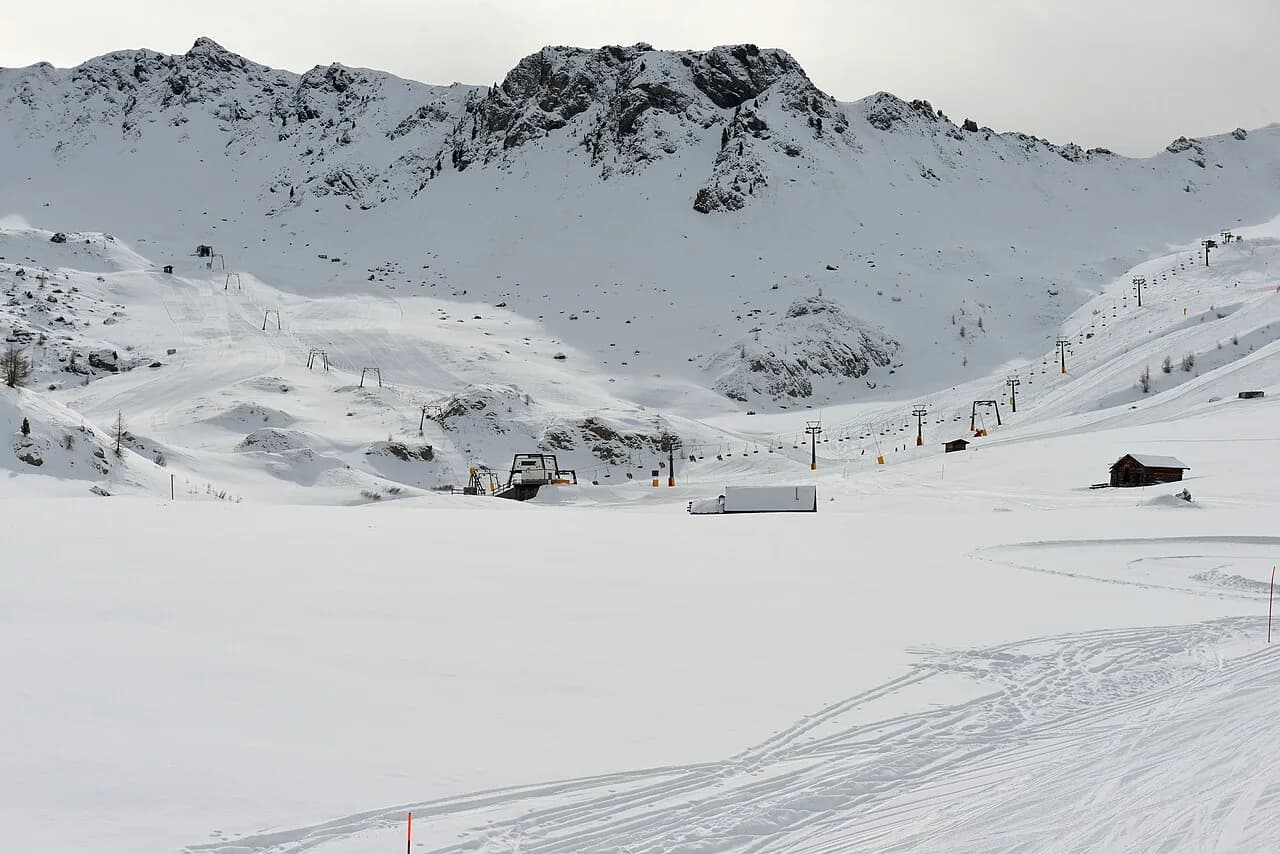
Bormio lists three beginner areas plus a dedicated kids' zone called Playwood, which means a novice can spend a day on a short lift pass without touching the upper mountain. The Scoiattoli draglifts, the Marmotta and Gipeto carpets at Bormio 2000 and the Ermellini blues make a natural progression from first turns to easy cruising.
For a first-week skier, a full-area pass is mostly wasted money. Book a few days of ski lessons, put the money into instruction and hire instead, and buy the smallest product that covers the lifts you will actually ride. You can always upgrade for a final day once you are linking turns comfortably.
Pass Products to Weigh Up
Bormio's online shop sells day and multi-day ski passes, and it promotes buying early on the principle that the sooner you commit, the less you pay. Treat that as a reason to compare the advance rate against the ticket-office rate at the time you book rather than a guarantee, since the published prices change by season and period.
SnowitPass is a genuinely different product: you pay as you ski without buying a fixed pass in advance, and once your spending reaches a set threshold it converts into a season pass. That structure suits anyone unsure how many days they will actually ski, and it removes the risk of wasting days bought in advance.
Bormio also bundles skiing with its thermal spas, and three internationally known spa complexes give the resort a genuine non-skiing afternoon option. A ski-and-spa package can work out well for a mixed-ability group, but check what the bundle includes before assuming it beats buying a lift pass and a spa entry separately.
SnowitPass in Practice
Pay-per-ski makes most sense on a short break, a trip with a rest day built in, or a week where the weather may keep you off the mountain for part of it. It also appeals if you like the idea of riding only what you pay for and are not chasing the lowest daily rate.
The trade-off is that you are not locking in a fixed price up front, so a long, hard-skiing week can end up costing more than a pre-bought multi-day pass would have. The conversion to a season pass only helps if your spending climbs high enough to trigger it, so work out roughly what you will ski before deciding.
Buying Online vs at the Ticket Office
Buying online before you travel saves time on the arrival morning, when the ticket office and the gondola queue compete for the same hour. Advance purchase also usually gives you a clear price and a confirmation to keep, whereas turning up on the day leaves the walking-up rate as the only option.
Where you collect matters as much as where you buy. Check whether your confirmation lets you load the pass to a card or collect it at a machine, and match collection to the lift you will use first, whether that is the town gondola or the Isolaccia base station. The official shop and the resort site set out the current collection and pricing terms each season.
Season Timing and Snow Expectations
Bormio reopens for the winter season on 4 December, and the resort does not publish a fixed closing date in the material available. Build your trip around the opening rather than assuming early-December cover, and check the end-of-season date on the Bormio Ski site before booking a late-April week.
The resort's own snow archive tracks fresh snow at three heights, Bormio village at 1,200 metres, Bormio 2000 at 1,945 metres and Bormio 3000 at 3,017 metres, measured weekly each Tuesday through the season. The pattern is consistent: big totals at the top often mask thin cover in the village, so a week with excellent upper-mountain powder can still leave the lowest runs closed.
That makes the altitude range your main planning tool. Book a base near the town gondola for convenience, but expect the lower Bosco Basso area to be the first to suffer in a poor snow year, while the glacier-height terrain above 2,600 metres holds up best.
The Stelvio and the 2026 Winter Olympics
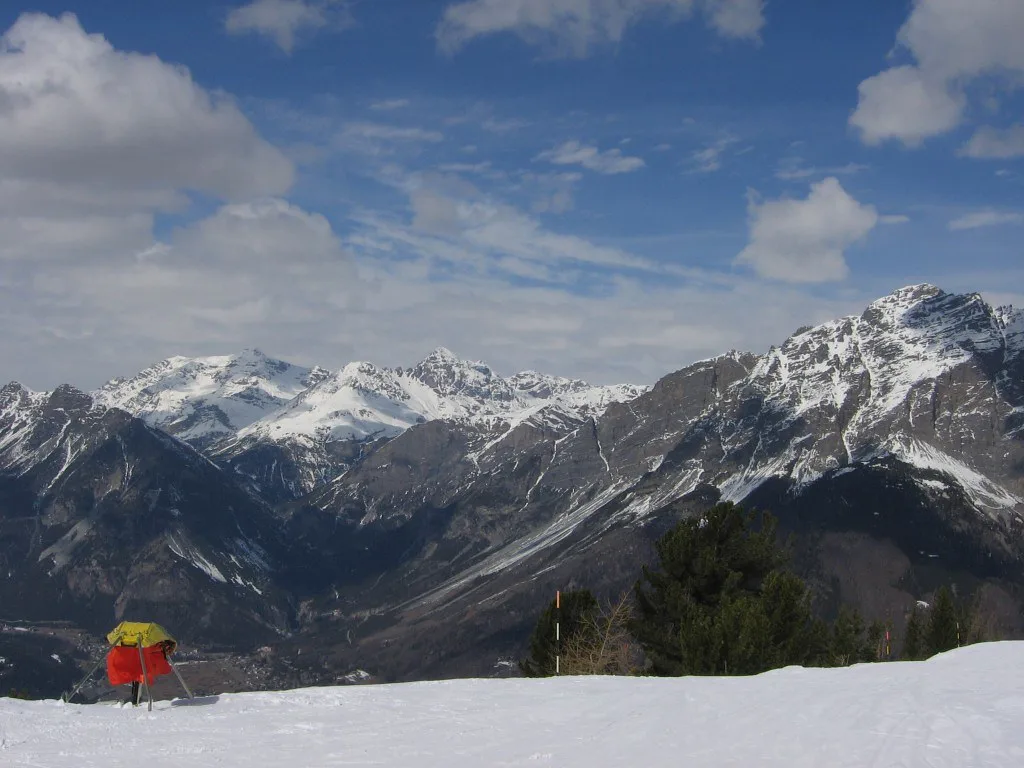
The Stelvio is Bormio's signature run, starting near 2,255 metres and used annually for the World Cup downhill, and it is confirmed as the official venue for the 2026 Winter Olympics. That matters for pass planning mostly around demand: weeks tied to major events can fill accommodation and lift queues faster than the season pattern would suggest.
Outside event periods, race-course status changes little for recreational skiers. The Stelvio remains a steep, fast black, and the more approachable Heaven 3000 reds give you a way to ski the same mountain without committing to the full race line.
Getting There and Getting Around
Bormio sits in the Alta Valtellina at the head of the valley, reached by road from Sondrio and over the passes from Switzerland, so most skiers arrive by car or transfer bus. Parking near the town gondola base is the practical anchor for the day, and an early arrival matters more on weekends and holiday periods.
Travelling between Bormio and the San Colombano valley means a road transfer rather than a ski connection, so plan it as a full day out and check the Isolaccia gondola times before setting off. In-resort hire, mountain guides and shuttle services are all covered by the local tourism office and the resort's own service directory.
Common Pass Mistakes
The most common error is over-buying days. Skiers commit to a six-day pass, discover the legs or the weather only support four, and lose the difference, so match your purchase to a realistic skiing pattern rather than a best-case one.
The second is ignoring the second valley entirely, then paying for full-area cover that never gets used. The third is leaving pass purchase to the arrival morning, when everyone from your flight or transfer is queuing at the same window.
A smaller but real one: assuming a ski-and-spa bundle is cheaper than buying the two separately. Check the inclusions before you commit, because the value depends entirely on whether you will actually use the spa component.
Where to Check Current Prices and Dates
Prices, season dates and lift opening times change by year, so confirm them on the official Bormio Ski site and its online shop before you buy. Compare the advance rate with the pay-as-you-ski option for your actual planned days, and check the snow report for the week you travel.
Then plan around the layout rather than the price list: base yourself near the town gondola, decide in advance whether San Colombano justifies a day, and put beginner money into lessons and hire instead of a full-area pass. For the wider resort picture, the Bormio Skiing Guide sets out terrain, villages and travel in more depth.
Frequently Asked Questions
How much does a Bormio ski pass cost?
The resort does not publish fixed rates that hold across the season, and prices vary by pass type and duration. Check the current rates in the Bormio Ski online shop and compare them with the pay-as-you-ski option before you commit to a multi-day pass.
Does the Bormio ski pass cover San Colombano?
Bormio and Cima Piazzi-San Colombano are two sectors of the same ski area, but they are reached separately by road rather than linked on piste. Check your chosen product's coverage before buying, because a Bormio-only ticket will not get you onto the Isolaccia gondola.
What is SnowitPass and is it worth it in Bormio?
SnowitPass lets you pay as you ski instead of buying a fixed pass, and converts into a season pass once your spending reaches a set threshold. It suits short trips, rest days and uncertain weather; a long, hard-skiing week often works out better on a pre-bought multi-day pass.
When does the Bormio ski season start?
The resort lists its winter opening as 4 December. It does not publish a fixed closing date in its general material, so confirm the end of the season with the resort before booking a late-spring trip.
Is a Bormio ski pass good for beginners?
Bormio has three beginner areas plus a kids' zone called Playwood, so a small-area or short-duration pass covers a novice well. A full-area pass is usually wasted on a first-week skier, and lessons plus hire are the better investment.
How do I get to Bormio for a ski trip?
Bormio sits at the head of the Alta Valtellina and is reached by road from Sondrio or over the Swiss passes, so most skiers arrive by car or transfer. The town gondola base is the practical hub for parking and for the first lift up the mountain.
Sources
Useful notes for your next ski trip
Optional updates to our Alpine resort guides.
You might also like
Continue reading
More guides you'll find useful