
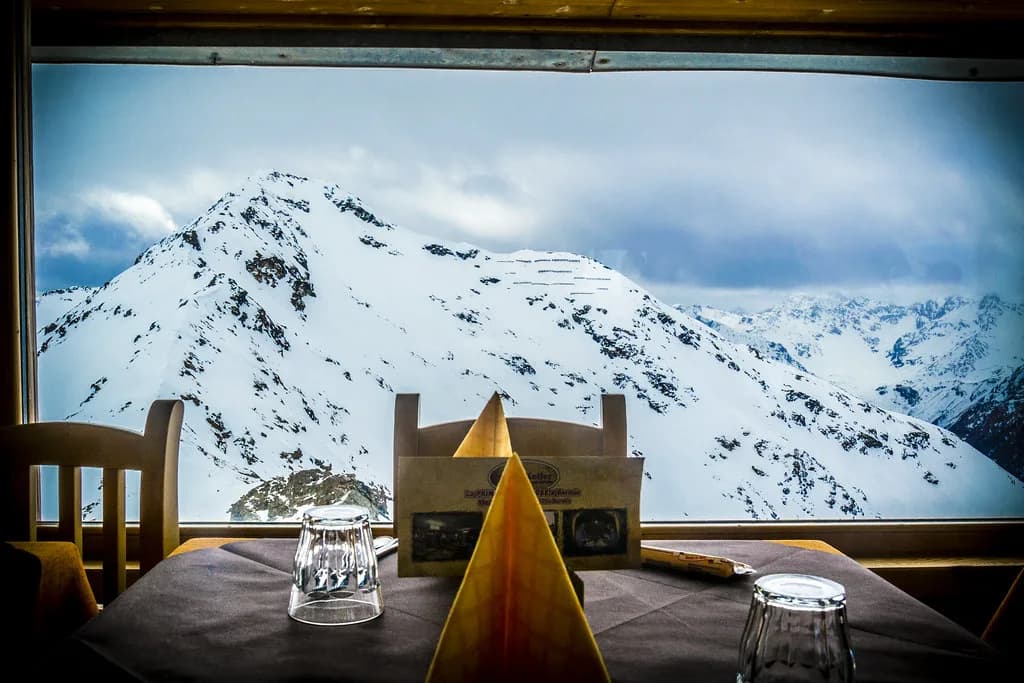
Bormio Ski Hire: Where to Rent, Book and Collect Gear
Plan Bormio ski hire with confidence: which shops suit beginners, families and advanced skiers, how to book ahead, and what to sort before you travel.
On this page
Bormio spreads its skiing across several areas rather than funnelling everyone onto one hill, and that shapes how you hire gear. A short break based in town may only need one pair of all-mountain skis, but a week that includes the Stelvio Glacier or a guided day in the Forni Valley asks for something different. Sort the rental around the skiing you will actually do, not around the first shop you pass.
This guide covers the practical side: how the resort's layout affects your choice, when pre-booking beats walking in, what a good fitting includes, and how to collect and return kit around Bormio. For the wider picture of lifts, sectors and ability levels, the Bormio Skiing Guide is the place to start.
Why Bormio ski hire is different from a single-mountain resort
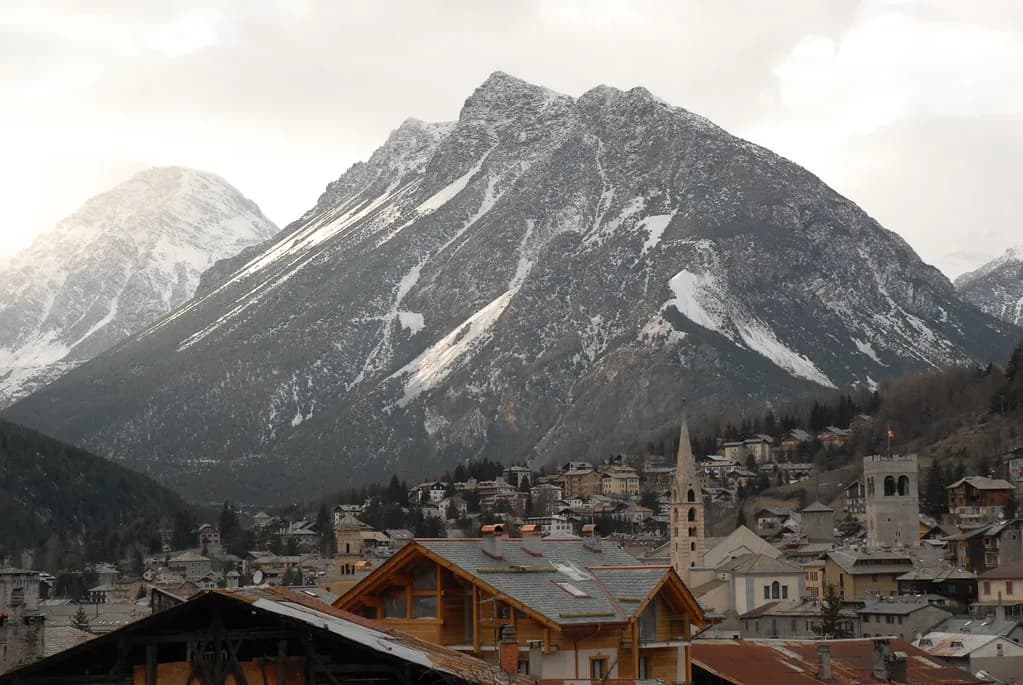
Bormio sits in Alta Valtellina alongside Valfurva, Valdidentro, Valdisotto and Sondalo, and the wider area includes Santa Caterina Valfurva and the Stelvio Pass. The tourism board describes four ski areas in total: three open in winter and one on the Stelvio Glacier in summer. That matters for hire because your base and your plans decide whether you need one setup or two.
A family staying in Bormio town and skiing the local Bormio area has a simple rental problem. A group that wants to drive to Santa Caterina one day and ski the glacier later in the season has a more complicated one, because the gear that suits groomed pistes is not always the gear that suits summer snow. Decide your likely days on snow before you choose a package.
The ski areas and what gear each demands
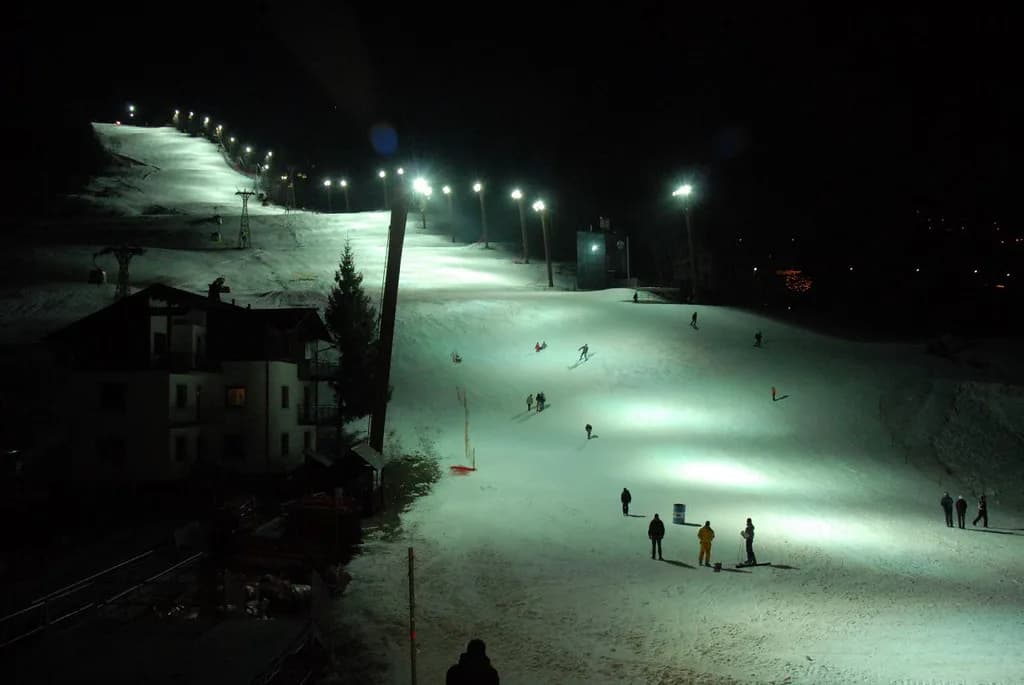
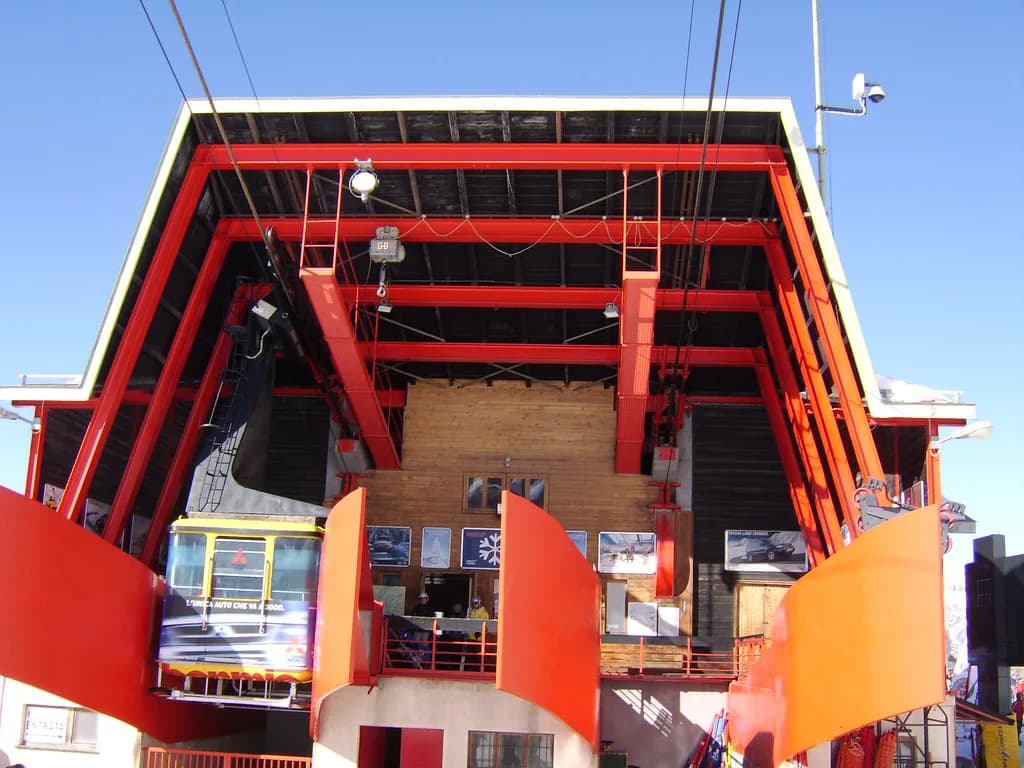
The Bormio area is the default for most visitors: it is the home mountain above town, served by the cable car from the Stelvio Olympic Ski Center, and it is where the headline Stelvio piste runs. For a first trip, hire a versatile all-mountain ski or board here and treat any other area as a bonus day rather than a reason to over-specify your kit.
Santa Caterina Valfurva and the other Alta Valtellina areas are separate mountains with their own character, so check the Bormio ski map before you commit to a multi-area plan. If you intend to ski several sectors, a car makes more sense than carrying two pairs of skis, and one well-fitted pair you know will serve you better than a specialist setup you use once.
Ski hire vs snowboard hire: which shops to look for
Bormio's own tourism pages say the resort has a wide range of amenities including ski and snowshoe hire, plus transport services, and they point visitors to a list of local equipment rental shops. That list is the most reliable starting point because it is maintained by the resort rather than a booking intermediary. Use it to shortlist two or three shops near your accommodation before you compare anything else.
Not every rental shop carries the same snowboard range, and board hire is more sensitive to boot fit than ski hire because a sloppy boot ruins a day faster. If you board, ask the shop by phone or email whether it stocks your boot size and a board in your weight range, rather than trusting that a ski-focused shop will have it. Shops that advertise online booking usually show their board inventory, which makes this easier to check in advance.
Booking ahead vs walking in: the real trade-offs
Pre-booking online is usually cheaper and guarantees the model and size you want, and some operators advertise discounts and free-day deals for advance reservations, as ski rental booking platforms do for Bormio. The trade-off is commitment: if your boot fit turns out wrong on the first morning, an online order is harder to unwind than a walk-in rental.
Walking in works well in low season, midweek and for short breaks, when shops have stock on the rack and you can try boots before committing. It is riskier during school holidays and Italian public-holiday weekends, when popular sizes disappear by mid-morning. A sensible compromise is to book the first two days online for the essentials and leave any upgrade decision until you have skied once.
What a good hire fitting includes
A proper fitting starts with your own measurements: boot size in Mondopoint, height, weight, ability and the terrain you plan to ski. A shop that only asks your height is not fitting you; it is guessing. Expect the technician to check shell fit with a thin sock, set the binding to your weight and ability, and explain how the ski or board behaves on groomed runs versus softer snow.
Ask for the DIN setting to be written on the rental form, and check that the boot shell is snug around the heel without crushing the toes. If you are renting for a child, ask for a lighter ski and a softer flex rather than an adult model in a short length. A five-minute fitting conversation saves a morning of uncomfortable skiing later.
Beginner and family hire: softer boots, shorter skis and lesson timing
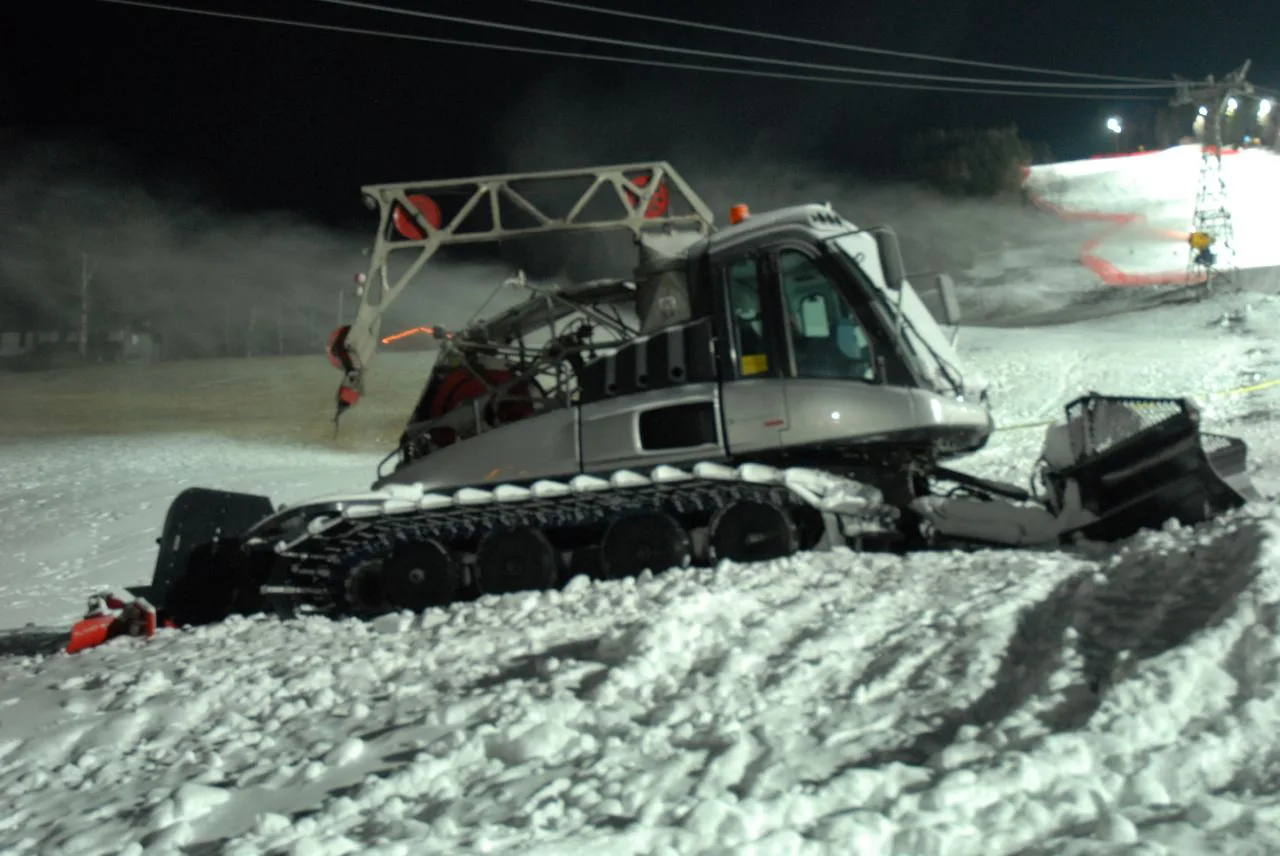
Beginners should ask for shorter, softer skis and boots with a forgiving flex, because they make it easier to learn edging and turn shape on gentle terrain. Families should hire the children's kit at the same time as the adults' kit so everyone is fitted in one visit rather than three separate trips to the shop. If your children have lessons booked, collect gear the afternoon before so the first morning is not lost to queueing.
If you are still deciding whether to book lessons at all, Bormio ski lessons covers the school options and how they fit around rental pickup. Pairing the two decisions is worthwhile because a lesson at nine in the morning means you need boots fitted by eight, and shops closest to the lift base fill first during peak weeks.
Advanced and off-piste hire: Stelvio, Forni Valley and Alpine Guides
Advanced skiers heading beyond the marked runs should ask for a ski with more width and a stiffer flex, and they should be honest with the shop about where they plan to go. The Forni Valley and the high terrain around the Stelvio Pass are guided objectives, and the tourism board lists Alpine Guides among the local services. A guide will tell you what the snowpack demands, but you still need the right equipment underneath your feet.
Off-piste kit is where rental quality matters most, so do not accept a worn pair of park skis for a guided day on the glacier. If you need a touring setup for the Forni Valley or a wider freeride ski, book it well ahead and ask whether the shop has boots that match a touring binding. Those items are limited in any resort, and Bormio is no exception.
Summer skiing on the Stelvio Glacier: hire considerations
The Stelvio Glacier is the fourth ski area and the one open in summer, and the tourism board promotes it as a year-round skiing option. Summer snow behaves differently from winter snow: it softens through the morning and refreezes overnight, so a ski that grips on firm early snow and stays predictable when it turns slushy is the better choice. Ask the shop specifically for summer glacier conditions rather than bringing winter rental gear that was set up for cold snow.
Availability on the glacier is more limited than in winter, so confirm that the shop you shortlist actually rents during the summer season before you build a trip around it. If you are travelling specifically for glacier skiing, bring your own boots if you have them and rent skis locally; boot fit is the hardest thing to get right on a short summer visit.
Where to collect and drop off gear in Bormio town
The resort's information point is at the Stelvio Olympic Ski Center on Via Funivia, which is also the base of the cable car up the Bormio ski area. That makes the ski centre the natural place to collect gear if your accommodation is in town and you plan to ski the home mountain. Staying near the lift base cuts the daily carry and makes an early start realistic.
If you are driving, choose a shop with parking or a drop-off point near the lift, because carrying boots and skis through Bormio's old town is tiring rather than scenic. Ask whether the shop offers overnight storage; leaving gear at the shop removes the daily walk and protects your skis from being damaged in a cramped apartment. Return gear the evening before departure rather than on the morning of your transfer.
Prices and offers: what to check before you book
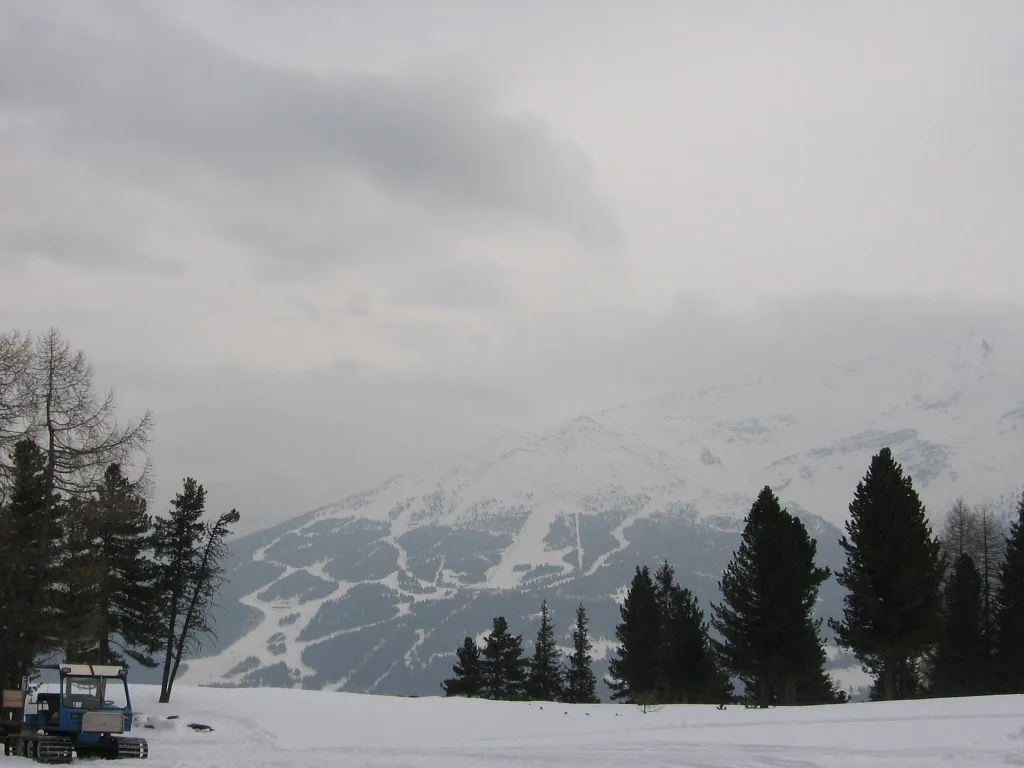
The resort does not publish standard hire prices on its overview page, and third-party package prices such as those shown on holiday-booking sites are not the same as walk-in rental rates. Treat any figure you see on an aggregator as a starting point and get the actual rental tariff directly from the shop. The official Bormio tourism pages at bormio.eu are the right place to check current prices and opening times.
Ski rental platforms advertising Bormio do list discounts, free-day offers for longer rentals and group deals, so compare the total for your exact dates rather than the headline daily rate. A cheaper package with a poor boot fit is a false economy: one lost morning costs more than the difference. Check what is included, especially helmets, poles and insurance, because those add up across a family.
How to get to Bormio with ski gear
Bormio is reached by road through Alta Valtellina, and the tourism board keeps a live page on which Alpine passes are open, which matters if you are driving in winter or early spring. Check pass status before you set out, because a closed pass can turn a short transfer into a long detour. If you are flying, the car is the practical way to move ski bags and boots between the airport and the resort.
Travelling with your own boots is worth the luggage space even if you rent skis, because boot fit is the one thing you cannot fix in a rental shop. If you are relying on rental boots, pack thin ski socks and plan to spend real time on the fitting rather than rushing it. For a comparison of how other Italian resorts handle rental logistics, Canazei Ski hire and La Thuile Ski hire show the range of collection and storage options.
Common ski hire mistakes in Bormio
The most common mistake is booking a single ski package without checking which areas you will actually ski, then discovering that the glacier or a guided day needs different gear. The second is arriving at peak holiday time without a reservation and losing a morning to queueing. The third is accepting boots that feel slightly loose because the shop is busy; a loose boot causes blisters and poor control on the very terrain Bormio is known for.
Another frequent error is forgetting that the resort operates across several districts, so a shop near your apartment may not be the closest one to the lift you plan to use. Check the Cima Bianca side of the map if you intend to ski that sector and choose your rental base accordingly. Finally, return gear on time: late returns can trigger extra charges that wipe out any online discount.
Final checklist before you book Bormio ski hire
Before you book, settle four things: the areas you will ski, the boots and ski or board you need for them, the shop's collection and return arrangements, and whether your dates fall in a peak week. Book online for the first days if you want the best choice of equipment, and leave room to swap after your first session. Families should fit everyone in one visit and collect the afternoon before lessons start.
Check current prices and summer glacier availability directly with the shop or through the resort's official pages, since neither is fixed from season to season. With the gear sorted, the rest of the trip is about the skiing itself, and the Bormio Skiing Guide covers the terrain, sectors and lift system in detail.
Frequently Asked Questions
How much does ski hire cost in Bormio?
The resort does not publish a standard hire tariff on its overview page, and prices vary by shop, season and equipment level. Compare quotes for your exact dates directly with the shops listed by the Bormio tourism board, and check what is included such as helmet, poles and insurance before deciding.
Is it cheaper to pre-book ski hire in Bormio?
Online booking platforms often advertise discounts and free-day deals for advance reservations, so pre-booking usually beats walk-in rates for the same equipment. The trade-off is commitment if the fit is wrong, so a sensible approach is to book the essentials for the first days and decide on upgrades after skiing once.
Where can I hire skis in Bormio?
The Bormio tourism board maintains a list of local equipment rental shops and notes that the resort has a wide range of ski and snowshoe hire. Start with that list, then choose a shop near your accommodation or near the Stelvio Olympic Ski Center if you plan to ski the home mountain.
Can I hire snowboards in Bormio?
Many rental shops carry snowboards, but not all stock the same range of board sizes and boot sizes. Phone or email ahead to make sure the shop has a board in your weight range and boots in your size, especially during school holidays.
Do I need my own gear for summer skiing on the Stelvio Glacier?
The Stelvio Glacier is the area open in summer, and summer snow calls for a ski that grips firm early snow and stays predictable as it softens. Confirm that your chosen shop rents during the summer season, and bring your own boots if you have them because boot fit is the hardest thing to get right on a short visit.
How do I get to Bormio with ski equipment?
Bormio is reached by road through Alta Valtellina, and the tourism board publishes live information on which Alpine passes are open. Check pass status before travelling in winter or spring, and plan to carry boots with you even if you rent skis, because boot fit is the one thing a rental shop cannot fix.
What should I check before booking Bormio ski hire?
Check which ski areas you will use, the equipment level each demands, the shop's collection and return arrangements, and whether your dates fall in a peak week. Confirm what the rental includes and whether the shop rents during the summer season if you plan to ski the glacier.
Sources
Useful notes for your next ski trip
Optional updates to our Alpine resort guides.
You might also like
Continue reading
More guides you'll find useful
.jpg)