Sestriere Snowboarding: Via Lattea Terrain, Parks & Passes
Plan a Sestriere snowboarding trip around Via Lattea's linked terrain, the Sauze d'Oulx snowpark and the lift pass boundaries you cross.
On this page
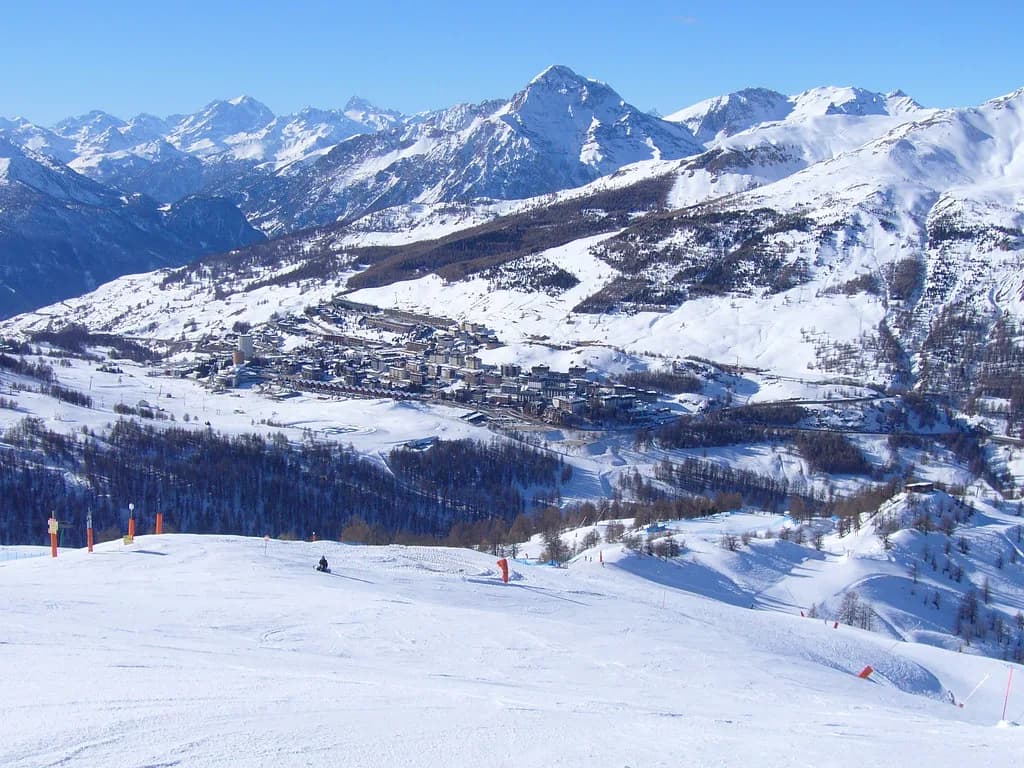
Sestriere is the highest town in Italy and the western anchor of the Via Lattea, a linked domain that runs from the Piedmont valleys across the French border. For a snowboarder, its appeal is not a single park or a single run but the scale of connected terrain and a village built right against the lifts. This guide sets out how the sectors fit together, where the documented freestyle facility sits, and which pass decisions actually change your day.
Figures for the domain vary depending on whether a source counts the whole Via Lattea or just the Sestriere sector. Where numbers differ, treat them as different scopes rather than contradictions, and use them to judge how much ground your pass unlocks.
Where Sestriere Fits in the Via Lattea Map
The Via Lattea covers nine resorts connected ski-on, ski-off by lifts: Sestriere, Sauze d'Oulx, Sansicario, Cesana, Claviere, Sauze di Cesana, Oulx, Pragelato and the French resort of Montgenèvre. Two hubs do most of the linking work. Monte Fraiteve joins Sestriere with Sauze d'Oulx and Sansicario, while the Monti della Luna area holds the slopes of Cesana Torinese, Claviere and Montgenèvre.
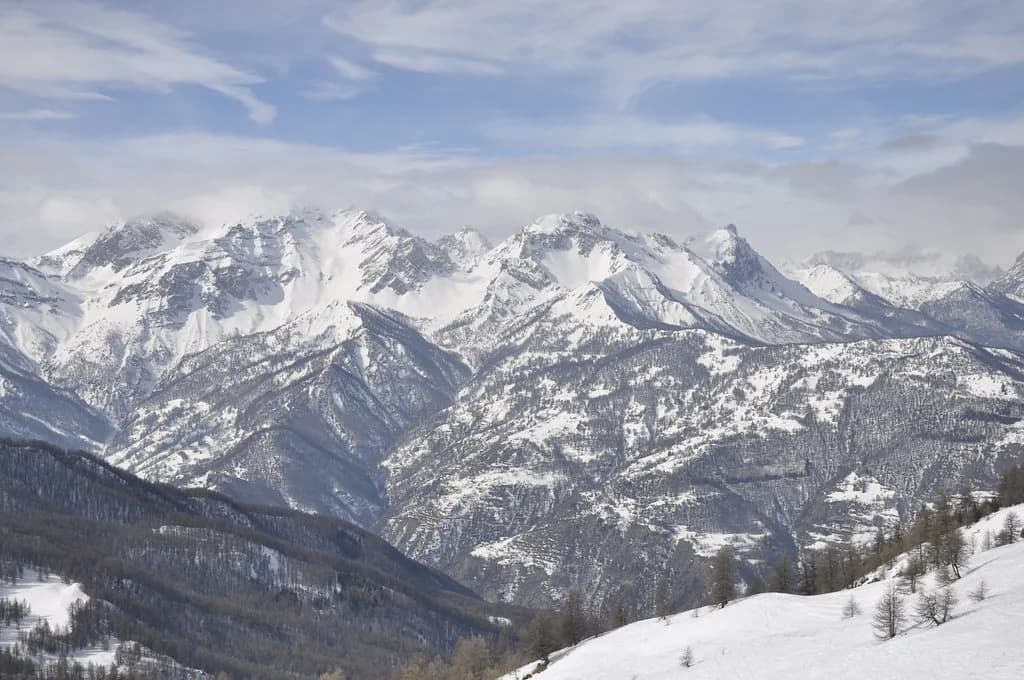
The official ski-area page puts the domain at 400 km of skiable slopes across 300 numbered runs, split into 9 green, 99 blue, 173 red and 40 black. It also states that 80 per cent of the area lies above 1,900 m and that the terrain spans roughly 1,400 m at Cesana to 2,800 m at Motta peak. Those figures describe the whole network, not Sestriere alone, which matters when you compare pass options.
For the Sestriere sector itself, the resort's own page lists 85 pistes and 20 lifts, a much smaller package than the domain totals. Planning on the domain numbers but riding only local lifts is the commonest mismatch for boarders who buy a restricted pass.
The broader Sestriere Skiing Guide covers the village layout and the non-snow side of a trip, which is worth reading alongside this page if you are choosing a base for a mixed group.
Choosing a Base for a Snowboard Trip
Sestriere was Italy's first purpose-built ski resort, and that history shows in the layout: much of the accommodation sits beside the slopes or within a short walk of the lifts, and the village sits at 2,035 m. For a boarder, the practical gain is fewer flat traverses in boots at the start and end of the day, and the ability to return to your room mid-afternoon without a bus.
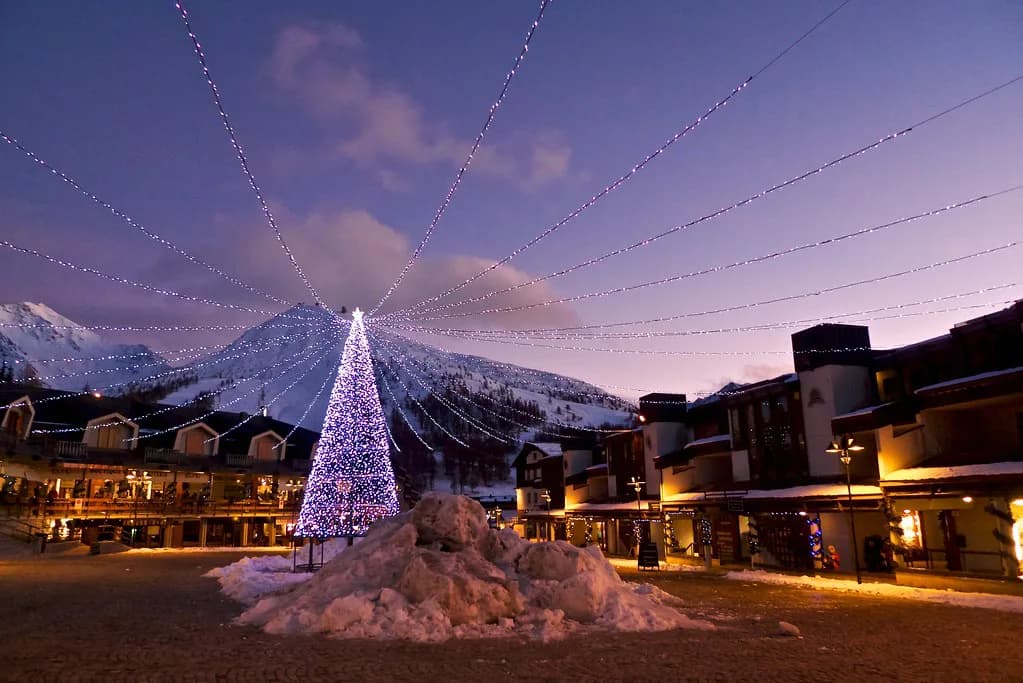
The trade-off is character. The resort reads as functional rather than handsome, and its evening scene is quiet, so boarders who want a busier town often base in Sauze d'Oulx and ride across instead. Basing in Sestriere buys you the shortest walk to the lifts and the quickest start on the Fraiteve side; basing further down the valley buys atmosphere at the cost of daily commuting.
Altitude is the other planning lever. With the village above 2,000 m and most of the domain above 1,900 m, Sestriere holds snow through the back of the season better than low resorts, though natural snowfall in this part of the Alps is not guaranteed. Book the high weeks with that in mind rather than counting on a fixed base depth.
Terrain You Will Actually Ride
The Via Lattea is intermediate country. The Fraiteve side is the gentler half, and the long top-to-bottom blue numbered 26 on the Sestriere side is the classic cruise that also gives access to the wider network. Boarders who like to cover distance rather than lap a single lift will spend most of their time linking the blue and red corridors between Sestriere, Sansicario and Sauze d'Oulx.
The steeper local pitches sit east of the village, including former Olympic race routes, with more demanding ground off the Banchetta and Cit Roc chairs. Ratings here run a little generous, so a confident intermediate can usually step up onto them, while a nervous first-week boarder should stay on the western and Fraiteve sides.
Ski Club of Great Britain describes the terrain split as roughly a quarter beginner, over half intermediate and a fifth advanced, which matches the feel of the domain better than the raw kilometre count does. Use that as a rough guide to whether the linked area will keep you interested for a week.
For the sector-by-sector picture of what each lift serves, the Sestriere ski map is the practical companion to this page.
Parks and Beginner Zones
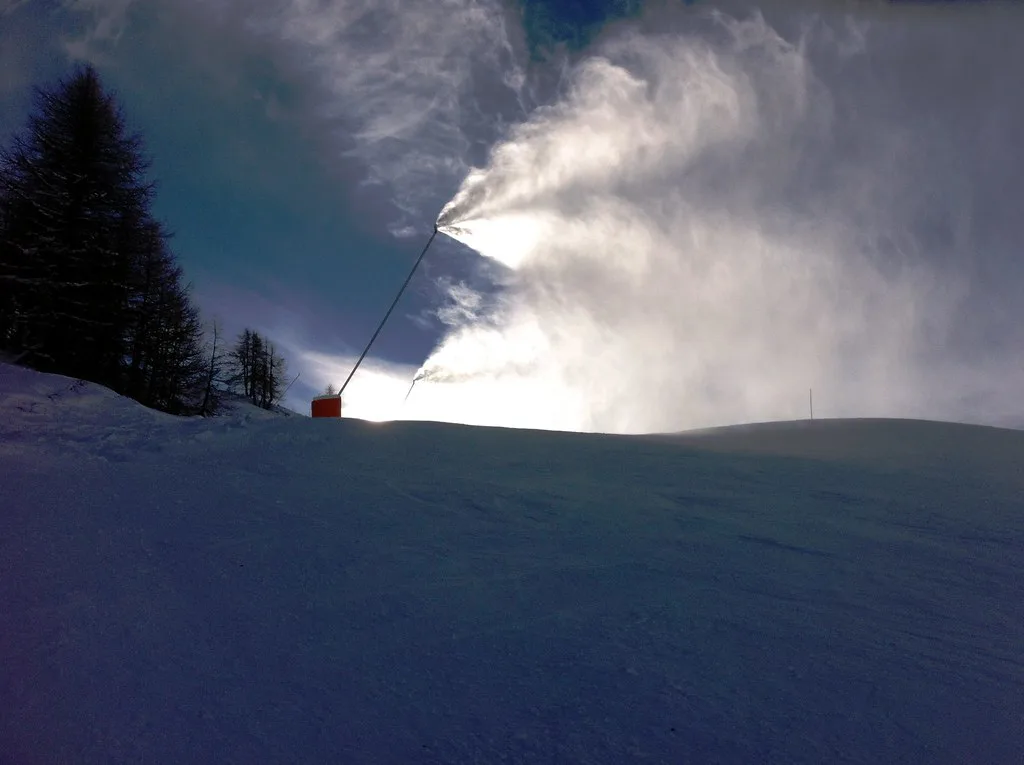
On freestyle, the official Via Lattea page documents one snowpark in the Sauze d'Oulx ski area, served by lifts that drop riders at the park entrance. It lists jumps, kickers, rails and wall rides but publishes no park-specific pass or separate ticket, so the working assumption is that a Via Lattea pass covering Sauze d'Oulx gives you access. Some third-party pages quote different park counts for the Sestriere area; the official page remains the reliable baseline until the resort publishes a full park list.
For beginners, Sestriere has a dedicated First Steps Area with a beginner slope, a snow-play zone and a sun terrace, while Sansicario and Sauze d'Oulx run their own beginner areas. A first-week boarder is better served by these gentle zones than by committing to a full-domain pass on day one. The Sestriere for Beginners page explains how the progression from the village-level slopes works.
Lift Access and the Flat-Link Problem
The domain runs 73 lifts of mixed type, from cable cars and gondolas to telemix, chairs, surface lifts and magic carpets. For snowboarders, the surface lifts and long flat connecting sections are the pinch points: the links between sectors are designed for skiers who can pole across a traverse, so keep a little speed on the run-ins and expect some unclipping on the lower connections.
Plan a loop that starts high and works downhill through the day, using Fraiteve as the pivot between Sestriere, Sansicario and Sauze d'Oulx. That way the flat sections fall at the end of a descent rather than as a cold traverse before your first run. Keep an eye on the time you need to get back across the domain, because the return leg can be longer than it looks on the map.
Ski Club notes that access to the rest of the Milky Way comes from the Fraiteve side, which reinforces that the lift choice, not the village location, decides how much of the network you reach in a day.
Passes, Boundaries and Booking Terms
A Via Lattea pass is the product you want if you intend to ride across to Sauze d'Oulx and Montgenèvre, and a local pass is enough if you plan to stay on the Sestriere slopes. The distinction matters because the local sector is a fraction of the domain: 20 lifts and 85 pistes locally against 400 km and 300 runs across the whole area. Decide which you will actually use before you buy.
To give a sense of the price structure, Ski Club of Great Britain lists, for the 2025/26 winter, a one-day high-season adult pass at 58.50 euros, three days at 166 euros and six days at 307 euros, with child rates and lower low-season prices alongside. Treat these as an illustration of how the tiers are shaped rather than a quote for your dates.
Child passes on those terms apply to children born after 1 January 2018, require passport proof, and at least one adult must buy a full pass for the child rate to be valid. Check the current season's terms on the Via Lattea site before booking, since these conditions change between winters.
Season Timing and Conditions
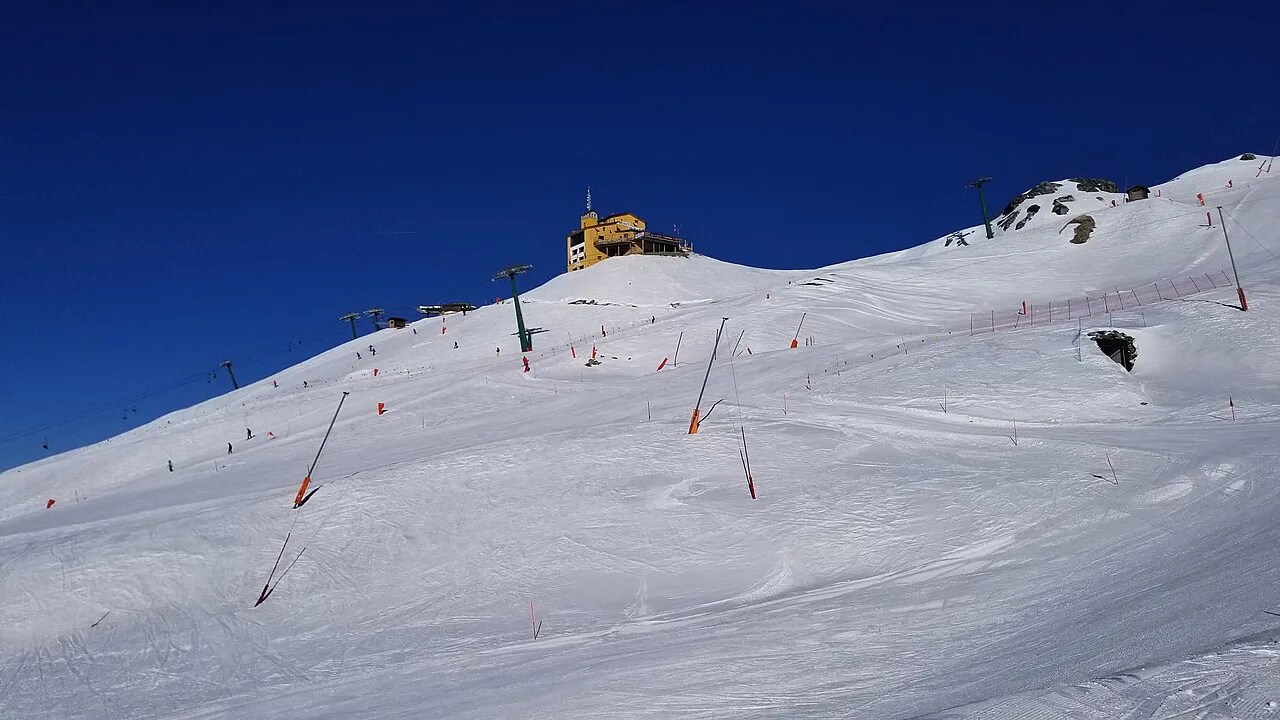
Ski Club of Great Britain lists the 2025/26 Sestriere season as opening on 6 December 2025 and closing on 13 April 2026. Those dates are useful for judging the shape of a winter, but they are not a guarantee: individual lifts, links and runs open and close according to snow and operating decisions, and the Montgenèvre link depends on both sides of the border being ready.
High season in the Via Lattea generally tracks the Christmas, February and Easter school holidays, and the pass tiers above reflect that split. A late-March trip often delivers the best value: longer days, softer snow on the lower runs and cheaper passes, with the trade-off that the lowest links to the valley can thin out first.
For a boarder who wants the park and the high cruisers in one trip, aim for mid-January to mid-March and book the pass tier that covers Sauze d'Oulx. Check the live snow and lift status before travelling, since a warm spell can shut the low-level connections while the upper slopes stay open.
Plan Your Snowboard Trip
Sestriere rewards a bit of planning: choose your base for lift convenience, choose your pass for the sectors you will actually ride, and treat the Fraiteve hub as the pivot of your day. The park sits in the Sauze d'Oulx sector, the beginner ground is in the village, and the cruisers are wherever you look on the western side.
Check season dates and pass terms on the official Via Lattea site before you book, and use the Sestriere ski map to plan a loop that avoids unnecessary flat traverses. If you want a contrasting Italian park scene, the Alta Badia snowboarding guide shows how a different domain organises its lifts and terrain.
Frequently Asked Questions
Is Sestriere good for snowboarding?
Yes, if you want linked intermediate terrain rather than a resort built around a single park. The village sits high, the lifts start at the edge of the accommodation and the Via Lattea network gives you long blue and red corridors between Sestriere, Sansicario and Sauze d'Oulx. It is less appealing if you want a loud town scene or a large concentration of freestyle features.
Where is the nearest snowpark to Sestriere?
The official Via Lattea page documents one snowpark in the Sauze d'Oulx ski area, which is reachable from Sestriere through the linked lifts. It lists jumps, kickers, rails and wall rides and says lifts drop riders at the park entrance. Third-party sources quote different park counts, so use the official page as your baseline.
Does a Sestriere lift pass cover Sauze d'Oulx and Montgenèvre?
A full Via Lattea pass covers the linked domain, including Sauze d'Oulx and Montgenèvre, while a local Sestriere pass covers only the village sector. The local area is listed as 85 pistes and 20 lifts against 400 km and 300 runs across the whole network, so the difference is substantial. Confirm which product your ticket is before you set off.
How many lifts and pistes does the Via Lattea ski area have?
The whole Via Lattea is listed at 400 km of slopes across 300 numbered runs and 73 lifts, with 9 green, 99 blue, 173 red and 40 black runs. Sestriere's own sector is listed separately at 85 pistes and 20 lifts. Other sources quote different totals because they count different scopes.
Do you need a car to snowboard the Via Lattea from Sestriere?
No: because the resorts are joined ski-on, ski-off by lifts, you can ride from Sestriere into Sauze d'Oulx, Sansicario and beyond on a full pass without driving. A car helps only if you want to start your day from a different valley base. Plan your return leg with time to spare, since the link back across the domain is longer than it looks on the map.
What is the Sestriere season?
Ski Club of Great Britain lists the 2025/26 season as running from 6 December 2025 to 13 April 2026. Those dates describe the planned season, not a promise that every lift, link or run will be open throughout. Check the resort's live lift status before you travel.
Sources
Useful notes for your next ski trip
Optional updates to our Alpine resort guides.
You might also like
Continue reading
More guides you'll find useful