Lech Skiing Guide: Arlberg Sectors, Passes and Planning
Plan Lech skiing around the village sectors, the Flexenbahn link and the Ski Arlberg pass, then decide where a base in this Arlberg resort fits your week.
On this page
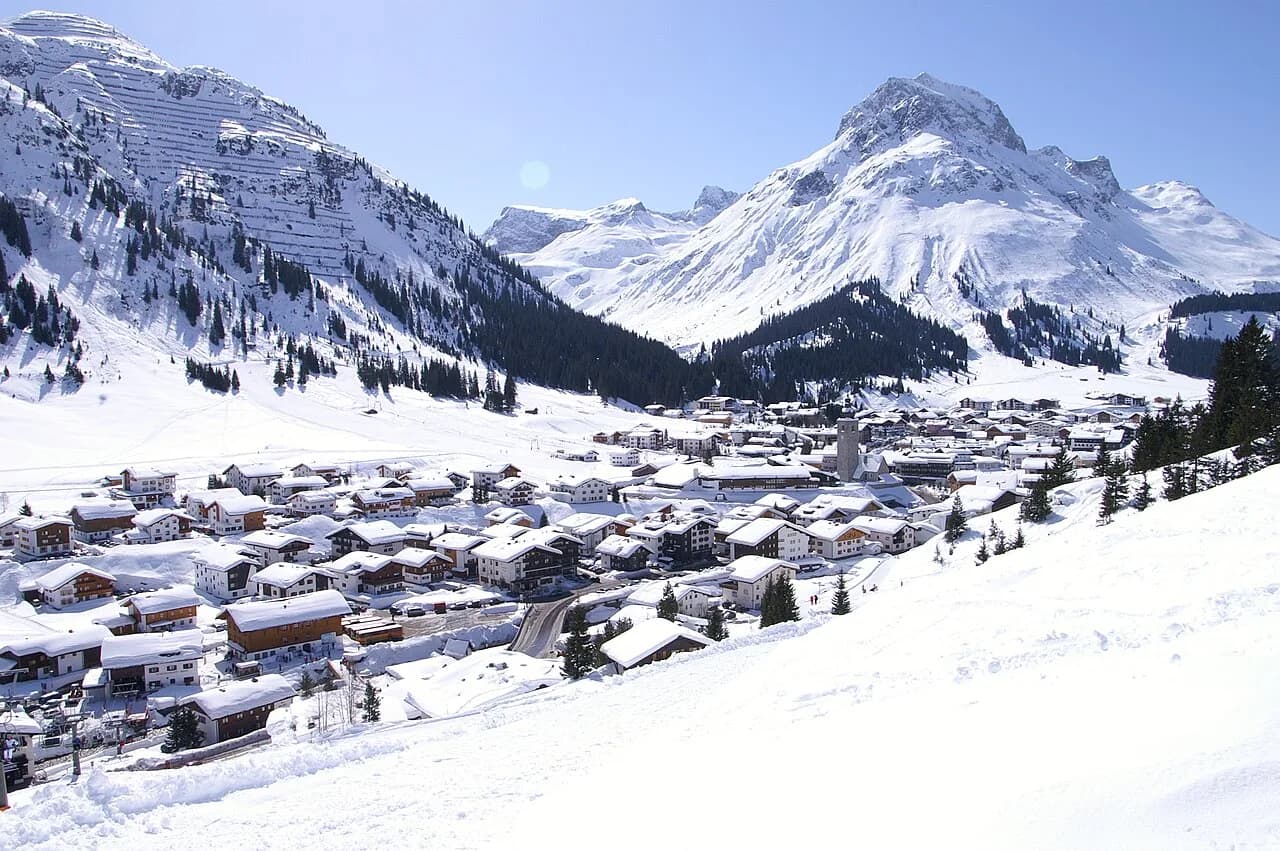
Lech am Arlberg is an upmarket Vorarlberg village at 1,450 m whose own ski sectors sit above the village, with neighbouring Zürs at 1,720 m connected by lift and bus. The practical question for a first booking is not whether the skiing is good but which part of the Arlberg network you actually want to ski most days. A base decision in Lech shapes your morning routine, your lunch stops and how much travelling you do before your first run.
Two things tend to decide the trip. The first is how far into the interconnected Arlberg area you plan to roam, because the one-ticket product covers a much larger network than the local Lech pistes. The second is ability mix: groups with beginners, confident cruisers and stronger skiers in the same party will usually split, and Lech's sector layout makes that easier to plan than to improvise. The official Ski Arlberg region publishes the interconnected figures you will see quoted.
Opening decision: who Lech suits as a ski base
Lech suits skiers who want a village base with genuine on-slope convenience and a realistic chance of skiing a different sector each day without a long transfer. It is a strong choice for mixed-ability groups whose beginners can stay local while stronger skiers range wider, because the village sits directly beneath its own lift network. It is a weaker choice for anyone whose main goal is lapping one specific far side of the Arlberg region, since those days begin with a link rather than a lift outside the door.
Zürs, higher at 1,720 m, is smaller and quieter, and it sits on the Zürs side of the local ski area. As a planning matter, choosing between Lech and Zürs is a decision about which sectors you want closest and how much village life matters to the non-skiing hours. Lech has the larger village and more off-snow activity, while Zürs puts you nearer its own slopes and the Flexenbahn connection.
The honest trade-off is that a Lech base is not the cheapest way to ski the Arlberg, and a short break here rarely justifies paying for the full network. If you are skiing three or four days locally, plan around the village sectors and treat the wider area as a bonus rather than the point of the trip. If you are staying a week and want the full circuit, Lech works well as a base provided you accept the link time.
Where Lech sits: village altitude and the ski area above it
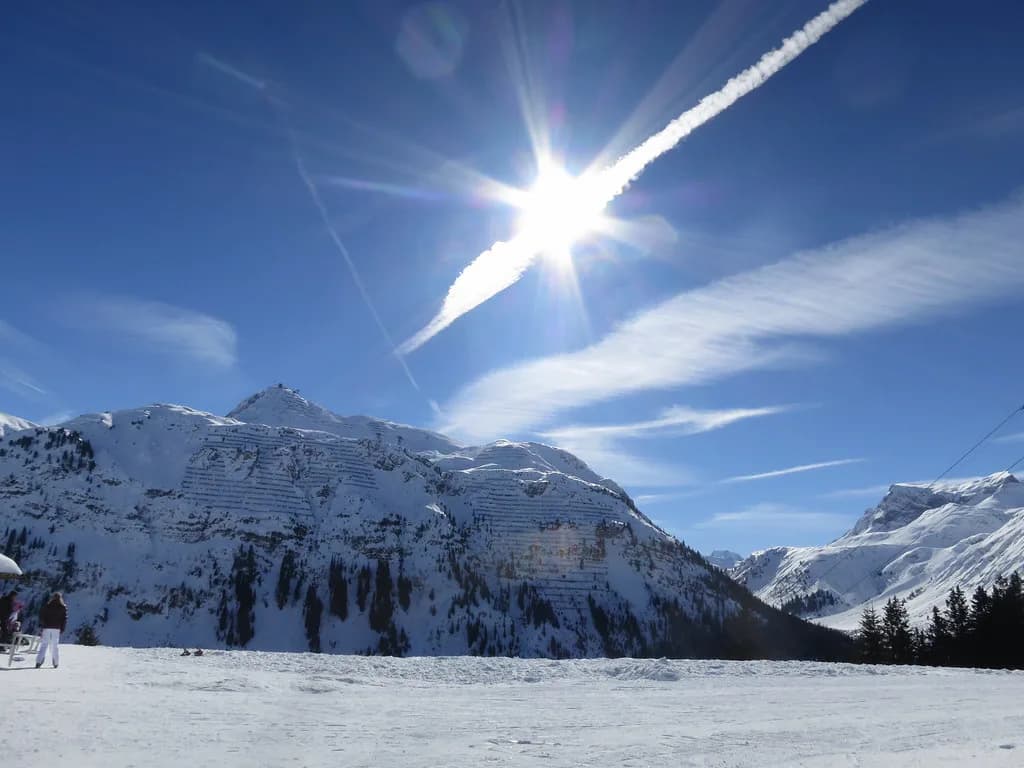
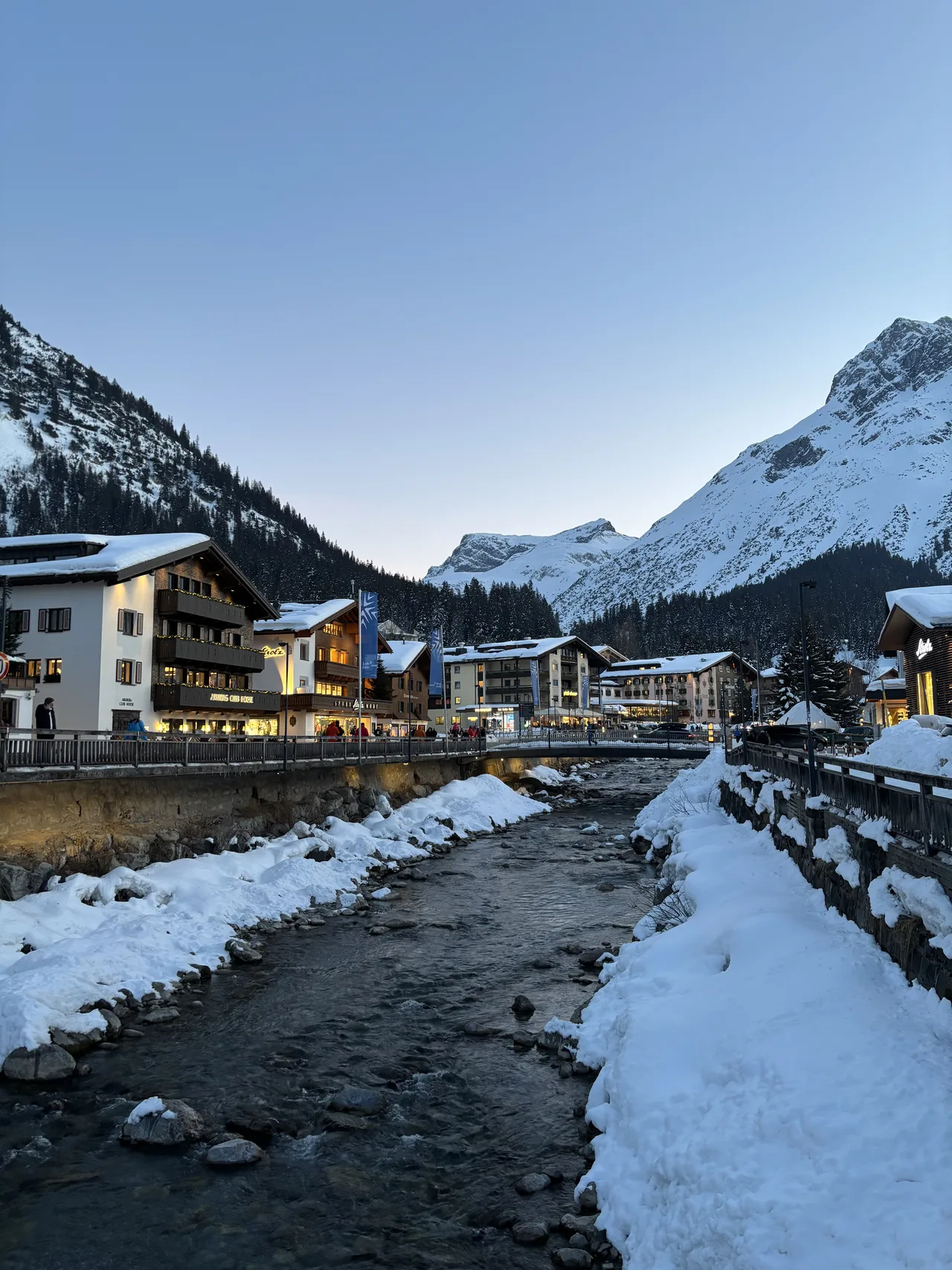
Lech sits at 1,450 m in the Vorarlberg region of far western Austria, within the Arlberg massif. The local ski area rises from the village, and Zürs, a separate settlement at 1,720 m, is part of the same local piste network rather than a distant satellite. Treat Lech and Zürs as two bases inside one local ski area, then treat the wider Arlberg as a third, larger layer on top.
Because the village is the base and the skiing starts above it, your morning depends on which lift you walk or ride to first. Schlegelkopf and Rüfikopf are the two village-side access points, and both put you onto the local network without a bus. The separate villages within the wider region, including St Anton, St Christoph, Stuben, Warth and Schröcken, are reached through the connected lift system rather than by road on a normal ski day.
The official Ski Arlberg figure for the interconnected area is 301 kilometres of ski runs served by 85 cable cars and lifts. That number describes the whole linked region, not the Lech-Zürs local pistes alone, and quoting it as if it were all accessible from the village gate is a common planning error. Read it as the size of the network you can reach, then decide how much of it you will realistically ski.
The local sectors: Schlegelkopf, Rüfikopf and Zürs
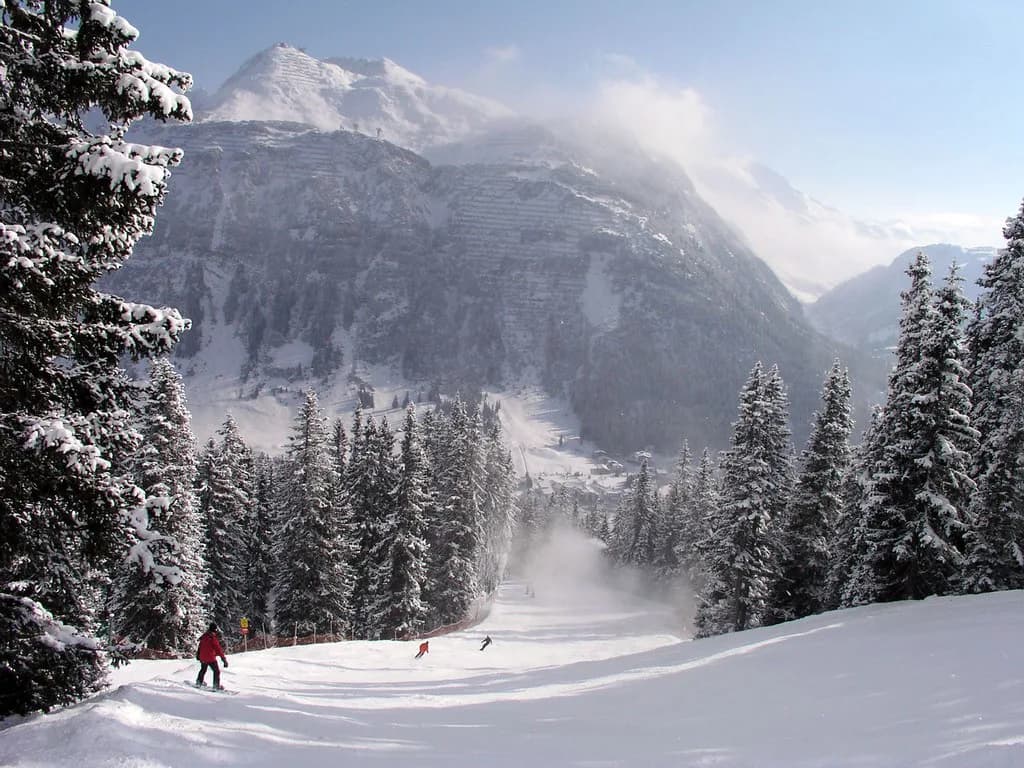
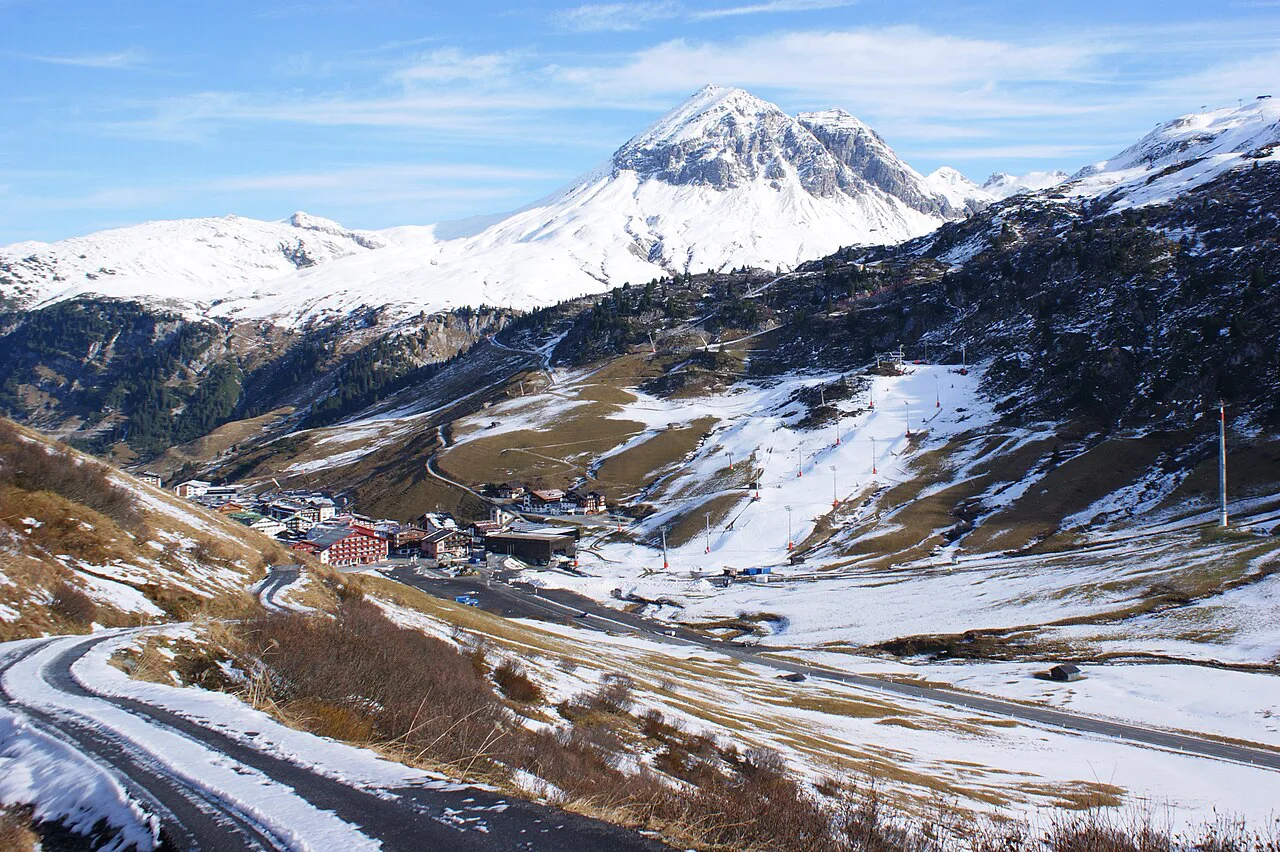
The local skiing around Lech and Zürs is spread over three main mountains, and both Schlegelkopf and Rüfikopf are reached directly from the village centre. Zürs is the third sector, accessed either by a short bus ride or by the Flexenbahn cable car. That three-part structure is the single most useful thing to understand before you plan a day, because each sector has a different character and a different first-lift decision.
Schlegelkopf is the more approachable of the two village sectors and is the natural first choice for lower-intermediate skiers, who find gentle, wide slopes there. Rüfikopf serves skiers who want to range further, including the descent towards Zug, and it rewards a full day rather than a quick morning. Zürs, on the other side of the local network, holds a quieter set of pistes that many intermediates enjoy when Lech itself feels busy.
A practical daily pattern is to commit to one sector in the morning and cross to another after lunch only if conditions and energy allow. Constantly hopping between sectors burns lift time and leaves you queuing rather than skiing, so sketch the layout before you go on a full Lech ski map. If your group has different abilities, agree a meeting lift and a lunch hut in advance so nobody spends the day searching.
How the Flexenbahn changes your skiing week
The Flexenbahn cable car is the express link between Lech and Zürs, and it is the piece of infrastructure that turns two resorts into one continuous local ski day. Without it, moving between the two villages on skis would be far less practical; with it, Zürs becomes a realistic afternoon rather than a separate excursion. This is why the link matters more to a week-long trip than to a two-day break.
Beyond Zürs, the connection continues into the wider Arlberg network, including St Anton and St Christoph in one direction and Warth-Schröcken in the other. What that buys you is choice: on a windy or cloudy day you can often find a more sheltered sector elsewhere in the network. What it costs you is time, because long traverses and multiple lift rides eat into the hours you actually spend skiing.
Before relying on any link, check the live lift and piste status for the day you plan to use it. Connections are operational, not permanent, and weather or maintenance can close a link even when the local slopes are running. Build one flexible day into a week so a closed link does not derail the plan.
Understanding the Ski Arlberg pass boundary
The Ski Arlberg pass is a single ticket covering the interconnected region, which includes Lech, Zürs, St Anton, St Christoph, Stuben, Warth and Schröcken. The official operator describes it as one ticket for the whole linked ski area, with the network sized at 301 kilometres of runs. That scope is the pass's main selling point, and it is also the reason to think carefully before paying for it on a short trip.
If your plan is to ski the local Lech and Zürs sectors for a few days, a full-area product can be more than you need, and a shorter or more local option may match your skiing better. The counter-case is a confident group that genuinely wants to ride the full circuit across several days, for whom the wider coverage is worth it. Sorting that boundary out is the core job of the Lech Ski Pass Guide before you look at any number.
Current pass prices, age bands and any child or family terms are set by Ski Arlberg and change between seasons, so check the official Ski Arlberg ticket pages rather than relying on older figures. Because no confirmed current pricing is available here, treat any quoted number you see elsewhere as unverified until Ski Arlberg lists it. Buy through the Ski Arlberg webshop or a registered seller to avoid doubt.
Local pistes versus the wider Arlberg network
Local Lech-Zürs pistes and the wider Arlberg network are two different products that share a lift system. The local area is where most people actually spend their days; the wider network is where a confident group goes for variety and long circuits. Keeping those two ideas separate stops you from planning a week around a distance you will never cover.
Pick your base by the terrain you will ski most, not by the headline network figure. A beginner-focused group is better placed close to the village nursery areas, while a strong group aiming for the far side of the region should accept longer transit days. If you are undecided, the practical test is simple: count how many days you would genuinely cross the network, and base yourself accordingly.
There is no single correct answer, and the network figure alone does not tell you how much of it is sensible in a week. Use the local sectors as your default and treat the wider area as planned excursions. That way a closed link or a slow day costs you one outing, not your whole trip.
Beginner provision: nursery slopes and easy progression
Beginners are generally better off in Lech than in Zürs, because Lech has good nursery slopes both in the main village and higher up in Oberlech. Having beginner terrain at village level and again at altitude gives you a fallback when lower snow is thin or the valley is busy. It also means a first-timer can start close to base and move up only when ready.
As confidence grows, beginners progress onto easy runs, and the Flühen and Schlosskopf areas are commonly used for that step. A sensible approach is to ride the lifts back down until the descent feels comfortable, rather than committing to a full run too early. That choice keeps a first-timer's day positive and avoids getting stuck on a slope beyond their level.
One caution worth carrying into any plan is that grading in this part of Austria can feel tougher than the colour suggests, so a blue here may ski like a harder blue elsewhere. Check the day's piste status and choose routes that match your actual comfort level rather than the label. If you are booking a learn-to-ski trip, the detail of which nursery area you will use is worth settling before arrival.
Intermediate and advanced demand, and splitting a group
Lech's local pistes are strongest for intermediates, with a wide spread of cruising terrain and plenty of mileage for a confident red-run skier. The local network also gives stronger skiers more demanding options, so a mixed group rarely stays together all day. Planning around that split is more productive than trying to force a single route for everyone.
The usual split is beginners and cautious intermediates in the village sectors, with stronger skiers heading towards Rüfikopf and beyond. If the group wants to ski together, choose terrain at the level of the least confident skier and treat harder runs as optional extras rather than the day's target. If the group is happy to separate, agree a lunch spot and a return time so the day still ends together.
Do not over-plan a mixed-ability week around long network traverses, because those days suit the strongest skiers and frustrate everyone else. Build one or two network days into the plan and keep the rest local. That balance gives each part of the group a good week rather than a compromise one.
Lessons in Lech: group, private and children's formats
Lech's ski schools offer group lessons, private instruction and dedicated children's programmes, with beginner lessons focused on the nursery areas and progression onto gentle runs. Group lessons suit social learners, while private lessons make more sense when you have a specific goal or a short trip. Children's courses are run in dedicated kids' areas and are structured differently from adult beginners' lessons.
Before booking, settle three questions: which ability level the lesson is pitched at, how large the group will be, and what the cancellation terms are if your plans change. Ask the school directly, since meeting points, group sizes and refund rules are set locally and vary between providers. Do not assume a published description matches the group you will actually join.
Peak weeks fill early, so book lessons before you finalise the rest of the trip if your dates fall in a busy period. Midweek starts can be easier to secure than a Sunday morning, and a shorter course is often enough for a first-time skier. If you are travelling with children, confirm the age bands and the drop-off arrangements in writing.
Ski hire in Lech: what to confirm before you book
Ski hire in Lech is handled by local rental shops, and the practical decisions are shop location, equipment choice and fitting time. A shop close to your lift or accommodation saves carrying gear, while a shop further out may be cheaper or have more stock. Neither is automatically better; it depends on how you want your mornings to run.
Book hire in advance for peak weeks, because popular sizes and performance skis move first. Confirm whether you can switch equipment during the week if conditions or confidence change, and ask where you collect and return gear. Ask whether overnight storage is included, since that decision affects whether you carry skis back each evening.
Before committing, check whether your chosen shop is at village level or on the mountain, and how you will get there on arrival day. Fitting on the afternoon before your first ski day usually saves time on the first morning. All of that is a shop-location question, and the answer is best confirmed with the shop itself.
Season timing and reading live conditions
Lech's winter season is scheduled rather than guaranteed, and the dates published by the resort describe intended operating periods, not a promise that every lift, link or piste will open. Snow, wind and maintenance all affect what runs on a given day, even in mid-season. The right habit is to check live status each morning rather than trust a plan made weeks earlier.
The official Lech Zürs live information page publishes open lifts, open runs, webcams and current conditions, which is the authoritative source for what is actually operating. Use it before committing to a sector, especially if your day depends on a link. A plan that assumes a specific connection is open is a plan that can fail on the morning.
Avoid treating any historic snowfall figure, snow-depth number or reliability rating as a forecast for your dates. They describe the past, and no source can promise the conditions you will meet. Book flexible where you can, and build one spare day into a week so weather does not waste the whole trip.
A practical planning sequence
Start by deciding the base and the dates, because those two choices constrain everything else. Then decide the pass scope by counting how many days you will realistically ski the wider network rather than the local sectors. A pass that matches your actual skiing is better value than one that only matches the map.
Next, book lessons and hire once the dates are fixed, since both fill up in peak periods and neither is easy to arrange at short notice. Then prioritise sectors: pick one village-sector day, one Zürs day and, if the week allows, one wider-network day. Fill the remaining days as conditions dictate rather than over-scheduling them in advance.
Finally, leave room for change. Weather, lift status and group energy will all shift your plans, and the best weeks are usually the ones with a clear default and enough slack to adapt. Check live status the night before and again in the morning, then commit to the day that actually suits conditions.
Common planning mistakes in Lech
The most common error is paying for a full-network pass and then skiing the same two or three local sectors all week. Decide your scope honestly before you buy, and if the answer is local, buy accordingly. The second is treating the local Lech-Zürs pistes and the wider Arlberg figure as the same number, which leads to planning distances you will never cover.
A third mistake is assuming a specific lift link will be open on the day you need it, when connections are operational and weather-dependent. Always have a fallback sector in mind, and check live status before you commit. The fourth is leaving lessons and hire to the last minute in a peak week, when the best slots and equipment sizes are already gone.
Finally, avoid committing a mixed-ability group to a single ambitious route every day. Let each part of the group ski what suits them and meet at agreed points, which usually produces a better week than a forced compromise. Planning for flexibility costs nothing and saves a lot of frustration.
Plan Your Visit
Lech works best when you choose it deliberately: a 1,450 m village base with local sectors above it, a higher and quieter neighbour in Zürs, and a lift link that opens the wider Arlberg when you want it. Decide your pass scope by your actual skiing, book lessons and hire early in peak weeks, and keep the plan flexible enough to absorb a closed link or a slow morning.
Before you travel, confirm the current operating status through the resort's own live information rather than relying on older summaries. If you are still weighing alternatives in the Alps, a look at Ischgl skiing can clarify what you actually want from a base, and our Mayrhofen ski guide covers another Austrian valley base with a comparable network of linked sectors. Either way, check live status daily once you are there, and let conditions shape the day.
Explore more Lech guides
Frequently Asked Questions
Where can you ski in Lech?
Within Lech itself you have the village-side sectors reached from the centre, including Schlegelkopf and Rüfikopf, plus the Zürs sector via the Flexenbahn link or a short bus ride. Beyond that, the interconnected Arlberg network opens up further areas including St Anton, St Christoph, Stuben, Warth and Schröcken, with the official network sized at 301 kilometres of runs.
What does the Ski Arlberg pass cover?
The Ski Arlberg pass is a single ticket for the interconnected region, covering Lech, Zürs, St Anton, St Christoph, Stuben, Warth and Schröcken. Whether it suits you depends on how many days you will actually ski beyond the local Lech-Zürs sectors. Current prices and age terms change between seasons, so check the official ticket pages before buying.
Is Lech good for beginners?
Lech has nursery slopes in the main village and up in Oberlech, and beginners generally find better provision here than in Zürs. Progression onto easy blues in areas such as Flühen and Schlosskopf is a common next step. Note that grading in this part of Austria can feel tougher than the colour suggests, so match your route to how the slope actually feels.
How do Lech and Zürs connect?
Zürs is linked to Lech by the Flexenbahn cable car and also by a short bus ride. The Flexenbahn makes Zürs a realistic part of a local ski day, while the bus is a useful fallback if the lift link is not operating. Always check live lift status before planning a day that depends on the connection.
When is the Lech ski season?
The winter season is a scheduled operating period rather than a guarantee, and dates vary between years. The resort's own live information is the authoritative place to see what is currently open. Treat any historic snowfall figures as a record of the past, not a forecast for your stay.
How many kilometres of pistes are there in Lech?
The official Ski Arlberg figure for the interconnected area is 301 kilometres of ski runs served by 85 cable cars and lifts. That number covers the whole linked region rather than the local Lech-Zürs pistes alone, so treat it as the size of the network you can reach rather than the terrain at the village gate.
Sources
Useful notes for your next ski trip
Optional updates to our Alpine resort guides.
You might also like
Continue reading
More guides you'll find useful