St Moritz Ski Season: Dates, Snow and When to Go
Plan around the St Moritz ski season: when Corviglia, Corvatsch and Diavolezza typically open, how late spring skiing runs, and which months to pick.
On this page
St Moritz sits in the Upper Engadine at the eastern edge of the Swiss Alps, and its season is best understood as three separate ski areas sharing one lift pass rather than a single mountain that switches on in December. Corviglia rises straight above St Moritz Dorf, Corvatsch and Furtschellas sit across the valley on the Silvaplana side, and Diavolezza and Lagalb hold the high, steep ground towards the Bernina Pass. Each sector has its own opening and closing pattern, and the timing of your trip decides which of them you actually get.
Why the St Moritz Season Runs Longer Than Most Alpine Resorts
Altitude does most of the work. The lifts reach well above the tree line, with the Corvatsch sector topping out near 3,300m and Corviglia climbing towards Piz Nair, so late-lying snow at the top keeps terrain open after lower resorts have shut. St Moritz also has the advantage of a dry, sunny Engadine climate, which preserves snow cover rather than stripping it in a single thaw.
The second reason is geography. Because the sectors are spread across the valley floor rather than stacked on one peak, the resort can open the highest ground early and keep it running late while the lower runs come and go. St Moritz has been marketing itself as a winter destination since the nineteenth century, and the scale of the lift network reflects that history rather than a single modern development.
The Published Season Window: Late November to Early May
Lift-pass listings publish an estimated window of 21 November to 2 May for the coming winter, alongside a count of 88 slopes and 59 lifts across the Engadin St. Moritz area. Treat those as planning dates rather than promises: they describe the intended span of the season, not what will be spinning on any given morning in November or April.
Resort guides give a slightly different picture by sector, noting that Corviglia usually starts in late November and runs to early to mid-April, while Corvatsch carries the later weeks. The two descriptions are consistent once you stop treating St Moritz as one mountain: the valley opens early on one sector and closes late on another, and the weeks in between are covered by whichever lifts are running.
That distinction matters when you book. A late-November trip and an early-December trip can look identical on a lift-pass calendar but deliver very different amounts of open terrain, so match your dates to the sector you actually want to ski rather than to the headline season length.
Corviglia: The Main Sector Above Town
Corviglia is the sector you see from the village and the one most visitors ski first. Two funiculars climb from St Moritz Dorf and St Moritz Bad to the Corviglia plateau, where a dense web of chairs and drags spreads across open, south-facing slopes. It carries the widest range of easy and intermediate terrain in the area, which makes it the natural base for a mixed-ability group.
From the top of Corviglia, lifts continue towards Piz Nair, adding steeper, higher ground and the descent that gives the sector its range. That upper layer is also what allows Corviglia to open early and hold snow into April, so if your dates sit at the edges of the season this is the sector to watch.
Because Corviglia sits directly above town, you can walk to the lifts from central hotels, which removes the need for a car or a shuttle on the days you stay local. The trade-off is that it is also the busiest sector at peak weekends and holiday weeks.
Corvatsch and Furtschellas: Higher, Colder, Better Late
Corvatsch and Furtschellas face the other side of the valley above Silvaplana and Sils, and they sit noticeably higher than Corviglia. The terrain is more exposed and the snow holds later, which is why Corvatsch is the sector that keeps the season alive into spring. Long, rolling runs suit confident intermediates, while the upper mountain offers genuinely steep options.
Furtschellas, linked into the same lift network, gives a gentler counterweight with wide cruising and a quieter feel than the Corviglia side. If you are booking a late-March or April trip and want reliable snow without the crowds, basing yourself on the Silvaplana side is the more sensible move.
Diavolezza and Lagalb: The Bernina Side
Diavolezza and Lagalb sit further up the valley towards the Bernina Pass and offer the most dramatic and most demanding skiing in the area. Diavolezza is glacier-adjacent high ground with a long, sustained descent, and Lagalb is a compact, steep mountain that rewards strong skiers and offers little for anyone else. Neither is where you learn.
These two are worth a dedicated day rather than a quick detour, and the valley train along the Bernina line is the natural way to reach them without a car. Check that both are running before you commit a day, since their operating calendars are shorter and more weather-dependent than Corviglia's.
Season Calendar by Month
November and early December are for early-season value and low expectations. Corviglia is the most likely sector to be open, with a limited number of runs and thin cover off the groomed pistes. The advantage is quiet slopes and lower early-season pricing; the risk is that a warm spell removes the terrain you travelled for.
January and February bring the most reliable snow and the coldest temperatures, along with the highest demand. School holiday weeks in particular fill hotels and queues, and prices peak. If you want full sector coverage and do not mind the cold, this is the safest window for a first trip.
March is the connoisseur's month: long days, a deep base, and enough sun to make the high-altitude terraces worth using. April still offers good skiing on Corvatsch and the upper Corviglia runs, though lower slopes start to thin and slush appears in the afternoons. Early May is the tail end, when only the highest ground survives and you should expect a limited offering.
Snow Reliability and What a Poor Winter Changes
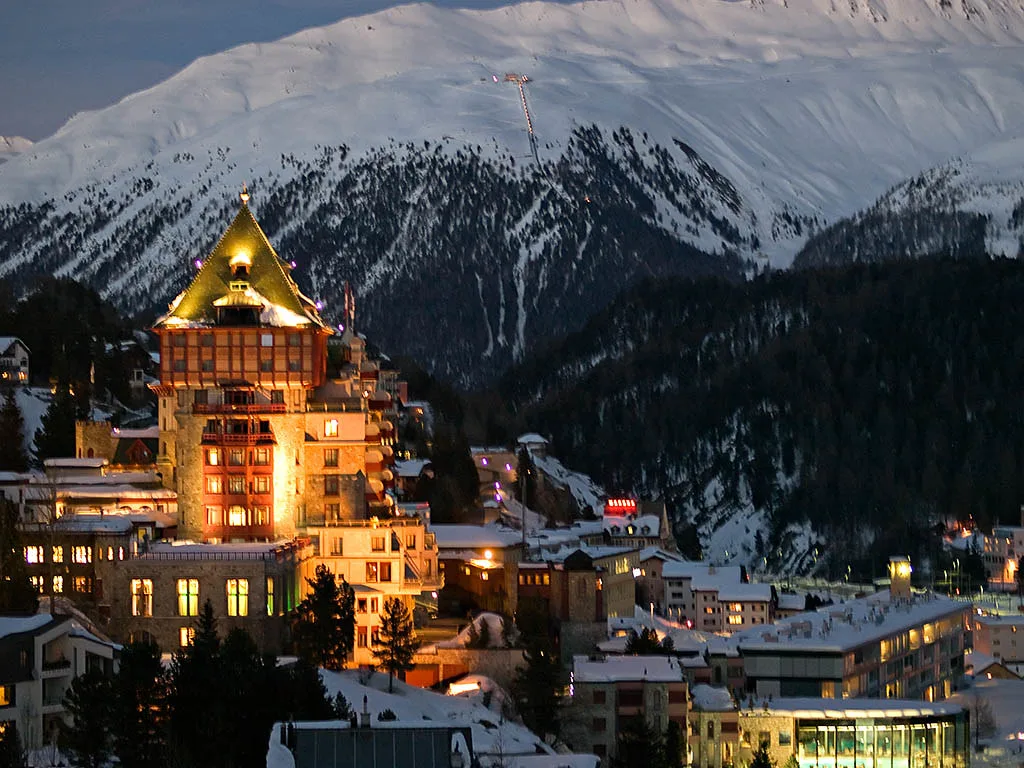
The upper mountain is about as snow-sure as Alpine skiing gets, but the valley floor and the lowest runs are not. In a thin winter, the resort leans on its high terrain and on snowmaking, and the lower connections between village and mountain can close. A poor season does not shut St Moritz, but it narrows the skiing to the sectors and runs with altitude on their side.
The practical response is to book with flexibility and to favour accommodation close to a lift rather than relying on village-to-village connections. If your trip is built around a specific run or sector, keep a second option in mind for the same week.
Lift-Pass Products and the Snow-Deal Dynamic Model
Engadin St. Moritz sells lift passes through a dynamic pricing system called Snow-Deal, bookable online in advance, with early-booking discounts and family reductions. Prices move with demand and date, so the cost of a given ski day is not fixed at the start of the season. That makes advance purchase the cheapest route for anyone with firm dates, and the flexible option for anyone still choosing between weeks.
Season passes are a separate product. The published figures for the Graubünden Card run at 749 CHF for a child aged 6 to 12, 1,498 CHF for a junior aged 13 to 17 and 2,247 CHF for an adult, valid to 3 May 2026 and subject to change. Note that this is a Graubünden-wide card covering mountain railways across the canton, not an Engadin-only pass, so it only makes sense if you plan to ski repeatedly in Switzerland.
For a single week, compare the dynamic multi-day pass against the card on your actual dates rather than against a headline figure. For anything beyond a fortnight, or for a second Swiss trip in the same winter, the card is the one to price first.
Where to Buy Passes
Buy online before you travel wherever your dates are fixed, because the dynamic model rewards advance purchase and the ticket window is the most expensive place to decide. The resort's own shop and the Engadin tourism site hold the current offers, and the contact line published alongside the price information is the quickest way to confirm what is loaded for your week.
If you are buying for a family, check the age bands carefully before you pay, since child and junior categories do not always line up with school ages in the UK. Take proof of age for each skier, as Swiss lift companies routinely ask at the window.
Beginner Zones and Ski Schools
Beginners are best served on Corviglia, where the plateau above the funicular gives gentle, wide nursery ground and a short step to longer easy runs once you can turn. The St Moritz ski schools operate across the valley and teach in several languages, and booking lessons before you arrive is the difference between a productive first week and a week of queueing for a place.
Base yourself near the funicular you will use daily rather than chasing the cheapest room across the valley. A short walk to the lift with boots on matters more in the first week than a better view, and staying in St Moritz Dorf or St Moritz Bad keeps the whole Corviglia sector within easy reach.
Ski Hire and Getting Around Without a Car
Hire shops cluster around St Moritz Dorf and St Moritz Bad, close to the funicular stations, which means you can collect and return gear on foot. Book online in peak weeks to secure the model you want, and pick up the evening before your first ski day so the morning is not lost to fitting.
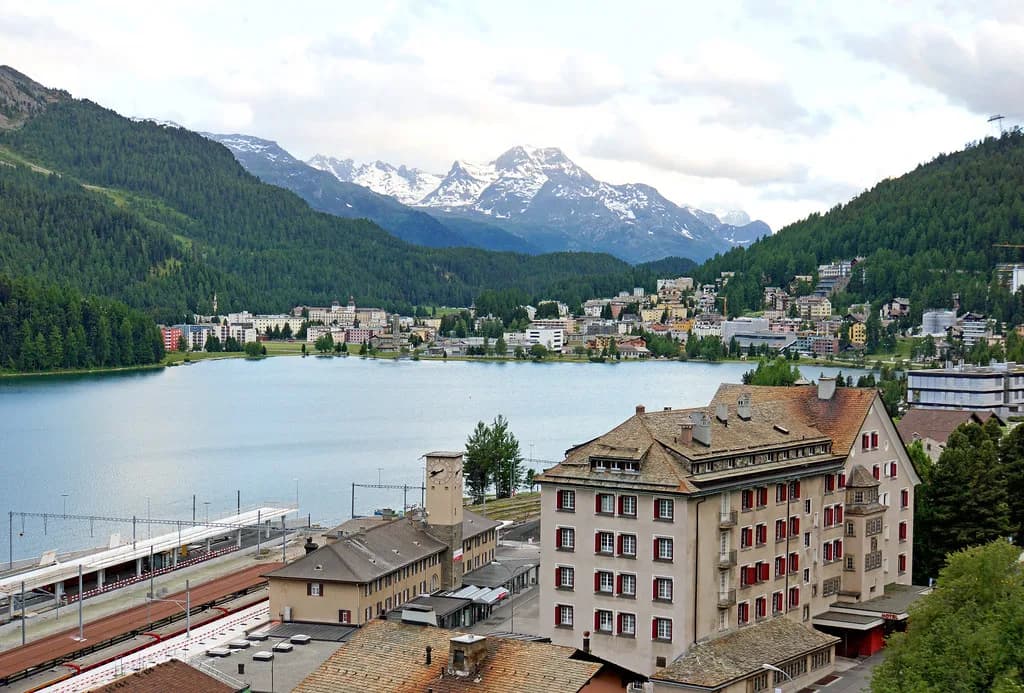
The valley runs on trains, buses and the funiculars rather than on taxis. The RhB rail line connects St Moritz with the lake villages and, via the Bernina line, with Diavolezza and Lagalb, so a car is a liability in peak weeks when parking near the lifts fills early.
Where to Stay: Town, the Lake, or the Corvatsch Side
Three bases cover most trips. St Moritz Dorf puts you under Corviglia with the widest choice of hotels and restaurants; St Moritz Bad is quieter and closer to the lake, with its own funicular; and Silvaplana or Sils put you nearer Corvatsch and Furtschellas for a late-season or snow-focused week.
Choose by the skiing you will do most, not by room rate alone. A town-centre week suits a mixed group that will spend most days on Corviglia and wants evenings in reach; a Silvaplana week suits stronger skiers chasing high snow and long spring days.
Crowd Timing, Event Weekends and Booking Lead Times
St Moritz hosts a busy winter events calendar, including the horse races on the frozen lake and polo on snow, and those weekends push both accommodation and lift queues to their peak. If your dates are fixed by school holidays, book accommodation and ski school months ahead; if they are flexible, aim for the quiet weeks between the February half-term and the Easter break.
Check the resort's events listing before you commit to a week, since a single event can transform the price and feel of a village. Nearby resorts such as Arosa run on similar calendars, and comparing Arosa Ski season dates is useful if you are weighing a second Swiss week.
Checklist for Locking In Dates
Confirm which sectors will be running in your chosen week, decide whether your group needs Corviglia's easy terrain or Corvatsch's altitude, and check the dynamic pass price for those exact dates before booking accommodation. Then secure ski school and hire, and plan your transfer around the train rather than a car.
Finally, separate the season window from daily operations. The published dates tell you what the resort intends to run; the lift status page tells you what is actually turning on the morning you arrive, and that can change with wind and snow.
Plan Your Visit
St Moritz rewards a trip planned around a sector rather than around a single set of dates. Corviglia for early-season access and beginner terrain, Corvatsch for snow-sure spring skiing, Diavolezza and Lagalb for a dramatic day out: pick the one that matches your ability and your week, then buy your pass early.
Confirm the current season dates and lift-pass prices on the official Engadin St. Moritz site before you pay a deposit, since both the operating calendar and the dynamic pricing move through the winter. With dates, base and pass sorted, the rest of the valley is straightforward.
Frequently Asked Questions
When does the St Moritz ski season start and end?
Lift-pass listings publish an estimated window of 21 November to 2 May, but the season is really three overlapping ones. Corviglia usually starts in late November and runs to early to mid-April, while Corvatsch carries the later weeks towards the published close.
Can you ski in St Moritz in May?
Only on the highest ground. The published season runs to early May, but expect a limited offering with the upper Corvatsch and Corviglia terrain doing the work and the lower runs closed.
Which St Moritz sector is best for beginners?
Corviglia. The plateau above the funiculars gives wide, gentle nursery slopes and a short step up to easy longer runs, and the ski schools teach there.
How much is a St Moritz ski pass?
Daily passes use dynamic pricing through the Snow-Deal model, so the cost depends on your dates and how far ahead you buy. Check the current price for your exact week on the Engadin St. Moritz site before booking.
Is St Moritz snow-sure all season?
The upper mountain is highly reliable, but the lowest runs and village connections are not. In a thin winter the skiing concentrates on the high sectors, and lower slopes may close.
When should you book a St Moritz ski trip?
Book accommodation and ski school months ahead for January, February and event weekends. For quieter weeks in March, a shorter lead time is usually workable, and buying the pass early captures the best dynamic price.
Sources
Useful notes for your next ski trip
Optional updates to our Alpine resort guides.
You might also like

Continue reading
More guides you'll find useful