
St Moritz Ski Hire: How to Book, Collect and Fit Gear
A practical guide to St Moritz ski hire: book ahead, pick your collection point, get boots fitted properly and know what to sort before you reach the lift.
On this page
St Moritz is a resort where the skiing spreads across separate sectors above two distinct parts of town, so where you collect your gear shapes your first morning as much as what you hire. Get the booking and collection point right and you can be on the Corviglia or Corvatsch lifts shortly after breakfast; get it wrong and you spend the best hour of the day in a bus queue or a fitting queue.
This guide covers where hire shops sit in relation to the resort, how to book and what to reserve early, how to test a boot fit before you leave the counter, and how multi-day packages work when your plans change mid-trip. It also settles a common search confusion between St Moritz in Switzerland and Arinsal in Andorra, because the two attract the same slip of the keyboard and nothing else.
Where the hire shops sit in relation to the resort
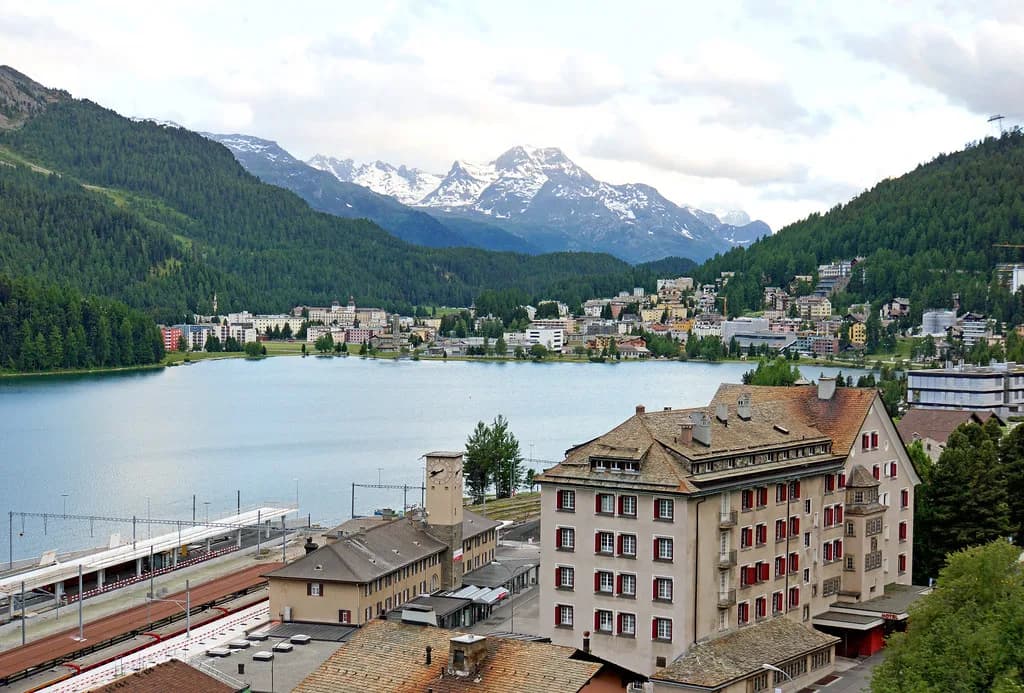
St Moritz splits into St Moritz Dorf, the town centre on the hillside, and St Moritz Bad, the lower spa district near the lake, with the Corviglia funicular rising from Dorf and the Signal cable car from Bad. Shops cluster around both, so your first decision is whether your accommodation puts you closer to the Dorf lifts or the Bad lift base. The practical map lays this out clearly, and reading it before you book hire is worth ten minutes of your evening.
The second cluster sits up the valley towards Corvatsch, where the cable car from Surlej serves the highest lift-served terrain in the area, and a small base exists at Sils. If your trip is built around the Corvatsch glacier runs rather than the Corviglia pistes, hiring near that lift base rather than in Dorf saves a transfer on day one. Both choices are valid; the mistake is hiring somewhere convenient for your hotel rather than for the slopes you plan to ski first.
Booking online versus walking in
Pre-booking is the sane default in peak weeks, especially if you need boots in an unusual size, a wide ski for off-piste days, or children's gear across several days. Online reservations let the shop set aside that exact inventory, which a walk-in cannot guarantee once the racks thin out after a busy weekend. Reserve the pickup day to match your arrival, not your first ski day, so a delayed train or a late transfer does not leave you collecting gear in a crowd. If you are weighing up another resort for a future trip, the approach to Andermatt ski hire follows much the same reserve-ahead logic.
Andorran operators such as Esports Sant Moritz in Arinsal show the pattern worth copying: their website asks for reservations at least one day in advance and lets you build a quote before committing. That is not St Moritz information, and the Arinsal addresses and shop hours on that site belong to Andorra only, but the habit of reserving ahead transfers cleanly to any serious Alpine resort. Check what the St Moritz shop you choose publishes about lead times and cancellation before you pay.
Forum threads are still where many skiers start comparing rental options, and older St Moritz discussions on the message boards show how long some advice has been circulating. Treat them as a way to find shop names, then check each shop's own site, since terms, stock and locations change between seasons.
What to reserve early
Boots in your size, wide skis for off-piste days and children's equipment are the three things that run short first in peak weeks. If you ski a 29.5 or smaller, or need a ski over 100mm underfoot for a guided day off Piz Nair, reserve it when you book rather than hoping it is on the rack. Families should list every child's height, weight and shoe size in the booking notes so the shop can pre-set bindings before you arrive.
Multi-day packages are the other item to lock in early, because most shops price them on a sliding scale that rewards committing to the full length of your trip up front. A five- or six-day package almost always beats re-renting daily, and it removes the morning queue entirely after the first collection.
Skis, snowboards and ski blades
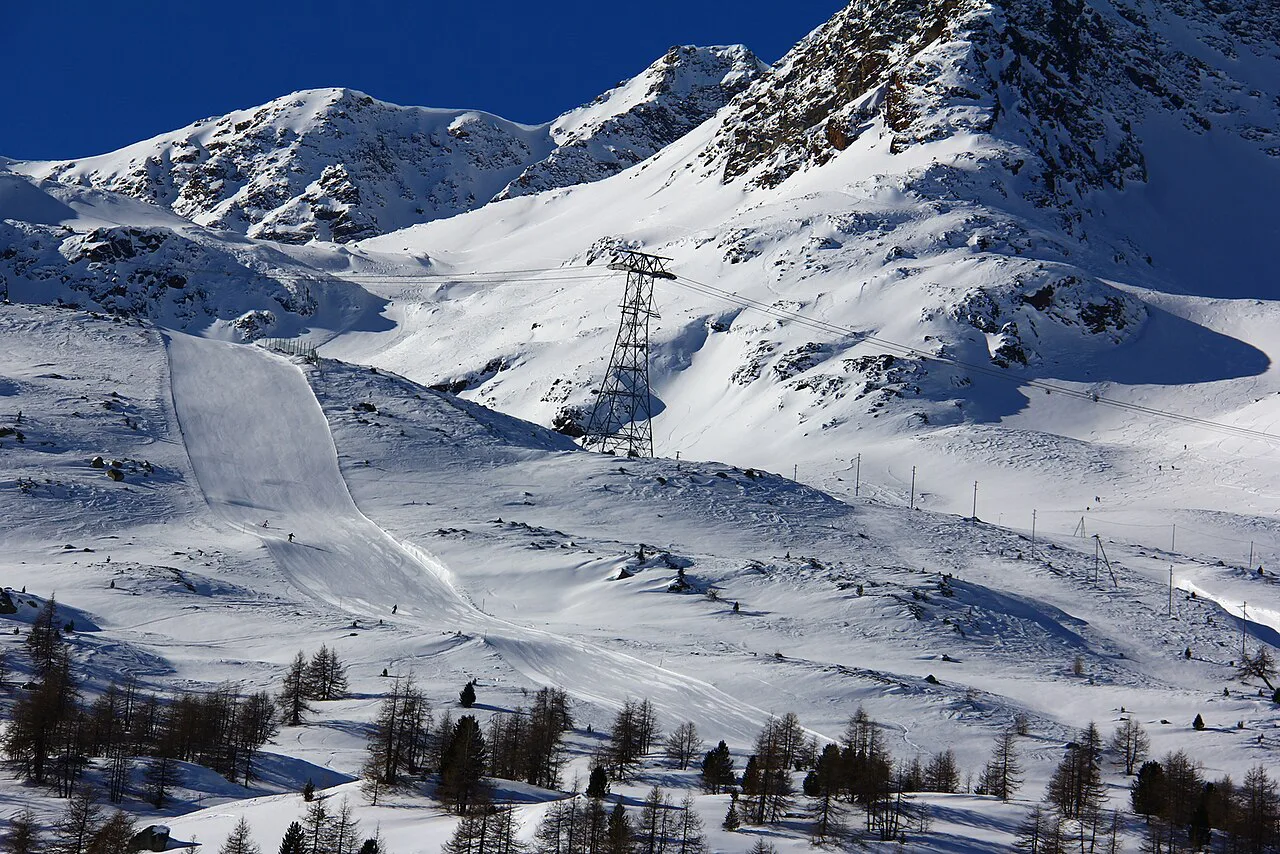
Match the kit to the terrain you actually plan to ski. The Corviglia sector above Dorf suits carving on groomed pistes, so a mid-width all-mountain ski in the 75-85mm range is the sensible default. For off-piste days off Piz Nair or the upper Corvatsch runs, a wider ski in the 95-105mm class with a freeride shape makes the powder far more enjoyable, and most shops will let you swap within a package if conditions change.
Snowboarders should ask specifically about board width and boot sizing, since a board matched to your boot length matters more than the graphic. Ski blades are a niche rental and not every shop stocks them, so call ahead if that is your plan. A dedicated rental page on the shop's website is the quickest way to confirm what categories they actually carry.
Boot fitting at the counter
Boot fit is the real test of a hire shop, not the ski brand. At the counter, put the boots on, buckle from the bottom up, and stand with your knees slightly flexed. Your heel should stay locked down when you rise onto your toes, and your longest toe should brush the liner without pressing hard. If either check fails, ask for a different shell before you leave the shop rather than discovering the problem on the lift.
Walk around the shop for a few minutes, including up and down any steps, and note any pressure point at the instep or the outside of the ankle. Rental liners pack out over a season, so a boot that feels merely snug on day one will feel loose by day three. Ask the fitter to note your shell size in the booking so a mid-trip swap is quick.
Collection points and timing
Pick your collection point by where you plan to ski first, not by where you sleep. A Dorf shop puts you minutes from the Corviglia funicular; a Surlej shop puts you at the Corvatsch base for the long glacier runs. If you are staying in St Moritz Bad and skiing Corviglia, collecting in Dorf on the first morning beats carrying skis down and back up the hill.
Collect the evening before your first ski day if the shop offers late afternoon pickup, and leave your skis overnight at the shop or in a secure ski room rather than dragging them back to a hotel. Most rental shops hold boots and skis in a cage overnight for a small deposit, and this turns the first morning into a walk to the lift rather than a fitting session. Confirm overnight storage terms when you book.
Multi-day rental mechanics
Multi-day packages usually price a fixed number of days with a single fitting and one collection, and the savings come from eliminating the daily fitting time rather than from a discount on the last day. Ask what happens if you break a ski mid-trip: most shops swap it on the spot, and a few charge for damage unless you have taken the waiver. Read what the waiver actually covers before you decide.
Packages typically exclude helmets, poles and sometimes boots in the cheaper tiers, so read the line items on your quote instead of trusting the headline price to cover everything. A small helmet hire fee is common and worth paying if you do not own one. If you plan a rest day mid-trip, ask whether the package can pause instead of burning a rental day.
Children and beginners
Families should book shorter packages than adults and expect a boot swap on day two or three as children's feet settle into the liner. For beginners heading to the nursery slopes, a shorter ski in the 130-150cm range depending on height is easier to control, and most shops rent these as a separate beginner tier. Pair the hire with a morning lesson so the child gets fitted the day before school starts, not the morning of it.
A beginner's first day is dominated by the boot, so resist the temptation to book a full trip's hire for a child who has never stood on skis. Start with a two-day package and extend once you know they are enjoying it, and check the shop's policy on upgrading mid-rental. The cost of extending usually beats the cost of unused days.
Buying versus hiring
Buying makes sense for a returning skier who will be on the hill more than about ten days a season and who knows the terrain they want to ski. A well-chosen pair of all-mountain skis and a fitted boot will beat any rental over three or four seasons, and the fit is yours alone. Hiring wins on any trip where you want to try a freeride ski for one powder day without committing.
Boots are the strongest case for buying early: the fitting pays off in comfort across every trip, and a shop will often spend more time on a purchase than on a hire. Skis are the weaker case, because terrain and snow conditions vary and you can rent a wider ski precisely when the forecast calls for snow. Decide boot first, ski second.
What drives the quote
St Moritz has a reputation for high prices, and hire is one place where you can control the cost more than you might expect. The main drivers are the number of days, the tier of ski, whether boots are included, and whether you add a damage waiver. Booking online ahead of time rather than at the lift base on a Saturday morning is the single biggest saving.
Check current prices on the shop's own site before you commit, since rates change between seasons and the quote is only reliable for the dates you enter. Compare two or three shops on the same package for the same dates, and ask about a family or multi-person discount if you are booking for more than two people.
Lift passes and hire separately
Sort your ski pass before you collect gear so hire admin does not eat into ski time. The Engadin pass covers Corviglia, Corvatsch and the Diavolezza and Lagalb sectors, and prices and products vary by season length; check what your dates include before you buy. Buy online to avoid the ticket window queue on day one.
Many shops offer to bundle hire with a pass, but the bundle is rarely the cheapest option and ties you to one pickup point. Buy the pass independently and you can collect gear wherever is most convenient for your first morning. The pass is also the thing that determines whether a multi-day hire package is worth it, so settle it first.
Getting to your hire shop
Arrival by train delivers you to St Moritz station in the heart of Dorf, which makes a Dorf hire shop the easiest first stop with luggage. If you arrive by car, check whether the shop has parking or whether you should unload at the hotel and walk, since parking near the lift bases is limited. Buses connect Dorf, Bad and the valley villages, so a hire shop on a bus route works if you are staying away from the centre.
Have your booking reference, boot sizes and ski length written down before you travel, and a rough idea of which sector you will ski on day one. A two-minute conversation at the counter beats a twenty-minute re-fitting. If your transfer is delayed, call the shop so they hold your reservation.
Plan Your Visit
Book your hire before you travel, choose the collection point nearest the first sector you plan to ski, and reserve boots and wide skis when you book rather than on arrival. Everything else at the counter is a conversation, and the boots are the part worth taking time over.
Book boots and skis first, then the pass, then the lessons, and leave the first morning for a short fitting rather than a full morning of admin. A well-prepared hire day buys you a full day on the slopes.
Frequently Asked Questions
How much does ski hire cost in St Moritz?
Hire prices depend on the number of days, the tier of ski, whether boots are included and whether you add a damage waiver. Shops publish their rates on their own booking pages, and the reliable approach is to enter your exact dates for a quote and compare two or three shops on the same package.
Do you need to book ski hire in advance in St Moritz?
Booking ahead is the sensible default in peak weeks and for anyone needing unusual boot sizes, wide skis or children's gear. Online reservations let the shop set aside that inventory, whereas walk-ins depend on what is left on the rack. Reserve the collection day to match your arrival rather than your first ski day.
Where are the hire shops in St Moritz?
Shops cluster around St Moritz Dorf, near the Corviglia funicular, and around St Moritz Bad near the Signal lift, with further options near the Corvatsch base at Surlej. Choose by the sector you plan to ski first, not by your hotel, and confirm the exact address on the shop's own site.
Can you hire ski boots separately from skis?
Most shops rent boots as a standalone item, though the cheaper multi-day packages often bundle them with skis rather than offering the best per-item price. If boots are the priority, and they should be, treat the boot fit as the main quality test and spend the fitting time on it before agreeing to a package.
Is it cheaper to hire skis in St Moritz or buy your own?
Buying wins for a returning skier on the hill for more than about ten days a season, and boots are the strongest case for buying because a proper fit pays off across every trip. For a single trip, or for trying a wide freeride ski on a powder day, hiring is clearly the better value.
Is St Moritz ski hire the same as Arinsal ski hire?
No. St Moritz is in the Engadin valley in Graubünden, Switzerland, while Arinsal is in Andorra and part of the Vallnord ski area. Shops, addresses, opening hours and loyalty terms published by Andorran operators such as Esports Sant Moritz apply in Andorra only and do not transfer to St Moritz.
What is skiing like in St Moritz?
St Moritz links the Corviglia sector above Dorf, the Corvatsch sector above Surlej and the Diavolezza and Lagalb areas, giving a mix of groomed cruising and high-altitude glacier runs. The spread means matching your hire collection point to the sector you plan to ski first makes a real difference to your morning.
How early should I collect my hire gear?
Collect the evening before your first ski day if the shop offers late afternoon pickup, and leave the gear overnight at the shop or in your hotel ski room. That turns the first morning into a short walk to the lift rather than a fitting session. Confirm overnight storage terms when you book.
Sources
Useful notes for your next ski trip
Optional updates to our Alpine resort guides.
You might also like

Continue reading
More guides you'll find useful
-_Suica_(8746328204).jpg)