Obertauern Skiing Guide: Terrain, Lifts and Season
Obertauern skiing explained: lift-linked sectors, beginner areas, daily lift hours, grooming closures and the conditional winter season window.
On this page
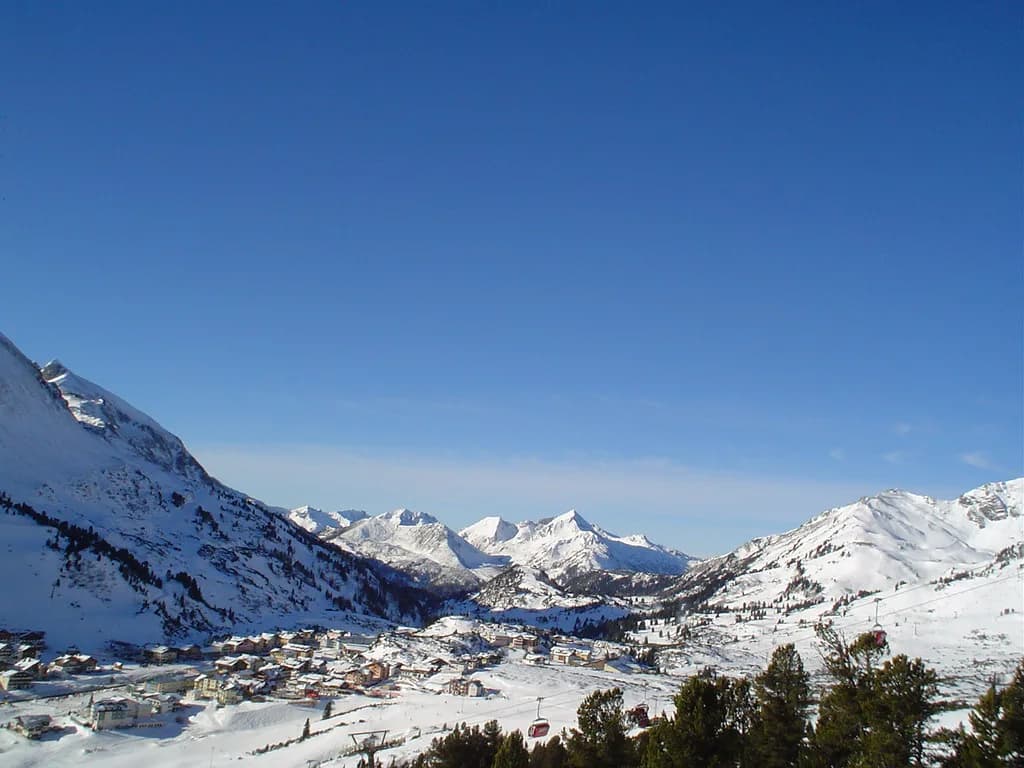
Obertauern skiing makes the most sense when you treat the resort as a set of distinct sectors rather than one continuous mountain. The village sits at roughly 1,740m in Salzburgerland, Austria, and the lift network links several separate areas that each play a different role in a ski day. This guide walks through the terrain geography, lift hours, ticketing and the constraints that shape a realistic plan for a first trip.
One caution before booking: Obertauern ski area publishes an expected season opening of 20 November 2026, a Tauernrunde link period expected from 26 November 2026 to 18 April 2027, and partial operation expected from 19 April to 2 May 2027, all subject to snow conditions. Treat those as planning windows, not promises about any individual piste, lift or link being available on a given day. Total piste length and top altitude figures differ between secondary guides, so this article does not present them as verified.
The aim is practical: know which sectors to use each day, understand the operating hours you can actually ski, and know exactly which details to settle with the ski area or tourist office before travelling. Later guides in the series cover operational topics such as the Obertauern Ski Pass Guide, rental and lessons in more depth.
Who Obertauern Skiing Suits, and What It Does Not Promise
Obertauern skiing works best for skiers who want a compact, high-altitude base with the lifts close to the village and a varied, largely intermediate-oriented mix of pistes. Secondary guides describe a substantial network of groomed runs served by a modern lift system, which makes it a sensible choice if your priority is convenient, cruisy days rather than extreme vertical. If you need guaranteed snow cover, guaranteed link operations or expert terrain on every run, no resort in the Alps can promise that and Obertauern is no exception.
The resort is also a reasonable fit if you want a finite, learnable ski area rather than a sprawling circuit you need a week to understand. That cuts both ways: skiers who want huge distance between sectors may find the layout less compelling, while those who value a readable geography of three or four distinct areas will settle in quickly. Decide which of those two profiles matches your group before you compare Obertauern with other resorts.
It is worth saying plainly that third-party guides disagree on headline figures for the ski area. One describes around 100km of terrain and one shows a 120km resort figure; because the Obertauern operating-hours page does not state total piste kilometres or a definitive top altitude, use the ski area's own current information when you need exact numbers. Treat run-level detail from a secondary guide as terrain character rather than official measurement, and rely on the lift company for boundaries and current operating facts.
Where Obertauern Sits and How the Village Relates to the Lifts
Obertauern sits in the state of Salzburgerland, Austria, at a village altitude of roughly 1,740m, which is the one figure consistent across the secondary guides reviewed here. That base height is the main practical reason the resort appears in alpine trip planning at all: you start close to the snow rather than commuting up from a valley floor. Secondary guides estimate the drive from Salzburg airport at around an hour and fifteen minutes, but treat that as indicative and check road conditions yourself before setting out.
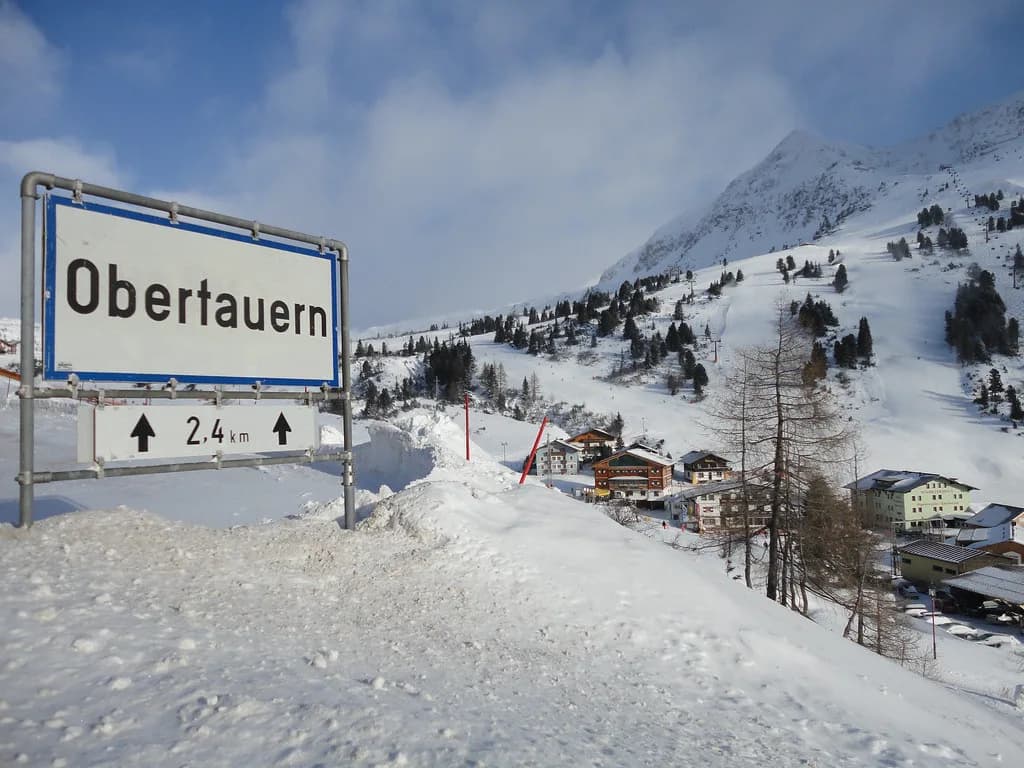
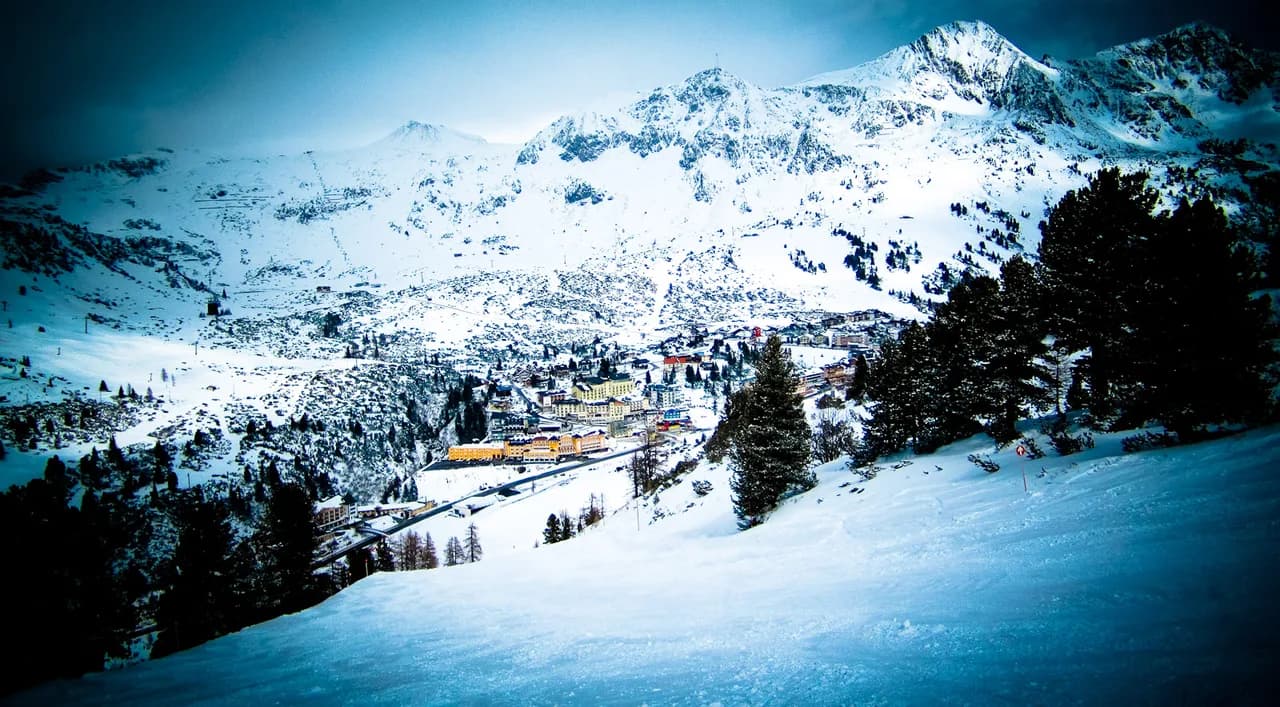
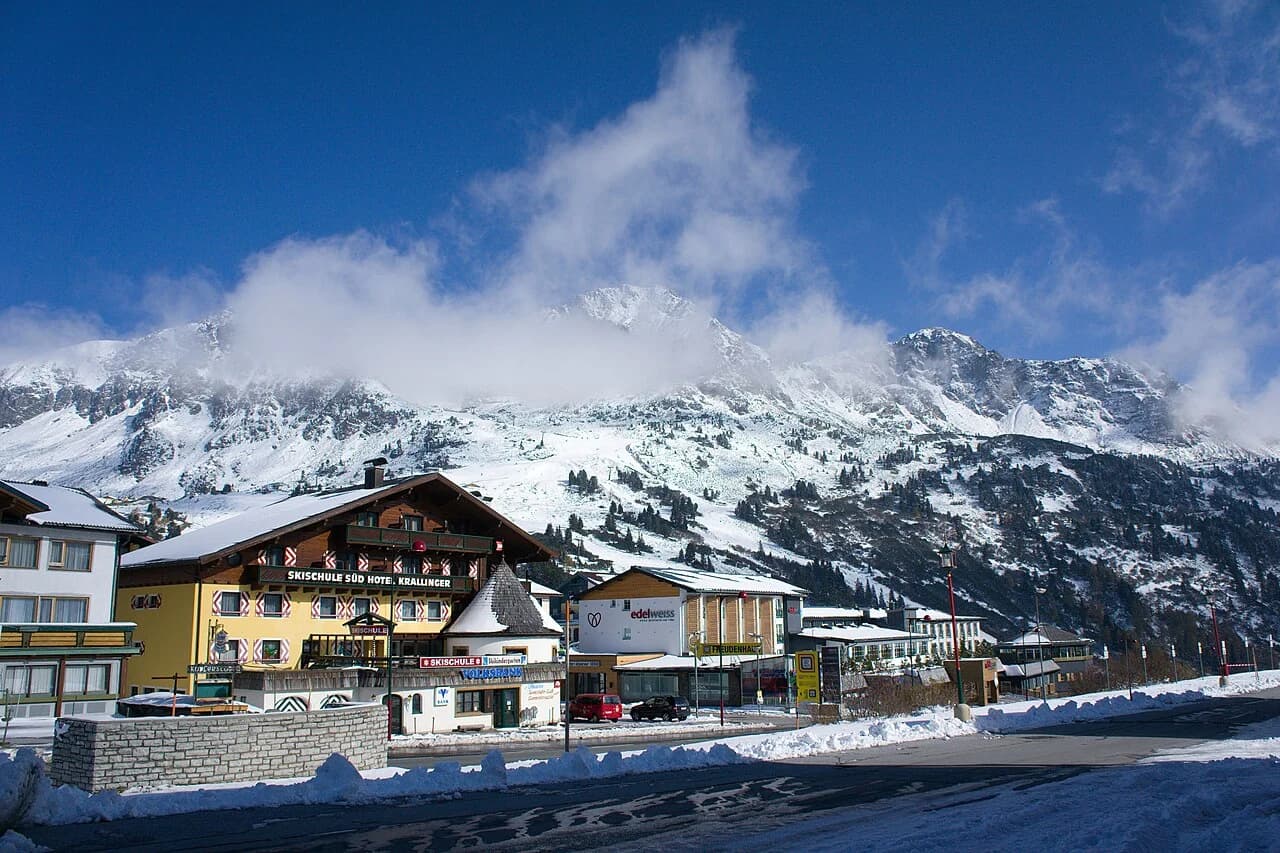
The layout matters more than the scenery for planning purposes: much of the town sits directly at the foot of the lifts, which makes lift access a short walk rather than a daily commute. That is convenient, and it is also the reason the resort reads as functional rather than traditional. If you want a historic village atmosphere, this is a genuine trade-off to weigh rather than something to discover on arrival.
For a first trip, look at a village map and the lift map side by side, then identify which lift station is closest to where you are staying. That single step determines how early you can realistically be on the first lift and how you will regroup if your group splits. The ski area's own map shows actual lift positions, so use that rather than a guide's impression of the layout.
How the Ski Area Is Organised: The Sector Names That Shape a Day
Obertauern's skiing is organised into named areas rather than one undifferentiated spread, and the names that matter most for planning are Gnadenalm, Zehnerkar and Grünwaldkopf. All three are described as accessible from the town centre, which is what allows you to choose a sector per day or even per half-day without a long transit. If you learn those three names before you travel, most lift-map decisions become straightforward.
A useful way to plan is to assign each ski day to one primary sector and one secondary area, rather than trying to cover everything daily. This reduces time spent traversing and leaves room for a second lap when a particular lift queue or snow condition changes your plan. The Gamsleitenbahn, Plattenkarbahn, Zehnerkarbahn, Grünwaldkopfbahn, Seekarspitzbahn, Kehrkopfbahn and Schaidbergbahn names on the ticket-machine list give you a rough cross-check of which access points exist in the network.
The Tauernrunde is the link concept that turns Obertauern into a circuit rather than a cluster of separate areas. The ski area expects the Tauernrunde to run from 26 November 2026 until 18 April 2027, subject to snow conditions, with partial operation expected from 19 April to 2 May 2027. If riding the full circuit is central to your trip, plan inside that expected window and check the current status on the Obertauern lift pages closer to travel.
Terrain Character by Ability: What Each Group Should Expect
Secondary guides characterise the terrain split roughly as 9% green, 45% blue, 37% red and 9% black across 61 runs, which frames Obertauern as a blue-and-red resort with a small steep tail. That distribution is the most useful thing to know before booking if your group mixes abilities: most of the mountain suits confident beginners and cruising intermediates, with a small amount of genuinely steep terrain. Treat the percentages as a secondary description rather than an official count, and check the current piste map on arrival.
Two village or lift-top nursery areas are described: one in the village itself and one at the top of the Grünwaldkopf gondola. There are also green runs at the top of the Zehnerkar lift, which is where a progression from the nursery slopes naturally leads. One practical trade-off to note is that the lower runs back into the village are described as harder than the runs at the top, so your return route deserves attention even after your first confident top-of-mountain laps.
Intermediates have the widest choice, with the Zehnerkar area flagged as the gentler option and the Plattenkar side offering more demanding reds, while the steep end is represented by named runs such as the Gamsleiten 2 and Schaidberg Nord. Those named runs are useful reference points when reading a piste map, but gradient and length descriptions come from secondary guides rather than official specifications. If you are the strongest skier in your group, decide in advance how much of the day you are willing to spend on blue and red terrain.
Beginner Skiing: Village Nursery Slopes, Grünwaldkopf and Zehnerkar
For a complete beginner, the sequence that secondary guides describe runs from the village nursery slope to the area at the top of the Grünwaldkopf gondola, then on to the green runs at the top of the Zehnerkar lift. Building a plan around those three stages gives you clear checkpoints instead of vague advice to stay on easy runs. Because that progression comes from Maison Sport rather than the ski area itself, confirm the current nursery arrangements with the local ski schools on arrival.
The most common beginner mistake at a resort like this is overestimating the return leg. The run back down to the village is described as more challenging than the terrain at the top, so a beginner who is comfortable high on the mountain may still find the descent home the hardest part of the day. Plan your finishing time so you are not learning that lesson at the end of an already tiring afternoon.
If you want formal instruction, the sensible next step is to check what the local ski schools publish for the coming season, since specific lesson formats, meeting points and prices are not confirmed in the sources reviewed here. For a wider look at how instruction is arranged across the resort, the Obertauern Ski Lessons guide covers what to compare before you book. A nursery slope's location does not tell you where a lesson will meet.
Intermediate Choices: How to Split a Week Across the Sectors
If you have a week, the most rewarding approach is to allocate days rather than laps: pick one sector per morning and let the afternoon respond to how the snow and queues actually feel. The Zehnerkar area is described as the friendlier option for less experienced intermediates, while the Plattenkar side offers more challenging reds including the Hundskogel. Splitting your week this way avoids the trap of skiing the same circuit every day simply because it worked on day one.
A practical structure is to build your first full day around the sector closest to your accommodation while legs and navigation are fresh, then move outward once you know the lift names and transfer points. Keep one day in reserve for the Tauernrunde circuit, because it depends on the link being open and on conditions, and it is a poor candidate for the final afternoon when you may not get another chance. The ski area publishes the circuit's expected window, so check it against your dates.
Groups that include both confident and cautious skiers benefit from agreeing on two meeting points per sector before the day starts, ideally a lift base and a mid-mountain restaurant that appears on the piste map. This is a planning device rather than a substitute for knowing the terrain, and it saves the time you would otherwise spend searching for each other. Decide the meeting points the night before, not at the top of the first lift.
Advanced Terrain: What the Named Black Runs Represent
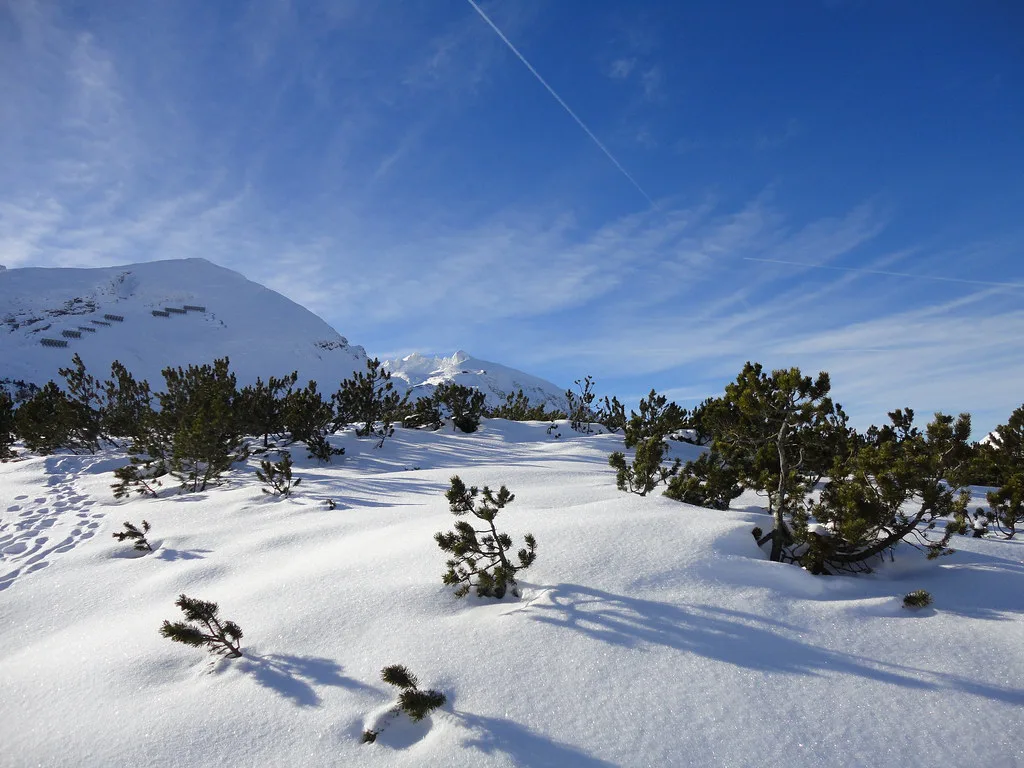
The steep end of Obertauern skiing is concentrated in a small number of named runs rather than spread across the whole mountain. Gamsleiten 2 is the run most often described as the resort's signature black, with the Schaidberg Nord as another noted steep option; those names help you find the serious pitches on a piste map. Since the ski area's published page does not confirm gradient or length figures, treat steepness descriptions as orientation rather than measurement.
One planning consequence of a small advanced tail is that strong skiers may spend more of each day on red terrain than they would in a resort with a bigger expert footprint. If that matters to you, decide before booking how many days of blue and red cruising you are content with between the harder runs. This is the honest trade-off rather than a hidden flaw.
There may also be visible changes to which pistes or lifts are running on your travel dates, particularly in the early and late parts of the season. The ski area notes that partial operation is expected from 19 April to 2 May 2027 and that information on which facilities are affected will follow, so late-season plans should stay flexible. Check what is actually open during your stay instead of assuming the full network.
Snowparks and Freestyle Provision Within the Ski Area
Freestyle provision exists inside the ski area rather than somewhere separate, with two parks described in secondary guides: The Spot and KPark Obertauern. Both are said to include a range of features such as kickers, boxes and rails, and to be served by lift access. Because those descriptions come from a third-party guide and the Obertauern pages reviewed do not confirm build specifics, ask the ski area what is actually built during your travel window before making a park the centrepiece of your trip.
For anyone planning around freestyle, the key operational fact is the daily rhythm: the slope-closure window for grooming runs overnight, and features are part of that grooming cycle. Arrive early in the operating day if you want the best chance of a clean, freshly worked line. If this is your main reason for choosing the resort, ask the Obertauern lift company about current park status and layout nearer your dates.
Riders weighing up the resort should treat park provision as one input among several, including lift hours and the terrain mix across the sectors. The dedicated Obertauern snowboarding guide covers the rider-specific decisions in more detail than this overview can. Use this page to confirm the operational framework and that guide to decide whether the freestyle setup matches your expectations.
Lift System and How It Affects Your Day Rather Than Just Your Uplift
Secondary guides describe a modern lift system with gondolas, chairlifts and a mix of uplift types serving the connected areas. The practical implication is that you can cover the sectors efficiently within a normal operating day, provided you start early and plan how the lifts connect. Knowing which lift takes you where matters more here than raw uplift speed, because the sectors are the unit of planning.
Lift names also serve as a practical way to navigate the ticket-machine network: the ski area lists machines at Grünwaldkopfbahn, Plattenkarbahn, Schaidbergbahn, Zehnerkarbahn, Seekarspitzbahn, Kehrkopfbahn, Gamsleitenbahn and the Übungslift. If you learn those names on the map, you will know where to top up or collect a pass without detouring to a ticket office. This is a small detail that saves real time on a short trip.
Build your day around the fact that the lift system closes earlier than most people assume, so the last hour is best used on terrain close to your base rather than on a long traverse. If you are chasing distance, plan the wider sector on the morning and the closer sector in the afternoon. That ordering is more reliable than improvising late in the day.
Lift Hours, Ticket Offices and Ticket Machines
The operator publishes daily lift hours of 09:00 to 16:00, with the Kirchbühellift and Achenrainbahn running until approximately 16:30 and final inspection times displayed at the individual lift stations. That means roughly seven hours of lift-served skiing on a standard day, which is worth knowing before you plan a long circuit or a late afternoon on the far side of the area. Treat the 16:30 exceptions as lift-specific rather than a general extension.
Ten ticket machines are available daily from 07:30 to 16:30, which starts earlier than the lifts and gives you a genuine head start on the first hour. Passes with validity of two hours up to eight days can be purchased there, and passes bought online can be collected from the machines. If your group is large, buying ahead and collecting at a machine rather than queueing at a ticket office is the more controlled option, although ticket-office hours are listed separately in the Obertauern ticket office overview.
Pass products, pass-area boundaries and prices are not confirmed on the Obertauern pages reviewed here, so do not budget from figures in third-party guides. Settle current product names, validity and inclusions with the ski area or the local ticket offices before you commit. For the decisions that sit around the lift ticket itself, the Obertauern Ski Pass Guide covers how to compare the options.
Slope Closures and Grooming Windows: Why Evening Skiing Is Not Simply a Choice
Slopes in Obertauern are closed daily from 17:00, or 18:30 on some evenings, until 08:00 the following morning while grooming takes place, and no safety patrol is provided during that window. This is an operational rule enforced by the municipalities of Tweng and Untertauern, not a soft curfew. Practically, it means evening skiing is not available to you as a discretionary choice.
The grooming window also creates hazards that the ski area lists explicitly: snow-grooming machines and grooming tracks, tensioned winch cables, exposed cables and snowmaking hoses. Entering the slopes during grooming is described as potentially life-threatening, and the ski area states that no liability is accepted for accidents resulting from failing to comply with closures. Plan evening activities off the slopes rather than heading out for a night skin or a walk on the piste.
The ski area also states that walking on the ski slopes is prohibited without exception, and that local tourist offices provide alternative routes and information for touring in the region. If you want to be active outside lift hours, ask the tourist office what is permitted nearby instead of assuming the piste is available. Local arrangements vary, so ask about the current rules rather than relying on habits from other resorts.
Season Shape: Expected Opening, Tauernrunde and Spring Operation
The ski area lists an expected season opening of 20 November 2026, subject to snow conditions, with the Tauernrunde expected to run from 26 November 2026 to 18 April 2027. These dates describe intent rather than a guarantee: an expected opening is exactly that, and early-season cover is not something any lift company can promise in advance. Use them to compare calendar windows, not to assume a specific piste will be open.
Late spring is a distinct planning scenario: partial operation is expected from 19 April to 2 May 2027, and the ski area says information on which cable car facilities will be affected will follow. If your dates fall in that window, the sensible assumption is that some of the network will be running and some will not. Check which facilities are scheduled to operate before you commit to anything non-refundable.
This article deliberately gives no snow statistics or reliability claims, because historic snowfall is not a forecast for your week. What you can control is your booking terms and your flexibility, so read cancellation conditions before committing to the shoulder-season edges. Compare your chosen window against the ski area's expected dates and accept that snow conditions decide the rest.
Access and Base Altitude: What Arrival Logistics Imply
Obertauern sits at around 1,740m, and secondary guides give Salzburg as the closest airport with a drive of roughly an hour and fifteen minutes. That is a short transfer by alpine standards, which supports shorter trips rather than making a week the only sensible unit of travel. Road conditions and any seasonal requirements for your own vehicle or transfer change with the weather, so look them up before travelling.
Arriving by car means you are responsible for winter tyres and any local chain requirements, and arriving by transfer means your timetable is fixed by the transfer company you book. Either way, aim to arrive with enough daylight to locate your accommodation and the nearest lift station before the evening closures begin. That first-evening orientation is worth more than an extra hour in the resort bar.
Because much of the accommodation is close to the lifts, a short walk to the first uplift is realistic for many visitors, but check the exact distance for your specific booking rather than taking it for granted. The difference between a two-minute walk and a shuttle ride shapes how early you can start each day. Sort that out before you finalise accommodation.
Pass and Practical Booking Decisions: What Is Confirmed and What to Verify
The confirmed operational facts you can plan around are the daily lift hours of 09:00 to 16:00 with two lifts running to approximately 16:30, ticket machines open daily from 07:30 to 16:30, and the overnight grooming closure from 17:00 or 18:30 until 08:00. Everything else about passes, including products, boundaries, inclusions and prices, needs to come from the Obertauern lift company rather than from a guide. Build your day plan on the confirmed hours and check the commercial details separately.
For equipment, the sources reviewed here do not confirm specific shops, stock or prices, so check what local providers publish for your dates rather than relying on generic advice. The Obertauern Ski Hire guide covers the questions to ask when you compare options. Reserve early if you are travelling in a busy week, because availability at short notice is the usual constraint rather than choice.
If you are choosing between resorts as well as dates, it helps to read a second alpine guide with a different layout before deciding. The Alpbach Skiing Guide is a useful comparison point for how a different Austrian area organises its sectors, and the Ischgl Skiing Guide shows a markedly different village-and-lift geography. Use those comparisons to test whether Obertauern's compact, sector-based model is what your group actually wants.
A Planning Sequence for a First Obertauern Ski Trip
Start with dates: compare your preferred week against the ski area's expected opening of 20 November 2026, the Tauernrunde window expected from 26 November 2026 to 18 April 2027, and the partial operation expected from 19 April to 2 May 2027, but check these dates before you book as they depend on snow conditions. Then decide how much of that window you are willing to leave to conditions, and choose accommodation with terms that let you adapt. Dates first, terrain second, bookings last.
Next, map your group onto the sectors: beginners around the village nursery area and the Grünwaldkopf top area with the Zehnerkar greens as progression, intermediates splitting days between Zehnerkar and Plattenkar, and advanced skiers identifying the Gamsleiten 2 and Schaidberg Nord pitches on the piste map. Then structure each day around the 09:00 to 16:00 operating window and finish near your base. A written plan of one sector per morning is enough to make the week feel organised.
Finally, settle the commercial and instructional details before you travel: current pass products and validity, any hire you need, and what local ski schools are running. None of those are confirmed in the material behind this overview, so treat them as open items rather than settled facts. Re-check the Obertauern pages close to departure, since expected dates and operating details can change.
Plan Your Obertauern Ski Trip Around the Operating Day
Obertauern skiing rewards planning by sector and by clock rather than by ambition. Learn the Gnadenalm, Zehnerkar and Grünwaldkopf names, decide which one suits each day, and build your schedule around the 09:00 to 16:00 lift day with its two roughly 16:30 exceptions. Beginners should plan the progression from the village nursery area to the Grünwaldkopf top area and the Zehnerkar greens, keeping in mind that the return to the village is the harder part.
Treat the season as a conditional window rather than a fixed guarantee. The expected opening on 20 November 2026, the Tauernrunde period expected from 26 November 2026 to 18 April 2027 and the partial operation expected from 19 April to 2 May 2027 all depend on snow conditions. The overnight grooming closure from 17:00 or 18:30 until 08:00 removes any question of evening skiing, so put your off-slope plans where they belong.
Sort the open items before departure: current pass products and prices, hire availability and any lessons you want to book. None of those are confirmed in the sources reviewed, so check them directly with the Obertauern lift company and local providers. Do that, and the confirmed operating facts on this page become a reliable framework rather than a set of assumptions. For the practical details, see the Obertauern piste map guide.
Explore more Obertauern guides
Frequently Asked Questions
What is Obertauern skiing like for beginners and intermediates?
Beginners have a described progression from a village nursery area to the nursery area at the top of the Grünwaldkopf gondola and then the green runs at the top of the Zehnerkar lift. Intermediates have the widest choice, with the Zehnerkar side generally described as gentler and the Plattenkar side offering more demanding reds. Note that the runs back down to the village are described as harder than the terrain at the top, so plan your return leg carefully.
How is the Obertauern ski area divided?
The ski area is organised into named sectors, with Gnadenalm, Zehnerkar and Grünwaldkopf being the three most useful names for planning a day. All three are accessible from the town centre, so you can pick a sector per day without long transits. The Tauernrunde is the link that connects the areas into a circuit, and its expected operating window is published.
When does the Obertauern ski season start and end?
The operator lists an expected season opening of 20 November 2026, subject to snow conditions, with the Tauernrunde expected to run from 26 November 2026 to 18 April 2027. Partial operation is expected from 19 April to 2 May 2027, and the operator says details of which facilities will be affected will follow. Treat all of these as conditional windows rather than guarantees.
What are the Obertauern lift opening hours?
Lifts are published as operating daily from 09:00 to 16:00, with the Kirchbühellift and Achenrainbahn running until approximately 16:30. Final inspection times are displayed at the individual lift stations, so check the board at your access lift. That gives you roughly seven hours of lift-served skiing on a standard day, which shapes how much of the area you can realistically cover.
Can you ski in Obertauern in the evening?
No. Slopes are closed daily from 17:00, or 18:30 on some evenings, until 08:00 the following morning for grooming, and no safety patrol is provided in that window. Walking on the ski slopes is prohibited without exception. If you want an activity outside lift hours, ask the local tourist office about permitted alternatives in the area.
Where are Obertauern's nursery slopes and beginner areas?
Secondary guides describe two main nursery areas: one in the village itself and one at the top of the Grünwaldkopf gondola, with green runs at the top of the Zehnerkar lift for the next stage. The specific location of beginner terrain and any lesson meeting points are not confirmed in the operator pages reviewed here, so identify current nursery arrangements locally. Plan to identify the return route to the village before your first descent.
How do you get to Obertauern and what altitude is the village?
The village sits at roughly 1,740m in Salzburgerland, Austria, and secondary guides estimate the drive from Salzburg airport at around an hour and fifteen minutes. Winter conditions can change road and transfer arrangements, so check them for your own travel dates. Much of the accommodation is close to the lifts, but check the walking distance for your specific booking.
Sources
Useful notes for your next ski trip
Optional updates to our Alpine resort guides.
You might also like
Continue reading
More guides you'll find useful