La Clusaz Skiing for Beginners: Learning Zones & First Trip
Plan a first ski trip to La Clusaz: beginner-friendly sectors, how to choose a ski school, which pass to buy and how to get around the village.
On this page
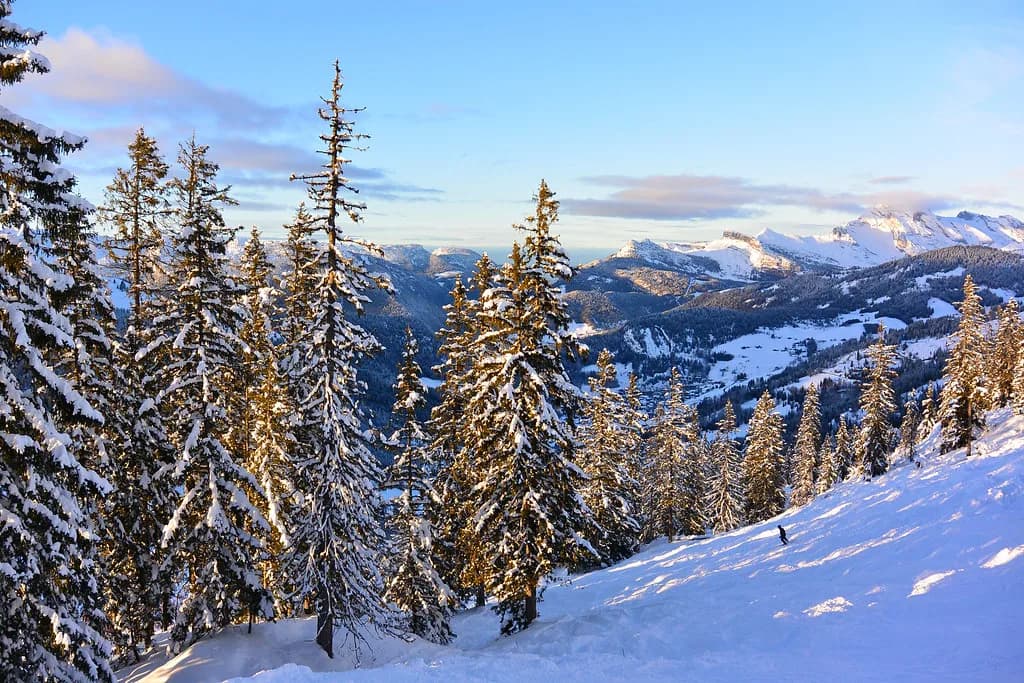
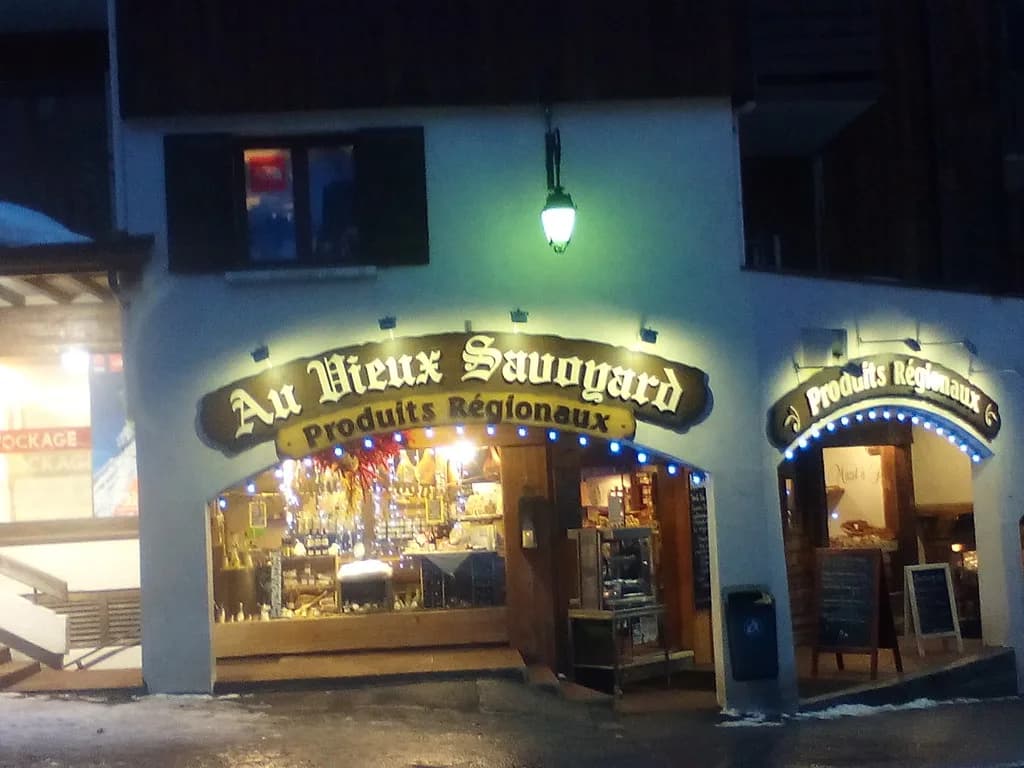
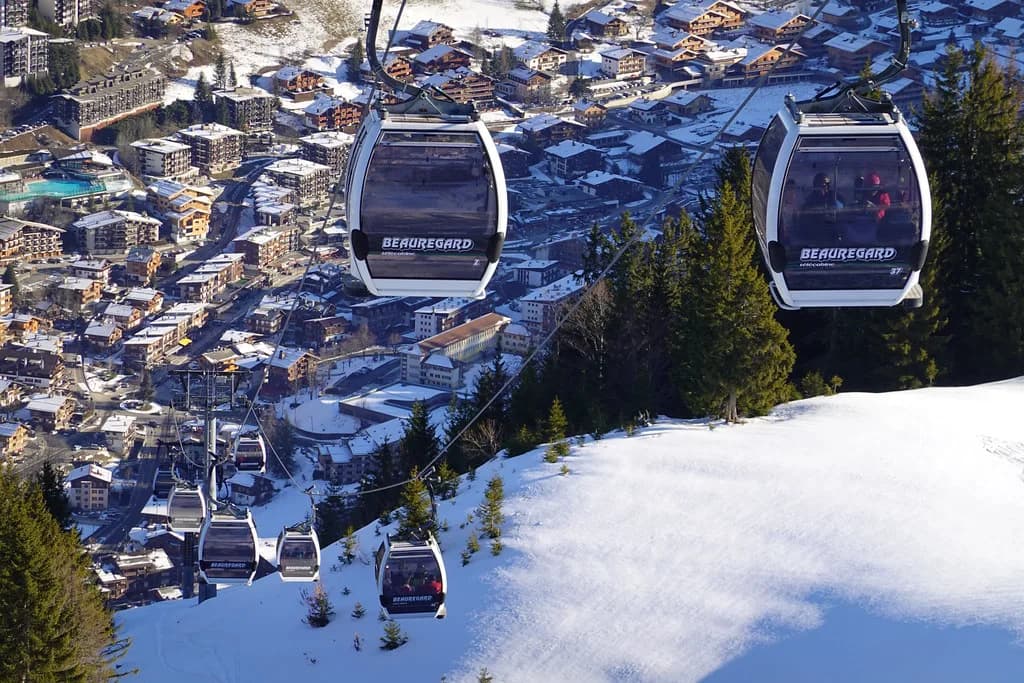
La Clusaz sits in the Aravis above Annecy, a proper village with a church, a square and a lift network that starts close to the shops rather than in a purpose-built station. For a first ski trip that matters more than it sounds: you can walk to lessons, hire gear on the same street and still be on snow within minutes.
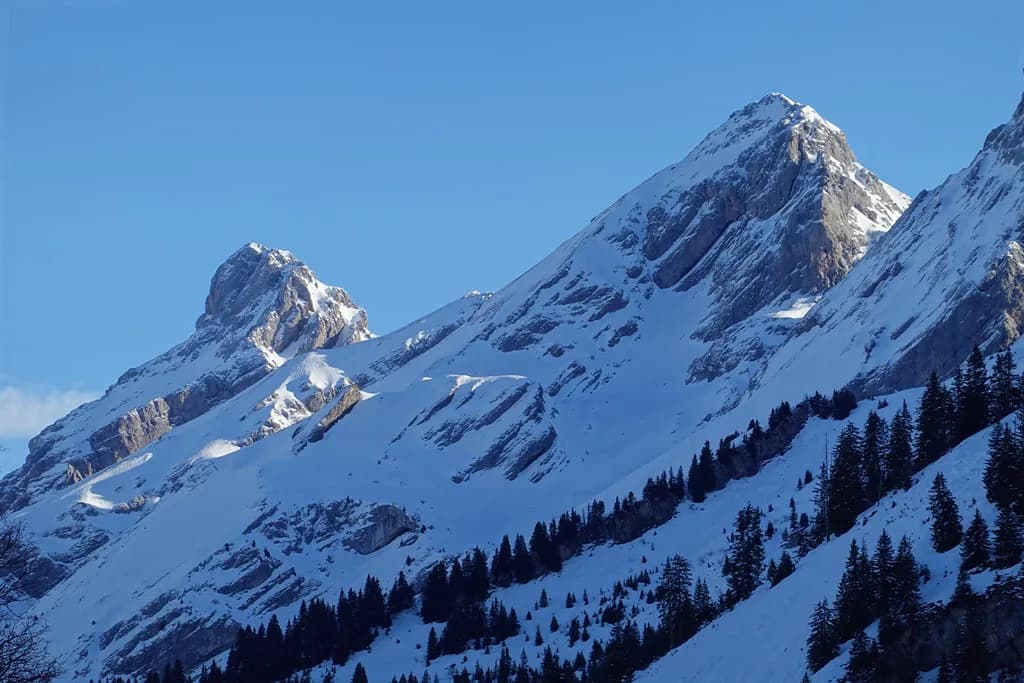
The trade-off is scale. The La Clusaz–Manigod area spreads across five massifs and climbs to 2,600 m, which is far more than a beginner will use in a week. Plan around the gentle ground near the village and treat the higher sectors as a reward for later in the trip, not as day-one objectives.
Why La Clusaz works for a first ski trip
The village sits at around 1,100 m and the lifts rise from the edge of the centre, so the faff of a first morning, boots on, skis collected, finding the meeting point, is short. A compact lower lift network keeps you from committing to a long descent before you can turn.
It is worth being honest about the resort's character: this is a low village below a serious high-mountain area, and the two feel different. Beginners stay in the friendlier lower band while stronger skiers in the group head up. That split works well for mixed-ability families, provided you agree meeting points before the day starts.
The shape of the ski area
The official figures describe a domain from 1,100 m to 2,600 m across five massifs, with 85 runs split into 16 green, 31 blue, 30 red and 8 black, served by 49 lifts and totalling 125 km of slopes. The kilometre figure follows the Domaines Skiables de France convention, which measures the slope down its middle and adds 30% for the lines skiers actually take, so treat it as a comparative measure rather than a distance you will cover.
For planning purposes, break the domain into three zones. The village-side sectors, Beauregard and L'Étale among them, hold the gentlest pitches and the learning areas. The mid-mountain sectors add length once you link turns. The highest ground, including Balme and the upper reaches towards 2,600 m, is a different proposition altogether and can wait.
Manigod links across from the La Clusaz side and gives the domain its extra width, but a beginner will rarely need to cross into it during the first week. Check the interactive open-slopes map on the morning you plan to move sectors, since wind and snow coverage change what is running. The la clusaz piste map is the quickest way to see how the sectors connect before you commit to a route.
Which sectors suit your first days
Start where the lifts are short and the run-outs are gentle, on the village side. These lower slopes let you repeat a turn count in a controlled space without the pressure of a long descent behind you. The nursery areas and easy green runs are the natural home for days one and two.
Once you can turn both ways and stop reliably, move to the longer blue runs in the same lower band before considering anything higher. The step from a short green to a full-length blue is the biggest jump of the week for most learners, and it is better made on terrain you can see from the lift.
Leave the upper sectors, including the Balme side and the runs from the top lifts, until the end of the trip or a later visit. They are the reason experienced skiers come here, and they are also where a tired beginner gets caught out by a long, steeper descent at the end of the day.
Blue and green terrain: building confidence across the week
Sixteen green and 31 blue runs give you a genuine progression rather than three short nursery slopes on repeat. Work through them deliberately: greens until your turns are symmetrical, then blues of increasing length, then blues with a steeper pitch in the middle. The official map lets you pick runs by colour and sector before you leave the apartment.
Fun zones add a useful change of scene for families and nervous skiers, and the resort lists a snowpark, a Family Run and a themed run among its facilities. A themed run is a good way to keep children moving when a standard piste loses its appeal.
Do not read the colour rating as a promise. Snow conditions, grooming and traffic change how a blue skis from one day to the next, and an icy morning can make an easy run feel hard. Ask at the lift or check the live map before committing to an unfamiliar sector.
When to go: timing your first week
The village base sits around 1,100 m, so lower slopes depend on snowfall and snowmaking in a way the upper mountain does not. A January week usually offers quieter lifts and better value than the school-holiday weeks, while late season is warmer and softer but can thin out the lowest runs first.
If your priority is learning rather than powder, favour a period when the resort reports good cover on the village-side sectors, and check the published season dates for the year you are travelling before booking accommodation. A week with reliable cover on the greens beats a week chasing fresh snow at altitude you cannot yet ski.
Lift passes for a beginner week
The main decision is whether to buy the full La Clusaz–Manigod area pass or a local product covering only the lower lifts. A beginner uses a handful of lifts in week one, so a restricted pass is often the better-value choice, and you can upgrade on the day you move up the mountain.
Buy passes through the resort's own ticket offices or its online shop so that child rates and any beginner or lesson-linked products are applied correctly. The resort publishes current tariffs, and the tourist office runs a reservation centre if you want to confirm arrangements before travelling.
Book passes early in peak weeks if you want them waiting on arrival, but there is no need to lock in a full-area pass months ahead: your plans will change once you see how the first two days go.
Ski schools and lessons
Group lessons are the default for a first week: they cost less per hour than private tuition, put you with skiers of similar pace and give structure to the morning. Private lessons make more sense for a nervous adult, a child who needs a gentler start, or two people who want the instructor's full attention.
French ski schools run on a weekly rhythm, with group courses typically starting on Sunday or Monday and running over consecutive mornings. Build your days around that block rather than around a full lift day, because a morning lesson plus a free afternoon is plenty for untrained legs. Contact the ski school you choose, such as the ESF or one of the independent schools in the village, to check current course lengths, start days and prices.
Book lessons well before you travel in February half-term, the Christmas and New Year weeks and any French school holiday period, when group places fill first. English-language instruction is widely available in La Clusaz, but ask for it explicitly when you book rather than leaving it to chance.
Ski and boot hire in the village
Hire from a shop within walking distance of your accommodation or the lift base, and collect gear the afternoon before your first lesson so the morning is not lost to fitting queues. Many shops let you swap boots during the week, which matters more than most beginners expect.
Spend your budget on boots first. A shell that pinches or a flex that fights you will end the day early regardless of how good the skis are, so ask for a fit check and be prepared to change them. Entry-level skis are fine for learning; there is no benefit in paying for a performance model you cannot yet use.
Non-skiing and nervous-beginner options
La Clusaz has a strong alternative programme for anyone sitting out a morning. The cross-country network at Les Confins covers 53 km of trails, including a 7 km connection to the Grand-Bornand nordic area, with a children's garden and a biathlon and games park.
The Plateau de Beauregard offers a further 36 km across eight trails, which suits a family splitting the day between alpine and nordic skiing. Snowshoeing and walking routes fill the gaps, and the village itself gives non-skiers shops, cafés and a place to wait that is not a car park.
Agree meeting points at the start of each day: the lift base, the ski school meeting area or a named café on the main street. A beginner who knows exactly where to find the rest of the group is far less likely to push on to terrain they are not ready for.
Getting there: Geneva and the drive
Geneva is the practical gateway for La Clusaz, with the drive running south past Annecy into the Aravis. The transfer is short by Alpine standards, which makes the resort work well for a long weekend or a three-day learn-to-ski break rather than only a full week.
Self-drive gives you flexibility for gear, supermarket stops and a detour to Annecy, but you need winter tyres or chains in the mountains and a plan for parking in a village where spaces are limited. A shared transfer or private minibus removes that hassle and is often the simpler call for a first trip; compare the cost against a week of car hire and parking before deciding.
Flying into Geneva early enough to collect bags, transfer and hire gear in the same afternoon is realistic, but allow for winter delays. An evening arrival before a Sunday lesson start is far calmer than a same-morning dash.
Getting around La Clusaz
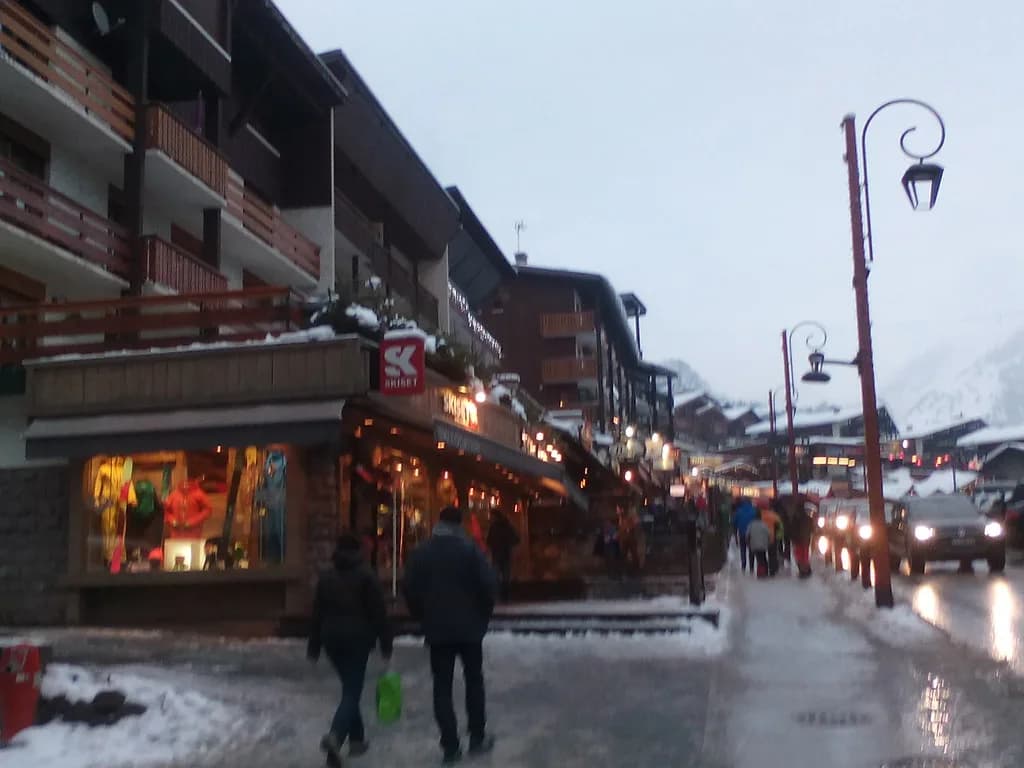
The village is compact and walkable, with the main lift bases, hire shops and ski school meeting points within a short stroll of the centre. That layout rewards staying centrally: you can carry boots to lessons and come back for lunch without relying on a bus.
Staying further out, whether in the surrounding hamlets or towards Manigod, brings cheaper or roomier accommodation but adds a bus or car journey each morning. Ski buses serve the resort during the season; check the current network and timetables with the tourist office, since routes and running times change between winters.
For a beginner, the best base is whatever puts you within a few minutes of the lift you will use most, not the address with the best view. Look at the map before booking and measure the walk to the nursery area.
Common beginner mistakes in La Clusaz
The classic error is buying the full area pass on day one. A beginner who can only use the lower lifts pays for terrain they will not touch, so start restricted and upgrade when you actually move sectors.
The second is treating the upper mountain as a target for day one or two. A tired learner on a long, steep descent at the end of the afternoon is the most predictable accident of a first week. The third is skipping lessons to save money and then spending the week unlearning bad habits.
Finally, do not over-plan. Weather, snow cover and your own legs decide more than any itinerary, so leave space in the plan for a rest afternoon, a nordic day or a spa break in the village.
Sample three-day and six-day plans
For three days, use day one for hire collection the afternoon before and a short session on the village greens. Day two is a morning group lesson followed by repeating the same runs in the afternoon. Day three adds the longest blue in the lower band, with an upgrade to a wider pass only if the instructor agrees.
For six days, follow the same opening three days, then give day four to a longer blue with a new sector for lunch, day five to a lesson focused on linked turns and confidence on steeper pitches, and day six to a relaxed repeat of your favourite runs. Keep one afternoon free for the cross-country trails or the village itself.
Who La Clusaz Suits as a Beginner Resort
La Clusaz suits a beginner group that includes stronger skiers, because the low village and gentle lower sectors serve learners while the 2,600 m upper mountain keeps everyone else busy. It also suits families who want a real village rather than a purpose-built station. Choose it if you value a short transfer from Geneva and a compact centre. If you are weighing up a bigger, purpose-built resort instead, Méribel skiing for beginners is a useful comparison.
Look elsewhere if you want a guaranteed snow-sure village base, or if your whole group will stay on greens all week and a smaller, cheaper area would do. Otherwise, build the trip around the lower sectors, book lessons and boots early, and plan to move higher only when your skiing earns it.
Frequently Asked Questions
Is La Clusaz good for beginner skiers?
Yes, within limits. The village-side sectors hold gentle learning terrain and there are plenty of green and blue runs to progress through, but the resort is not a dedicated beginner domain. Stay low for the first days and treat the higher mountain as a later objective.
How many beginner runs are there in La Clusaz?
The official trail map lists 16 green runs and 31 blue runs within the La Clusaz–Manigod area's 85 runs, alongside 30 red and 8 black. Those greens and blues are the beginner's working set, but which are open changes with conditions, so check the live slopes map.
What is the easiest area to ski in La Clusaz?
The village-side sectors, including the nursery areas and the gentle lower slopes near the lift bases, are the natural starting point. They keep you on short runs with easy exits. Ask at the lift or at your ski school for the current easiest open runs on the day.
Do you need a full-area lift pass as a beginner in La Clusaz?
No. A local pass covering the lower lifts is usually the better buy for week one, because beginners use only a handful of lifts. Upgrade to the full area pass when you actually move to the upper sectors; the resort's ticket offices can arrange an upgrade.
How much are La Clusaz lift passes?
The resort publishes current lift-pass tariffs on its official site and at its ticket offices, including child rates. Prices change by season, so check the published tariff for your dates rather than relying on last year's figures.
What age does ski school start in France?
French ski schools generally take children from around four or five, with dedicated snow-garden formats for the youngest, but each school sets its own minimum age and group sizes. Confirm this with the school you book, and ask whether instruction is in English if that matters to you.
How do you get to La Clusaz from Geneva?
Geneva is the closest major airport, with the drive continuing past Annecy into the Aravis. You can drive yourself with winter tyres or chains, or take a shared or private transfer. Winter traffic and weather affect the timing, so allow slack before a lesson start.
Can non-skiers enjoy La Clusaz?
Yes. Les Confins has 53 km of cross-country trails, including a connection to Grand-Bornand, and the Plateau de Beauregard has 36 km across eight trails. Snowshoeing, walking and village cafés fill the rest of the day, and the compact centre makes meeting skiers easy.
Sources
Useful notes for your next ski trip
Optional updates to our Alpine resort guides.
You might also like
Continue reading
More guides you'll find useful