La Clusaz Ski Season: Dates, Snow and What to Expect
Plan around the La Clusaz ski season: how published dates differ from daily lift hours, what each month delivers and which sectors to book around.
On this page
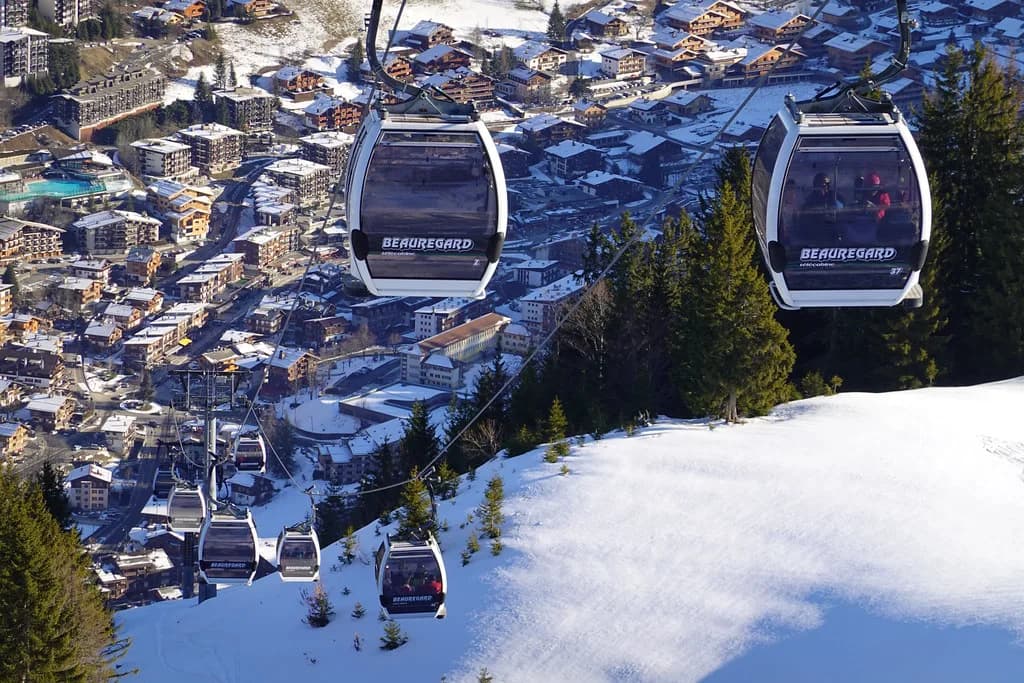
La Clusaz sits in the Aravis massif in Haute-Savoie, about half an hour from Annecy, with the village at the foot of a genuinely varied ski area rather than a purpose-built high-altitude station. That shapes everything about its season: good snow retention up high, a valley-level base that is more exposed in mild spells, and a season plan that varies by sector rather than on one number.
Before booking around a date, understand the difference between the resort's published winter season and the lifts that actually run on a given day. The season tells you when the resort intends to operate; daily operations depend on snow, weather, maintenance and demand, and late-season weeks often open only part of the network. Treat the published calendar as the outer boundary and build your dates around your own ability and appetite for variable snow.
What the La Clusaz Ski Season Means in Practice
The official La Clusaz site publishes the winter opening and closing window and a separate list of lift opening times, and the two serve different purposes. The season dates tell you whether a trip is theoretically viable; the lift times and the live lift-status page tell you what is turning while you are there. Book flights and accommodation around the season, but plan each ski day around that day's published opening.
La Clusaz has not published its 2026-27 dates in the material reviewed here, so build your trip from the pattern the resort follows and confirm the current winter window on the official site before you pay a deposit. If you also want to gauge how a bigger French resort structures its own winter calendar, the Alpe d’Huez Ski Season guide is a useful comparison. The tourist office in the village remains the practical fallback if you want to speak to someone about a specific week's arrangements.
The tourist office runs reduced hours in low-demand weeks and extended hours around peak ski dates, which is a useful signal for when the resort expects real traffic. Opening patterns shift with the winter calendar, so check the posted table for the week you intend to arrive; the desk is not staffed all day. In peak weeks such as February it opens from 09:00 to 18:30 on Mondays, Saturdays and Sundays, while in quiet April weeks it keeps 09:00–12:00 and 14:00–18:00. Here is the official listing for the village information point, where staff field season, transport and activity questions in English, French, Spanish and Dutch.
Village services and lift schedules are separate, so plan a short afternoon arrival as a reconnaissance day: collect your pass, walk the base area and sort out ski hire before the first morning. That removes a lot of first-day friction, especially in holiday weeks when queues form early at the main lift bases.
Where La Clusaz Sits in the Aravis and Why It Matters
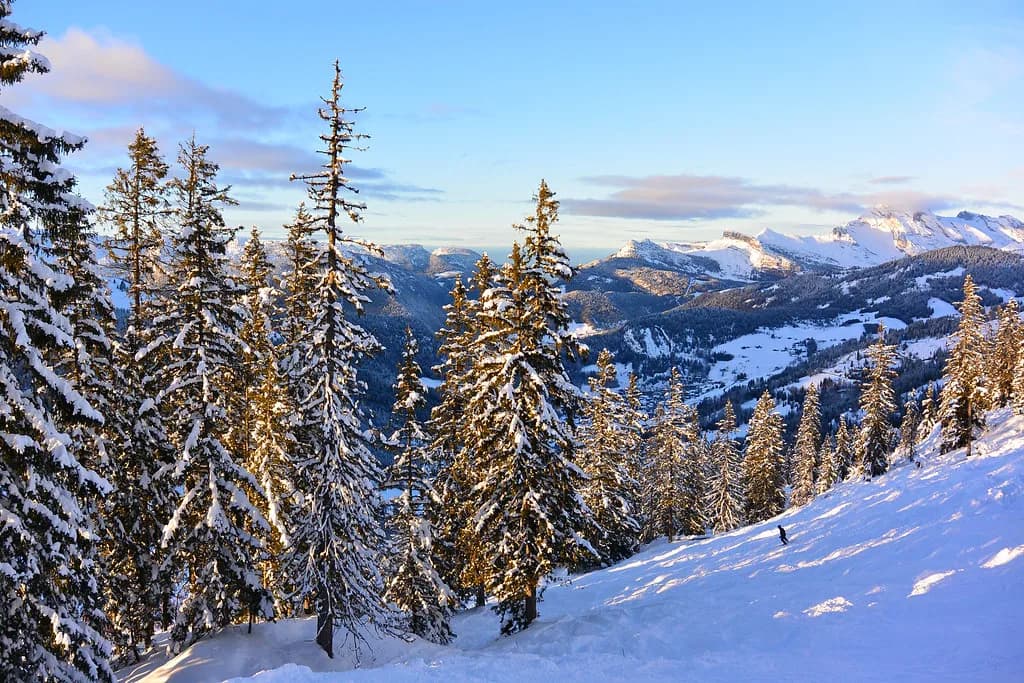
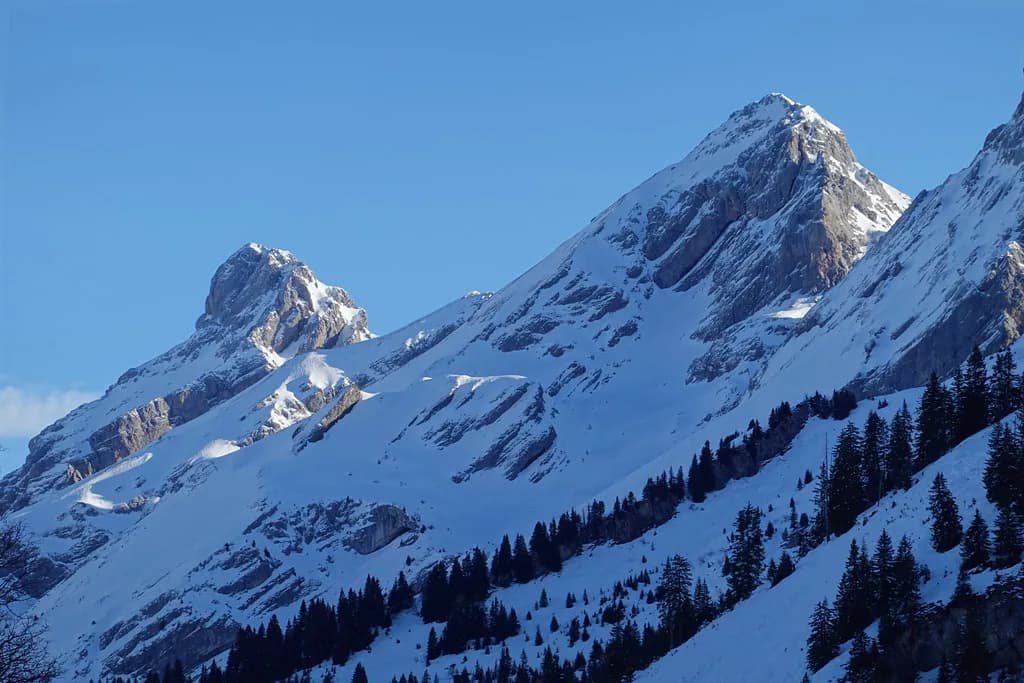
The Aravis range forms the green backdrop north of Annecy, and La Clusaz occupies several small hamlets spread along the valley floor with ski lifts climbing from the hillside directly behind the village. Because the base sits at village level rather than at high altitude, lower slopes are the first to lose cover in a thaw, while sheltered upper sectors keep better conditions.
La Clusaz is not a high-altitude resort in the Chamonix or Val Thorens sense, and altitude is only part of the snow story here. Aspect, slope shape and elevation are the deciding factors: north-facing and upper bowls hold snow when the valley floor is soft, and groomed lower runs can still be icy in early or late season. Check the sector-by-sector status on the resort's lift board each morning rather than reading one snow number as a forecast.
Scope of the area in terms of lifts and total vertical is best confirmed on the resort's own winter pages, where lift lists, piste maps and lift status sit together. For planning purposes, La Clusaz offers a compact but layered area with several distinct sectors that suit different abilities and conditions on the same day, rather than a single giant unified network.
Month-by-Month: Early Season, Christmas, January and February
December is the month of variable snow. Lower slopes rely on what falls, and runs may only be partially open until the resort's full network is ready. Book an early-December trip if you are flexible on terrain and want the resort before crowds, and aim for mid-January or later if you are skiing with beginners who need gentle, reliable conditions.
Christmas and New Year are the first big test of the season: lifts run extended hours, village services are fully staffed and families arrive in force. Prices and availability peak, so reserve ski hire and lessons well in advance if your dates fall in this window. It is also the most atmospheric week of the season in the village itself, with markets and holiday programming filling the evenings.
January is the quietest month and often the best value, with the widest range of accommodation available and short lift queues. Cold, dry spells in midwinter give La Clusaz some of its most consistent snow on upper runs, but the trade-off is low daylight and a village that feels quieter after dark. Early February brings brighter days and only slightly busier pistes before the school holidays start.
February half-term is the peak of the whole season for British and French families. Lifts open earliest, group lessons fill up and village restaurants run at full capacity, so book ski school, equipment and accommodation months ahead. If you are travelling without children and want the terrain without the queues, this is the fortnight to avoid.
March, April and Late-Season Skiing
March is the strongest all-round month for most skiers: daylight is longer, temperatures moderate, and the upper network usually sits on a deep base. Book this window if you want a balance of good snow, decent weather and fewer families, and aim for the first three weeks before school Easter breaks begin.
April and late-season weeks are where the gap between published season and operational reality widens. Lower runs can turn slushy or close, upper areas and north-facing snowfields hold on longer, and lifts are picked off as demand falls. Check the lift-status board and the resort's closing calendar before booking a late date, and lean towards accommodation that keeps you near the main lift base.
For late-season snow reliability, the upper bowls and the higher lifts around the two main mountain zones are worth prioritising, and the resort's own sector descriptions are the best place to see which areas stay serviced deepest into spring. If a late date matters, plan a shorter trip and treat any bonus days as a gift.
Which Sectors and Runs Hold Snow Best
La Clusaz divides into several named sectors, each with its own character and snow behaviour, and the resort's own piste map is the authoritative guide for planning. As a rough rule for trip planning, east-facing runs soften quickly in spring sunshine, while north-facing bowls and higher runs retain winter snow into April. Read the map alongside the live lift status, and choose a sector in the morning that matches the current conditions, not a fixed favourite.
Early-season trips are best built around whichever runs open first, which is generally where snowmaking and grading give the resort early confidence. Late-season trips reward the highest lifts and the sectors with the most shade, and it helps to know which runs connect back to the village for the final descent rather than ending at a lift base far from your accommodation.
If the La Clusaz side is thin at the edges of the season, the linked pistes at Le Grand-Bornand are reachable by bus, which can extend a trip when the local area is patchy. One independent review site counts roughly 30 blue and 30 red pistes at La Clusaz and a further 16 blues and 13 reds around Le Grand-Bornand, which is a useful indication of the balance towards cruising terrain rather than a figure to plan on.
Snowmaking, Grooming and Low-Snow Weeks
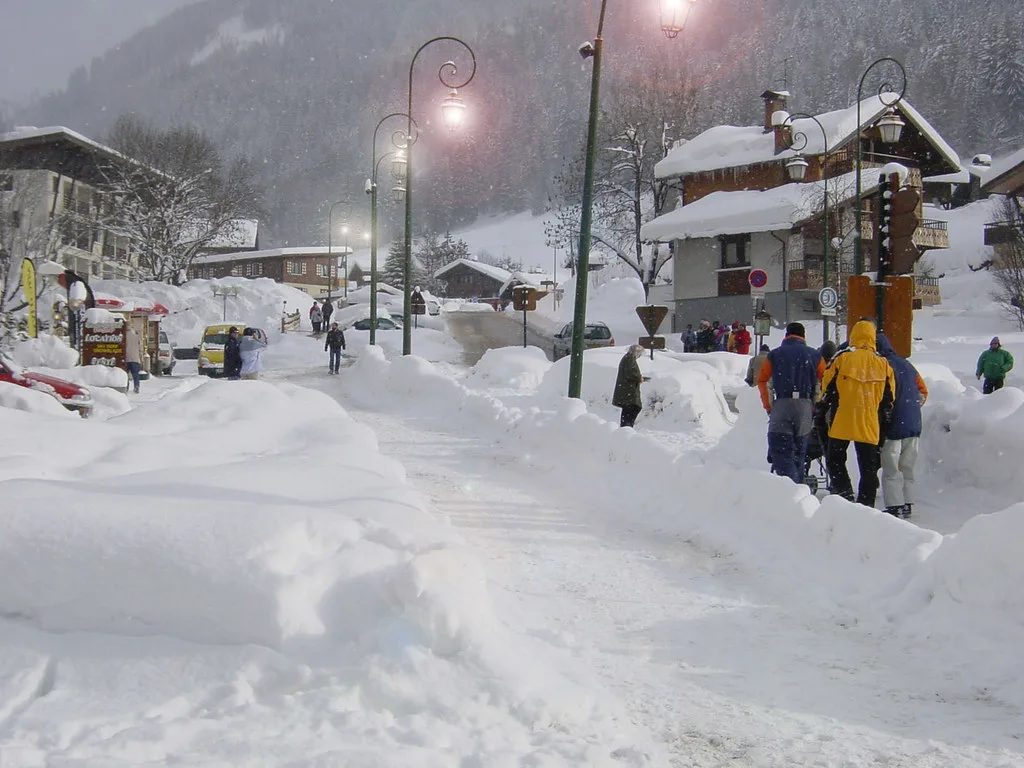
La Clusaz runs a significant snowmaking and grooming operation, which is what keeps the main access runs and lower home slopes skiable in marginal weeks. In practice, this means the routes back to the village and the main beginner zones are usually the last to close, even when off-piste and upper reds are thin. Build a low-snow week around groomed main runs and higher lifts rather than off-piste.
In a poor week, the resort's lift status page and piste-open board tell you what has been groomed that morning, and that is more useful than a single snow-depth figure. Pick a sector with recent grooming and a high base station, and be prepared to change plan at lunch if rain or sun hits.
Beginner and Family Skiing Through the Season
La Clusaz is a strong family destination, with nursery slopes on the lower mountain and the village's own gentle terrain close to base. Beginners benefit most from late January and early March, when the nursery zones are fully open and ski-school groups are smaller than in the holiday peak. Those are the weeks to target if your priority is a calm first experience on snow.
Children move up through the local ski-school levels quickly because the beginner terrain progresses from wide nursery areas to easy blues without long transfers. Book group lessons at the same time as your accommodation in peak weeks; individual lessons and private guiding fill up fastest, so secure those first.
Repeat families often choose the Confins area for its gentler slopes and quieter feel, which gives children room to build confidence away from the busiest lift base. That trade-off is quieter pistes against longer transfers from the main village, so weigh transfer time against slope traffic when you pick accommodation.
Ski Touring and Freerando Through the Season
Ski touring is a real part of the La Clusaz offer, with marked itineraries and freerando routes laid out across the Aravis combes alongside the lift network. The resort asks that you choose a route matching your ability, check the avalanche bulletin, carry a transceiver, shovel and probe, and ideally go with a professional guide. Those are the resort's published recommendations, not formal rules for every route.
The key booking rule is timing: the resort publishes that touring routes follow the alpine ski-run opening hours and that people must be off the area before the slopes close. That means no dawn starts or late finishes on the pisted network itself, which is groomed and operated by the lift company outside the day window. Plan late-season tours within the opening hours, and cross-check the municipal decree on the official page if you want the full rules.
Spring is the sweet spot for touring, when the slopes soften under longer days, but that is exactly when the access rules matter most: touring is only permitted within the alpine ski-run opening hours, and you must be off the area before the slopes close. Book a local guide for early-season or spring conditions if you are new to the area, and treat the resort's advice as the baseline for a safe day out.
Which Lift Pass to Buy and Where
La Clusaz sells a range of lift passes covering different durations and areas, and the resort's own pass pages are the place to compare options for your dates. Day passes suit travellers testing the resort or mixing ski days with other activities, while a week pass pays off for anyone skiing six days or more. Compare passes for the La Clusaz area against any Aravis combination if you plan to ski Le Grand-Bornand as well.
Book your pass online ahead of arrival so you are not dealing with ticket-office queues on the first morning. Compare the resort's official products and prices before you buy, since the range and pricing change each winter. Multi-day passes usually make booking online worthwhile, and some passes load straight onto a hands-free card you can use across the network.
Ski Schools and Hire: What to Reserve Before Peak Weeks
La Clusaz has several ski schools, and private lessons and guided days fill earliest, so pick your school and book before you fix your accommodation. Group lessons are a good value way for beginners and improvers to build confidence, though holiday weeks sell out fastest. Check the resort's official ski-school listings for current schools and lesson types.
Hire shops cluster around the main lift bases, the village and the Confins area, and booking online in advance locks in your equipment and avoids morning queues. Try on boots before you commit to a week's rental, since boot fit matters more than ski model. Many shops offer a change-of-mind trial if you are unhappy after the first day, so ask at the desk.
Getting There and Getting Around
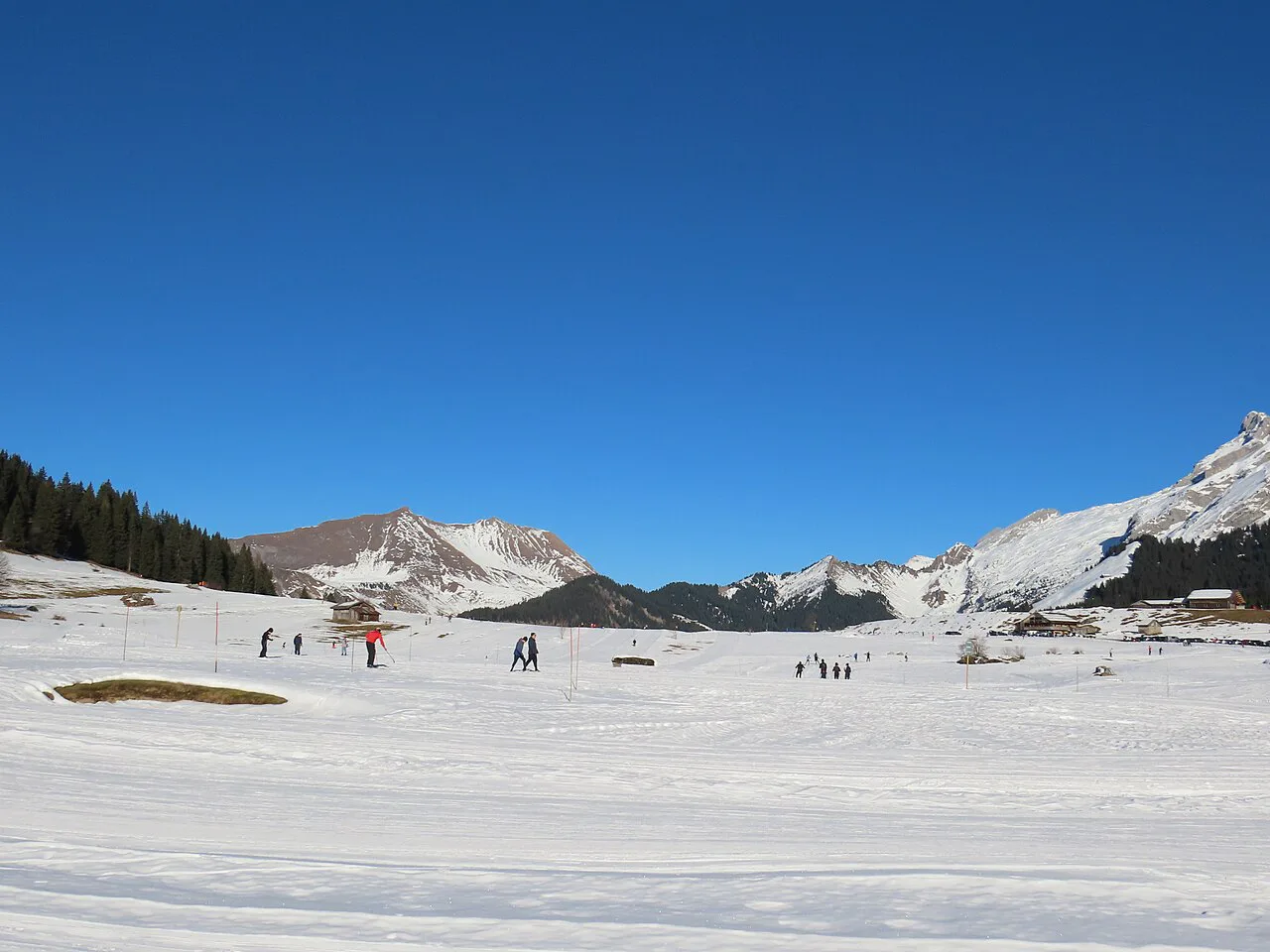
The nearest major airport is Geneva, roughly an hour and a half away by road, with Lyon and Grenoble further out; Annecy is the closest rail hub. Shared transfers, private minibuses and hire cars all work, and the drive from Geneva is straightforward outside peak holiday weekends. If you arrive by train, arrange a transfer in advance, because the final stretch from Annecy is not well served by late public transport.
Around the resort, free or local shuttle buses connect the village, the main lift bases and the Confins area, and the tourist office publishes the route information. That makes a car optional if your accommodation sits near the centre, but families staying further out may find a car easier for ski hire pick-up and evening trips. Parking near the main lift bases fills early in holiday weeks.
Allow a buffer on departure day: road conditions in the Aravis can slow the drive back to Geneva, and peak-week transfers need looser timing. Morning flights from Geneva usually work for an early start, but an afternoon departure gives you more slack if the mountain road is slow.
Season-Week Trade-offs: January, Half-Term and Spring
January trades a quieter village, cheaper accommodation and short lift lines against colder days and shorter daylight, which suits skiers who want mileage over atmosphere. Half-term in February is the opposite trade-off: the best staffing and programming of the season at the highest prices and with the biggest queues. Spring from March into April offers longer days and often the best snow-to-crowd balance, but you accept variable conditions and some closed lower runs.
For a first family holiday, late January or early March gives you beginner-friendly conditions without half-term pressure. For a short break with friends who ski hard, mid-March usually delivers the most consistent upper-mountain snow and the longest days. If price matters most, low-season weeks before the Christmas rush are the cheapest entry point.
Common Planning Mistakes to Avoid
The most common error is treating the published season as the operational plan: lifts and runs can close inside the dates, and late season can be partial. Book flexible travel or mountain-specific insurance rather than committing to non-refundable accommodation around a single date. Read the lift-status board for your week before you commit, especially in December and April.
A second mistake is ignoring transfers between the base areas, which is where a car helps, and a third is leaving ski school and hire too late in half-term week. Reserve lessons and equipment when you book accommodation, and use the resort's posted calendars to pick dates that suit your group's ability.
Where to Check Dates, Prices and Lift Opening Times
Treat the La Clusaz ski season as a frame rather than a guarantee, and plan each day around the resort's live lift-status board and the weather. Book early in holiday weeks, reserve lessons and hire before accommodation, and leave room to change sectors if conditions move.
For current dates, prices and lift times, the resort's official site and the village tourist office are the sources that carry them. Check them once before you commit and again just before you travel, and rely on the piste map and status boards to shape the day itself.
Frequently Asked Questions
When does the ski season start in La Clusaz?
La Clusaz usually opens winter operations in December and runs through to April, but the exact dates are published each year. Confirm the current winter window on the official La Clusaz site before booking, since the season can open later for the lower areas.
When does the La Clusaz ski season end?
The season typically closes in mid-to-late April, with lower runs and some lifts closing earlier than the official end date. Check the resort's published closing date and its lift-status page for the week you plan to ski, and expect a partial network in the last weeks.
Is La Clusaz a high-altitude resort?
Not in the sense of a purpose-built high-altitude station. The village sits at valley level in the Aravis massif, with upper slopes holding snow better than the base in mild spells. Plan around which sectors are open rather than a single altitude figure.
Is La Clusaz good for beginners and families?
Yes. La Clusaz has nursery slopes close to the village and a broad range of blue runs, and it suits families particularly in late January or early March when lessons and hire are easier to book. Half-term is busiest, so reserve lessons and equipment well ahead.
How does La Clusaz compare with nearby Le Grand-Bornand for snow?
The two share the Aravis climate, and Le Grand-Bornand's pistes are reachable by bus, which can extend a trip when the La Clusaz side is patchy. One independent review counts roughly 30 blue and 30 red pistes at La Clusaz and a further 16 blues and 13 reds around Le Grand-Bornand, so combine areas if conditions vary.
Can you ski tour in La Clusaz during the season?
Yes, with conditions. La Clusaz marks out ski-touring routes, and access follows the alpine ski-run opening hours: you must be off the area before the slopes close, under the municipal decree. Carry a transceiver, shovel and probe, check the avalanche bulletin and consider a guide.
When is the best time to ski in La Clusaz?
March is the strongest all-round month for snow, daylight and manageable crowds, while late January suits beginners and half-term suits families who book early. December rewards flexibility on terrain, and April is best for a short, weather-tolerant trip on the upper runs.
Do I need to book ski school and hire in advance?
Book both before you commit to accommodation in peak weeks, since private lessons and popular hire gear sell out first. In quiet January weeks you can be more relaxed, but a day or two of notice still helps. Use the resort's official school and hire listings to compare.
Sources
Useful notes for your next ski trip
Optional updates to our Alpine resort guides.
You might also like
Continue reading
More guides you'll find useful