Kitzbühel Ski Pass: Coverage, Duration and Season Bands
Choose your KitzSki pass by how many consecutive days you ski, which sectors you plan to reach, and whether your dates fall in a premium season band.
On this page
Choosing a KitzSki lift pass comes down to three linked decisions: how many consecutive days you plan to ski, which season band your travel dates fall into, and which sectors of the mountain you actually intend to reach. The same ticket costs more or less purely because of the travel window, so the calendar is the lever you can pull before you commit. Knowing which sectors connect and which stand alone prevents you from buying coverage you will never use.
Matching the Pass to Your Trip Shape
Start by counting your consecutive ski days rather than your total holiday days, because the standard range is sold as back-to-back tickets from two up to fourteen days. If arrival and departure days fall apart, a shorter consecutive ticket plus a separately bought day can be cheaper than a long block you cannot fully use. Decide early whether you are a one-day-a-week skier or a five-morning-in-a-row skier, because the pricing structure rewards consecutive use.
Coverage matters as much as duration: a standard KitzSki ticket opens the interconnected Hahnenkamm, Pengelstein, Kirchberg, Jochberg and Pass Thurn terrain, while the Kitzbüheler Horn is a separate lift network reached with its own lifts. If your plan is a few relaxed days on the Horn's blue and red runs, buying a full-area multi-day pass may be more coverage than you need. Conversely, if you want the long traverse toward Pass Thurn and back, the standard area ticket is what makes that possible.
Consecutive-Day Tickets Versus Longer Passes
KitzSki publishes adult, youth and child rates for two-, three-, four-, five- and six-day tickets on consecutive days, which covers the typical week-long trip with a rest day. Beyond that, a seven-to-fourteen-day pass takes over as the product for anyone staying longer or skiing every day of a two-week trip. Choosing the correct bracket matters because the per-day value tightens as the number of days grows, even before season bands are applied. Current rates are published on the KitzSki 2-14 day ski pass page and in the KitzSki webshop.
A common mistake is buying a long consecutive block and then losing a day to weather, travel or fatigue, since these tickets are not built to flex around gaps. If your schedule is loose, price out a shorter consecutive ticket and a separate top-up day later rather than stretching a block you may not finish. You can compare the full ticket range, including hourly and option products, on the KitzSki ski pass overview page for Kitzbühel, Kirchberg and Mittersill.
Season Bands and Why Dates Change the Price
KitzSki prices the same ticket differently depending on which season band your dates fall into: Super Saver, Saver Season and Premium Season. Premium covers the core holiday period, while Super Saver sits at the edges of the season and Saver fills the weeks between. Shifting your trip by only a few days at either end can move you into a cheaper band without changing the skiing, but the exact band dates change season to season and are set out on KitzSki's current-season page.
Because the band structure is published as a calendar rather than a snow forecast, treat it as a pricing tool, not a promise about conditions or lift availability. Scheduled operations, the D9 3S cable car link and connections toward SkiWelt can all be affected by weather and maintenance, so a pass guarantees access to lifts that are open, not to every lift on a map. Check KitzSki's lift-status information on the day before committing long travel legs.
Where the Pass Takes You and Where It Stops
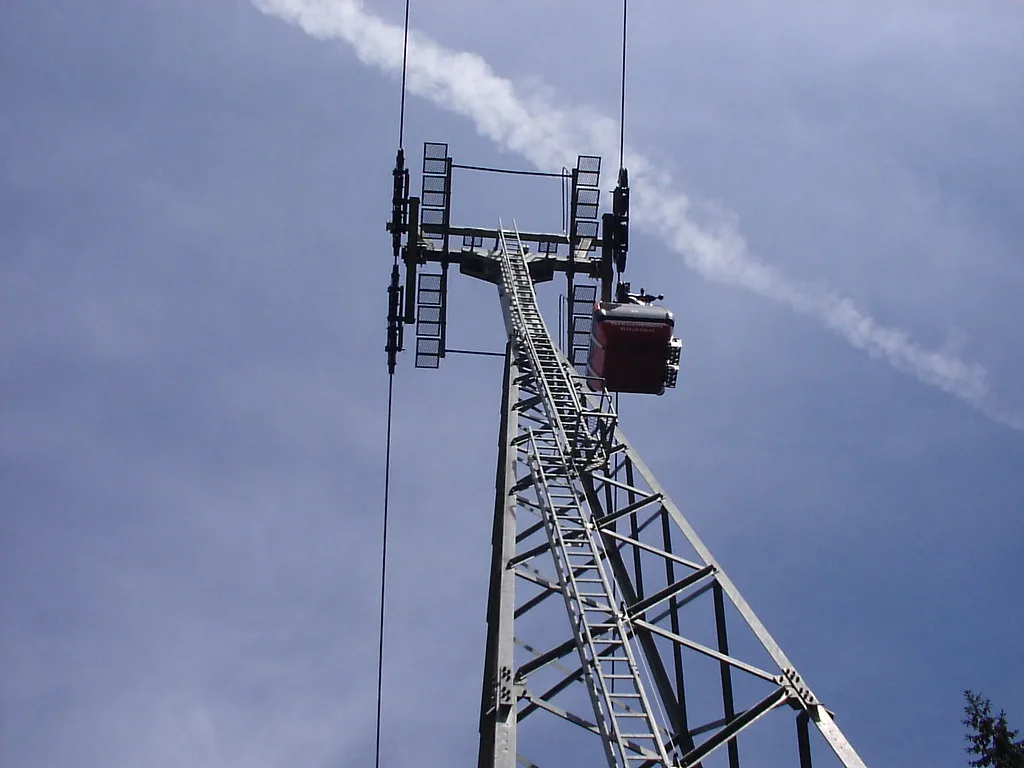
The main interconnected area runs from the Hahnenkamm across to Pengelstein and Kirchberg, then continues via the 3S cable car to Jochberg and on toward Pass Thurn and Resterhöhe. That linkage is what makes the standard area pass worth buying if you want long, varied days rather than a single hillside. The Kitzbüheler Horn sits apart, served by the Horn lifts and not connected by pistes or lifts, so travel between the two areas means going through the valley.
Beyond the KitzSki area, SkiWelt Wilder Kaiser–Brixental is a separate ski area reached by a short bus link between Pengelstein and Ki-West, and it is also a separate pass network. If you are comparing multi-area products elsewhere in the Alps, the Ischgl Ski Pass Guide shows how a resort can split its pass between a local VIP ticket and the broader Silvretta network, which is a useful parallel for weighing coverage against price. The Super Ski Card covers a very wide range of Austrian and Bavarian resorts, and the Ikon Pass includes a set number of KitzSki days, but neither is part of a standard KitzSki ticket. Check the terms of each product directly with its publisher before assuming any crossover.
Age Categories and Free Valley Practice Lifts
Tickets are banded by year of birth rather than age in years, with published boundaries for infants, children, youth and adults. Those birth-year boundaries differ between KitzSki's pages and older tourism listings, so always match your child's birth year against KitzSki's current-season definition before budgeting. Infants in the youngest band ski free on KitzSki's latest published scale, but you still need to collect a valid ticket or card for them at the ticket office.
For absolute beginners, KitzSki runs free practice lifts in the valleys, including areas near the Hahnenkamm, Jochberg, Pass Thurn and Reith, so a first-timer's first attempts need no pass at all. That makes a genuinely zero-cost first day possible before committing to a paid ticket. Check which practice lifts are currently operating, since they are seasonal and can be closed independently of the main lifts.
Cards, Personalisation and Buying Ahead
KitzSki lift tickets are loaded onto a personal Keycard or the wooden Pure Card, and KitzSki charges a small deposit for each card that is separate from the ticket price itself. Cards must be personalised when bought through the webshop, and KitzSki states that personalisation cannot be done at ticket offices or ticket points. Delivery by post takes several working days, so online card orders need lead time before your trip rather than a same-day purchase at the counter.
Buying in advance does not automatically lower the ticket price, because the cost is driven by the season band and ticket length rather than by timing. The practical reason to buy early is to have a personalised card in hand on arrival, avoiding a queue and a personalisation delay. If you already hold a Keycard or Pure Card, you can reload it with a new ticket from the KitzSki webshop without ordering a replacement.
Plan Your Visit
Work through the three decisions in order: count your consecutive ski days, check which season band your dates fall into on the KitzSki current-season page, then decide whether you need the full interconnected area or just one sector. Buy or reload a personalised Keycard or Pure Card in time for delivery, and verify lift and practice-lift operating status close to your travel date. That sequence keeps you from paying premium-band prices for a short trip or buying coverage you will not use.
Frequently Asked Questions
Do children need a ski pass in Kitzbühel?
It depends on the child's year of birth, because tickets are banded as infant, child, youth and adult. On the latest published scale, the youngest band skis free but still needs a valid card or ticket. Birth-year boundaries have changed between seasons and between sources, so check the current-season page for the exact definition before you budget.
Is a KitzSki pass cheaper if I buy it in advance?
Advance purchase does not by itself change the ticket price, because the cost is set by season band and ticket length. The practical benefit of buying ahead is receiving a personalised card before you arrive and avoiding personalisation delays at the resort. If you already hold a Keycard or Pure Card, you can reload it through the webshop.
Does a KitzSki pass cover the Kitzbüheler Horn?
The Kitzbüheler Horn is a separate lift network on the eastern side of Kitzbühel, not connected to the Hahnenkamm by pistes or lifts. A standard area pass covers the interconnected Hahnenkamm, Pengelstein, Kirchberg, Jochberg and Pass Thurn terrain. Access to the Horn is through its own lifts, so confirm the coverage of whichever ticket you buy before planning days there.
Can I ski a first day without buying a pass?
Free practice lifts run in the valleys near several base areas, aimed at children and adults making first attempts. Those lifts are seasonal and can be closed independently of the main mountain, so check which ones are operating before you rely on them. Using a practice lift is a genuine no-cost way to test a first day before buying a ticket.
Sources
Useful notes for your next ski trip
Optional updates to our Alpine resort guides.
You might also like
Continue reading
More guides you'll find useful