Ischgl Ski Pass: VIP vs Silvretta, Prices and Which to Buy
Compare Ischgl's VIP and Silvretta ski passes, read the published day and multi-day rates, and choose the right cover for your trip length and ski area.
On this page
One ski area, two ski passes: that is the first thing to understand about lift tickets in Ischgl. The slopes above the village and across the Swiss border into Samnaun are shared, but the ticket you buy determines how many lifts you can ride and whether your accommodation has to be in Ischgl or Mathon. Getting this choice right matters more than hunting for a few euros off, because the wrong pass either costs you access to the wider Paznaun valley or leaves you paying for lifts you never ride.
Prices below come from the Silvretta tariff table published by the Ischgl Bergbahnen lift company and are quoted in euros for the 2026/27 winter. That page notes the figures are based on a calculation made in July 2026 and that prices may be adjusted before a pass is bought. Treat the numbers as a planning baseline, and confirm the live rate when you actually purchase.
What the Ischgl Ski Pass Covers: 46 Lifts or 75
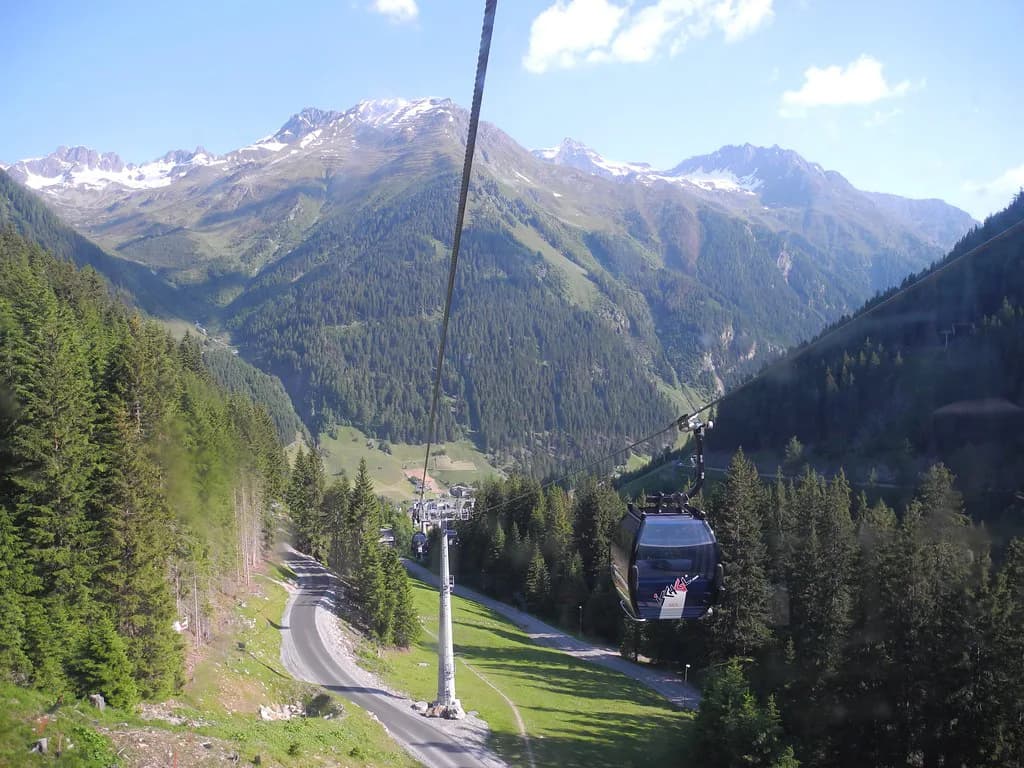
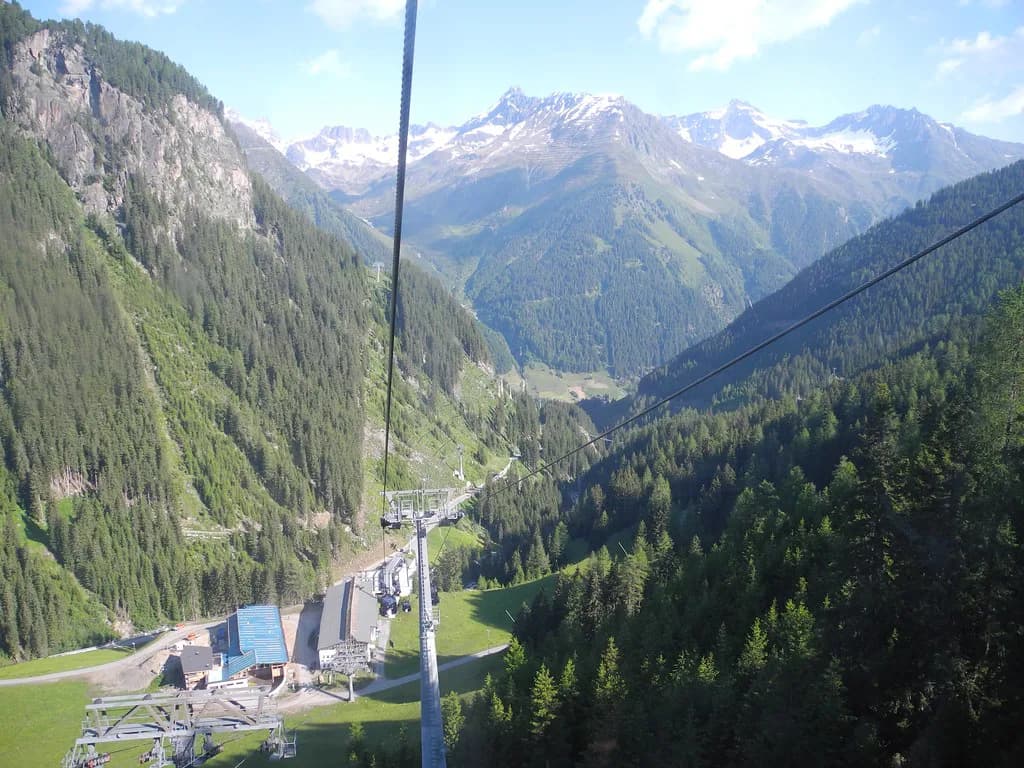
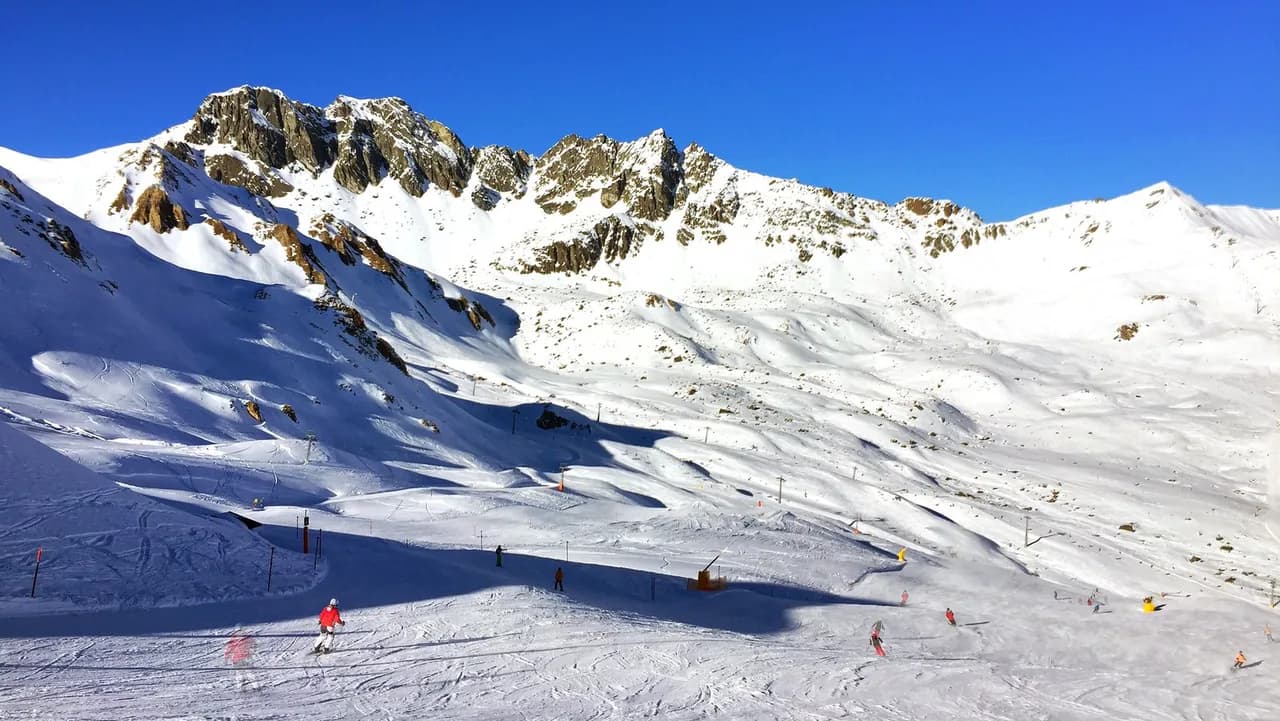
The core area is Ischgl/Samnaun, marketed as the Silvretta Arena, where 46 lifts and cable cars link the Austrian village to the Swiss duty-free hamlet of Samnaun. That is a genuinely large circuit on its own: more than 200km of piste, a top station on the Greitspitz side around 2,872m and long, leg-burning runs back to the valley. If your trip is a straightforward week based in Ischgl, this is the terrain you will spend almost all your time on. Our separate guide to ischgl skiing covers the sectors in more detail.
The Silvretta Ski Pass widens the net to 75 lifts across Ischgl/Samnaun plus Galtür, Kappl and See, all within the Paznaun valley. Those three smaller areas add family-friendly slopes and quieter local hills rather than headline steep terrain, so the upgrade is about variety and valley access rather than a second Ischgl. Where you stay and how restless your group gets are the real deciding factors.
The VIP Ski Pass and the Guest-Card Rule
The VIP Ski Pass covers the 46 lifts in Ischgl/Samnaun and is tied to guests with an Ischgl or Mathon guest card, who present it at the ticket counter. The Silvretta pass is the one sold to guests without that card, which is why visitors staying in Galtür, Kappl, See or over the border in Samnaun end up on the Silvretta product instead. The VIP tariff also carries a more generous family rule: children under 10 ride free with a parent, against under 8 on the Silvretta pass.
For most people booking a chalet, hotel or apartment in Ischgl itself, the VIP pass is the default answer for short trips. A three-day weekend skier never touches Galtür or Kappl, so paying for valley-wide coverage buys nothing. The trade-off appears only if you plan day trips down the valley or want to ski somewhere quieter on a storm day, which is where the wider ticket earns its keep.
When the Silvretta Ski Pass Is Worth It
Buy the Silvretta pass if your base is outside Ischgl/Mathon, if you are staying long enough to want a change of scene, or if travelling companions include skiers who prefer gentle, low-traffic slopes. Galtür, Kappl and See are small, local areas where you can park easily and ski without the Ischgl lift queues on peak dates. It is also the pass that covers the whole valley's ski buses and season extras if you upgrade to a season ticket.
Be clear about one structural catch: the Silvretta tariff gives no price reduction when lifts in Galtür, Kappl and See are closed at the start and end of the season. Early-December and late-April visitors therefore pay full valley-wide rates even if only the Ischgl/Samnaun core is spinning. If your dates fall at the edges of the season, check which areas are scheduled to run before you commit to the broader pass.
Ischgl Day Ticket Prices
The published day structure rewards late starts. A full-day adult ticket is listed at €83 for the 2026/27 season, while an afternoon pass valid from 12:30 costs €72 and a trial pass from 14:00 costs €44. Seniors from 65 pay the adult rate on these day tickets, and children pay €51 for a full day, €43 from 12:30 or €26 from 14:00. The trial pass is the sensible buy for a travel day, a late arrival or a first afternoon when you only want a couple of hours on the snow.
These are the VIP-tariff day rates for Ischgl/Samnaun, so they suit skiers based in the village. If you are staying elsewhere in the valley and need the 75-lift Silvretta pass, day pricing follows its own table, and Ischgl Bergbahnen's pages set it out alongside the multi-day grid. Compare the full-day price against what a multi-day pass would cost per day before you buy three separate day tickets.
Multi-Day Prices from 2 to 14 Days
The multi-day Silvretta grid, which is the version sold without a guest card, runs from 2 to 14 days. An adult pays €164 for 2 days, €244 for 3, €315 for 4, €386 for 5, €451 for 6 and €492 for 7. Stretch to 14 days and the listed adult rate is €764. Under-17s pay well under the adult rate, with 6 days at €257 and 7 days at €279; the Silvretta child band itself runs from 8 to under 17.
Two flexible products sit inside the grid. The Flexipass 5 in 7 lets you ski any five days within a seven-day window for €410 adult, and the 10 in 14 covers ten days of skiing within a fortnight for €670 adult. Senior rates from 65 dip below the adult figure on longer tickets, reaching €406 for 6 days and €443 for 7 days. Flexipasses are the right call when a rest day, a spa afternoon or a bad-weather day is likely to interrupt your week.
Season Dates and the Season Ticket
The Ischgl Bergbahnen states that the Ischgl/Samnaun season starts at the end of November and that the Silvretta pass is valid until the beginning of May. The published day-ticket window for 2026/27 runs from 26 November 2026 to 2 May 2027. Exact lift opening and closing days vary with snow and scheduled maintenance, so check the calendar on the official Ischgl site before you book flights around the first or last weekend.
The Paznaun-Samnaun season ticket for winter 2026/27 is listed at €1,205 for adults, €1,085 for seniors from 65 and €660 for children aged 8 to under 17, with the same child rate applying to skiers with a documented disability of 70% or more. It includes the 75 lifts, night skiing and tobogganing events, the Top of the Mountain concerts and free ski-bus travel with winter sports equipment, though it is not valid for the sun.downer in Ischgl. That maths works only for people skiing well over a month; for a fortnight, a 14-day pass is far cheaper.
Child, Senior and Disability Discounts
Age bands differ between the two passes, and this is where families lose money. On the Silvretta pass, children under 8 travel free with a parent and the child rate runs from 8 to under 17. On the VIP tariff, under-10s are free with a parent and the child rate starts at 10. Seniors get reduced rates from 65 and move to the child rate from 80, while a documented disability of 70% or more qualifies for the child rate.
Bring official photo ID for every person claiming a reduction, because the ticket office checks it for child, senior and disability rates. If your child turns 8 or 10 during the trip, buy the ticket that matches the age on the day of purchase. Families with several young children should compare the two tariffs carefully, since the free-child threshold alone can swing the decision toward one pass.
Buying Your Pass: Online Shop or Ticket Window
Ischgl sells ski passes through its online shop as well as at the resort ticket offices, and the lift company promotes pre-bought passes as a way to skip the morning queue. Buying ahead makes most sense for fixed-date arrivals, peak weeks and anyone whose first day starts mid-morning. If your plans are fluid, the ticket window still works and lets you talk through child ages and guest-card questions face to face.
The guest-card condition is the detail that trips people up when booking accommodation. If you reserve a chalet or apartment through an agency rather than a local host, confirm before arrival that you will receive an Ischgl or Mathon guest card, and if not, budget for the Silvretta tariff instead. It also helps to sort out Ischgl ski hire and ischgl ski lessons before you travel, so your first morning is spent skiing rather than queueing at three separate counters.
Is the Pass Good Value?
Ischgl is at the expensive end of Austrian skiing, and the day rate reflects the scale of the Silvretta Arena rather than bargains. The value case rests on how much vertical you ski: a fit skier doing long top-to-valley runs gets far more per euro than a beginner circling the nursery slopes. Use the ischgl ski map to plan which sectors you will actually ride, because a pass only pays off if you use the lifts that justify it.
Mixed groups should look at the non-skier products rather than buying full passes for everyone. A single ascent and descent on the Silvrettabahn A1, Pardatschgratbahn A2 or Fimbabahn A3 costs €35 adult, or €126 for five, and a pedestrian day pass covering the crossing to Samnaun and back is €57 adult and €27 child. That lets a non-skiing partner meet you on the mountain for lunch without paying for pistes they will never use.
When you compare Ischgl against other Austrian resorts, weigh the whole package rather than the lift ticket alone. If you are also considering Salzburg-region skiing, our Kaprun Ski pass guide shows how product periods and coverage are structured there, which is a useful check on whether Ischgl's tariff suits your dates. For a fuller breakdown of what a week here costs beyond the lift, see our ischgl ski prices guide.
Common Mistakes to Avoid
The first mistake is assuming the Silvretta pass means every lift in the valley is running. At the edges of the season, Galtür, Kappl and See close while the pass price stays the same, so an early-December trip may pay for terrain it cannot reach. The second is buying the wrong duration: a 6-day pass on a 7-day holiday leaves you short on the final morning, and the additional-day rate of €72 adult is not a saving.
The third is forgetting the guest-card rule when booking accommodation, which forces a last-minute switch to the more expensive valley-wide ticket. The fourth is skipping the afternoon and trial options on arrival day and paying full price for two hours of skiing. Plan your ticket to match your actual arrival time and departure day, and the total cost of the week drops noticeably.
Plan Your Ischgl Ski Trip
Decide where you are staying first, then pick the pass: VIP for Ischgl or Mathon, Silvretta for the rest of the Paznaun valley and anyone who wants Galtür, Kappl and See. Match the duration to your real ski days, use the Flexipass if a rest day is likely, and use the afternoon or trial ticket on arrival day. That combination handles most trips without wasted spend.
Before you buy, check the live prices and season window on the official Ischgl site, since Ischgl Bergbahnen reserves the right to adjust rates and closes outlying areas at the edges of the season. With the pass sorted, the rest of the trip is straightforward: book hire and lessons early, study the Silvretta Arena layout, and leave time to ski over to Samnaun for the duty-free run home.
Frequently Asked Questions
How much is a ski pass in Ischgl?
The published tariff lists an adult full-day Ischgl/Samnaun ticket, an afternoon pass from 12:30 and a trial pass from 14:00 at three different rates. Multi-day Silvretta passes run from 2 to 14 days, with adults paying progressively more for longer coverage. Check the current figure on the official Ischgl site when you buy, as published rates can be adjusted.
What is the difference between the VIP and Silvretta ski pass?
The VIP pass covers the 46 lifts of the Ischgl/Samnaun area and is sold to guests without an Ischgl or Mathon guest card. The Silvretta pass adds Galtür, Kappl and See for 75 lifts across the Paznaun valley. If you are based in Ischgl and not planning day trips, the VIP pass is usually the right buy.
Do I need a guest card to buy the Ischgl ski pass?
Not for the Silvretta pass, which is sold to guests without an Ischgl or Mathon guest card. The VIP pass is the product tied to local accommodation and its guest card. If you book through an agency, confirm that your host issues the card before you rely on the VIP tariff.
Is it cheaper to buy an Ischgl ski pass in advance?
The main benefit of the online shop is skipping the ticket-office queue rather than a guaranteed discount. Buying ahead is worthwhile for fixed-date arrivals and peak weeks, while flexible travellers can still buy at the window. Compare the online price with the window rate before you commit.
When does the Ischgl ski season start and end?
The season starts at the end of November, and the Silvretta pass is valid until the beginning of May, with the 2026/27 day-ticket window running from 26 November 2026 to 2 May 2027. Exact lift opening and closing days depend on snow and maintenance; check the official calendar before booking flights.
Is Ischgl an expensive ski resort to ski?
Ischgl sits at the premium end of Austrian skiing, with lift prices to match the size of the Silvretta Arena. The value case depends on how much vertical you ski and whether you need valley-wide coverage. Mixed groups can cut costs by buying pedestrian or ascent-and-descent tickets for non-skiers instead of full passes.
Sources
Useful notes for your next ski trip
Optional updates to our Alpine resort guides.
You might also like
Continue reading
More guides you'll find useful