Ischgl Ski Season: Dates, Snow Windows and What to Book
Plan your Ischgl trip around the season: how the Silvretta Arena layout works, which weeks suit snow and value, and what to book before you travel.
On this page
Ischgl sits at the head of the Paznaun valley in Tyrol, with the village floor around 1,200 m and the top of the ski area at 2,872 m, so the season you actually get depends heavily on where in that vertical range you plan to ski. The published resort season and the daily lift plan are two different things, and treating them separately is the single most useful habit for planning a trip here.
This guide walks through the shape of the season, the terrain that keeps early and late trips viable, the sectors worth knowing before you buy a pass, and the booking decisions that matter most. Where a figure or date is volatile, it points you to where the resort publishes it rather than guessing.
What the Ischgl Ski Season Means in Practice
Three separate things get bundled into the phrase ski season: the dates the resort markets as its winter season, the days each lift actually turns, and the snowline on any given morning. Ischgl's lifts run from the village up to Idalp and beyond, but individual runs and link lifts open and close through the winter according to snow cover, wind and preparation work. Plan around the marketed window, then treat daily lift status as an operational detail you confirm close to travel.
For current season dates and the lift operating calendar, the official Ischgl site is the only place worth relying on, because dates shift between years and are published as the season approaches. Check it once when you shortlist dates and again before you book anything non-refundable.
Season Shape: Early Weeks, Midwinter and the Closing Weekend
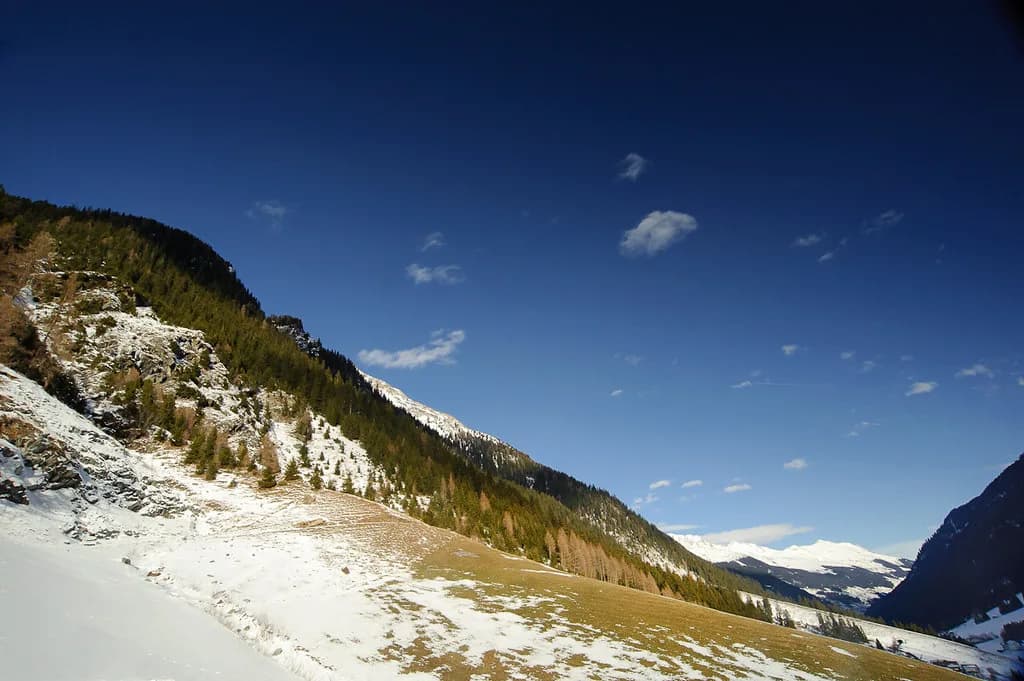
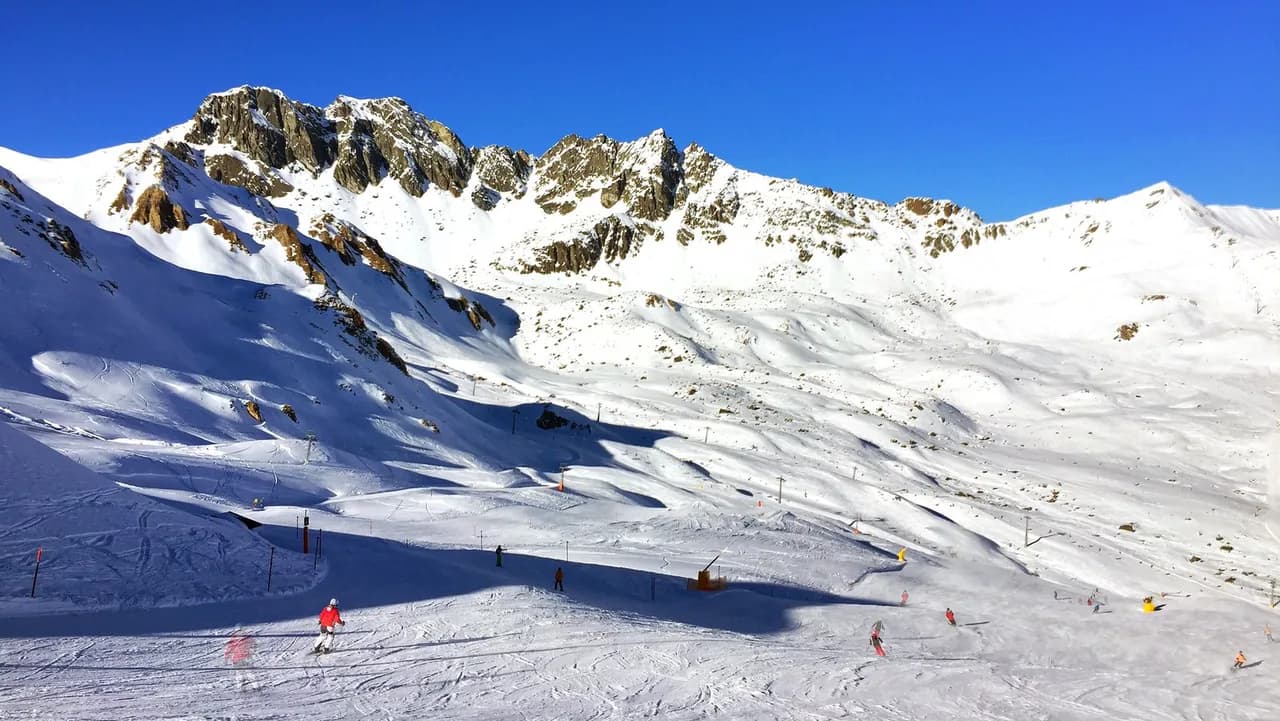
Early season in Ischgl is a high-altitude proposition. The upper terrain around Idalp and the Greitspitz sector sits well above the village, so the first weeks typically revolve around the glacier-adjacent upper slopes rather than the full run back down to resort level. Expect a smaller open footprint and more dependence on snowmaking than you would find in February.
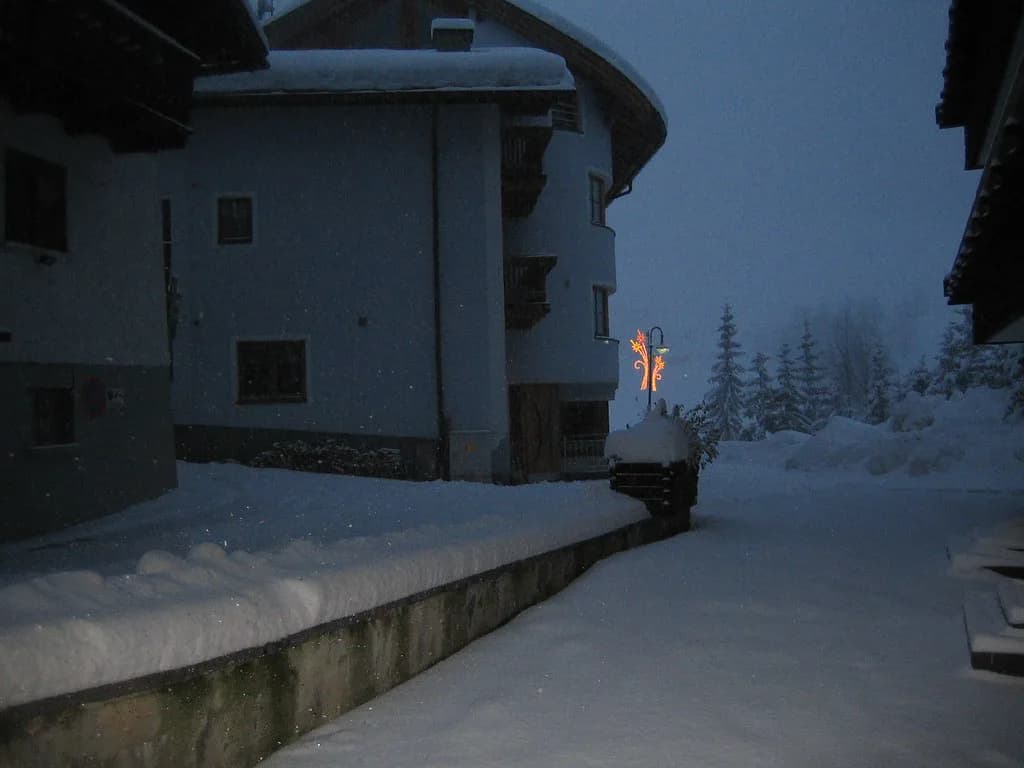
Midwinter is when the whole vertical normally comes into play, including the long descents to the valley and the Swiss link, and it is also when demand peaks. The Christmas and New Year weeks and the February half-term weeks across the UK and central Europe are the tightest for accommodation and the most expensive, so booking early matters more than choosing a clever date.
Spring shifts the trade-off rather than ending it. Higher slopes hold snow while lower runs soften through the day, which suits confident skiers who like an early start and a long lunch, and it makes the closing period a genuinely attractive window for value and quieter lifts.
Altitude and Terrain: 1,200 to 2,872 Metres
The marketed Silvretta Arena total is usually quoted at 324 km of piste, with 65 lifts and an altitude range of 1,200 m to 2,872 m, including 62 km of blue, 190 km of red and 72 km of black runs. Other published summaries quote smaller figures such as 238 km and 45 lifts, so treat any single number as a marketing figure for the wider linked area rather than a precise inventory, and check the current piste map when you plan your days.
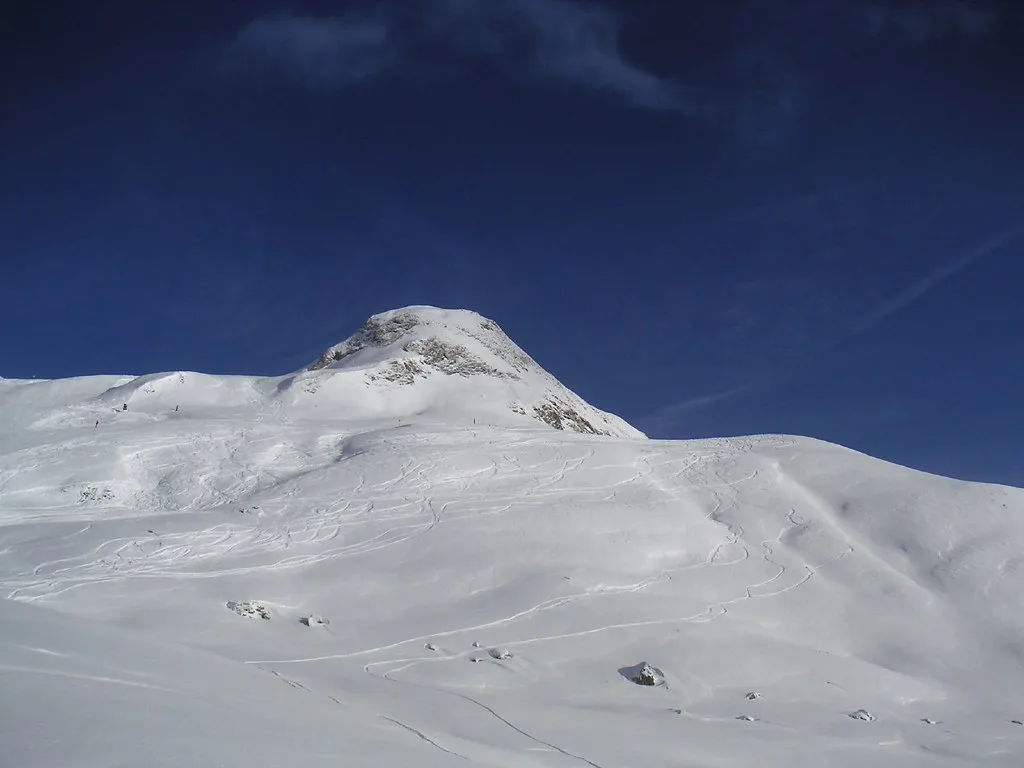
That vertical spread is the real driver of early and late reliability. A morning on the upper mountain can be cold, wind-scoured and firm while the valley run is soft and slushy by mid-afternoon, so a spring trip is best planned around the top half of the area with the lower runs as a bonus rather than the main event.
Sector Guide: Idalp, Greitspitz, Piz Val Gronda and the Village Runs
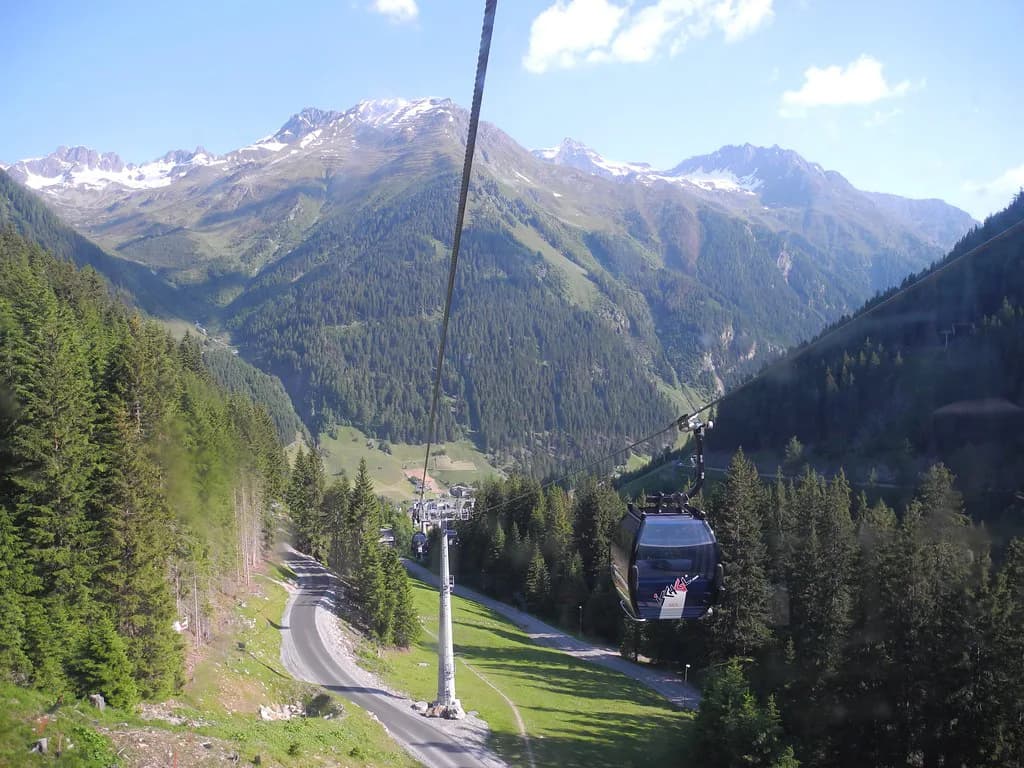
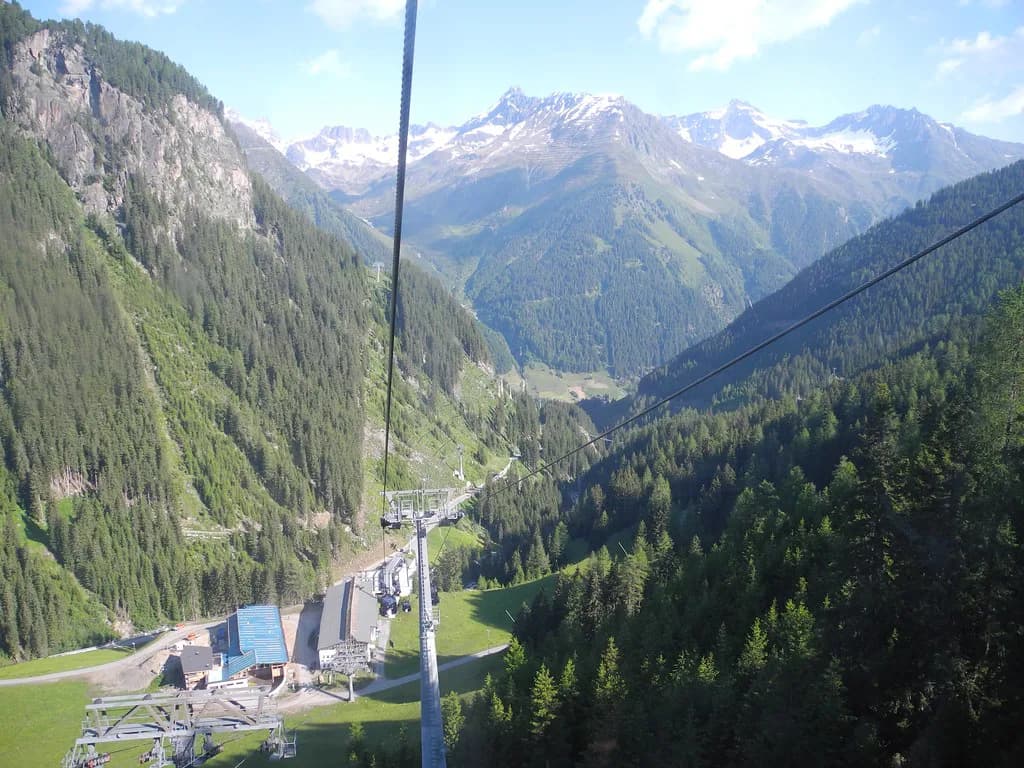
From the village, gondolas climb to the Idalp plateau, which acts as the hub of the Austrian side: wide, confidence-building slopes radiate from it and fast chairs push you higher in a couple of lifts. If you only learn one part of the area before you arrive, learn Idalp, because most days start and end there and it is where groups tend to regroup.
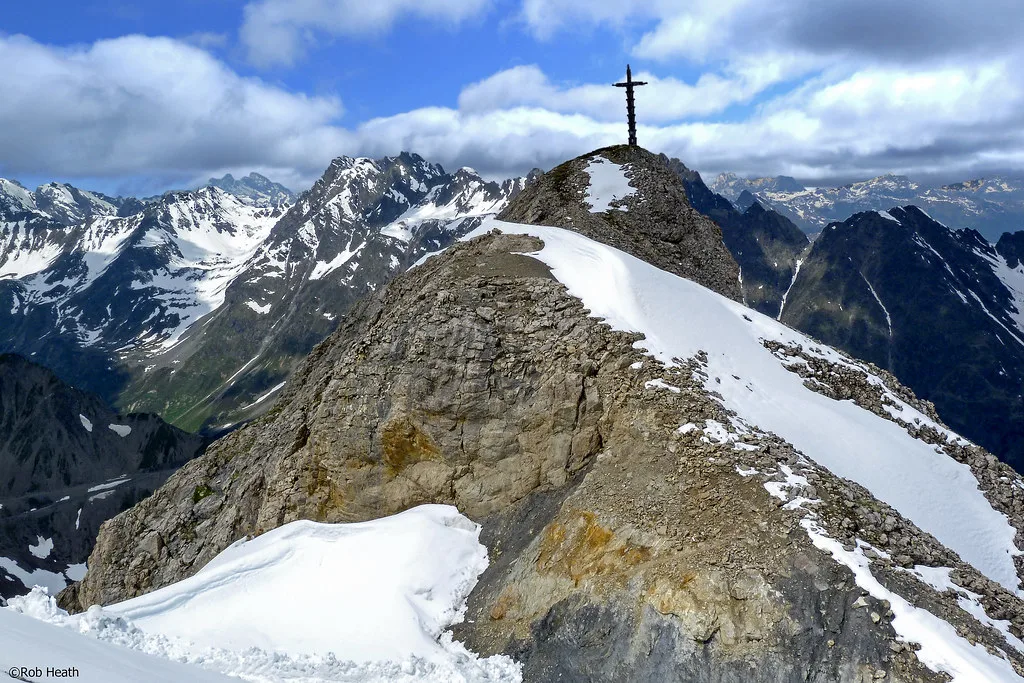
Above Idalp, the Greitspitz sector reaches the area's 2,872 m high point, and the Piz Val Gronda sector at 2,812 m is served by a large glass-sided cable car that has become one of the resort's signature lifts. These upper sectors hold the most reliable snow and give access to the long, sustained runs that make Ischgl feel bigger than its village suggests.
The descents back to the village are the other half of the picture. The main valley run funnels a lot of skiers towards the end of the day, so either leave the mountain slightly early or plan to download by gondola if you are with tired legs or beginners. It is a normal part of the Ischgl day rather than a sign that something has gone wrong.
Crossing Into Switzerland: Samnaun and the Smugglers Circuit
The Silvretta Arena is shared with Samnaun in Switzerland, and a single pass covers both sides, which makes a two-country ski day a realistic plan rather than a novelty. Carry your passport or national ID card, because the Austrian-Swiss border is a real one even when you cross it on skis, and keep it somewhere secure rather than loose in a pocket.
The Smugglers Circuit links 37 km of pistes and 14 lifts, and the extended version is often quoted at around 59 km, making it one of the longest ski circuits in the Alps. It is a full-day objective for strong intermediates and above, best started early with a clear plan for where you will cross back into Austria before the lifts close.
On the Swiss side, Samnaun's duty-free position means shops cluster near the slopes, which is a pleasant diversion but also a reason to keep an eye on time. The ski area earns its reputation as challenging terrain even for advanced skiers, so match your group's weakest skier to the circuit before committing the whole party to it.
Beginner and Improver Terrain
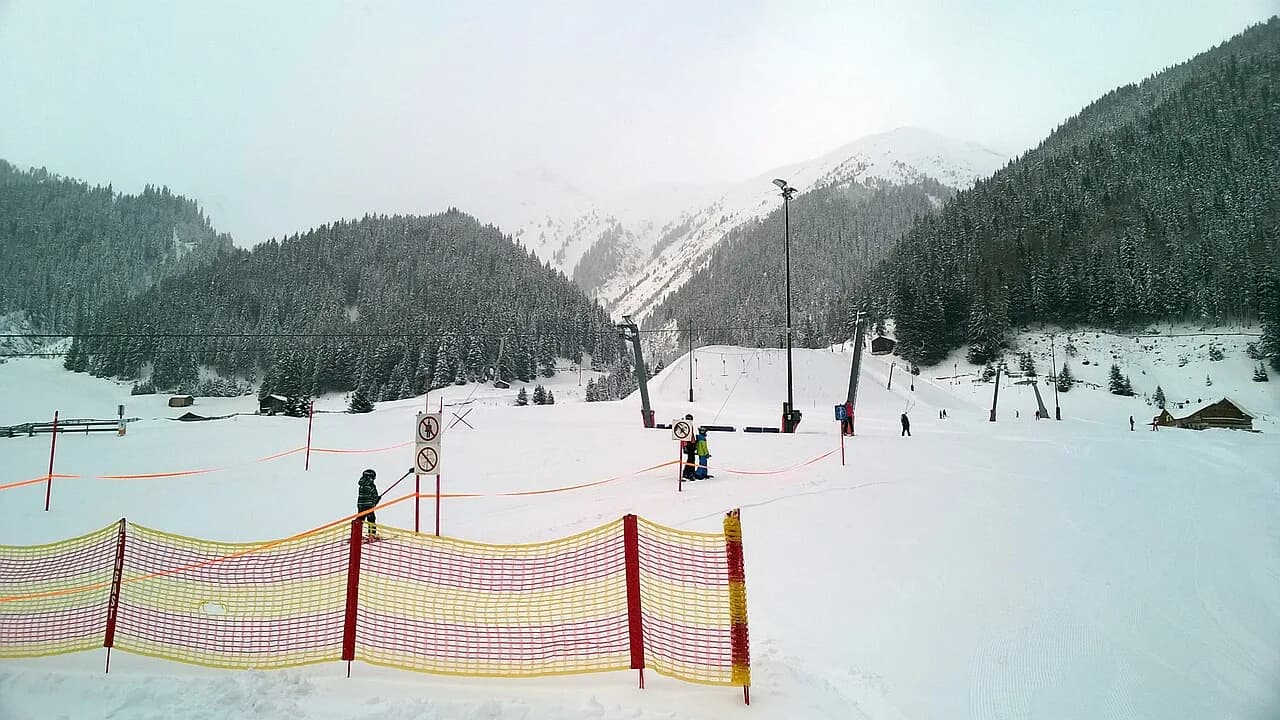
Ischgl is not a resort built around first-timers, but it is far from unsuitable. The Idalp plateau carries a good concentration of blue and easy red pistes, and the wide upper slopes are forgiving once you can link turns, which means a mixed group can put beginners on the plateau while stronger skiers head for Greitspitz and meet again at lunch.
Be honest about the village run. The final descent can be busy and variable, and a tired beginner is better off downloading than being talked down a slope beyond their level. Booking a block of lessons at the start of the week pays off more here than in a small resort, because the terrain is genuinely spread out.
Families with very young children should weigh the size of the area and the strength of the party scene against convenience. Older children and teenagers who already ski will get far more from Ischgl than a family of complete beginners who would be happier in a compact valley resort.
Lifts and Capacity
Ischgl's lift system is modern and high-capacity, with a mix of gondolas, fast chairs and drag lifts that spreads crowds across the mountain more effectively than its reputation for busy weeks might suggest. Heading straight up to Idalp and then higher again is usually better than lingering in the lower sectors on a peak morning.
The practical consequence is that queueing is rarely the main constraint; timing is. Late starts on the busiest weeks, and late descents on any week, are where you feel the crowds, so build the day around an early first lift and a slightly early finish.
Lift Pass Products and Where to Buy
Passes are sold for the Silvretta Arena, covering the linked Austrian and Swiss terrain, in day and multi-day formats, and buying online in advance is generally the simplest route for a full week. Prices change by season and by product, so check the current tariff on the official site before you budget rather than relying on last year's figure.
For shorter trips, compare the cost of a multi-day pass against day tickets before you commit, and confirm whether any package you book already includes a pass, because some tour operators bundle one. That single check often changes the maths on a three- or four-day break more than any other decision.
Ski Schools, Guiding and Hire in Ischgl
Group lessons and private guiding are worth booking before you travel in peak weeks, when the best instructors fill first. Lessons are also the efficient way to learn the circuit and the link to Samnaun, because an instructor handles the navigation, the timing and the border crossing while you concentrate on skiing.
Hire shops cluster in the village centre and near the main lift access, and pre-booking equipment online usually saves time on arrival day. If you are arriving late, collect boots and skis the following morning rather than rushing, and note the shop's opening hours directly on its own website during the quieter early and late weeks.
Getting There and Around
Most UK skiers fly to Innsbruck or Zurich and transfer by road into the Paznaun valley, and the drive climbs through a series of villages before reaching Ischgl. Zurich gives a longer but straightforward motorway run, while Innsbruck is closer to the valley; compare transfer times against flight choice rather than picking the nearest airport automatically.
The village centre is compact and largely pedestrian, so a car is more hindrance than help once you are there. Pick accommodation near the main lift access if you want to walk to the gondola in boots, and treat a car as useful only if you plan to ski Galtür, Kappl or See as well.
Rail-plus-transfer is a viable alternative for skiers who would rather not drive in winter conditions, with onward road transfer from the nearest station. Confirm the current timetable and transfer arrangements with the rail and transfer companies when you book, because winter services vary.
Where to Stay for Different Season Timings
For a first trip, the village centre near the main lift access is the strongest choice: you walk to the gondola, the après-ski is on your doorstep and you waste no time on shuttles. The trade-off is noise on event and party weekends, which matters if you are travelling with children or light sleepers.
The quieter edges of the village and the surrounding Paznaun hamlets suit families and anyone driving, at the cost of a short bus ride or walk to the lifts. In peak weeks, that extra distance is often the difference between finding availability and not, so widen your search early if the centre is full.
Après-Ski and Event Weekends
Ischgl's après-ski is part of the resort's identity, with venues such as Kuhstall, Schatzi and Niki's Stadl named in published guides and a bar scene that spills onto the village streets in the afternoon. Names change hands and opening patterns vary, so treat any list as a starting point and check what is actually open during your week.
The season is bookended by Top of the Mountain concerts, which draw large crowds and push up demand in the village for those dates. If you want the concert, book accommodation and travel well ahead; if you want quiet pistes, choose a different week and check the event calendar before you fix dates.
Season-by-Season Decisions: Christmas, Half Term, Easter and Late April
Christmas and New Year deliver atmosphere and reliable upper-mountain snow but come with peak pricing and full hotels, so book early and accept that lower runs may be limited. February half term is the busiest family window: book lessons, hire and restaurants well in advance, and expect the village to feel full.
Easter and late April favour higher terrain and softer afternoon snow, with quieter lifts and better value accommodation. Late-season trips work best for confident skiers who are happy to stay high and download at the end of the day, rather than for beginners hoping for gentle valley runs.
If you are comparing Austrian options for a spring trip, the same logic applies elsewhere: published plans and daily operations diverge, and altitude decides the snow. Our guide to Kaprun ski season dates shows how another high resort handles that split.
Booking Checklist
Lock in accommodation, flights or train tickets and any package with a pass included first, because these drive the cost of the trip and sell out in peak weeks. Add lessons and hire next, especially if you need specific boot sizes or a beginner group for children.
Leave lift passes and daily plans flexible until closer to travel, when the operating calendar and snow conditions are clearer, and confirm the current season dates and pass prices on the official site before you pay. That sequencing keeps the expensive, inflexible parts early and the adjustable parts late.
Plan Your Visit
Ischgl rewards a bit of planning: choose your week by what you want from the season, orient yourself around Idalp and the upper sectors before you arrive, and decide early whether the Samnaun crossing is part of your plan. Do that, and the resort's scale becomes an advantage rather than a source of wasted mornings.
Use the skiing guide to build your day plans and the ski map to work out sectors and lift links in advance, then confirm dates and prices with the resort before booking. The result is a trip built around the season you actually get, not the one the brochure promises.
Frequently Asked Questions
When does the Ischgl ski season start and finish?
The resort publishes its winter season dates each year and they vary, so check the official Ischgl site for the current window rather than relying on previous seasons. The marketed season is only part of the picture: individual lifts and runs open and close through the winter depending on snow, wind and preparation work.
Is Ischgl good for beginners?
It is workable rather than ideal. The Idalp plateau has a good concentration of blue and easy red pistes that suit improvers, but the area is large, the valley run can be busy and the party scene is strong. Complete beginners and families with very young children often prefer a more compact resort.
How many kilometres of piste are in the Ischgl ski area?
Published figures differ: the marketed Silvretta Arena total is often quoted at 324 km with 65 lifts, while other summaries give smaller numbers such as 238 km and 45 lifts. Treat any single figure as a marketing total for the wider linked area and check the current piste map when planning your days.
Can you ski from Ischgl into Switzerland?
Yes. The Silvretta Arena is shared with Samnaun, and a single pass covers both sides, so a two-country ski day is straightforward. Carry your passport or national ID card, because the border is real even when you cross it on skis.
What is the best month to ski in Ischgl?
There is no single best month, only trade-offs. Midwinter usually brings the fullest open terrain and the biggest crowds, early season favours the high upper slopes, and spring offers softer snow, quieter lifts and better value if you are happy to stay high.
Is Ischgl a party town?
Its après-ski and nightlife are a major part of its identity, with well-known bars and a season bookended by open-air concerts. That suits groups and couples who want a lively evening, but travellers seeking quiet should choose dates away from event weekends and stay away from the centre.
Do you need a car for an Ischgl ski trip?
Not for a standard week. The village centre is compact and pedestrian, so accommodation near the main lift access lets you walk to the gondola. A car is only useful if you plan to ski Galtür, Kappl or See as well.
How high is Ischgl's ski area?
The linked area runs from about 1,200 m at village level to 2,872 m at the Greitspitz high point, with the Piz Val Gronda sector at 2,812 m. That vertical spread is what keeps early and late-season trips viable, with the upper slopes holding snow longest.
Sources
Useful notes for your next ski trip
Optional updates to our Alpine resort guides.
You might also like
Continue reading
More guides you'll find useful