Kaprun Ski Pass Guide: Kitzsteinhorn and Maiskogel Options
Compare Kaprun ski passes: Maiskogel-only tickets, Kitzsteinhorn passes and the Ski ALPIN CARD covering 408 km of slopes, with seasons and buying advice.
On this page
Kaprun is not a single-mountain resort with a single ticket. The village lift area on Maiskogel and Lechnerberg, the glacier road up the Kitzsteinhorn and the three-region Ski ALPIN CARD are priced separately, so the pass you buy decides which lifts you can ride before you ever clip in. This guide breaks the products down by terrain, season and duration so you can pick once and avoid paying twice.
Prices below are the published winter 2026/27 and autumn 2026 tariffs in euros, including VAT. Treat them as a planning baseline: season boundaries move with snow and lift operations, so confirm your own dates before you commit a large group booking — the broader Kaprun Ski guide covers how the resort fits together.
What a Kaprun Ski Pass Actually Covers
Three products matter. The Kaprun village pass covers Maiskogel, the family mountain above the village, and the small Lechnerberg beginner lift; day tickets are valid on both. Kitzsteinhorn-only passes cover the glacier area and its access lifts. The Ski ALPIN CARD adds the Skicircus Saalbach Hinterglemm Leogang Fieberbrunn, the Schmittenhöhe above Zell am See and the Kitzsteinhorn, and Kitzsteinhorn describes it as 408 km of slopes served by up to 121 lifts. Prices and dates change by season, so check current rates before buying.
The distinction is practical rather than bureaucratic. A Maiskogel day pass gets a family onto the nursery slopes and the long village-side runs without paying glacier prices, while a Kitzsteinhorn or ALPIN CARD ticket opens the high-altitude terrain and the link across to Zell am See. If your group splits between beginners and confident skiers, buying everyone the same pass is usually the expensive mistake.
Work out your likely terrain before choosing. Read the Kaprun piste map Guide alongside the ticket pages so you know which lifts sit inside each product; it is much easier to see that Maiskogel and Lechnerberg form one zone and the glacier another once the sectors are in front of you.
Season Calendar: Summer, Autumn, Winter Start, Peak and Bonus
Kaprun's ticket year is not simply winter and closed. The Kitzsteinhorn lifts run for sightseeing year-round and for skiing from a planned start of 10 October 2026, with a summer pass window from early May to mid-October, an autumn window from 17 October to 26 November, and the winter Ski ALPIN CARD from 27 November 2026 to 4 April 2027.
Within winter, the ALPIN CARD price changes by period. Winter start runs 27 November to 18 December 2026, the main season runs 19 December 2026 to 12 March 2027, and a bonus season runs 13 March to 4 April 2027 at the lower winter-start rates. An adult one-day ALPIN CARD costs 82 euros in the main season against 74 euros at winter start or in the bonus season, so shifting a trip by a week either side of the peak dates is a real saving.
Early-season skiing before the winter lifts switch over is priced on the Kitzsteinhorn's own autumn tariff rather than the ALPIN CARD. Half days start at 11:30, which suits anyone arriving by train or car in the morning and wanting a short first afternoon on the glacier. Check the Kaprun ski season dates page for how those published windows translate into daily lift operations.
Kitzsteinhorn-Only Passes and Autumn Prices
If your trip is about high-altitude skiing and you will not cross to Zell am See or the Skicircus, the Kitzsteinhorn-only pass is the leaner purchase. For the autumn 2026 window, adult single-day rates run from 74 euros for 17 to 22 October and 77 euros from 23 October to 26 November, with half days from 11:30 at 63 and 65 euros respectively; multi-day autumn passes scale from 145 euros for two days to 440 euros for seven.
The autumn flexible ticket gives five skiing days out of seven, which is the option to weigh if you plan a week in late October and want one weather buffer day. It costs 360 euros adult in that period. Multi-day passes outside the flexible product are consecutive-day tickets, so a rest day is simply lost value.
Maiskogel and Lechnerberg: The Cheaper Village Option
The Kaprun village pass is the value pick for families and newer skiers. For 5 December 2026 to 4 April 2027 an adult Maiskogel day pass costs 58 euros, a half day from 11:30 costs 51 euros and an afternoon from 13:30 costs 38.50 euros, and the day ticket also covers Lechnerberg. A refund of 2 euros applies on the day pass if you hand it back by 12:30, which rewards a morning-only plan.
Lechnerberg is sold separately for anyone staying on the easiest ground: single rides cost 4.60 euros for an adult and a ten-ride block 35 euros, so a first-timer who lasts two hours does not pay for a full day. That makes it the sensible first purchase for a nervous beginner in your group before committing to a Maiskogel or ALPIN CARD ticket.
The Ski ALPIN CARD: Linking Kaprun with Zell am See and the Skicircus
The ALPIN CARD is the pass for skiers who want to move. It covers the Kitzsteinhorn, Maiskogel and Lechnerberg in Kaprun, the Schmittenhöhe in Zell am See and the Skicircus, which answers the common question of whether Kaprun and Zell am See share one lift pass: they do, under this product. Night skiing is included with valid ALPIN CARD passes.
Cost scales steeply with peak dates. A six-day adult ALPIN CARD is 440 euros in the main season and 396 euros at winter start or in the bonus season, while a 14-day pass runs 692 euros against 623 euros. For a one-week holiday the difference easily covers a day of ski hire for a family, so deciding your dates can matter as much as deciding your pass.
One rule to plan around: ALPIN CARD day and multi-day tickets are valid from 15:00 on the day before first use, so a travel day can include a late-afternoon warm-up without buying an extra ticket. The same rule applies to Maiskogel tickets.
Day Ticket Versus Multi-Day Versus Flexible Passes
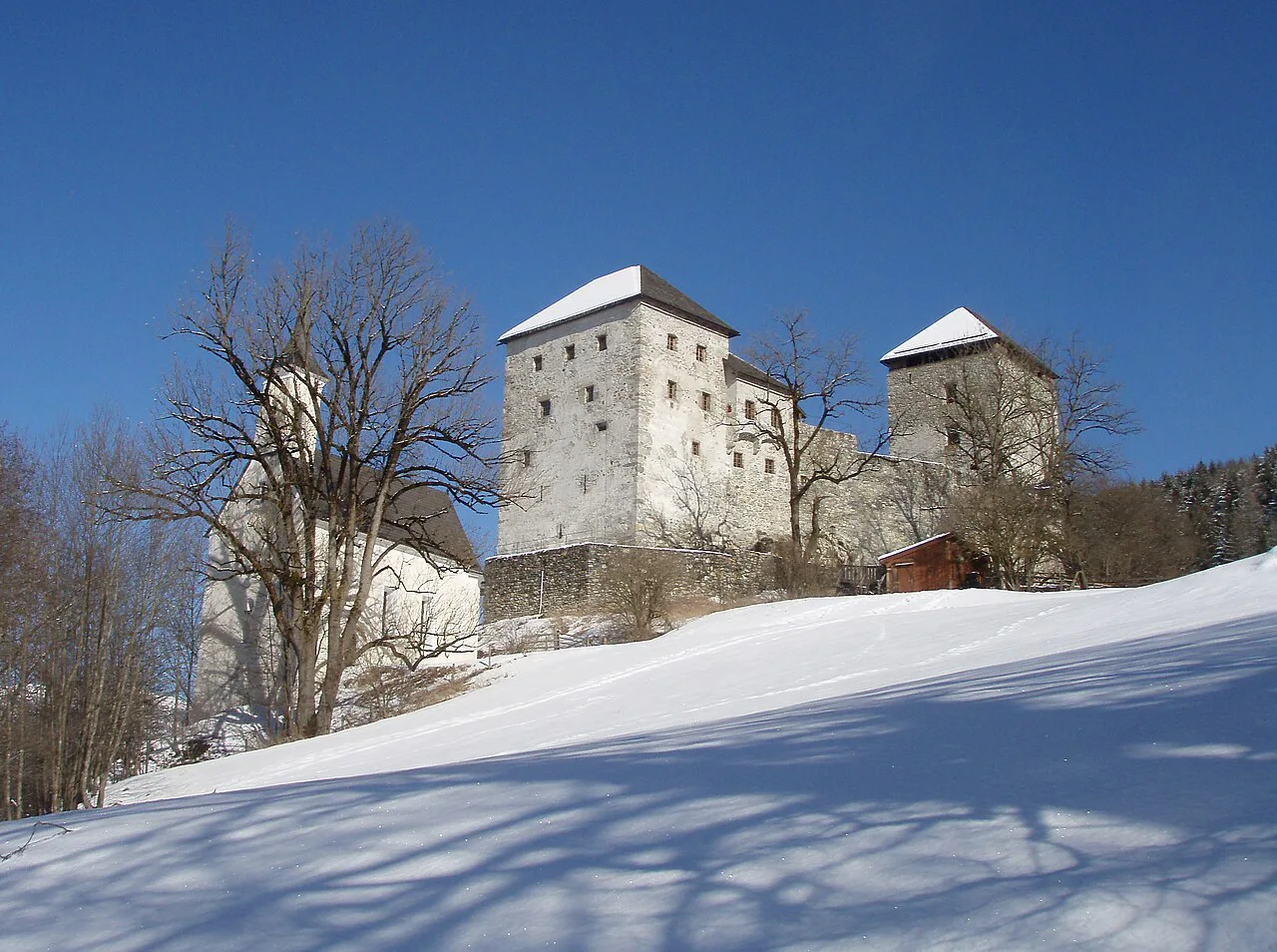
Consecutive-day passes are cheapest per day once you pass three days. On the main-season ALPIN CARD an adult pays 82 euros for one day, 240 euros for three and 381 euros for five, which works out at 80 and 76.20 euros a day respectively; the saving grows slowly, so a short trip does not need a long pass.
The flexible products exist for bad weather and mixed itineraries. Five days within seven costs 400 euros adult in the main season, and ten days within fourteen costs 636 euros, both above the equivalent consecutive pass, so you are paying a premium for the right to skip a storm day or take a rest day. If your group skis every day regardless, buy the consecutive ticket.
Half-day tickets start at 11:30 and cost 70 euros adult in the main season on the ALPIN CARD, which is worth considering for an arrival day or a departure morning rather than a full pass you barely use. The same logic applies on the Kitzsteinhorn autumn tariff and on Maiskogel, where the afternoon ticket from 13:30 is cheaper again.
Child, Youth and Family Deals: Age Bands and What to Bring
Child and youth rates are set by birth year, not by height or school status, and proof of age is required at the ticket window. On the published winter 2026/27 tariff, children are those born 2011 to 2020 and youth those born 2008 to 2010; anyone born 2021 or later rides free with a paying adult but still needs a pass issued, with a photo required. The age bands are re-cut each winter, so check the current list on the official tariff page before you buy for a growing family.
Two extras are worth knowing before you buy. The Junior XPLORE CARD gives children and teens a Saturday day pass for 15 euros, and the Easter bonus from 20 March to 4 April 2027 issues free child passes when a parent buys at least a four-day pass, collected at the lift ticket offices rather than online.
Passes of eight days or more need a photo, so sort that out before queuing with children in boots. Carry ID for every child and teenager in the group, since the cheaper rate is refused without it.
Where to Buy and How KeyCards Work
Buy online in advance where you can: the Kaprun lift operator runs a ticket shop for ski passes, season passes, round-trip lift tickets and the Top of Salzburg viewing ticket, which saves a window queue on arrival day. Tickets bought online are loaded to a KeyCard, the reusable contactless card used across the region.
The KeyCard carries a 2 euro deposit per card, refunded at any ticket office when you return an undamaged card. If you already hold one from a previous Salzburg trip, reuse it rather than paying again. Multi-day passes for eight days or more require a photo, and each additional day beyond fourteen is priced on request rather than published.
Beginner Passes, Ski Schools and Nursery Slopes
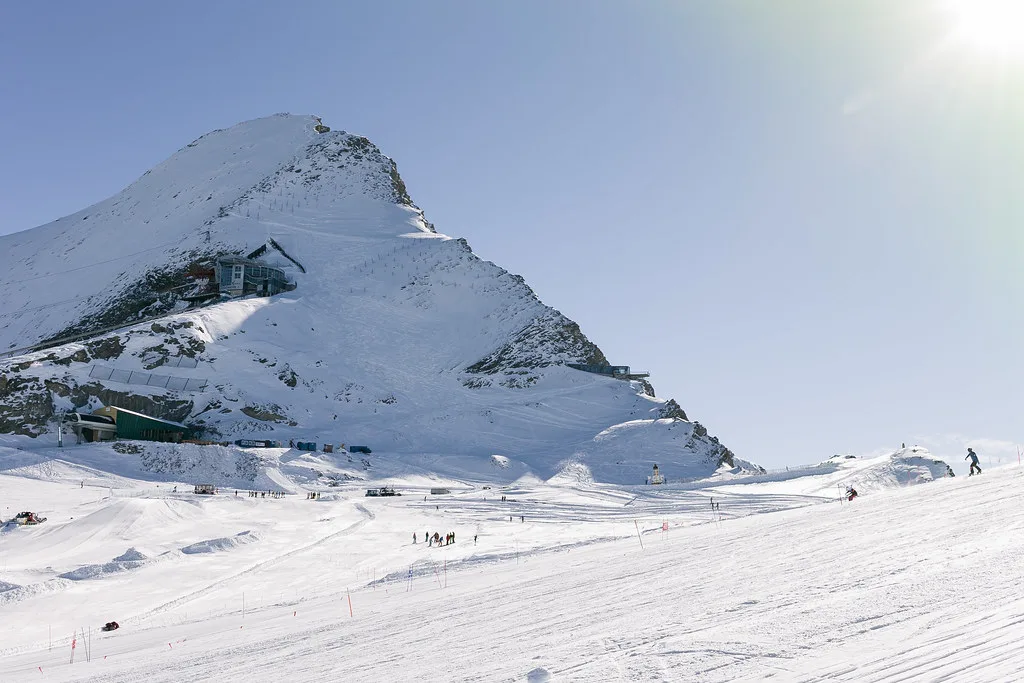
Beginners are best served by starting on Lechnerberg or the lower Maiskogel slopes on a village pass, then upgrading once they can ride a full lift and descend comfortably. Booking ski school for the first two mornings usually matters more than the pass choice, because lessons cluster on the same nursery terrain the cheap ticket covers.
Sort equipment before you travel so the first morning goes on the snow rather than in a queue. Kaprun Ski hire options range from village shops to depot-style pick-up near the lifts, and pre-booking over a peak week is the difference between the boot you want and whatever is left.
Snowboarders use the same lift products and the same Maiskogel and glacier terrain, so the pass decision does not change; the practical differences lie in lessons and rental kit. See the Kaprun Snowboarding guide if your group includes riders who want park features rather than piste mileage.
SuperSkiCard: When the Bigger Regional Pass Makes Sense
The SuperSkiCard is a separate product covering 23 ski regions across Salzburg and neighbouring provinces, with over 2,800 km of slopes, sold through superskicard.com. Its published adult one-day rate is 80 euros at the cheap end of its calendar and 86 euros mid-season, both above the ALPIN CARD winter-start day price, so it only pays off if you genuinely plan days outside the Zell am See-Kaprun and Skicircus orbit or you are touring several regions in one trip.
For a Kaprun-based week, the ALPIN CARD almost always wins: it already spans three linked regions and the night slope, and the SuperSkiCard premium buys terrain you will not reach from the village in a normal holiday. If you are comparing pass structures across resorts, the Ischgl Ski Pass Guide shows how differently a single-mountain area prices its premium option.
Money-Saving Decisions and Common Mistakes
The most common error is buying a glacier-capable pass for a group that never leaves the Maiskogel nursery. On a family trip with two beginners and two strong skiers, the adults heading high can take the ALPIN CARD while beginners take the village pass, meeting for lunch rather than paying glacier rates for everyone.
The second is ignoring the calendar. Moving a trip into the bonus season from 13 March 2027 drops adult multi-day ALPIN CARD prices to winter-start levels, and the Easter bonus adds free child passes in the same window for families meeting the four-day parent requirement.
The third is buying long consecutive passes for a short, weather-exposed stay. Check the forecast and daily lift status before extending beyond five days, and remember that multi-day passes cannot be interrupted, so a flexible ticket is the better hedge when storms are likely.
Which Kaprun Ski Pass to Buy
Choose by terrain, not by habit. Beginners and families staying in the village should start on Maiskogel or Lechnerberg tickets, anyone focused on the glacier should take a Kitzsteinhorn-only pass, and skiers who want Zell am See's Schmittenhöhe and the Skicircus in the same week need the Ski ALPIN CARD. Buy online, carry photo ID for children, and keep your KeyCard for the next trip.
Frequently Asked Questions
How much is a ski pass in Kaprun?
It depends on which of three products you buy. A Maiskogel and Lechnerberg day ticket and a Kitzsteinhorn-only day ticket sit below the multi-region Ski ALPIN CARD, and the ALPIN CARD itself is cheaper at winter start and in the bonus season than in the main season. Current figures are published on the official Kaprun lift and Zell am See-Kaprun tariff pages.
Can you ski from Kaprun to Zell am See on one pass?
Yes, on the Ski ALPIN CARD. It covers the Kitzsteinhorn, Maiskogel and Lechnerberg in Kaprun, the Schmittenhöhe in Zell am See and the Skicircus Saalbach Hinterglemm Leogang Fieberbrunn. A Maiskogel-only ticket or a Kitzsteinhorn-only ticket does not extend to the Schmittenhöhe.
Is the Ski ALPIN CARD worth it for a Kaprun holiday?
For a week with varied skiers, usually yes: it spreads the group across three regions and includes night skiing, so poor weather on one side can be escaped. If everyone stays on the nursery slopes or you only ski the glacier, the village or Kitzsteinhorn pass is the cheaper and simpler choice.
What is the cheapest ski pass for Kaprun?
For absolute beginners, Lechnerberg single rides or ten-ride blocks on the village lift are the smallest commitment. For a family ski day, the Maiskogel day pass, which also covers Lechnerberg, costs less than a Kitzsteinhorn-only or ALPIN CARD day. Current figures are on the official tariff pages.
Do children ski free in Kaprun?
Children born 2021 or later ride free when accompanied by a paying adult, but they still need a pass issued with a photo. Separate offers apply to older children, including a discounted Saturday day pass under the Junior XPLORE CARD and free child passes during the Easter bonus window when a parent buys a pass of at least four days; the official price list gives current amounts.
Where do I buy a Kaprun ski pass?
Buy online through the lift operator's ticket shop before you travel, then collect or load onto a KeyCard. Passes are also sold at the lift ticket offices, which is where photo passes and the Easter bonus child passes must be issued. Reusable KeyCards carry a small refundable deposit.
When does the Kaprun ski season start and finish?
The Kitzsteinhorn plans to open for skiing from 10 October 2026, with autumn tariffs through 26 November, and the Ski ALPIN CARD winter season runs 27 November 2026 to 4 April 2027 across winter start, main and bonus periods. Dates depend on snow and lift operations, so confirm before booking.
Sources
Useful notes for your next ski trip
Optional updates to our Alpine resort guides.
You might also like
Continue reading
More guides you'll find useful