Is Zell am See Good for Beginners? A First-Timer's Ski Guide
Zell am See suits beginners: wide family pistes on the Schmittenhöhe, a children's area, gentle Maiskogel terrain and a long glacier season.
On this page
Short answer: yes. Zell am See works well for a first ski trip because the learning terrain sits in one manageable sector, the Schmittenhöhe above town, rather than being scattered across a huge circuit. The trade-off is that Zell am See is not a purpose-built beginner village: the resort is a real lakeside town, Kaprun is a separate village a bus ride away, and the steep runs that give the area its reputation sit right alongside the easy ones.
Plan your week around three names. The Schmittenhöhe is the family and panorama mountain with wide groomed pistes and a dedicated children's area. The Kitzsteinhorn above Kaprun is the glacier, high and snow-sure, with the Maiskogel as its gentler family annex. The Skicircus Saalbach Hinterglemm Leogang Fieberbrunn is the third region, linked on the same ticket but not the place to start.
Quick Verdict: Why Zell am See Works for a First Ski Week
The strongest argument for a beginner choosing Zell am See is variety within easy reach. You can spend the first days on wide, perfectly groomed family pistes on the Schmittenhöhe, then ride the bus to Kaprun and progress onto the Maiskogel without changing accommodation or buying a second pass. That continuity matters more than raw kilometres when you are still working out how to turn.
The one trade-off to expect is that the resort's headline terrain is genuinely steep. The Trass run on the Schmittenhöhe reaches gradients of up to 70%, and Black Mamba on the Kitzsteinhorn up to 63%, according to the region's own descriptions. You do not need to ski either of them, but you will see them, and the mountain layout means confident skiers in your group will disappear onto them while you stay on the easy sectors.
Budget expectations are the other thing to settle early. Lift passes, lessons and equipment are priced separately, and a first-timer often over-buys on the pass and under-buys on lessons. If cost is your main worry, work through the numbers before booking any ski pass, lesson package or rental gear.
If you want the fuller picture of how the mountain divides up before committing, the Zell am See Skiing Guide breaks the resort down sector by sector, and the beginners' specifics below then make more sense. The ski map is the other document worth having open while you plan, because lift names are how you navigate both lessons and lunch stops.
The Three Areas Explained
Zell am See-Kaprun is not one ski area. The Schmittenhöhe above Zell am See has 77 kilometres of pistes and is described by the region as panoramic and family-friendly, with five valley runs and ski-in, ski-out access. The Kitzsteinhorn ski resort, including the Maiskogel, has 61 kilometres, with the glacier at the top and family terrain on the lower mountain above Kaprun.
The third region is the Skicircus Saalbach Hinterglemm Leogang Fieberbrunn, with 270 kilometres of pistes, 70 lifts and more than 60 mountain huts. It is included on the Ski ALPIN CARD, the single ticket that covers all three areas and combines up to 408 kilometres of pistes and 121 lifts. For a beginner, the Skicircus is a bonus for a confident day out, not a learning ground.
Treat Zell am See and Kaprun as two bases rather than one. The villages sit a short bus ride apart, and access points differ: the Schmittenhöhe has three lift access points in Zell am See plus a lower terminus in the Glemmtal, while the Kitzsteinhorn ascent starts from the MK Maiskogelbahn lower terminus in Kaprun, reachable on foot from the village centre or by ski bus.
Schmittenhöhe in Detail: Where Most Beginners Will Ski
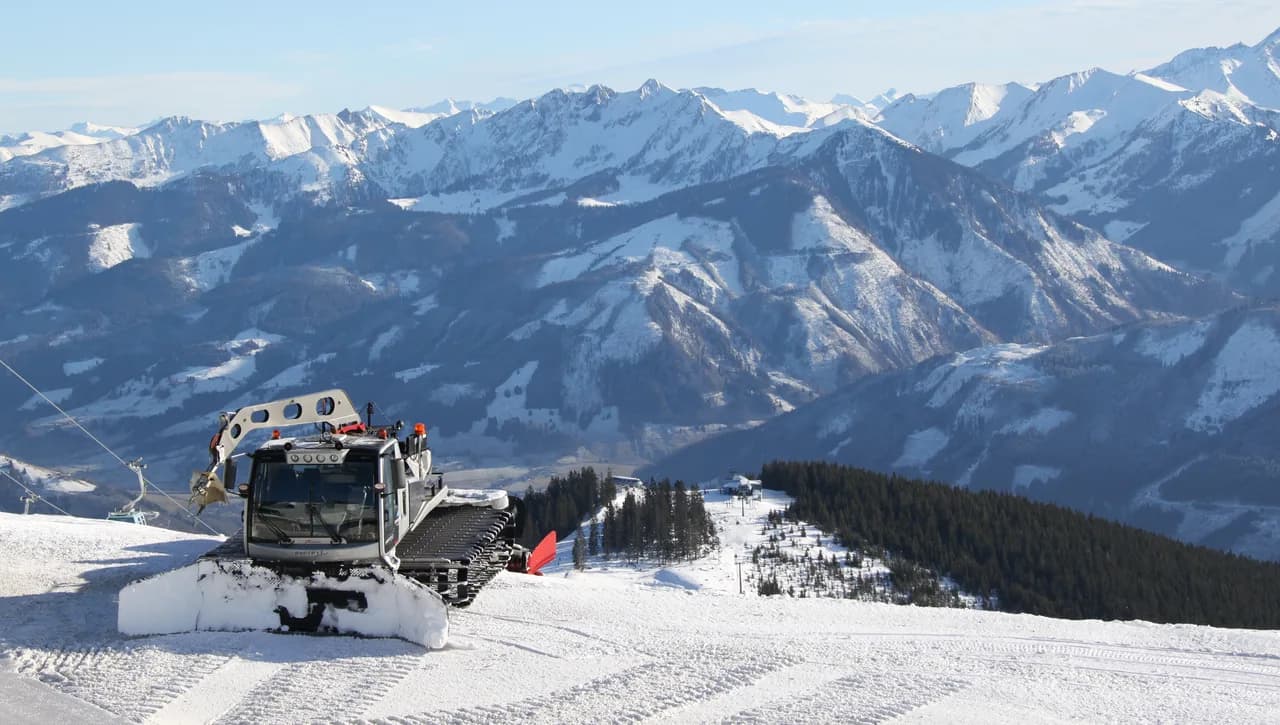
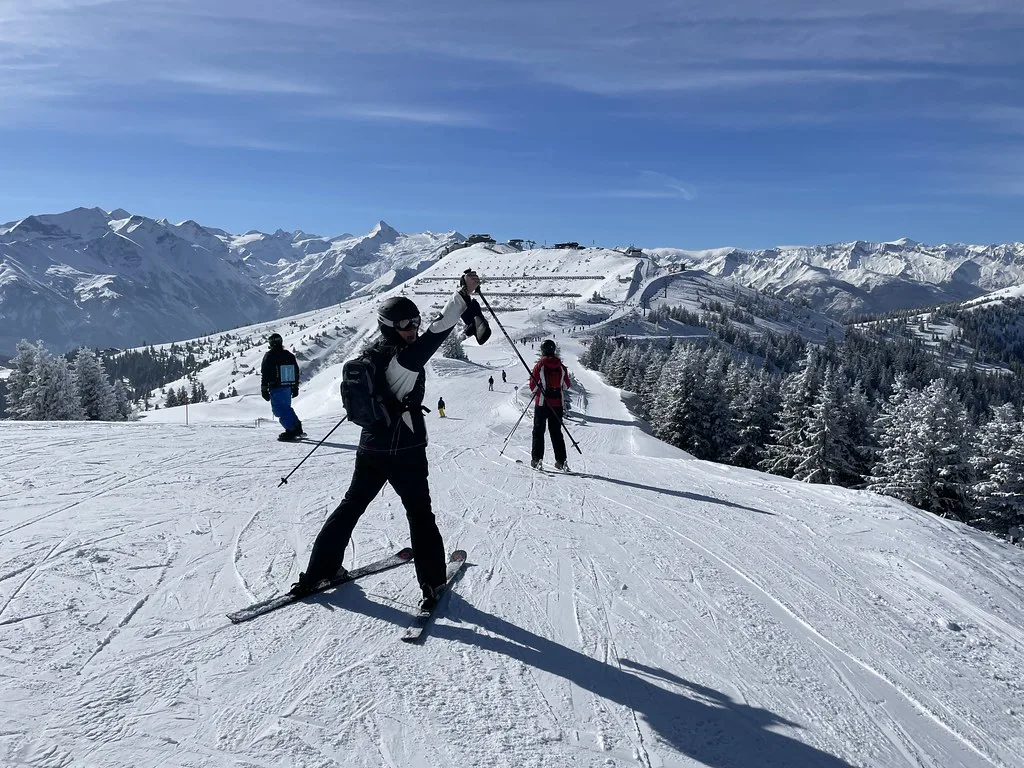
This is the sector to base a first week on. The Schmittenhöhe's 77 kilometres include wide, perfectly groomed pistes aimed squarely at beginners and junior skiers, with the panorama over Lake Zell and more than 30 three-thousand-metre peaks as the backdrop. Runs are strung across several sectors rather than being one long fall line, so you can pick a pod of lifts that matches your level and stay there.
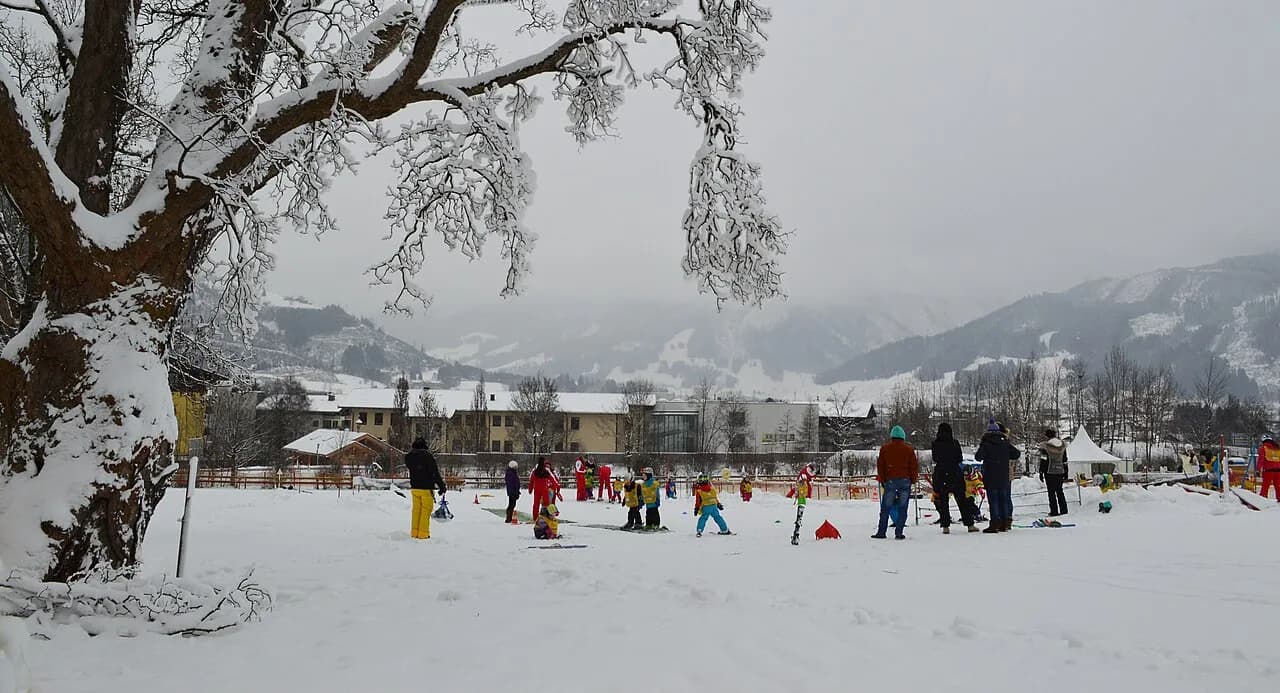
Specific features to look for on the ski map: Schmidolin's Dragon Park, the children's area and kid's slope, plus the Funslope XXL, one of the longest fun slopes in Austria, which mixes gentle rollers and banked turns into an easy run. These are the zones to ask about when you arrange lessons, because instructors use them for progression.
The Schmittenhöhe also hosts the Audi Ski Run, the only one of its kind in Austria, and four gourmet stations alongside the conventional mountain huts. None of that is essential for a beginner, but a long lunch on a sun terrace is part of why families choose this mountain over a bare-bones glacier area.
Kitzsteinhorn and Maiskogel: Glacier and Family Terrain
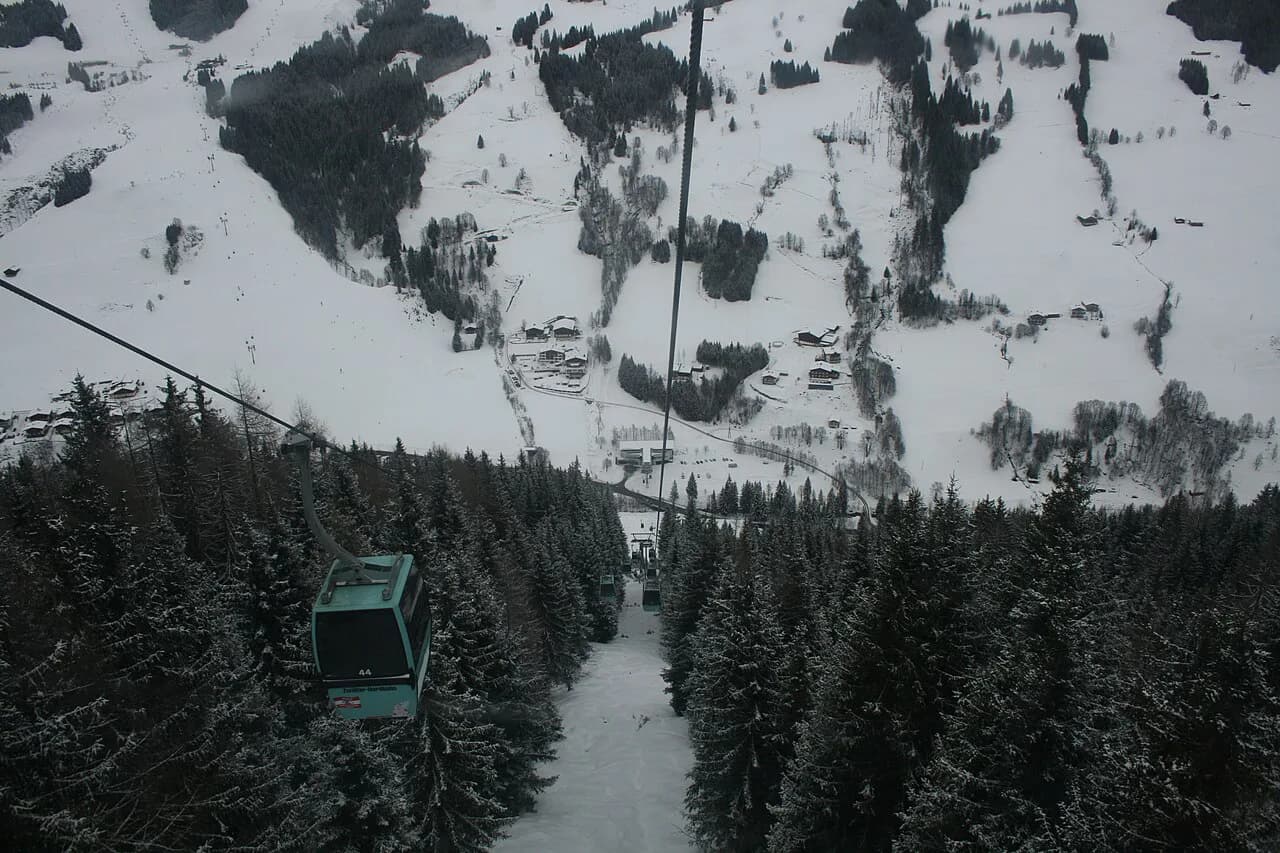
The Kitzsteinhorn above Kaprun is the high-altitude option, with 61 kilometres of pistes of all difficulties plus five freeride lines, four snow parks and a superpipe. For beginners, its value is not the glacier itself but the Maiskogel below it, where families are directed and the terrain is gentler. The Kaprun-Maiskogel-Kitzsteinhorn cable car connection means you ride straight from the centre of Kaprun up to the ski area.
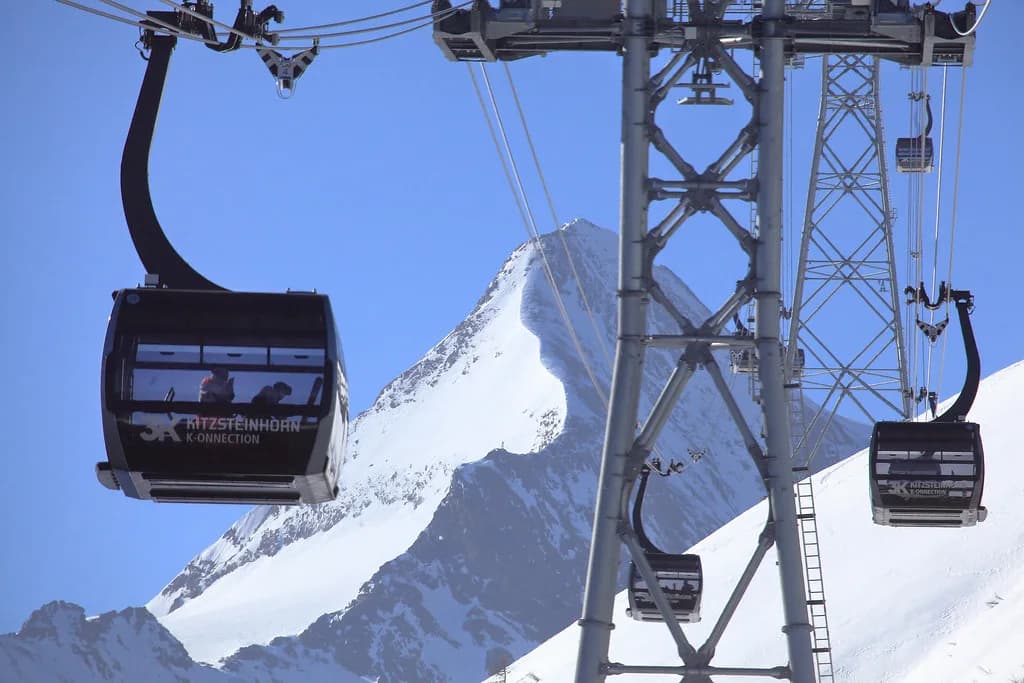
Use the glacier for the days when lower slopes are thin or the season is at its edges. It tops out at 3,000 metres on the border of the Hohe Tauern national park, and the K-ONNECTION lift gives direct access from Kaprun up to the glacier with ski-in, ski-out to and from the glacier. Beginners can ride the lifts, view the Gipfelwelt 3000 platform and ski the easier high runs, but cold and altitude make short sessions wiser than full days.
The Trass and Black Mamba: What the Steep Terrain Means for You
Two runs define the resort's expert reputation. The Trass on the Schmittenhöhe runs over 4 kilometres into the valley with gradients reaching 70%. Black Mamba on the Kitzsteinhorn reaches 63%. Both figures are source-stated maxima rather than typical pitch, and both are well beyond anything a first-week skier should attempt.
Practically, this means checking your route home. On the Schmittenhöhe, beginners should plan to descend via the designated family pistes or take the lift back down rather than following signs toward the valley runs. Ask at the lift station which way down suits your level; staff know exactly which runs are currently groomed and open.
If you are weighing up resorts because of exactly this question, a comparison with a famously demanding Austrian destination is useful context for what beginner-friendly really means in practice, and the same logic of matching terrain to ability applies whether you are looking at St Anton am Arlberg or here.
Season Dates and Snow: Glacier from October, Main Winter on the Schmittenhöhe
Zell am See's unusual selling point for a first trip is the length of the glacier season. The Kitzsteinhorn's 2026/27 season was planned from 10 October 2026 to 17 May 2027, weather and snow permitting, which is why the area can offer autumn and late-spring skiing at all. For a beginner, an October or April trip means quieter slopes and softer prices, but also a smaller open area and a higher chance of wind closures up high.
The main winter on the Schmittenhöhe follows the conventional alpine pattern rather than the glacier calendar, so the whole 77-kilometre sector is not open from October. The region publishes opening plans as winter approaches instead of a fixed bookable date months ahead, so once you have shortlisted a week, confirm that week's lift and run status on the resort's own winter pages.
For holiday timing, January and early March usually give the best balance of snow depth, daylight and open terrain, while the Christmas and February half-term weeks bring queues at the valley stations. If you have flexibility, aim for mid-January: cold, quiet and fully open on both mountains.
Lift Passes: When the Ski ALPIN CARD Pays Off
The Ski ALPIN CARD is the single ticket covering the Schmittenhöhe, the Kitzsteinhorn and Maiskogel, and the Skicircus. It is sold as day and multi-day tickets and as season passes, and it also includes free ski bus travel within Saalbach Hinterglemm, Viehhofen, Leogang, Fieberbrunn, Zell am See and Kaprun, plus listed connections between them. The alliance lists a winter start window of 27 November to 18 December 2026 and peak season from 19 December 2026 to 12 March 2027, and current ticket prices sit in the official online shop.
For a genuine beginner, the three-region pass is often more than you need in week one. If you plan to stay on the Schmittenhöhe's family pistes all week, a local pass for that mountain is the cheaper logic; upgrade to the full ALPIN CARD if you intend to ski Kaprun's glacier, cross into the Skicircus, or use the ski bus heavily. The Ski pass comparison sets out how the bands differ before you commit.
Those two dates are ticket-period labels from the Skicircus side of the alliance, not resort-wide opening and closing dates, so treat them as pricing windows and check which lifts are running separately. In practice, buying a multi-day product for the days you will actually ski beats buying a season pass you will use for six mornings.
If you hold an Epic Pass, five ski days are included across the three regions, a partnership that has been in place since the 2025/26 winter, and holders of an ALPIN CARD season or annual pass get a 50% discount on pass prices at 37 North American resorts. That reciprocity is worth checking before buying a separate season product.
Where to Buy Passes
Buy online before you travel. The regional ski pass shop opens shortly before the winter season, and buying in advance means heading straight to the lift rather than queueing at a ticket window on your first morning. Multi-day passes bought online are typically loaded to a keycard or a digital ticket.
Zell am See also runs a smartphone ticket: you buy it in the web shop or the resort app, activate it in the app, and pass through the turnstile without a physical card. For a beginner juggling gloves, goggles and a phone, that convenience is real, though it is worth having a printed backup or a screenshot in case the battery suffers in the cold.
If you decide on the day, ticket offices at the valley stations sell passes, but the first morning of a ski holiday is the worst time to join a queue. Decide the night before which mountain you are starting on, buy accordingly, and keep your options open for upgrading later in the week.
Ski Schools and Lessons
Group lessons are the default for first-timers, and the region's ski schools run programmes through qualified instructors and guides who teach everything from first turns to carving. Group lessons usually cost less per hour and give you the social side of a ski week; private lessons cost more but progress faster if you have a short trip or a specific fear to work through.
Book before you travel, especially for the Christmas, New Year and February half-term weeks when school groups fill the beginner classes. When you book, ask which meeting point applies: Schmittenhöhe lessons typically assemble at the Zell am See valley stations, while Kaprun-based lessons meet at the Maiskogelbahn. Getting that wrong on day one costs you a morning.
For children, ask the ski school specifically about the Dragon Park and kid's slope sessions rather than assuming all children's lessons use them. Those areas on the Schmittenhöhe are purpose-built for young skiers, and a school that uses them will usually say so in its programme.
Ski Hire and Depots: Book Online, Store at the Valley Station
Hire in the resort rather than hauling kit from home. Sports shops in Zell am See and Kaprun stock current models and let you reserve equipment online before arrival, including extras such as avalanche equipment, and they will service your own skis if you bring them. Booking ahead in peak weeks is the difference between the category you want and whatever is left on the rack.
Ski depots at the lower stations of the Schmittenhöhe, areitXpress, cityXpress and Maiskogelbahn let you leave skis and boots overnight, which transforms a beginner's morning: no carrying kit on the bus, no boot walk through town. Many depots can be booked online, and there is even a depot at the Kitzsteinhorn Alpincenter at 2,450 metres if you want to store gear on the mountain.
Boot fit matters more than ski model for a beginner. Hire boots vary between shops, so if the first pair pinches, go back and swap rather than enduring it; a shop with a proper fitting bench and staff who will spend time on you is worth a small premium over the cheapest rental.
Getting Around: Village Access Points, Ski Buses and Reaching Kaprun
The free ski bus is included with the Ski ALPIN CARD within the named villages and on listed connections, including Zell am See to Kaprun and the 680 line from the zellamseeXpress valley station at Viehhofen to the Schönleiten lift in Saalbach. Those buses were published as running every ten to twenty minutes. Note the gap: there is no ski bus between the Skicircus villages and Zell am See-Kaprun, and the Viehhofen shuttle only runs when the zellamseeXpress is operating or slope 168 is open.
Choose your base by which mountain you will ski most. Staying in Zell am See puts the Schmittenhöhe lifts and the town's restaurants within walking distance, at the cost of a bus ride to the glacier. Staying in Kaprun shortens the Kitzsteinhorn and Maiskogel morning but means travelling to the Schmittenhöhe. For a beginner skiing mostly on the family pistes, Zell am See is the simpler base.
Parking at the valley stations fills early in peak season, so if you drive, arrive before the lifts open or use the bus instead. A car is useful for supermarket runs and arrival day, less so during the ski week itself.
Getting There and How the Resort Is Laid Out
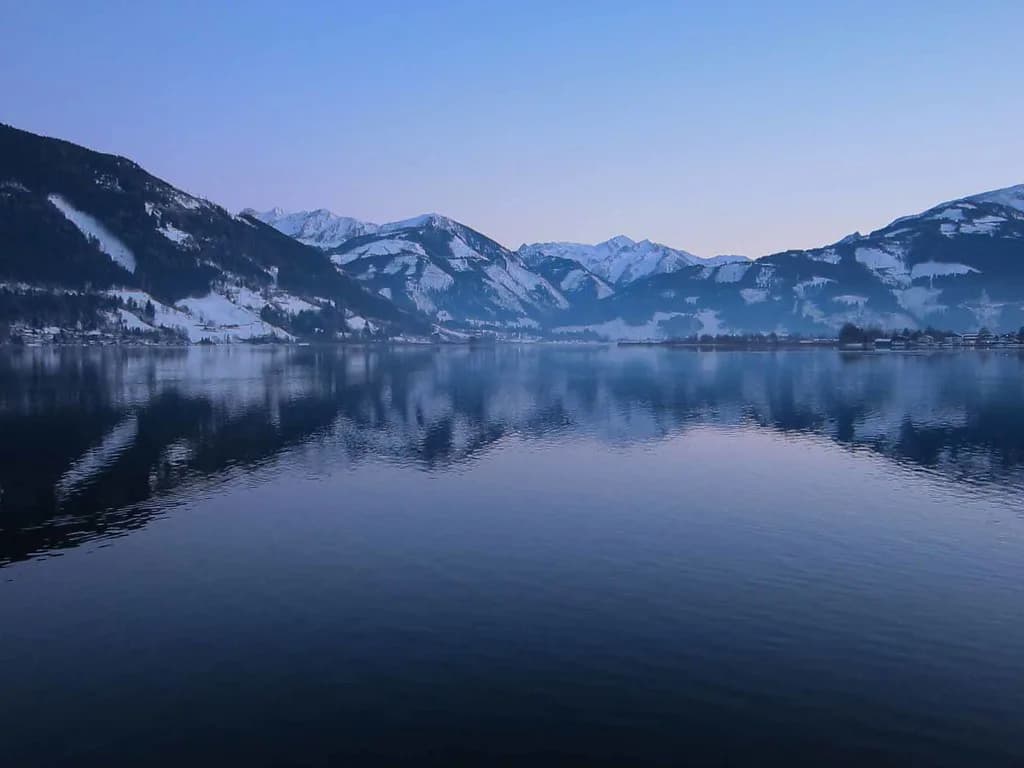
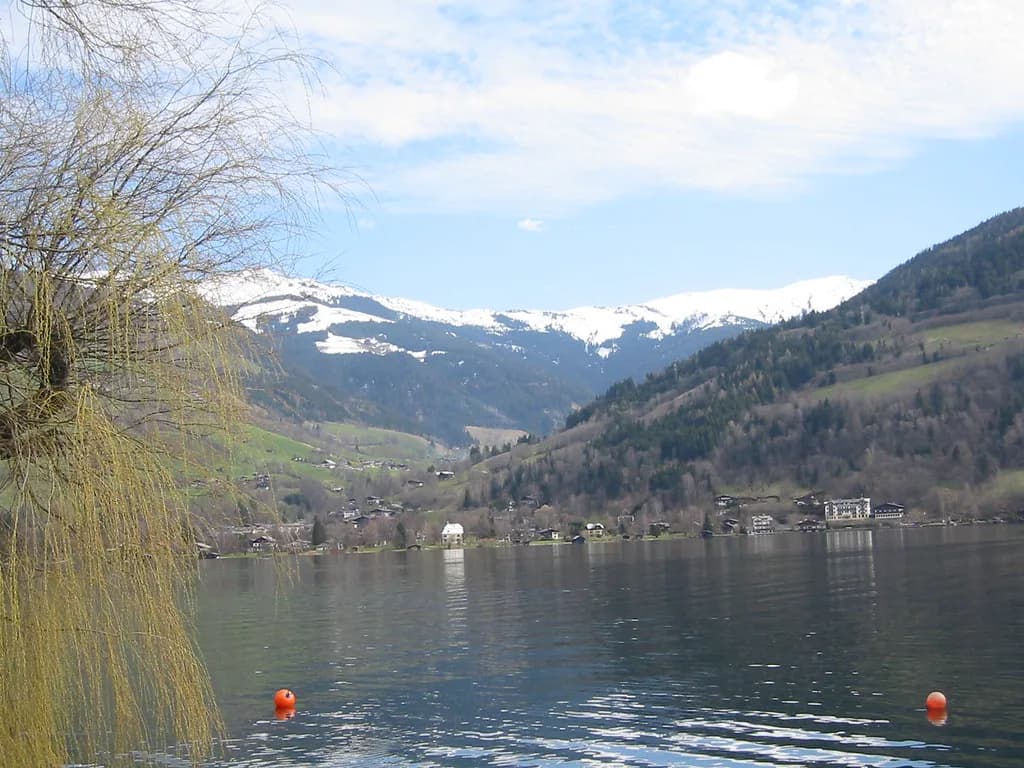
Zell am See sits in SalzburgerLand with the lake on one side and the Schmittenhöhe rising directly above the town, which makes orientation easy: the town centre, the three Schmittenhöhe access points and the bus stops are all within a short walk of each other. Kaprun lies a few kilometres up the valley toward the Kitzsteinhorn, connected by bus or a short drive.
Most visitors arrive by train or car via Salzburg, then transfer by bus, taxi or hire car. Train arrival at Zell am See station drops you in the town itself, a genuine advantage over car-dependent resorts, and local buses cover the run to Kaprun. Check current timetable details closer to your travel date rather than relying on a plan made months earlier.
Book accommodation near a lift station or a bus stop rather than in the outer outskirts. On a first trip you will make that journey twice a day with boots and skis or with children, and proximity is worth more than a larger room half a kilometre uphill.
A Sample First Three Days
Day one belongs on the Schmittenhöhe. Meet your instructor, stay on the family pistes, and finish with a run through Schmidolin's Dragon Park or the kid's slope if you are skiing with children. Resist the temptation to tour the mountain; two or three groomed runs repeated until they feel natural beats ten different pistes.
Day two builds on the same terrain, adding a slightly longer blue and a lunch stop at a mountain hut. This is the day to check your ski depot routine and boot comfort, and to decide whether you want to spend one day on the glacier later in the week. If your legs are suffering, an afternoon off is not wasted time.
Day three is the optional glacier day: bus to Kaprun, up on the Maiskogelbahn, ski the gentler Maiskogel slopes in the morning, and ride higher only if the conditions and your confidence allow. Keep it short and finish early, since the altitude and cold take more out of you than the vertical metres suggest.
Common Beginner Mistakes in Zell am See
The first mistake is buying the biggest pass on day one. Beginners rarely ski enough terrain in a week to justify three regions, and the free bus inclusion only matters if you actually travel between villages. Buy a pass that matches your plans, and upgrade later if you want more.
The second is skiing too late in the day on tired legs. Accidents cluster in the final hour, so plan to stop when your form slips rather than when the lifts close. On the Schmittenhöhe, that often means downloading rather than skiing the last run into the valley.
The third is ignoring the difference between the two bases. Visitors who assume Kaprun and Zell am See are interchangeable end up losing mornings to buses. Decide which mountain is your priority, pick the base to match, and treat the other as a day trip.
Plan Your First Zell am See Ski Week
Zell am See earns its place as a first-ski destination on the strength of one sector rather than the whole resort. Base yourself on the Schmittenhöhe, use the wide family pistes and children's areas to build confidence, and treat the Maiskogel as your step up once turns feel reliable. The glacier is the reason to come early or late in the season, not the reason to come as a beginner.
Book lessons and hire before you travel, decide your pass product once you know which mountains you will actually ski, and sort out a ski depot at your nearest valley station. Those three decisions remove most of the friction from a first week, and leave you with the part that matters: time on snow.
Frequently Asked Questions
Is Zell am See good for beginner skiers?
Yes. The Schmittenhöhe above Zell am See is the beginner sector, with 77 kilometres of pistes including wide groomed family runs, a children's area, Schmidolin's Dragon Park and a kid's slope. The Maiskogel above Kaprun adds gentle family terrain. The resort is less forgiving for beginners who wander onto the steep valley runs, so plan descents via the family pistes or download by lift.
Do beginners need the full Ski ALPIN CARD in Zell am See?
Usually not for a first week. The Ski ALPIN CARD covers the Schmittenhöhe, the Kitzsteinhorn and Maiskogel, and the Skicircus, with free ski buses between the named villages. If you plan to stay on one mountain, a local pass is the simpler buy. Choose the full card if you intend to ski Kaprun's glacier, cross into the Skicircus, or use the buses regularly.
Is Zell am See or Kaprun better for beginners?
Zell am See is the better base for most first-timers, because the Schmittenhöhe's beginner terrain is directly above town and the town itself is walkable. Kaprun is closer to the Maiskogel and the Kitzsteinhorn glacier, which suits a group wanting high-altitude skiing or a longer season. The two villages are a short bus ride apart, so either base can reach both.
How long is the ski season in Zell am See?
The Kitzsteinhorn glacier has the longest season: its 2026/27 winter was planned to run from 10 October 2026 to 17 May 2027, depending on weather and snow conditions. The Schmittenhöhe follows the conventional alpine winter rather than the glacier calendar. Check the resort's own winter pages for current lift and run status in the week you plan to travel.
How many kilometres of pistes are in Zell am See?
The Schmittenhöhe has 77 kilometres of pistes, the Kitzsteinhorn including the Maiskogel has 61 kilometres, and the Skicircus Saalbach Hinterglemm Leogang Fieberbrunn has 270 kilometres. Combined under the Ski ALPIN CARD the three regions offer up to 408 kilometres of pistes and 121 lifts. Beginners will use a small fraction of that.
Can you ski in Zell am See in December?
Yes. Peak-season ticket periods on the ALPIN CARD ran from 19 December 2026 to 12 March 2027, and the days before Christmas fell in the winter start window from 27 November 2026. The Schmittenhöhe's snow cover in early December varies by year, so check which lifts and runs are open for your dates before booking accommodation.
How do you get to Zell am See?
Most visitors arrive by train or car via Salzburg. Zell am See station is in the town itself, within walking distance of the Schmittenhöhe access points, and local buses connect the town to Kaprun and the Kitzsteinhorn. Book accommodation near a lift or bus stop, and check current timetables with the regional transport operator closer to your travel date.
Is Zell am See expensive for a ski holiday?
Lift passes, lessons and hire are priced separately, and beginners often over-spend on a three-region pass they do not use. Pass prices are published in the official online shop before the season, and lesson and hire prices come from individual ski schools and sports shops. Compare a local pass with the full ALPIN CARD before committing.
Sources
Useful notes for your next ski trip
Optional updates to our Alpine resort guides.
You might also like
Continue reading
More guides you'll find useful