Zell am See Ski Season Guide: Dates, Snow and Pass Coverage
Zell am See's season starts early on the Kitzsteinhorn glacier and runs into late spring, while Schmittenhöhe and Skicircus dates differ.
On this page
Skiing around Zell am See is a regional skiing decision rather than a single resort season. The Kitzsteinhorn glacier above Kaprun is scheduled to open in mid-October, while the Schmittenhöhe above Zell am See and the Skicircus across the valley traditionally run a shorter, lower winter window. If you want the broadest picture of how the area fits together, the wider Zell am See skiing guide sets the context.
That distinction decides when to book. If your dates fall outside the conventional December-to-April school-holiday period, the glacier is usually the only realistic option, and a Ski ALPIN CARD still gives access to it. If your dates sit inside the main winter, Schmittenhöhe and the Skicircus become the everyday base.
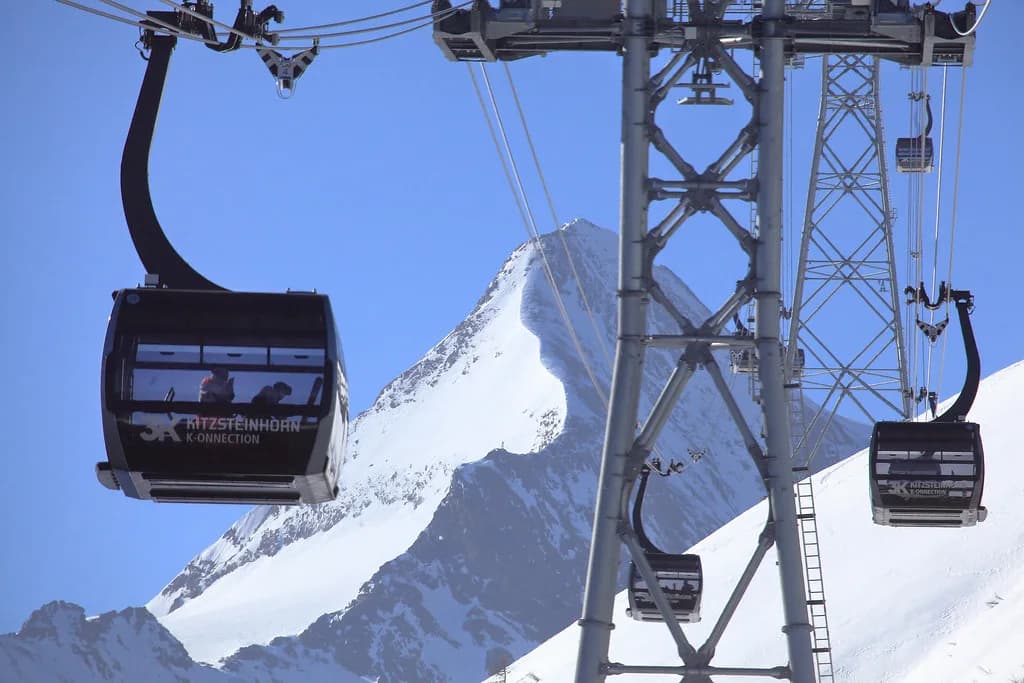
Kitzsteinhorn: The Long Planned Glacier Window
The official Zell am See-Kaprun tourism board publishes a planned winter 2026/27 season for the Kitzsteinhorn of 10 October 2026 to 17 May 2027, subject to weather and snow conditions. For the glacier side of the valley in more detail, see these Kaprun ski season dates. The same source also notes that skiing starts in autumn on the glacier and can extend into early summer depending on snow. You should read those dates as a planning window, not a contract: the tourism board is explicit that the schedule depends on conditions.
Early October and mid-May are the two ends most worth planning around, because at that time of year the glacier's altitude is doing the work. The rest of the area is generally not open in the same way outside the core winter months. If you are building a trip around a marginal date, confirm which lifts are scheduled and whether the glacier sector is expected to be running before committing.
Schmittenhöhe and the Ski ALPIN CARD Season Context
Zell am See's local mountain is the Schmittenhöhe, and it sits within the Ski ALPIN CARD alongside the Kitzsteinhorn and Maiskogel in Kaprun and the Skicircus Saalbach Hinterglemm Leogang Fieberbrunn. The tourism board combines these into one ticket covering 408 kilometres of pistes and 121 cable cars and lifts. That means a pass purchased for the main winter can move between sectors as long as each is open.
What the tourism board has not published in the same format is a separate confirmed Schmittenhöhe-only opening or closing date for 2026/27. The operational takeaway is to treat the glacier window as the anchor and to check the Schmittenhöhe and Skicircus schedules directly with their lift companies as the season approaches. If your trip is strictly a lower-valley plan, do not assume it matches the glacier's calendar.
What 408 Kilometres and 121 Lifts Actually Change
The piste and lift totals matter less than their distribution. The Skicircus supplies the largest share of the cruising terrain, the Schmittenhöhe provides the local Zell am See base, and the Kitzsteinhorn adds the high-alpine sector. Early or late in the season, the open terrain is not evenly split; most of the area is only realistically skiable in the core winter.
Pass scope also affects which sectors are available on a given day. A single day pass sold only for Zell am See is a different product from a longer pass that automatically includes the wider Ski ALPIN CARD network, as the Ski Club of Great Britain notes. If you plan to move between sectors, check the pass length rather than presume access.
Choosing Between the Glacier, Schmittenhöhe and Skicircus
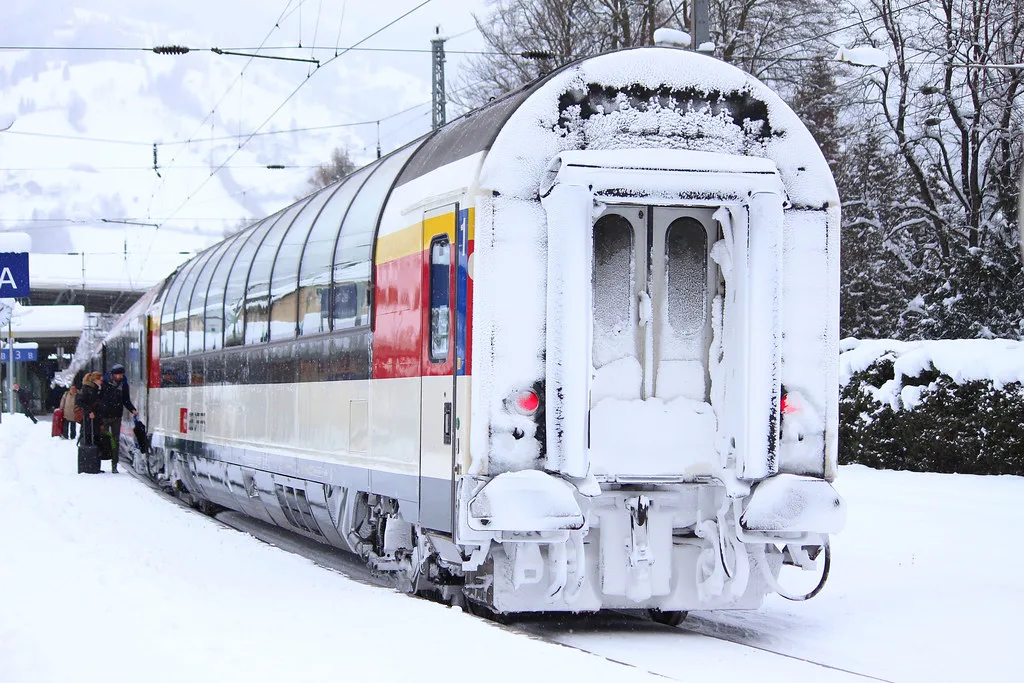
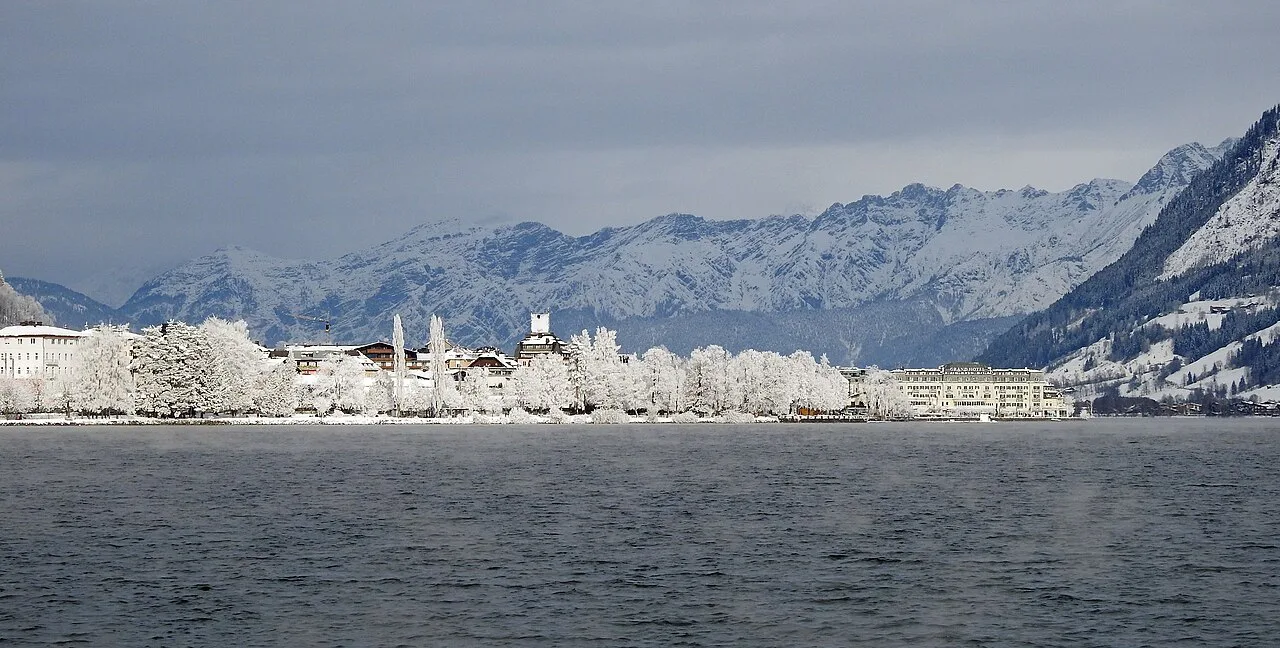
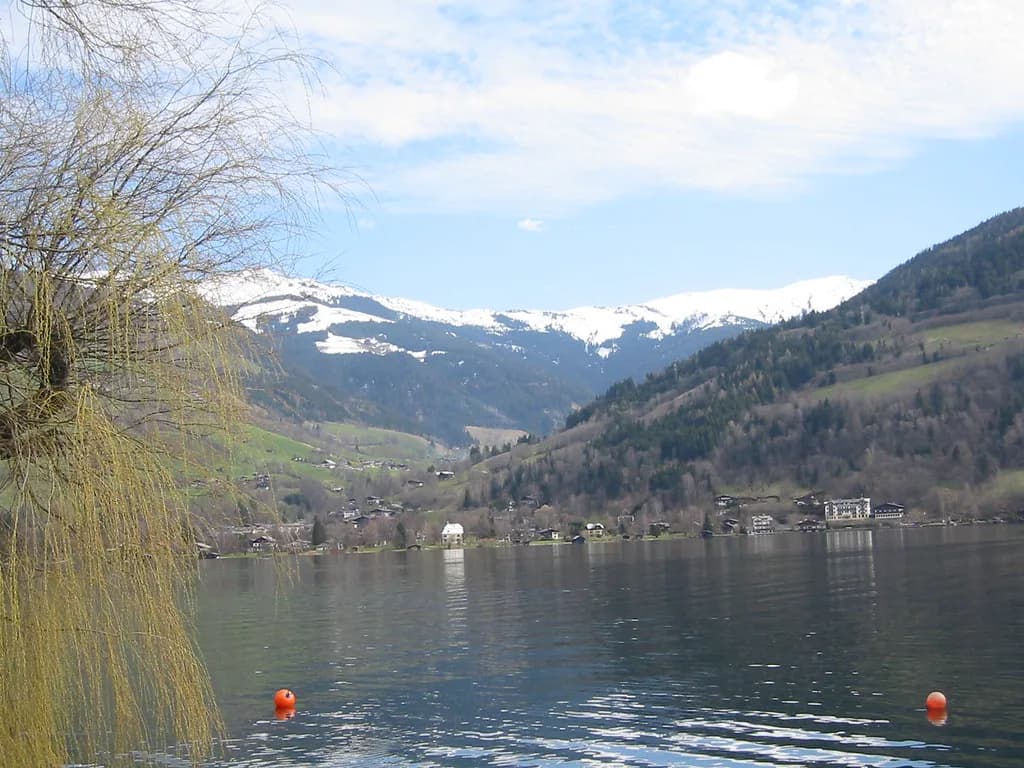
Think of Zell am See-Kaprun as two bases with different risk profiles. The glacier side above Kaprun is high and reliable in the marginal weeks; the Zell am See side is lower, closer to Lake Zell, and better suited to shorter travel days and to weeks when the lower slopes are in condition. The Skicircus is a further step out and effectively a separate resort area joined by pass.
Where it gets practical is the calendar. If your dates are locked to a school holiday or a family window, the Schmittenhöhe and Skicircus are the sectors you will spend most time in. If your dates are flexible, the glacier window gives you the option of skiing well outside the conventional winter. Decide which of those two descriptions fits your trip before checking availability.
Season Dates Versus Daily Hours and Snow Reports
A published season opening is not the same as full daily operation. The season window tells you when the lift companies intend the lifts to be broadly available; daily lift hours, sector openings and live snow reports are separate, changeable information. If you are travelling in the first or last weeks of the window, expect a reduced lift network and look up what is running the day before.
Snow reports are also not the season. A good or bad week in January tells you nothing definitive about May conditions on the glacier, and historical snow statistics are records rather than forecasts. Use the season window to plan the trip and the ski pass to decide coverage, and use the reports only for short-term decisions.
A Practical Planning Sequence
Work backwards from your dates. First, decide whether you need the glacier because your dates fall outside the core winter or because you specifically want the high sector. Second, confirm which sectors are scheduled to be open, remembering that the glacier's early-autumn and late-spring opening is not a region-wide opening. Third, match the pass length to the sectors you intend to use.
Then check the small print that decides day-to-day flexibility: pass coverage, whether your dates include a peak-period rate, and whether you need equipment. On that last point, booking ski hire in advance is the same season-length decision applied to gear, since the busiest weeks are the ones with the tightest supply. Do not treat any part of the season as guaranteed.
Plan Around the Right Mountain
The Zell am See ski season is best understood as overlapping calendars rather than one opening date. The Kitzsteinhorn is scheduled for a long, altitude-supported window starting in mid-October and ending in mid-May, while Schmittenhöhe and the Skicircus follow the more conventional winter pattern. Book to the correct mountain for your dates and you avoid the most common planning error in this region.
Frequently Asked Questions
When does the Zell am See ski season start?
There is no single start date for the region. The Kitzsteinhorn glacier above Kaprun is scheduled to open first, in mid-October, while the Schmittenhöhe and Skicircus generally begin later in the winter. Check the operating lift company for the sector you plan to ski.
Does the whole Zell am See area open in October?
No. The early-autumn start applies to the Kitzsteinhorn glacier side, which can operate from October depending on snow and weather. The lower Schmittenhöhe and the wider Skicircus network follow their own winter schedules, so do not assume the whole area is open in early autumn.
Is the Kitzsteinhorn season guaranteed?
No. The tourism board publishes a planned winter window for the glacier but explicitly states that it depends on weather and snow conditions. Treat the published dates as a planning window, especially if you plan travel around the very start or end of the season.
Do season dates tell me which lifts will run each day?
Not by themselves. A season window describes when the area is intended to be broadly available, but daily lift hours and individual sector openings vary. Expect a reduced network in the first and last weeks of the season, and check lift status near your travel date.
Sources
Useful notes for your next ski trip
Optional updates to our Alpine resort guides.
You might also like
Continue reading
More guides you'll find useful