
Val Thorens Ski Season: Dates, Snow Record and When to Book
Val Thorens opens earlier than any major Alpine resort and skis until early May. Check the published dates, sector opening order and when to book.
On this page
Val Thorens sits at the head of the Belleville valley at 2,300m, and that altitude is why its season runs longer than almost anything else in France. The resort and its Orelle link typically open in late November and keep going into early May, while the wider Three Valleys network switches on a couple of weeks later and closes a couple of weeks earlier. Getting those two calendars straight is the single most useful thing you can do before booking, and the Val Thorens ski guide covers the terrain and resort layout in more detail.
This guide walks through the published 2026/27 plans, what each part of the season actually feels like on the mountain, how lift hours shape a ski day, and when to book lessons and equipment around your dates. It does not promise specific snow conditions on specific weeks; it gives you the structure to plan against.
Quick Answer: When the Val Thorens Ski Season Starts and Ends
For winter 2026/27, the Val Thorens–Orelle ski area is scheduled to open on 21 November 2026 and to stay open continuously until 2 May 2027. That is more than five months of lift-served skiing from the resort itself, before you count anything in the rest of the Three Valleys.
The linked Three Valleys area, which brings in Courchevel, Méribel, Les Menuires and Saint-Martin-de-Belleville, is published as opening on 5 December 2026 and closing on 18 April 2027. So there is a window of roughly two weeks at the start of the season and about a fortnight at the end when Val Thorens works but the full 600km network does not. If you want another high-altitude resort with a similarly long season, compare the Alpe d'Huez ski season dates.
Treat both sets of dates as plans rather than contracts. Opening and closing decisions depend on snow cover and lift preparation, and a reduced local area can operate in the opening days. Live lift status and snow information on the resort's own pages are the places to confirm what is actually turning on your arrival date.
Val Thorens vs the Rest of Les 3 Vallées: Two Calendars, Not One
The distinction matters most at the edges of the season. If you book a late-November trip expecting to ski from Val Thorens across into Méribel, you will probably be disappointed, because the Méribel and Courchevel lifts are not scheduled until early December. What you get instead is the Val Thorens–Orelle sector on its own, which is still substantial high-altitude terrain.
The same logic applies in reverse in April. The main Three Valleys network closes around 18 April, but Val Thorens and Orelle keep going until 2 May. A spring trip in that final fortnight is a Val Thorens-only proposition rather than a 600km tour, and you should plan your days accordingly rather than budgeting on long traverses towards Courchevel.
For the middle of the season, from early December through mid-April, the two calendars align and you can treat the whole Three Valleys as one lift pass and one ski area. This is when the resort's position as a gateway to the largest linked area in the world pays off most clearly.
How the Published 2026/27 Dates Break Down
The winter 2026/27 calendars, as published, give the Val Thorens lift company a two-week head start on the season and a two-week extension at the end. The Val Thorens and Orelle lifts run 21 November 2026 to 2 May 2027, while the Three Valleys linked area runs 5 December 2026 to 18 April 2027, with the resort's own page confirming the same early opening and long closing.
Within the wider network the starts stagger a little. Courchevel's lifts are listed from 4 December 2026, Méribel and Brides-les-Bains from 5 December, and Brides-les-Bains gains an extra week at the front so it now matches Méribel. These small differences rarely affect a holiday booked for the middle of December or later, but they do matter if you are chasing the first week of the season.
Note too that the published plans describe lift operations, not piste conditions. Early-season opening can come with a limited number of runs and snowmaking-dependent lower slopes, and late-season closing can mean spring snow that softens through the day. Neither is a reason to avoid those weeks, but both should shape where you stay and what you expect.
Skiing Before Christmas: What Late November and Early December Really Deliver
A late-November or early-December trip to Val Thorens is a high-altitude bet rather than a full-area holiday. The resort's snow front and the upper sectors are where you will spend your time, and the value is in quieter lifts, cheaper accommodation and the chance to shake off summer before the crowds arrive.
The Three Valleys link opening in early December is the point at which the trip changes character. Before that, you are effectively skiing one resort's terrain; after it, the day-trip options to Méribel and Courchevel come into play and the ski pass suddenly covers far more ground. If your dates straddle that week, plan the first days locally and save the long traverses for later in the stay.
Beginners should be cautious about the very earliest weeks. The dedicated learning zones and beginner lifts are not all guaranteed from day one, and a short opening window can mean fewer easy runs available while the resort builds cover. A trip in the second half of December is a safer bet for a first-time skier.
January to Mid-April: The Full 600km Three Valleys Network in Play
Once the linked area is running, Val Thorens becomes one of the best-value bases in the Three Valleys because you ski out at altitude and can reach the rest of the network without a bus. The 600km figure covers pistes across Courchevel, Méribel, Les Menuires, Saint-Martin-de-Belleville, Val Thorens and Orelle, and the resort's own layout puts you at the top of the system rather than on its edge.
January and the weeks after the February half-term are the sweet spots for anyone prioritising lift queues over fresh snow. The network is fully staffed, the ski schools are in full flow and the days are lengthening noticeably by late February. The trade-off is that low-light and cold snaps are more common in January than in March.
March and early April are the classic spring window, with longer days and warmer afternoons on south-facing slopes. This is also when the February lift-hours extension is long gone, so plan your last descent earlier than you might in midwinter. The full area remains open until 18 April 2027 under the published plan.
Late Season: Why Val Thorens Skis Into May
The resort's altitude is the reason it can stay open into May when most French resorts have shut. Val Thorens sits at 2,300m, with the upper lifts reaching well above that, so the snowpack lasts longer and the resort can keep a meaningful lift-served product running for a fortnight after the Three Valleys link closes.
A May trip is a different animal from a January one. Expect softer snow, later starts, and a focus on the upper mountain rather than the runs back to resort. It suits confident intermediates and advanced skiers who want long, warm days and empty pistes, and it is a poor fit for a family looking for a full beginner programme or a busy resort atmosphere.
Late-season visitors should also check what is still operating before booking accommodation. The resort's published closing date is a lift-company plan, and individual lifts, restaurants and ski schools may wind down earlier in the final week. The resort's live pages are the right place to confirm what is running close to your dates.
Where the Seasons Sit by Altitude: High Bowls and the Valley Return
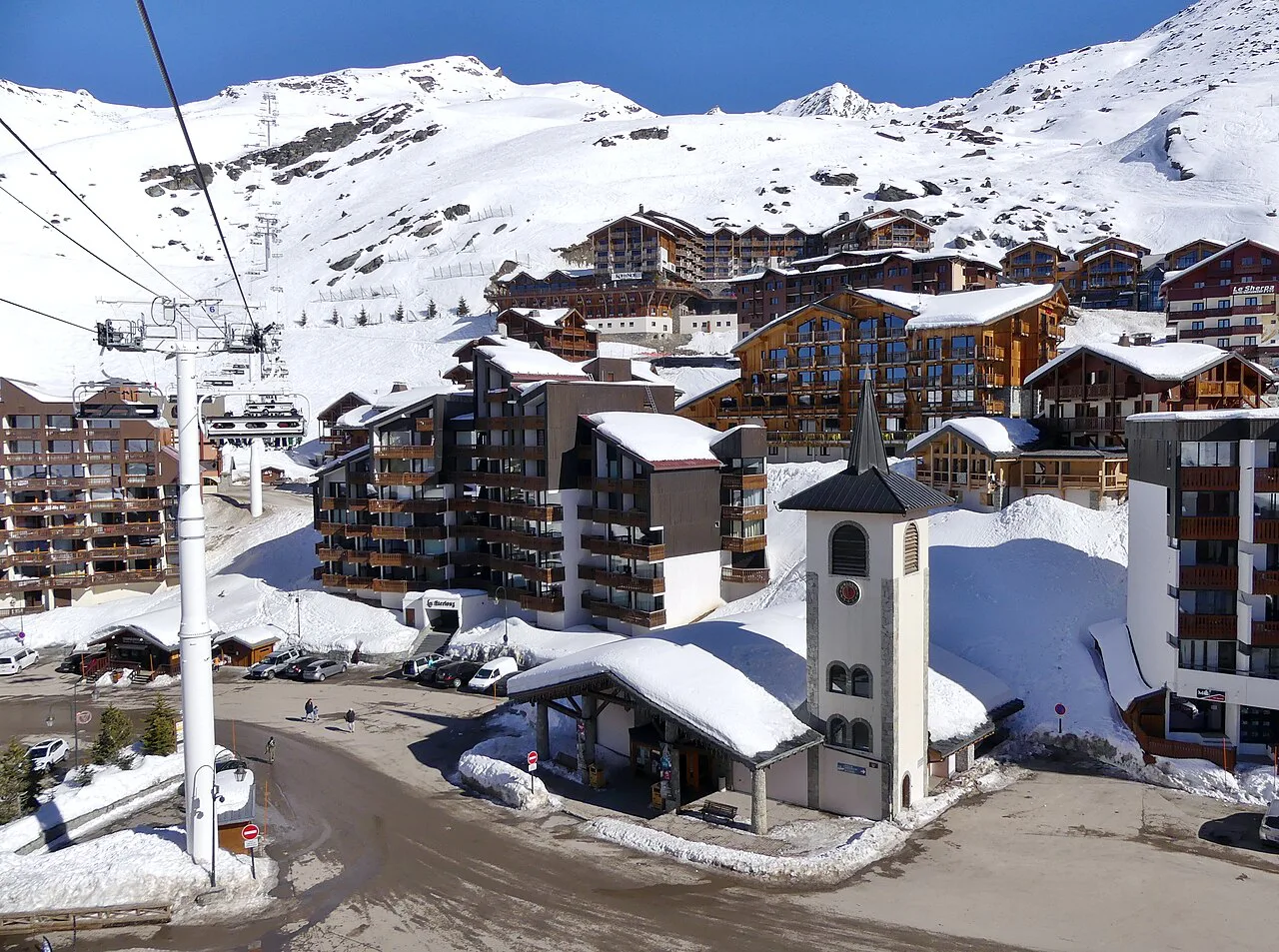
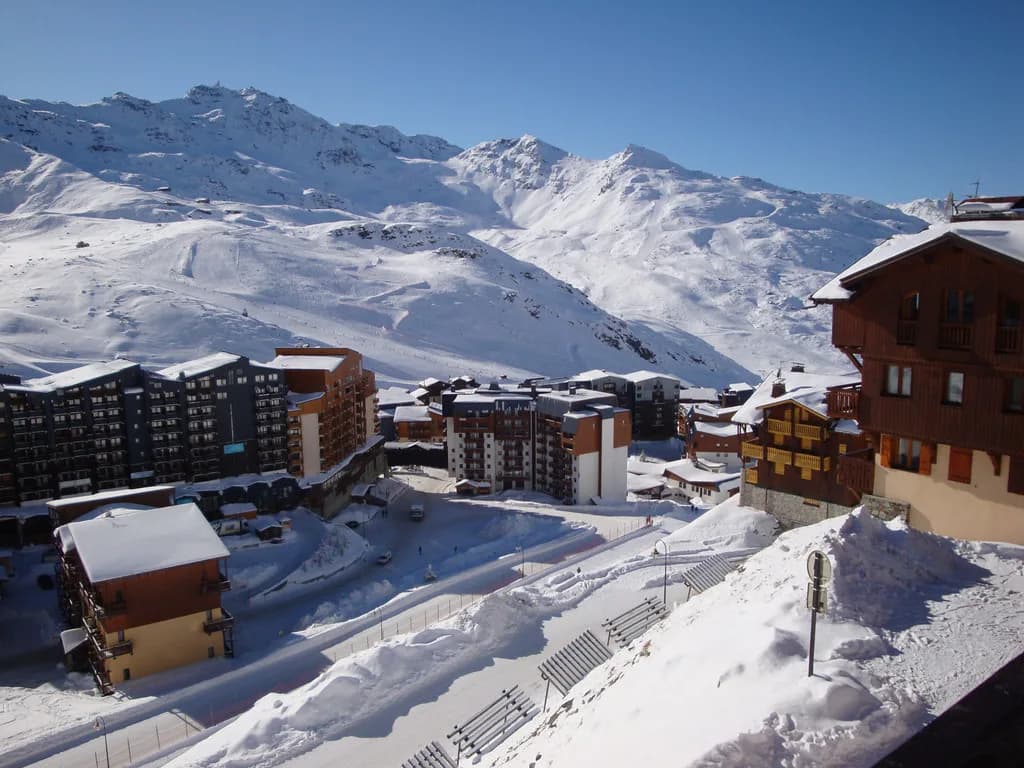
Val Thorens is arranged so that most accommodation sits at or near the snow front, which means you can click into skis at the door rather than riding a gondola up from a lower village. That layout is a real advantage in the early and late weeks, when you want to maximise time on the upper mountain and minimise faff.
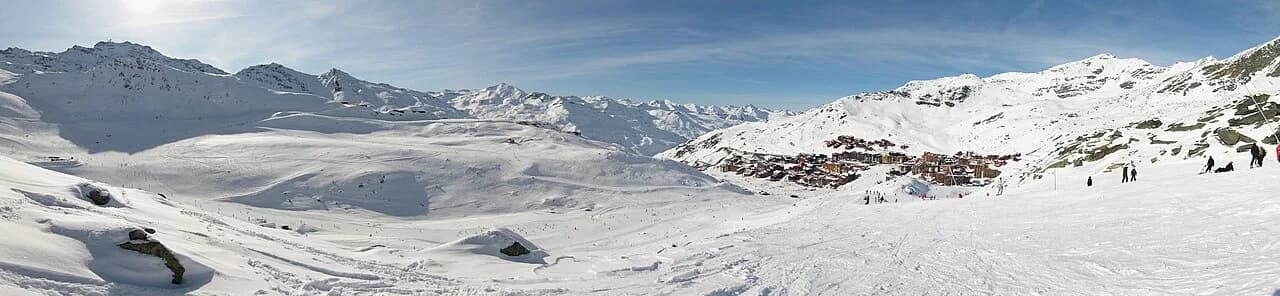
The terrain above the resort opens up into high bowls and wide, open slopes, with the Cime Caron and Péclet sectors providing the sort of altitude that holds snow late into the spring. Lower down, the runs back towards Les Menuires and the valley are the first to suffer in a warm spell, so plan your return before the afternoon sun softens things too much.
That vertical arrangement makes it easy to structure a day: start high, work your way down through the middle sectors, and time your final descent so you are not on a slushy lower run at the warmest part of the afternoon. In January the same logic applies in reverse, with the lowest runs the coldest and often the iciest.
Lift Hours and How the Day Is Shaped
Lifts on the Val Thorens side generally open around 09:00 and begin closing from about 16:20, with the exact time varying by lift, and from February onwards the closing times move roughly half an hour later. Individual lift stations post their own last-descent times, so look for the posted time at the station itself.
The practical effect is that a long traverse towards Courchevel needs an early start, and a late lunch at a mountain restaurant costs you more of the afternoon in December than in March. If your group splits between fast and slow skiers, agree a meeting point and a hard turn-around time so nobody is racing a closing lift.
Off the snow, the resort's layout means you can walk to most of the bars, shops and hire outlets from the main accommodation blocks, which makes a late finish far less stressful than in resorts spread across several villages. Parking and free shuttle information is published locally if you are arriving by car.
Snow Reliability and What Snowmaking Covers
Val Thorens benefits from altitude and a north-facing aspect in much of its terrain, which is why its snow record is stronger than most resorts at comparable latitude. Snowmaking backs this up on key runs and links, and recent investment across the Three Valleys has extended coverage on lower connecting pistes, including the Niverolle run in the Méribel-Mottaret sector and the green Truite link towards Méribel.
For planning, the implication is that the resort's core terrain is usually skiable from opening to closing, but the lower links to other valleys are more variable in the shoulder weeks. If your trip is in late November or late April, expect to spend most of your time on the upper mountain and treat long valley traverses as a bonus rather than a plan.
Which Abilities Get the Most From Each Window
Beginners get the most out of January, February and March, when the full resort is running, beginner areas are fully staffed, and the snow is at its most forgiving. Early December and late April are both more marginal for a first ski holiday, because the range of easy runs on offer can be narrower and the weather more changeable.
Intermediates and advanced skiers should target the full-network weeks from mid-December to mid-April, when the Three Valleys link gives access to the long traverses and the more demanding terrain around Courchevel and Méribel. The early and late windows still work, but they reward skiers who are happy to stay local and repeat the best of the Val Thorens terrain.
Freeriders and ski tourers should look at the spring weeks, when the high bowls hold snow and the days are long enough for bigger objectives. The resort has added a marked ski touring route in the Orelle sector with around 650m of ascent and roughly two and a half hours of effort, which gives a sense of what is on offer away from the pistes.

Ski Schools and Hire: Booking Around Your Dates
Book ski lessons as soon as your dates are fixed, especially for the February half-term weeks and the Christmas period, when group courses and private instructors fill up first. Outside those peak weeks you have more flexibility, but the best-known schools still get busy and a late booking can mean an awkward timetable that eats into your ski day.
Ski and snowboard hire works on a similar logic. Booking online before you travel usually gives you a wider choice of equipment and less time lost in a shop queue on arrival day, and the resort publishes a list of rental outlets if you prefer to compare in resort. Early-season and late-season visitors should confirm the shop's opening dates alongside the lift dates, and the Val Thorens ski hire pages set out named branches to compare.
If you are travelling with children, line up lessons and hire together so that the morning drop-off and collection points are close to each other. The resort's compact layout makes this easier than in spread-out villages, but a little planning still saves a lot of walking in ski boots.
Getting There in Winter: Road Access, Parking and Transfers
Val Thorens is reached by road up the Belleville valley, and the final climb from Moûtiers is the part most affected by winter weather. Snow chains or winter tyres are a sensible precaution for anyone driving in the colder months, and the resort publishes road status information that is worth checking on the morning of your arrival rather than the week before.
Most UK skiers arrive by train to Moûtiers or by air into one of the regional airports and then take a transfer up the valley. The resort runs free shuttles around the village, which reduces the need for a car once you are there, and parking is available for those who do drive. Book transfers in advance during peak weeks, when demand is highest.
Arriving on a Saturday in February or during the school holidays means sharing the road and the resort with a lot of other people. If you have flexibility, midweek arrivals and departures make the journey and the first morning noticeably easier, and they often come with better availability on accommodation.
Lift Passes: Seasonal Products vs Day Passes
The main decision for most visitors is whether to buy a Val Thorens-only pass or a full Three Valleys pass. A local pass makes sense in the early and late weeks when the link is closed, and for anyone who plans to stay on the resort's own terrain. A full-area pass pays off when you intend to make day trips towards Méribel and Courchevel, which is exactly what the middle of the season is for.
For a week-long trip in the full-network window, a six-day full-area pass is the default choice for confident skiers, while families with young children often do better on a local pass and a lighter schedule. Season passes and multi-week products only make sense if you are skiing well beyond a single holiday, so compare the number of days you will actually ski before committing.
Prices change each season, and the resort publishes current rates and point-of-sale options through its own booking service and lift-pass pages. Check the official site for the current tariff before you budget, and buy before you travel if you want to avoid the morning queue at the lift-pass office.
Where to Stay for Different Parts of the Season
For early-season and late-season trips, prioritise accommodation close to the snow front and the main lifts. In late November you want to be on the first uplift without a walk, and in late April you want to be near the lifts that are still running rather than at the edge of a half-closed village.
In peak season the resort's compact layout means almost everywhere is convenient, so the deciding factors become price, noise and proximity to the ski school meeting points. Apartments in the centre suit groups who want to walk to bars and restaurants, while the quieter edges of the village suit families who value an early night.
Book accommodation and lift passes together through the resort's reservation service if you want a single package, or separately if you have a specific apartment or hotel in mind. Either way, the Christmas and February weeks are the ones that sell out first, so sort those dates before anything else.
Plan Your Visit
The Val Thorens ski season runs from a published opening in late November to a published closing in early May, with the full Three Valleys network available from early December to mid-April. Plan your trip around which of those two calendars applies to your dates, and the rest of the decisions fall into place.
Book lessons, hire and accommodation early if you are travelling in the Christmas or February weeks, and choose a local pass for the shoulder weeks and a full-area pass for the middle of the season. Check current lift-pass prices and confirm the season dates on the official resort pages before you commit.
Frequently Asked Questions
What date does Val Thorens close?
Under the published 2026/27 plan, the Val Thorens–Orelle ski area closes on 2 May 2027, while the wider Three Valleys linked area closes earlier, on 18 April 2027. The final fortnight is therefore a Val Thorens-only proposition, so plan your days on the local terrain rather than on long traverses. Confirm the current dates on the resort's official pages before booking.
Is December too early for skiing in Val Thorens?
Not too early, but early December is a partial experience. Val Thorens usually opens in late November, while the Three Valleys link does not switch on until early December, so the first week or two of the month are best treated as a local-terrain trip. From mid-December the full network is normally in play.
Can you ski in Val Thorens in May?
Yes, in most years the resort plans to stay open until early May, which is later than almost any other French resort. Expect spring snow, a focus on the upper mountain and a quieter village. Check which lifts and facilities are still running close to your dates, because some wind down before the official closing day.
When does the full Three Valleys ski area open?
The linked Three Valleys area is published as opening on 5 December 2026, with Courchevel lifts from 4 December and Méribel and Brides-les-Bains from 5 December. Until then, you can usually ski the Val Thorens–Orelle sector, which opens earlier in late November.
Do the Val Thorens lifts run all day?
Lifts generally open around 09:00 and begin closing from about 16:20, with exact times varying by lift and a roughly half-hour extension from February onwards. Individual lift stations post their own last-descent times, so check those if you are planning a long traverse or a late run.
Is Val Thorens good for beginners early in the season?
Beginners do better once the full resort is running, from mid-December onwards, when the learning areas are staffed and more easy runs are open. The very first weeks can mean a narrower choice of beginner terrain, so a first-time skier is safer booking later in December or in January.
How far ahead should I book a Val Thorens ski trip?
For Christmas, New Year and the February half-term weeks, book accommodation, lessons and hire several months ahead, because those dates fill first. Outside peak weeks you have more flexibility, but booking lessons and equipment before you travel still gives you a better choice and a smoother arrival day.
Sources
Useful notes for your next ski trip
Optional updates to our Alpine resort guides.
You might also like
Continue reading
More guides you'll find useful
.JPG)
