Val Thorens Ski Hire: Where to Rent and How to Book
Plan Val Thorens ski hire with confidence: shop locations by resort zone, gear for the terrain, and when to book before a 600km ski week.
On this page
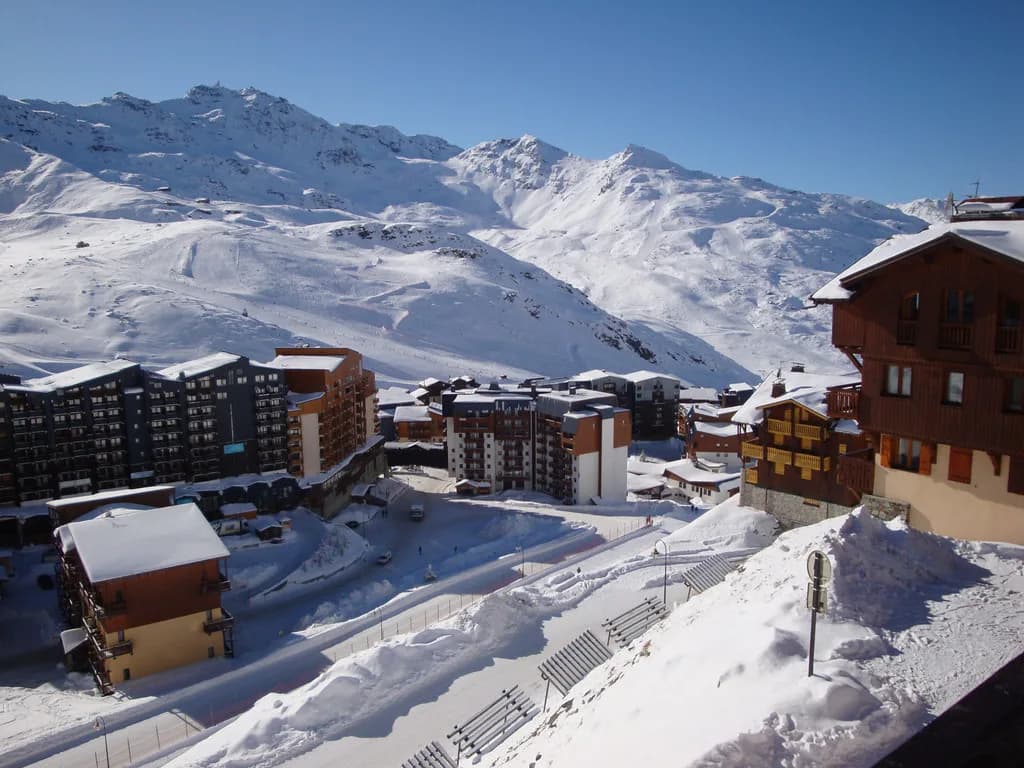
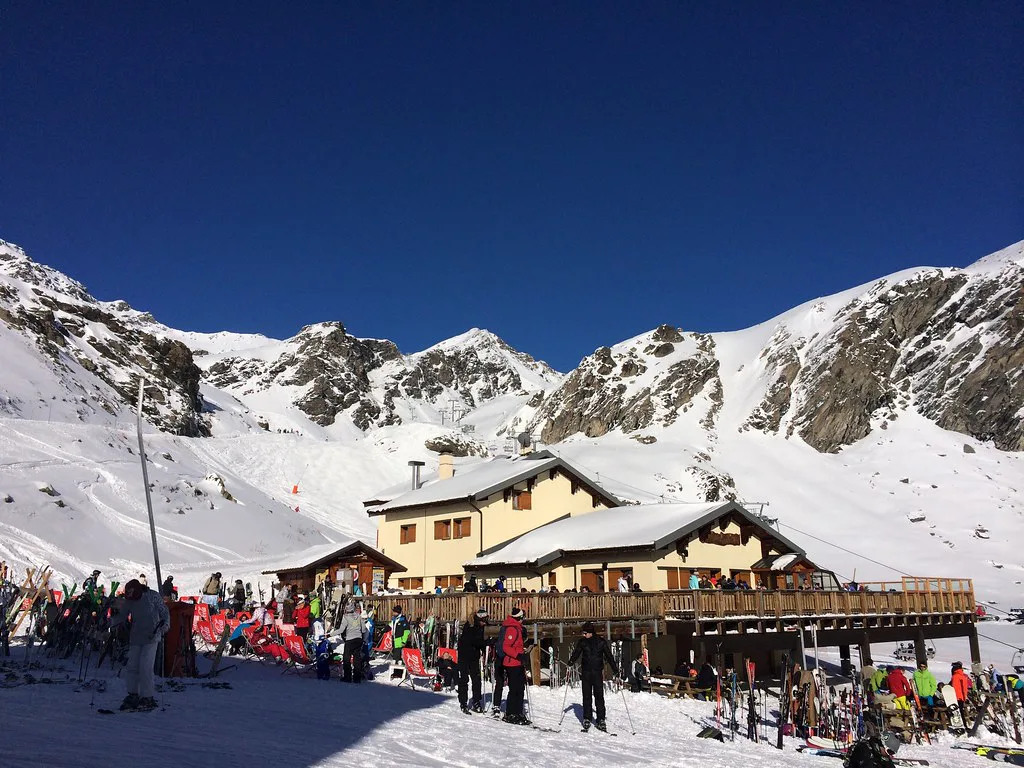
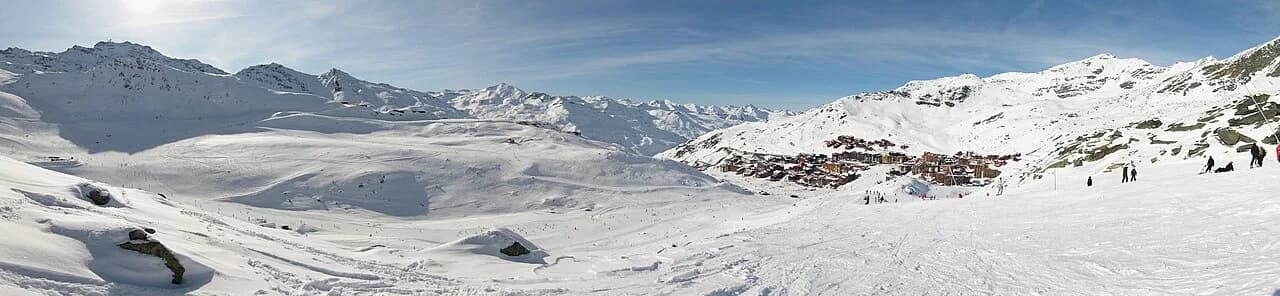
Val Thorens is a ski-in/ski-out resort at roughly 2,300m, and its compact layout means most accommodation opens almost onto the slopes. That changes how you should think about ski hire: the shop nearest your building usually matters more than the shop nearest the main lift, because you will carry gear on foot only a short way.
The local area offers 150km of pistes, and lifts connect directly into the wider Les 3 Vallées network with 600km of slopes. If you plan to use that link, tell the shop you want gear that works beyond the Val Thorens sector rather than a basic local setup.
Why Val Thorens Changes the Rental Calculation
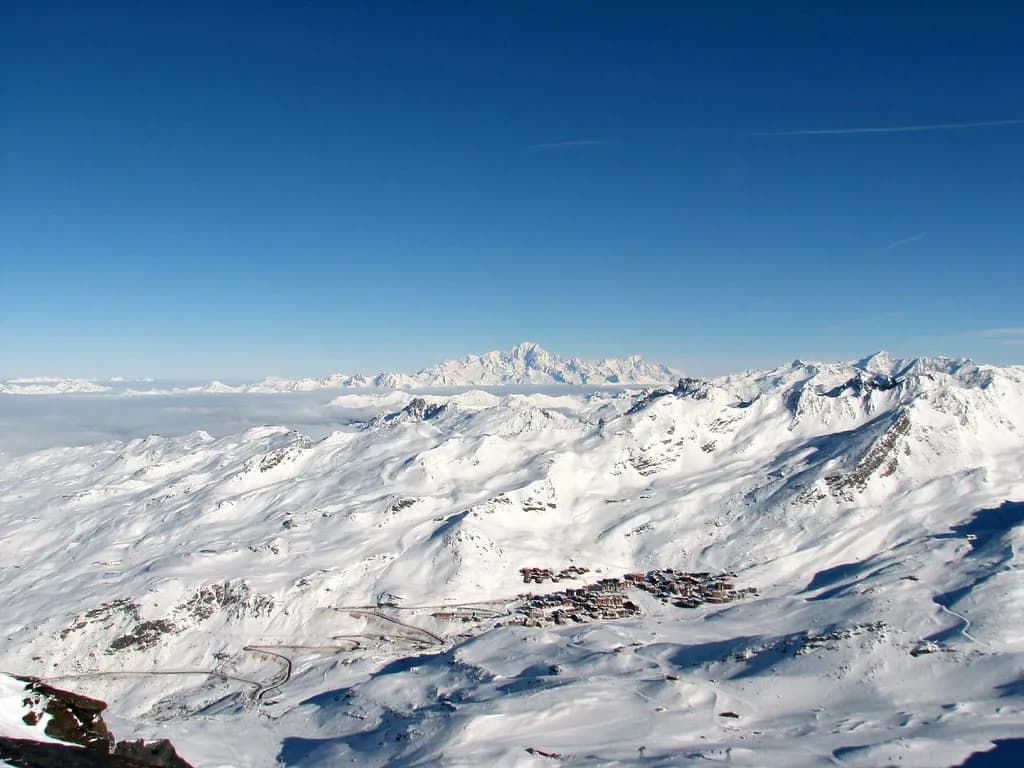
Altitude is the defining fact here. Val Thorens sits at around 2,300m, its local slopes are mostly above 2,000m, and the ski area reaches up to 3,230m. Snow cover typically lasts from late November until early May, which means the popular weeks are long and demand for common boot and ski sizes builds early.
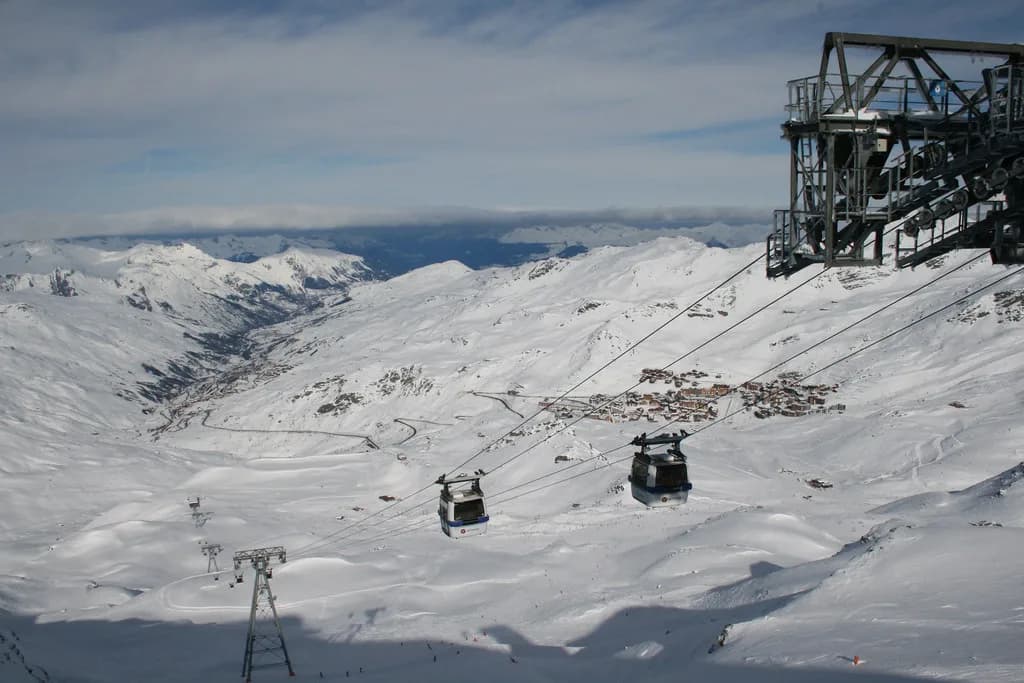
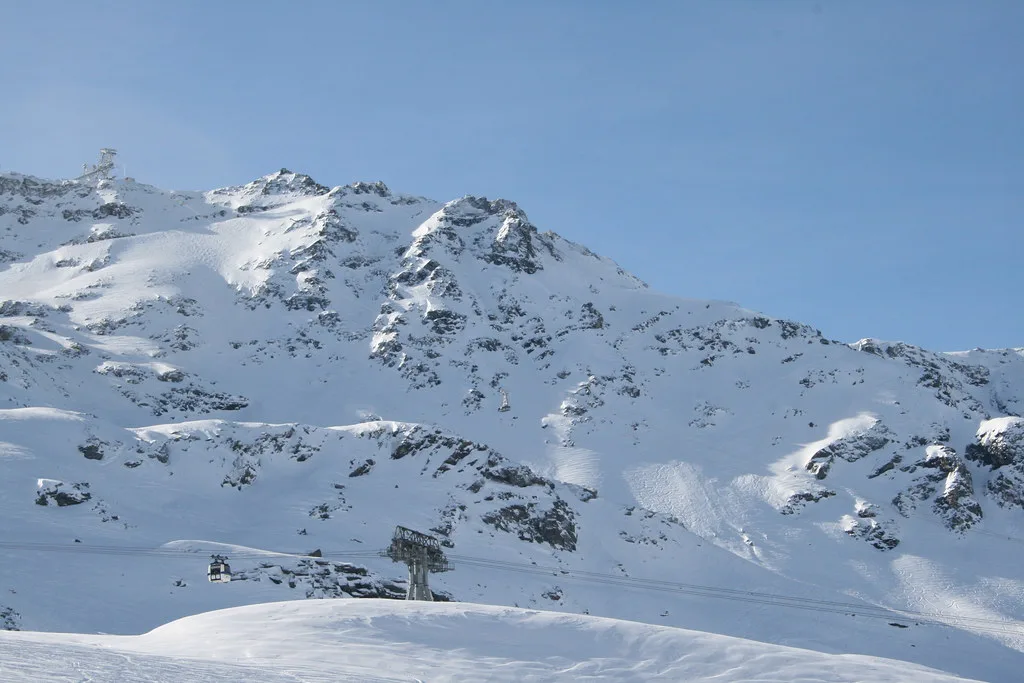
With 150km of local pistes plus direct access to the 600km Les 3 Vallées network, a single pair of skis has to cover a lot of ground. A piste ski is the sensible default for groomed cruising, while anyone targeting Cime de Caron at around 3,200m or the runs toward Orelle should look at all-mountain or freeride models.
Because the resort was designed as ski-in/ski-out, the walk from apartment to snow is short, but the village is spread across distinct neighbourhoods. Work out which zone your accommodation sits in before you compare shops, then shortlist two or three that serve that zone.
How Val Thorens Is Laid Out for Gear Collection
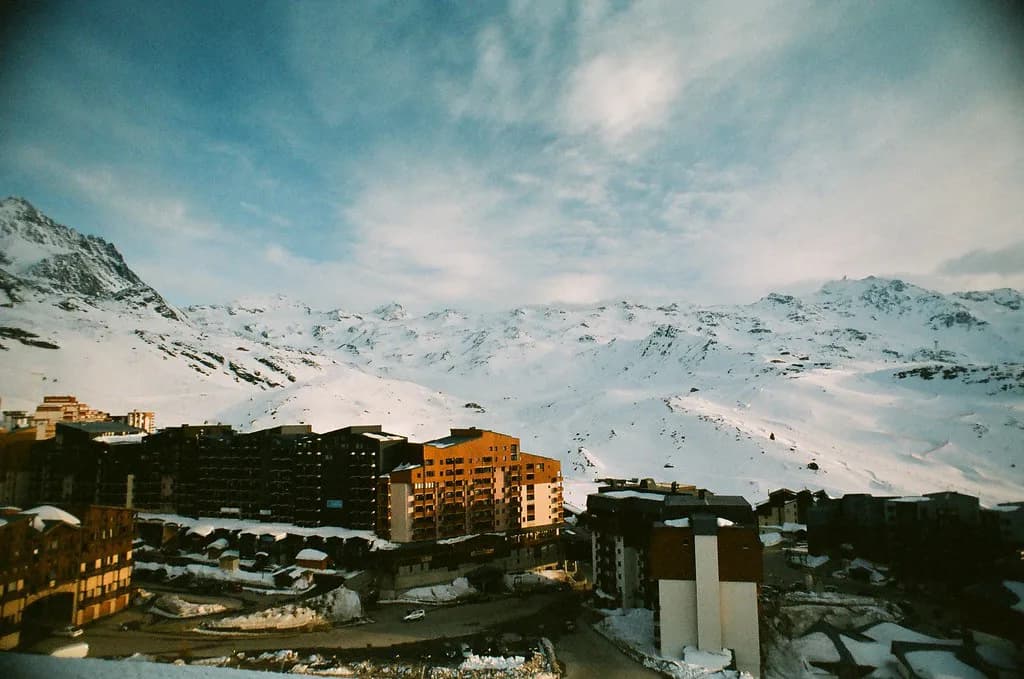
The village clusters around the centre, the Péclet area, the Cheval Blanc area and the Balcons buildings on the edge of the resort. INTERSPORT operates five locations covering Caron for the centre, Péclet, Soleil Cheval Blanc and both Bas des Balcons and Haut des Balcons.
Skiset lists five shops in the resort under the Goitschel Sports and Snowberry names, described as serving the upper resort, lower resort and centre. That split matters if you are staying high on the slope: a shop at the lower end means carrying boots uphill or waiting for a shuttle.
Use the Val Thorens piste map guide to match lift names to neighbourhoods before you pick a shop, since a location that looks central on a booking screen can still be a ten-minute walk in ski boots. Free shuttles run between neighbourhoods and the lifts, but relying on them with armfuls of equipment is slower than walking from the right shop.
Shop Clusters: Near Your Bed Beats Near the Lift
A shop beside the main lift looks convenient until you are carrying skis and boots back to a building at the far end of the resort. Prioritise the shop closest to your accommodation, then use a second visit or an equipment swap to reach a larger workshop if you need repairs or a different model.
The trade-off is stock depth. Smaller satellite shops carry fewer performance models, while bigger centre shops typically hold a wider range of freeride and high-end skis. If you want a specific model for a powder week, reserve it in advance and ask which branch holds it, since not every INTERSPORT Rent or Skiset location stocks the same range.
Multi-shop networks have an advantage here: booking with one brand across several resort locations gives you more flexibility on collection point and mid-stay adjustments. Compare the shop list for each network against your building before you commit, and note the branch name in your booking confirmation.
Matching Skis to the Val Thorens Terrain
For most weeks, a piste or carving ski is the right call. Wide, groomed runs such as Moraine, Christine and Plein Sud reward a ski that holds an edge, and the long descents from the upper mountain favour something stable at speed.
Step up to all-mountain if your plans include the Boismint and Plan de l'Eau sectors, where longer, steeper pistes and mixed conditions reward a more versatile ski. Freeride models make sense if you intend to explore the off-piste itineraries toward Orelle, but carry the proper safety equipment and go with a guide unless you know the terrain.
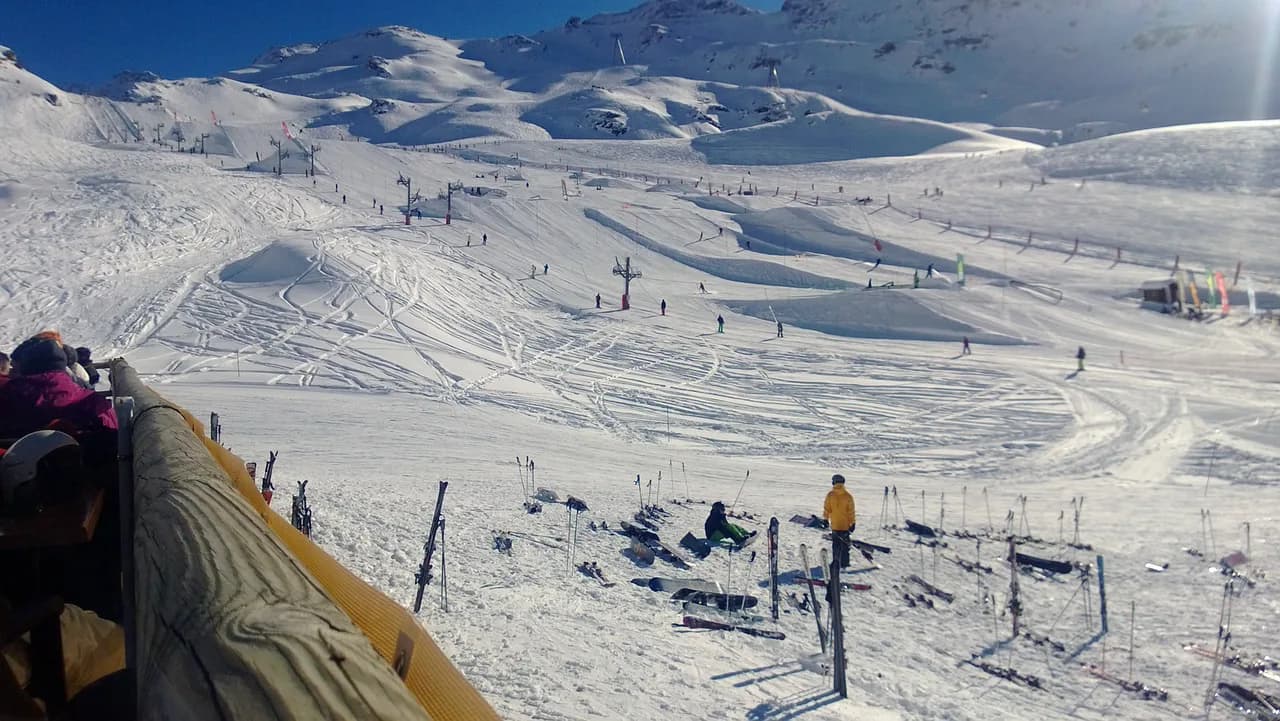
Freestyle riders should ask specifically about park setup, since Val Thorens runs a snowpark and a boardercross course. Rental fleets usually hold a small number of twin-tip and freestyle boards, so reserve that category in advance rather than turning up and hoping.
Snowboards, Kids' Gear and Group Bookings
Standard rental packages normally include skis, boots and poles, with helmets and additional items selected separately. Check what your chosen package covers before you book, particularly if you need a helmet for a child or a board rather than skis.
Families benefit from booking the whole party in one reservation at one shop, so everyone collects gear in a single visit. Beginner terrain around the Campagnols area and the gentle Combe de Thorens is close to the village, which means children on first turns can be on snow quickly from most accommodation.
If your group mixes abilities, resist the temptation to put everyone on the same ski. A confident intermediate heading for the Péclet Glacier blacks needs different gear from a first-timer staying on green runs, and shops can usually supply both from the same booking.
Boots and Fitting: Protect Your First Morning
Boot fit is the part of hire worth slowing down for. Skiset shops in Val Thorens list boot fitting and 3D foot scanning among their services, which captures length, width, volume and arch rather than relying on shoe size alone.
Both major networks advertise professional boot fitting and binding adjustment by trained staff at the shop. Budget real time for this on arrival day: a rushed fitting is the most common cause of a miserable first morning on the hill.
If you have awkward feet or past boot problems, bring your own boots and rent only skis. That option keeps fitting time short and gives you a known quantity on the mountain, though you will still need binding adjustment for your own boots at the shop.
Booking Online Versus Walking In
Advance booking is the safer choice for peak weeks. The late-November-to-early-May season spans Christmas, New Year, half-terms and Easter, and popular sizes run short; reserving online secures your model and lets you choose the collection branch nearest your accommodation.
Online booking also brings service terms worth reading before you pay. INTERSPORT advertises a cancellation option up to 24 hours before pick-up, a free seventh rental day on multi-day bookings and the ability to change model if conditions or plans shift.
Walking in works outside school holidays, when resort shops hold spare stock and can fit you on the spot. Even then, a same-day walk-in costs you slope time, so treat it as a fallback rather than a plan.
Swapping Gear Mid-Week
Conditions in a high-altitude resort can shift quickly, and a ski that suited icy groomers on Monday may feel wrong after a powder dump. INTERSPORT explicitly offers the option to change your model if your level, plans or snow conditions change during the stay.
Skiset shops describe adjustments during your stay as part of their service, with staff advising on gear for the day's conditions. Ask at the counter about swap conditions when you collect, since availability depends on what the branch holds.
A practical pattern is to start the week on a piste ski and swap to all-mountain or freeride for the days you head to Cime de Caron or across to Orelle. That keeps the easy days easy and gives you the right tool for the bigger terrain.
Collection Timing and Arrival Day
Collecting the evening before your first ski day is the smartest move if you arrive in time. INTERSPORT advertises equipment collection from 5pm the day before, which lets you fit boots while shops are quieter and start skiing straight after breakfast.
Check your arrival time against that window before you plan the evening. Late transfers from Moûtiers or Geneva can land you after shops close, in which case book a morning collection and accept a slower first day.
Storage is rarely a problem in a ski-in/ski-out resort, since most buildings have a ski room or locker. Ask your accommodation whether boot dryers are provided; warm, dry boots make a bigger difference to your week than a slightly better ski.
Where to Buy, Extend and Sort Your Lift Pass
Rental shops sit in the village alongside lift-pass sales points, so you can combine the two errands on arrival day. Choosing between a local Val Thorens ticket and full-area coverage is the decision that shapes your week, and the Val Thorens ski pass guide sets out what each option unlocks across the 600km network.
If you extend your stay or add days, tell the rental shop early so your equipment booking matches. A short extension is usually straightforward, but popular models can be reserved by another skier on a fixed return date.
Network websites list shop addresses and service details, and the resort's own tourism site publishes season information. Check opening patterns for your specific dates there rather than relying on a generic calendar, especially at the season's edges.
Getting There With Your Own Gear
Driving via the A43 to Albertville, then the N90 to Moûtiers and the final mountain road, is the simplest way to bring your own skis. The trade-off is parking in a resort where most buildings sit right on the slopes, so confirm your accommodation includes a space before you rely on the car.
The TGV to Moûtiers-Salins-Brides-les-Bains connects directly with Paris in around four and a half hours, with buses and private transfers covering the final climb. Flying into Chambéry, Lyon or Geneva adds a transfer leg, which makes travelling light and renting in resort the more relaxed option.
If you take the train or fly, renting locally removes the baggage fees and the haul from station to apartment. Book your gear for collection on arrival day and you trade a little slope time for a much easier journey.
What Drives the Cost of a Val Thorens Hire Week
No single price applies, because the quote depends on the equipment category, the number of days and the week you travel. Performance and freeride models cost more than entry-level piste skis, and peak school-holiday weeks carry higher rates than quiet January or late-March dates.
Package content also moves the total. Skis, boots and poles are normally bundled, while helmets and extra items are added separately, so compare like with like rather than headline numbers.
Booking online is generally cheaper than walking in, and INTERSPORT advertises online savings as well as a free seventh rental day on longer bookings. Run a quote for your exact dates on each operator's site before deciding, since the discount depends on the booking period and equipment category.
Practical Checklist Before You Travel
Confirm your accommodation zone first, then shortlist shops in that zone and check which specific branch holds the model you want. Save the branch name, not just the brand, because a network with five locations can send you to the wrong end of the village.
Book the whole party in one reservation, note whether helmets are included, and add your boot sizes accurately so the shop can pre-select stock. Anyone with difficult feet should consider bringing their own boots.
Plan collection for the evening before if you arrive in time, and keep a morning slot as a backup for late transfers. For a wider view of the resort before you commit, the Val Thorens Skiing Guide covers areas, dates, lessons and equipment in more depth.
Plan Your Val Thorens Ski Hire
Start with your building, not the brand: pick the shop cluster that matches the centre, Péclet, Cheval Blanc or Les Balcons, then compare stock and service terms within walking distance. Book online for peak weeks, reserve the model that suits the terrain you actually plan to ski, and protect time for boot fitting on arrival.
If you are weighing up other resorts for a future trip, the Alpe d'Huez Ski Hire guide follows the same logic of matching branches to accommodation zones. For Val Thorens itself, settle the ski pass and season dates alongside your rental booking so the whole week lines up.
Frequently Asked Questions
Should I book ski hire before travelling to Val Thorens?
Yes for Christmas, New Year, half-term and Easter, when popular boot and ski sizes run short. Booking ahead also lets you choose the collection branch nearest your accommodation and read the cancellation terms before you pay. Outside school holidays, walk-in rental is more feasible but still costs slope time on arrival day.
Where are the ski hire shops in Val Thorens?
Shops are spread across the resort centre, the Péclet area, the Cheval Blanc area and the Balcons buildings, with Skiset also describing branches in the upper and lower resort. Match the branch to your accommodation rather than to the main lift, since carrying boots across the village is the slow part of any collection.
Can I rent skis for the whole Les 3 Vallées area if I stay in Val Thorens?
Yes. Val Thorens connects directly into Les 3 Vallées, so rental staff can recommend gear for both the 150km of local pistes and longer days across the 600km network. Tell them at booking if you plan to head toward Orelle, Les Menuires, Méribel Mottaret or Courchevel, because that points to all-mountain rather than entry-level piste skis.
Can I swap my rental skis mid-week?
INTERSPORT advertises the option to change model if your level, plans or snow conditions change, and Skiset shops describe adjustments during your stay. Availability depends on what the branch holds, so ask about swap conditions when you collect. A common pattern is starting on piste skis and moving to all-mountain for days on the higher terrain.
Is Val Thorens ski hire good for beginners and children?
The resort is well suited to families: beginner zones around the Campagnols area and the gentle Combe de Thorens sit close to the village, and most accommodation opens onto the slopes. Book the whole group in one reservation so everyone is fitted in a single visit, and check whether helmets are included or added separately.
How much does ski hire cost in Val Thorens?
Rates depend on the equipment category, the length of the booking and the week you travel, and operators publish quotes for specific dates rather than a single resort-wide figure. Peak school-holiday weeks cost more than quiet January or late-March dates, and performance or freeride models sit above entry-level piste skis. Run a quote on each operator's site for your exact dates before deciding.
When can I collect my equipment?
INTERSPORT advertises collection from 5pm the day before your first ski day, which suits an evening arrival and lets you start straight after breakfast. If a late transfer from Moûtiers or Geneva means you miss that window, book a morning collection and accept a slower first morning.
Sources
Useful notes for your next ski trip
Optional updates to our Alpine resort guides.
You might also like
Continue reading
More guides you'll find useful