Val Thorens Skiing for Beginners: First-Trip Planning Guide
Plan a first ski trip to Val Thorens with the village learning zone, esf beginner lesson formats and how the local pass covers 150km of pistes.
On this page
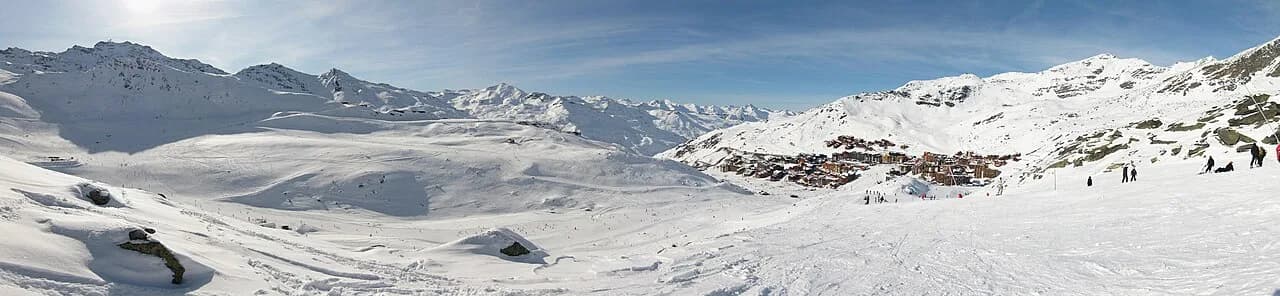
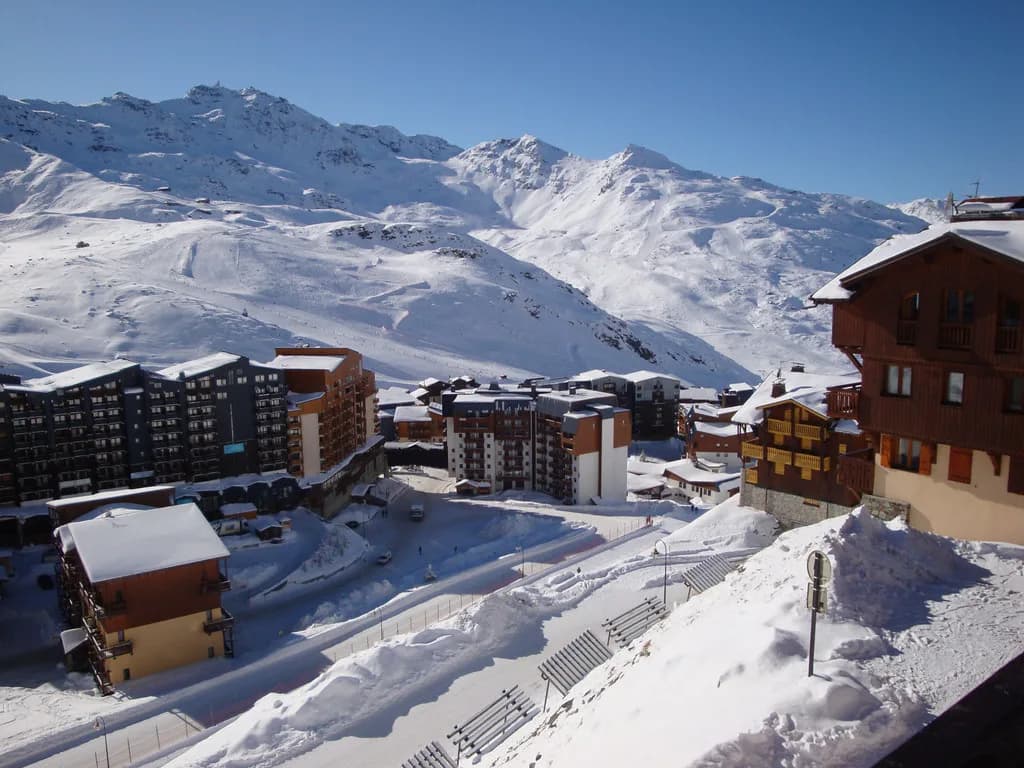
Val Thorens is a purpose-built village at around 2,300m in the Belleville valley, and its main advantage for a first-week skier is structural: the nursery slopes and beginner lifts sit in the resort centre, so you can walk to your lesson rather than commute to it. The resort is also largely ski-in, ski-out, which removes the daily boot-carry that wears down nervous beginners.
What follows is a planning article rather than a lesson: it sets out which area and pass to buy, how the esf group formats compare on time and cost, when the 2026/27 season actually runs, and how to organise travel and hire around a week of short ski days. This beginner guide sits inside the wider Val Thorens ski guide, which covers terrain, dates, lessons and equipment for every level.
What Val Thorens Offers a First-Time Skier
The resort stands at the head of the Belleville valley in Savoie, above the treeline, with the village itself at roughly 2,250 to 2,300m and lifts reaching 3,230m. That altitude is why the season stretches from late November into early May, and why snow cover in the village is usually dependable rather than marginal. For a beginner, the practical consequence is a long window in which to book a first trip without gambling on a low-snow week.
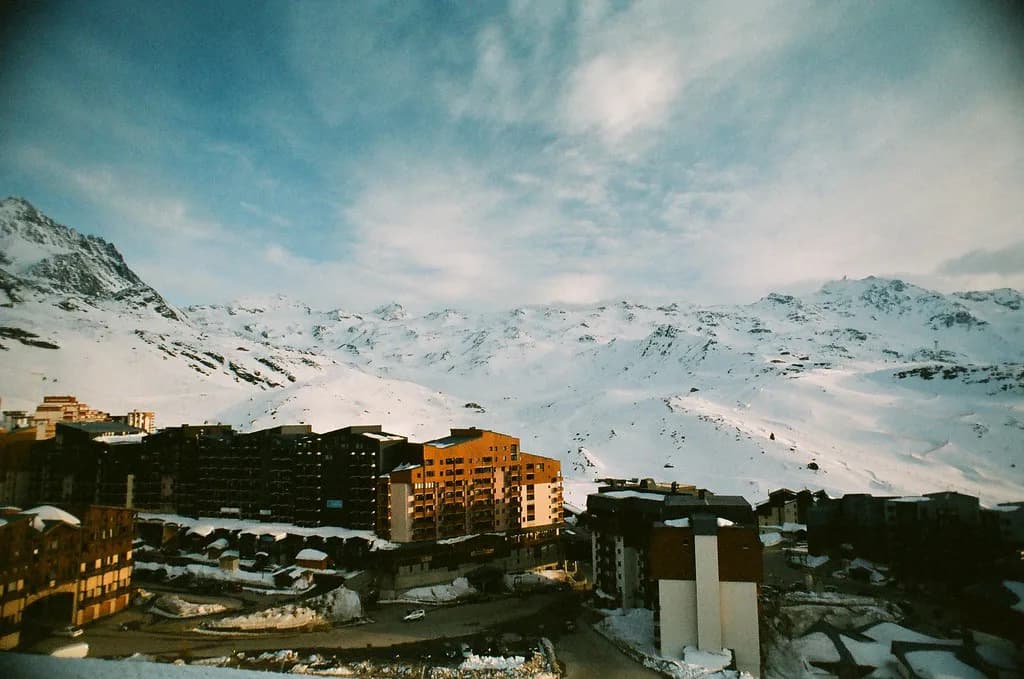
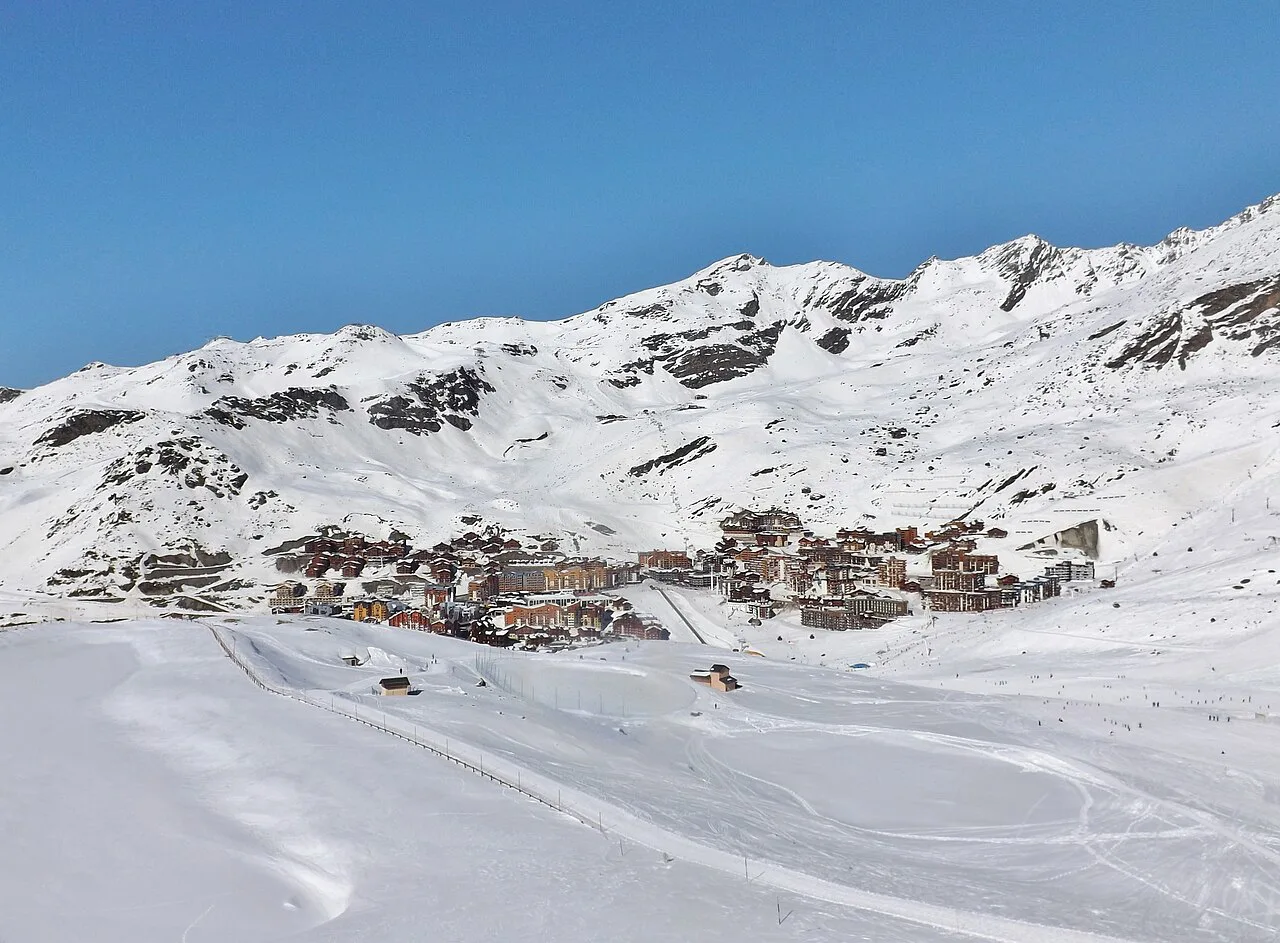
The layout is compact and built around Place Caron, where the main lifts, restaurants and nightlife cluster within walking distance of most beds. Quieter, slightly higher accommodation sits around the Balcons area with direct slope access, while the central Péclet zone suits anyone who wants shops and bars on the doorstep. Travelling with children tilts the choice towards ski-out convenience over nightlife.
Above the village, the terrain is open bowls and wide pistes rather than tree-lined corridors. Beginners get space and soft, forgiving snow at altitude, but the same openness means less shelter in bad weather, so a decent jacket and goggles matter more here than in a low, wooded resort.
The Two Ski Areas Explained: Val Thorens–Orelle Versus the Three Valleys
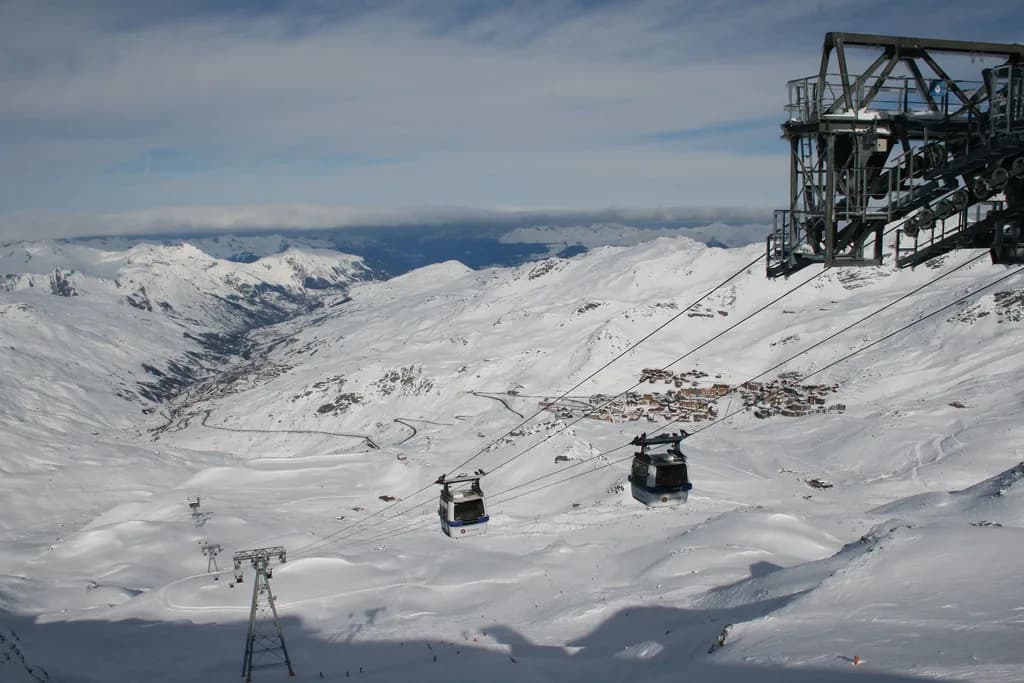
Two products sit behind the same lift system. The local Val Thorens–Orelle area covers 150km of pistes and includes the Cime Caron cable car up to 3,200m; the full Three Valleys pass opens up more than 600km linking Val Thorens with Méribel, Courchevel, Les Menuires and Saint-Martin-de-Belleville. The resort publishes both areas and their pass options side by side.
For a first week, the local area is almost always the right buy. A beginner spends most of the morning on a handful of gentle runs and the afternoon recovering, so 150km is far more than a week of lessons will consume, and the upgrade buys terrain you will not reach. The Three Valleys pass starts to make sense once you can link turns confidently on blues and want to ski to a different valley for lunch.
There is a third option worth knowing about: the resort runs free drag lifts in the central beginner zone, so absolute first days can happen without a pass at all. That is the detail that changes what you buy and when, and it is covered below with the lesson rule that follows from it.
Season Dates for 2026/27
The official dates for 2026/27 are cleanly split. Val Thorens–Orelle runs from 21 November 2026 to 2 May 2027, while the full Three Valleys area opens later, on 5 December 2026, and closes earlier, on 18 April 2027. The gap matters: a late-November or late-April first trip can ski the local area when the wider network is shut.
For a December first trip, aim for the weeks after the Three Valleys opening if you want the option of skiing across to Méribel, and accept that early December can be cold, quiet and short on daylight. April is the underrated end of the season: the local area keeps running into early May, days are longer, and the snow at 2,300m usually holds better than in lower resorts.
Half-term and the Christmas-to-New Year fortnight are the busiest and most expensive weeks for lessons, hire and beds. If your dates are fixed to school holidays, book the ski school and rental gear months ahead rather than weeks; if they are flexible, mid-January gives you full cover with emptier lifts.
Where Beginners Ski: Nursery Slopes and First Runs
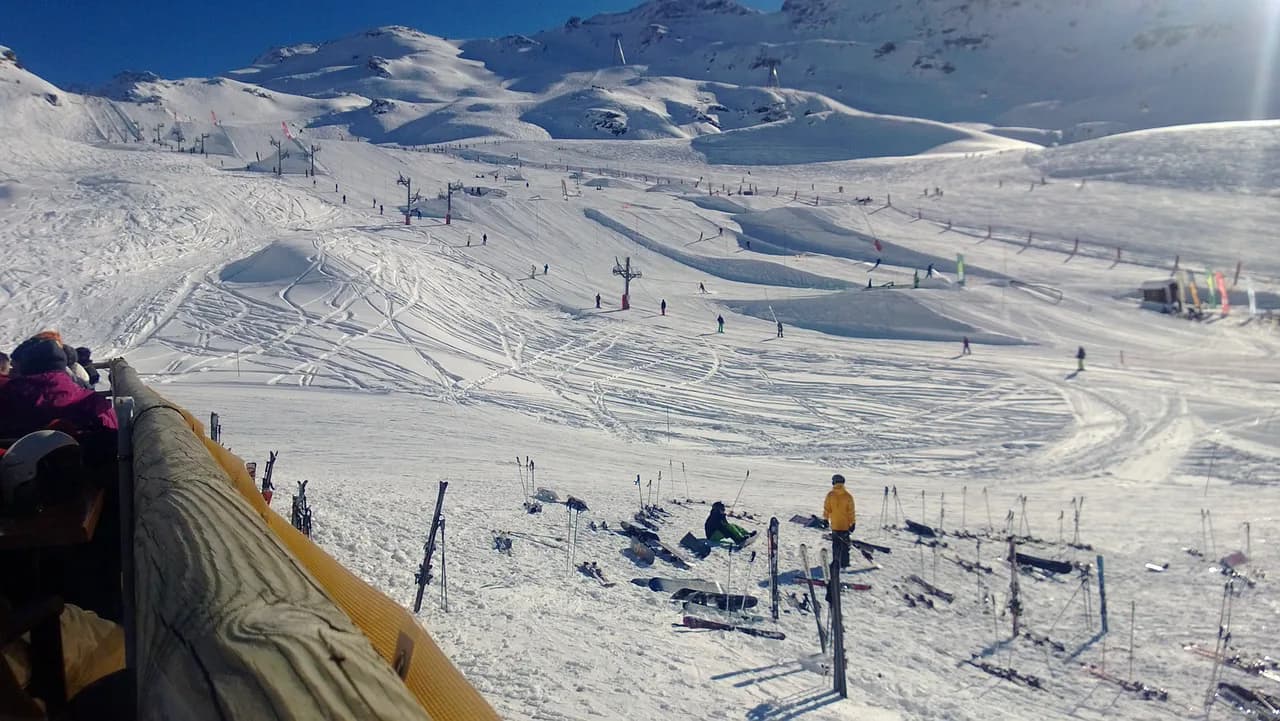
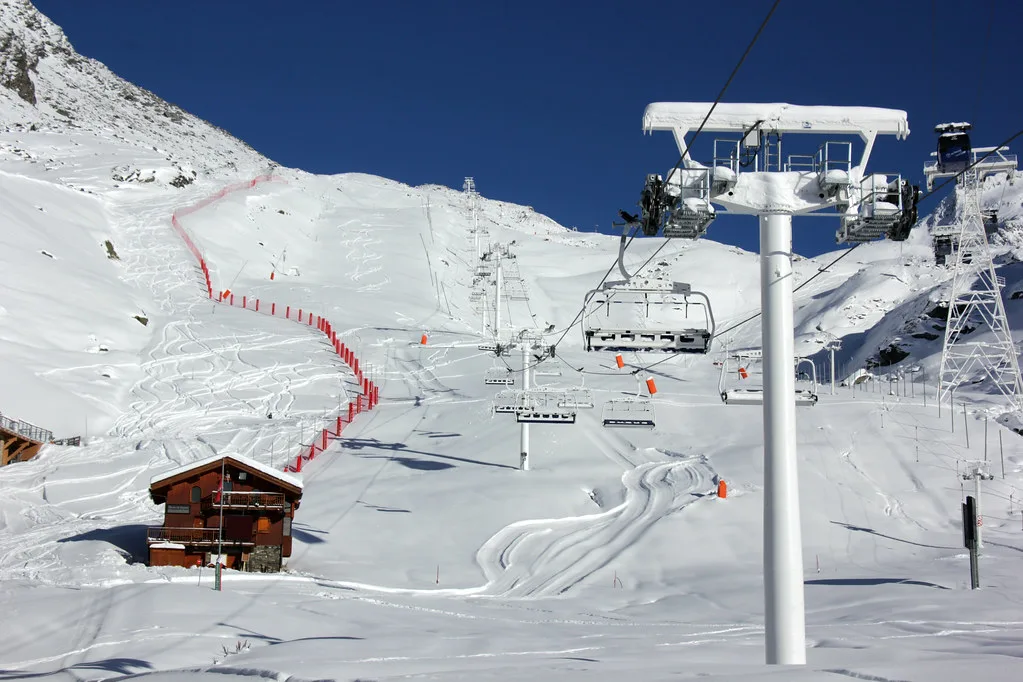
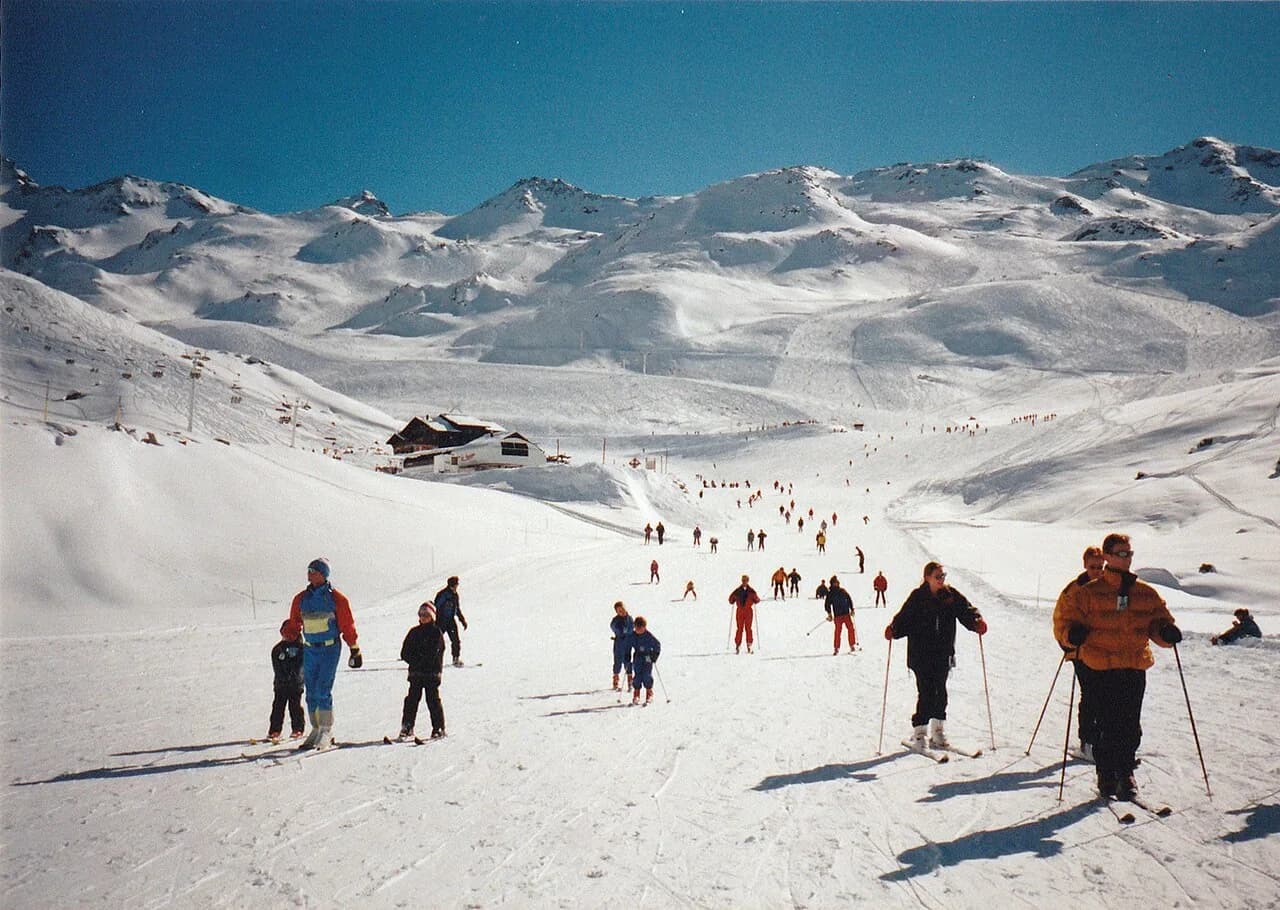
A dedicated beginner area sits in the heart of the resort, served by free drag lifts, with a gentle gradient and wide pistes that give you room to find your feet without faster skiers cutting past. Because it is central, you can retreat to the apartment mid-morning without losing the day.
Once you can stop and turn, the first progression is onto green runs, with Plein Sud the obvious gentle descent to aim for. From there, the blues around 2 Lacs offer sweeping, well-groomed terrain with big views, and the runs off Col de la Chambre give longer mileage once your legs tolerate it. Steer clear of the blacks around Cime de Caron until you are genuinely comfortable on reds.
Carry the official piste map on your first two days even if you ski with an instructor. It shows which lifts serve which grade of run and where the beginner zone sits relative to your accommodation, which is the fastest way to stop depending on someone else to navigate. A current edition is worth downloading before you travel, and a Val Thorens piste map guide explains which version to take.
Choosing a Ski School
esf is the largest school in the resort, with English-speaking instructors and beginner group lessons meeting at the Pionniers chairlift or the top of the Montana garden depending on format. Smaller international schools such as Prosneige and Ski Cool run boutique group sizes, which can suit adults who want more individual attention per hour.
Language is the deciding factor for most British and Irish skiers: confirm at booking that your group will be taught in English, because esf groups can mix nationalities and the instructor may switch languages. Group size matters more than brand for a nervous beginner, so ask how many skiers share an instructor at your level before you commit. A comparison of Val Thorens ski lessons sets out how the main schools differ on format and group size.
Beginner Lesson Formats and From-Prices
esf publishes its adult beginner group formats with from-prices on its own booking page, and the pattern is worth reading carefully. Morning groups run 9am to 11.30am as six lessons Sunday to Friday or five Monday to Friday, with from-prices of 270€, 285€ and 315€ depending on the option selected; afternoon groups run 2pm to 4.30pm from 230€, with some afternoon variants from 285€ and 315€.
Full-day beginner courses combine both sessions and start at 368€, rising to 456€ and 504€ for longer or different variants. Shorter three-day courses run late morning, 11.45am to 1.45pm, from 159€ or 168€, which is the cheapest way to test whether skiing suits you before committing a whole week.
Every one of these is a from-price that varies by format and date, and the pass rule is the detail that catches people out: a lift pass is required from the second day of class and is not included in the lesson fee. Some adult afternoon group lessons also exclude the medal, unlike most other formats.
For tired first-timer legs, the morning group is usually the better buy. Two and a half hours of instruction followed by a long lunch and a short free-ski session beats a full day that leaves you too sore to ski well on day three, and the price difference is smaller than the cost of losing a day.
Private Lessons and When They Beat a Group
A private lesson earns its cost when you are the slowest in a group, when you have a specific fear to work through, or when two or three people of similar ability want to share an instructor. esf offers one-to-one lessons alongside its group programme, and these are bookable when group courses are not running in your week.
The trade-off is cost per hour against attention: a group spreads the instructor across perhaps eight skiers, while a private hour is entirely yours. A common compromise is one private session at the start to fix stance and turn shape, then group lessons to build mileage with company.
Ski Hire in the Village
Rental shops are spread through the village and most stock beginner packages alongside higher-performance demo skis. Booking online before you travel means your gear is set aside and fitted on arrival, which cuts the changeover-day queue on Saturday afternoons when the village fills and empties at once.
For a first week, a beginner package with skis, boots and helmet is enough; demo kit is wasted on someone still learning to parallel turn. Boots matter most, so prioritise a shop that will spend time on fit over one that bundles the cheapest board. A guide to Val Thorens ski hire names the main branches and the booking terms worth checking before you commit.
Lift Passes: What to Buy and When
The local Val Thorens pass covers the 150km area including the Cime Caron cable car, while the Three Valleys pass adds the 600km network across the linked resorts. The resort publishes both products and their durations, and the pass page is the place to compare what each one includes before booking lessons around it.
Beginners should buy the local pass and buy it short: a pass covering the days your lessons actually require, from day two, rather than a week-long product bought in advance. If you discover mid-week that you can ski blues comfortably and want to cross to Méribel, upgrading at the lift pass office is straightforward, and our guide to the Val Thorens ski pass explains the coverage and duration choices in more detail.
Getting to Val Thorens
Transfer times from the main gateway airports are indicative drive times rather than guarantees. Chambéry is closest at roughly three hours and 110km, Geneva about three hours and 165km, Grenoble around two and a half hours and 180km, Lyon about two and a half hours and 190km, Turin three hours 15 minutes and Milan Malpensa four and a half hours.
By rail, Moûtiers is the nearest station at about 37km, with TGV connections from Paris and regular regional services; from there you need a taxi or shuttle for the final climb. The mountain road up to the resort is well maintained but weather-dependent, and Saturday changeover traffic can add an hour to any transfer, so a midweek flight or an early arrival is worth the inconvenience.
Getting Around Once You Arrive
The village is genuinely walkable, even in ski boots, and free shuttle buses link the different areas roughly every 10 to 15 minutes during the day, with evening services running until around 8pm. Taxis exist but are rarely needed unless you are heading down to Les Menuires or Saint-Martin.
Where you stay shapes your day more than any lift. Place Caron puts lifts, shops and nightlife on your doorstep, Rue des Balcons and the Péclet side give quieter evenings and easier morning ski-out, and a ski-in, ski-out address is worth a premium when you have children and equipment to move.
Après and Off-Snow Options for Tired Beginner Legs
Val Thorens has a reputation as one of Europe's livelier après resorts, with on-piste bars starting before the lifts close and the main strip busy by late afternoon. That suits some groups; if you are skiing with children or recovering from a first week, the quieter bars near Place Caron and the hotel terraces are the better bet.
Off the snow, the resort has a sports centre with an indoor pool, squash courts and a climbing wall, a ten-lane bowling alley, a cinema, an outdoor ice rink and day-access spas in several hotels. The resort has Famille Plus accreditation, and childcare runs from the Village des Enfants at three months, with ski kindergarten from age three and ESF nursery groups using enclosed, gently graded terrain with magic carpets.
A Sample First-Week Rhythm
A workable pattern is five mornings of group lessons, with afternoons free for short practice sessions or rest, and one full rest day midweek. Book the three-day course first if you are unsure about skiing at all, then extend into a five- or six-day format once you know your legs and your enthusiasm can take it.
Line your pass purchase up with the day-two rule: ski the free village drag lifts on day one, then collect a pass before your second lesson. Keep the last day free of lessons so you can revisit your favourite runs at your own pace, and pack the afternoon before departure rather than after a final morning on the hill.
Common First-Trip Mistakes at This Altitude
The altitude catches people out in two ways: sunburn and dehydration. At 2,300m the UV is stronger than at sea level and the air is drier, so high-factor sun cream, lip balm and a water bottle in your pack matter as much as warm layers.
The second mistake is over-buying. A week-long Three Valleys pass, demo skis and full-day lessons on day one is a lot of commitment before you know how you ski; start with the local pass, beginner hire and morning lessons, and add as the week goes on. The third is under-booking: half-term and New Year weeks sell out of lessons and rental gear early, so reserve those before you book flights.
Plan Your First Week
Treat Val Thorens as a base for learning rather than a terrain trophy: village-centre nursery slopes, a local pass that covers more than a first week can use, and lesson formats that let you commit gradually. The pieces that need booking early are lessons, hire and beds in the busy weeks, not the lift pass.
If you want to compare options across the Belleville valley before deciding, Méribel Skiing for beginners covers the neighbouring resort's learning terrain and school arrangements, but Val Thorens's altitude gives it the longer season and the more reliable village snow.
Frequently Asked Questions
Is Val Thorens good for beginners?
It has the ingredients a first-week skier needs: a beginner area in the village centre with free drag lifts, gentle green runs such as Plein Sud to progress onto, and a large English-speaking ski school. The altitude means reliable snow in the village through a long season. It is an open, high resort rather than a wooded one, so bad-weather days feel exposed, and the terrain above the village is aimed at stronger skiers.
Are the beginner lifts in Val Thorens free?
The resort's dedicated beginner area in the village centre is served by free drag lifts, which is how many people ski their first day without buying a pass. Once lessons move onto the wider network, a pass is needed. Confirm the current arrangement at the lift pass office or on the official ski area page before you rely on it.
Do I need a lift pass for beginner ski lessons in Val Thorens?
For esf adult beginner group lessons, a lift pass is required from the second day of class and is not included in the lesson fee. Some afternoon group formats also exclude the medal. That means you can book a course without a pass but must have one in hand before day two, so buy a pass covering from that date.
Which lift pass should a beginner buy in Val Thorens?
Buy the local Val Thorens–Orelle pass, which covers 150km of pistes and includes the Cime Caron cable car. The Three Valleys pass adds the wider 600km network, but a beginner will rarely use it in the first week. Upgrade later in the trip if your skiing progresses enough to want a day across to Méribel or Courchevel.
Can a beginner ski the Three Valleys from Val Thorens?
Reaching the wider Three Valleys needs the full pass and enough confidence to handle long blue and red runs back to the valley, which is a stretch in the first few days. A realistic plan is to learn on the local area and treat a Three Valleys day as a late-week reward once you can link turns on blues.
When does the Val Thorens ski season start and finish?
For 2026/27 the Val Thorens–Orelle area runs from 21 November 2026 to 2 May 2027, while the full Three Valleys area opens on 5 December 2026 and closes on 18 April 2027. A late-November or late-April trip therefore skis the local area, not the whole network.
How do I get to Val Thorens from the airport?
Geneva and Chambéry are the usual gateways, with indicative drive times of about three hours each; Grenoble and Lyon are around two and a half hours. By train, Moûtiers is the nearest station at about 37km and needs a taxi or shuttle for the final climb, and Saturday changeover traffic can add an hour.
Where should a beginner stay in Val Thorens?
Place Caron puts lifts, shops and restaurants within walking distance and suits anyone who wants nightlife. Rue des Balcons and the Péclet side are quieter with easier morning ski-out, which is better for families with children and equipment. A ski-in, ski-out address saves daily boot-carrying and is worth the premium on a first trip.
Sources
Useful notes for your next ski trip
Optional updates to our Alpine resort guides.
You might also like
Continue reading
More guides you'll find useful