Skiing in St Anton in March: Late-Season Snow and Trip Tips
March in St Anton brings longer days, firn snow and big-mileage skiing on the Arlberg. Plan terrain, lift passes and timing for a late-season trip.
On this page
March is the month when St Anton shifts from deep-winter skiing to spring rhythm. Days lengthen noticeably, the sun climbs higher, and the surface you meet at 9am is rarely the one you meet at 3pm. The resort's high terrain, from the village base up to the Valluga summit, is what keeps the season going when lower valleys start to thin out.
This guide is about planning, not forecasting. It covers which sectors hold up in a warm spell, how to structure a day around firn snow, how far the Ski Arlberg pass actually takes you, and how to organise a three-day trip. The details that change each season, from lift-operating dates to pass prices, belong on the official St Anton am Arlberg site, so look there for the current figures.
March in St Anton at a Glance
The resort sits at the eastern end of the Arlberg, in Tyrol, with the village at roughly 1,300 m and the ski area topping out near 2,800 m. That vertical range is the reason March works: you can ski high, shaded terrain in the morning and still find good snow when the valley is warm. Historical records for the resort show March averaging around 33 cm of snowfall per week with roughly 3.7 snowy days in that week, figures compiled from more than a decade of records rather than a promise for any given year.
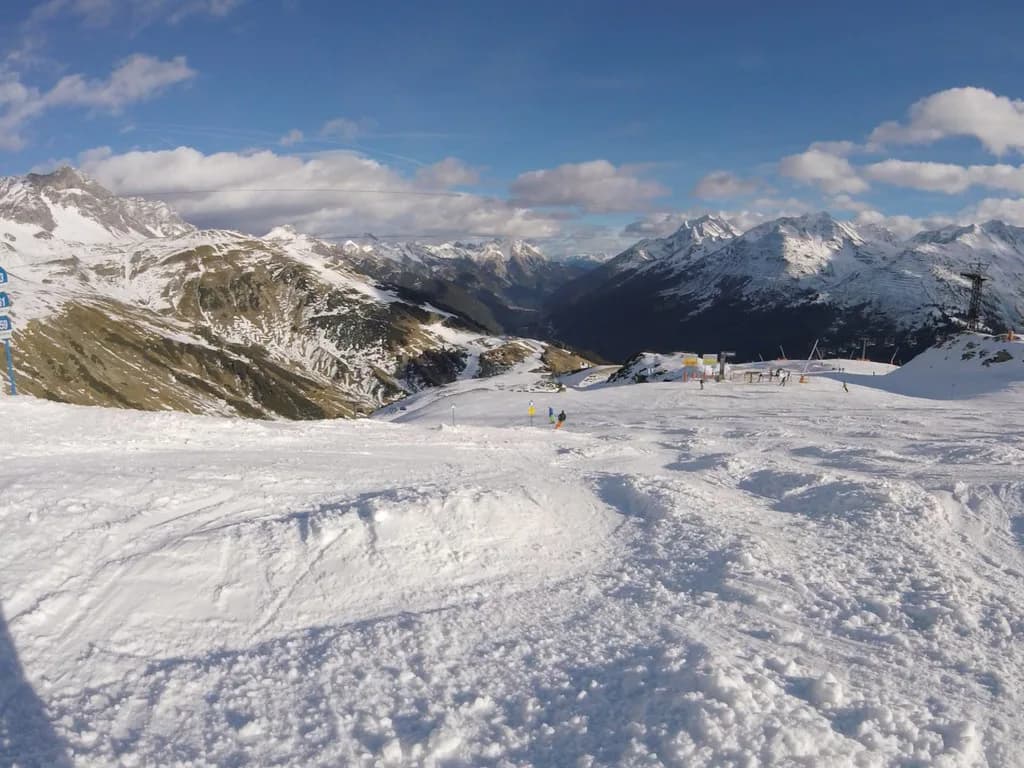
What changes most in March is not whether there is snow but how it behaves. Expect firmer, colder snow at altitude and on north-facing slopes, and softer, sun-affected snow on east and south aspects as the day progresses. The resort's own spring guidance recommends starting early while the surface is still firm, which is the single most useful habit for a March trip.
Crowds also shift. Late March often brings a mix of spring-break families and ski-touring visitors, while the final weeks of the season tend to be quieter on the pistes but busier in the bars. Book accommodation early if your dates land on a school holiday week, and keep your plans flexible around the last week of operations.
Why Altitude and the Arlberg Links Matter in March
St Anton's ski area is not a single hill but a series of sectors strung along the valley: Galzig and Kapall above the village, the Valluga and Schindlerkar terrain above them, Rendl on the opposite side, and the linked areas of St Christoph and Stuben toward Zürs and Lech. Each sector faces a slightly different way and sits at a different height, so on a mild day you can follow the cold snow rather than abandon the day.
The Arlberg link is the other big planning factor. A single Ski Arlberg pass covers St Anton, St Christoph, Stuben, Zürs, Lech and Warth-Schröcken, which means March visitors can chase conditions across a very large area. For a full overview of how the sectors fit together, the St Anton Skiing guide is the place to start before you build an itinerary.
Snow Conditions in March: Firn, Freeze-Thaw and Timing Your Day
Firn, or spring snow, forms when the surface melts during the day and refreezes overnight, leaving a smooth, fast crust in the morning that softens into forgiving corn snow by late morning. The resort's spring-skiing advice describes this cycle and recommends skiing early, while the snow is still cold and edgeable. In practice that means catching the first lifts rather than lingering over breakfast.
The daily pattern matters more than the weekly forecast. On a clear March day, east-facing pistes soften first, north-facing slopes stay firm longest, and south-facing terrain can turn heavy by early afternoon. A sensible plan is to ski the cold aspects in the morning, move to sun-warmed slopes around midday, and finish on high, shaded runs or head down before the lower pistes get slushy.
Freeze-thaw also affects off-piste safety. A hard overnight crust can make steep, shaded slopes icy and awkward until the sun softens them, and wet snow later in the day increases the risk of loose wet avalanches on sun-exposed aspects. Check the daily avalanche bulletin and adjust your plans rather than committing to a fixed route.
Which Sectors Work Best in March
Galzig and Kapall are the natural starting points. They sit directly above the village, offer a mix of wide pistes and steeper runs, and give quick access to higher terrain if the snow is softening early. The Galzig area suits confident intermediates who want mileage, while the runs beneath Kapall hold up well when the lower village pistes get wet.
Above them, the Valluga and Schindlerkar terrain is where March earns its reputation. The high, north-facing slopes here stay cold and firm longer, and the long descents back to the valley are among the most satisfying in the Arlberg. Treat the Valluga as a morning objective: get up early, ski it while the surface is fast, then retreat to lower ground as the sun moves round.
On the other side of the valley, Rendl offers a quieter alternative with its own character and a good spread of intermediate terrain. It is a useful choice on busy weekends or when you want to avoid the busiest lifts around Galzig. Use the ski map to plan which sectors to link each day rather than criss-crossing the valley unnecessarily.
Beginner and Improver Terrain in March
Beginners are best served near the village and at St Christoph, where gentle nursery slopes and dedicated teaching areas sit close to the lifts. In March these lower slopes soften first and can get heavy by afternoon, so morning lessons are the better bet. The resort's ski schools run beginner courses from these base areas, and booking a multi-day course gives you a structured progression rather than a scattergun approach.
Improvers have plenty of room to grow. Long blue and red runs around Galzig and Rendl let you build confidence and mileage, and the softer spring snow is generally more forgiving than hard midwinter ice. The main trap is over-committing on the first day: pick two or three linked runs, ski them well, and save the bigger descents for when your legs and your timing have adjusted.
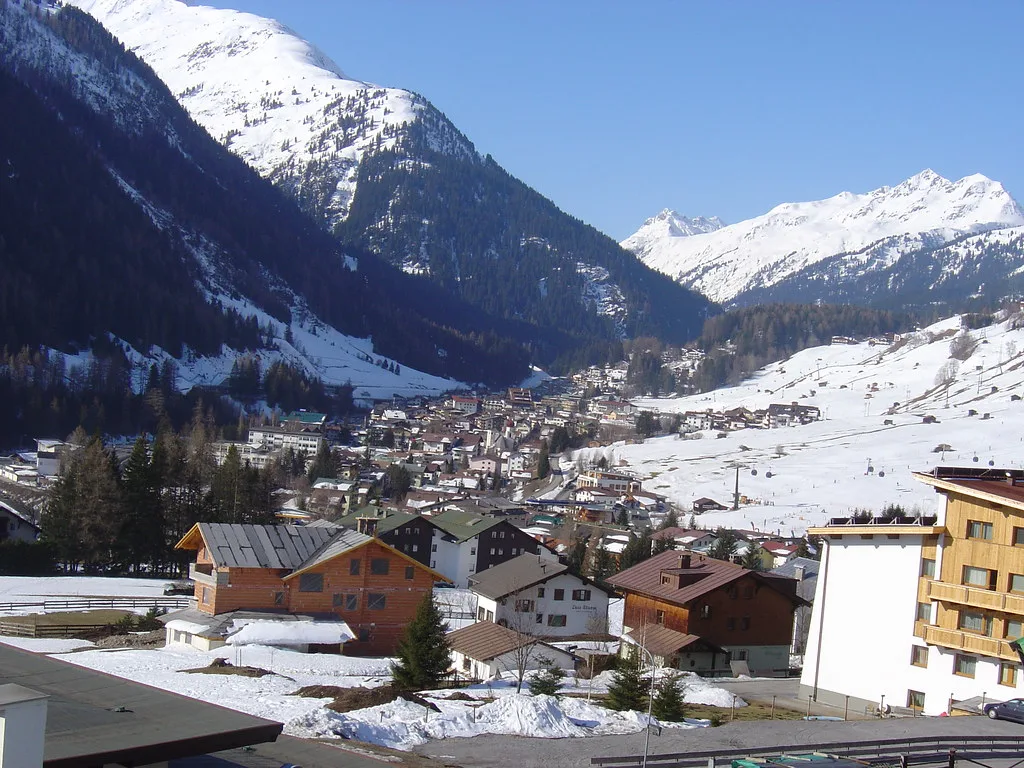
Off-Piste and Guided Skiing in March
St Anton's off-piste reputation is well earned, and March often brings some of the best conditions of the year for ski-touring and steep descents. It also brings a more complex snowpack as the sun and warmth affect different aspects. If you want to ski away from the marked pistes, book a qualified mountain guide or join a guided group; the resort's ski schools and guide offices arrange this, and it is worth reserving ahead during holiday weeks.
Be realistic about your experience. A guide can take you to terrain that suits your level, but they will also turn you back if conditions are wrong. Take a transceiver, shovel and probe, practise with them before you travel, and treat the morning briefing as the most important part of the day.
Linked Arlberg Areas: St Christoph, Zürs, Lech and Stuben
St Christoph sits just over the pass from St Anton and is the easiest linked area to reach, with its own base facilities and access to the wider network. Stuben is smaller and quieter, a good escape when St Anton feels busy. Both are useful for a half-day change of scene without committing to a full tour of the Arlberg.
Zürs and Lech lie further west and reward a full day rather than a quick detour. The terrain is extensive, the villages are stylish, and the return leg via Zürs and St Anton takes planning so you do not get caught out by the last lifts. On a March trip, consider giving one day entirely to the western side and ski back in good time.
Lift Passes and Where to Buy Them
The main decision is whether you need the full Ski Arlberg pass or a pass limited to the St Anton side. If you plan to ski Zürs and Lech, the full-area pass pays off over a multi-day trip; if you are staying local, a smaller product may suit better. The St Anton Ski Pass Guide explains the products and where to buy them, and the official St Anton am Arlberg site lists current prices and operating dates. If you are weighing a March trip elsewhere in the Zillertal, Mayrhofen skiing in March covers how that resort's passes and terrain compare.
Buy before you travel where possible. Passes can be loaded online for collection at the lifts, which saves time on your first morning, and multi-day passes are usually the better value if you are skiing five days or more. Check the official site for the current season structure before you commit, since prices and product names change.
Ski Schools and Equipment Hire
Book lessons and rental before you arrive, especially for a March holiday week. The main ski schools in St Anton and St Christoph run group and private lessons from beginner to off-piste, and a private guide-instructor is a good option if you want to combine technique coaching with local route knowledge. Rental shops cluster near the Galzig and Rendl lifts, with more choice in the village centre. The St Anton ski rental guide covers the options and what to reserve.
For March, ask about spring conditions when you collect your skis: a slightly wider all-mountain ski handles soft afternoon snow better than a narrow carver, and many shops will let you swap if conditions change during the week.
Getting to St Anton and Getting Around
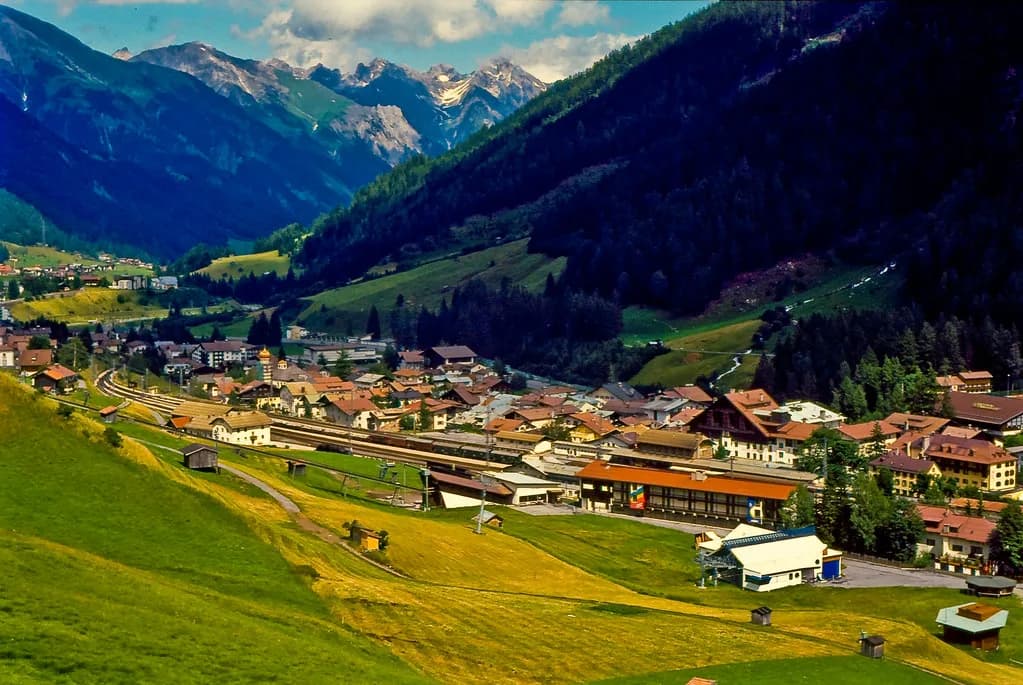
Most visitors arrive by train or car. St Anton has its own station on the Arlberg line, with direct services from Innsbruck and connections onward to Zürich, which makes the resort unusually easy to reach without a car. By road, the village sits off the Arlberg expressway, and the nearest major airport is Innsbruck, with Zürich and Munich as alternatives for longer transfers.
Once you are in the village, you do not need a car. Lifts, rental shops, ski schools and most accommodation are within walking distance or served by local buses. If you are staying in St Christoph or a hamlet outside the centre, look up the bus timetable in advance, since evening services are less frequent than daytime ones.
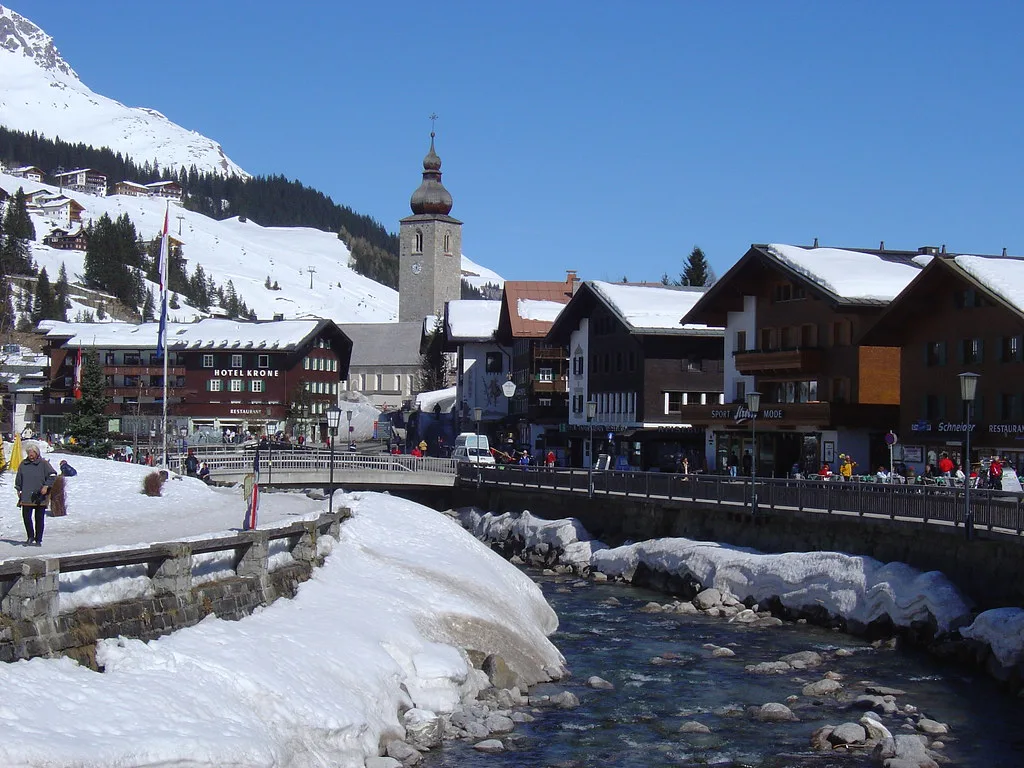
Where to Base Yourself for a March Ski Week
St Anton village gives you the widest choice of accommodation, restaurants and access to both the Galzig and Rendl lifts. It is the best base if you want nightlife and convenience, but it is also the busiest and most expensive option. St Christoph suits skiers who want to be on the snow quickly and prefer a quieter base with easy access to the links.
For a March week, weigh convenience against cost. A village-centre hotel saves you a morning bus but costs more; a guesthouse a short walk or bus ride away can be better value and quieter. Book early for holiday weeks and confirm whether your accommodation includes a lift-pass or rental discount, which some hotels offer.
Spring Events and the End-of-Season Feel
Late March and early April in St Anton have a distinct atmosphere: terrace lunches, softer snow, and a calendar that often includes spring events and end-of-season celebrations. The resort publishes its event programme on the official site, so check the dates for your week if a particular party or race matters to you. Do not assume the season ends on a fixed date; operating dates vary each year and are confirmed by the resort.
The trade-off is that late-season conditions can be variable. If your priority is reliable piste skiing across the whole area, aim for mid to late March rather than the final week. If you want quieter slopes and lower prices, the last weeks can be excellent value, provided you accept that some lower runs and lifts may close.
A Sample Three-Day March Plan
Day one: start on Galzig and Kapall, ski the morning while the snow is firm, and use the afternoon to explore Rendl. Finish early and sort your pass, rental and any lessons for the rest of the week. Day two: head high to the Valluga and Schindlerkar terrain in the morning, take a guide if you want off-piste, and retreat to the lower pistes as the snow softens.
Day three: cross to Zürs and Lech for a full day on the western side, starting early to make the most of the cold snow and keeping an eye on the time for the return. If you have a fourth day, use it for St Christoph and Stuben, or book a private instructor to work on technique in the softer spring snow.
Plan Your March Trip
March in St Anton rewards skiers who plan around the freeze-thaw cycle rather than fighting it. Start early, follow the cold aspects, use the Arlberg links for variety, and keep the last week of the season flexible. The St Anton ski map is the best tool for planning which sectors to link each day.
Before you book, confirm the current season dates and pass prices on the official St Anton am Arlberg site, and reserve lessons and rental for holiday weeks. Get those details sorted and the rest of the trip is straightforward: long spring days, big descents and a resort that still has plenty of snow when the valley starts to warm.
Frequently Asked Questions
Is March too late to ski in St Anton?
No. March is a strong month in St Anton because the ski area reaches around 2,800 m, so high and shaded terrain stays in good condition even when the village warms up. The snow behaves differently from midwinter: firmer in the morning, softer in the afternoon. Plan around that rhythm and you will get excellent skiing.
What are snow conditions like in St Anton in March?
Expect firn or spring snow, with a refrozen crust overnight that softens during the day. North-facing and high slopes stay colder and firmer longer, while sun-exposed terrain turns heavy by afternoon. Historical records show March averaging roughly 33 cm of snowfall per week, but that is an average rather than a forecast for any given year.
When does the St Anton ski season end?
The closing date varies each year, so check the official St Anton am Arlberg site for the current season's operating dates before booking. Late March usually offers full-area skiing, while the final week may see some lower runs and lifts close as the snow recedes.
Do I need a guide for off-piste skiing in St Anton in March?
A qualified guide is strongly recommended for off-piste terrain, particularly in spring when the snowpack changes quickly with sun and warmth. Guides know which aspects are safe on the day and can match terrain to your ability. Book ahead during holiday weeks through the local ski schools or guide offices.
Should I stay in St Anton village or St Christoph?
St Anton village offers the widest choice of accommodation, restaurants and nightlife, with easy access to the Galzig and Rendl lifts. St Christoph is quieter and puts you on the snow quickly, with good links toward Zürs and Lech. Choose the village for convenience and atmosphere, and St Christoph for a calmer base.
Is St Anton expensive for a March ski trip?
St Anton is one of the pricier Austrian resorts, with costs concentrated in accommodation and lift passes. March can be better value than peak midwinter weeks, especially outside holiday periods, but prices vary by date and product. Check current pass prices and hotel rates on the official site.
How do I get to St Anton without a car?
St Anton has its own railway station on the Arlberg line, with direct trains from Innsbruck and connections toward Zürich. From the station, lifts and most accommodation are walkable or served by local buses. Innsbruck is the nearest major airport, with Zürich and Munich as longer-transfer alternatives.
Can beginners ski in St Anton in March?
Yes. Beginner areas near the village and at St Christoph have gentle slopes and ski school meeting points. March snow softens earlier on low terrain, so morning lessons are the better choice. Book a multi-day course so you progress steadily rather than trying the steeper terrain too soon.
Sources
Useful notes for your next ski trip
Optional updates to our Alpine resort guides.
You might also like
Continue reading
More guides you'll find useful