St Anton Ski Season: Dates, Snow and When to Book
Plan the St Anton ski season around published opening and closing dates, the Arlberg pass, snow reliability and when to book for the best snow and value.
On this page
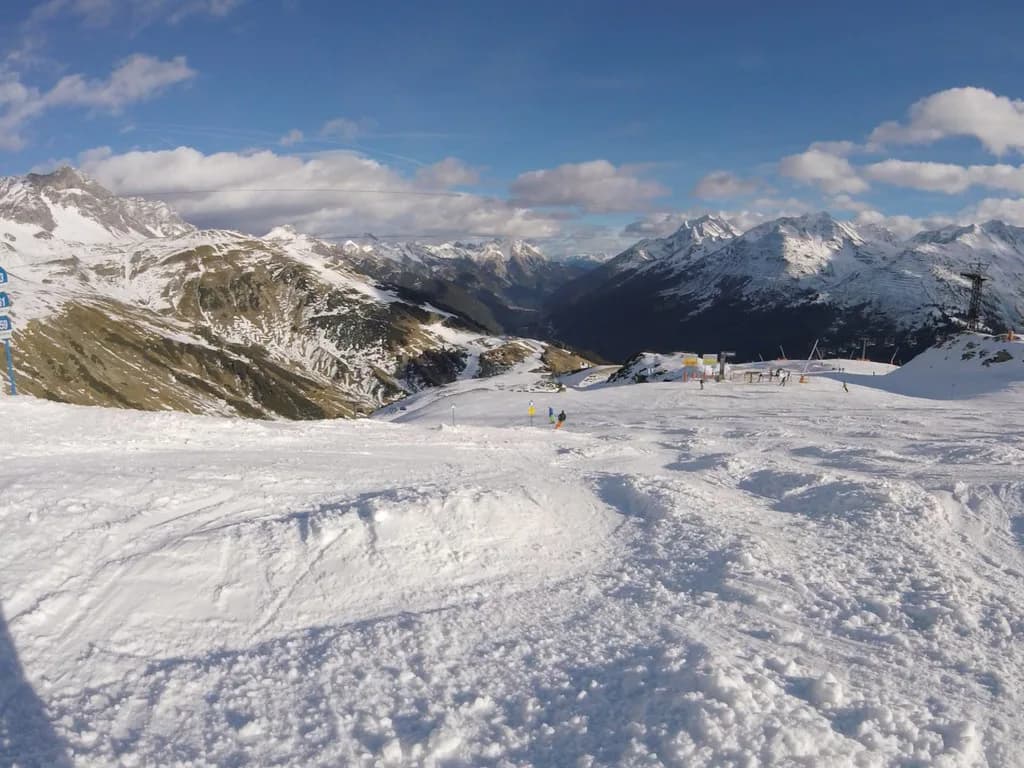
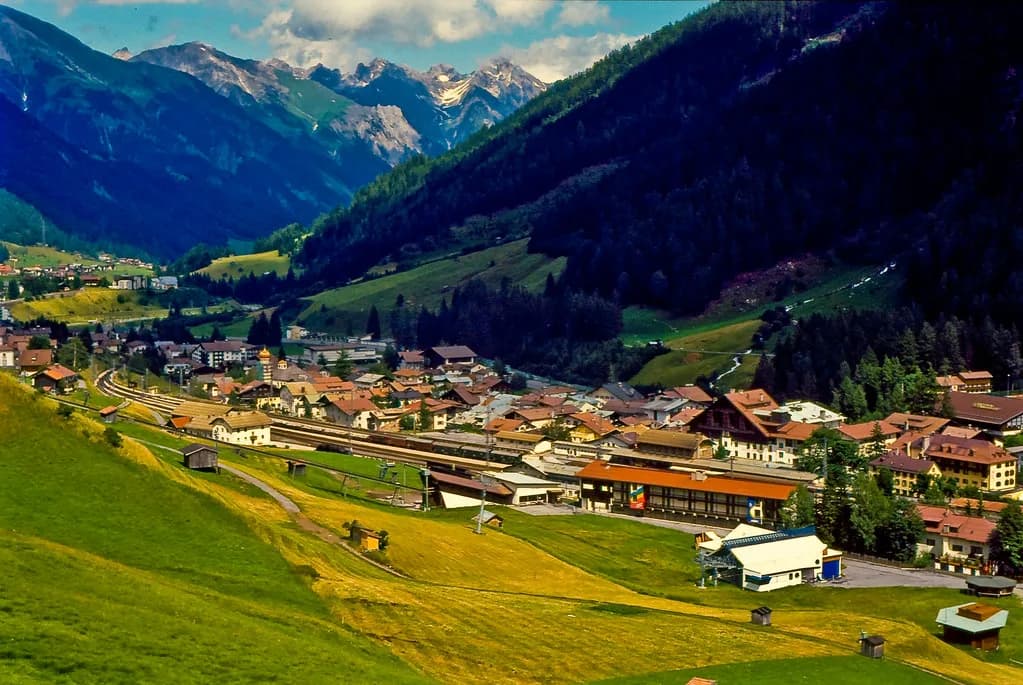
St Anton am Arlberg is the headline resort of the Arlberg, the ski area that straddles Tyrol and Vorarlberg and links St Anton with Lech, Zürs, Stuben and Warth. Its layout is simple to grasp: the village sits at 1,300 m along the Rosanna river, the lifts climb to 2,811 m, and the skiing spreads across distinct sectors rather than one uniform mountain. That altitude range is why the season stretches from early winter into late April, and why the conditions you meet change sharply between December and Easter.
The trick to planning a trip is to separate the resort's published season from what actually turns on day to day. Opening dates are planned targets, and early-season terrain is limited while snowmaking and natural snowfall build coverage; late season brings long, bright days but softer snow on sun-facing runs. If you want the full picture of the mountain before you choose dates, the St Anton Ski guide covers the sectors, lift network and terrain in detail.
This guide treats the season as a series of trade-offs rather than a calendar to memorise. It compares quiet early December against reliable January, busy half term, well-balanced March and slushy-but-sunny April, then shows which sectors suit beginners, intermediates and experts, how the Arlberg pass changes your plans, and how the train and airport transfer options compare.
Why St Anton's Season Matters
St Anton's geography sets the terms of its season. The village base at 1,300 m means the lower pistes can lose cover in a mild spell, while the top station at 2,811 m keeps snow well into spring. The Arlberg ski area offers 305 km of pistes and 88 lifts across its resorts, which is the scale you are planning around when you pick a week.
The consequence for planning is that a St Anton week is not one experience. A December trip concentrates you on the higher, snowmade runs and the Nasserein and Gampen beginner zones, while a March or April trip opens up the long descents and the links towards Stuben, Lech and Zürs. Choose your month by what you want to ski, not just by the cheapest accommodation.
Altitude also shapes which resorts you can reach on the same pass. The Arlberg circuit rewards confident skiers who can move between sectors, because the interesting terrain is spread out and the connections take time. Build in slack for the transfer runs and treat the day's first lift as the one that decides where you ski.
Opening and Closing Dates: What the Published Season Says
The published plan for the Ski Arlberg area currently lists 2 December to 18 April for the St Anton, St Christoph, Stuben, Lech, Zürs, Warth and Schröcken circuit. Treat those as planned dates that the resort aims for, not a guarantee that every lift and piste will be running from day one. The neighbouring Sonnenkopf area at Klösterle is listed separately with its own shorter window.
Early-season terrain is limited for good reason: the resort needs a base before the lower runs can open, and snowmaking is concentrated on key arteries first. In the opening weeks you should expect the main access lifts from Nasserein and Galzig to be the priority, with some valley runs and off-piste areas still closed. Check which lifts and pistes are listed as open before you commit a December trip.
At the other end, the closing weekend rarely means everything shuts at once. Spring operation tends to wind down sector by sector as cover retreats, so a trip in the final fortnight may find the higher Galzig and Valluga terrain still running while lower runs close. If late-April skiing is the goal, plan around the upper mountain and accept shorter, softer days.
What Early December Delivers
Early December is the quietest and often the cheapest window, but it is a bet on snow rather than a safe choice. Pistes are less crowded, ski school groups are small and accommodation is easier to find, yet you may be skiing a narrow band of open runs while the resort builds coverage. If you are flexible and mainly want mileage on groomed pistes, it can work well.
The case for a pre-Christmas trip is strongest for beginners and lower intermediates who will spend most of their time in the Nasserein and Gampen zones. Those areas are served by snowmaking and are the first to open, so lessons and easy laps are realistic even in a thin-snow December. Experts chasing off-piste should wait, because the steep terrain and the connections towards Stuben need a proper base.
Book early December with a plan B. Choose accommodation with a free cancellation window, watch the resort's snow reports in the fortnight before departure, and keep your expectations on terrain rather than on powder. The upside is a relaxed mountain and easy restaurant tables, which is a genuinely different trip from the February crush.
Christmas, New Year and January: The Most Reliable Snow
The festive period and January bring the most dependable conditions on the lower mountain. Snowmaking has had weeks to run, the base is usually established down to the village, and the full lift network is typically in operation. That reliability is exactly why Christmas, New Year and the first weeks of January are the busiest and most expensive dates of the season.
If you want the classic St Anton experience of skiing from the village, through the Gampen and Galzig sectors and up to the Valluga, January is the safest month to book. The trade-off is cost and crowds: accommodation fills early, ski school places for children go first, and the popular mountain huts get busy at lunch. Book the essentials well ahead and accept that flexibility is expensive over the holidays.
New Year week is the peak of the peak. Lift queues at the main access points are longest in the morning, and the après-ski scene is at its loudest. If your group is split between partygoers and early risers, consider staying near Nasserein, where the access is quicker and you can reach the mountain before the worst of the queues builds.
February Half Term and the Busy Weeks
February half term is the single most pressured week for British families, and the pressure shows on the mountain as well as in the village. Ski school classes fill, hire shops run short of popular sizes, and the main lifts carry queues at opening. The snow is usually good, so the constraints are people and logistics rather than cover.
Plan February around avoiding bottlenecks rather than finding empty pistes. Start from Nasserein instead of the central Galzigbahn, take an early lift, and use lunch to ski rather than queue. Reserve ski school and equipment before you travel, and be realistic about how far you can move around the Arlberg circuit when the connections are crowded.
Outside half term, February can be excellent value for adults and quieter for intermediates. The light is improving, the snowpack is deep, and the long runs towards Stuben come into their best condition. If your dates are flexible, the weeks either side of the school holiday give you most of the snow with far less friction.
March: The Best Balance for Most Skiers
March is the month most skiers should default to. Snow depth is near its seasonal peak, daylight is generous, and temperatures are milder without the slush of April. The whole Arlberg circuit, including the long descent to Stuben, is usually skiable, and the mountain is quieter than at half term.
The trade-off is that March weather is variable: you can get powder, sunshine or a warm foehn wind in the same week. Pack layers and expect the south-facing runs to soften in the afternoon while north-facing terrain stays firm. Ski the higher Valluga and Kapall terrain in the morning and save the lower, softer runs for the end of the day.
For a first St Anton trip with mixed abilities, March gives everyone something. Beginners have reliable snow at Nasserein and Gampen, intermediates get the long reds, and experts can move across to Lech and Zürs through the Arlberg links. Book accommodation early but leave ski school and hire to closer to the date if you want to read the forecast.
Late March and April: Spring Snow and Long Days
April rewards skiers who accept spring conditions. South-facing runs soften into slush by midday, north-facing pistes hold up well, and the days are long enough to ski into the afternoon. The resort winds down towards the published closing date, so some lower runs and lifts may close before the final weekend.
Use the Schindler Spitze to Stuben run as a test of the season. In deep winter it is a cold, sustained descent; in April it becomes a softer, sun-affected run where timing matters. Ski it in the morning before the snow turns, and treat it as the marker of a full-season itinerary rather than a first-week objective.
Late season suits confident skiers and groups who value sunshine, quiet pistes and lower prices over guaranteed powder. Check which lifts are still scheduled before booking, since spring operation changes week by week, and plan around the upper mountain if the valley runs have closed.
Snow Reliability by Sector
St Anton's sectors behave differently, and matching them to ability is the single most useful planning decision. Nasserein and Gampen form the beginner heart of the resort, with gentle, snowmade slopes close to the village and easy access to ski school meeting points. Intermediates graduate to the long reds off Galzig and Kapall, while experts head for the Valluga and the steep terrain around it.
The higher you go, the more reliable the snow and the more serious the terrain. Galzig and Kapall hold cover well and offer the widest choice of groomed runs, which makes them the backbone of an intermediate day. Valluga is expert country, reached by cable car and best left until you know the conditions and the route down.
Getting the sectors straight before you arrive saves time on the mountain. The st anton ski map lays out the lifts and runs sector by sector, which is worth studying over breakfast rather than at the lift queue.
The Arlberg Pass: Coverage and Buying It
The Arlberg pass covers the linked resorts of St Anton, St Christoph, Stuben, Lech, Zürs, Warth and Schröcken, so one ticket buys the whole circuit. That matters for planning: a day towards Lech or Zürs is a full-day commitment, not a quick side trip, and you need the pass that includes those areas rather than a local St Anton ticket.
Pricing changes season by season and depends on the number of days you buy, so it is worth comparing the official tariff before you commit. The St Anton Ski Pass Guide explains the product types and how multi-day tickets work, and you can buy passes online in advance or at the lift stations. Pre-ordering saves queueing on arrival day, especially in peak weeks.
Consider whether a six-day pass for the full Arlberg area is worth it if you plan a rest day or two. A shorter pass plus a flexi day can work out better for mixed groups, and beginners who stay in the Nasserein zone may not need the full circuit at all.
Ski School and Hire Timing
Ski school and equipment hire are the two bookings that most often get left too late. In Christmas, New Year and February half term, children's group lessons and popular ski sizes sell out weeks ahead. March and April are more forgiving, but booking a few weeks out still gets you a better choice of instructor times and equipment.
For beginners, the Nasserein and Gampen meeting points are the most convenient, with short walks from the village and easy access to the teaching slopes. Book lessons that start from those zones rather than the town centre, and confirm the meeting point before the first morning. The st anton ski rental guide covers the hire options and what to reserve.
If anyone in the group prefers a board, St Anton has terrain parks and dedicated instruction, so equipment and lesson bookings should be made together. The St Anton snowboarding Guide covers the park and course options.
Getting There: Train versus Airport Transfer
St Anton has its own railway station on the Arlberg line, which makes the train a genuine alternative to flying. Direct services run from Innsbruck and from Zürich, and the station sits within walking distance of much of the village. Travelling by rail also removes the need for a transfer and keeps you independent of road conditions on the pass.
By air, Innsbruck is the closest airport and the transfer typically takes around an hour and ten minutes by shared or private minibus. Shared return transfers are advertised from a fixed per-person price, but check the current rate and the luggage rules before booking. Zürich is a longer but often cheaper flight option with a scenic rail connection.
If you are comparing resorts, the Kaprun ski season dates show how another Austrian area structures its published opening and closing. The principle is the same: use the planned dates to shortlist a week, then confirm lift and piste operation closer to departure.
Month-by-Month Planning Summary
December is quiet and cheap but snow-dependent, with limited early terrain. January is the most reliable month for full-mountain skiing and the busiest for bookings. February half term brings good snow and heavy demand, so reserve lessons and hire early. March offers the best balance of depth, daylight and space, and April rewards flexible skiers with sunshine and softer snow.
Match the month to your group. Families with young beginners should aim for January or March and stay near Nasserein, while experts chasing steep terrain should pick a deep-snow week in January or February and keep an eye on conditions. Anyone wanting the full Arlberg circuit needs a week in the heart of the season rather than the shoulder months.
Whatever you choose, distinguish the published season from daily operation. The dates tell you when the resort plans to open and close; the lift and piste report tells you what is actually running. Book flexible accommodation, reserve the key extras, and leave the rest to the snow.
Plan Your Visit
St Anton's season is long enough to suit almost any skier if you pick the month deliberately. Early December buys quiet pistes at the cost of limited terrain, January and February deliver reliability and crowds, March gives the best all-round balance, and April trades powder for sunshine. The Arlberg pass, the sectors around Nasserein, Galzig and Valluga, and the train to St Anton station are the three decisions that shape the trip most.
For the bigger picture of the mountain, terrain and links, read the St Anton Skiing overview. Then set your dates against the published season, reserve ski school and hire for the peak weeks, and check the current lift and piste report in the days before you travel.
Frequently Asked Questions
When does the St Anton ski season start and finish?
The published Ski Arlberg plan lists 2 December to 18 April for the St Anton, St Christoph, Stuben, Lech, Zürs, Warth and Schröcken circuit. Those are planned dates: early and late in the window some lifts and pistes may not be running, so check the resort's lift and piste report before you travel.
Is there snow in St Anton in December?
Usually yes on the upper mountain and the snowmade beginner zones at Nasserein and Gampen, but early December is a bet rather than a guarantee. Terrain is limited while the base builds, so December suits beginners and intermediates more than experts chasing off-piste.
What month is best to ski in St Anton?
March is the best balance for most skiers, with deep snow, long days and fewer crowds than half term. January is the most reliable month for full-mountain skiing, while April rewards flexible skiers with sunshine and softer snow.
How much does a St Anton lift pass cost?
Prices change by season and by the number of days you buy, so check the official Ski Arlberg tariff before you commit. Passes can be bought online in advance or at the lift stations, and a full Arlberg ticket covers Lech, Zürs and the surrounding resorts.
Does the St Anton pass cover Lech and Zürs?
Yes, the Arlberg pass covers St Anton, St Christoph, Stuben, Lech, Zürs, Warth and Schröcken. A local St Anton ticket does not, so choose the Arlberg product if you plan to ski the wider circuit.
Where should beginners ski in St Anton?
Nasserein and Gampen are the beginner zones, with gentle snowmade slopes close to the village and easy access to ski school meeting points. Book lessons that start from those areas rather than the town centre.
How do you get to St Anton?
St Anton has its own railway station on the Arlberg line, with direct services from Innsbruck and Zürich. By air, Innsbruck is the closest airport and the transfer typically takes around an hour and ten minutes by shared or private minibus.
Sources
Useful notes for your next ski trip
Optional updates to our Alpine resort guides.
You might also like
Continue reading
More guides you'll find useful