Saas-Fee Skiing for Beginners: Which Slopes to Start On
Plan a first ski trip to Saas-Fee: where beginner terrain sits, how lifts work, what to arrange before arrival, and how the valley pass fits together.
On this page
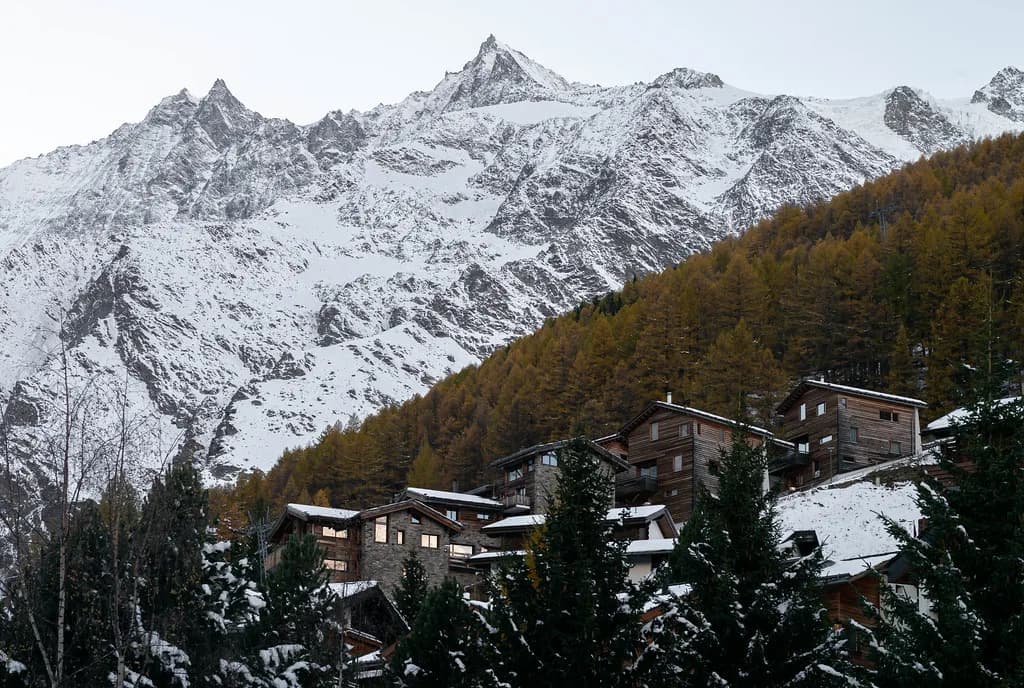
Saas-Fee village sits at around 1800 m in the Saas Valley, and the surrounding ski area reaches considerably higher, which shapes how a beginner day should be planned. The resort publishes its terrain split by slope colour and its lift mix, but those figures are planning context rather than a guarantee that every run or lift will operate during your stay. This guide to saas fee skiing for first-timers focuses on the decisions that actually matter: which sector to start in, what kind of pass fits a beginner, and what to confirm locally before arrival.
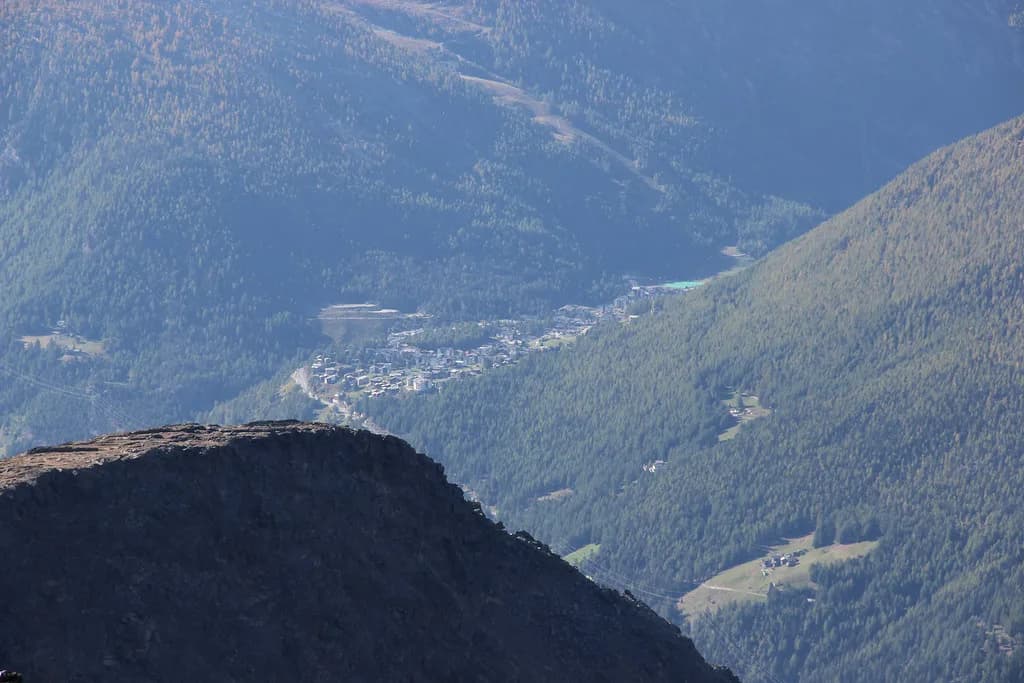
The most common beginner mistake in the Saas Valley is treating Saas-Fee, Saas-Grund and Saas-Almagell as one interchangeable ski area. They are separate sectors linked by transport and often by a shared valley pass, but their beginner zones sit at different altitudes and have different lift types. Getting this separation right early makes lesson booking, pass choice and daily logistics much simpler.
Start With the Beginner-Relevant Facts
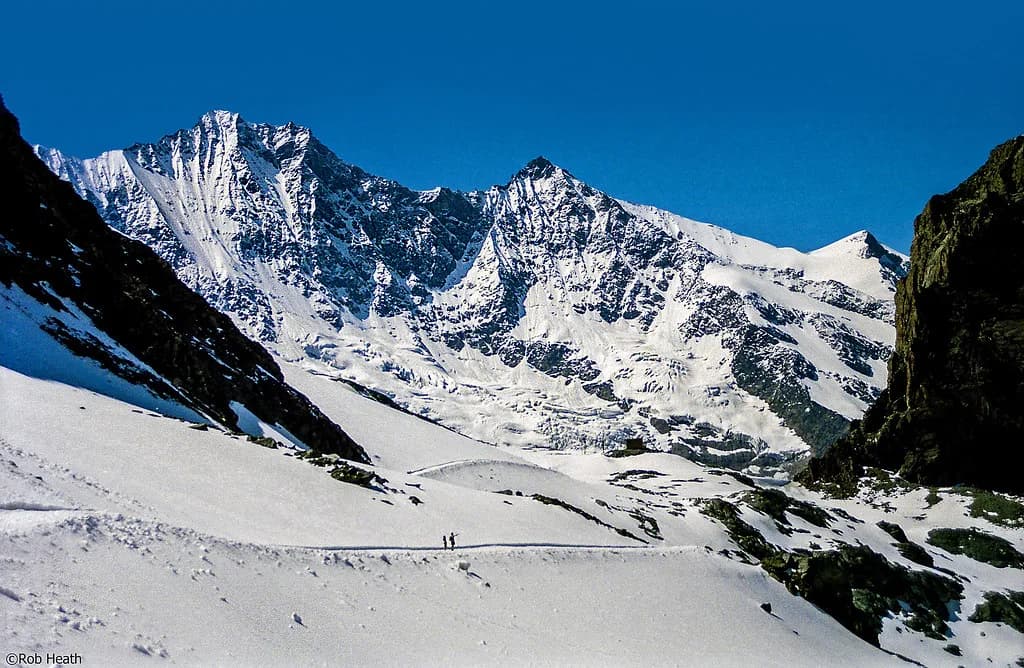
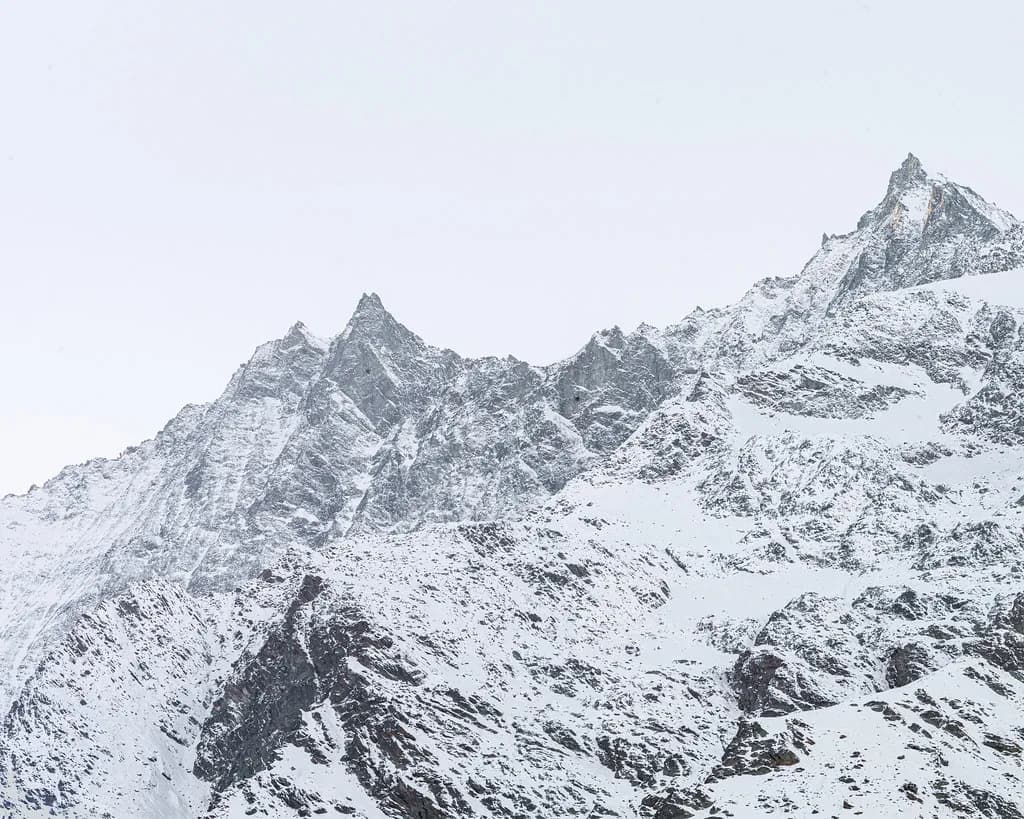
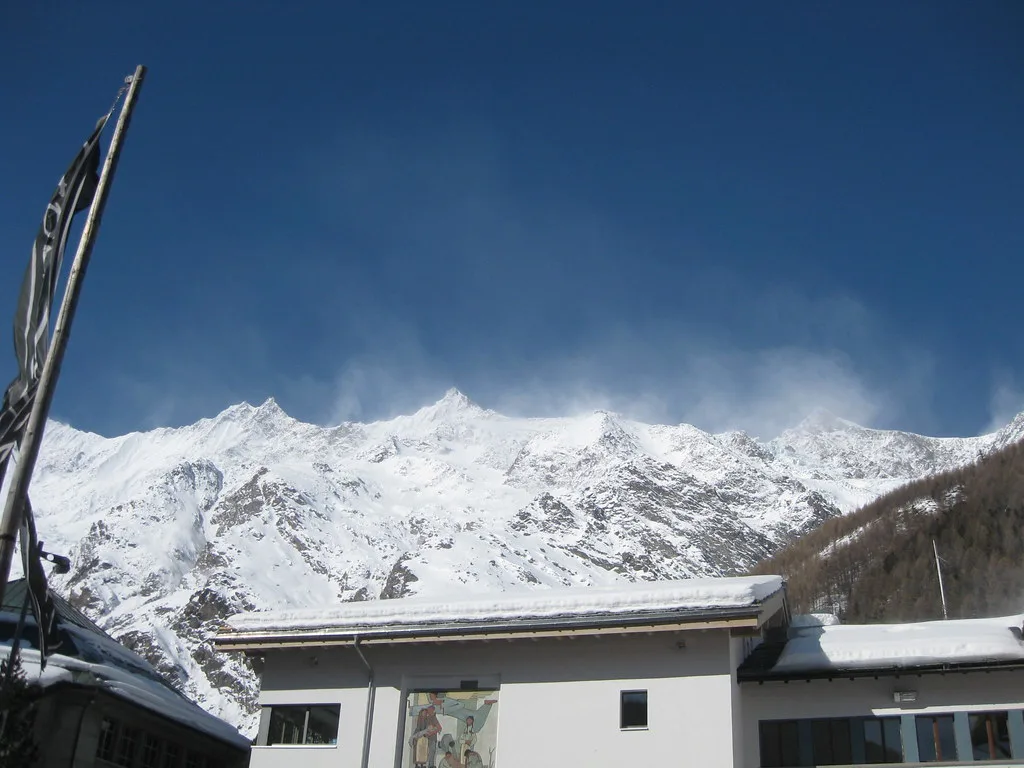
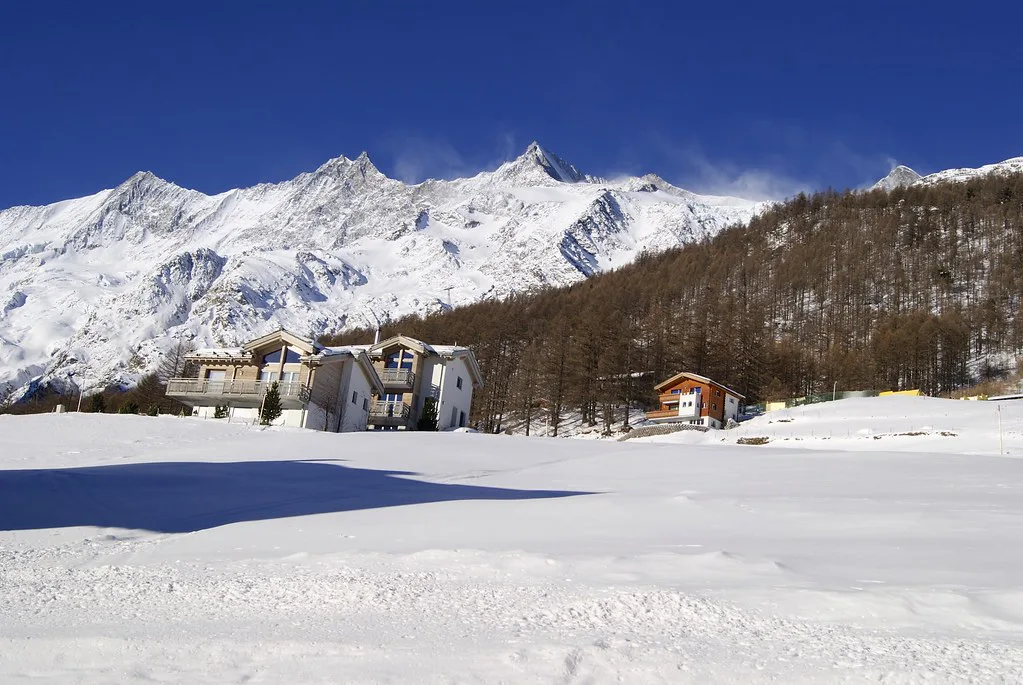
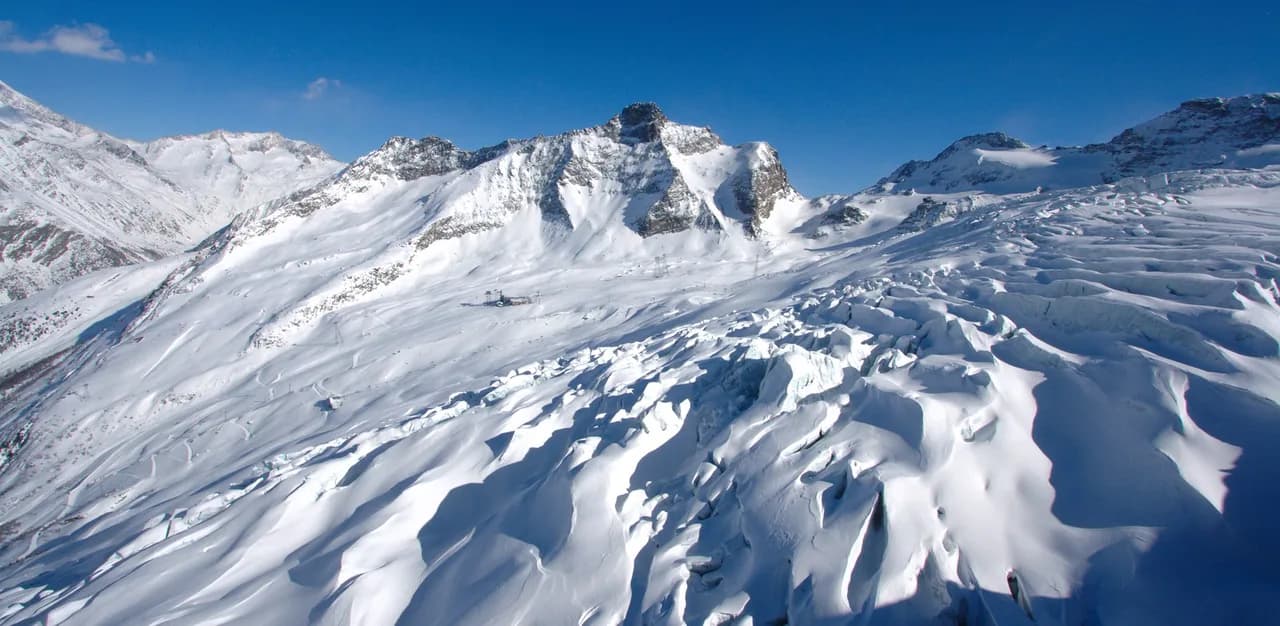
Saas-Fee is a car-free village at roughly 1800 m, with the ski area climbing to the glacier zone far above it. The resort describes the slopes as ranging between 1800 m and 3600 m, which puts the upper terrain squarely in glacier country. For a beginner, the practical relevance is straightforward: most learning happens low in the valley, while the high terrain is where the season is longest and where glacier operations determine what opens.
The resort publishes a terrain split of about 100 km of pistes, divided into roughly 20 km of blue, 60 km of red and 20 km of black runs, along with a lift mix of 12 drag elevators, 7 gondolas and 2 chairlifts. Those numbers describe the whole area, not a beginner zone, and slope colour classifications vary between resorts. Use them to understand the resort's overall character rather than to predict how a specific blue run will feel on the day.
Where Beginner Terrain Sits in Saas-Fee
The classic starting point in Saas-Fee is the Stafelwald area, where green nursery slopes and drag lifts sit close to the village and away from the faster through-runs. This matters for a first-timer because the learning zone is separate from the main descent lines, so beginners are not constantly sharing space with skiers moving at speed. The surrounding cafés and restaurants make it easy to break a morning into short blocks rather than committing to a full day on the hill.
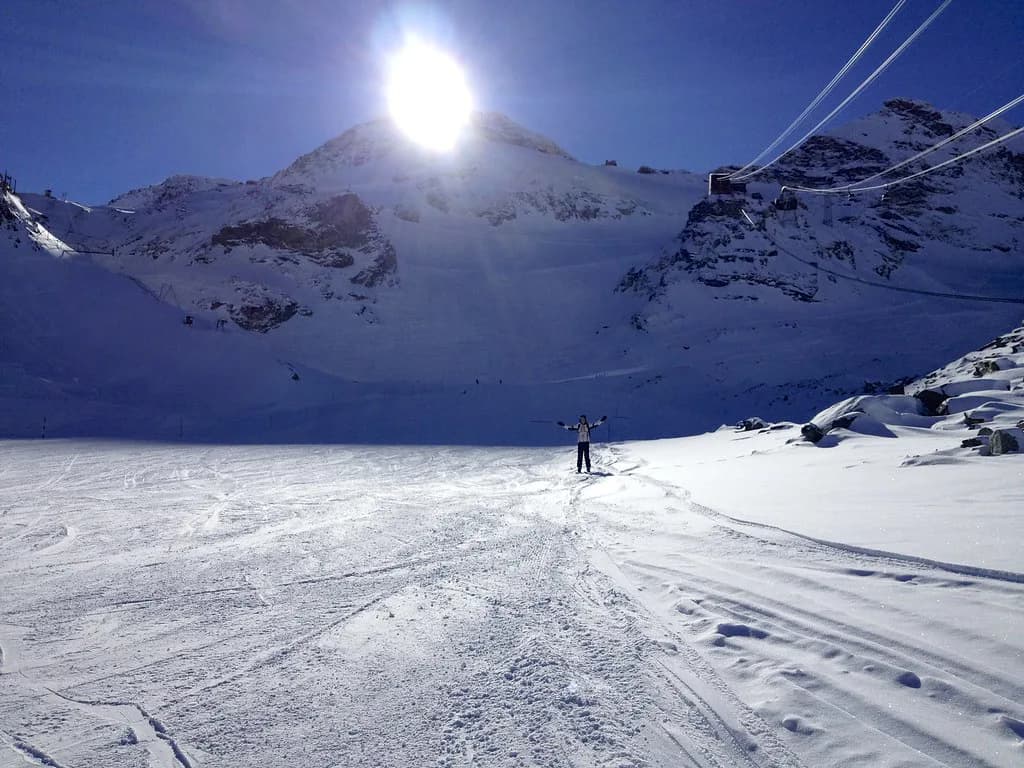
Higher up, blue runs such as the descent from Felskinn back toward the village give beginners who have progressed a longer, more varied option. Before heading up, check the day's lift status and piste opening information on the resort's own pages, because an upper blue run can be open but served by a lift that is on wind hold or scheduled maintenance. Pairing a low-level morning with an afternoon decision about going higher is a more reliable beginner pattern than committing to one area for the whole day.
Terrain Balance and Lift Types
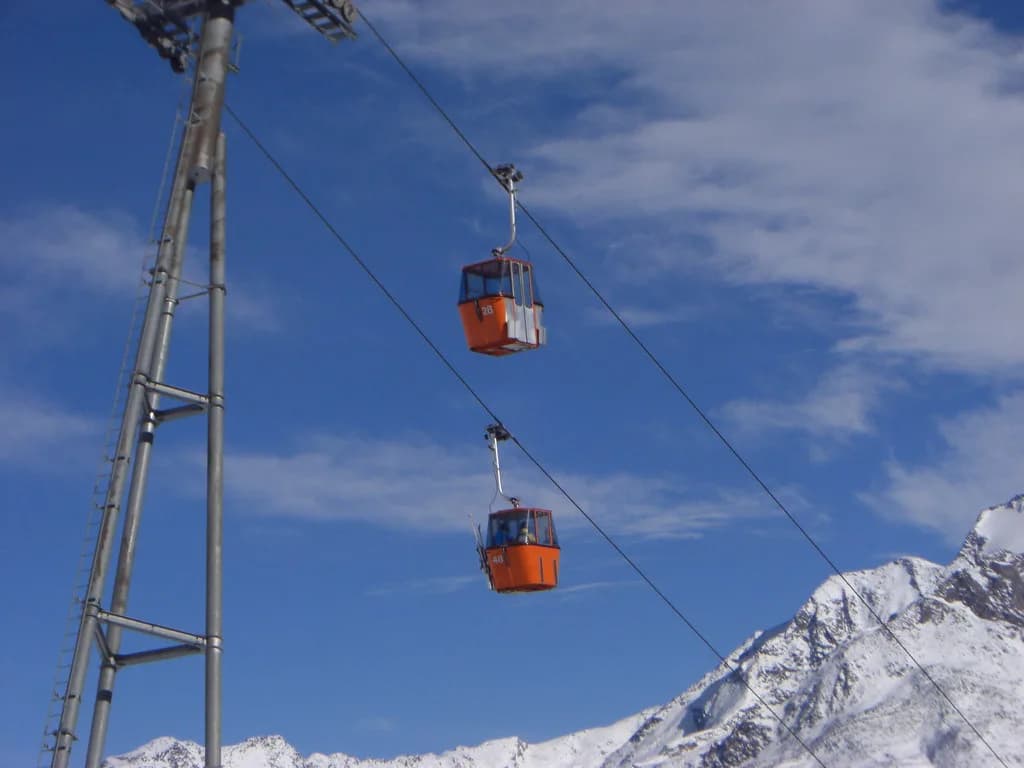
Saas-Fee's lift fleet is weighted toward gondolas and drag or surface lifts, with fewer chairlifts than many comparable resorts. For beginners, that has a practical consequence: surface lifts require a degree of balance that some first-day skiers find harder than a chairlift, so nursery areas using button lifts can feel more demanding than expected. Knowing this in advance helps you set realistic expectations for the first morning rather than treating it as a setback.
An expert day in Saas-Fee looks completely different from a beginner day, which is why the resort's overall terrain statistics can be misleading when planning a first trip. The proportion of red runs means the resort suits intermediate skiers particularly well, and the black terrain and glacier freestyle areas are irrelevant to someone still building confidence on blue slopes. Judge the resort on its beginner-relevant zones rather than its headline kilometres, and use the saas fee ski map to see how those zones connect before you commit.
The Wider Pass and Satellite Beginner Zones
The Saas Valley pass model means Saas-Fee is often covered alongside Saas-Grund and Saas-Almagell, giving beginners the option of lower, quieter satellite areas on the same trip. Saas-Almagell has its own beginner area at mid-mountain served by the Furggstolden button lift, with an Adventureland including an igloo, tubing and mini skidoos for younger learners. This is a different facility from the Stafelwald nursery in Saas-Fee, not an extension of it, and the two should be treated as separate beginner zones.
The trade-off with the lower satellite areas is snow quality at the base, because Saas-Almagell sits well below Saas-Fee's upper slopes. The bus connections between the villages are frequent enough to make combining sectors practical, but beginners should not assume that a valley pass automatically makes every sector equally usable on a given day. Check which lifts are running and whether your pass is valid in the sector you plan to visit before travelling, and weigh that against the saas-fee ski pass options for the days you will actually ski.
Arranging Lessons and Passes
Saas-Fee has multiple ski schools, and the resort lists them among its winter sports services, so it pays to compare a few before booking. Ask each school directly about meeting points, group sizes and whether a beginner pass covers the nursery lifts. Booking lessons before arrival is generally wise in peak weeks, but ask the ski school for the meeting location and the exact pass product you need rather than assuming a standard beginner package will fit. Ask whether your lesson includes lift access or whether a separate nursery pass is required.
Pass choice for a beginner is a genuine decision rather than a formality: a valley-wide pass only pays off if you will actually use the satellite areas, while a local beginner-oriented product may cover everything you need. Because pass inclusions and pricing change between seasons, check current products on the Saas-Fee lift company's official pages rather than relying on older guides or aggregator listings. The same applies to any bundled or multi-resort pass you see mentioned elsewhere.
A Practical First-Trip Sequence
A sensible beginner sequence starts with one or two days based entirely around the Stafelwald nursery zone to build familiarity with the lifts and the snow. Only then should you consider moving up to the longer blue runs, and only after checking that the relevant lifts and pistes are open that morning. Building in a rest half-day early on is a realistic way to manage the altitude and the unfamiliar equipment.
If you want variety, plan a lower-altitude day in Saas-Almagell or Saas-Grund after you are comfortable with the basics, and treat it as a complement to Saas-Fee rather than a replacement. Before travelling, confirm your lesson bookings, your pass product and the current operating status of the lifts you intend to use. That combination of local confirmation and a low-commitment first day is what makes a beginner trip to the Saas Valley workable.
Plan Your Visit
Beginners planning Saas-Fee should decide early whether they want a single-zone trip built around the Stafelwald nursery or a valley trip that adds the lower satellite areas. The resort's beginner-relevant terrain is concentrated low in the valley, and the terrain statistics you see for the wider area describe a much more advanced resort than the one you will actually use in your first days. If you are still weighing resorts, our Davos skiing for beginners guide follows the same first-timer logic for a different Swiss valley.
Confirm lessons, meeting points and the exact pass product with the ski school and lift operator before you travel, since those details change between seasons and are not reliably published in third-party guides. Once those are settled, keep your first days simple and add higher or satellite terrain only when the lifts and conditions support it.
Frequently Asked Questions
Where are the beginner slopes in Saas-Fee?
The main beginner zone in Saas-Fee is the Stafelwald area, where green nursery slopes and drag lifts sit close to the village and separate from the faster through-runs. Longer blue runs such as the descent from Felskinn suit beginners who have progressed, but check lift and piste status before heading up.
Do beginners need a full valley pass in Saas-Fee?
Not necessarily. A valley pass only pays off if you will genuinely ski Saas-Grund or Saas-Almagell during your trip. Because pass products and inclusions change between seasons, confirm the current options directly with the lift operator rather than relying on older guides.
Can beginners use the Saas-Almagell beginner area on the same pass?
Saas-Almagell has its own beginner area at mid-mountain served by the Furggstolden button lift, and it is often covered by the wider valley pass. It is a separate zone from the Stafelwald nursery in Saas-Fee, and the lower base means snow quality at the bottom can differ, so check current pass validity and lift status before travelling.
How do I arrange ski lessons in Saas-Fee as a beginner?
Saas-Fee has several ski schools, but meeting points, group sizes and whether lessons include lift access vary. Book ahead in peak weeks and confirm the lesson meeting location and required pass product directly with the school, since those details are not reliably published by third parties.
Sources
Useful notes for your next ski trip
Optional updates to our Alpine resort guides.
You might also like
Continue reading
More guides you'll find useful