Les Houches Skiing Guide: Sectors, Passes and Planning
Les Houches skiing explained: the Bellevue and Prarion sectors, local Les Houches/Saint-Gervais passes, beginner zones and how the valley pass changes your week.
On this page
Les Houches is a lower-altitude, tree-lined ski area at the western end of the Chamonix-Mont-Blanc valley, roughly six kilometres from Chamonix town. It is not a single-lift resort but a ski domain with two separate access points, the Bellevue cable car and the Prarion lift, which means your base location changes how you start and finish each ski day.
The practical decision is whether to ski only the local Les Houches/Saint-Gervais area on its own pass, or to buy a valley-wide pass that adds Chamonix's other sectors. The answer depends less on ability and more on how many days you will ski, how much variety you want, and whether you plan to explore beyond the tree-lined local slopes.
This guide works through the terrain, learning provision, pass options, lessons and hire logistics as a planning sequence. It keeps the focus on operational choices you can confirm on the official Chamonix tourism and lift-company pages, rather than on snow promises or marketing superlatives.
Why Les Houches? Positioning the resort in the Chamonix Valley
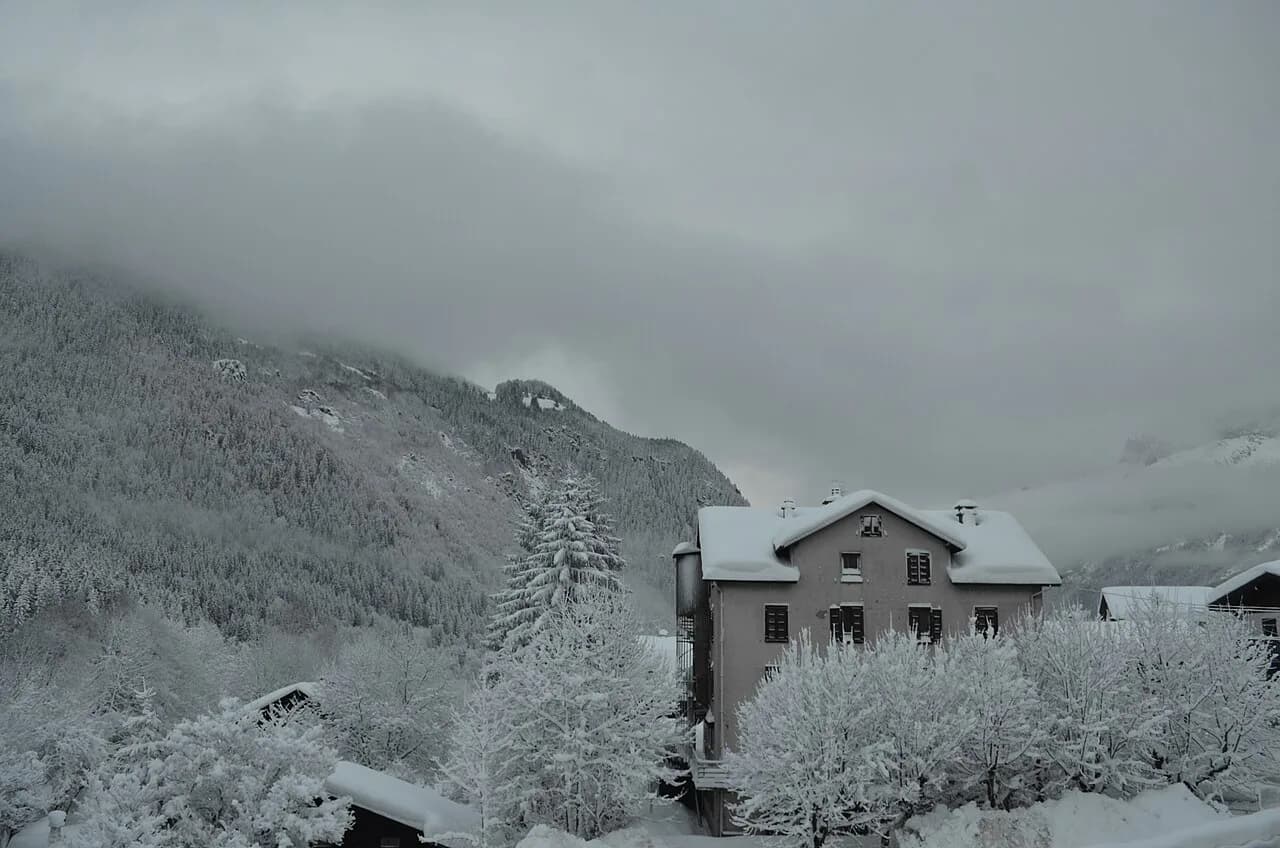
Les Houches is one of the largest towns in the Chamonix Valley, spreading for several kilometres at the foot of the Mont Blanc massif. It sits around 1,000 metres above sea level and offers a slower, more residential base than the busy centre of Chamonix, with direct views towards Mont Blanc and the Dome du Gouter from its upper lifts.
For skiers, the appeal is a compact and coherent local area rather than a giant interconnected circuit. The Les Houches/Saint-Gervais ski area lies within the wider Chamonix lift network, but it operates as its own distinct domain with two access points and a separate local pass, which makes it easier to understand than the valley as a whole.
Choosing Les Houches is therefore a deliberate valley-trip decision: you trade the high-Alpine open terrain of Argentière or the Brévent-Flégère balcony skiing for sheltered, forested pistes and a quieter base. The town's broader Chamonix transport links mean you can use Les Houches as a calm home while still reaching other sectors on a valley pass.
Les Houches skiing at a glance: area extent, altitude range and terrain character
The local ski area runs from about 1,000 metres at the valley floor to roughly 1,900 metres at its highest served terrain. That modest vertical range, about 900 metres, explains why the domain is described as a family-friendly, forested area rather than a high-altitude snow bowl.
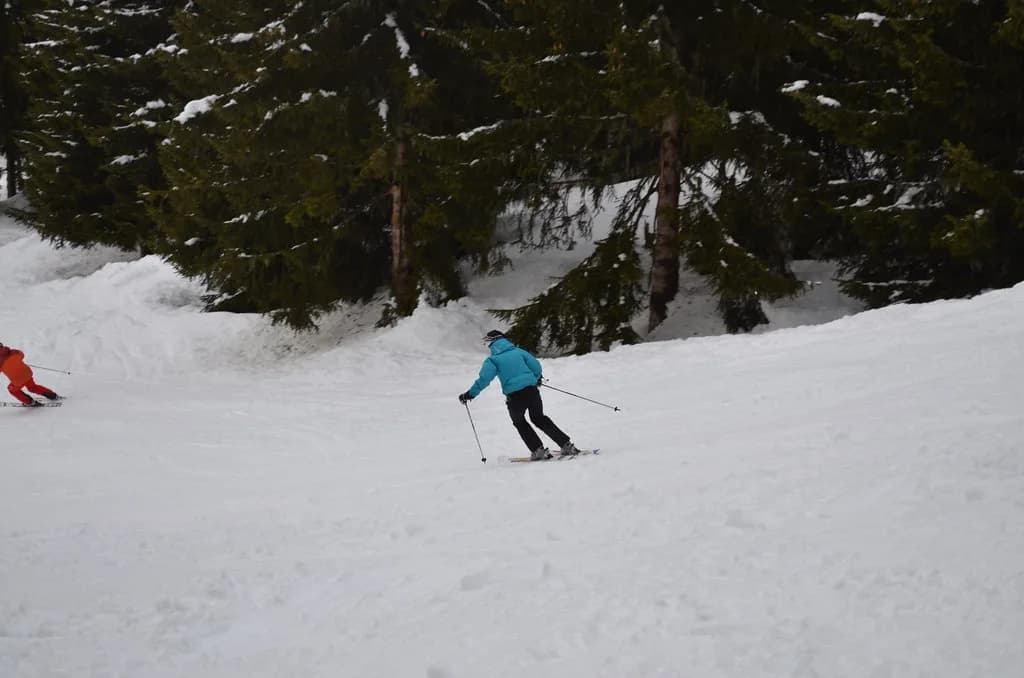
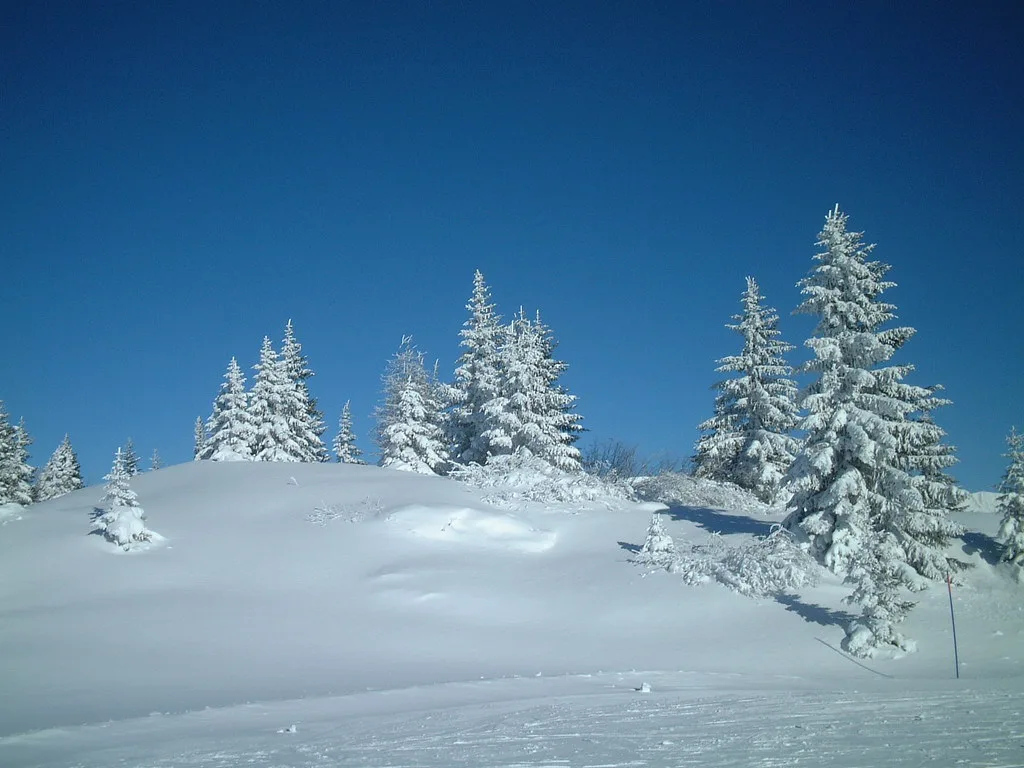
The pistes are predominantly tree-lined, which has a practical effect on a poor-visibility day: the forest gives visual reference and shelter, while the open upper sections offer Mont Blanc views in clearer weather. The terrain is mostly wide cruising terrain and learning slopes, with one high-profile expert descent, the Verte des Houches.
Because the area is lower and partly wooded, the season and daily opening periods are planned, not guaranteed. The official Chamonix tourism page publishes dated operating windows for the Les Houches/Saint-Gervais domain, and any visitor should treat those as conditional on snow and lift-company decisions rather than as a fixed promise.
The two access sectors: Bellevue and Prarion and how each shapes a ski day
There are two main gateways to the Les Houches/Saint-Gervais ski area: the Bellevue cable car on one side and the Prarion gondola on the other. They serve different flanks of the domain, so your choice of lift changes which slopes you reach first and how you finish your day.
Bellevue provides access to terrain on the Saint-Gervais side and sits close to the Tramway du Mont-Blanc route, while the Prarion lift opens up the wider Les Houches side with easier intermediate cruising. Visitors staying near Les Chavants or the Prarion base will naturally use the gondola, while those based further towards Saint-Gervais may find the Bellevue side more convenient.
A practical planning step is to check which lift is closest to your base and what time each opens, because the two sectors are not always equally convenient at the start and end of a day. The official ski-area page lists both access points and their related facilities, so use that page to pick your first lift instead of treating one hub as covering the whole area.
Beginner and family skiing: the Tourchet learning base and wide lower slopes
Beginners have a dedicated learning zone at Le Tourchet, located at the base of the mountain. This area is designed for first turns and short, gentle slopes before you move onto longer green or easy blue terrain, which makes it a contained place to build confidence without being swept into faster traffic.
The upper Prarion sector also offers gentle, open terrain that lets novices ride the gondola to altitude and then descend on wide beginner-friendly pistes. This is a useful progression step because it gives beginners the feeling of a real mountain day while keeping the gradient manageable.
Family visitors should check the official Famille Plus status and the availability of ski school classes for children, but do not infer a specific lesson format from a resort label. The right approach is to confirm beginner zones, class age bands and meeting points directly with the ski school or tourist office before booking lessons.
Intermediate terrain: long tree-lined cruising and what it means for weather days
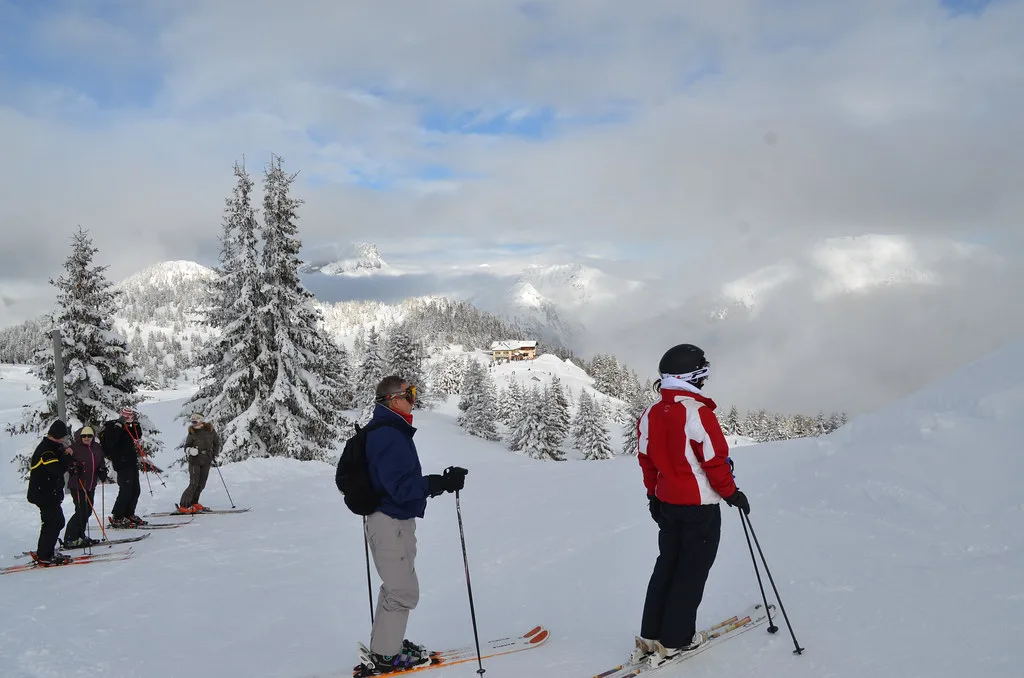
Intermediate skiers will find the core of Les Houches in its long, tree-lined blue and red runs that descend through the forest and offer sustained cruising rather than short, repetitive laps. These pistes are the area's main strength, especially for skiers who want to link turns while enjoying Mont Blanc views across the valley.
The forest also changes the experience on poor-weather days. When visibility drops, the tree cover provides contrast and a sense of direction, so a lower-altitude, wooded area can feel more manageable than an exposed high-alpine bowl, though that does not change the need to follow local piste markings and conditions.
In practice, a full intermediate day works well by riding one of the two main lifts, then choosing a sequence of blue and red runs on that side before moving across to the other sector when the lifts allow. The size of the local domain is modest, so many intermediate skiers will spend part of a longer week wanting the wider variety offered by a valley pass; if you are weighing a bigger linked domain, this Alpe d'Huez Skiing Guide shows how sector-and-pass planning works at scale.
Expert options, including the Verte des Houches, and the limits of the local area
The standout expert terrain is the Verte des Houches, a World Cup downhill course used for international competition and widely regarded as a serious technical descent. It is one of the strongest reasons an advanced skier may choose Les Houches, but it is an occasional challenge rather than a whole day's terrain.
Beyond that signature run, the local area is more limited for advanced skiers looking for sustained steep or exposed terrain. The domain's core is intermediate cruising, so an expert planning a full week should consider whether the local pass will feel repetitive after two or three days.
The practical answer is usually a valley-wide pass that adds Les Grands Montets, the Brévent-Flégère areas and other Chamonix sectors. In that case Les Houches becomes a relaxed, wooded contrast to the high-alpine runs elsewhere, rather than the only skiing you do all week.
Reading Les Houches lift-pass options: local area pass versus valley-wide passes
The official Chamonix valley lift-pass page lists three relevant choices for Les Houches: the local Les Houches/Saint-Gervais pass, the Chamonix Le Pass, and the Mont Blanc Unlimited pass. Each covers a different geographic scope, and the local area pass is the cheapest way to ski only Les Houches and Saint-Gervais.
Chamonix Le Pass expands the map to several valley ski areas but not the highest excursion sites, while Mont Blanc Unlimited adds 10 ski areas and 4 excursion sites across the wider Chamonix valley and beyond. The right comparison is therefore about how many different sectors you will actually visit, not just the headline name of the pass.
The local Les Houches/Saint-Gervais pass is repeatedly described by the official tourism page as the best price for a day in Les Houches, but that does not make it the best choice for a whole week. Read the pass descriptions as geographic boundaries first, then weigh the online-booking terms on the official lift-company site before deciding.
Which pass actually fits your trip? Matching pass scope to your skiing plan
Start by counting your actual ski days and whether you will stay in Les Houches every day. A short trip of two or three days focused on the local tree-lined pistes and the Verte des Houches may be fully served by the Les Houches/Saint-Gervais pass, while a longer holiday that plans to sample different Chamonix sectors will quickly justify a wider pass.
Mont Blanc Unlimited is the most flexible option because it removes the choice of which area to visit each morning: you can ski Les Houches on a poor-visibility day, then head to Les Grands Montets or the Brévent-Flégère lifts when you want higher, more open terrain. The trade-off is a higher upfront cost and the risk of paying for areas you never reach.
A useful rule is to compare the cost of the local pass for your planned days with the closest Chamonix Le Pass or Mont Blanc Unlimited equivalent, then ask whether you will realistically use the extra sectors more than once. The link between Les Houches and the rest of the valley is by road or shuttle, not by piste, so changing areas requires a short transfer rather than skiing through a lift connection.
Lessons and ski school provision: how to choose format and level
Les Houches has a well-established ESF ski school offering group and private lessons, and the beginner areas at Le Tourchet and Prarion give instructors contained terrain for early progression. The key decision is not whether lessons exist, but which format matches your level and how many half-days you can commit to.
For complete novices, a morning group course is a practical way to learn the basic movements while leaving the afternoon free for rest or a short easy run. For mixed-ability families or skiers returning after a long break, private or small-group tuition can target a specific issue such as confidence on steeper blues or rhythm on the tree-lined reds.
Because course names and age bands change season to season, do not book based on a remembered brand title from a retailer page. Instead, confirm the current lesson schedule, meeting point, group size, and whether a lift pass is included, directly with the ski school or through the official Chamonix tourism office.
Ski and snowboard hire in Les Houches: practical booking decisions
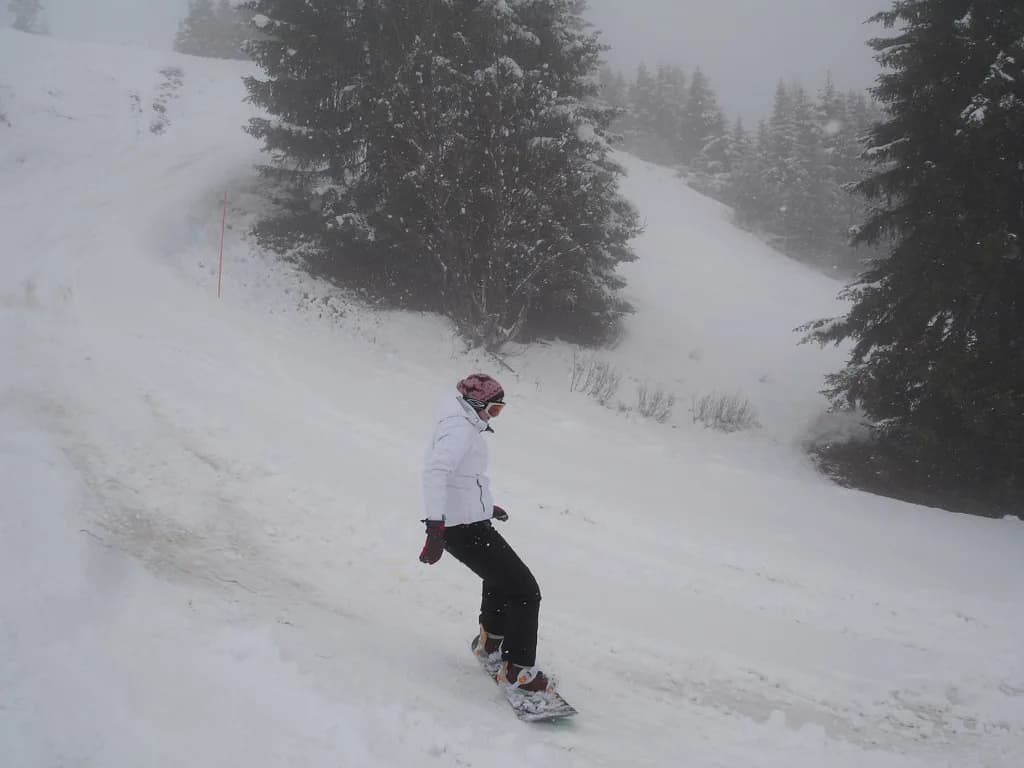
Ski and snowboard hire in Les Houches is available near the main access points, which matters because you will probably carry or store equipment close to your first lift of the day. The most useful booking questions are about boot fitting, helmet and pole inclusion, damage cover, and whether you can swap skis or boards during the week.
Arrival timing affects the hire experience: a midweek or afternoon pick-up is usually calmer than Sunday morning or the first morning of a school holiday. If you are skiing only the local area, a standard all-mountain ski is fine, but skiers using a valley pass to reach higher, harder sectors may prefer a more performance-oriented ski from the shop's range.
Confirm the shop's location relative to your base and the nearest lift before booking, because Les Houches is spread out and a convenient hotel address does not always mean a short walk to the slopes. The detailed Les Houches ski hire guide covers what to ask when comparing shops and how to avoid the common mistake of choosing purely on price.
How to structure a ski week in Les Houches: daily pattern and sector sequencing
A practical Les Houches week starts with the sector closest to your base. If you are staying near the Prarion side, begin there on day one to learn the area's rhythm, then use day two to cross to the Bellevue side and compare the terrain before deciding where to spend the rest of the local days.
For beginners, a sensible pattern is lesson mornings at Le Tourchet or Prarion followed by short, low-stress afternoons on the easiest runs. Intermediates often get the most from a day of tree-lined blues and reds, while advanced skiers should plan the Verte des Houches into the middle of the week and use a valley pass for the remaining days.
If you hold a Mont Blanc Unlimited pass, treat Les Houches as the sheltered option for cloudy or snowy days and use the higher Chamonix sectors on clear mornings when visibility and lift queues are usually better. Always check the daily lift report before choosing a sector, since planned opening windows and individual lift availability can vary.
Planning sequence and common mistakes before you book
Move through the decision in this order: choose dates, identify your base's nearest lift, decide how many ski days you will actually take, compare the local pass with the valley pass for that exact number of days, then book lessons and hire around your lift plan. Reversing the order leads to paying for a pass or lessons you cannot fully use.
The most common mistake is buying a Mont Blanc Unlimited pass for a group that stays in the local area every day, or buying only a Les Houches pass when the group had wanted to ski Les Grands Montets and the Brévent-Flégère sectors. Decide the pass based on the sectors you will visit, not on the resort's reputation or a retailer's generic suggestion.
Also check the official season dates and any hands-free card or online purchase conditions before committing to accommodation. The Les Houches/Saint-Gervais ski area publishes planned opening periods that are conditional on snow, so your booking should allow for the possibility that the highest or lowest slopes may not open exactly as planned.
Plan Your Visit
Les Houches is best understood as a compact, wooded ski area that works as either a complete short trip or a calmer base within a wider Chamonix valley itinerary. The decision that matters most is the pass scope: local Les Houches/Saint-Gervais for a focused visit, or a wider Chamonix pass when you want to move between sectors during the week.
Check the official Chamonix tourism pages for current lift dates and the lift-company site for dated prices before you book, and do not rely on remembered season dates or retailer summaries. The planned opening windows are conditional, so building a little flexibility into your week will make a much bigger difference than chasing a perfect forecast.
Once you have fixed your base, lift and pass plan, the remaining choices about lessons and hire become easier because they follow from the terrain you will actually ski. Use the detailed Les Houches ski hire and snowboarding guides to handle those final bookings with the right questions, and keep the valley-wide pass option in reserve if your group wants more than the local tree-lined slopes.
Explore more Les Houches guides
Frequently Asked Questions
Is Les Houches good for beginners?
Yes, because it has a dedicated beginner area at Le Tourchet and gentle upper terrain at Prarion. The wide, tree-lined lower slopes also give new skiers clear visual reference.
Is Les Houches worth skiing if I have a Mont Blanc Unlimited pass?
It makes sense on poor-visibility days and for relaxed tree-lined cruising, but the pass's value only appears if you also use other Chamonix sectors such as Les Grands Montets.
Which pass should I buy for Les Houches?
For a short trip staying in the local sector, the Les Houches/Saint-Gervais pass is usually enough. For a week mixing Chamonix areas, Chamonix Le Pass or Mont Blanc Unlimited becomes more practical.
How many pistes are there in Les Houches?
The local area is commonly described as having 55 km of marked runs, rather than the valley-wide totals quoted for Chamonix. Use the local figure when planning a Les Houches-only trip.
Is the Les Houches ski area connected to Chamonix?
Not by piste. Les Houches is a separate local domain linked to the wider valley by shuttle or road, so changing to another Chamonix sector requires a short transfer.
What is the easiest way to reach the Les Houches slopes?
Use the lift closest to your base: the Prarion gondola for the Les Houches side or the Bellevue cable car for the Saint-Gervais side. Confirm the official access points before choosing accommodation.
Where do beginners ski in Les Houches?
Start at the Le Tourchet base area, then move to the gentle upper runs at Prarion once you can ride the gondola. Lessons normally use these contained zones for first progression.
When does the Les Houches ski season usually start and end?
Planned 2026/27 dates run from 19 December 2026 to 4 April 2027, but all dates are conditional on snow and lift-company decisions, so check the official page before booking.
Sources
Useful notes for your next ski trip
Optional updates to our Alpine resort guides.
You might also like
Continue reading
More guides you'll find useful