Snowboarding in Kitzbühel: Terrain, Lifts and Passes
Kitzbühel's snowboarding case rests on the Kitzbüheler Horn's wide red runs and few drag lifts, plus KitzSki pass options. See how the sectors differ.
On this page
Kitzbühel is widely known for the Hahnenkamm race rather than for snowboarding, yet the resort does have a documented snowboard case. The Kitzbüheler Horn, on the eastern side of town, is described by Kitzbühel Tourismus as popular with snowboarders thanks to wide red runs and relatively few drag lifts. That matters because a boarder's day is shaped by lift type, run width and how easily a group can regroup.
This guide frames the decision in operational terms: which sector to book, which pass covers it, and how the separate areas connect. Prices and season bands are quoted as the operator's published 2026/27 figures and should be treated as volatile. Verify current rates and opening status on the KitzSki webshop before you commit.
Where Snowboarding Works in Kitzbühel
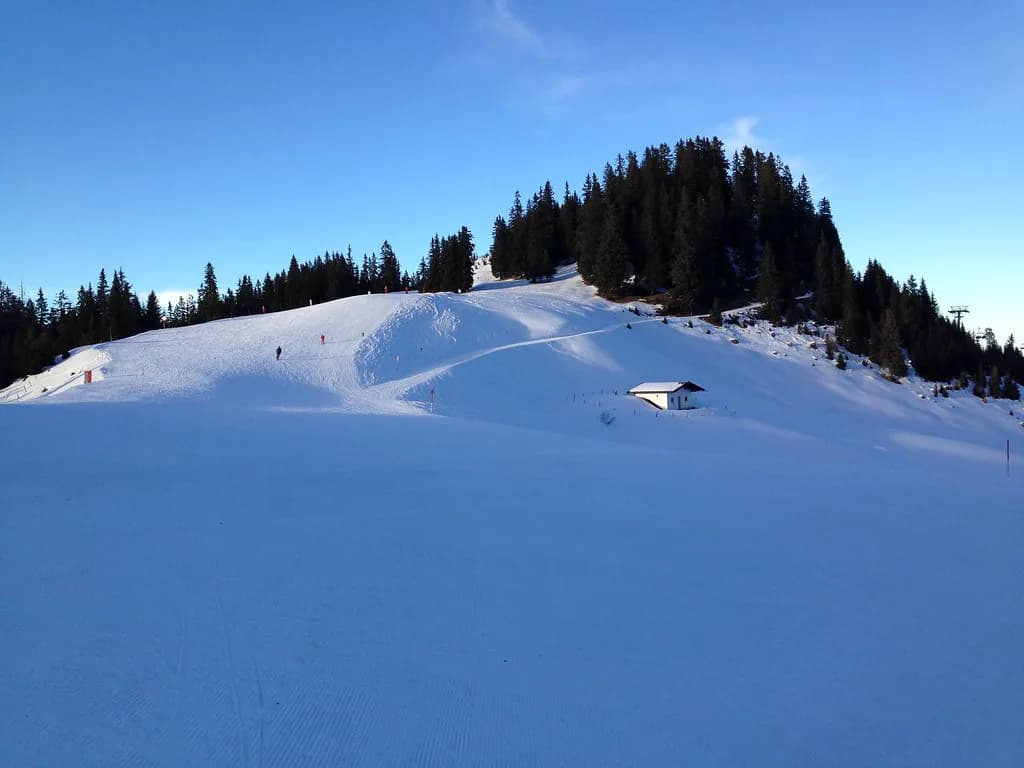
The resort splits into distinct sectors, and they do not ride the same way. Kitzbühel Tourismus singles out the Kitzbüheler Horn for snowboarders, describing wide red runs and few drag lifts that make for a relaxed ride. By contrast, the Hahnenkamm is the heart of the network, with a dense mix of terrain and the Streif race course as its signature. Jochberg and Pass Thurn sit further south and lean toward advanced skiers, with a large snow park at Pass Thurn noted for all skill levels.
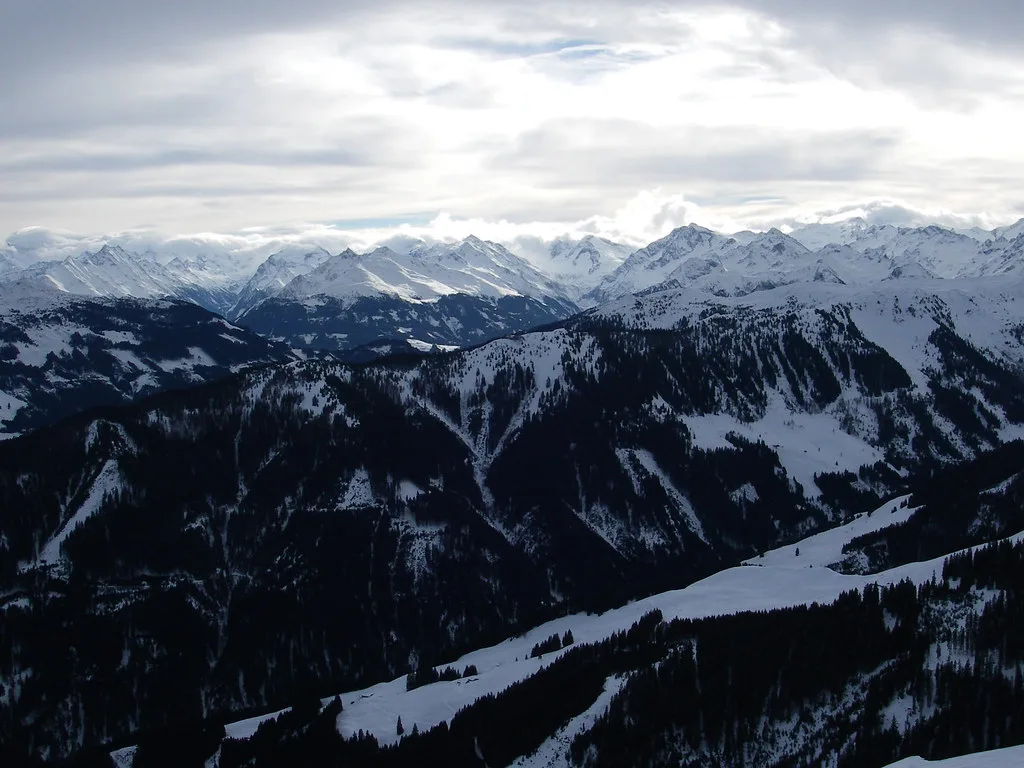
That difference is the core planning point: you are not choosing between good and bad terrain, but between a compact, board-friendly sector and a sprawling, more varied one. The official Kitzbühel winter pages confirm that the resort divides into the Hahnenkamm, Jochberg, Pass Thurn, Kitzbüheler Horn, Bichlalm, Gaisberg and Reith areas, each with its own character. A rider who wants long, linked descents should look at the connected western sectors; a rider who wants repeated laps without long traverses should look east.
Riding the Kitzbüheler Horn: Lift Access and Layout
The Kitzbüheler Horn is a standalone area, with no piste or lift connection to the Hahnenkamm, so reaching it means travelling through the valley. Access is via the H1 Hornbahn I, roughly a ten-minute walk from central Kitzbühel and also served by the free Ringbus, with a free car park for lift users beside the valley station. Kitzbühel Tourismus describes eleven runs spanning beginner slopes through red and black, plus a Family Park and beginner terrain below the Alpenhaus.
The layout is the practical advantage for groups: all areas of the Horn are reachable with a maximum of two lift rides, so mixed-ability parties can split up and reunite easily. Non-skiers can use a winter hiking trail and a cross-country trail, and three restaurants in the area are accessible without skis. Note the operator positions the Horn as ideal for families, groups and snowboarders, and does not document any dedicated snowboard park or halfpipe there.
The Connected Sectors: Hahnenkamm, Jochberg and Pass Thurn
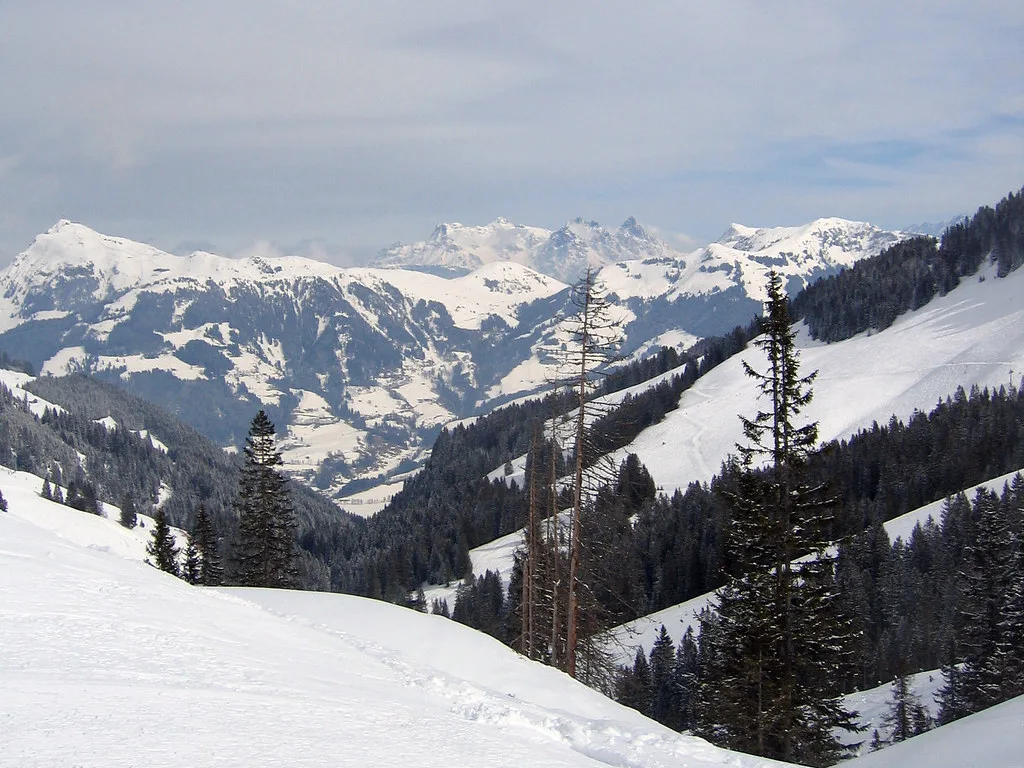
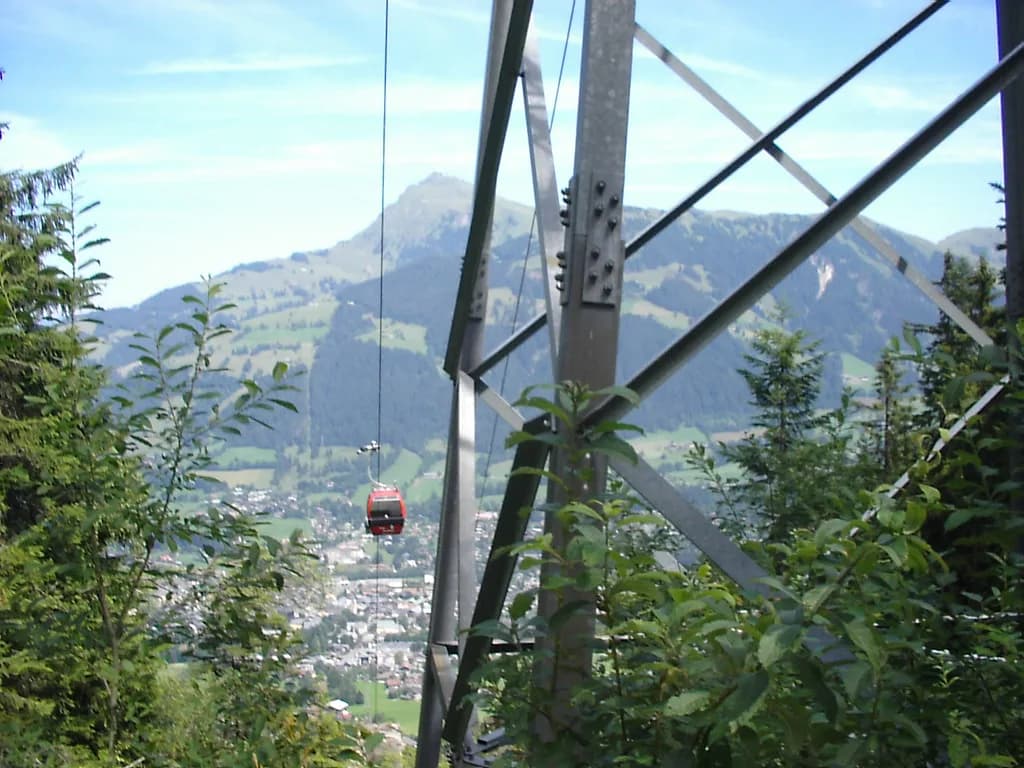
The western side of Kitzbühel is where the mileage sits. The Hahnenkamm offers a dense network of restaurants and slopes for all levels, with the Familien-Streif run giving views of the key World Cup sections. Jochberg, reached by the D9 3S cable car from the Hahnenkamm, generally sees fewer crowds than the main area and offers varied runs, including two blue options from the top of the Wagstättbahn for intermediates who want to stay on easier terrain.
Pass Thurn, the furthest sector from Kitzbühel, is popular with advanced skiers and includes several red runs, a large snow park for all skill levels, and views toward the Hohe Tauern. For a boarder, the trade-off is clear: more terrain and longer routes, but also more time spent traversing and linking lifts. Kitzbühel Tourismus notes that advanced skiers often spend a full day riding from Kitzbühel to Pass Thurn and back, which is a useful benchmark for judging distance.
Which Pass Covers Which Terrain
One KitzSki pass covers the connected Kitzbühel area, and there is no separate snowboard ticket. KitzSki publishes consecutive-day tickets across three season bands: Super Savers, Savers Season and Premium Season. For 2026/27, a two-day adult ticket ranges from €137 in Super Savers to €165 in Premium Season, while a six-day adult ticket ranges from €351 to €423. Treat these as KitzSki's published figures and check the webshop for current rates, especially as season boundaries shift.
The lift card itself is worth understanding before booking. The personalised KitzSki Keycard and the wooden Pure Card are available for €5.00 each, with 5–7 working days allowed for postal delivery, and personalisation is not possible at ticket offices. If you want the card posted before you travel, order early. A separate Kitzbühel Ski Pass guide covers the full ticket structure and season bands in more detail.
Lift Connections and the Shuttle to SkiWelt
KitzSki and SkiWelt Wilder Kaiser–Brixental are not piste-connected. The KitzSkiWelt Tour links them via a short free ski bus between Pengelstein and Ki-West, creating an 88 km circuit with 17,232 vertical metres and terrain split as 30 blue runs, 27 red and one black. Before setting off, check which lifts are running, the bus timetable and whether your pass is valid across both areas.
Within the resort, free practice lifts in the valley are documented as suitable for children and adults new to skiing, and are free to use. The Kitzbüheler Horn's beginner slopes are a different thing: they sit inside the paid ski area and are reached by the Hornbahn. Do not assume all beginner terrain is free, and do not assume the practice lifts serve the wider network. Kitzbühel Tourismus also confirms that the Horn is standalone, so a day there is a separate decision from a Hahnenkamm day.
Matching Your Riding Days to the Sectors
Build your plan around the standalone status of the Horn. If you are a snowboarder who values wide, mellow reds and easy regrouping, base a day or more there and accept the valley transfer. If you want distance and variety, base yourself on the Hahnenkamm side and use the D9 3S cable car to reach Jochberg and Pass Thurn without repeating the same runs. For a broader view of how the sectors fit together across a full trip, see the Kitzbühel skiing guide. If you are weighing up other Austrian resorts for a board-focused trip, the Kaprun Snowboarding Guide covers parks, pistes and passes elsewhere.
Buy the pass that matches your riding pattern rather than the biggest number. A three-day adult ticket in Saver Season is €223.50, so extending days is a real cost decision, not a rounding error. If your group mixes abilities, the Horn's two-lift maximum reach makes it the easier day to coordinate; if your group is strong and wants mileage, the linked western sectors justify a premium-season price more clearly.
Plan Your Visit
Kitzbühel is not a snowboard-first resort, but it does have a clear board-friendly sector in the Kitzbüheler Horn and a large, varied network on the Hahnenkamm side. The decision is practical: choose the Horn for compact, regroup-friendly days and the western sectors for distance and terrain variety, and buy a pass that covers the days you actually plan to ride.
Confirm current prices, season bands and lift status before you book, since KitzSki reserves the right to change offers and prices. Check the KitzSki pages for operating times and the Kitzbühel tourism site for sector descriptions. Scheduled seasons and connections are conditional, so treat any single source as a starting point rather than a guarantee.
Frequently Asked Questions
Is Kitzbühel good for snowboarding?
It can be, depending on where you ride. The Kitzbüheler Horn is the sector described as popular with snowboarders, with wide red runs and few drag lifts. The wider KitzSki network offers more terrain and longer routes, but a different rhythm of traverses and lift links.
Which part of KitzSki is best for snowboarders?
The Kitzbüheler Horn is the clearest answer: wide red runs, few drag lifts and a compact layout reachable in at most two lift rides. The Hahnenkamm, Jochberg and Pass Thurn offer more varied and advanced terrain, but suit riders comfortable with longer link-ups.
Is the Kitzbüheler Horn connected to the Hahnenkamm?
No. The Horn is a standalone area with no piste or lift connection to the Hahnenkamm. Travelling between them requires going through the valley, which is why a Horn day is a separate decision from a Hahnenkamm day.
Do I need a different pass to snowboard in Kitzbühel?
No separate snowboard ticket is documented. One KitzSki pass covers the connected area, and the KitzSkiWelt Tour uses a free ski bus between Pengelstein and Ki-West rather than a combined piste connection. Check the operator's webshop for current ticket types.
Sources
Useful notes for your next ski trip
Optional updates to our Alpine resort guides.
You might also like
Continue reading
More guides you'll find useful