Ischgl Snowboarding: Terrain, Snow Park and Lift Planning
Plan an Ischgl snowboarding trip around the Silvretta Arena's cross-border terrain, piste mix, snow park and lift system, with practical booking checks.
On this page
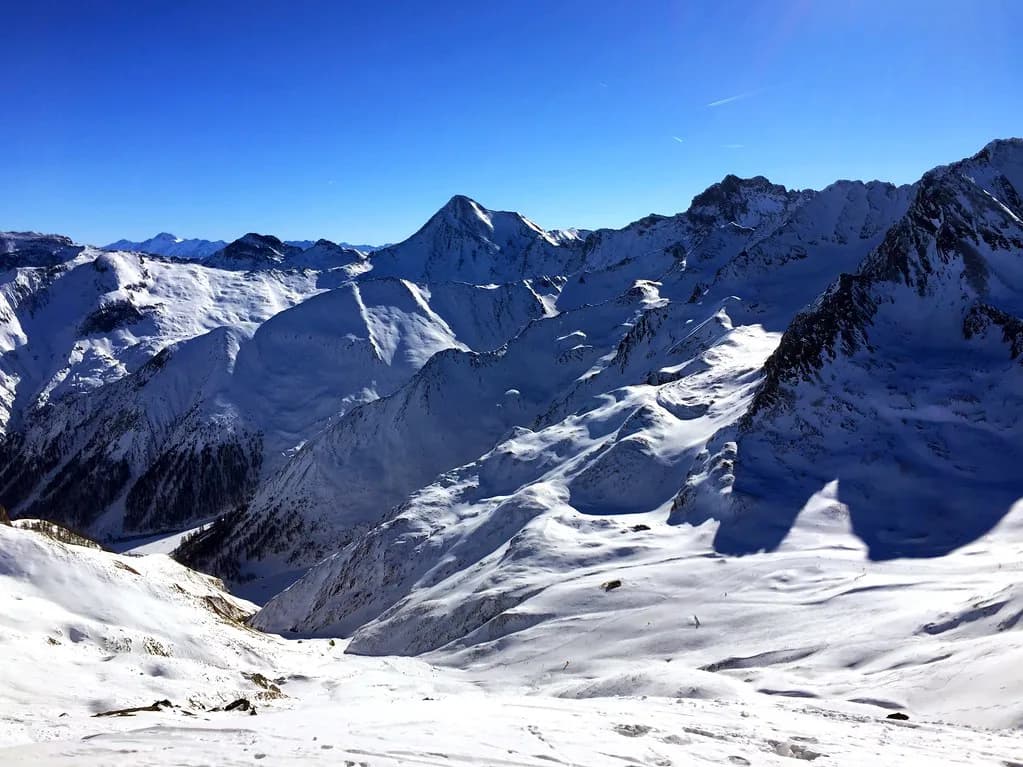
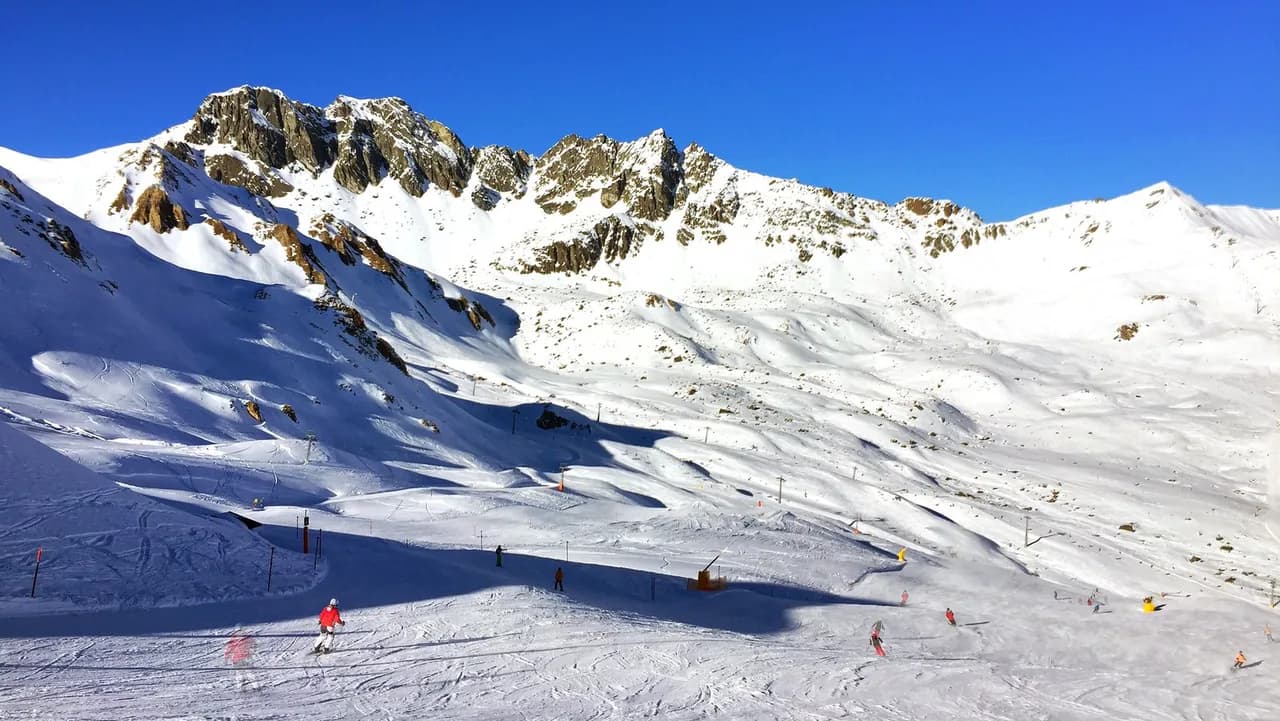
Ischgl snowboarding works best when you treat the Silvretta Arena as a big, high, cross-border system rather than a single resort hill. The official resort page puts the area at 239 km of pistes, 46 lifts and an altitude band of 1,377 to 2,872 m, shared between Ischgl in Tyrol and Samnaun in Switzerland. That scale is the main planning fact: you can shape a day around wide cruising, a border route or the snow park without repeating the same lifts.
The second planning fact is the season window. The resort publishes a 26 November 2026 start and a season running to early May, but a scheduled date is conditional, not a promise that every lift, link or piste will be open on day one or stay open throughout. Plan your travel window around what the Silvretta Arena lift company publishes as your dates approach, and decide early whether a cross-border day into Samnaun matters to you.
What the Silvretta Arena Offers Snowboarders
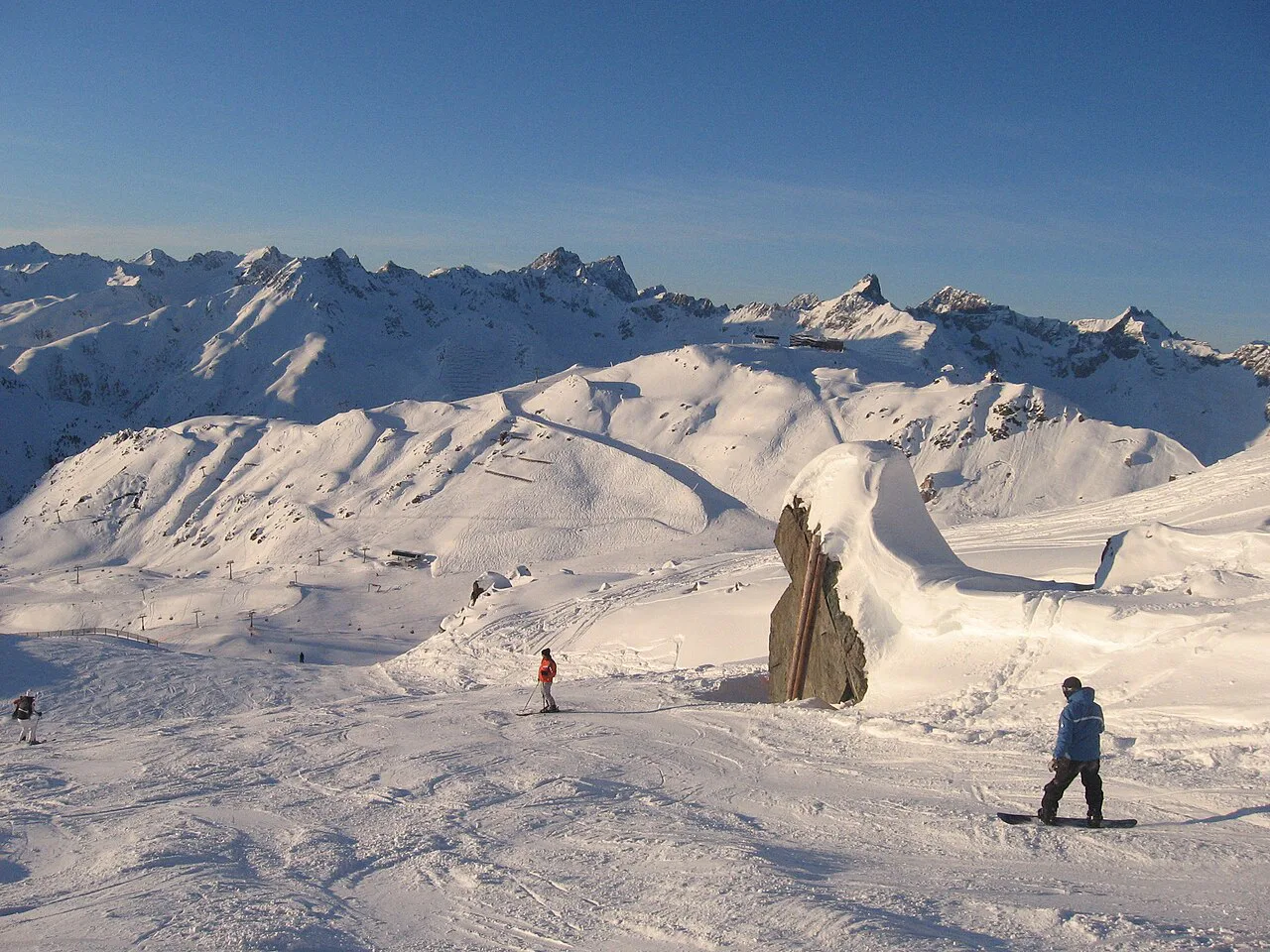
The Silvretta Arena is one continuous lift system spanning two countries, with Ischgl on the Austrian side and Samnaun on the Swiss side. The official figures describe roughly 515 hectares of terrain, 239 km of pistes and 46 lifts moving about 97,000 people per hour. For a snowboarder, the practical consequence is that the mountain reads as one network: you can cross the border on skis or a board without changing passes at the boundary, provided the relevant links are running on your date.
The altitude band matters more than any single statistic. Almost all of the lift-served terrain sits high, and the return to the village is the part that drops toward the valley floor. Snowboarders who dislike long flat run-outs should study the return routes on the piste map before committing to a late descent, because the way down at the end of the day is a route choice, not an afterthought.
Reading the Blue, Red and Black Split
The official piste breakdown gives 47 km of blue, 140 km of red and 47 km of black terrain, plus special slopes such as race and mogul runs. For snowboarding, that red-heavy profile is the headline: most of the mountain is pitched at confident, groomed cruising, which suits riders who want long, repeatable descents rather than a constant diet of steeps. If your group mixes abilities, the blue kilometrage is enough to keep newer riders moving without confining them to one corner.
The black share is real but modest, and the hardest marked terrain concentrates in specific areas rather than across the whole map. Read the ski map to see where those pitches sit relative to the lifts you intend to ride, then build a day that does not accidentally funnel a cautious group onto the steepest return. A snowboarding trip here rewards route planning more than bravado.
Ischgl Snow Park: What Is Documented
The resort lists an Ischgl Snow Park among its winter facilities alongside the wider piste network. That confirms a dedicated park exists within the ski area, which is the relevant fact if park laps are part of your plans. It does not tell you which lines are built, how they are shaped, when the park opens, or whether a particular lift pass covers it.
Treat those gaps as questions to settle before booking rather than details to assume. Ask the lift company or a local ski school which park lines are planned for your dates, and confirm that your intended pass includes the lift serving them. Independent guide coverage describes Ischgl as having a decent park for a range of abilities, but that is editorial characterisation, not a current facility list.
Lifts, Pass Scope and the Smuggler's Trail
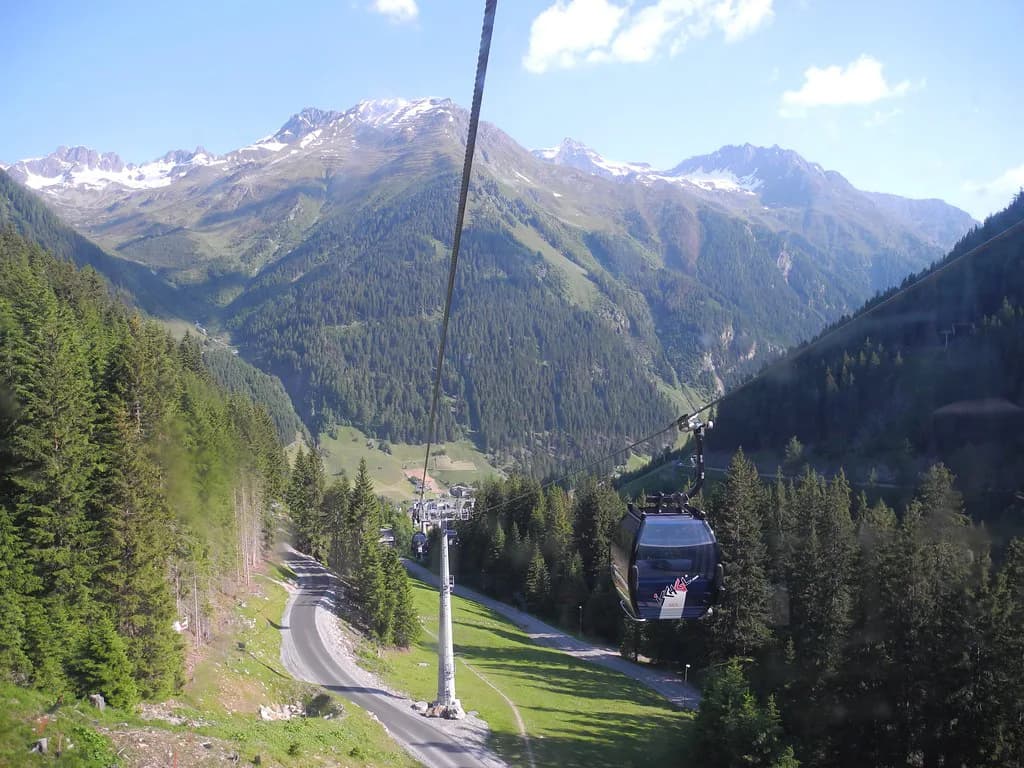
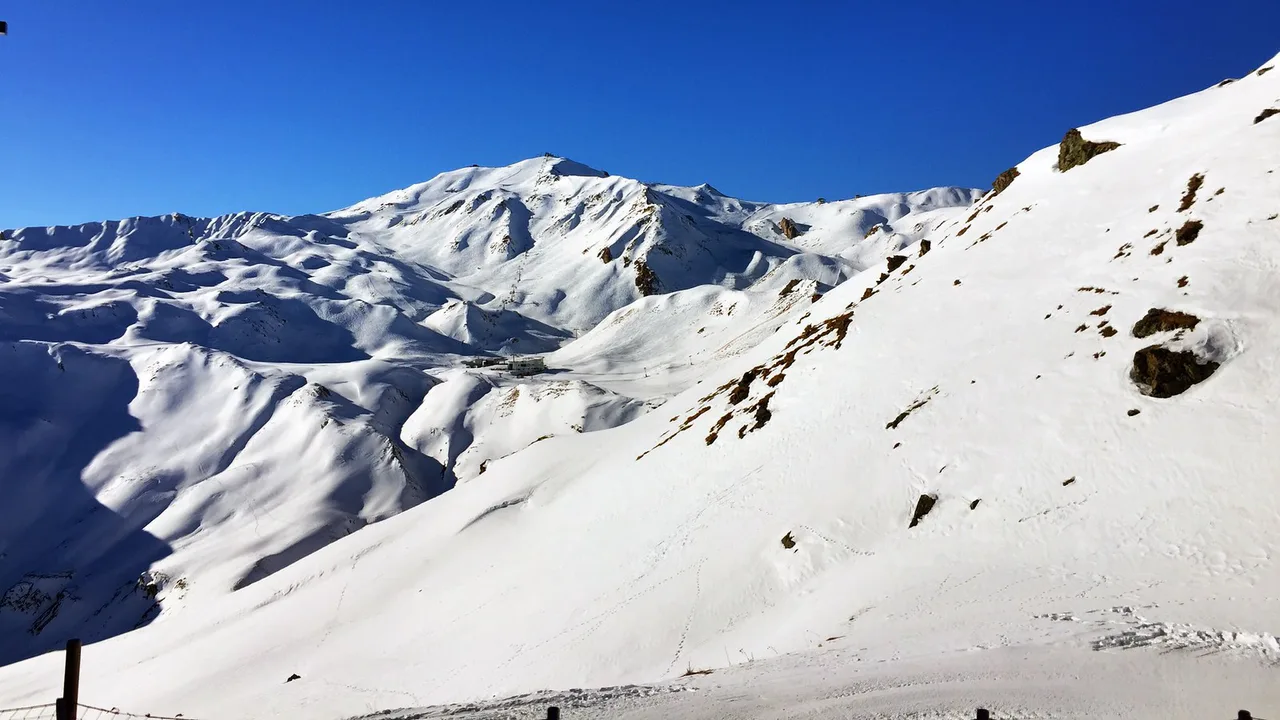
Lift capacity is where Ischgl has invested heavily, and the current count of 46 lifts reflects a system built to move large numbers uphill quickly. For snowboarders, fast lifts change the shape of a day: more vertical, less unclipping, and more reason to plan a loop rather than a single traverse. Check the open-facilities status on your travel dates, because lift and link availability is an operational decision the resort makes day by day.
The Smuggler's Trail is the documented border route, with three variants: the more challenging Gold Trail, the Silver Trail and the easier Bronze Trail, which is mostly blue terrain. It is a marked route rather than an off-piste objective, so it fits snowboarders comfortable on the graded terrain involved. Confirm pass scope before you rely on any cross-border plan, and check which variant suits your group on the day.
Rental, Schools, Depots and Buses
The resort signposts ski rental shops, ski schools and guides across the area. What it does not publish in that overview is snowboard-specific stock, model availability, rental durations, deposits or inclusion details. Rather than assume a shop carries a particular board or binding, ask directly whether snowboard equipment in your size can be reserved for your dates, and whether a depot arrangement suits your routine.
Ski buses connect the Paznaun villages and ski areas, including Galtür, Kappl and See, so a car is not essential for moving between them. Lesson formats, meeting points and instructor arrangements are not published in the overview, so confirm those with the school you choose. If you want structured progression rather than self-guided laps, that booking decision is worth settling well before arrival.
Which Snowboarding Profile Fits Ischgl
Ischgl fits snowboarders who want mileage, fast lifts and a high, broad mountain rather than a compact park-focused resort. The red-dominant split rewards confident groomed riding, and the cross-border layout adds a genuine route decision that few areas can offer. Independent guide coverage rates the piste and freestyle offering strongly while noting the resort is not a budget choice, which matches its reputation for scale rather than bargain pricing.
It suits mixed-ability groups less automatically than it suits strong intermediates and above. Beginners and cautious riders can use the blue terrain, but the mountain's size means you should plan meeting points and descent routes rather than improvising. If your priority is a small, easily navigated area, compare alternatives before committing; if it is terrain volume and lift efficiency, Ischgl is built for exactly that. For another high-altitude option with its own park and pass considerations, the Kaprun snowboarding Guide is a useful cross-check.
Plan Your Snowboarding Trip
Start by fixing your dates against the published season window and accepting that early-season and late-season conditions vary. Then decide what your snowboarding day should contain: long red cruising, a Smuggler's Trail crossing, or park laps. Each of those choices points to different lifts and different pass questions, so settle them while planning rather than on the morning.
Finally, look up the details that no overview can guarantee: lift and link status, park status, rental stock and lesson arrangements. A quick check with the Silvretta Arena lift company and your chosen school or shop removes most of the uncertainty from an Ischgl snowboarding trip. Plan the terrain you want, check what is running, and leave room for the mountain to decide the rest.
Frequently Asked Questions
Is Ischgl good for snowboarding?
It suits riders who want scale, fast lifts and long groomed descents. The documented terrain is red-heavy, with wide intermediate pistes and a dedicated snow park listed among the facilities. Independent guide coverage rates the piste and freestyle offering strongly. If you prefer a compact area with fewer route decisions, it may feel oversized.
Does Ischgl have a snow park?
Yes. The resort lists an Ischgl Snow Park among its winter facilities. The overview does not publish current line layouts, opening dates or park-specific pass requirements, so confirm those details with the lift company or a local ski school before you plan park laps around them.
How many kilometres of pistes does the Silvretta Arena have?
The official figure is 239 km across the Ischgl and Samnaun ski area, served by 46 lifts between 1,377 and 2,872 m. That figure describes the whole network, not what will be open on a given day. Check the open-facilities status before travelling.
When does the Ischgl ski season start?
The resort publishes a 26 November 2026 season start, running to early May. Scheduled dates are conditional rather than a guarantee that every lift, link or piste will open. Verify the current season and operating status with the lift company before you commit to a travel window.
Sources
Useful notes for your next ski trip
Optional updates to our Alpine resort guides.
You might also like
Continue reading
More guides you'll find useful