
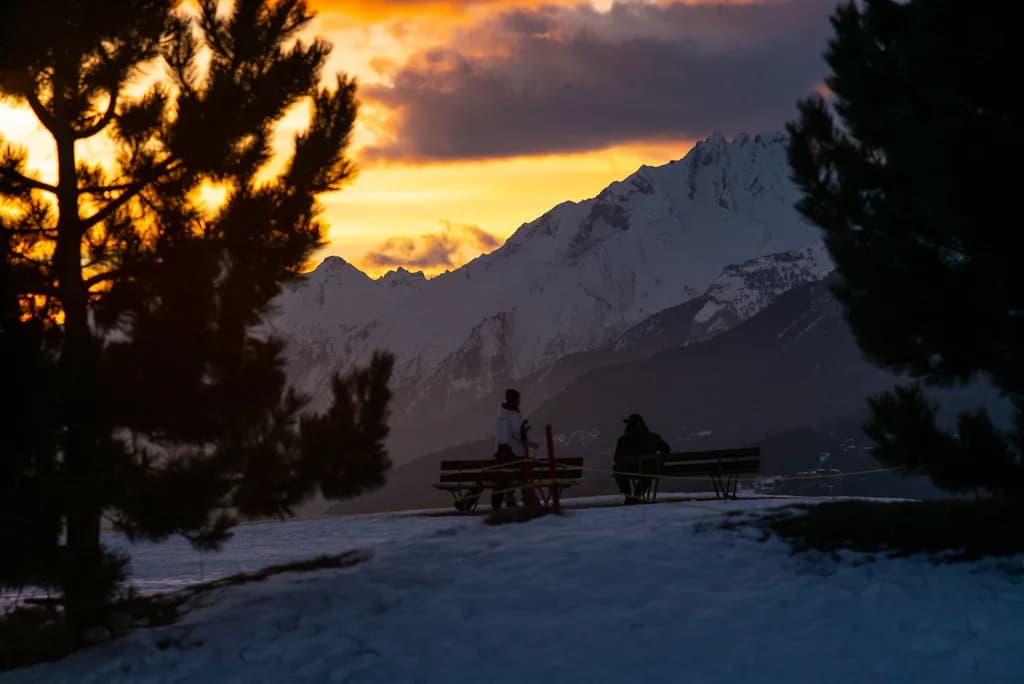
Crans-Montana Ski Season: Dates, Snow and What to Book
Plan the Crans-Montana ski season around published opening and closing dates, altitude, snow record and quiet versus busy weeks, with booking timing tips.
On this page
Crans-Montana is a long, high resort on a sunlit plateau above the Rhône valley, and its season follows a predictable arc: a projected start in late November, a steady build through January, peak demand around Christmas and February half-term, and a finish in early April. The ski area spans 1,500 to 3,000 m with 140 km of marked pistes, all facing south, which shapes both the light and the snow conditions you get at different points in the winter.
Because the vertical range is so large, the season is not one continuous experience: the upper slopes near the Plaine Morte glacier hold snow well into April while the lower runs back to resort level can soften or thin in a warm spell. That makes week selection more important than in a compact, high-altitude resort, and it rewards skiers who match their dates and their daily route to the altitude bands that suit them.
At a Glance: Altitude, Pistes and Lifts
The official resort describes a ski area from 1,500 to 3,000 m with 140 km of completely south-facing marked pistes, stretching from the Plaine Morte glacier down to the Haut-Plateau above the golf course. That range gives a vertical drop of roughly 1,500 m, which is why the top and bottom of the mountain can feel like different seasons on the same day.
Lift capacity is spread across 27 lifts, including gondolas, high-speed sixes and a large number of surface lifts, serving 41 marked runs. Intermediate terrain dominates, with about 39 percent of runs graded intermediate, 50 percent advanced and 11 percent expert, plus a 12 km longest run and 4 km of night skiing. The south-facing orientation means excellent light and views across to the Matterhorn and Mont Blanc, but it also means low-altitude runs take the sun first in spring.
Published Season Dates and What Changes Them
OnTheSnow lists a projected opening of 28 November 2026 and a projected closing of 4 April 2027, giving a planned season of around 142 days. These are projections, not guarantees: actual opening depends on snow cover and lift readiness, and the closing date can shift with spring conditions. Treat them as the framework for booking rather than fixed appointment dates. If you are comparing resorts, the Arosa ski season dates show how another Swiss area's calendar lines up against these weeks.
The resort publishes lift and slope conditions and opening times on its own pages, so the week before you travel is when to confirm which sectors and lifts are running. Early-season openings often focus on the higher terrain around the glacier and the main access gondolas, while late-season skiing concentrates on the upper mountain as lower runs close.
Month by Month: What the Season Delivers
Late November and early December are the tentative weeks: the projected opening is 28 November, but terrain may be limited to the upper mountain and the glacier sector until snowmaking and natural snowfall build base depth. Prices and crowds are at their lowest, and ski schools and hire shops are quieter, but you should expect a partial mountain rather than the full 140 km.
Christmas, New Year and February half-term are the busiest weeks, when the resort fills with families and the lower beginner zones around the plateau are at their most crowded. January and March are the quietest and often the best-value weeks: January offers cold snow and empty lifts, while March brings longer days, warmer sun and reliable cover on the upper slopes even as the lower runs soften.
April is a short, sunny finale: the projected closing is 4 April 2027, and by then the glacier end and the highest sectors are the reliable option while resort-level runs may be patchy. If you want spring skiing with long lunches and soft snow, aim for the last two weeks of March rather than the first week of April, when some lower lifts may already be winding down.
Snow Record in Context
The resort averages around 315 cm of snowfall a year, with the heaviest months typically January and February and a marked drop-off in March and April. That figure is an average, not a forecast: a strong January can deliver most of the season's snow in a few storms, and a dry December can leave the early season reliant on snowmaking.
Snowmaking covers around 30 km of pistes, concentrated on the main access runs and the busiest lower sectors, which is what makes the projected late-November opening viable in a normal year. The trade-off of the south-facing layout is that sun-exposed lower slopes lose snow first in spring, so in a thin-snow week you should plan to spend your day higher up rather than at resort level.
Where to Ski When Snow Is Thin at the Base
When the lower mountain is patchy, head for the Plaine Morte glacier end of the ski area, where the altitude and aspect hold snow longest. The glacier sector also supports summer cross-country skiing on the Plaine Morte, which tells you something about how reliably cold that end of the resort is compared with the plateau.
The Cry d'Er sector is the other high card: it sits above the main resort and gives quick access to steeper upper terrain when the lower runs are soft. Use the Crans-Montana ski map to plan a route that starts high, works the upper sectors through the middle of the day and drops to the plateau only when the snow is at its best.
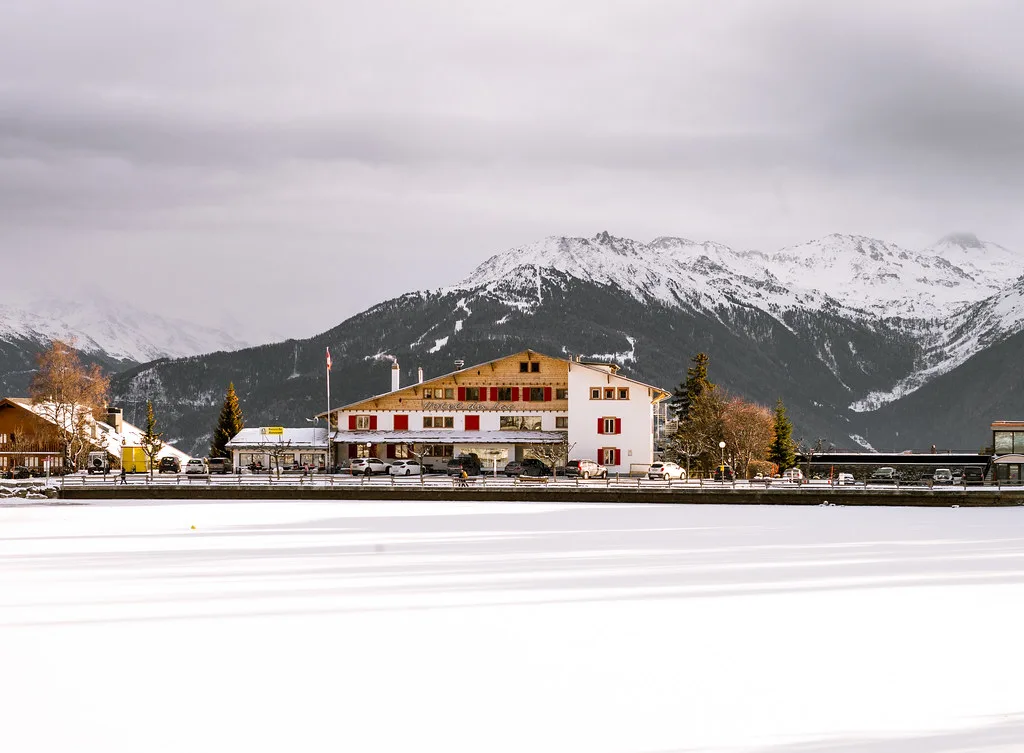
Which Ability Suits Which Part of the Season
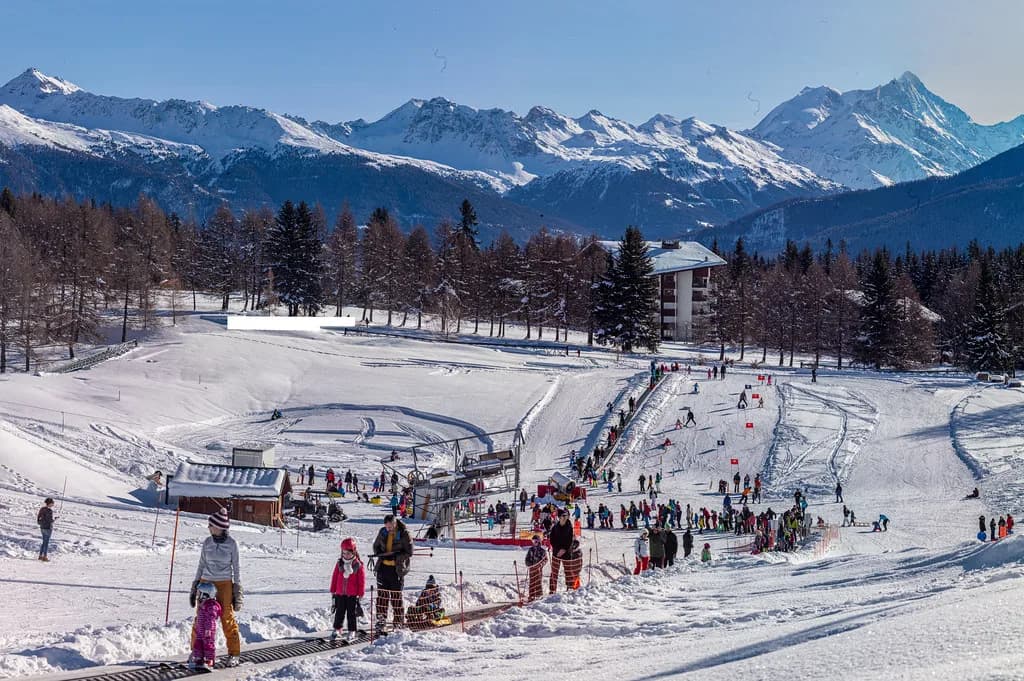
Beginners are best served at resort level on the Haut-Plateau, around the golf course and the Ycoor, Moubra and Étang Long sectors, where gentle slopes and dedicated learning areas sit close to the villages. Those zones are most reliable from mid-December through March; in a late-November or early-April week, beginners may find the lower runs thin or closed and should check conditions before booking a learn-to-ski trip.
Intermediates have the widest choice, with about 39 percent of runs graded intermediate and long, confidence-building pistes across the mid-mountain. Advanced skiers should target January through March, when the steeper upper terrain around Cry d'Er and the glacier sector is fully open; the 50 percent advanced grading reflects the resort's strength in long reds rather than extreme steeps.
Quiet Versus Busy Weeks
Christmas, New Year and February half-term are the weeks to book first and pay most for, because demand from families peaks and accommodation near the main lifts fills early. January and March are the quietest weeks, according to Crystal Ski's seasonal guidance, and they are also the weeks when you are most likely to find availability at short notice and a calmer mountain.
If you want the mountain to yourself, aim for mid-January after the New Year crowds leave, or the first half of March before the spring school holidays begin. Both windows give you full lift access and better value than the peak weeks, with March adding the bonus of longer daylight and warmer terrace lunches.
Events and Demand: World Cup and 2027 World Championships
Crans-Montana hosts Alpine World Cup races and has been awarded the FIS Alpine World Ski Championships in 2027, with the official site listing the event for 1 to 14 February 2027, alongside a FESA Week for under-16 athletes in early March 2027. Those events concentrate demand and media attention on the resort, and the official site notes that the ski area remains open during the World Championships.
For a normal ski trip, the practical effect is that accommodation and lift capacity around championship weeks may be busier than a typical February, and some race pistes may be closed for training or competition. Check the event calendar before you fix dates if you want to ski the famous race runs rather than watch them.
Getting There in Winter
Crans-Montana sits above Sierre in the Valais, and most UK skiers arrive by road or rail via the Rhône valley. The resort is laid out along a plateau rather than around a single base, so where you stay determines which lift you use each morning; check the resort's practical information pages for current access and parking arrangements before you travel.
Once in resort, the villages of Crans and Montana are linked by local transport and the ski area is served by lifts from several points along the plateau. If you are staying in one of the outlying sectors such as Aminona, plan your day around the lift that serves your accommodation rather than driving to a central base each morning.
Passes and Schools: What to Sort Before the Season
Buy your lift pass online before you travel: the official resort says online purchase benefits from advantageous rates, and doing it in advance saves time at the ticket window on arrival day. Pass products and prices change from season to season, so check the current crans-montana ski pass options on the official site rather than relying on last year's figures.
Book ski lessons and hire early, especially for the Christmas, New Year and February half-term weeks, when the Swiss Ski School of Crans-Montana and the local hire shops are at their busiest. For equipment, compare crans montana ski hire shops in resort before you travel so you know what is available for your dates and ability level.
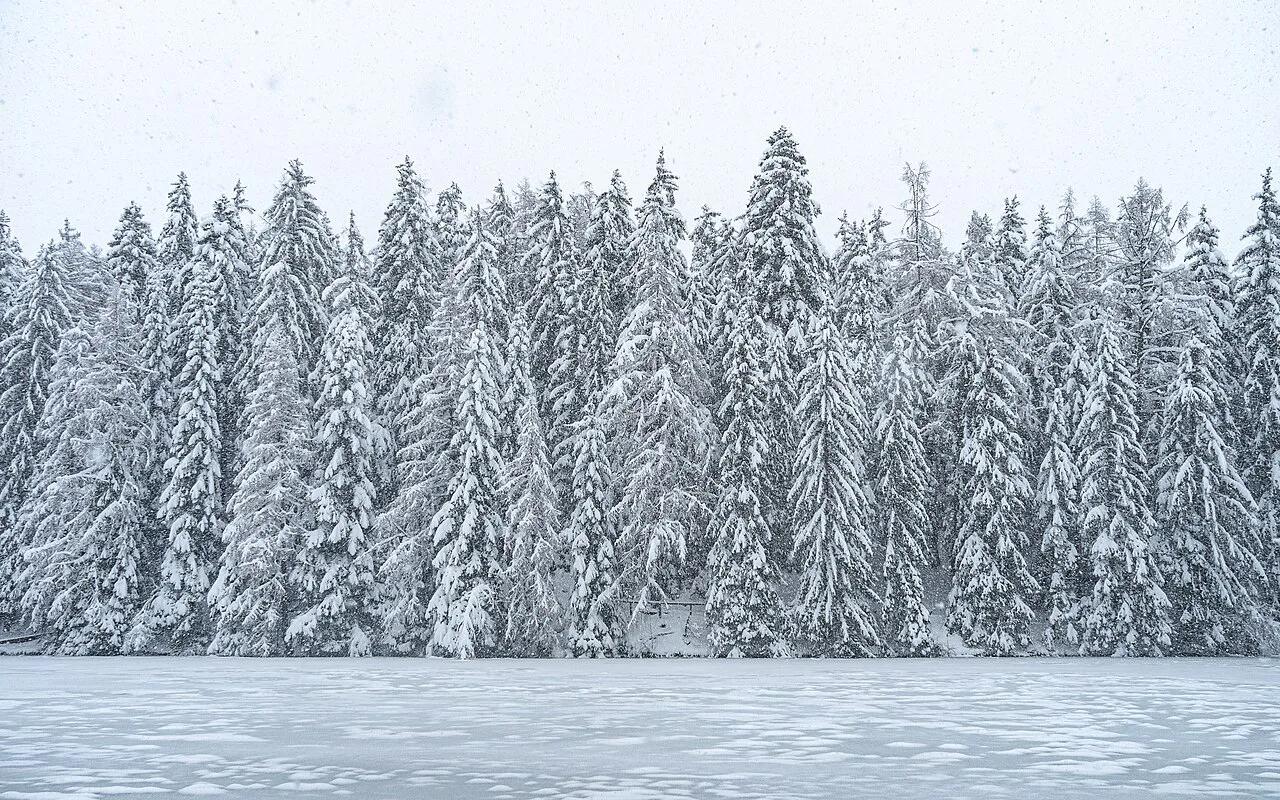
Where to Stay by Sector
Staying in Crans or Montana puts you within walking distance of the main lifts, shops and restaurants, which shortens your morning routine and lets you ski home at the end of the day. The trade-off is higher prices and more noise in peak weeks; the outlying sectors such as Aminona are quieter and often better value but add a commute to the main lift base.
For a family beginner week, choose accommodation near the Haut-Plateau learning zones around Ycoor, Moubra or Étang Long so children can walk to lessons. For advanced skiers chasing steep terrain, a base closer to the Cry d'Er access lift saves time each morning and puts you on the upper mountain before the crowds.
Cross-Country, Ski Touring and Non-Ski Days
Crans-Montana is not only about downhill: the resort has a network of winter hiking trails, cross-country ski runs and a ski touring parc, and the Plaine Morte glacier hosts a high-altitude cross-country course that allows summer skiing. Those options make the resort a good choice for mixed-ability groups where not everyone wants to ski downhill every day.
Non-skiers can use the lifts to reach mountain restaurants and viewpoints, and the plateau villages offer shops, spas and culture within walking distance of most accommodation. In spring, the long sunny days make a late lunch on a terrace or a snowshoe walk as appealing as a full day on the pistes.
Practical Booking Timeline
For Christmas, New Year and February half-term, book accommodation and ski lessons as early as you can, ideally in the autumn before the season starts, because those weeks sell out first. For January and March, you have more flexibility and can often book closer to your travel date, which lets you wait for snow conditions before committing.
Whatever week you choose, buy your lift pass online in advance, reserve hire equipment for arrival day and confirm your transfer or rail connection before you travel. The week before departure, check the resort's lift and slope conditions page so you know which sectors are open and can plan your first morning accordingly.
Final Verdict: Best Weeks and Best Value
The best overall weeks for most skiers are mid-January and the first half of March: quiet slopes, reliable snow on the upper mountain and better value than the peak holiday weeks. If you want the full resort open and the best light, aim for late January through February, but book early and expect higher prices.
For the best value, choose the early-season weeks after the projected 28 November opening or the quiet weeks in January and March. Wherever you land in the calendar, treat the published dates as a planning framework, check the resort's current conditions and lift openings before you travel, and build your day around the altitude band that suits the snow.
Frequently Asked Questions
When does the Crans-Montana ski season start and finish?
The projected season runs from 28 November 2026 to 4 April 2027, according to OnTheSnow. These dates can shift with snow cover; check current opening and closing plans with the resort before booking.
How much snow does Crans-Montana get in a season?
The resort averages around 315 cm of snowfall a year, with the heaviest months typically January and February and lighter snowfall in March and April. That is an average rather than a forecast, and snowmaking covers around 30 km of pistes to supplement natural snow on the main runs.
Is January or March better for a Crans-Montana ski trip?
January gives colder snow and the quietest slopes, while March brings longer days, warmer sun and reliable cover on the upper mountain. Both are better value than Christmas and February half-term; choose January for winter snow and March for spring conditions.
Is Crans-Montana good for beginners across the season?
Yes, particularly from mid-December through March, when the gentle learning zones around the Haut-Plateau and the villages of Crans and Montana are most reliable. In a late-November or early-April week, beginner areas at resort level may be thin or closed, so check conditions before booking a learn-to-ski trip.
What are the quietest weeks in Crans-Montana?
January and March are the quietest weeks, according to Crystal Ski's seasonal guidance, while Christmas, New Year and February half-term are the busiest. Mid-January after the New Year crowds leave and the first half of March before spring school holidays are the calmest windows.
Sources
Useful notes for your next ski trip
Optional updates to our Alpine resort guides.
You might also like
Continue reading
More guides you'll find useful
.jpg)