Corvara Ski Season: Dates, Snow and When to Go
Plan the Corvara ski season around Alta Badia's winter calendar, snow cover, Sellaronda access and the quiet versus busy weeks in the Dolomites.
On this page
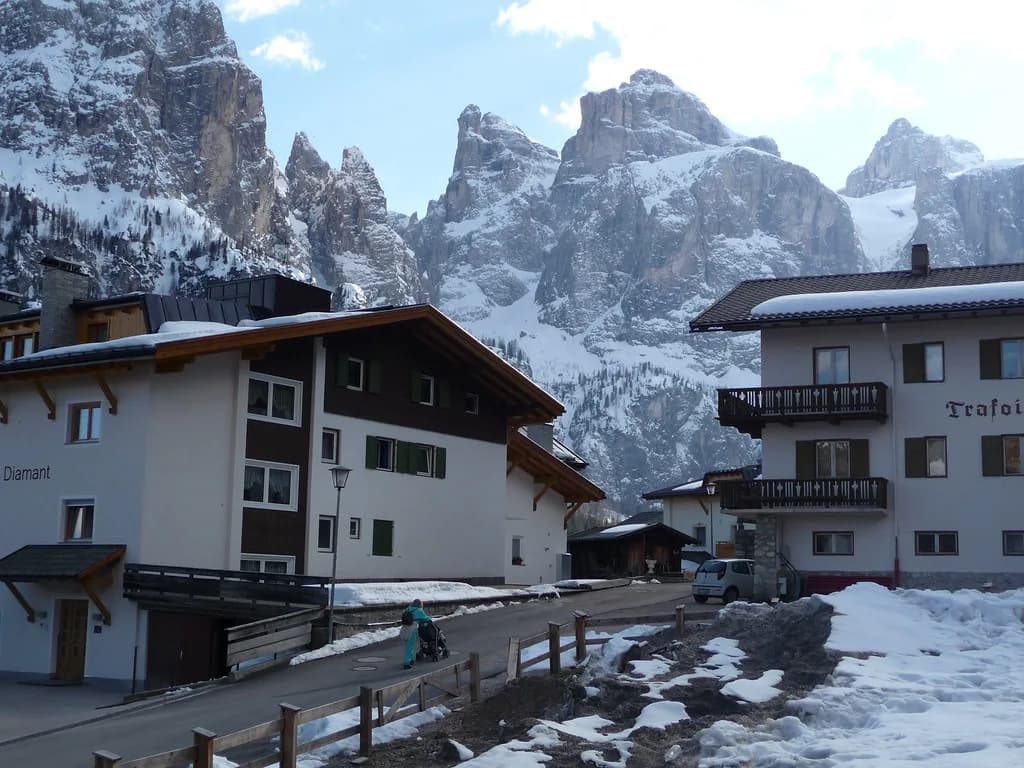
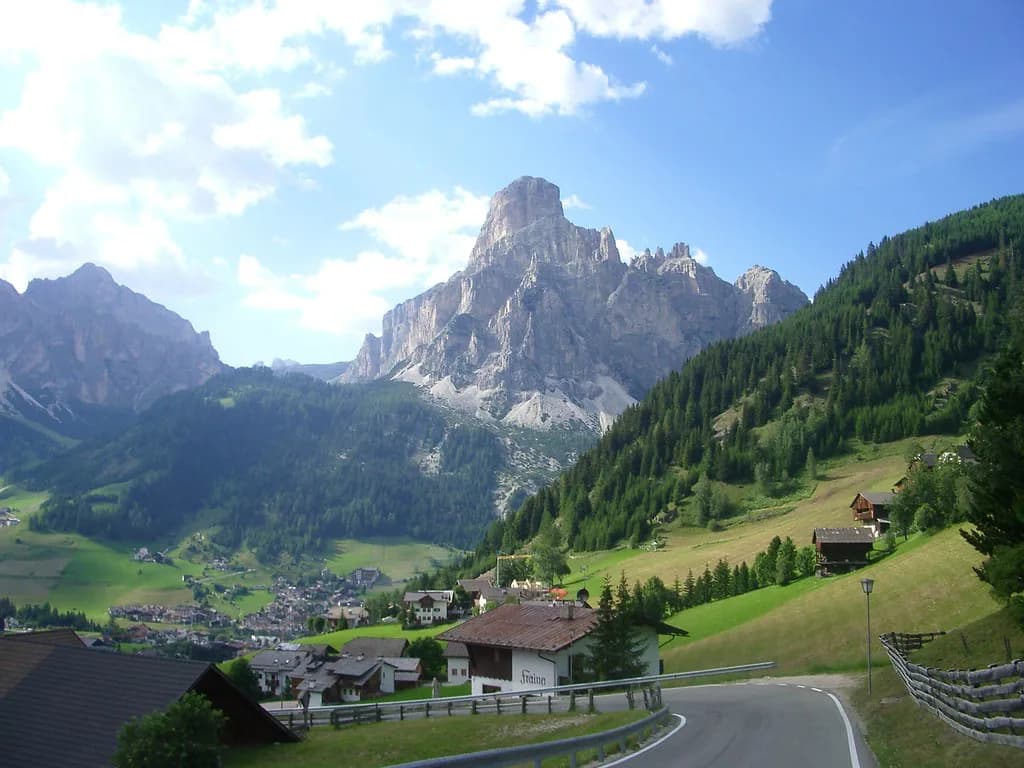
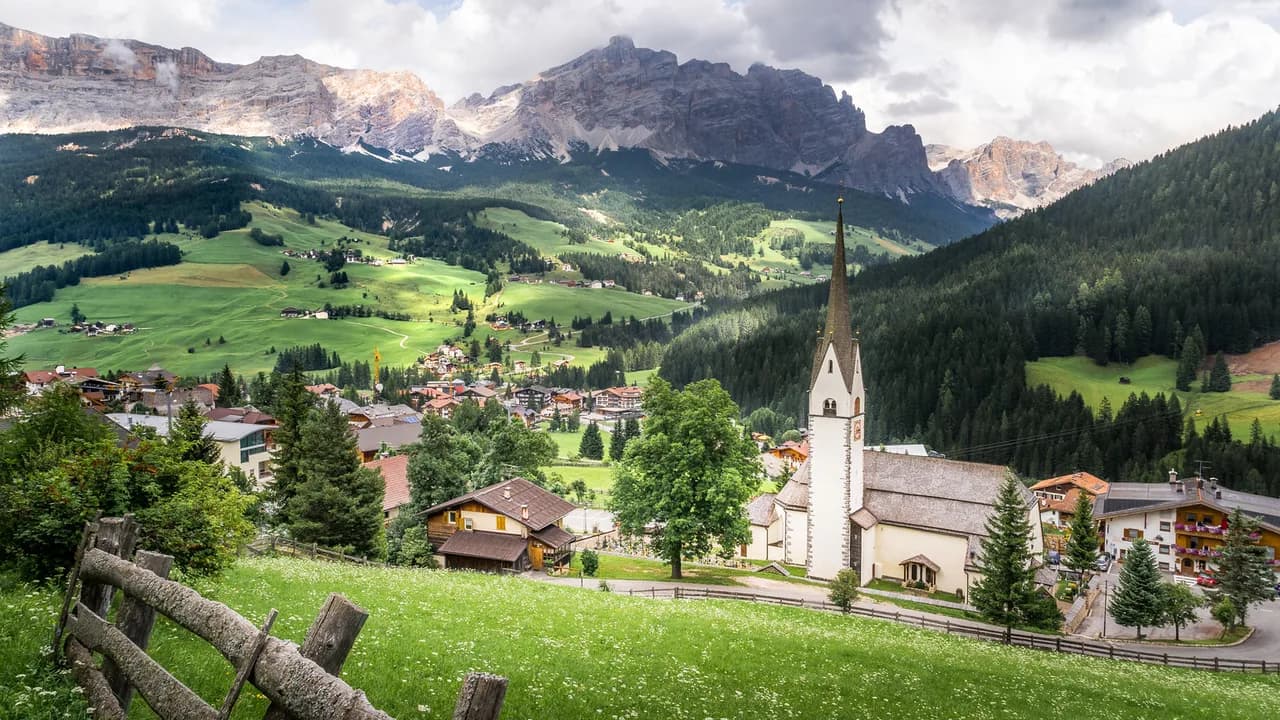
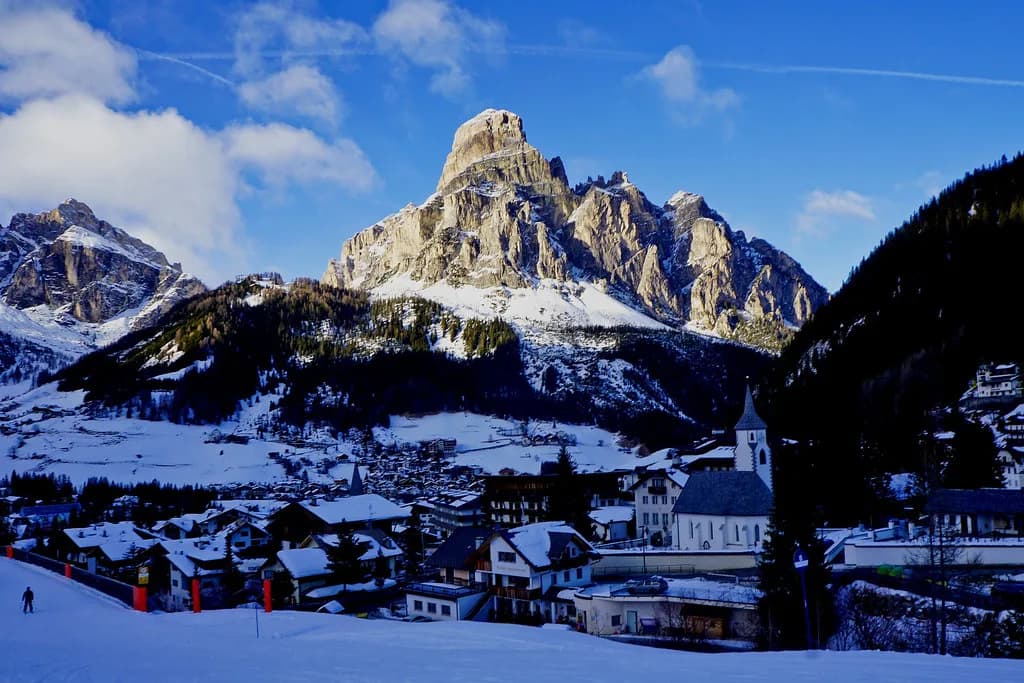
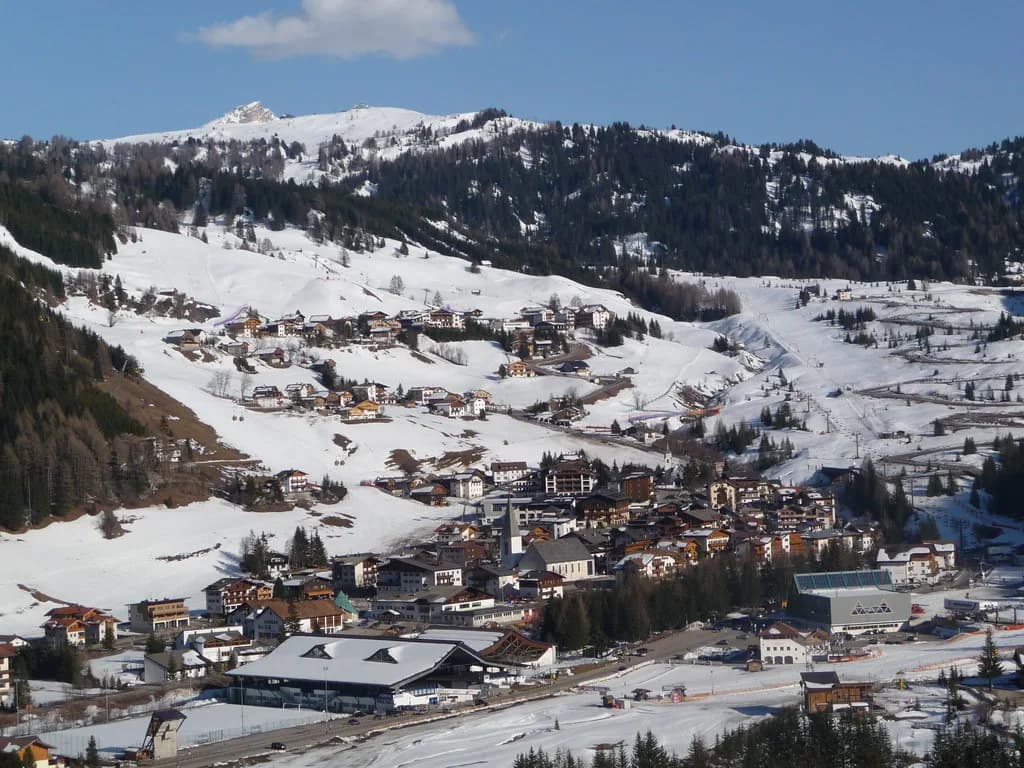
Corvara sits at the heart of Alta Badia in the Italian Dolomites, close enough to the lifts that you can walk from most of the village to the slopes. The season question is less about whether there will be skiing and more about which weeks suit your ability, your budget and your tolerance for crowds. This guide treats the calendar as a series of decisions rather than a snow forecast.
What follows covers the published shape of the season, the terrain that frames a week here, and the trade-offs between early winter, the Christmas peak and the long spring days. Prices and dates move, so the figures here are anchors for planning rather than final quotes.
What the Corvara Ski Season Looks Like
Alta Badia's winter runs from December into April, and Corvara is one of the six villages strung along the valley that share the same lift system. The tourist board publishes spring skiing as running until 4 April, which is the clearest end-of-season marker available for planning. That date is set annually, so treat it as the current published finish rather than a permanent fixture.
The opening side of the calendar is less tidy. Lifts come online in stages through early December as snowmaking and grooming allow, and lower runs can be thinner than the high-altitude sectors. If you are booking a pre-Christmas week, plan to ski the upper terrain around Col Alto and the Colfosco side first and expect some valley runs to open later.
Season length matters most if you are flexible on dates. A late-March or early-April trip buys longer days and warmer terrace lunches, while a January week buys the coldest, most reliable snow. Neither is guaranteed, but the pattern is consistent enough to plan around.
Where Corvara Sits in the Dolomiti Superski Network
Corvara is a gateway to the Dolomiti Superski region, which is marketed as the largest connected ski carousel in the world with more than 1,200km of piste and around 450 lifts. That scale is the reason a full-area pass makes sense here: you are not buying a village hill, you are buying access to a network that spans several Ladin valleys.
The practical consequence is the Sellaronda, the circuit that links the Gardena, Campolongo, Pordoi and Sella passes. From Corvara you can join it directly, which means a single day can take you through Val Gardena, Arabba and Val di Fassa and back without repeating a lift. It is the defining ski day of the area and the reason many intermediates choose this valley over a smaller resort.
You do not need the full circuit every day. Corvara's own doorstep slopes and the descent towards San Cassiano hold a week's skiing on their own, so a shorter pass can work if you plan to stay local. Decide early which you are buying, because the pass choice changes what your week looks like.
Alta Badia in Numbers
The local ski area covers about 130km of piste between roughly 1,300m and 2,778m, served by around 53 lifts, with the longest single run stretching to 8.5km. A vertical drop of about 1,435m means top-to-bottom runs are genuine leg-burners rather than short loops. Those figures come from a third-party resort guide and are a useful scale reference rather than an official survey.
The terrain split is unusually beginner-heavy: the same guide puts around 70km of easy piste against 52km of intermediate and 8km of advanced terrain. That profile explains why Corvara has a reputation as a family base without being a pushover for strong skiers, who come for the Sellaronda and the World Cup run rather than steep off-piste.
Use the corvara ski map before you book accommodation, because the village spreads along the valley floor and the walk to the nearest lift varies a lot between addresses.
Corvara as a Base: Col Alto, Boè and the Sellaronda
Corvara's immediate skiing radiates from the Col Alto sector above the village and the Boè area towards Colfosco, with the Passo Campolongo lifts linking across to Arabba. The Col Alto gondola is the natural first lift of the day for most visitors, and the runs beneath it are the ones you will ski repeatedly when the weather closes in higher up.
Colfosco, a short bus ride or a long ski away, opens the route towards Val Gardena and the Gardena pass. That side is where you head if the Sellaronda is the goal, and it also holds the gentler pitches that suit nervous intermediates. La Villa, further up the valley, adds the Piz La Ila cableway and the Gran Risa black run.
For a full picture of which lift serves which sector and how the villages connect, the Corvara Ski Map Guide is the reference to read alongside a piste map. It saves a lot of faff on the first morning.
December: Snowmaking, Quiet Pistes and World Cup Week
Early December is the value window. Snowmaking in Alta Badia is extensive enough that a good share of terrain opens even when natural snowfall is thin, and the pistes are quiet midweek. The trade-off is that not everything is running yet, so you may be skiing a reduced network.
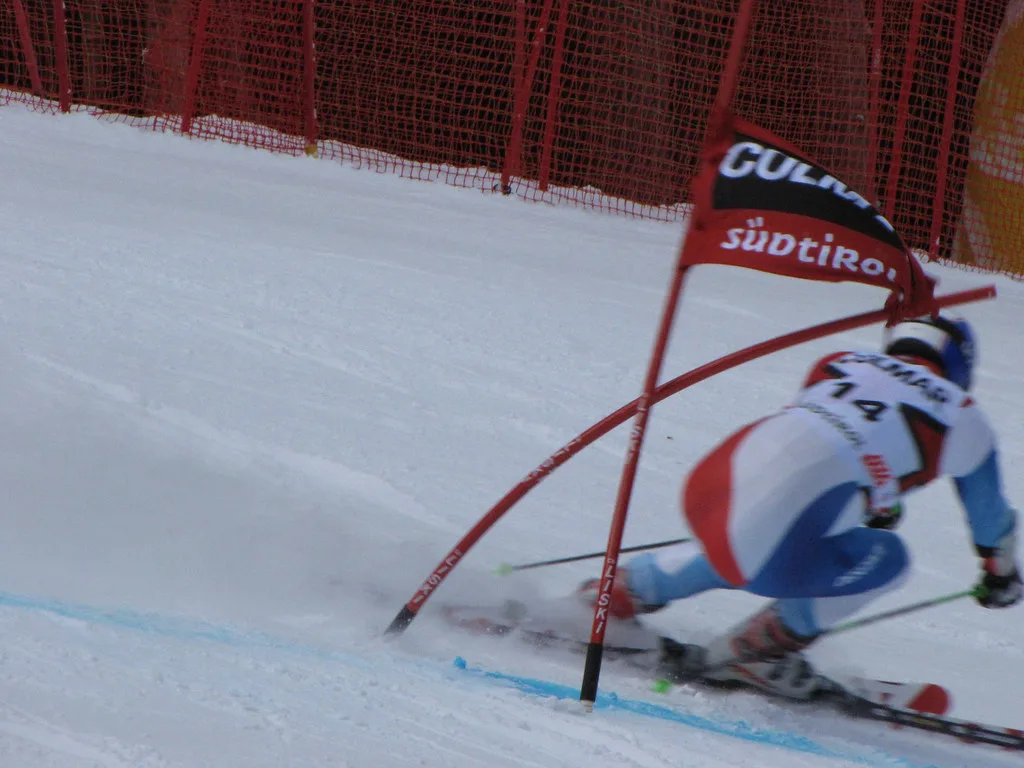
The Men's FIS Alpine World Cup race on the Gran Risa at La Villa usually lands in December and pulls a crowd, with the resort guide noting the race is held every year. Book accommodation well ahead for that week, and expect the La Villa side to be busy on race days. If you want empty slopes, choose a different December week.
Book ski lessons and hire before you travel in December. Early-season instructors are in demand for the Christmas build-up, and the Corvara ski lessons and Corvara ski hire pages are the places to start comparing what is available.
Christmas and New Year: The Busiest Window
Christmas, New Year and the first week of January are the peak of the Corvara season. Prices for hotels and apartments climb sharply, restaurants need booking, and the main lifts at Col Alto and Colfosco carry queues at opening. The upside is a full network, festive events in the villages and reliable snowmaking on the home runs.
New Year in Alta Badia typically brings torchlight descents in San Cassiano, Colfosco, Badia and La Villa, plus a party in Corvara itself. Those are traditions rather than fixed diary dates, so confirm the programme with the tourist office before building an evening around one.
If your dates are fixed to school holidays, book everything early: passes, lessons, hire and the transfer from the airport. If they are not, this is the fortnight to avoid on price grounds alone.
January and February: Best Snow Security
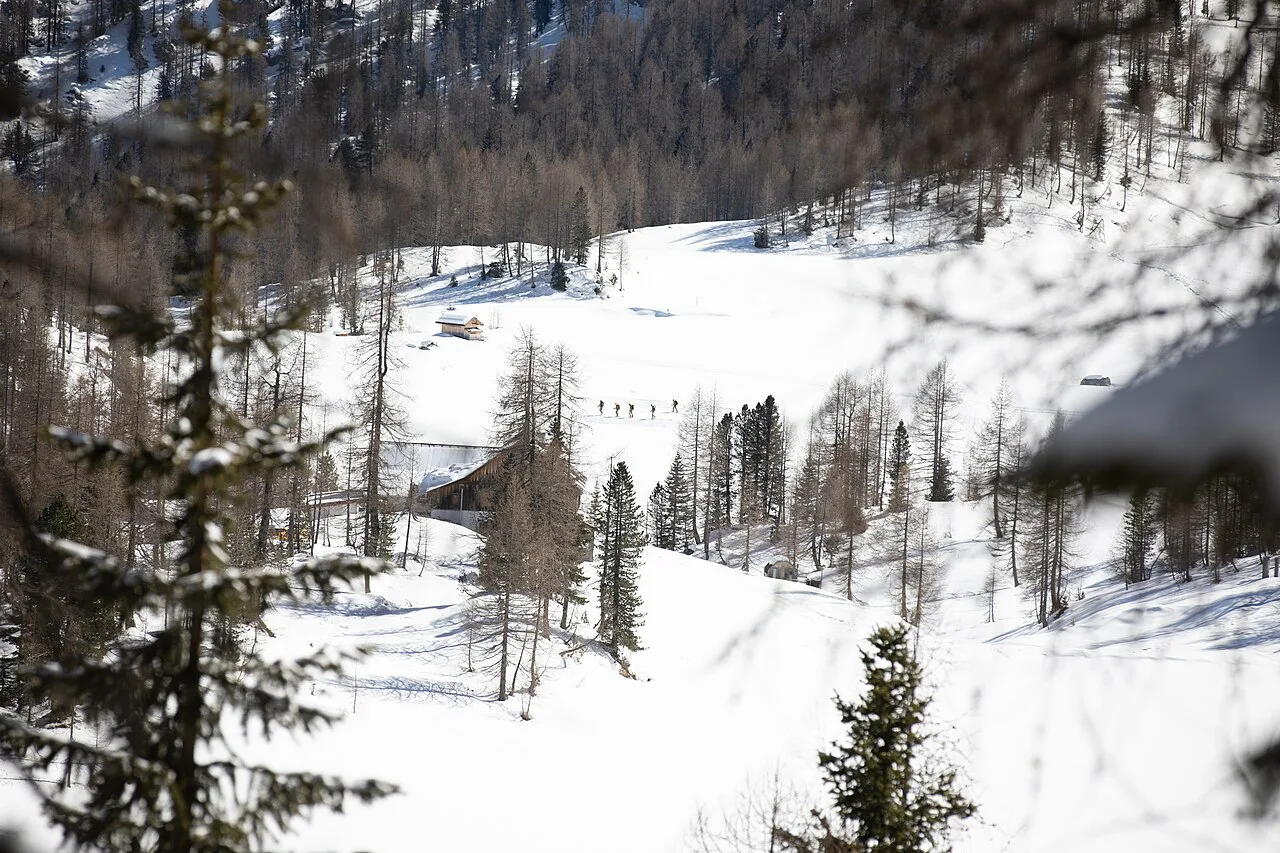
Once the holiday crowds leave, January delivers the coldest temperatures and the most dependable snow of the winter. Slopes empty out midweek, accommodation rates soften, and the Sellaronda becomes a realistic daily outing rather than a queue-management exercise. The cost is short daylight and a real chance of bitter wind at altitude.
February keeps the snow but starts to lengthen the afternoons. It is the month for strong intermediates: the Sellaronda is fully open, the San Cassiano descent is at its best, and the World Cup-level pitch of the Gran Risa is a serious test for anyone skiing black terrain.
Layer properly. Cold, clear February days at 2,700m feel very different from the valley floor in Corvara, and the gondola ride back up after lunch is where people notice the drop in temperature.
Half-Term: Quieter Than the French Alps
Alta Badia's half-term weeks are noticeably calmer than the equivalent weeks in the big French resorts, according to the resort guide, and the pistes and mountain restaurants stay manageable. That makes Corvara an attractive option for families tied to UK school holidays who want Italian food and short lift queues rather than a scrum.
Quieter does not mean empty. Book passes and lessons before you travel, especially for beginner groups, where instructor capacity is the binding constraint rather than lift capacity. A family of four leaving lesson booking to arrival week is asking for a split schedule.
Families should also weigh the walk from accommodation to the lifts. Corvara's beginner slopes are close to the village centre, so a central address saves a daily bus ride with children and skis.
March: The Best Balance of Snow and Comfort
March is the connoisseur's week. Snow depths are usually still good, the days are long, and the terraces at Col Pradat and the mountain huts come into their own for long lunches. The resort guide notes around 100 days of sunshine between December and March, and March is when you feel it most.
Spring skiing has its own rhythm: firm, fast snow in the morning, softening snow and warm terraces after midday. Start early if you want to ski the Sellaronda at pace, and plan a shorter afternoon on the lower runs as the snow turns slushy. That pattern is exactly what the tourist board describes for the final weeks of the season.
The season closes with a run of events, including the Vintage Party where skiers dress in old-school gear. Dates shift each year, so check the Alta Badia events calendar before you tie a trip to one.
April: Spring Skiing Until the Close
The published Alta Badia season runs into April, with spring skiing marketed until 4 April on the current calendar. High-altitude terrain holds up best, and the lower runs back into Corvara soften early in the afternoon. Check the official closing date for your year before booking, since it is reset annually.
April suits confident skiers who care more about sunshine and quiet pistes than pristine powder, and it suits anyone who wants a cheap late deal. It does not suit beginners hoping for forgiving snow all day, or anyone who needs the full network open.
If you are weighing Italy against another spring option, the cervinia ski season runs later thanks to its glacier, which is a different proposition entirely. Corvara's spring appeal is the Sellaronda and the food, not altitude.
Snow Reliability and What a Poor Winter Means
Alta Badia's snowmaking is good enough that a number of slopes open even with little natural snowfall, and the resort guide singles this out as a strength. The north-facing slopes and the high sectors towards Boè hold snow better than the sunny valley runs. That combination is why a low-snow winter here is usually a thinner valley rather than a cancelled trip.
What a poor winter actually costs you is choice. The Sellaronda may close in sections during warm spells, the lower descents into Corvara turn mushy, and off-piste is out. If those are central to your trip, aim for January or February rather than a late-season gamble.
Lift Passes: What You Pay and Where to Buy
A third-party guide lists the adult six-day Dolomiti Superski pass at around €247. That figure is a guide price from a tour operator rather than an official rate, and passes are priced by season and duration, so confirm the current tariff with Dolomiti Superski or at the lift office before you budget.
Buy online before you travel if you are skiing a full week, since pre-purchased passes usually skip the ticket window queue on the first morning. For shorter trips, compare a local Alta Badia pass against the full Dolomiti Superski option: you only need the bigger pass if the Sellaronda or day trips into Val Gardena are on your plan.
Skill Fit: Beginners, Gran Risa and the Sellaronda
Corvara is one of Italy's better beginner bases, with blue runs above the village and a gentle descent towards San Cassiano that lets new skiers build mileage. The resort guide calls the local blues some of the best in the country for learners. Lessons are worth booking in advance, particularly in peak weeks.
Strong skiers gravitate to the Gran Risa at La Villa, a World Cup black with 448m of vertical and pitches reaching 53%. It is short, steep and technical rather than long, so plan a morning there rather than a day. The rest of the advanced terrain is limited, which is the honest trade-off for a week here.
Confident intermediates get the most from Corvara: comfortable on reds, happy to ski five or six hours, and keen on the Sellaronda. If that describes you, this valley is close to ideal.
Getting There and Around
UK skiers typically fly to Innsbruck, Verona, Bergamo or Milan Malpensa and transfer by road, with Turin and Geneva also listed as gateway options. Innsbruck is the shortest drive but has fewer direct UK flights; Verona and Bergamo trade a longer transfer for better choice and often lower fares.
A hire car gives flexibility between the villages but is not essential. Corvara has local buses linking the valley, and the lifts connect Corvara, Colfosco, La Villa and San Cassiano on skis. Staying central and using the ski bus is often simpler than parking at a lift each morning.
Pick Your Week
For dependable snow and empty midweek pistes, choose January. For long days, warm terraces and the best balance of conditions and comfort, choose March. For families tied to school holidays, half-term in Alta Badia is calmer than its French equivalents, but book passes and lessons the moment your dates are fixed.
Avoid Christmas and New Year unless the atmosphere is the point, and treat April as a late-season trip for confident skiers rather than a first-timer's week. Whatever you choose, read the Corvara Skiing Guide before you book so the terrain and village layout match what you actually want from the week.
Frequently Asked Questions
When does the Corvara ski season start and finish?
Lifts typically come online in stages from early December, and Alta Badia publishes spring skiing until 4 April on the current calendar. Both ends of the season are set annually, so confirm the exact opening and closing dates with the Alta Badia tourist board before booking.
Is Corvara good for beginners?
Yes. Around 70km of the local piste is rated easy, with blue runs above the village and a gentle descent towards San Cassiano. Corvara's ski school has a long history in the valley, and booking beginner lessons before you travel is sensible in peak weeks.
How much is a Dolomiti Superski lift pass?
Passes are priced by season and duration, so the adult six-day rate changes from year to year. Compare the official Dolomiti Superski price list with an Alta Badia local pass if you do not plan to ski the Sellaronda, and buy online before you travel to avoid the ticket window queue.
Can you ski the Sellaronda from Corvara?
Yes. Corvara sits directly on the circuit, which links the Gardena, Campolongo, Pordoi and Sella passes. You can complete the loop in a day without repeating a lift, though you need a full-area pass rather than a local one.
When is the best time to ski Alta Badia?
January offers the most reliable snow and the quietest midweek pistes, while March gives longer days and warmer terraces with snow still usually in good shape. Christmas and New Year are the busiest and most expensive weeks.
Is there skiing in the Dolomites in April?
Yes, Alta Badia publishes spring skiing until 4 April on the current calendar. Expect firm morning snow and softer afternoon conditions, with the high-altitude terrain holding up better than the lower runs into Corvara.
How do you get to Corvara from the UK?
Most UK skiers fly to Innsbruck, Verona, Bergamo or Milan Malpensa and transfer by road, with Turin and Geneva also viable. Innsbruck is the shortest drive, while Verona and Bergamo offer more flight choice at the cost of a longer transfer.
Sources
Useful notes for your next ski trip
Optional updates to our Alpine resort guides.
You might also like
Continue reading
More guides you'll find useful