Cervinia Ski Pass: Coverage, Duration and How to Buy
Compare Cervinia ski pass coverage, duration and age bands, from Aosta Valley skiing to limited Zermatt days, and learn how the lodging-linked discount works.
On this page
Cervinia lift passes are sold by coverage and duration, and the first decision is not price but how much you will actually ski in the Aosta Valley compared with across the border. A local multi-day pass and an international pass that adds a limited number of Zermatt days are different products aimed at different trips. Getting this choice right matters more than chasing a headline rate, because the wrong coverage means paying for terrain you never reach.
This guide focuses on the operational questions: what each pass variant includes, how day count and age bands change the cost, how the official lodging-linked offer works and where to check current rates. Winter dates and scheduled lift or link openings are conditional, so treat them as planning targets rather than guarantees.
Local coverage versus the international pass
The local multi-day pass covers the Aosta Valley ski areas, which is the practical choice for anyone basing their trip in Breuil-Cervinia or Valtournenche and staying on the Italian side. The international consecutive multi-day pass is a broader product: it is valid across the Aosta Valley lifts and adds a defined number of days in Zermatt. Only buy the international version if your itinerary genuinely includes crossing to the Swiss side.
The Zermatt-day allowance is fixed by the pass, not flexible: 6- and 7-day international passes include 2 days in Zermatt, while 13- and 14-day passes include 3 days, according to the published Aosta Valley international rate table. French-language pages on the official Cervino Ski Paradise site present the same resort group, but the rate details sit with the regional pass scheme. Check how many Zermatt days your chosen validity includes before you assume the crossing is unlimited.
How duration and age bands change the decision
Duration is the second major decision. Short trips usually make a 6- or 7-day international pass the natural bracket, while longer stays push toward the 13- or 14-day products that also carry the extra Zermatt day. If you are largely staying in Italy, the local pass keeps the purchase simpler and avoids paying for Swiss days you may not use. Skiers weighing a shorter Italian trip against a longer Dolomites holiday can compare the same coverage-and-duration logic in this Canazei ski pass guide.
Age is determined using 31 October as the reference date, so a child who turns eight in late October may fall into a different band than you expect. The international table lists child, junior, young and senior categories with separate rates. Because categories and prices can be adjusted, confirm your group's band and the current figures at the point of purchase rather than relying on last season's numbers.
The official 30% First & Last Tracks offer
The official resort promotion reduces the price of a 4- to 7-day ski pass by 30%, but only when you stay with a participating accommodation provider. That makes it a booking decision, not a pass-only discount: if your lodging is not on the participating list, the reduction does not apply. Check the list of participating establishments before you finalise where you sleep.
Treat any discount that is not published by the official resort as unverified. Discount codes, agent bundle prices and third-party package rates are not the same as the resort's own tariff, and they may reflect different seasons or inclusions. If a deal looks unusually low, look at what coverage and dates are attached before treating it as equivalent.
Buying, insurance and first-access rules
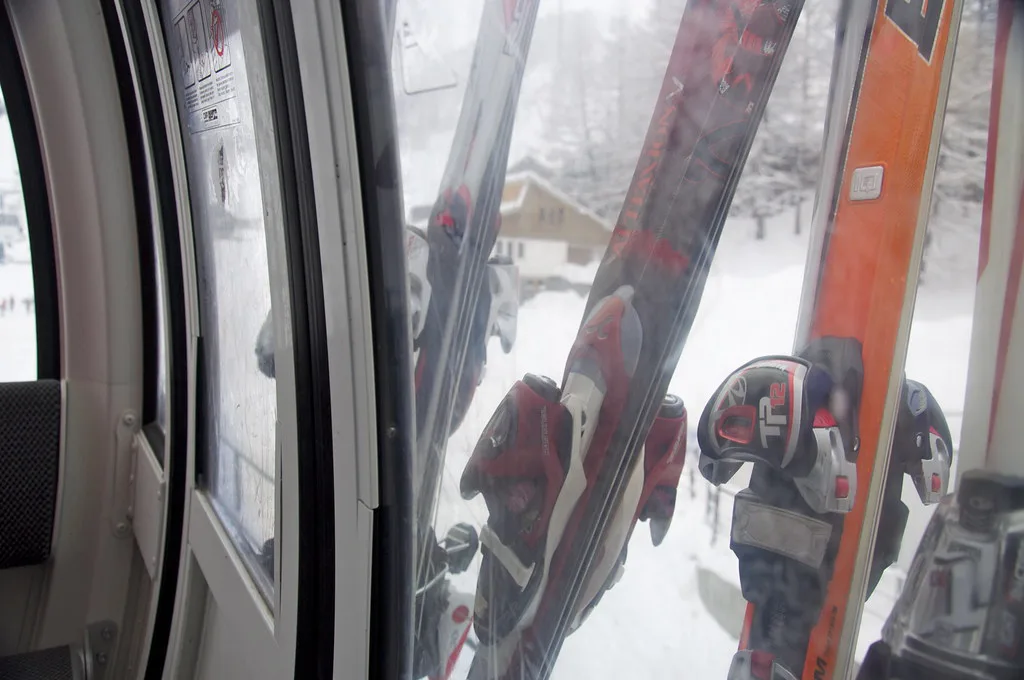
Passes can be bought through the official online shop, and SnowCare insurance can be added at the moment of purchase. Rescue services on the slopes are chargeable, with a EUR 200 charge applied to partially cover the cost of a rescue operation according to the regional rate table, so insurance is worth pricing into the total. Check whether your own policy already covers on-slope rescue before adding cover.
International passes bought in the Aosta Valley must be used for the first access of the season on Aosta Valley lifts, so plan your first ski morning on the Italian side. First access from the Zermatt base lifts is subject to separate restrictions imposed by the Swiss operator. Collection points, office hours and refund terms are not covered here; confirm those with the resort before you travel.
Matching the pass to your travel dates
The official resort site gives 2026/27 winter dates for Breuil-Cervinia running from late October 2026 to early May 2027 and for Valtournenche from late November 2026 to late April 2027, with Chamois and Torgnon operating on restricted winter windows. A pass bought for a late-season trip may cover a period when only part of the group is open. Treat these as scheduled targets and check the live lift and piste status close to departure.
For the broadest picture of how the ski areas link together, see the cervinia ski map, which helps you match terrain to the coverage you are buying. If your trip is built around a specific week or condition window, a focused cervinia ski season guide will help you judge timing. The international rate table remains the reference point for pass duration and Zermatt-day allowances.
Checking current prices and pass variants
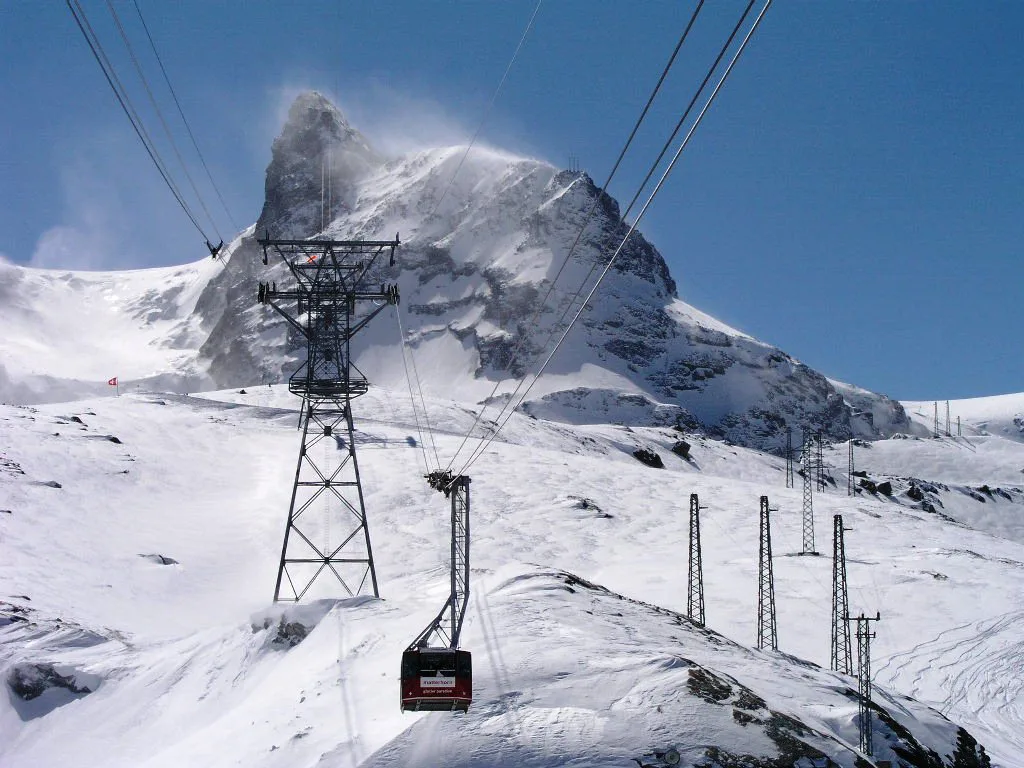
Pass prices change with duration, age band and season, so exact figures should be checked at the official shop rather than carried over from a previous winter. Agent package prices in other currencies are not the resort's tariff and may bundle accommodation or transport, which makes them hard to compare directly. Use the international or local rate table as the reference and confirm the current total before you commit.
If your winter is not fixed to Cervinia alone, compare the structure of a corsa ski pass or another region's product only after you have matched coverage to your itinerary. The same coverage-and-duration logic applies elsewhere, but inclusions differ, so do not assume that a pass with a similar name covers the same lifts. Check the specific resort's own tariff page for the year you are travelling.
Plan Your Visit
The practical sequence is straightforward. Decide first whether you will cross into Zermatt, because that single choice splits the local Aosta Valley pass from the international version with its fixed number of Swiss days. Then pick your duration, confirm your group's age band against the 31 October reference and check whether your accommodation qualifies for the official lodging-linked reduction.
Finally, buy through the official shop, price in SnowCare or check your own rescue cover, and plan your first morning on Aosta Valley lifts if you hold an international pass. Scheduled dates and openings are conditional, so confirm the live situation near your travel date.
Frequently Asked Questions
Does the Cervinia ski pass include Zermatt?
Only the international consecutive multi-day pass adds Zermatt days, and the allowance is fixed: 6- and 7-day versions include 2 Zermatt days, while 13- and 14-day versions include 3. A local multi-day pass covers the Aosta Valley ski areas and does not include Zermatt. Check the official rate table for the current allowance.
Is the child ski pass free in Cervinia?
The free child rate applies only under a concurrent-purchase condition, when an adult or an under-24 young person buys a full-price pass of equal or longer duration at the same time. Otherwise the non-concurrent child rate applies. Age is assessed using 31 October as the reference date, so confirm your child's band before buying.
What is the First & Last Tracks discount?
It is an official 30% reduction on 4- to 7-day ski passes, available when you stay with a participating accommodation provider. Because eligibility depends on where you book, check the participating list on the official resort site before finalising your lodging. Pass-only discounts without a lodging condition are not part of this offer.
When can you ski in Cervinia?
The official 2026/27 season for Breuil-Cervinia runs from late October 2026 to early May 2027, while Valtournenche is scheduled from late November 2026 to late April 2027. Chamois and Torgnon operate on shorter winter windows. These dates are scheduled, not guaranteed, so check live lift and piste status near your travel date.
Sources
Useful notes for your next ski trip
Optional updates to our Alpine resort guides.
You might also like
Continue reading
More guides you'll find useful