Snowboarding in Zell am See: Terrain, Parks & Lift Logistics
Plan a Zell am See snowboard trip: wide Schmittenhöhe groomers, the Kitzsteinhorn parks, unlinked areas, the free ski bus and what the ALPIN CARD covers.
On this page
Snowboarding in Zell am See comes down to one structural fact: the Ski ALPIN CARD puts three separate areas on a single ticket, and none of them is joined to the others by lifts. The Schmittenhöhe rises straight above the town, while Kaprun's Maiskogel and Kitzsteinhorn glacier sit roughly eight kilometres away by road, reached by frequent free ski bus. How much you enjoy a riding week here depends less on ability than on how willingly you plan around that bus.
The good news for a rider is that the home mountain's shape suits a snowboard unusually well: long, wide, consistently pitched groomers rather than the narrow traverses and long flat run-outs that spoil a board day elsewhere. The catch sits at the bottom, where the town is low and mid-winter cover on the Schmitten is a snowmaking outcome rather than a given. This guide works through the terrain, parks, learning ground and pass arithmetic so you can decide how to split the week.
One Pass, Two Mountains and a Free Bus
The ticket you will be sold covers the Schmittenhöhe above the town, Kaprun's Maiskogel and Kitzsteinhorn, and the Saalbach Hinterglemm Leogang Fieberbrunn network over the hill. No two of those areas connect on snow, so a day at Kaprun or Saalbach is a travel decision before it is a riding decision: a bus one way, a bus or a car the other.
Treat the ski bus as part of the lift system rather than an optional extra. It is free to use and runs frequently, and it is the only way to reach Kaprun without a car, but it does fill up in busy weeks, so budget the time instead of resenting it. Most riders ski the Schmitten for most of the week, commit one day to the glacier and consider one trip to Saalbach. Trying to cover all three evenly is what turns this pass into a chore.
Riding the Schmittenhöhe: Wide Groomers Above the Town
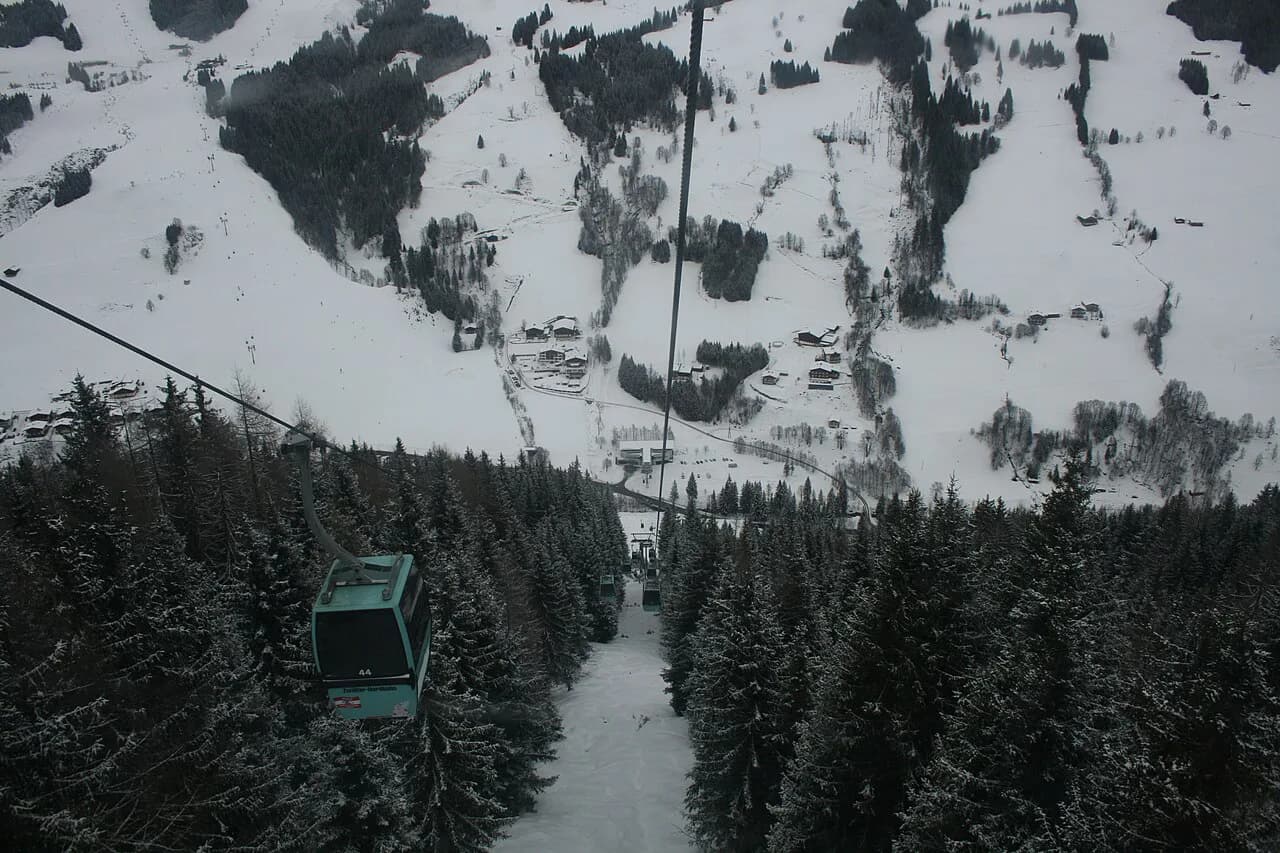
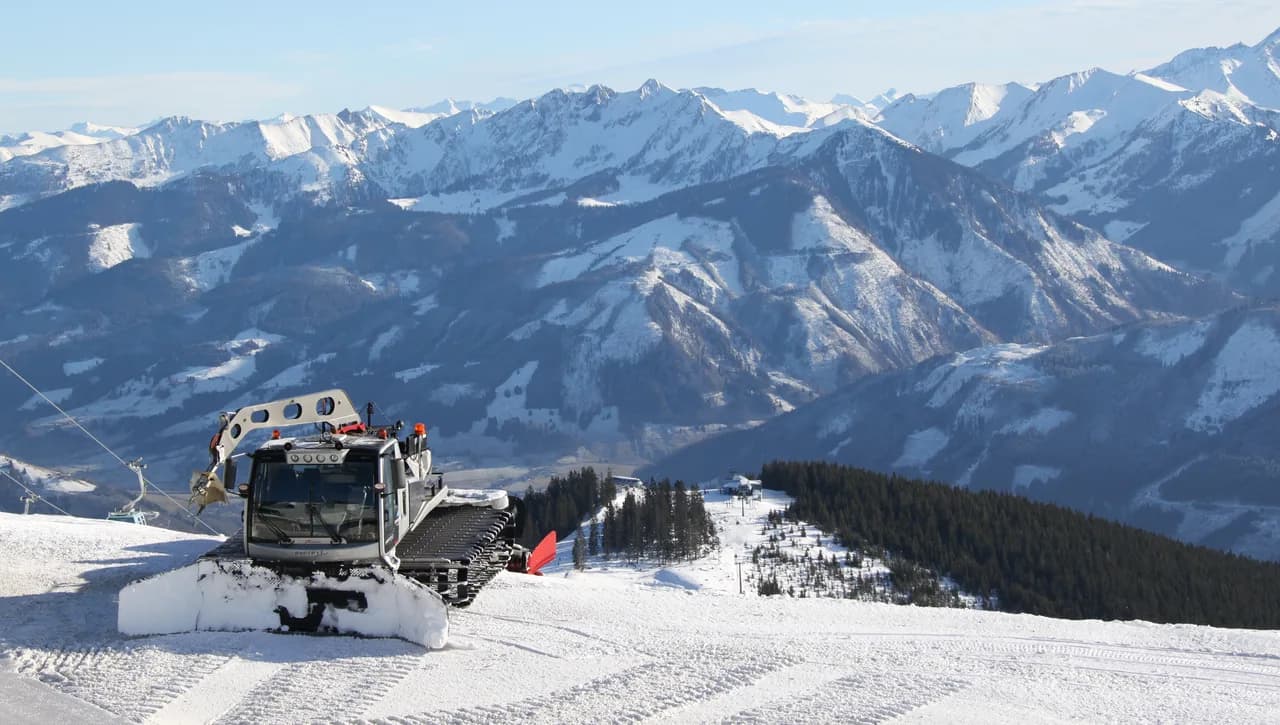
The Schmitten is where a snowboarder will spend the bulk of a week, and its profile is friendly to a board: long, wide, well-groomed reds with consistent pitch, so you are not constantly unstrapping across flat sections. Gondolas leave from three points around the town, and the west-facing side looks down over the lake all afternoon. Terrain figures for the combined Zell am See-Kaprun area run to 138km and 52 lifts across the current 2026/27 season, of which the home mountain is the share you will actually ride.
Grade your expectations around Austrian pistes rather than French ones. There are blue, red and black runs here and no green grade at all, so a blue is the easiest thing on the mountain and Austrian blues are correspondingly gentler than French blues. If France is all you have ridden, do not read the absence of greens as an absence of easy ground. Sustained steep is genuinely thin on the Schmitten, which matters if you want a hard-charging board week rather than a cruising one.
Parks and Freestyle: Two Very Different Set-Ups
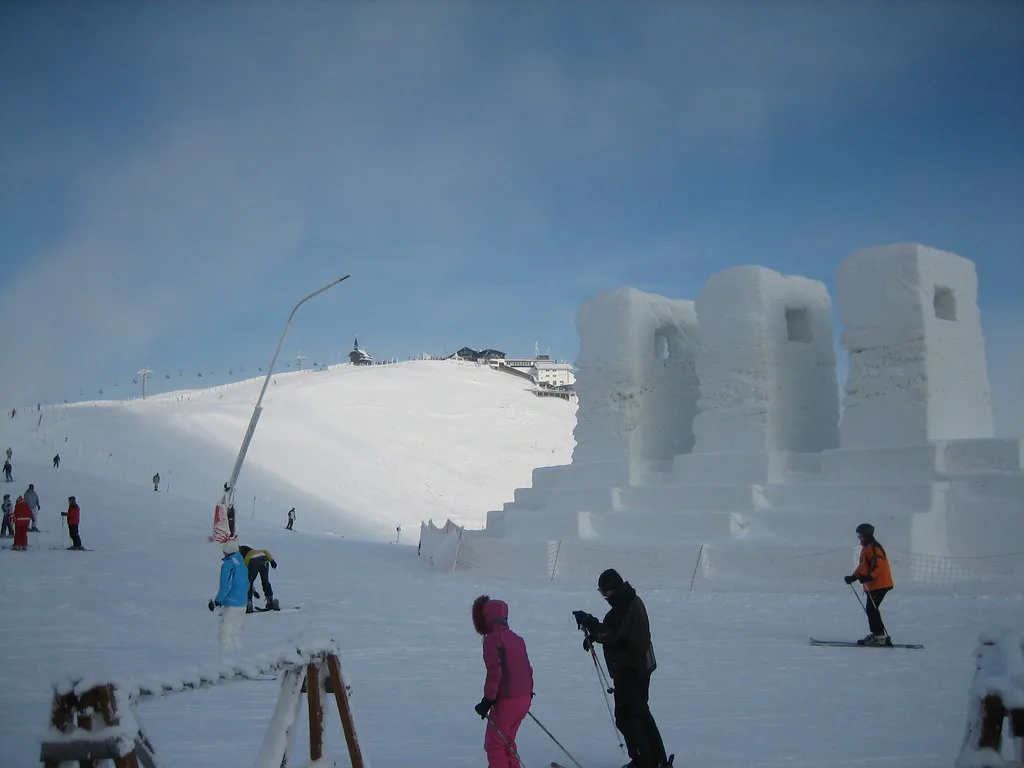
Freestyle infrastructure here splits by mountain, and the split matters when you are planning days out. The Schmittenhöhe keeps a smaller park plus a long funslope, which is the right fit for a family week and for riders testing their first features. The serious scene is above Kaprun, where the Kitzsteinhorn runs several parks graded up from easy alongside a superpipe built for competition riding.
That geography sets your park days. If freestyle is the point of the trip, plan multiple days at the glacier and accept the bus each time, because the home-hill set-up alone will not carry a dedicated park week; this Kaprun snowboarding Guide covers the parks and passes side of that trip in more detail. If you want a couple of park laps folded into a cruising holiday, the Schmitten park and funslope do the job without costing you a transfer. Decide which of those two riders you are before you commit the week.
Kaprun and the Glacier: What the Bus Day Costs You
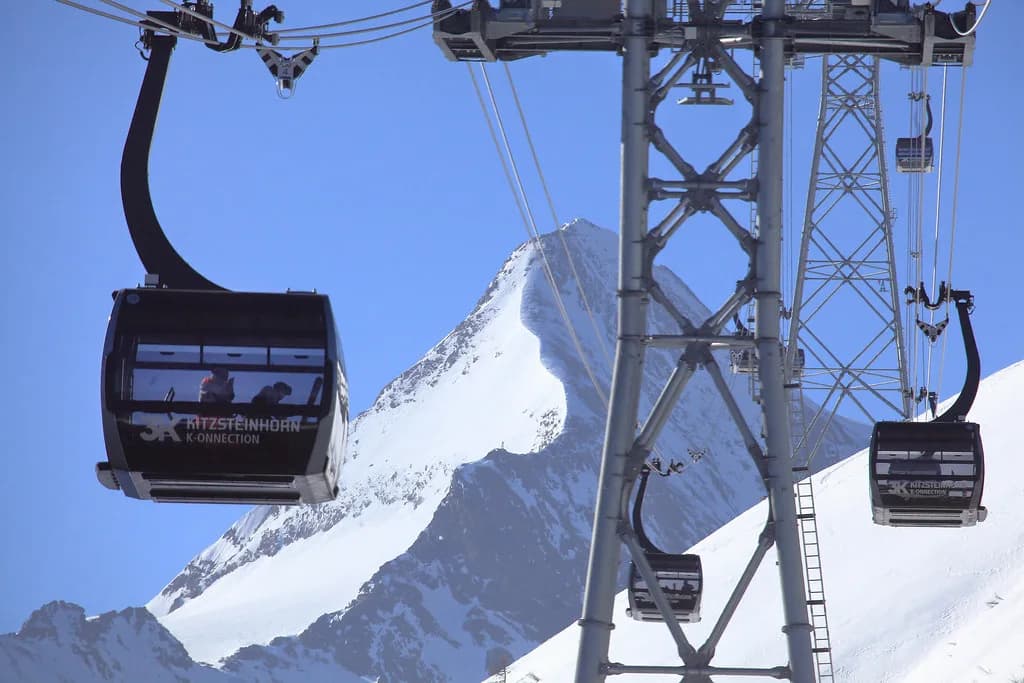
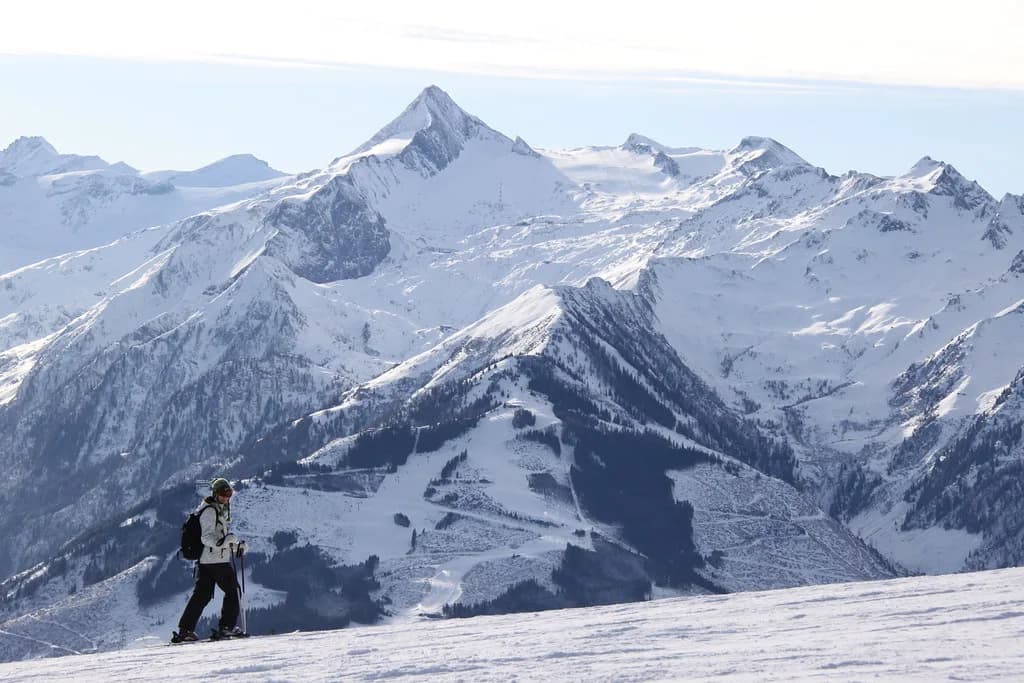
The Kitzsteinhorn reaches 3,029m and skis well beyond the home mountain's window, which is precisely why the bus day matters: when the valley is thin, the glacier is the reliable riding on the same pass. Getting there means a road transfer from Zell am See, not a lift, so the day has a fixed cost in time at both ends. Build it as a full day and start early rather than trying to squeeze it around a morning on the Schmitten.
Maiskogel, also at Kaprun and now linked uphill to the glacier, is the gentler of the two and the better bet for a nervous or newly progressing rider. A week that ends up mostly at Kaprun is not the week the resort's lakeside photographs suggest, so weigh how much bus travel you genuinely want. The honest question before booking is how many of your days you are willing to spend in transit.
Learning to Ride Here: The Mid-Mountain Reality
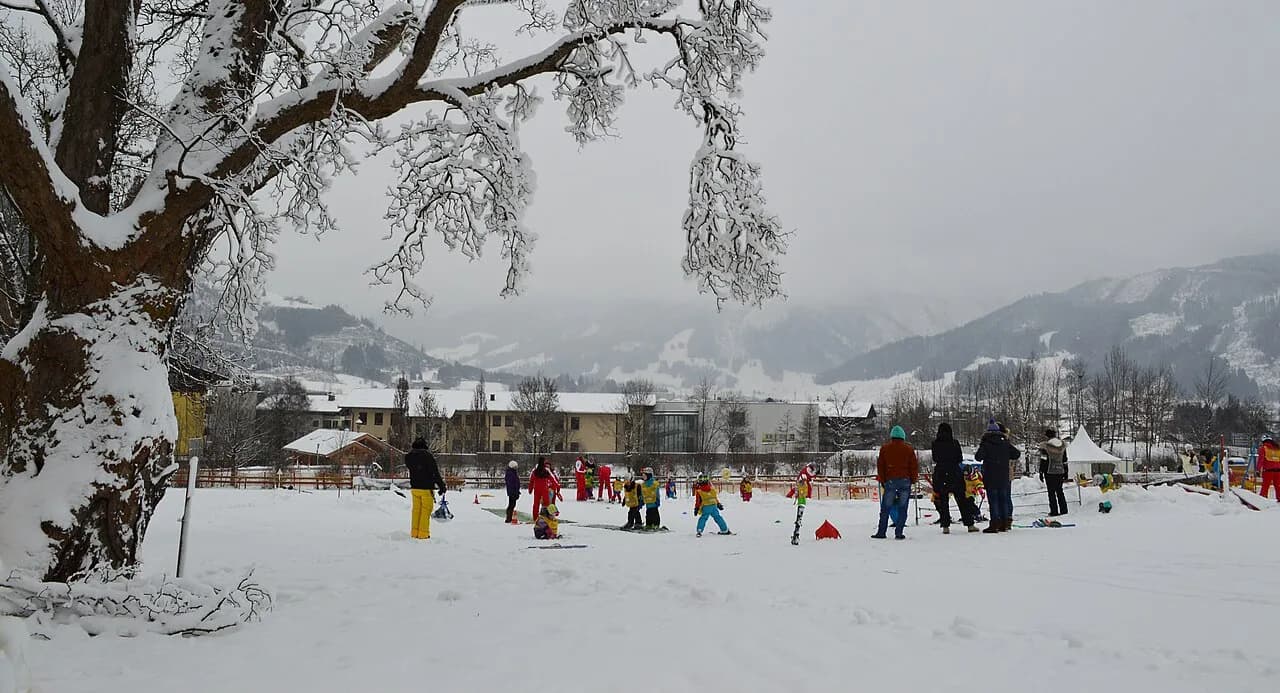
The beginner set-up is decent but comes with a catch worth planning around. Easy ground on the Schmittenhöhe sits at mid-mountain, reached by gondola rather than sitting outside a hotel, and the pistes back down into the valley are red and black, so you ride down at the end of the day. That is normal here, but it is not the nursery-slope-at-the-doorstep experience some resorts sell.
For a genuine first week, Kaprun's Maiskogel is the gentler mountain and the better place to build confidence, at the cost of a bus ride each morning. Group and private instruction is available in the resort, and English-speaking instructors are easy to find. If you are booking lessons, ask the ski school where it meets and how it groups levels rather than working either out from a brochure description.
Lift Bases, Kit Collection and Pass Arithmetic
Zell am See is spread out enough that where you collect your board shapes your morning. Rental sits at the bottom stations around town: the City Xpress side nearest the centre, the Schmittenhöhebahn on the western side, and the AreitXpress at Schüttdorf where much of the apartment stock is and the ski bus fills first. Pick the shop at the gondola you will actually start from, not the one nearest your bed, because carrying a board across town twice a day is the most avoidable mistake here.
The home mountain's scheduled season runs from 5 December 2026 to 4 April 2027, and the glacier's own season is longer at both ends, so "is Zell am See open" has two different answers depending on which mountain you mean. On the pass, a peak-season day is listed at €82 and six days at €440, with the same single day at €74 in the winter-start and bonus weeks; check current figures and flexi or half-day options before booking, and run the arithmetic if anyone in the group is not riding every day.
Plan Your Snowboard Week
Plan the trip around the bus. Most riders should treat the Schmittenhöhe as the default, give the Kitzsteinhorn at least one full day for altitude and park terrain, and add Saalbach only if the group wants a change of scene. Match your rental shop to your starting gondola, and decide before booking how many days you are happy to spend travelling rather than riding.
Season dates, pass prices and which of the three areas is actually turning are the details to recheck close to departure, because the home mountain's scheduled window is not a guarantee that every lift, link or piste will operate on your dates. Look at the lift company's own operating status for the mountain you intend to ride rather than the resort name.
Frequently Asked Questions
Is Zell am See good for snowboarding?
For most riders, yes. The Schmittenhöhe above town offers long, wide, consistently pitched groomers with few flat run-outs, and the combined Zell am See-Kaprun area gives 138km and 52 lifts. The caveat is that Kaprun and its glacier sit roughly eight kilometres away and are reached by bus, not by lift, so part of your week is travel planning rather than riding.
Where are the snow parks in Zell am See?
The Schmittenhöhe keeps a smaller park plus a long funslope, suited to families and riders trying their first features. The larger freestyle set-up is at the Kitzsteinhorn above Kaprun, which runs several parks graded up from easy alongside a competition superpipe. If park riding is your priority, plan repeat bus days to the glacier rather than expecting the home hill to cover it.
Do you need a bus to reach the Kitzsteinhorn from Zell am See?
Yes. The Kitzsteinhorn is not lift-linked to the Schmittenhöhe, so you reach it by road from the town, using the frequent free ski bus or a car. It is the only way to access the glacier without driving, so treat it as a full day with travel at both ends rather than a quick add-on to a home-mountain morning.
Is Zell am See suitable for beginner snowboarders?
It is workable but comes with a catch. Easy ground on the Schmittenhöhe sits at mid-mountain, reached by gondola, and the pistes back into the valley are red and black, so beginners ride down at the end of the day. Kaprun's Maiskogel is the gentler learning hill and the better choice for a genuine first week, though it means a bus each morning.
Sources
Useful notes for your next ski trip
Optional updates to our Alpine resort guides.
You might also like
Continue reading
More guides you'll find useful