Is Val d'Isère Good for Beginners? A Skier's Honest Guide
Val d'Isère works for beginners if you pick the right sector. Compare Solaise, Bellevarde and the Tignes side, plus passes, lessons and where to base yourself.
On this page
Val d'Isère is famous for steep, high and demanding skiing, which makes beginners reasonably ask whether they belong here at all. The honest answer is that a first-timer can learn comfortably here, provided you base yourself near the right lifts and resist the pull of the big-name terrain.
The resort sits in the Tarentaise Valley in Savoie, with the village at about 1,850m and the shared ski area with Tignes marketed as roughly 300km of piste, according to the Ski Beat resort guide. That scale is the whole trade-off: plenty of gentle pockets exist, but they are small islands in a mountain built for confident skiers.
The Quick Verdict
Yes, Val d'Isère is good for beginners, but not for the reasons most resorts are. You come here for snow reliability, a long season and the option to progress onto genuinely testing terrain later in the same week, not for a vast dedicated learner park at the village edge.
Treat it as a strong all-round resort where a beginner is well served rather than indulged. If your priority is the gentlest possible introduction with the widest choice of easy runs, a lower, learner-focused resort may suit better; if you want one base for a mixed-ability group, Val d'Isère is hard to beat.
How the Ski Area Is Laid Out
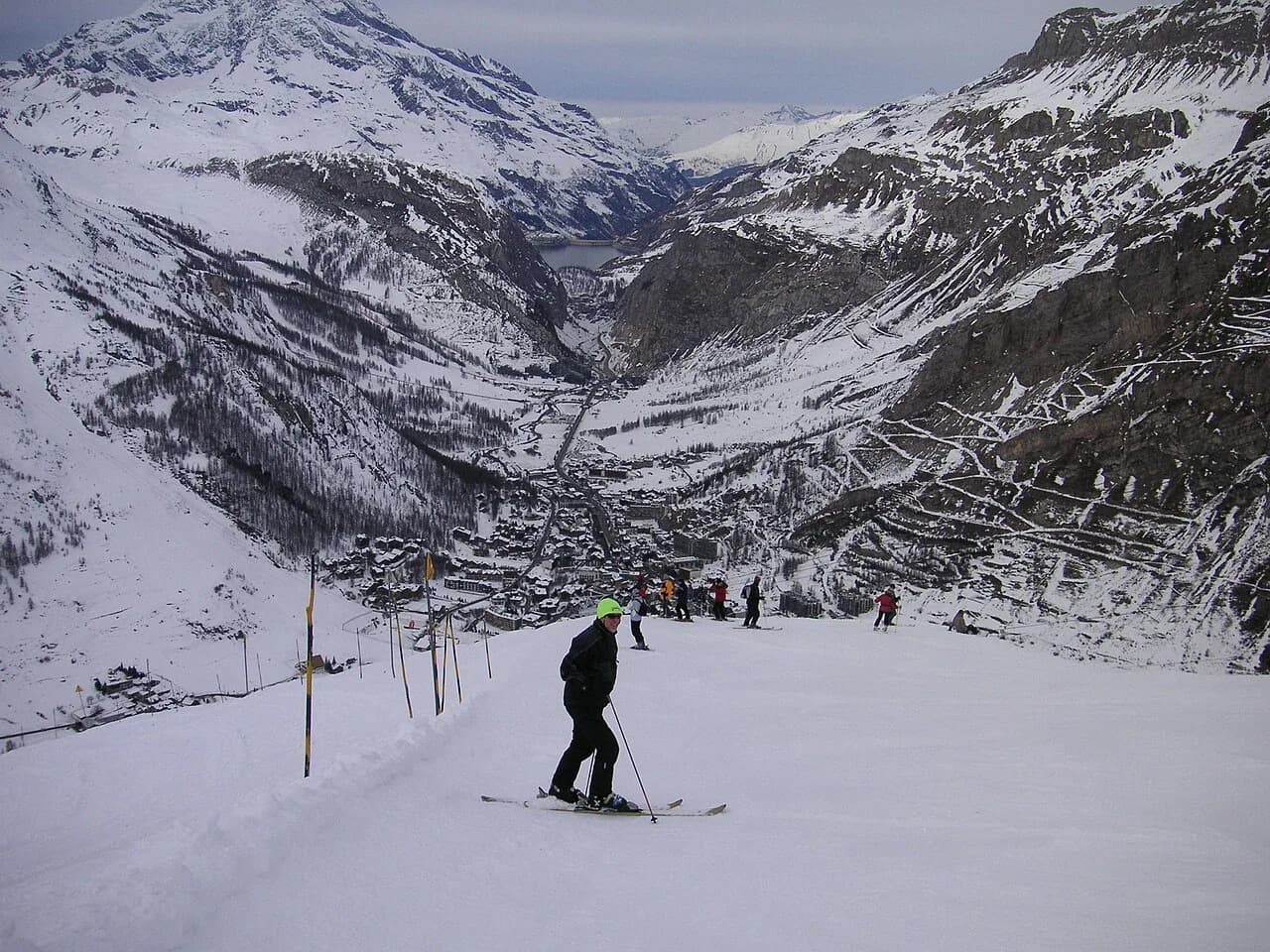
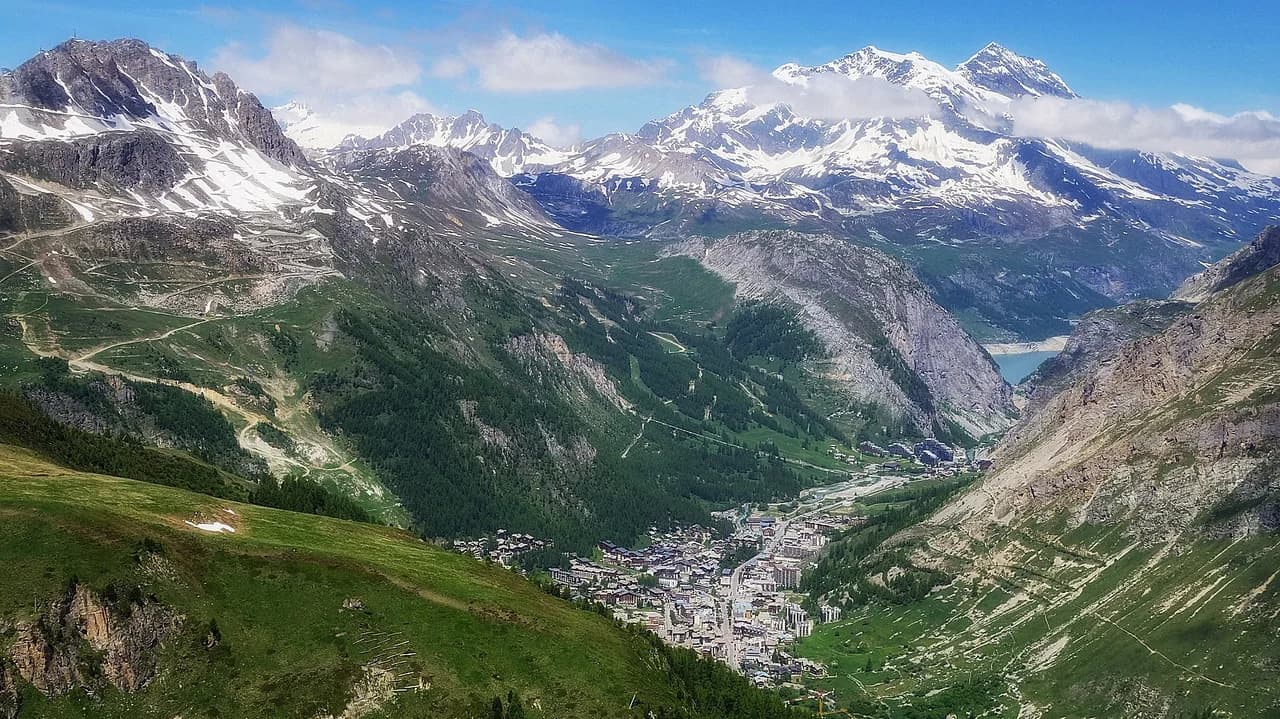
The valley runs roughly east to west, with La Daille at the western end, the village centre in the middle and the Solaise and Bellevarde lifts rising on opposite sides of the village. Skiing runs from around 1,800m up to the Grande Motte glacier above Tignes at 3,456m, and the Ski Beat guide quotes a highest lift of 3,466m, so check the official piste map for the figure you plan around.
For a beginner the layout matters more than the headline statistics. Solaise is the friendlier side for learning, Bellevarde is where you go once you can link turns, and the Grand Pré sector between the two resorts offers wide open green terrain that flatters new skiers.
A printable plan helps before you commit to a base, because the walk from your accommodation to the first lift shapes your whole morning. The Val d'Isère Ski Map is worth studying alongside this guide.
Solaise: Where Most First-Timers Should Start
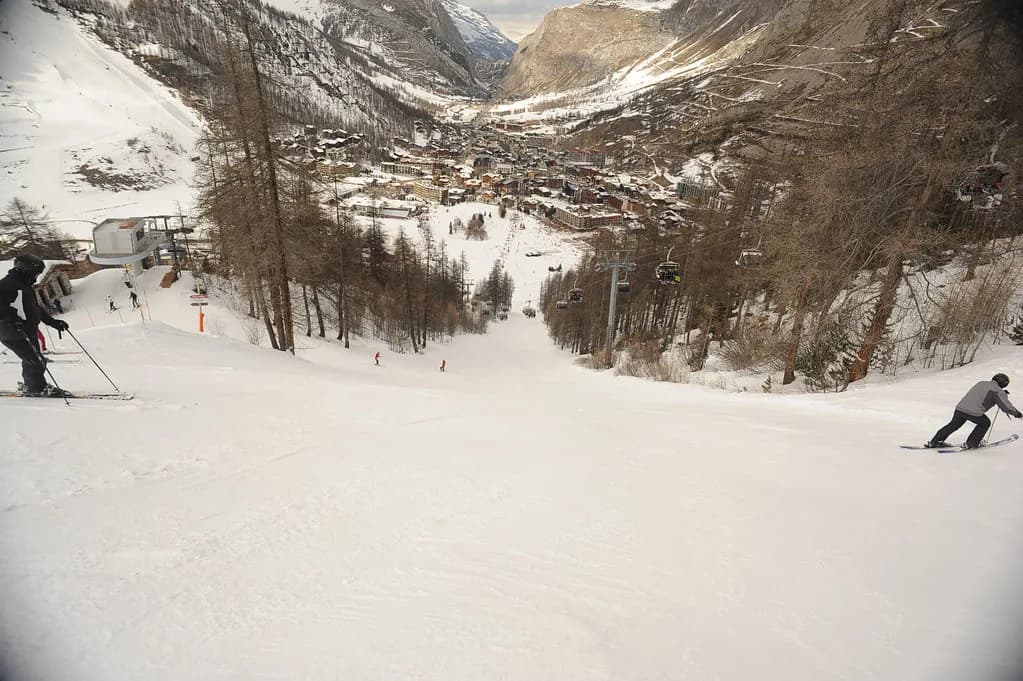
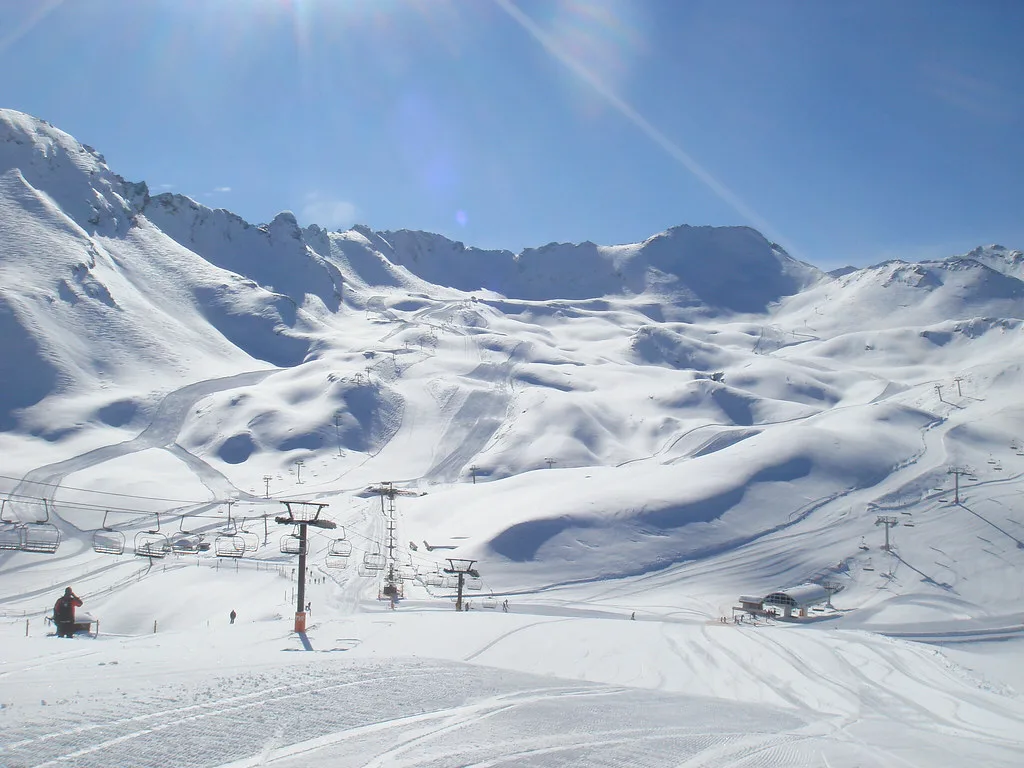
Solaise is the classic answer to the beginner question. The Ski Beat guide highlights the Ski Tranquille and Solaise area as the place for less experienced skiers, with nursery slopes and a spread of greens and blues that let you build confidence without committing to a long descent.
The practical appeal is easy lift access and short, repeatable runs. You can lap a gentle pitch until turning becomes automatic, then step up a grade on the same side of the valley rather than riding across the resort to find something suitable.
Spend your mornings here for the first two or three days. The snow holds up well at this altitude, and the sector gives you a clear exit route back to the village when legs tire, which matters more than most beginners expect.
Bellevarde and the Face: Reputation Versus Reality
The Face de Bellevarde hosted the men's Olympic downhill in 1992 and drops over a kilometre into the valley, which is exactly why the resort carries its expert reputation. That single pitch shapes how people talk about Val d'Isère, and it is not where a first-week skier should be.
The wider Bellevarde sector is a different story. Once you can turn consistently, the blues and easier reds on this side give you a proper step up with space to ski, and the Ski Beat guide notes green pistes just off the top of Rocher de Bellevarde for those progressing.
Judge the area by the run you are actually skiing, not by the Olympic piste you can see from the lift. Arriving with a plan to avoid the Face until you are genuinely ready keeps the week enjoyable and leaves something to come back for.
The Tignes Side and Grand Pré
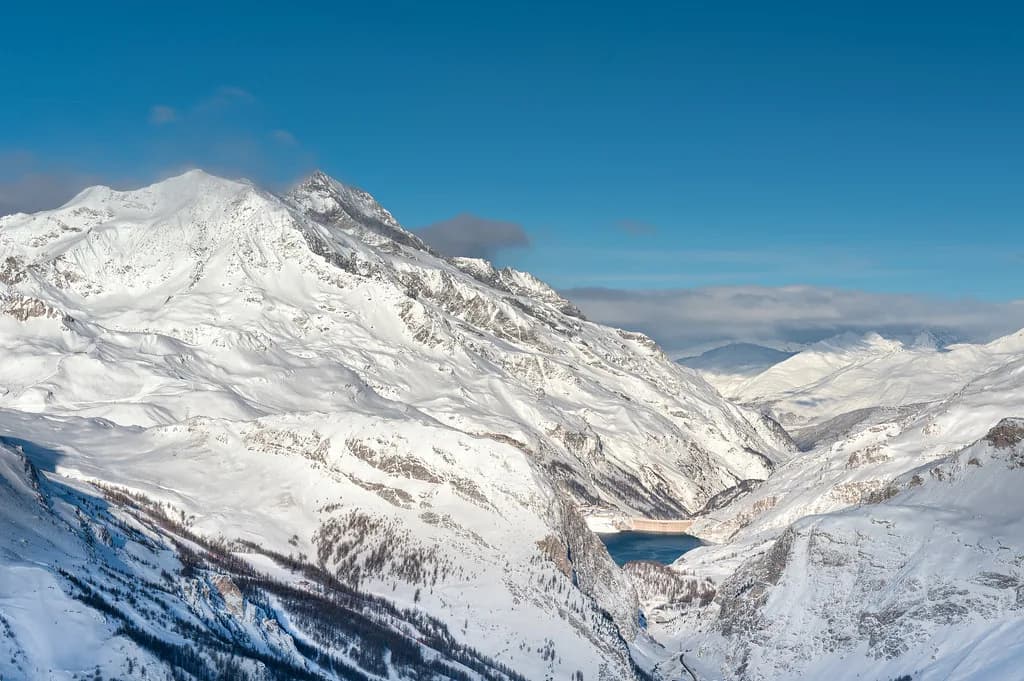
The shared pass covers both resorts, and the Tignes side has its own beginner logic. Tignes sits at about 2,100m with the Grande Motte glacier rising to roughly 3,450m above it, and the resort runs a three-step Ski Start progression on gentle slopes, with Step One and Step Two lifts free.
Those free lifts, including the magic carpet and the Lavachet drag in Le Lac and the Bollin chair in Val Claret, are a Tignes arrangement, so do not assume the same lifts are free on the Val d'Isère side of the pass. Check the current lift-pass rules before you budget on free access.
Grand Pré, between the two resorts, is the wide open green area to aim for once you are comfortable. The same Tignes guide recommends the Grand Pré chair for open green runs, with the Fontaine Froide chair giving access to more greens and blues above.
Why Espace Killy Greens Feel Harder Than Elsewhere
A green run in the Espace Killy can ski differently from a green in another French resort, and the Tignes guide makes the point plainly: some greens here are trickier than their colour suggests. If you have skied elsewhere before, start on easier slopes and rebuild rather than picking up where you left off.
Give yourself a reset half-day. A short morning on the gentlest Solaise pitch tells you more about the week ahead than any trail map, and it costs you nothing in lost skiing time.
Which Pass to Buy for a First Week
Beginners often assume they need the full area pass, but if you are booked into ski school the calculation changes. The Tignes guide notes that some schools offer packages including a lift pass and that a complete beginner may not need a full six-day Tignes–Val d'Isère pass, so price the bundle against the standalone pass before deciding.
For a mixed-ability group a full pass can still make sense, because it lets the stronger skiers use the whole area while you stay on the easy side. Decide as a group, not individually, so nobody is stranded without the lift access they need.
Lift-pass pricing changes by season and by product, and no reliable figure for the current winter appears here, so check the official pass pages before you commit. Buy before you travel where possible, because passes can be collected in resort rather than posted to your home address.
Ski School and Lessons
Book lessons, and book them early. The Tignes guide is blunt about this: arrange what you can before you arrive, especially lessons, because school-holiday weeks fill quickly and the first morning is the worst time to be queuing for a place.
Val d'Isère has several local ski schools with English-speaking instructors, and group lessons make sense if you are the only beginner in your party, since you learn alongside people at your own level rather than holding faster friends back. Private hours are worth the spend if your schedule is tight or your confidence needs a targeted fix.
Sort out the details of group sizes, meeting points and whether a pass is included when you book, not on the morning of the lesson. Those three answers decide how your first three days are structured.
Hire and Equipment Logistics
Reserve beginner ski or snowboard packages online before you travel, since shops commonly price web bookings below walk-in rates, and choose a pickup point close to where you are staying. The Tignes guide makes both points and also flags locker use, delivery and pre-arranged fittings as services to ask about.
Carrying boots and skis any distance is the least glamorous part of a beginner's day, so a shop near your apartment or a free village shuttle that drops you at the lifts is worth more than a marginal saving. Test the walk from the shop to the lift before you commit.
Where to Base Yourself
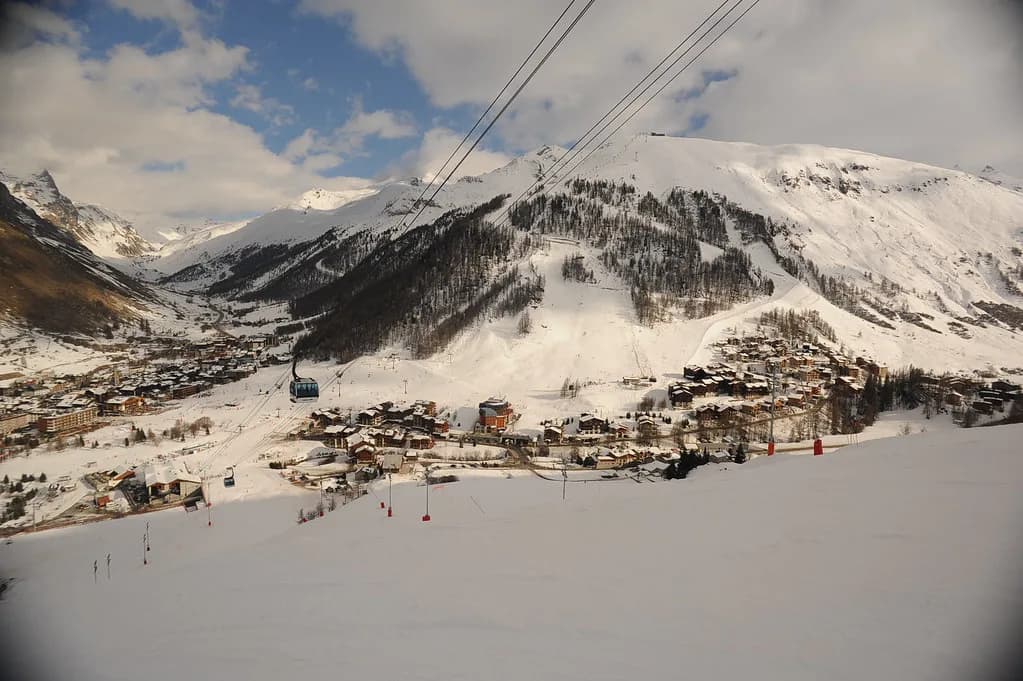
La Daille, at the western end of the valley, gives quick access to the lifts at the bottom of the gondola and is well served by the free shuttle that runs daily, the Ski Beat guide reports. It suits groups who want an easy start to the day and quick access to the Folie Douce at the end of it.
The village centre puts you between the Solaise and Bellevarde lift bases, with shops, cafés and restaurants on the doorstep. For a beginner the trade-off is simple: more walking and bustle in exchange for a short hop to the lesson meeting point and somewhere to retreat to at lunchtime.
Basing on the Solaise side keeps your mornings frictionless if you plan to learn there, but it distances you from the evening scene in the centre. Book early for peak weeks and premium locations, because the best-placed beds go first, and then use the shuttle to widen your options rather than paying a premium for the perfect address.
Getting There
Most UK skiers fly to Lyon, with direct flights from London Gatwick and Manchester through the ski season, and the road transfer takes around three and a half hours over roughly 220km into the Tarentaise Valley, according to the Ski Beat transfer notes.
Allow for a Saturday transfer in peak weeks, when the valley road is busy and the timetable is set by traffic rather than by your flight. A longer, less stressful connection beats a tight one when you are arriving with tired children or a tight lesson booking the next morning.
Season Timing for Learners
The season generally runs from late November to early May, which the Ski Beat guide attributes to the altitude and the two glaciers in the area. Confirm the current winter's opening and closing dates on the official site before you book flights, because they are set season by season.
For learning, January and March usually beat Christmas and February half-term: quieter slopes, cheaper accommodation and more availability in ski school. Christmas brings atmosphere and events, but the nursery areas get busy and lessons sell out first.
What Beginners Should Skip
Leave the Face de Bellevarde, the glacier and long traverses for a later trip. The glacier is high and the terrain up there assumes confidence, while a long traverse on tired legs is the fastest way to ruin a good morning on the nursery slopes.
Be honest about the step up from a green to a blue, too. Build in an easy day mid-week rather than skiing six days straight, and use a bad-weather afternoon to rest instead of forcing a session that leaves you sore for the rest of the holiday.
Off-Slope Back-Up
Val d'Isère is a designated Familie Plus resort, with ice skating, fireworks and torch-lit descents among the family activities, and the Aquasportif sports centre and pool complex as the indoor option when the weather closes in, according to the Ski Beat guide.
The village itself carries the evening, from the mountain parties at La Folie Douce to restaurants such as La Table de l'Ours and La Peau de Vache. Après-ski is a genuine part of the offering here, which helps when half the group finishes earlier than the rest.
The Verdict and Booking Checklist
Val d'Isère suits beginners who want a high, snow-sure base, a long season and room to progress within one trip, particularly as part of a mixed-ability group. It is the wrong choice if you want the largest possible nursery area at the lowest cost, where a gentler resort will serve you better.
Book ski school first, then decide the pass around it, reserve hire close to your accommodation, and pick a base by the lift you will actually use each morning. If you are weighing resorts, compare how Méribel Skiing for beginners handles its learning terrain before you commit.
When you are ready to look beyond the nursery slopes, the intermediate terrain on Bellevarde and Solaise rewards the groundwork. Plan the first week properly and you will get a second trip out of the same resort.
Frequently Asked Questions
Is Val d'Isère good for beginners?
Yes, with the right plan. The Ski Tranquille and Solaise area has nursery slopes, greens and blues with easy lift access, and the Grand Pré sector between the resorts offers wide open easy runs. Val d'Isère is not a dedicated learner resort, so base yourself near the lifts you will use and book lessons in advance.
Where are the beginner slopes in Val d'Isère?
Start on the Solaise side, where the gentlest terrain and the easiest lift access sit together. Progress to the Grand Pré area for open green runs once you can turn, and move onto the easier Bellevarde blues and greens only when you are linking turns consistently.
Do beginners need a full Espace Killy lift pass?
Not always. If you are booked into ski school, some schools bundle a pass into their packages, and on the Tignes side of the shared area several beginner lifts are free. Ask the school what is included and compare that with the standalone pass before you buy.
Is Val d'Isère better for beginners than Tignes?
They share one pass, so you can use both. Tignes has a formal three-step Ski Start progression with free lifts at the first steps, while Val d'Isère concentrates its learning terrain on Solaise. Choose your base by which beginner area you want on your doorstep.
When does the Val d'Isère ski season start and end?
The season typically runs from late November to early May, helped by altitude and the area's glaciers. Exact opening and closing dates are set each winter, so confirm the current dates on the official resort site before booking flights.
How do you get to Val d'Isère from the UK?
Fly to Lyon, which has direct seasonal flights from London Gatwick and Manchester, then take a road transfer of around three and a half hours over roughly 220km into the Tarentaise Valley. Allow extra time in peak Saturday weeks.
How much is a Val d'Isère lift pass?
Prices vary by season, duration and product, and no current figure is reliable enough to quote here. Check the official lift-pass pages for the winter you are travelling, and ask your ski school whether a pass is included in their package.
Is Val d'Isère expensive for a first ski trip?
It has a reputation as a premium resort, and the village centre carries the highest prices for accommodation and eating out. You can cut costs by staying in La Daille, using the free shuttle, booking lessons and hire online before you travel, and skiing outside the peak school holidays.
Sources
Useful notes for your next ski trip
Optional updates to our Alpine resort guides.
You might also like
Continue reading
More guides you'll find useful