Samoëns Ski Season: Dates, Snow and When to Book
Samoëns ski season planning: when Grand Massif lifts typically run, how altitude and north-facing slopes shape snow, and which weeks to book or avoid.
On this page
Samoëns is a village resort in Haute-Savoie that plugs into the Grand Massif, a 265km circuit shared with Flaine, Les Carroz, Morillon and Sixt-Fer-à-Cheval. The published pattern is a winter running from around mid-December to mid-April, with 139 pistes served by 62 lifts between roughly 700m and 2,500m.
Treat that window as the shape of the season rather than a promise about any single day. A mid-December opening date does not mean the whole circuit is groomed and linked, and a mid-April closing date does not mean the lower forest runs back to the village are still skiable. Booking decisions should lean on altitude, aspect and where you base yourself.
Quick answer: when the Samoëns ski season runs
The Samoëns tourist office describes the season as generally mid-December to mid-April, with the Grand Massif topping out at 2,500m at the Grandes Platières above Flaine. That gives a long, reliable core from January through March and softer shoulders in December and April.
The season is not one date. Village access lifts, the Samoëns 1600 beginner zone, the wider Vill4ges sector and the full Flaine circuit can all open and close on different schedules as snow and demand dictate. Plan around the full circuit opening before you commit to a pass that covers it.
How the Grand Massif calendar works: village lifts versus the full circuit
From the village you have two ways up: the Grand Massif Express gondola, a few minutes' walk from the centre, and the newer Vercland gondola, with 10-person cabins and free parking. Both reach Samoëns 1600 in under 10 minutes, so the village is genuinely lift-served rather than car-dependent.
Above Samoëns 1600 the network splits into two overlapping products. The Vill4ges sector links Samoëns, Morillon, Les Carroz and Sixt-Fer-à-Cheval with 75 pistes and 38 lifts, while the Grand Massif pass adds Flaine and the full 265km. Early and late in the season, the higher Flaine sector can be the part holding snow while lower village runs thin out.
Altitude and aspect: 700m to 2,500m and why north-facing slopes matter
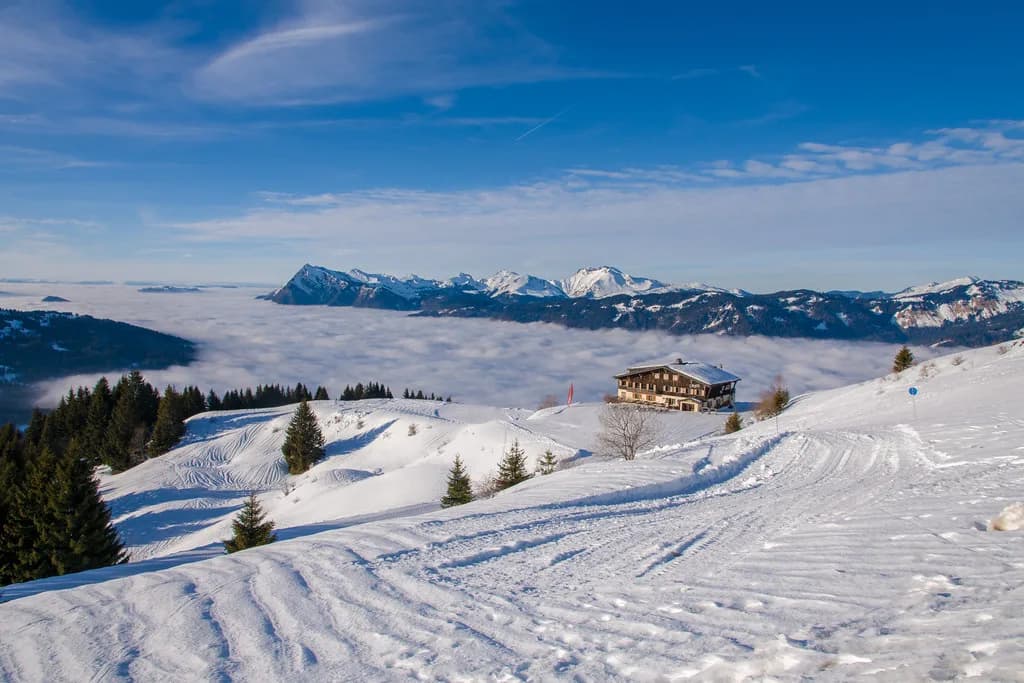
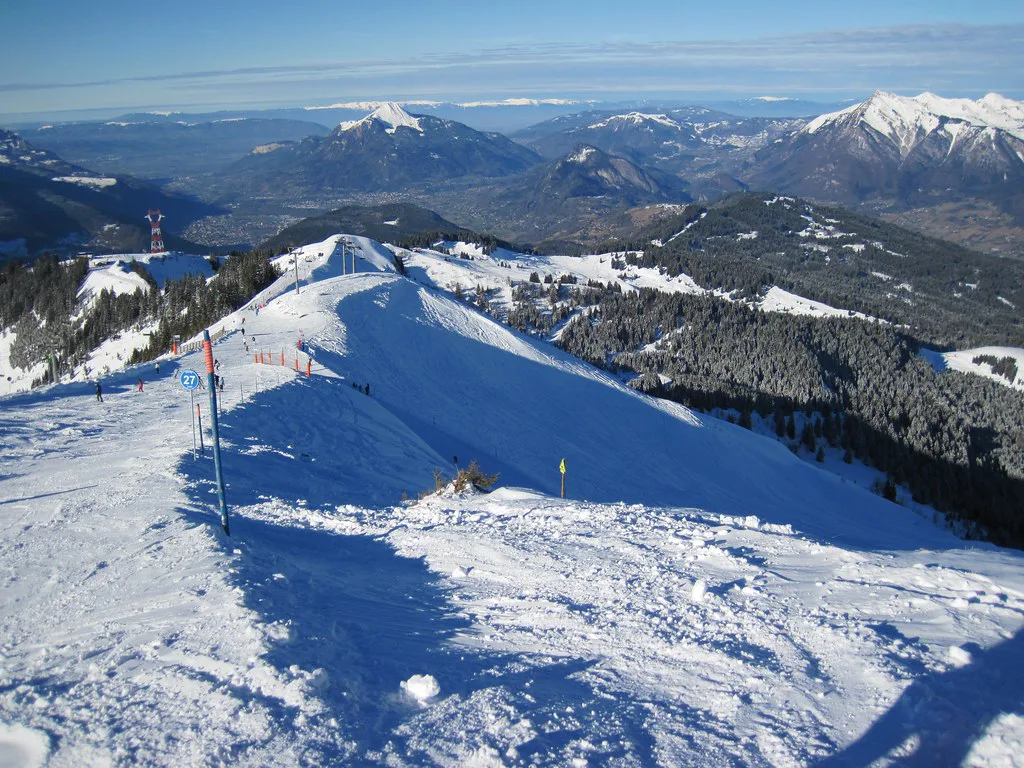
The Grand Massif's 700m to 2,500m range is wide, and the tourist office notes that most slopes face north. That combination is why the area holds snow well through the winter: the top stays cold, and the majority of runs avoid the strongest sun. It also explains why the lower village return can soften first in spring.
Read the mountain in layers. The village at roughly 700m is the most marginal zone, Samoëns 1600 sits in the middle, and Flaine's open bowls and the Grandes Platières summit hold the best cover. Use the webcams and snow report to see which layer is currently open, rather than looking at a single snow depth figure.
Month-by-month: December, January, February, March and April
December brings the Christmas market atmosphere in the village and the first real skiing, but the circuit is not necessarily complete. January is quieter after the school holidays, with quality snow and often easier availability. February is the safest bet for cover but the busiest week for families.
March and early April reward skiers with longer days, sunny terraces and still-good snow at altitude, while lower runs get heavier. The tourist office's own advice is to favour January or March for the best balance of conditions and crowds. If you have flexibility, those are the weeks to target.
Where the snow holds late: Flaine's bowls versus Samoëns' forest runs
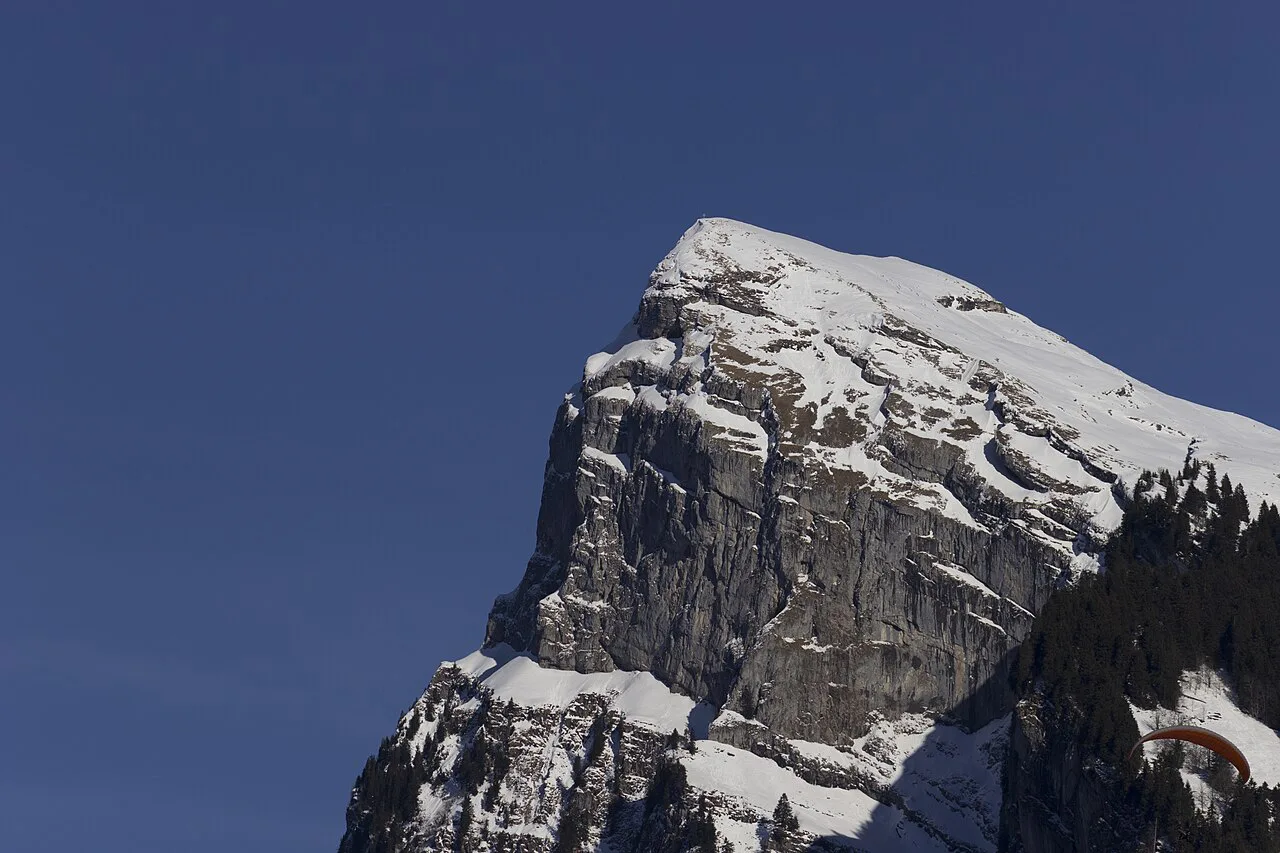
Late in the season, the high, open terrain above Flaine is the place to be. The Grandes Platières summit at 2,500m is accessible to pedestrians as well as skiers, so non-skiing companions can ride up for the Mont Blanc view while you ski the high runs.
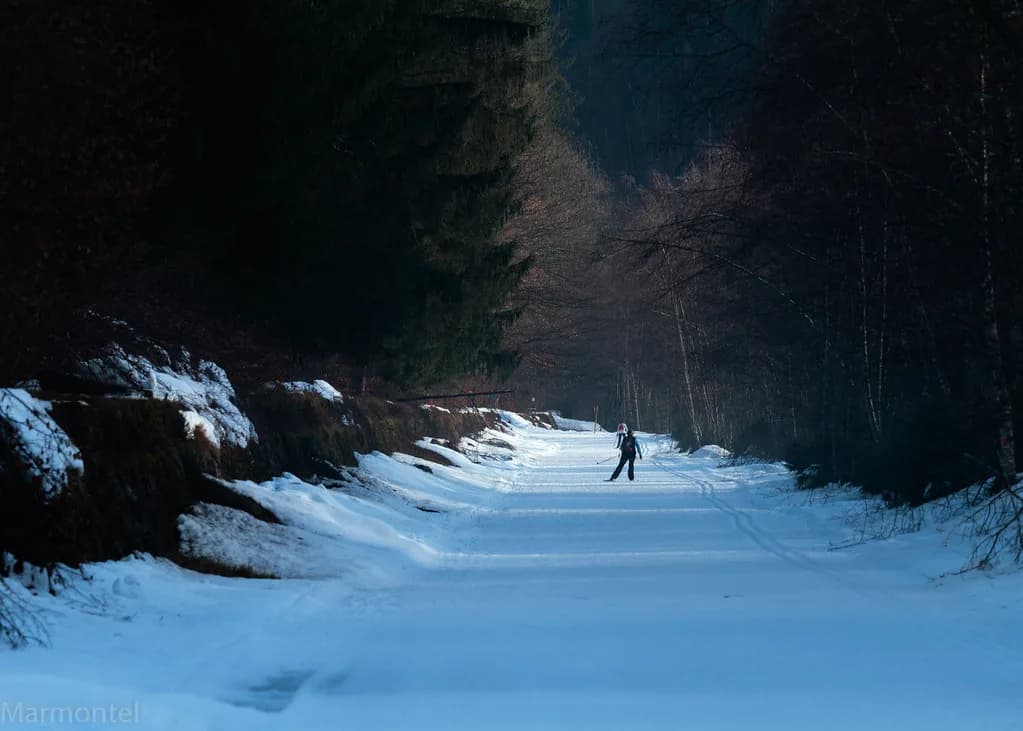
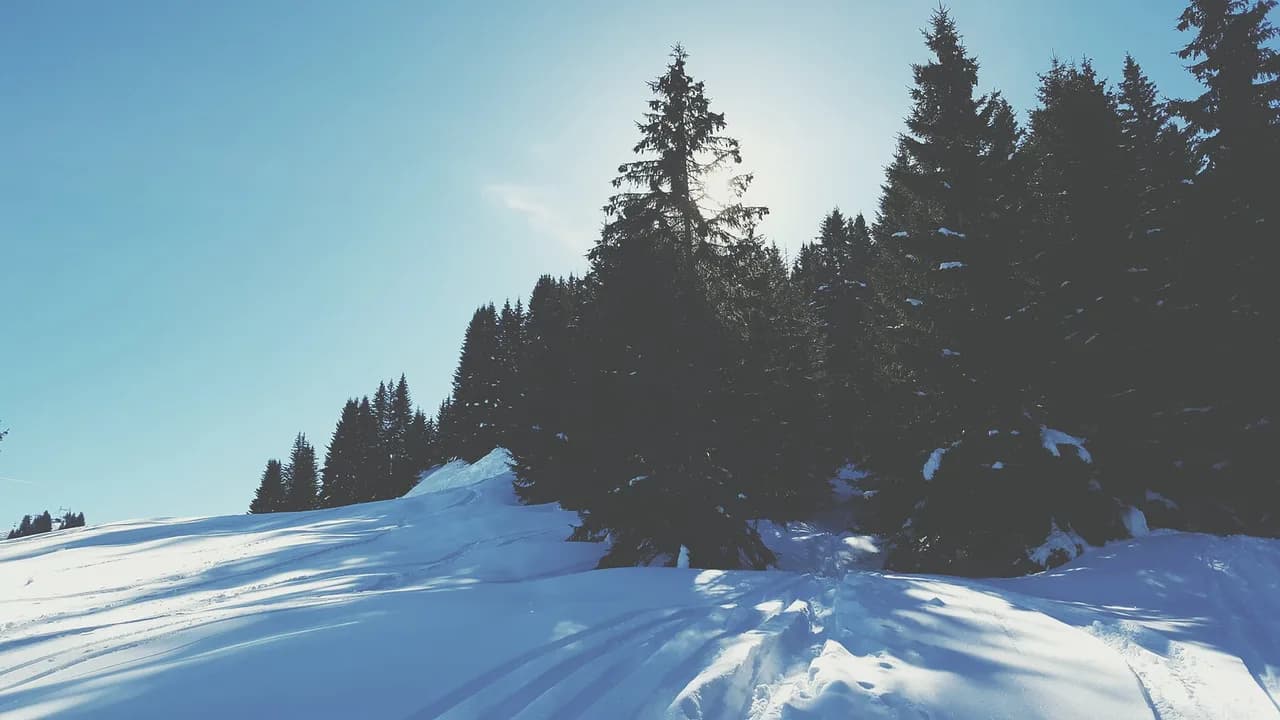
Samoëns and Morillon are forest country, which is beautiful but lower and warmer. The Marvel run through the spruce forest is a family favourite in midwinter, yet the same trees shade slush in April. Plan a late-season week around Flaine and treat the village return as a bonus, not a given.
Early season trade-offs: what opens first and what lags
In early season, expect the higher, snowmaking-supported terrain to come online first. The Samoëns 1600 beginner area, with seven beginner-friendly lifts and a covered magic carpet, is designed to function as soon as the access gondola runs, which makes it a sensible early-season learning base.
The trade-off is the lower village return and some of the forest runs, which need more natural snow. A December trip can be excellent if you accept a partial circuit and stay high. If you want the full 265km link across all five resorts, aim later.
Late season trade-offs: spring sun and the Cascades timing
The Cascades run is the Grand Massif's signature descent: 14km from the Grandes Platières down to Sixt-Fer-à-Cheval, passing frozen waterfalls and forest. Its lower sections are the first to suffer in warm spring weather, so early April is the moment to check whether it is fully open before making it your day's plan.
Spring skiing here is about timing within the day: hard, fast snow in the morning and soft, heavy snow after lunch. Start high and early, and use the afternoon for terraces or the pedestrian lift to the Grandes Platières rather than fighting slush on the lower return.
Which pass fits your dates: Beginner, Vill4ges and Grand Massif
Three products cover most trips. The Beginner pass suits the Samoëns 1600 learning zone, the Vill4ges pass covers Samoëns, Morillon, Les Carroz and Sixt-Fer-à-Cheval without Flaine, and the Grand Massif pass unlocks all 265km. For a week, the full pass is usually the right call if you want to explore.
Book online in advance to access early-booking discounts, which the Samoëns Tourist Office describes as up to 30% on six-day Grand Massif passes depending on period and availability. The tourist office also states free day passes for under-8s and over-75s with proof of age at the ticket office. Prices and dates are published on the official site before you commit.
Ski school and hire booking windows that align with your week
Ski schools in Samoëns run group and private lessons for children and adults, and the main meeting point is at the top of the Grand Massif Express beside the beginner area. That makes village-centre accommodation with a short walk to the gondola a practical choice for families with lessons.
Rental shops cluster in the village centre, at the gondola departure and at Samoëns 1600, and most offer online booking with preferential rates plus lockers in some stores. Book lessons and hire together for the school-holiday weeks, when the best slots and sizes go first; see our Samoëns ski hire guidance for how the options compare.
Getting to Samoëns in winter: village access, two gondolas and the Skibus
Driving in, you have a choice of access points. The Grand Massif Express car park has 800 spaces and is paid in winter, while the Vercland gondola car park has 520 free spaces. Vercland also avoids peak queues, which suits experienced skiers heading straight for the circuit.
Free Skibus shuttles link the village centre, main districts and both gondolas throughout the winter season, so a village-centre base without a car is entirely workable. If you are staying near the centre, walk to the Grand Massif Express rather than moving the car.
Where to base yourself for a given week
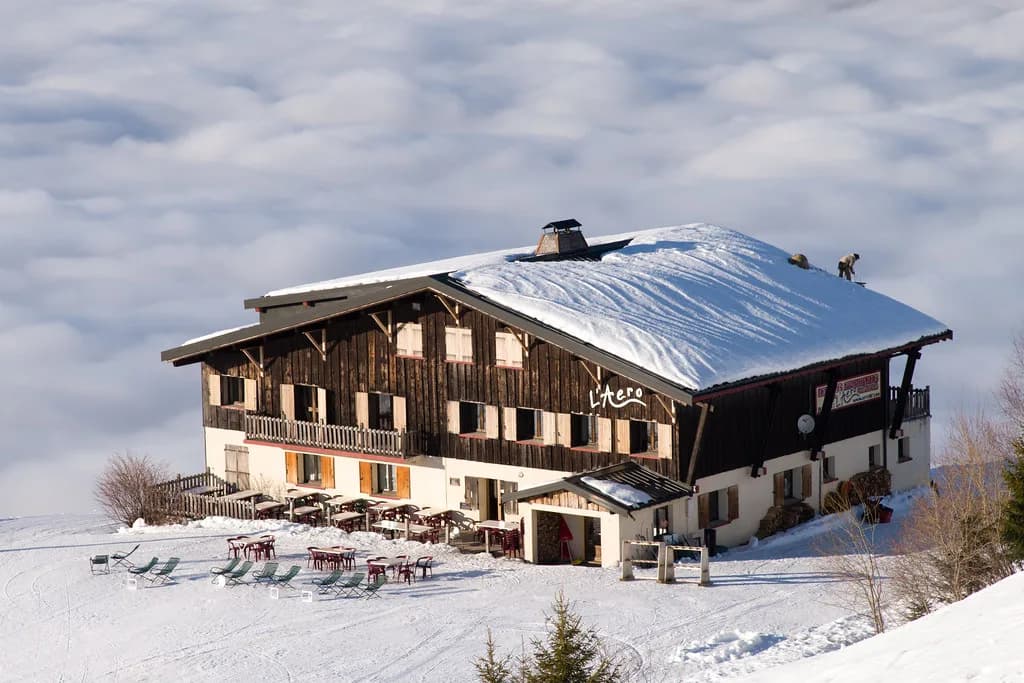
For a first week or a family trip, the village centre gives you restaurants, the historic core and walking access to the Grand Massif Express and ski school meeting point. Samoëns 1600 suits skiers who want to wake up on the snow and skip the commute, at the cost of village atmosphere.
Vercland is the connoisseur's base: free parking, fast cabins and a quieter start, though it is less convenient for lessons and beginner children. If your group is mixed, the village centre is the compromise that keeps everyone moving.
A sample six-day plan across the five resorts
Day one, stay local: Samoëns 1600 and the Vill4ges pistes to find your feet. Day two, Morillon and Les Carroz forests. Day three, head high to Flaine and the Grandes Platières. Day four, the Cascades to Sixt-Fer-à-Cheval. Day five, Combe de Gers for strong skiers, or a repeat of favourites. Day six, link the whole circuit.
The tourist office suggests three to six days to explore properly, and a six-day Grand Massif pass makes sense for a week's stay. Fewer days means choosing either the Samoëns side or a Flaine day rather than trying to cover everything.
Practical checks before you travel
Check lift opening, snow conditions and weather before heading out, using the webcams and live piste information rather than relying on a forecast alone. This matters most in December and April, when the difference between a partial and full circuit changes which pass is worthwhile.
If you are comparing French seasons or want to see how another resort's calendar is structured, our Alpe d'Huez ski season guide offers a useful contrast. For Samoëns, the key is to line up your dates with the terrain you actually want to ski.
Plan Your Visit
The Samoëns ski season rewards a little planning: target January or March for the best balance, treat December and April as altitude-dependent, and choose your pass based on whether you want the full 265km circuit or just the village sectors. Base yourself in the village centre for lessons and atmosphere, or Vercland for fast, free parking and quiet lifts.
Match your booking window to the terrain you want, and check current dates, opening status and prices on the official Samoëns and Grand Massif sites before you travel. With the right week and the right pass, the Grand Massif delivers one of the most varied linked ski areas in the French Alps.
Frequently Asked Questions
When does the ski season start and end in Samoëns?
The Samoëns tourist office describes the season as generally mid-December to mid-April. That is a typical window rather than a guarantee, and the full Grand Massif circuit may not be open on the first or last days. Check the current season dates and lift status on the official site before booking.
Can you ski back down to Samoëns village?
The village is served by the Grand Massif Express and Vercland gondolas, but the lowest runs back to around 700m are the most marginal in the area. In midwinter they typically work; in early December or April they may not. Check the piste status on the day.
Is Samoëns good for beginners in early season?
The Samoëns 1600 beginner area has seven beginner-friendly lifts including a covered magic carpet, and is reached directly by gondola from the village without needing a chairlift first. It is a strong early-season learning base when the village access lifts are running.
What is the snow like in Samoëns in January?
January is typically quiet after the school holidays, with good snow and easier availability. The Grand Massif reaches 2,500m and most slopes face north, so cover generally holds well through the month.
Is March a good time to ski in the Grand Massif?
March and early April bring longer days, sun and still-good high-altitude snow, while lower runs soften. The tourist office recommends January or March for the best balance of conditions and crowds. Plan high days around Flaine if the lower village return is thinning.
Which ski pass do I need for a week in Samoëns?
For a week, the Grand Massif pass is usually best because it covers all 265km across the five resorts. The Vill4ges pass suits skiers staying on the Samoëns, Morillon, Les Carroz and Sixt side, and the Beginner pass covers the Samoëns 1600 learning zone. Book online in advance for early-booking discounts.
How long does it take to ski the whole Grand Massif?
The tourist office suggests three to six days to explore the area properly. A six-day pass gives time to ski Samoëns, Flaine, Les Carroz, Morillon and Sixt-Fer-à-Cheval without rushing, including the 14km Cascades run.
Sources
Useful notes for your next ski trip
Optional updates to our Alpine resort guides.
You might also like
Continue reading
More guides you'll find useful